16 Vintage Stadium Snacks You Can No Longer Buy
Going to the ballpark or stadium used to mean more than just watching the game. The snacks were half the fun, and some of those treats from decades past were truly one of a kind.
From regional favorites to national sensations, the concession stands of yesteryear offered flavors and experiences that today’s fans will never know. Let’s take a trip down memory lane and revisit some of those classic stadium snacks that have disappeared from the menu boards forever.
Cracker Jack With Actual Prizes
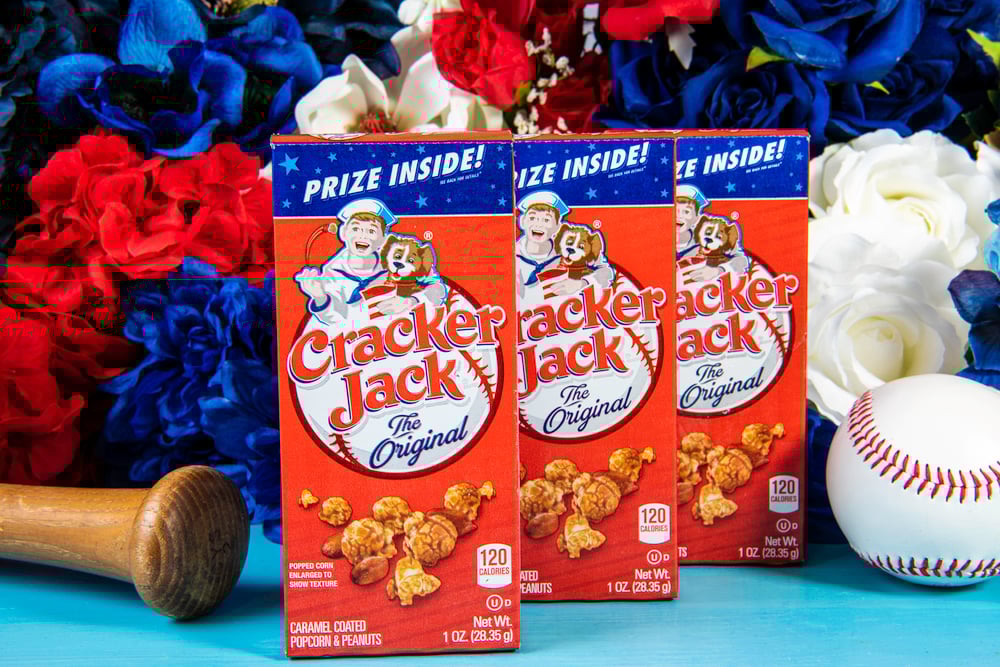
The yellow box with the sailor mascot was a stadium staple for over a century, but the original version came with real prizes inside that made every purchase feel like a treasure hunt. Kids would dig through caramel-coated popcorn and peanuts to find tiny toys, temporary tattoos, or miniature puzzles that actually meant something.
Modern versions switched to cheap stickers and paper prizes, then eventually discontinued the tradition altogether. The magic of finding a small metal toy or a working compass in your snack box is something no QR code can replace.
Frostie Root Beer In Glass Bottles
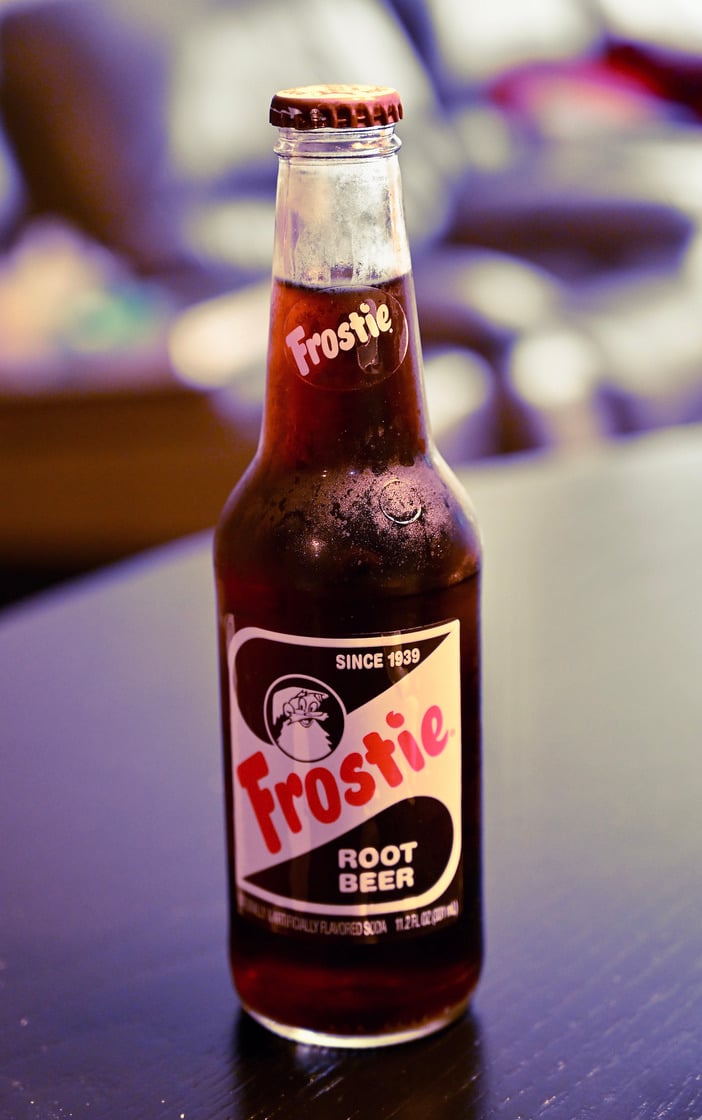
Frostie Root Beer was the drink of choice at many stadiums throughout the 1960s and 70s, served ice cold in returnable glass bottles that somehow made it taste better. The foam would rise up perfectly when you popped the cap, and the glass kept it colder longer than any paper cup could.
Regional bottlers produced Frostie across the country, making it a common sight in concession stands from California to New York. The brand faded as major soda companies bought up distribution rights and shelf space, leaving Frostie as just a memory for those who remember the distinct orange and blue label.
Bonomo Turkish Candy
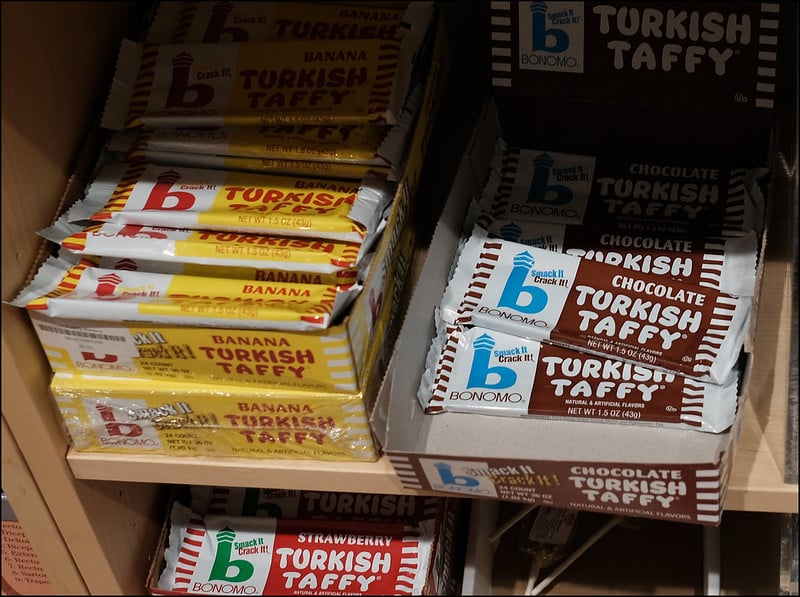
This chewy candy bar was a stadium favorite because it could last through nine innings if you ate it slowly enough. The flat, rectangular bars came in flavors like vanilla, chocolate, strawberry, and banana, and eating one required serious jaw strength.
Many fans would freeze them first, then smack them against the bleachers to break them into bite-sized pieces. The company went out of business in the 1980s, though brief revival attempts never captured the same widespread availability or nostalgic appeal.
Stadium Club Crackers With Cheese
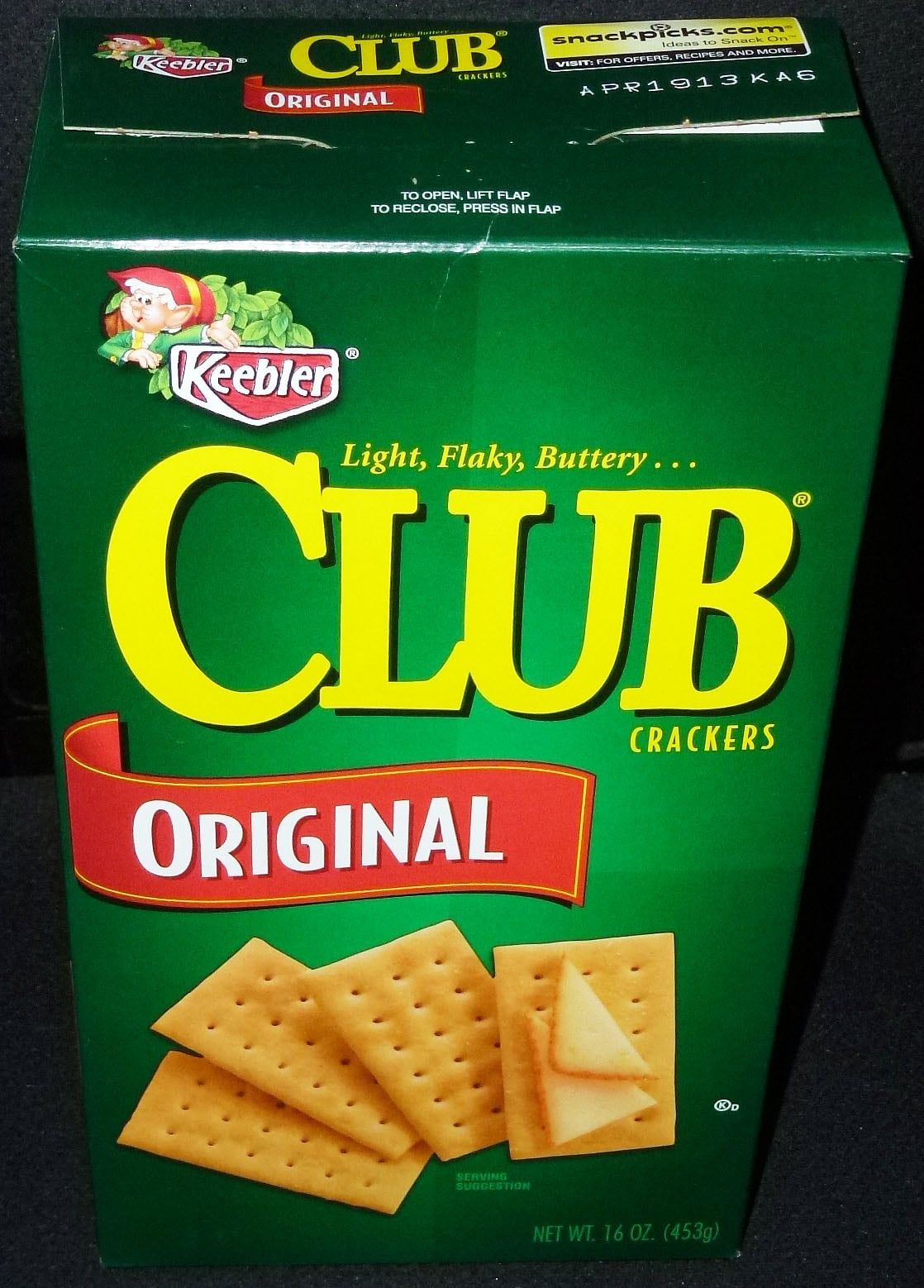
These weren’t the crackers you could buy at the grocery store. Stadium Club was a specific brand of premium crackers served at ballparks, paired with a processed cheese spread that came in small containers.
The crackers were thicker and more substantial than regular saltines, with a buttery flavor that stood up to the rich cheese. Vendors would walk the aisles selling them in special packages designed for easy eating in the stands.
The brand disappeared when concession companies shifted to more profitable items with longer shelf lives.
Charms Blow Pops In Team Colors
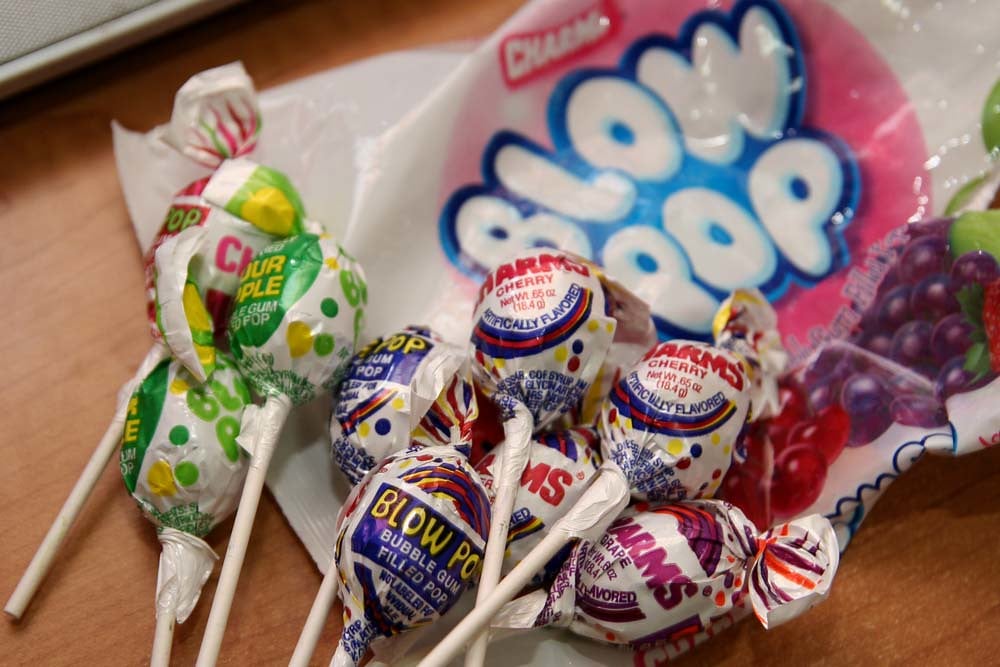
Stadiums used to stock blow pops in colors matching the home team, making them unofficial fan merchandise you could eat. A blue raspberry pop at a Kansas City Royals game or an orange one at a Baltimore Orioles game felt like showing team spirit in the sweetest way possible.
The lollipops were large enough to last several innings, and the gum center provided a second phase of enjoyment. Generic candy replaced these specialized offerings as stadiums standardized their concession menus across all venues.
Kahn’s Hot Dogs
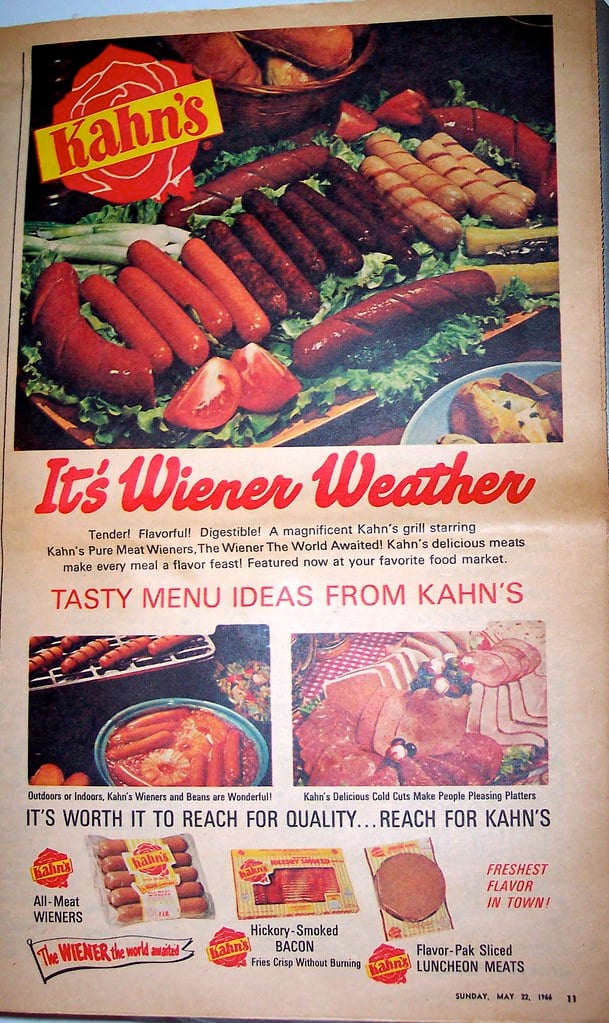
In Midwestern stadiums, particularly around Cincinnati and Columbus, Kahn’s was the only hot dog brand that mattered for generations. The company started in 1883 and became synonymous with ballpark food throughout Ohio, Indiana, and Kentucky.
Their wieners had a distinct snap and flavor profile that locals could identify in one bite, and the brand sponsored everything from Little League teams to major stadium scoreboards. After multiple corporate buyouts and ownership changes, the brand lost its regional production facilities, and the original recipe disappeared from stadium menus by the early 2000s.
Dippin’ Dots Ice Cream Of The Future
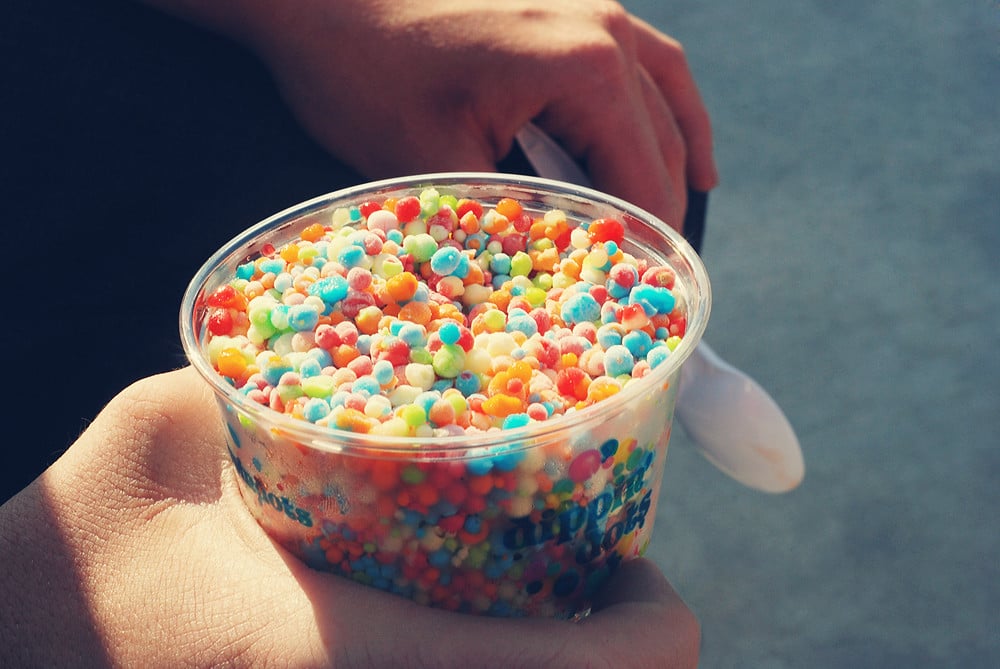
These tiny beads of flash-frozen ice cream were marketed as space-age refreshments and showed up in stadiums during the 1990s and early 2000s with their own dedicated kiosks. The super-cold pellets felt like eating frozen caviar made of ice cream, available in flavors that traditional scoops couldn’t match.
Stadium contracts with traditional ice cream brands eventually squeezed out Dippin’ Dots from most major venues, even though the company still exists in smaller locations. Finding them at a stadium now is like spotting a pay phone or a VHS rental.
Original Big League Chew In Foil Pouches
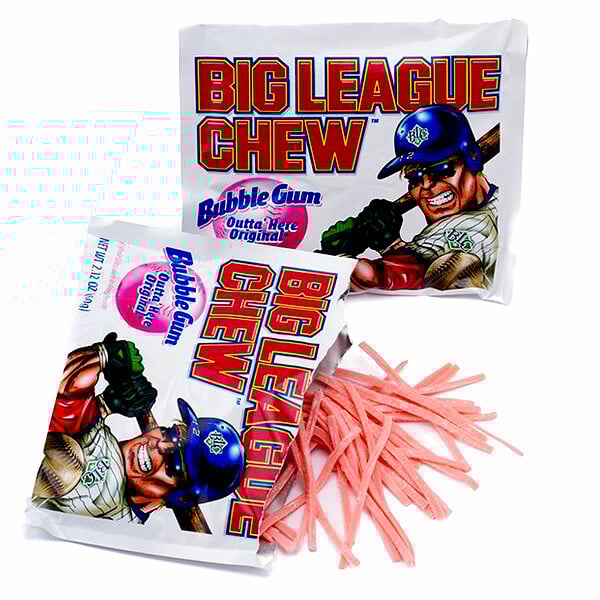
The shredded bubble gum designed to look like chewing nicotine came in distinctive foil pouches that crinkled loudly in the stands. Players and fans alike stuffed their cheeks with the stringy pink or grape gum, feeling like part of the team without any of the actual nicotine.
The original formula was softer and more flavorful than current versions, and the pouches were bigger with more generous portions. Health concerns and changing attitudes led to reformulations and smaller packages that don’t capture the same rebellious appeal the original had.
Snow Cones In Paper Cones
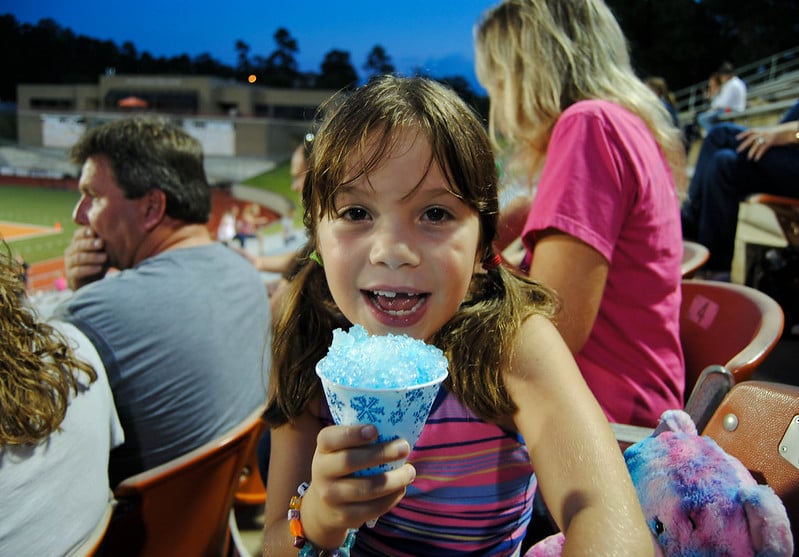
Proper stadium snow cones came in white paper cones, not plastic cups, and the ice was shaved so fine it melted on your tongue like winter itself. Vendors would shave the ice right in front of you from large blocks, then douse it with vivid syrups in cherry, blue raspberry, or lime.
The paper cone would gradually soften and leak, forcing you to eat quickly while juggling a napkin underneath. Modern stadiums switched to pre-made frozen drinks in plastic cups for efficiency, eliminating the ritual of watching your treat get made fresh.
Malt-O-Meal In Insulated Cups
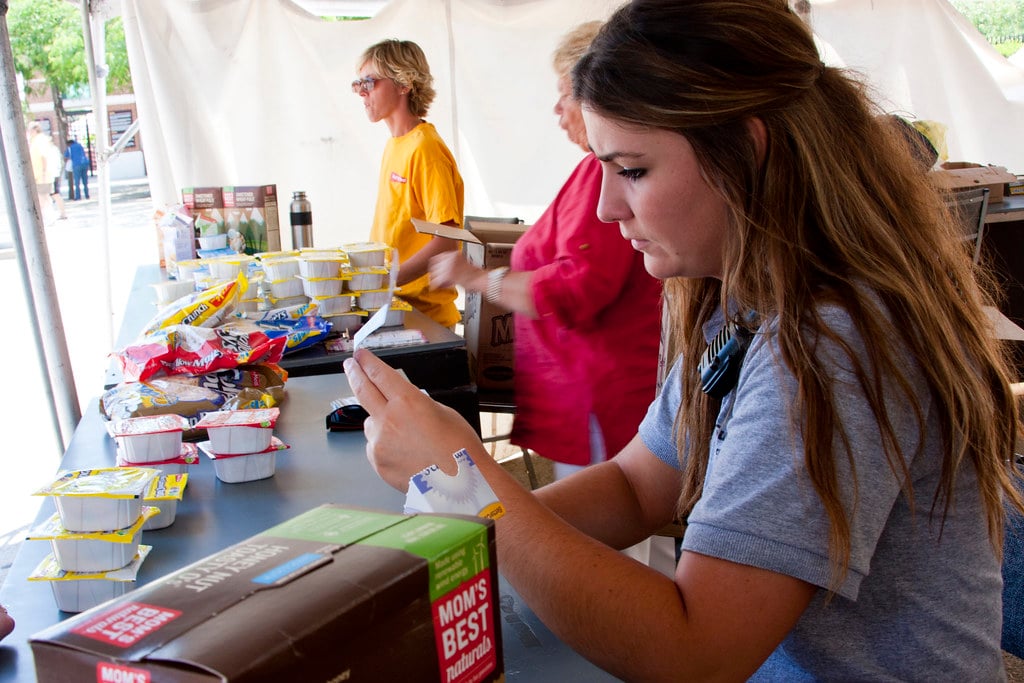
Some stadiums in colder climates served hot Malt-O-Meal in the stands during early season games when temperatures still dipped below freezing. The warm cereal came in insulated cups with lids, providing both breakfast and hand warmers for fans who showed up for afternoon games.
Vendors would carry thermoses through the sections, ladling out portions topped with brown sugar or cinnamon. This practical comfort food vanished as stadiums decided hot cereal didn’t fit the traditional ballpark image they wanted to project.
Fiddle Faddle Caramel Corn
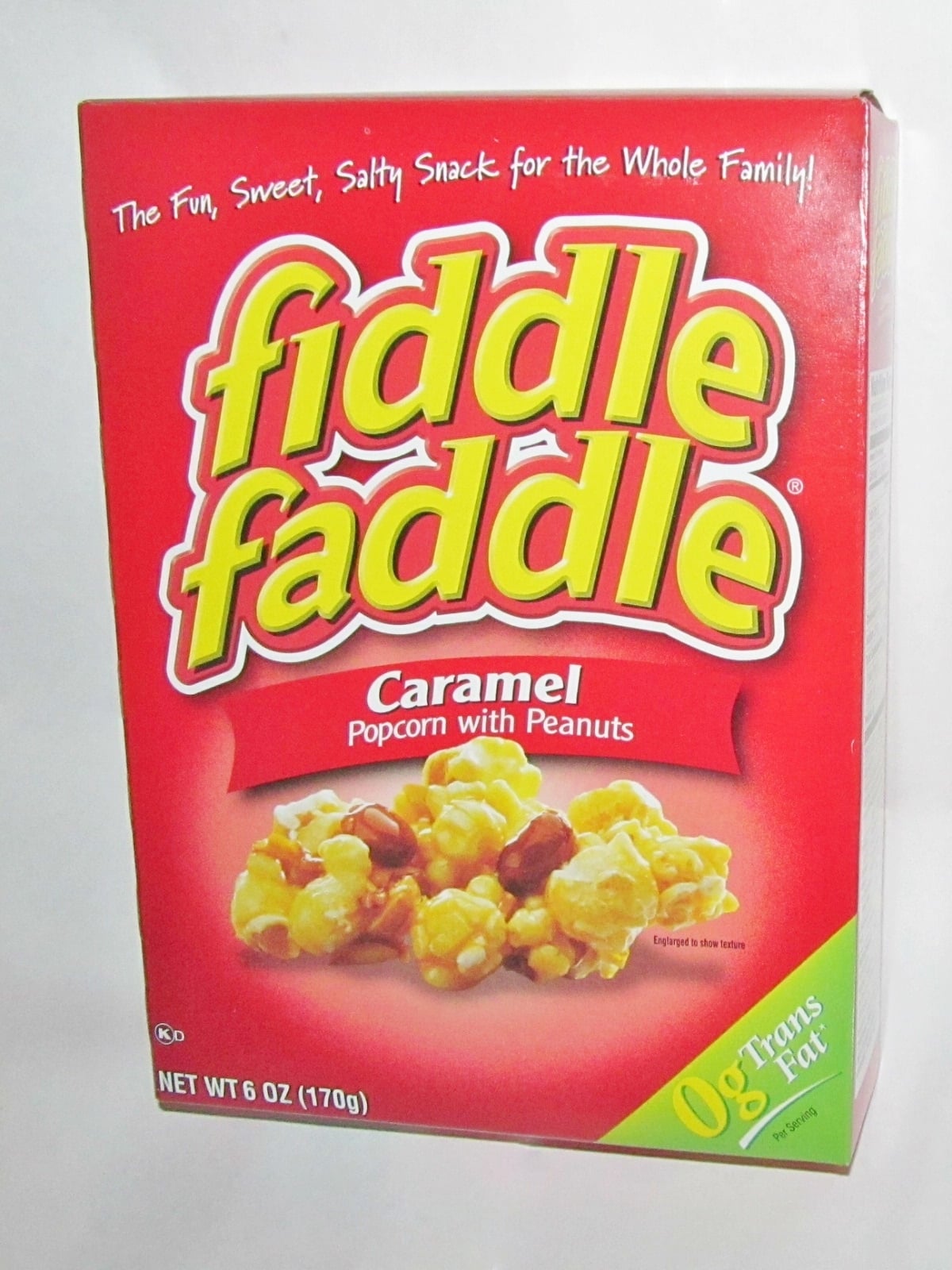
Before corporate sponsorships took over every aspect of stadium food, Fiddle Faddle was the premium caramel corn option at concession stands across America. The mixture of caramel-coated popcorn and peanuts came in distinctive red boxes that were easier to handle than bags.
It was sweeter and stickier than Cracker Jack, with a butter-toffee flavor that coated your fingers and required multiple napkins. The brand got shuffled between different corporate owners and eventually lost its prominent stadium presence to generic popcorn and newer snack options.
Squirt Soda In Cans
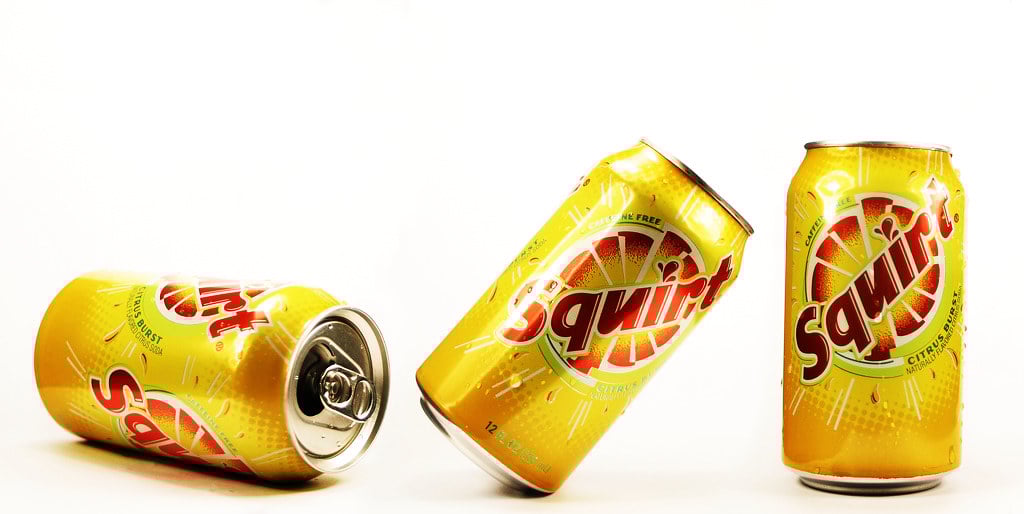
This grapefruit-flavored soda was a common stadium offering throughout the Southwest and Western states, providing a sour alternative to the usual cola options. The bright yellow cans stood out in vendor trays, and the citrus flavor was especially refreshing during hot afternoon games.
Squirt had a devoted following but never achieved the national distribution needed to maintain stadium contracts as soft drink companies demanded exclusive arrangements. Finding it at a stadium today is nearly impossible, even in regions where it’s still sold in stores.
Original Slim Jim Meat Sticks
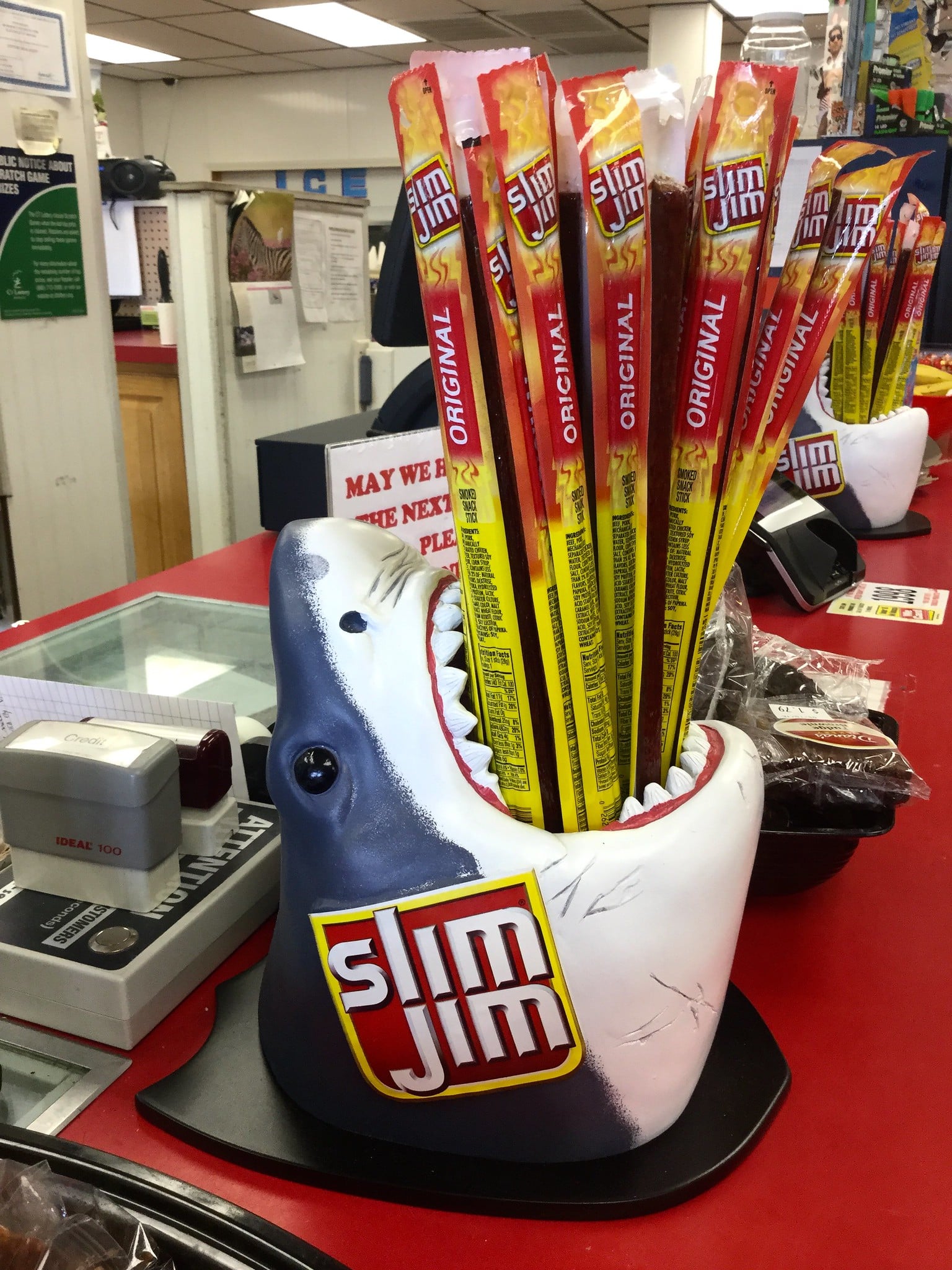
The Slim Jim products sold in stadiums during the 1970s and 80s were thicker, meatier, and came in plain wrappers without cartoon mascots or extreme marketing. These meat sticks were substantial enough to count as actual food, not just a snack, and had a natural casing that gave them a satisfying snap.
The recipe and size changed dramatically over the decades as the brand chased younger consumers with spicier, smaller versions wrapped in loud packaging. Old-timers insist the originals tasted more like real meat and less like salt and preservatives.
Flavor-Ice Freezer Pops
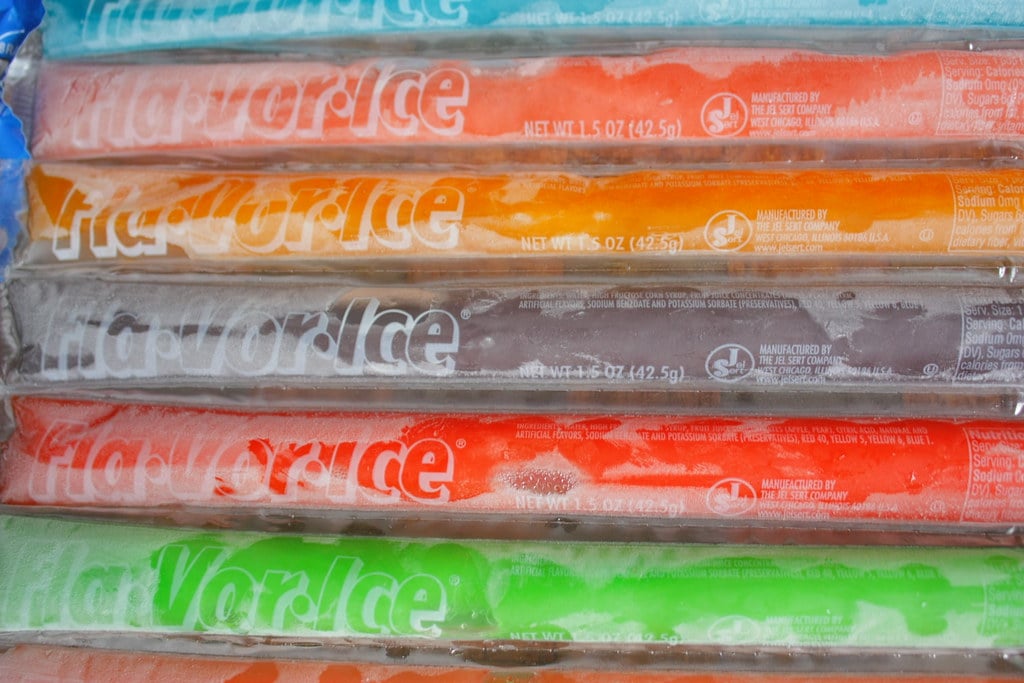
These long plastic tubes filled with flavored ice were stadium staples during summer games, sold from coolers by vendors who walked the aisles. Fans would bite off the top corner and squeeze the slushy ice directly into their mouths, getting a few minutes of cooling relief for just a quarter.
The tubes came in electric colors that matched their artificial fruit flavors, and they were messy enough that parents kept extra napkins on hand. Stadiums phased them out in favor of bottled frozen drinks that had higher profit margins and created less trash in the stands.
Brach’s Royals Chocolates
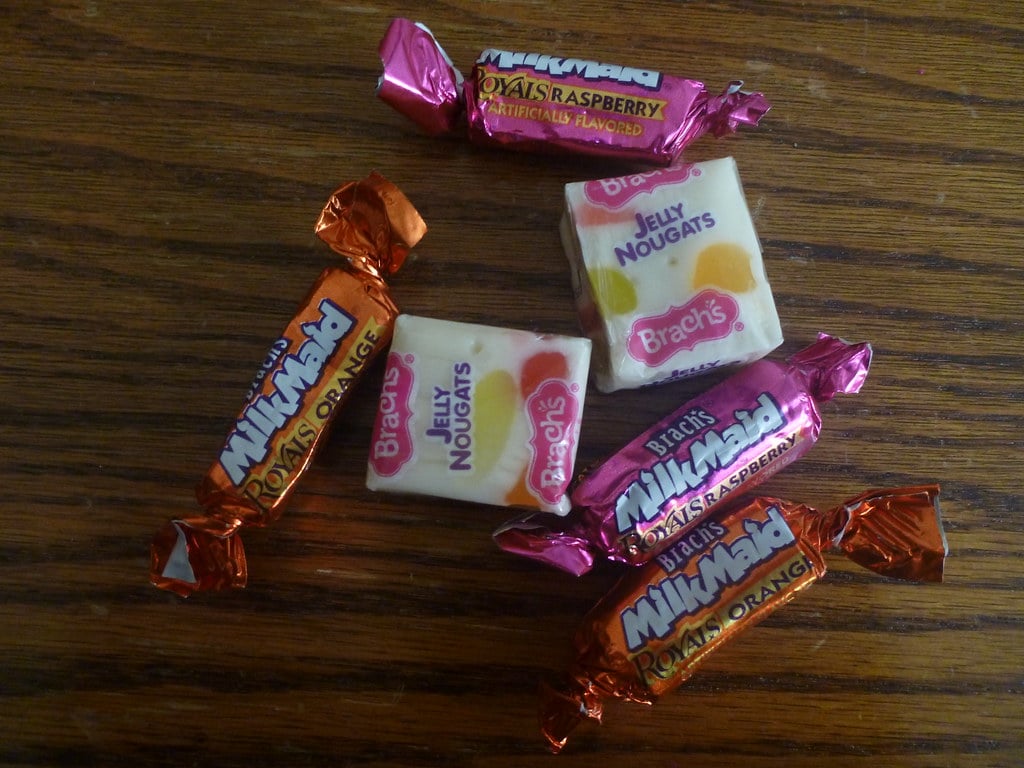
Wrapped one by one, these chocolate treats arrived in assorted packs, handy for passing down the seats when games dragged on. Inside each bag: caramels, fluffy nougat pieces, creamy fillings – each piece dipped in chocolate sturdy enough to resist melting fast under lights.
Brach’s once partnered with several major ballparks, so their sweets showed up at counters, carried on trays, and sold between innings. After financial trouble forced reorganization, the brand faded from stadiums, edged out when rival candies secured sole rights to sell inside arenas.
Original Fenway Franks Boiled In Beer

Brewing hot dogs in beer? That started at Fenway, Boston’s old ballpark, where cooks simmered franks right in amber lager.
This twist gave each bite a quiet sweetness – malty edges hugging the meaty core of pork and beef. Then came rules.
Rules plus big-brand uniformity stamped out the custom, even if the label “Fenway Frank” still sticks around. These days, steam rises from pots full of tap water, just like any chain stand.
What fans once craved – the real savor – is now something recalled more than tasted.
The Taste Of History
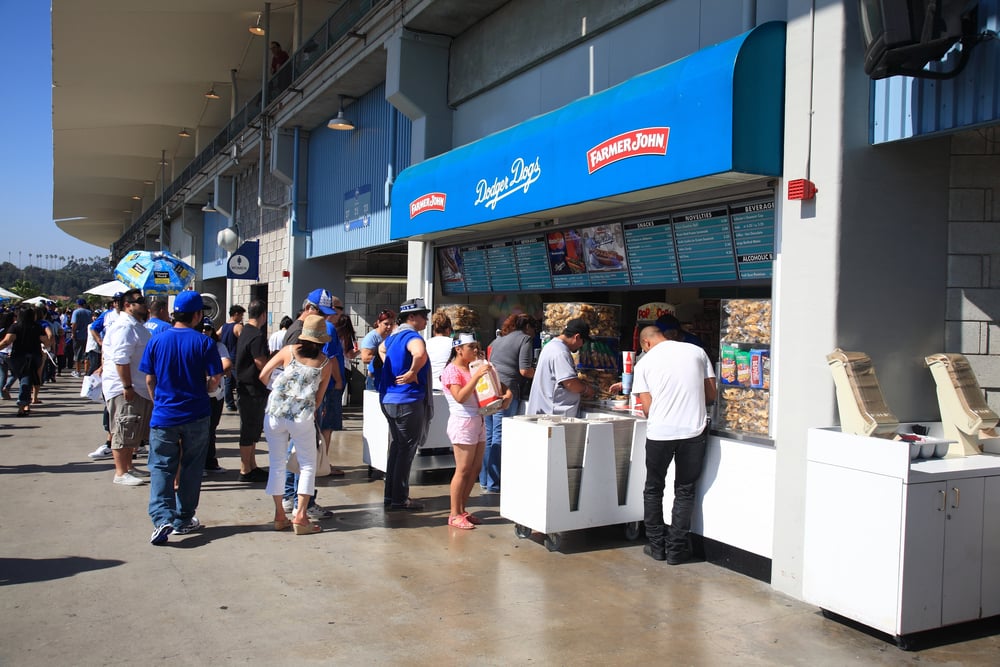
Old ballpark treats meant something beyond eating. Not only did they fill stomachs, but also shaped how people remembered live games – flavors stuck in time, moments you cannot really find now.
Instead of local picks, stadiums push big-name products because money matters most these days. Even though current crowds munch on similar items, one thing stays missing – the sound of opening a cold Frostie bottle or finding an actual toy inside Cracker Jack while everyone stands up late in the game.
More from Go2Tutors!

- The Romanov Crown Jewels and Their Tragic Fate
- 13 Historical Mysteries That Science Still Can’t Solve
- Famous Hoaxes That Fooled the World for Years
- 15 Child Stars with Tragic Adult Lives
- 16 Famous Jewelry Pieces in History
Like Go2Tutors’s content? Follow us on MSN.