Most Controversial Diamond Mines
Shiny rocks are often sold as tokens of wealth, loyalty, or endless grace. Trouble hides beneath some of those bright gems – workers treated poorly, land harmed, power struggles fueled.
For years now, specific digging sites turned into heated worldwide issues. Eyes from reformers, state leaders, and global monitors keep turning there.
Still, despite moves toward openness and better practices, certain diamond mines carry a troubled past. These places show that rare earth riches bring wealth – yet also deep struggle.
A few of the planet’s most disputed diamond digs are worth examining more closely.
Marange Diamond Fields

The Marange Diamond Fields in eastern Zimbabwe have become one of the most widely discussed diamond mining regions in modern history. Discovered in 2006, the deposits quickly attracted thousands of informal miners hoping to profit from the sudden rush of diamonds beneath the soil.
The Zimbabwean government eventually moved to take control of the fields, deploying military forces to manage mining activity. Reports from international human rights groups have described harsh conditions, including forced labor and violent crackdowns on unauthorized miners.
These claims led to widespread scrutiny of diamonds originating from the region. Even so, the Marange fields remain one of the largest diamond deposits ever discovered, making them both economically important and politically sensitive.
Jwaneng Mine
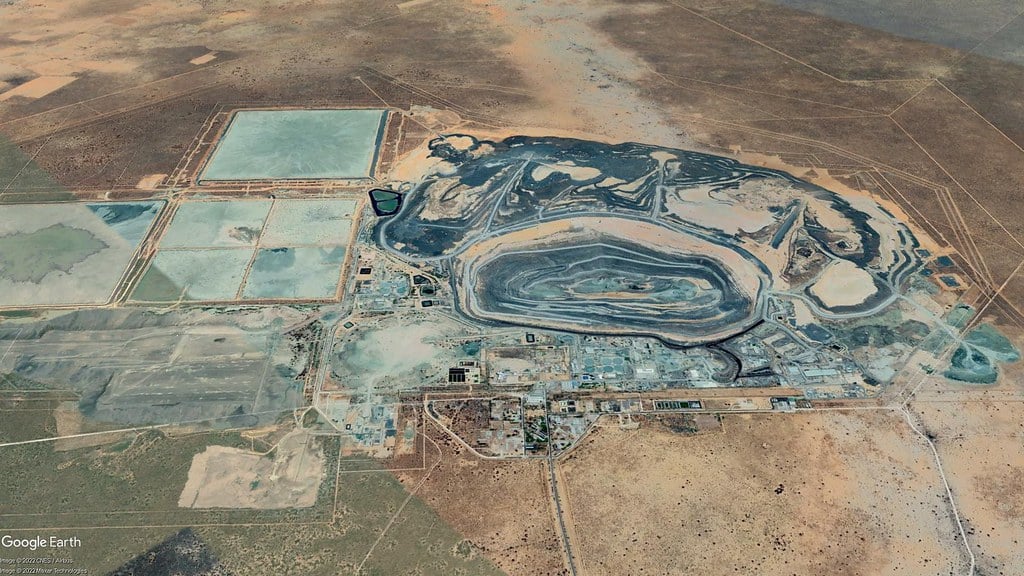
Botswana’s Jwaneng Mine is often described as the richest diamond mine in the world by value. Operated through a partnership between the Botswana government and De Beers, the mine produces millions of carats of diamonds each year.
Its success has helped transform Botswana into one of Africa’s fastest-growing economies. Still, the mine has faced criticism related to environmental concerns and the displacement of local communities.
Large open-pit operations dramatically reshape the landscape, and debates continue over how mining profits are distributed. Even so, Botswana’s government is frequently praised for managing diamond revenues more transparently than many other resource-rich countries.
Orapa Mine

Located in Botswana’s central desert region, the Orapa Mine is one of the largest diamond mines in the world by area. The mine began production in the early 1970s and remains a cornerstone of Botswana’s diamond industry.
Over time, it has contributed significantly to the country’s infrastructure, education, and healthcare systems. Despite these economic benefits, Orapa has also drawn attention for its environmental impact.
Open-pit mining removes large volumes of earth, altering natural ecosystems and wildlife habitats. Critics argue that balancing economic development with environmental protection remains a continuing challenge for large mining operations.
Mirny Mine
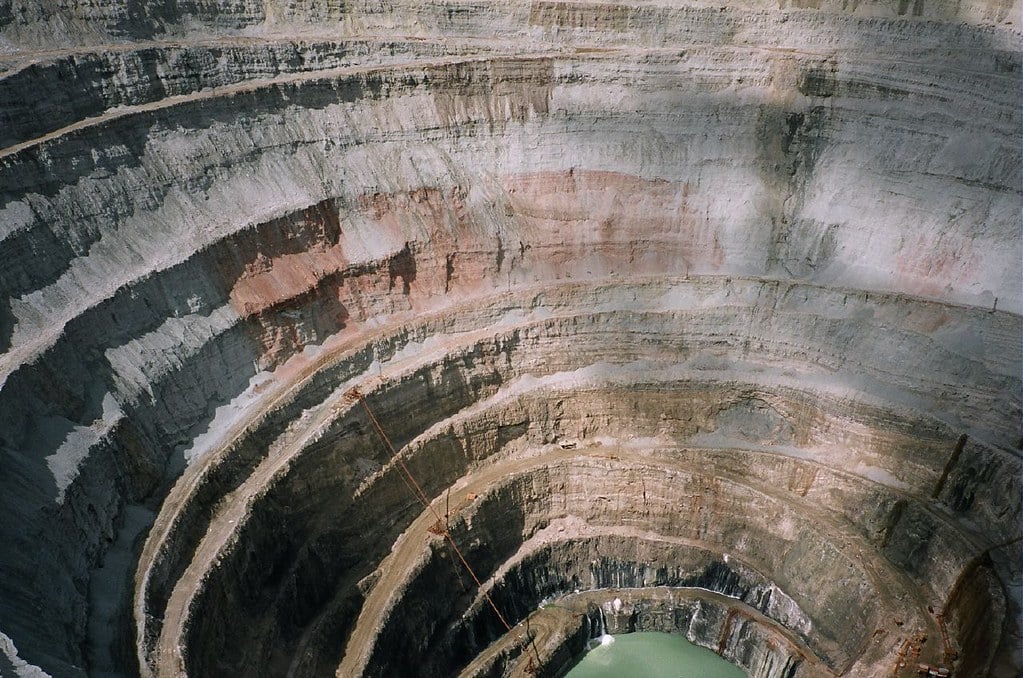
The Mirny Mine in eastern Siberia is one of the most famous diamond mines ever constructed. Opened during the Soviet era in 1957, the mine features a massive open pit that stretches more than three-quarters of a mile across and plunges roughly 1,700 feet deep.
Its enormous scale made it one of the most dramatic mining sites on Earth. Controversy surrounding Mirny has largely focused on worker safety and environmental impact.
Harsh Arctic conditions combined with demanding extraction methods created difficult working environments for miners. Still, the mine played a crucial role in establishing the Soviet Union as a major force in the global diamond market.
Argyle Mine

Australia’s Argyle Mine gained international attention for producing some of the rarest colored diamonds in the world, particularly pink diamonds. Located in Western Australia’s remote Kimberley region, the mine began operations in 1983 and quickly became one of the largest diamond producers globally.
Even so, the mine faced criticism from environmental advocates concerned about its impact on local ecosystems. The Kimberley region contains unique wildlife habitats, and large-scale mining operations inevitably changed parts of the landscape.
When the Argyle Mine closed in 2020 after nearly four decades of production, it marked the end of one of the most debated chapters in Australia’s mining history.
Ekati Mine

Canada’s Ekati Mine was the country’s first large-scale diamond mine, opening in the Northwest Territories in 1998. Its development introduced Canada as a major player in the global diamond market, challenging the long-standing dominance of African and Russian sources.
Despite its reputation for strict environmental oversight, Ekati has faced criticism related to water management and the protection of nearby wildlife habitats. Indigenous communities in the region have also raised concerns about land use and long-term environmental monitoring.
Even so, the mine has also created employment opportunities and economic partnerships with local communities.
Diavik Mine

Not far from Ekati lies the Diavik Diamond Mine, another major Canadian operation located on a small island within Lac de Gras. The mine operates in an extremely remote environment, requiring extensive infrastructure to maintain year-round production in subarctic conditions.
While Canada’s diamond industry is often viewed as more regulated than many others, Diavik has still encountered debates surrounding environmental stewardship. Building a mine in such a delicate ecosystem requires careful monitoring of water quality and wildlife migration patterns.
That said, the project has also been recognized for innovative engineering solutions designed to reduce environmental disruption.
Cullinan Mine

South Africa’s Cullinan Mine holds a special place in diamond history. It produced the famous Cullinan Diamond in 1905, the largest gem-quality diamond ever discovered.
Several stones cut from the original crystal now appear among the British Crown Jewels. Even with its historic reputation, the mine has faced controversy over labor conditions and worker relations throughout different periods of its operation.
South Africa’s mining sector has long been shaped by broader social and political tensions, and the diamond industry has not been immune to those challenges.
Koidu Mine

Sierra Leone’s Koidu Mine has frequently appeared in discussions about conflict diamonds. During the country’s civil war in the 1990s, diamond-rich areas became sources of funding for armed groups.
The Koidu region was heavily affected by this period of instability. In recent years, commercial mining has resumed under international oversight.
Even so, disputes between mining companies and local communities have continued, particularly regarding land use and compensation. The history of the Koidu Mine reflects how valuable resources can become entangled with broader social and political struggles.
Letseng Mine
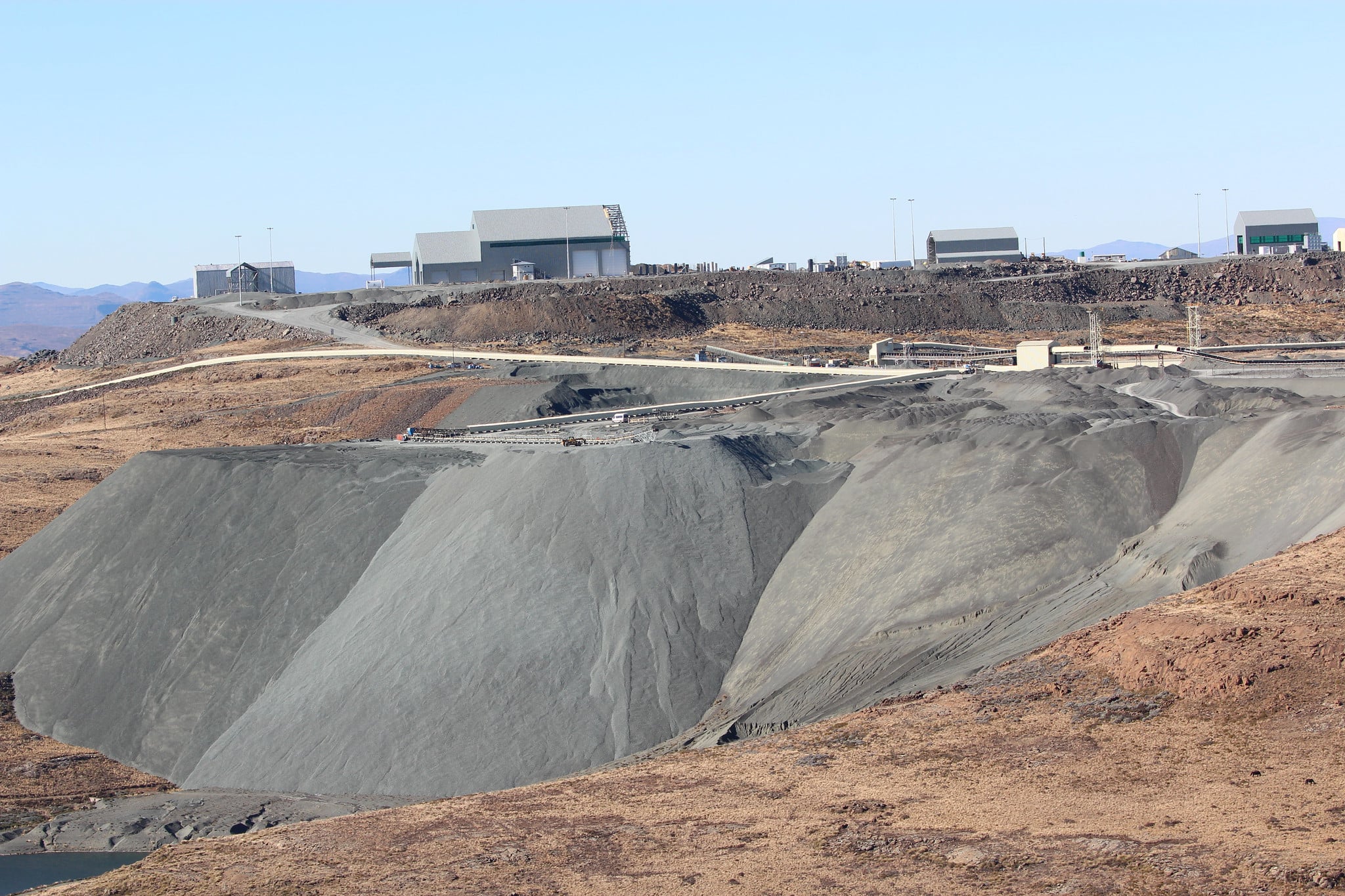
High in the mountains of Lesotho sits the Letseng Mine, one of the highest diamond mines in the world. The mine is famous for producing exceptionally large, high-quality diamonds, including several stones weighing more than 500 carats.
Despite its reputation for remarkable discoveries, Letseng has also faced scrutiny related to environmental protection and community relations. Mining operations in mountainous terrain can affect water systems and nearby villages.
Even so, the mine continues to attract attention from collectors and investors due to the extraordinary stones occasionally uncovered there.
The Changing Ethics of Diamonds

Now think about this – diamond mining disputes changed how people talk about where gems come from. Two full decades passed while efforts like the Kimberley Process tried another path: better labels and ways to follow stones from ground to market.
Still now, talks around digging up stones, caring for nature, plus worker fairness stay key in the world of diamonds. People who buy gems care more these days about knowing exactly where the rocks come from along with how they’re pulled from the ground.
Truth hides beneath the shine of disputed diamond mines. Though gems glitter in store windows, their path from soil to sale carries weight – shaped by shifting lives, economies, land scars.
Each phase unfolds differently, never still.
More from Go2Tutors!

- The Romanov Crown Jewels and Their Tragic Fate
- 13 Historical Mysteries That Science Still Can’t Solve
- Famous Hoaxes That Fooled the World for Years
- 15 Child Stars with Tragic Adult Lives
- 16 Famous Jewelry Pieces in History
Like Go2Tutors’s content? Follow us on MSN.



