16 Strange Burial Rituals from History
Death has always fascinated humanity, but how different cultures handle the departed has varied wildly throughout history. From feeding corpses to vultures to dancing with mummified relatives, our ancestors developed burial practices that would make modern funeral directors faint. These weren’t just random customs either—each ritual carried deep spiritual significance and reflected the unique beliefs of its culture.
The world of ancient funeral rites reveals just how creative humans can get when honoring their dead. Here is a list of 16 strange burial rituals that showcase the incredible diversity of death customs throughout history.
Sky Burial
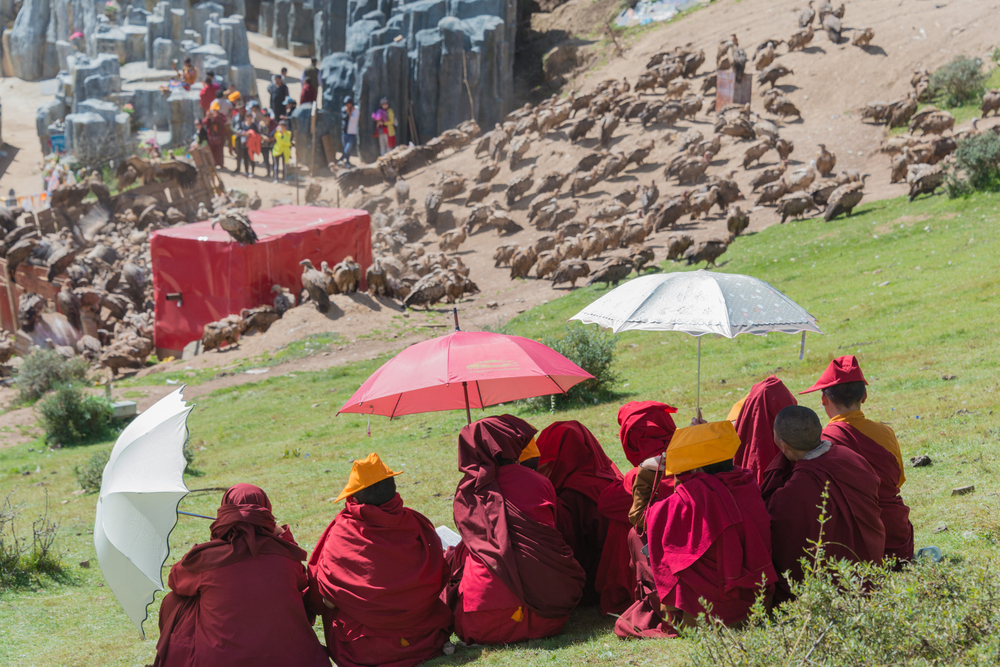
— Photo by beibaoke
Tibetan Buddhists practice sky burial, where bodies are left outside, often cut into pieces, for birds or other animals to devour. This serves the dual purpose of letting the soul depart while embracing the circle of life. The ritual eliminates the now empty vessel of the body and allows the soul to depart, while also giving sustenance to animals. Think of it as the ultimate recycling program—your body becomes bird food while your spirit flies free.
Towers of Silence
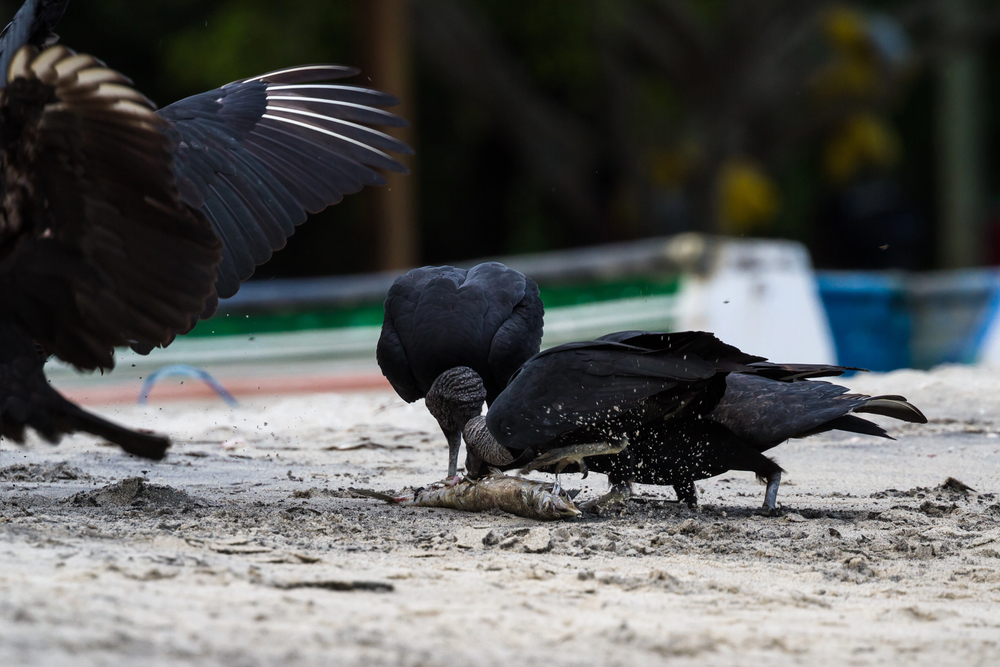
Zoroastrians believed that dead bodies could pollute sacred elements like earth, water, and fire, so they created Towers of Silence where bodies were placed out in the open to be consumed by vultures. By the 5th and 6th century CE, Zoroastrians in Persia had developed intricate burial rituals including corpse exposure. The bones were left to bleach in the sun after vultures finished their meal. Practical and spiritual—just not for the squeamish.
Sati Ritual
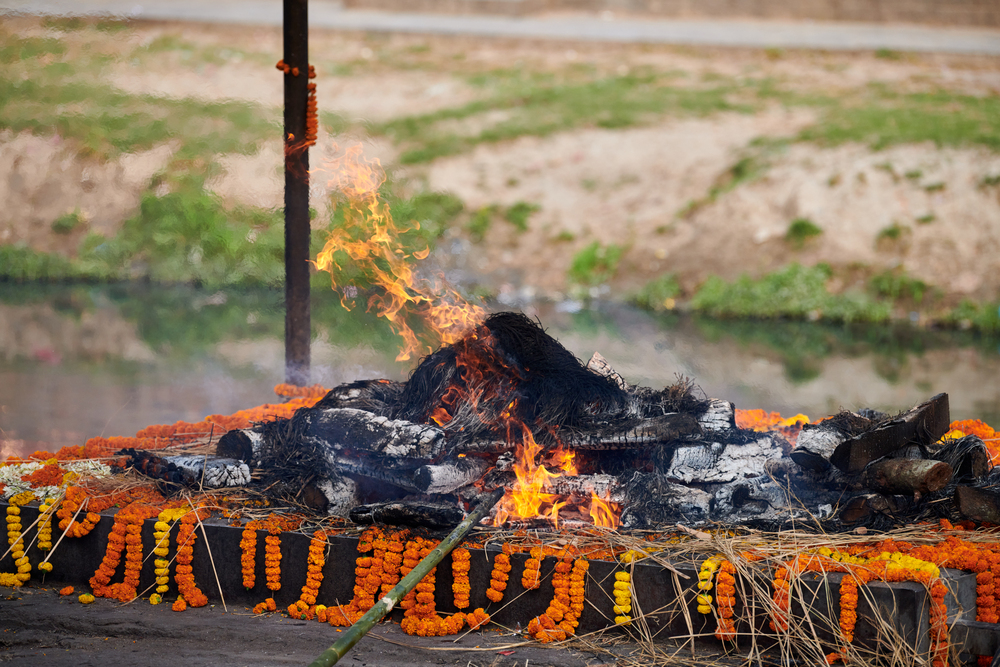
In ancient India, the ritual of sati required widows to join their husbands in death by throwing themselves onto his burning funeral pyre. It was considered to be the greatest form of devotion of a wife towards her dead husband and symbolized closure to a marriage. Between the 15th and 18th centuries, as many as 1000 widows were burned alive every year, most commonly in India and Nepal. This practice was thankfully outlawed in 1829.
Egyptian Mummification
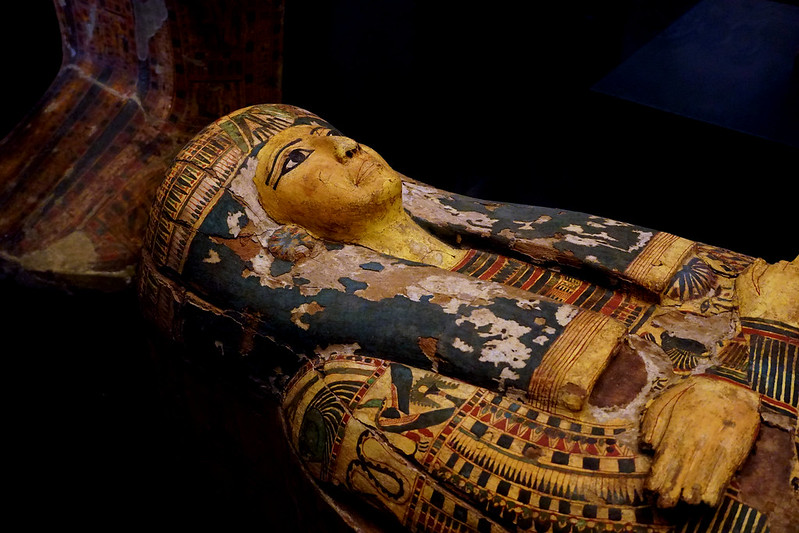
The ancient Egyptians used a process called mummification that took seventy days, removing all internal parts that might decay rapidly. The brain was removed by carefully inserting special hooked instruments up through the nostrils to pull out bits of brain tissue. They left only the heart, believing it was the center of intelligence. The whole process was like an ancient preservation factory, complete with specialized priests who doubled as embalmers.
Bog Body Preservation
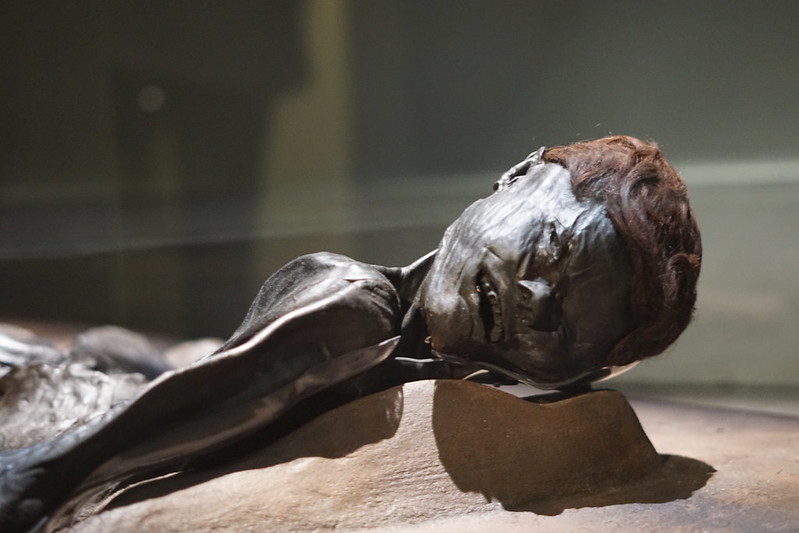
Bog bodies are human cadavers that have been naturally mummified in peat bogs, with preservation caused by the unique physical and biochemical composition of the bogs. The unique chemical composition of bogs, which includes cold temperatures, acidic water and a lack of oxygen, prevents the usual decomposition of the body after death. The acid starts tanning the body’s skin, hair and nails, while sphagnan extracts calcium, leached out of the body’s bones. Nature’s own pickle jar, essentially.
Tree Burials
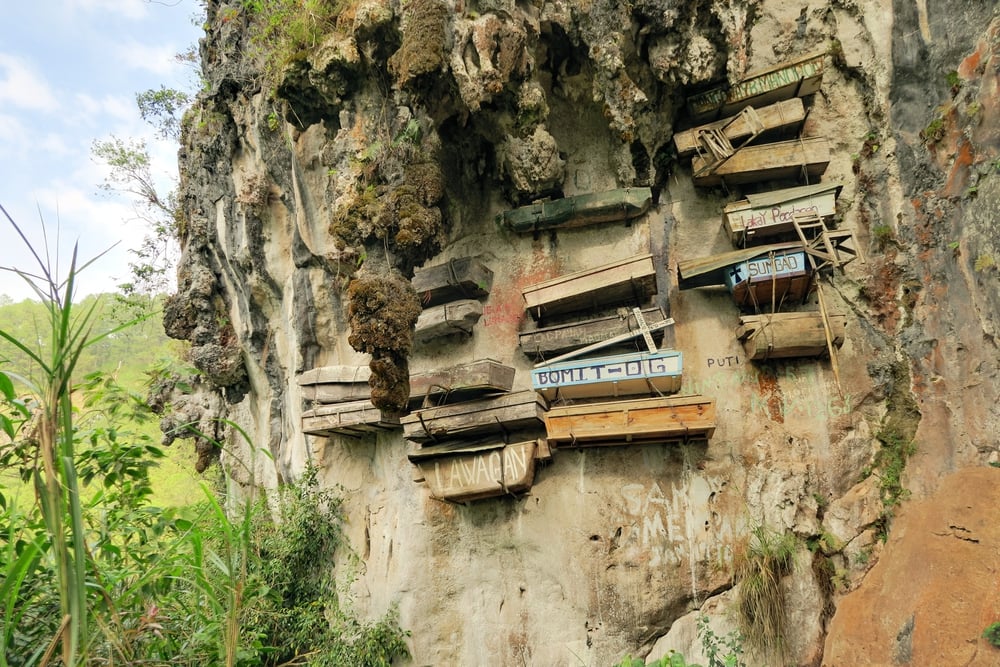
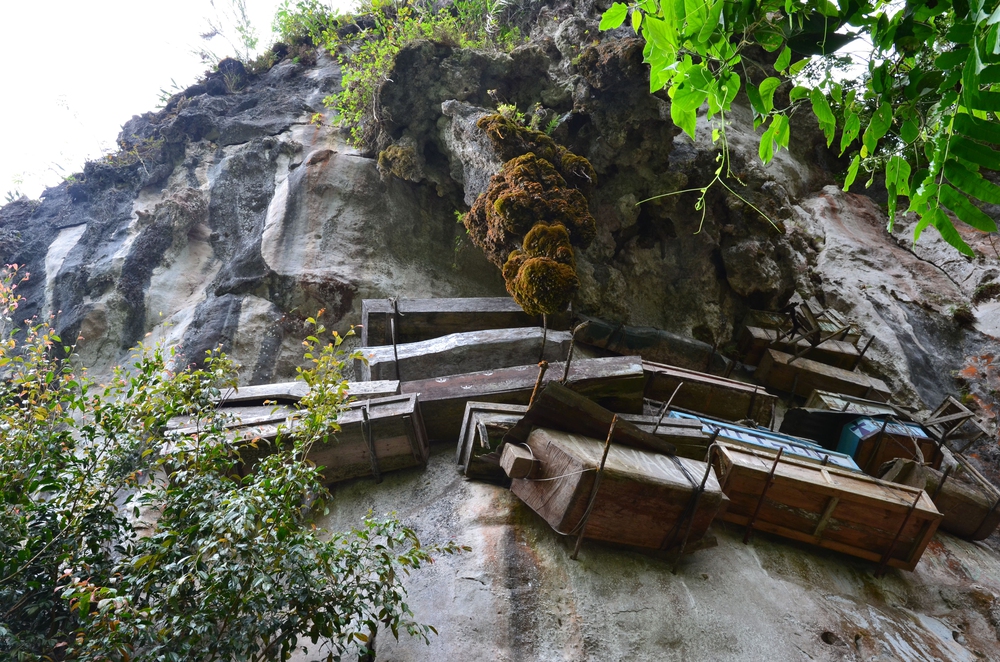
The Sagada region features coffins hung from cliffs, bringing the souls of the dead closer to heaven, while people in Cavite often entomb the deceased vertically in a hollowed-out tree chosen by the person before death. These hanging coffins look like bizarre ornaments decorating cliffsides. The closer to the sky, the better the spiritual reception, apparently.
Dancing with the Dead
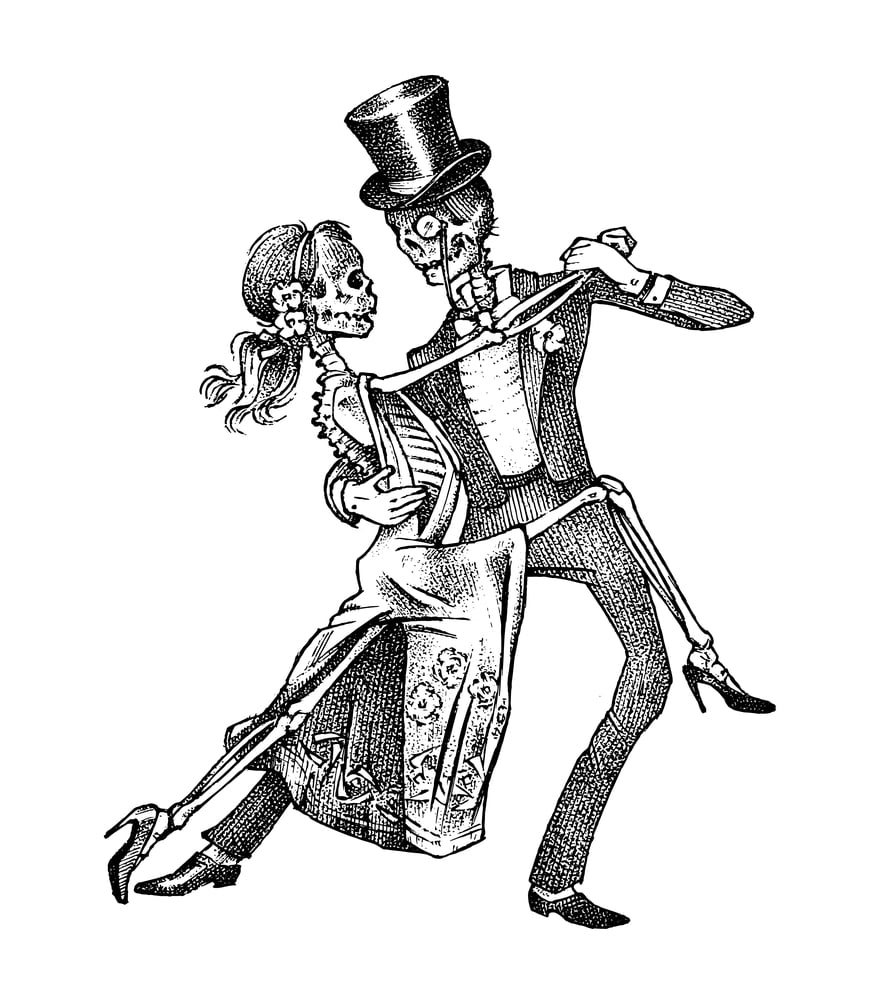
‘Dancing with the dead’ best describes the burial tradition in Madagascar of Famadihana. The Dayaks of Borneo are known for their elaborate burial rituals where they dig up their body after 4 years and dance with it in celebration. This custom is believed to keep evil spirits away from the village. Nothing says ‘family bonding’ quite like a dance party with great-grandma’s remains.
Ash Soup Ritual
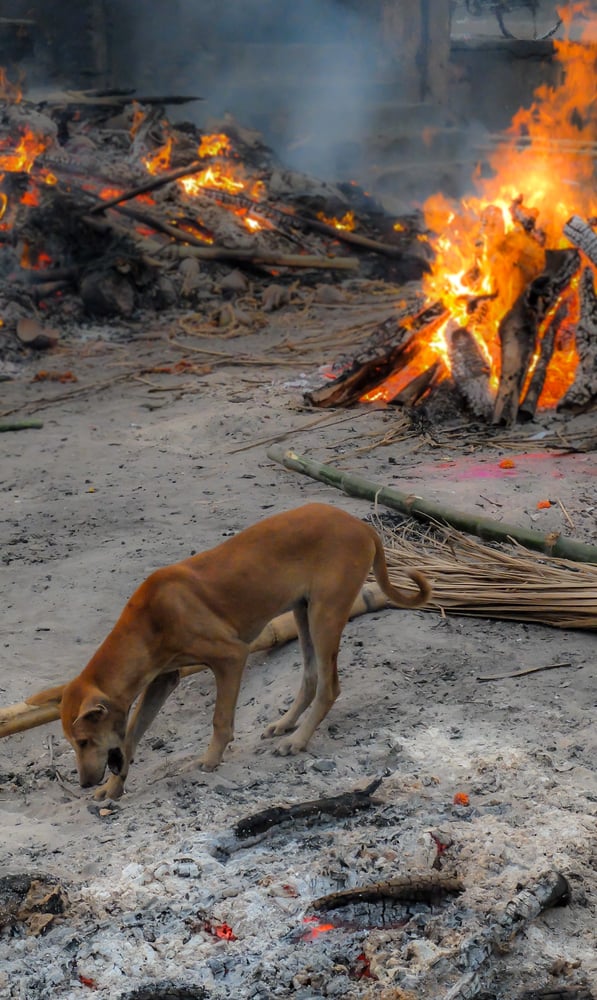
The Yanomami people cover the deceased with leaves after they die, leaving the body undisturbed for up to 45 days, then collect the bones and cremate the body during an emotional ceremony. After the cremation, the Yanomami people incorporate the deceased’s ashes into a soup made with fermented bananas that’s consumed by the entire tribe as a way to keep the deceased person’s spirit alive within the tribe. It’s the ultimate ‘you are what you eat’ philosophy.
Ancient Greek Three-Stage Ritual
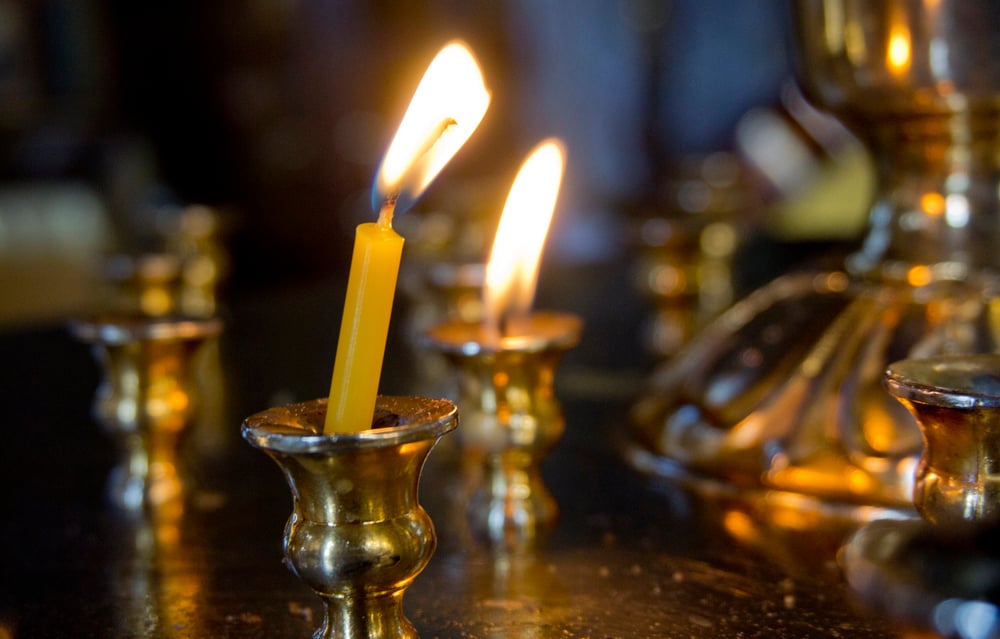
Customary ancient Greek death rituals involved three stages: the prothesis (laying out of the body), the ekphora (the funeral procession), and the burial of the body. Before prothesis, the deceased would be washed, dressed and anointed with oil and placed on a high bed inside the house. The Greeks approached death like a well-choreographed performance, complete with costume changes and staging.
Golden Tongue Placement
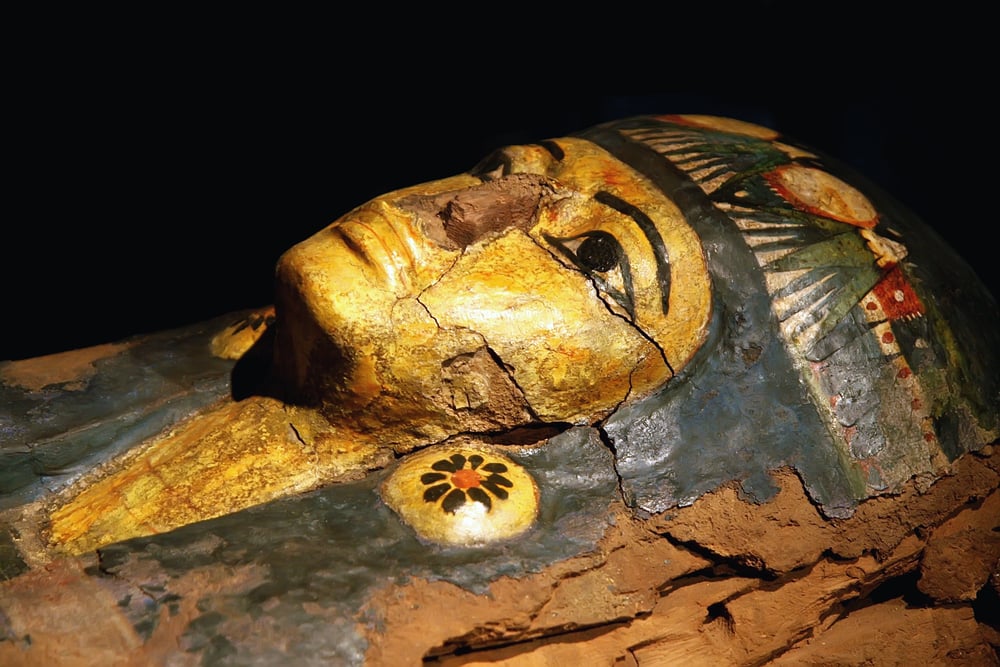
Egyptian tombs have yielded golden tongues placed inside the mouths of mummies, believed to be a ritual practice to help the deceased speak in the afterlife. Found in tombs over 2,000 years old, the custom suggests a deep concern for communication beyond death. Apparently, having the last word was important even in ancient times—they just made sure it was golden.
Fingernail Cutting Ritual
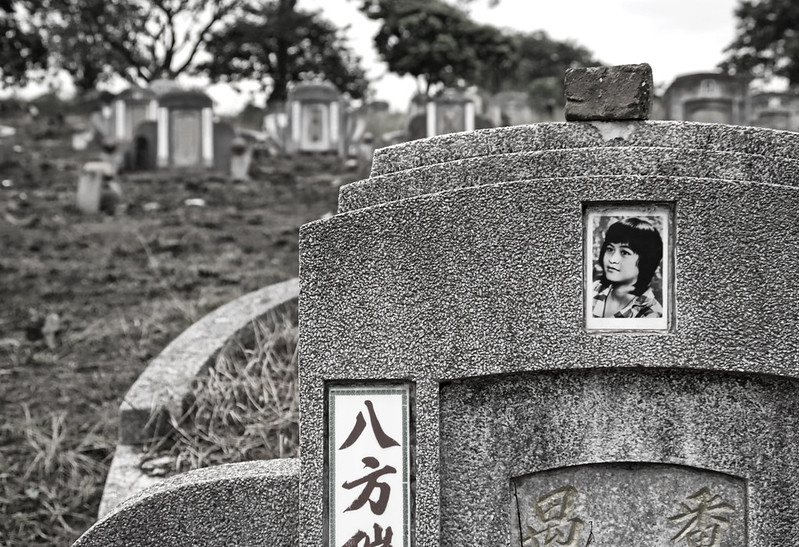
In ancient China, families traditionally cut the deceased person’s fingernails after their death, wrapping the nails in paper or cloth and burying them along with the body. This practice ensured the person would be well-groomed for eternity. Even death couldn’t excuse poor personal hygiene standards.
Mass Child Sacrifice
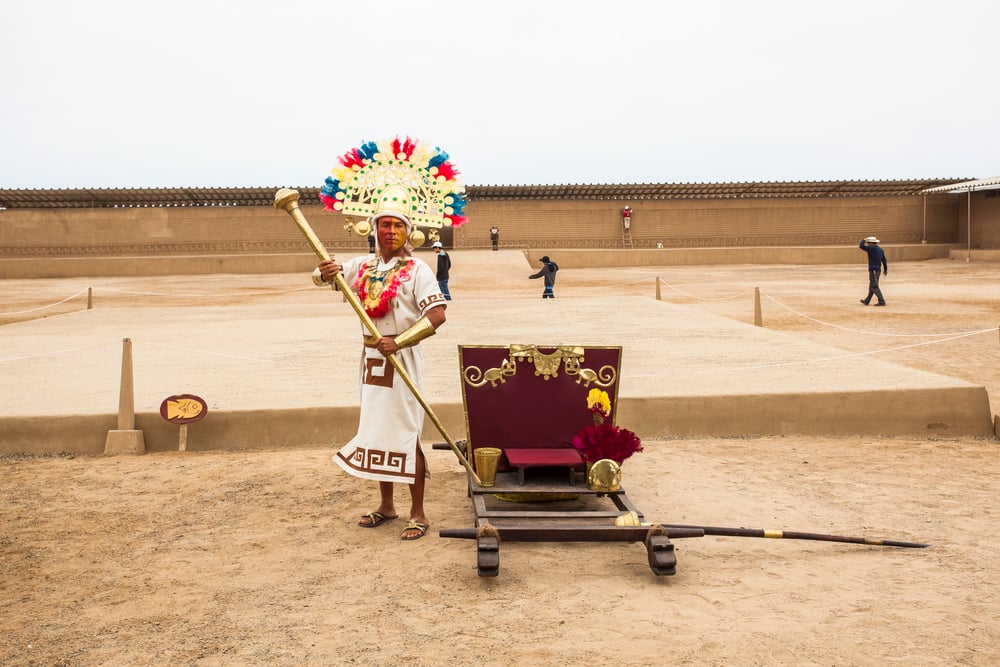
— Photo by Ecuadorquerido
On the coast of Peru, archaeologists uncovered a mass grave containing the remains of over 140 children and 200 young llamas, sacrificed in an ancient ritual by the Chimú civilization. The children’s hearts were removed, possibly as an offering to stop catastrophic weather events. The scale suggests these weren’t individual tragedies but organized attempts to negotiate with angry gods.
Foundation Sacrifice
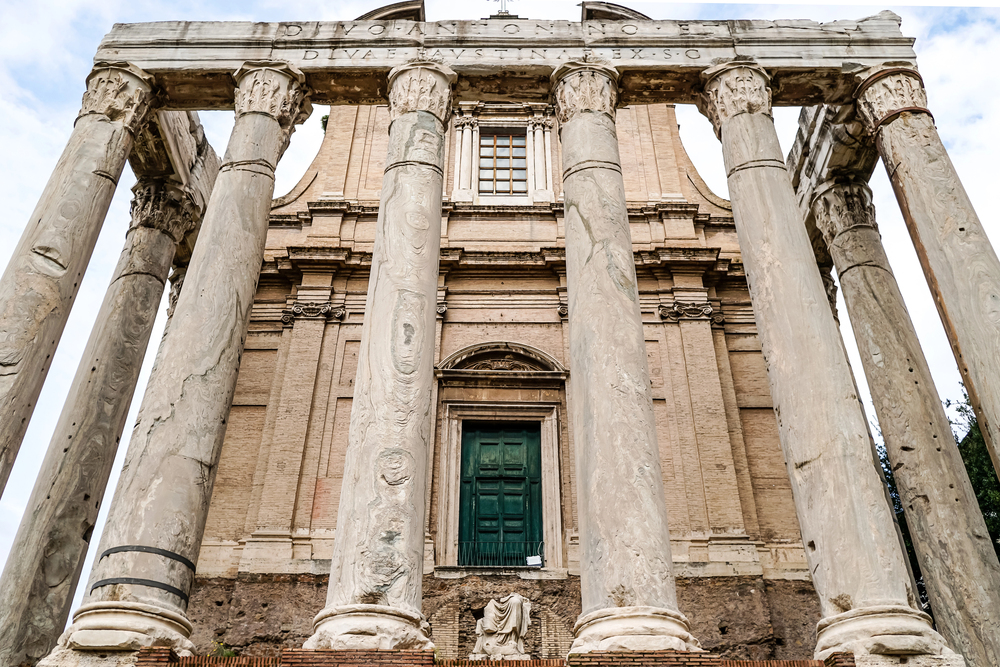
Foundation sacrifice refers to the practice of burying a human being in the foundation of a new building as an attempt to ensure that it stands. Building a structure was an affront to the spirits, so this practice was ordinary thousands of years ago but unique in our time. Think of it as the ancient equivalent of a construction blessing, except much more permanent and gruesome.
Hanging Coffin Burials
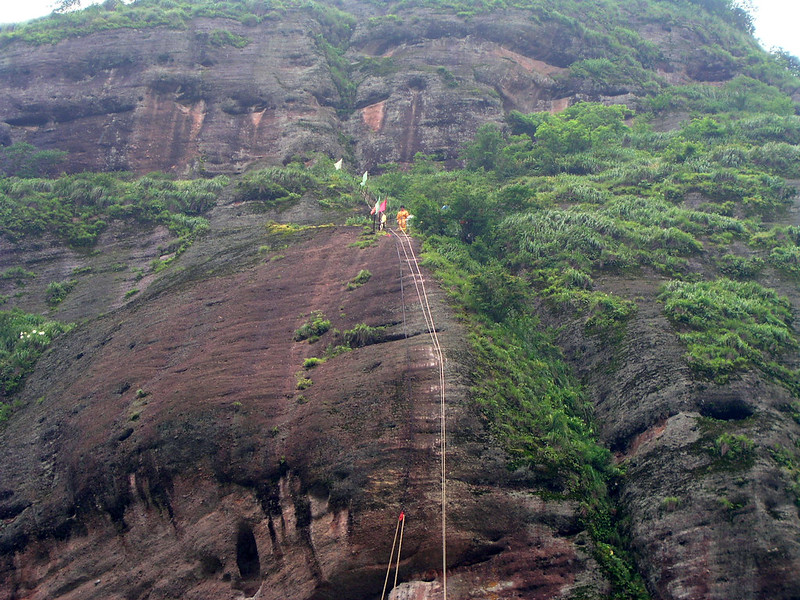
The Bo people of southern China’s Gongxian County placed their mysterious 160 hanging coffin baskets almost 300 feet high on cliffs and in natural caves above the Crab Stream. Locals refer to the ancient Bo people as the ‘Sons of the Cliffs’ and ‘Subjugators of the Sky’. These cliff-dwelling coffins look like ancient apartments for the dead, complete with scenic mountain views.
Filipino Chair Burials
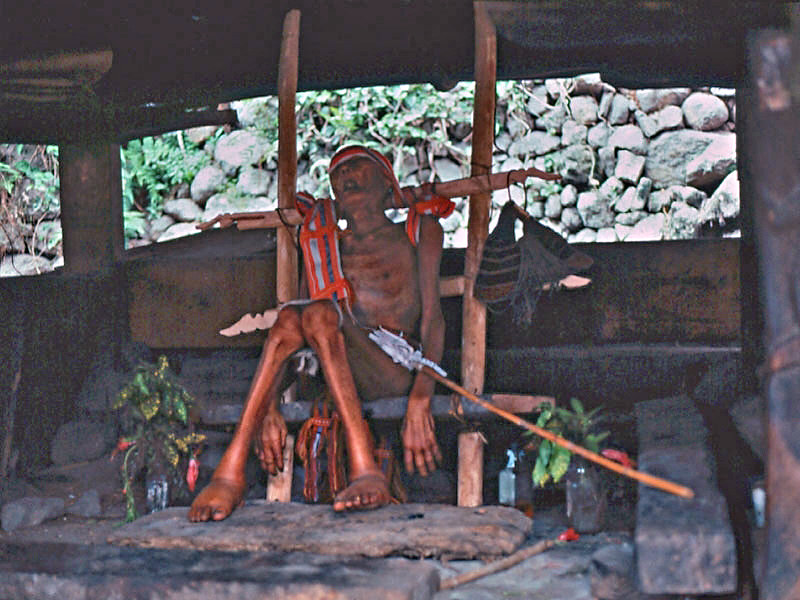
The Tinguian people dress the deceased in the fanciest of clothes and sit the body on a chair, while the Benguet people blindfold their dead before placing them in chairs at the entrance of the home. Death apparently didn’t mean you could slack off on your posture. These cultures believed in keeping the deceased sitting pretty, sometimes literally guarding the front door.
Animal Mummification
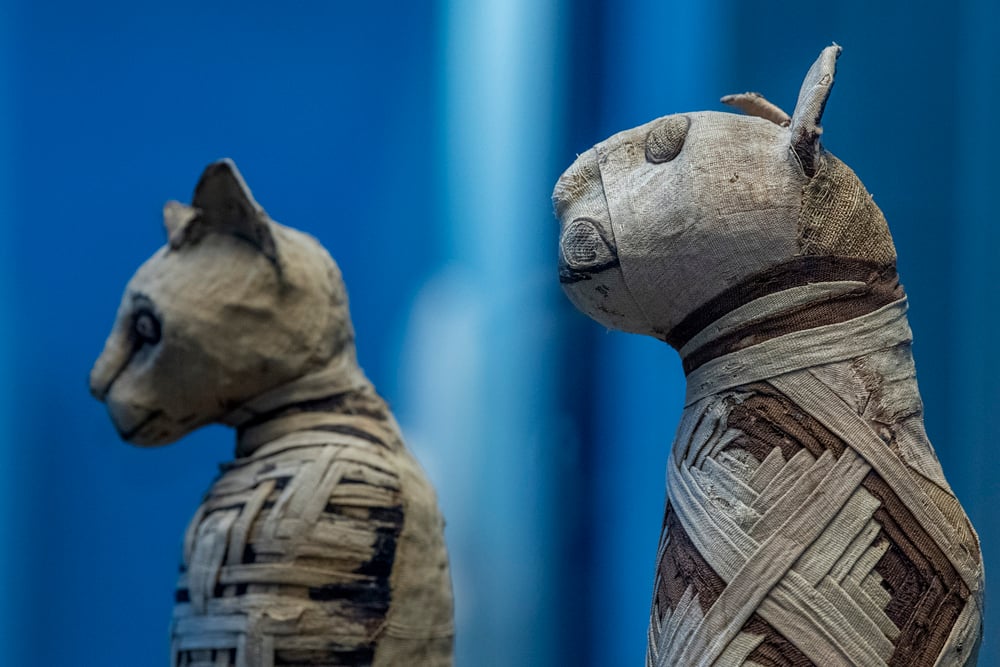
For religious reasons, some animals were also mummified, with sacred bulls having their own cemetery at Sakkara, while baboons, cats, birds, and crocodiles were sometimes mummified, especially in the later dynasties. The ancient Egyptians didn’t discriminate—if it was important in life, it deserved the deluxe preservation treatment. Pet owners today would be proud of this level of devotion.
Ancient Echoes in Modern Times
These bizarre burial practices weren’t just ancient curiosities—they reveal how deeply humans have always grappled with mortality and meaning. While we might cringe at dancing with decomposed relatives or consuming cremated remains in banana soup, these rituals served the same purpose as modern funerals: helping communities process grief and maintain connections with their ancestors. The methods may have been strange, but the underlying human need to honor the dead and find comfort in ritual remains as relevant today as it was thousands of years ago.
More from Go2Tutors!

- 16 Historical Figures Who Were Nothing Like You Think
- 12 Things Sold in the 80s That Are Now Illegal
- 15 VHS Tapes That Could Be Worth Thousands
- 17 Historical “What Ifs” That Would Have Changed Everything
- 18 TV Shows That Vanished Without a Finale
Like Go2Tutors’s content? Follow us on MSN.