The Most Biodiverse Places on Earth
Some places on this planet are so full of life, it’s almost hard to believe. From the tiniest insect to massive trees and creatures that haven’t even been named yet, these spots are buzzing, crawling, flying, and blooming with variety.
Biodiversity doesn’t just make these places beautiful—it keeps entire ecosystems running, provides food, medicine, and clean air, and helps balance our global climate. There’s no need to travel far to appreciate how wild and alive the world really is.
Let’s take a journey through some of the most life-packed places on Earth and see what makes each one so special.
Amazon rainforest

The Amazon is often called the lungs of the planet, and for good reason. It stretches across nine countries in South America and holds more than 10% of the world’s known species.
From colorful frogs to big cats and over 16,000 kinds of trees, life thrives here in layers—from the dark forest floor to the bright, buzzing canopy. Some species here can’t be found anywhere else. It’s one of the last strongholds of true, untouched wilderness.
Coral Triangle

This isn’t just a triangle—it’s a marine treasure chest. Found in the waters around Indonesia, the Philippines, Malaysia, Papua New Guinea, Timor-Leste, and Solomon Islands, the Coral Triangle has more coral species than anywhere else on Earth.
The reefs here support over 2,000 types of fish. Sea turtles, reef sharks, and colorful sea slugs all call this place home. It’s often called the “Amazon of the seas.”
Like Go2Tutors’s content? Follow us on MSN.
Madagascar
Madagascar split off from the rest of the world ages ago, and that made it a world of its own. More than 90% of the plants and animals found here don’t live anywhere else.
Lemurs, baobab trees, and strange, spiky plants are just the beginning. The island has rainforests, deserts, and even its own coral reefs. Scientists still find new species here regularly.
Sundarbans

This is the world’s largest mangrove forest, spread between India and Bangladesh. It’s where the land meets the sea, and fresh water mixes with salt.
Royal Bengal tigers roam the muddy shores, along with crocodiles and wild pigs. The thick, tangled roots of the mangrove trees help protect the coast and support fish, crabs, and birds. Life here has adapted to both water and land, creating a rare kind of richness.
Great Barrier Reef
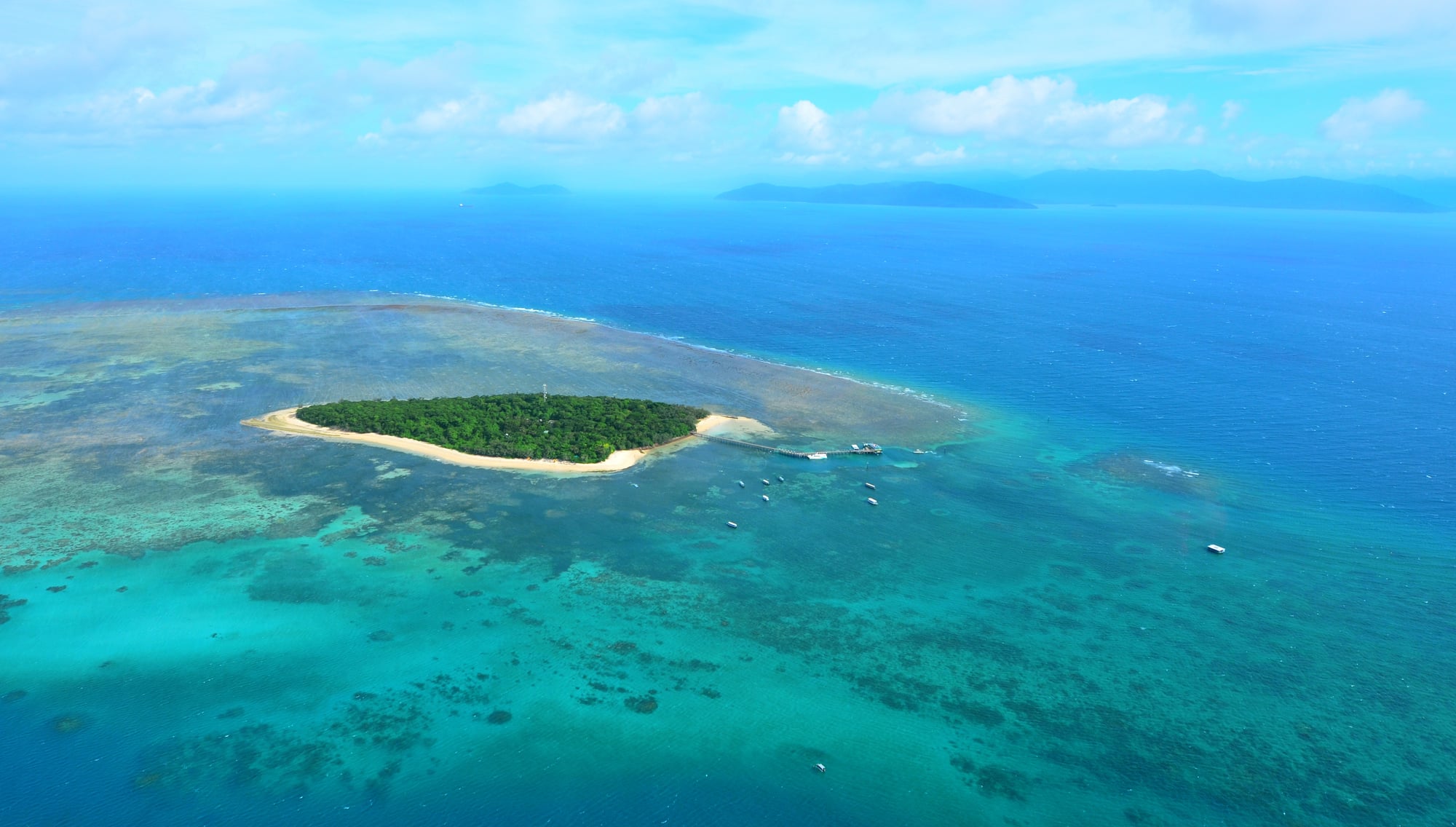
Stretching more than 2,300 kilometers off the coast of Australia, the Great Barrier Reef is the world’s biggest coral system. It’s not just one reef but thousands, making a home for whales, dolphins, and bright schools of fish.
There are over 400 types of coral and 1,500 species of fish. It can even be seen from space. But more than its size, it’s the variety of life that makes it so important.
Like Go2Tutors’s content? Follow us on MSN.
Mekong River Basin
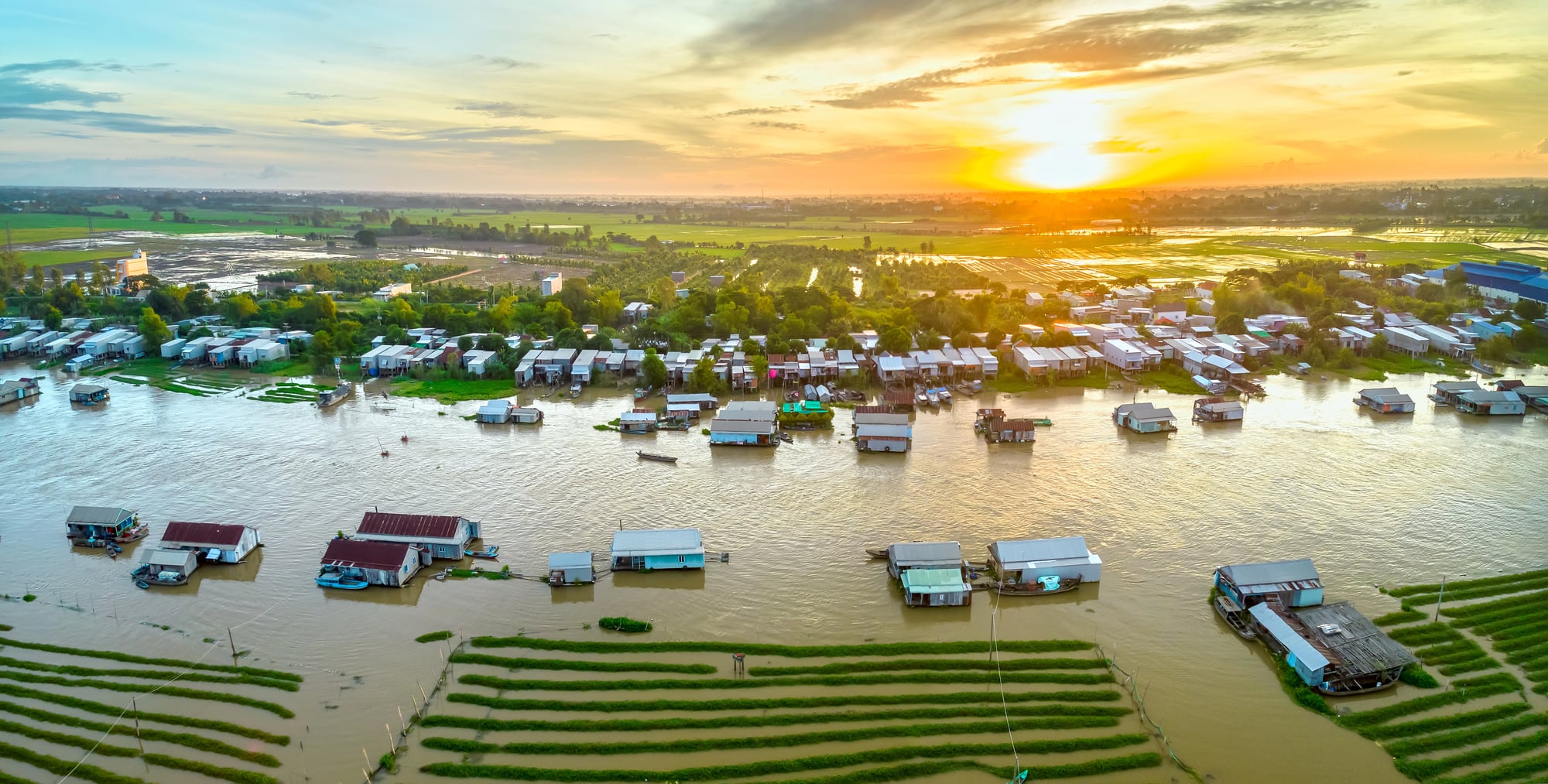
This river runs through six countries in Southeast Asia and carries more than just water. It feeds wetlands, forests, and farms, and it’s one of the richest freshwater systems in the world.
Giant catfish, freshwater dolphins, and countless small species live here. New fish and amphibians are still being discovered. The people along its banks rely on its diversity to eat and earn a living.
Eastern Himalayas

High up where the mountains reach the sky, life still finds a way. The Eastern Himalayas—stretching across Bhutan, India, and Nepal—are home to red pandas, snow leopards, and strange orchids.
The changes in height create many small climates, which allows different plants and animals to thrive in close spaces. Some valleys here hide species no one has seen in decades. It’s a meeting place of ancient forests and cold peaks.
Galápagos Islands
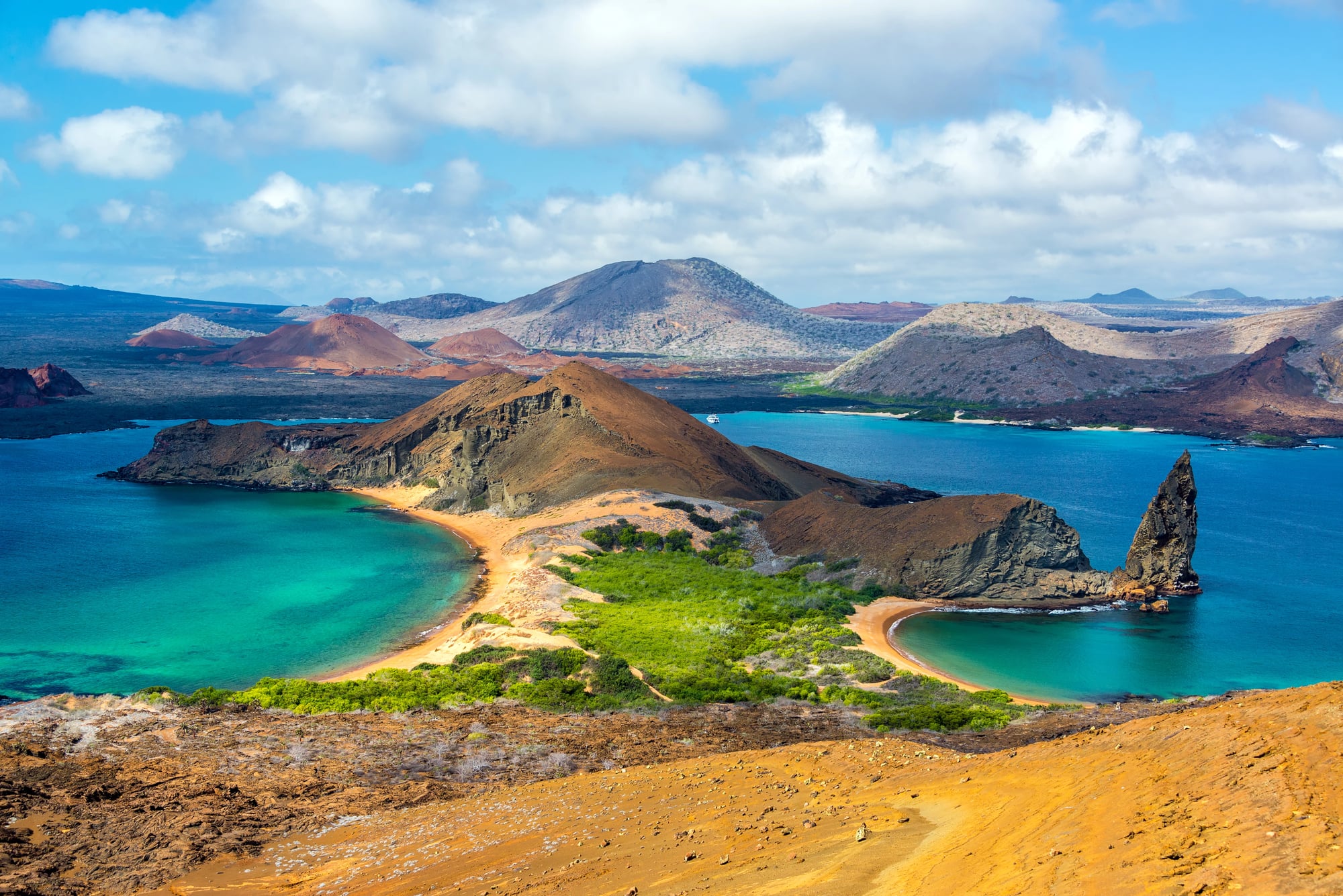
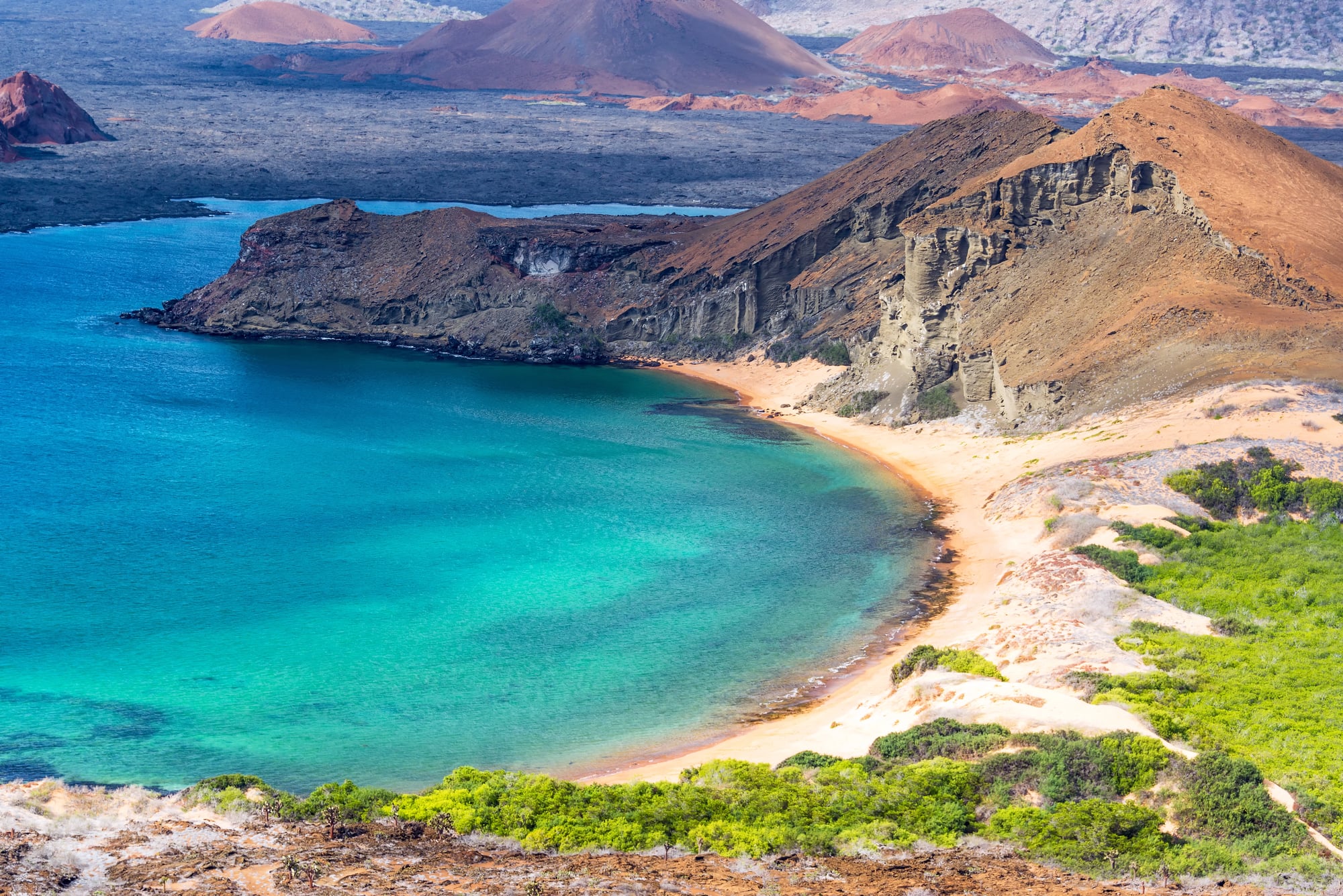
These volcanic islands in the Pacific are famous for inspiring Charles Darwin, but they’re still full of surprises. Animals here evolved without much outside contact, which gave rise to unique species like marine iguanas and giant tortoises.
Each island has its own mix of life. The waters around the islands are just as diverse, filled with sharks, rays, and fish. The isolation makes this place unlike any other.
Like Go2Tutors’s content? Follow us on MSN.
Borneo
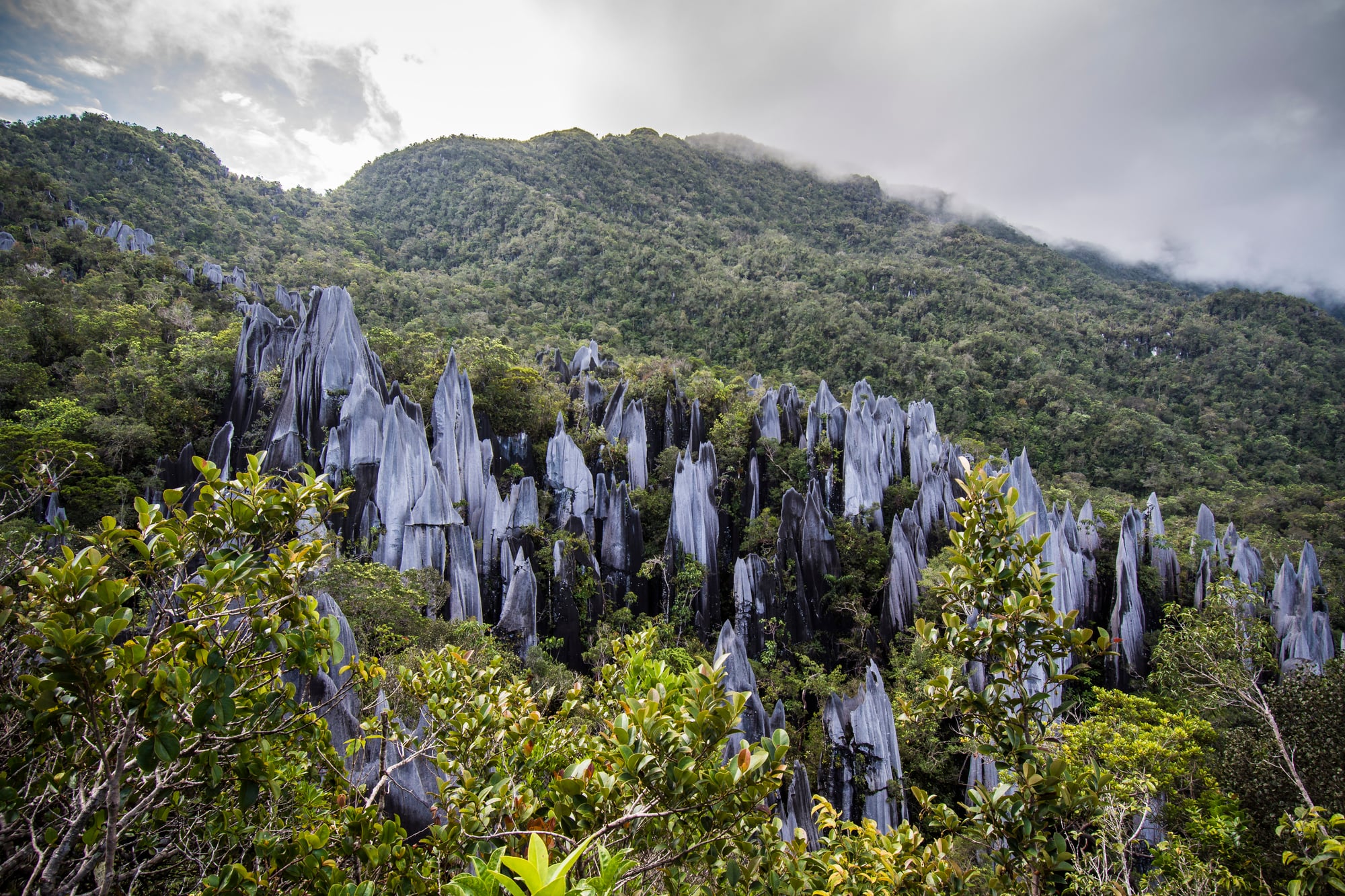
This giant island in Southeast Asia has one of the oldest rainforests in the world. Orangutans swing through the trees, pygmy elephants roam the ground, and insects buzz through every layer.
Over 15,000 plant species grow here, many with uses in traditional medicine. The canopy is so thick that sunlight barely touches the forest floor. Even today, biologists are finding species that were never recorded before.
Atlantic Forest

Running along the Atlantic coast of Brazil, this forest doesn’t get as much attention as the Amazon, but it’s just as rich. It’s home to golden lion tamarins, colorful birds, and rare plants.
Only a small part of the original forest remains, but what’s left is packed with life. Some trees here bloom with hundreds of species of insects around them. The mix of sea air and forest makes it a unique blend of ecosystems.
New Guinea
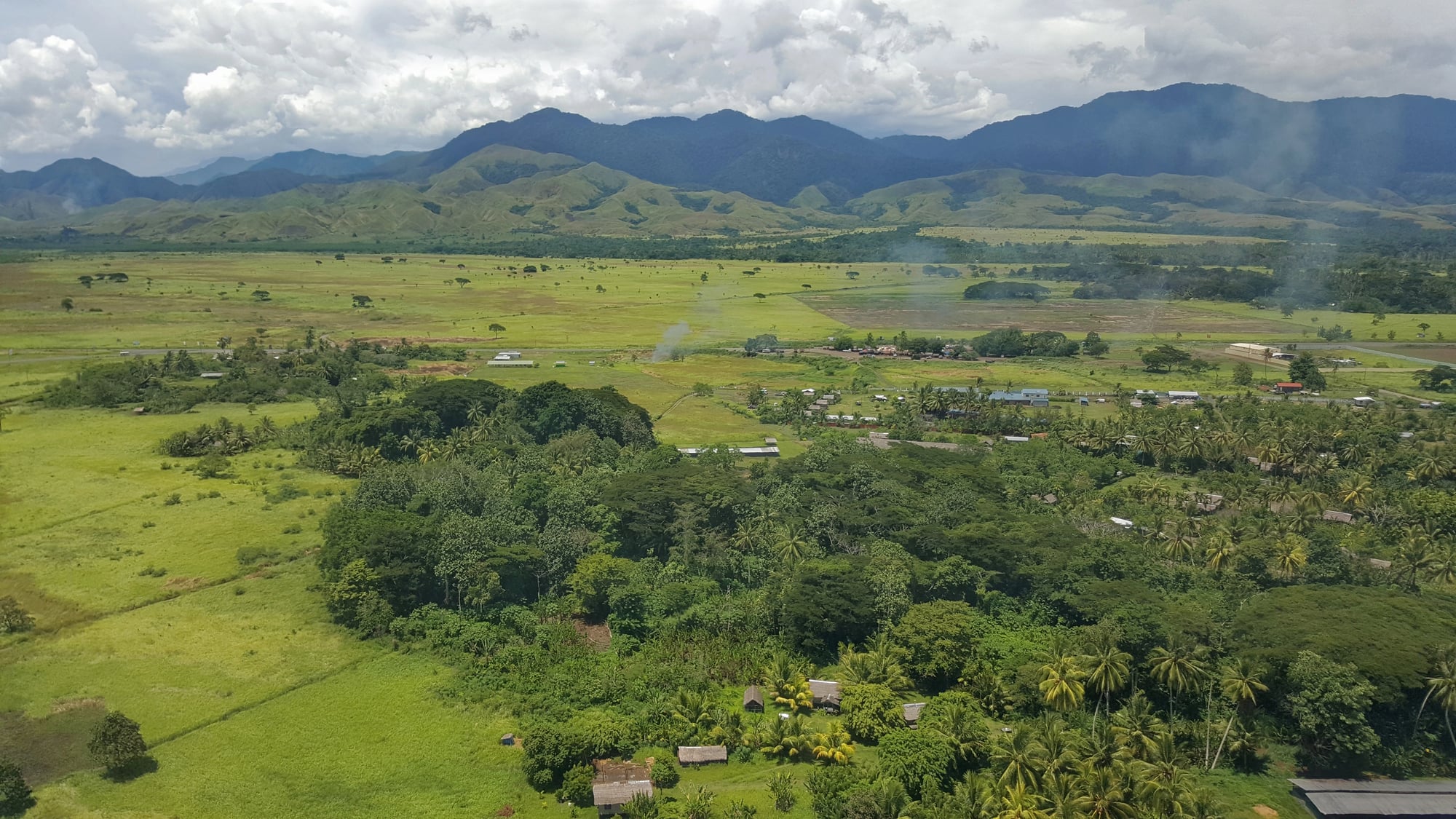
This large island north of Australia is one of the least explored in the world. It holds rainforests, mountains, rivers, and even glaciers.
Tree kangaroos, birds of paradise, and countless frogs fill its jungles. The variety of life here is matched by the number of local languages and cultures. Much of the forest is still untouched, which means new species keep popping up.
Like Go2Tutors’s content? Follow us on MSN.
Costa Rica
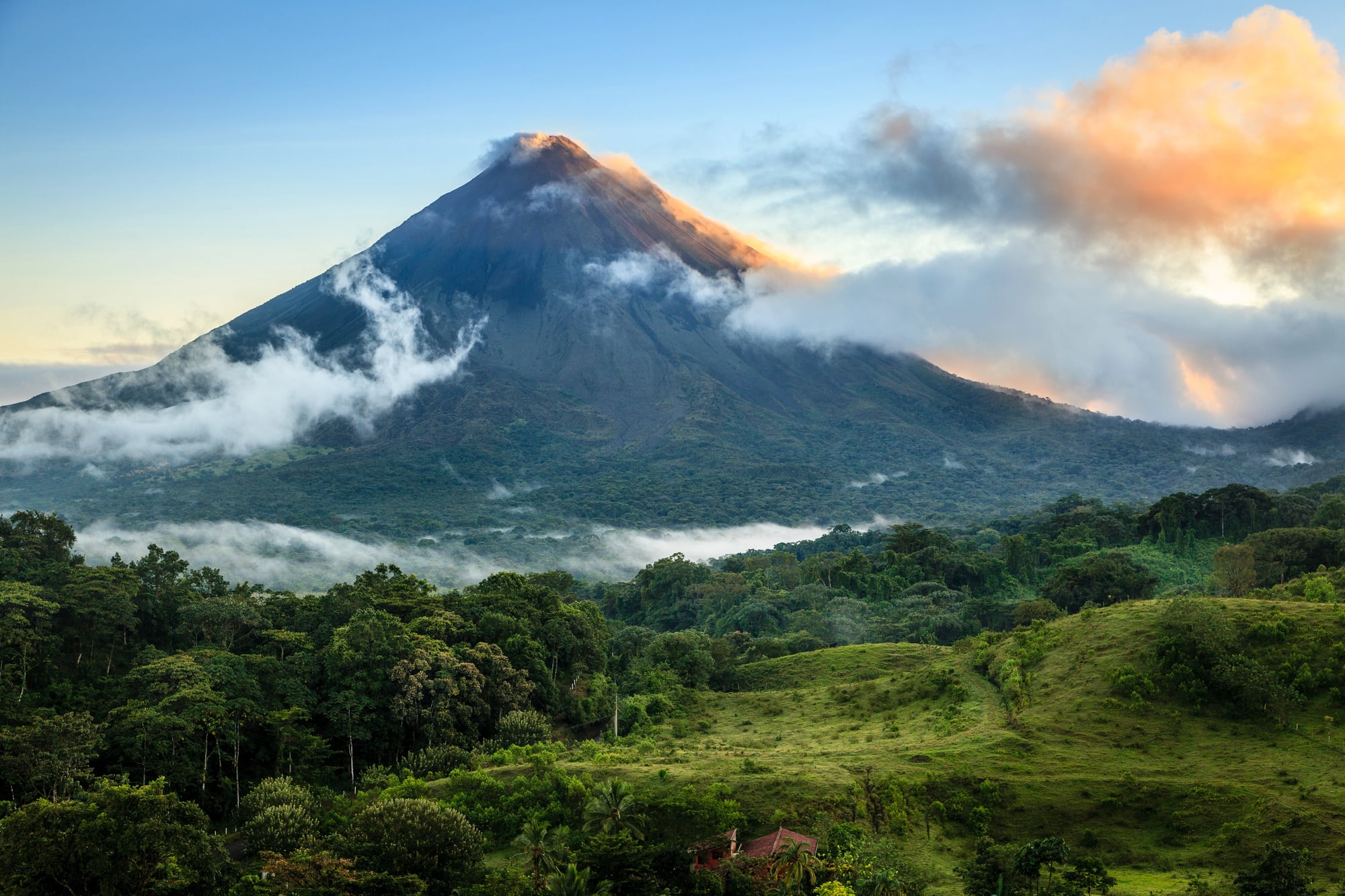
Small in size but big in variety, Costa Rica is a favorite for nature lovers. In just a short drive, one can see volcanoes, rainforests, beaches, and cloud forests.
Sloths, toucans, frogs, and butterflies are everywhere. More than 500,000 species live here. The country protects much of its nature with parks and reserves.
Lake Malawi
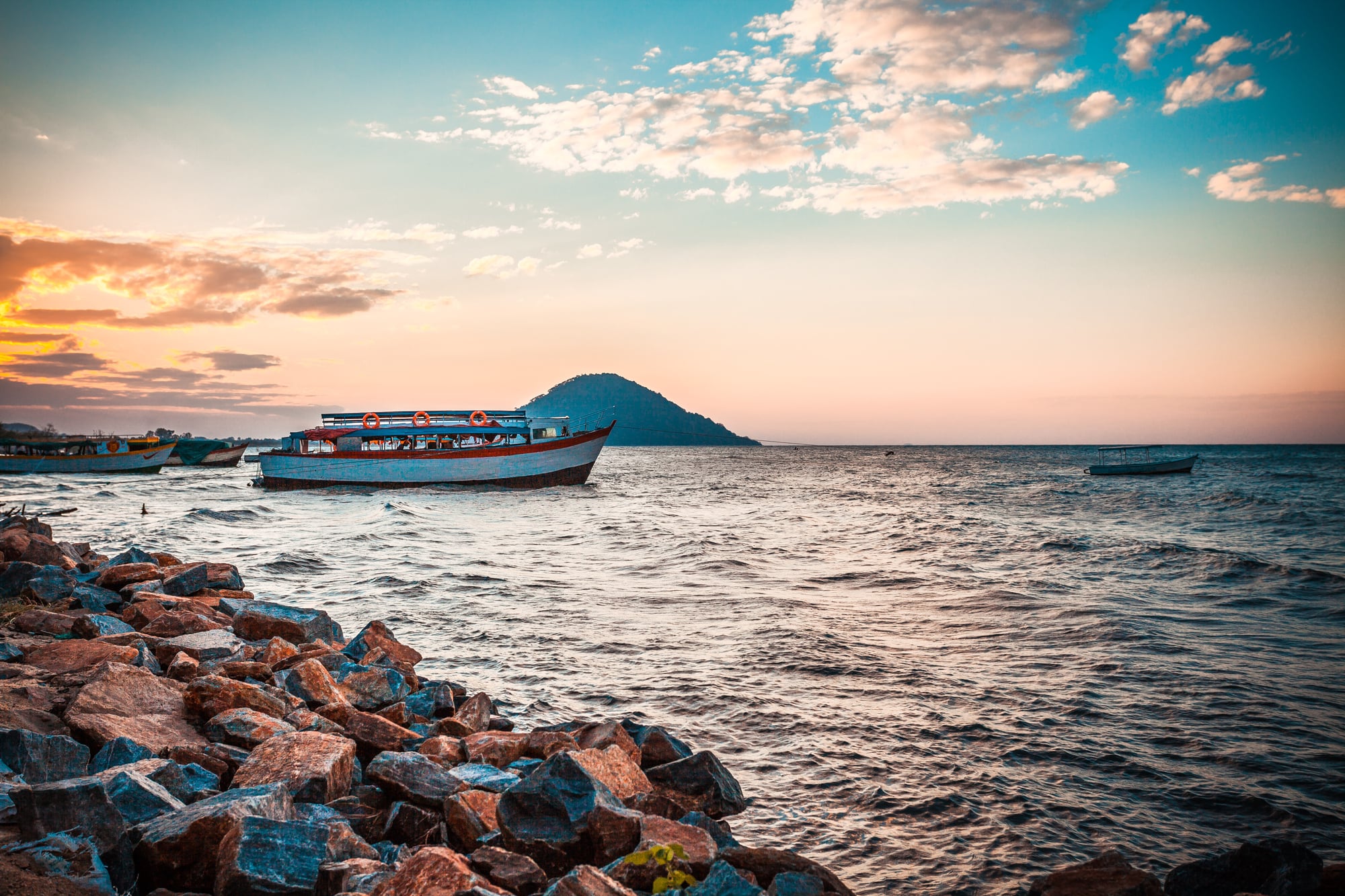
This freshwater lake in Africa has more types of fish than any other lake on Earth. Most are cichlids, colorful fish that look like they’re from a tropical reef.
Scientists believe many of them evolved from a single ancestor. People depend on the lake for fishing and clean water. Its waters also hold snails, crustaceans, and plants found nowhere else.ess.
Western Ghats
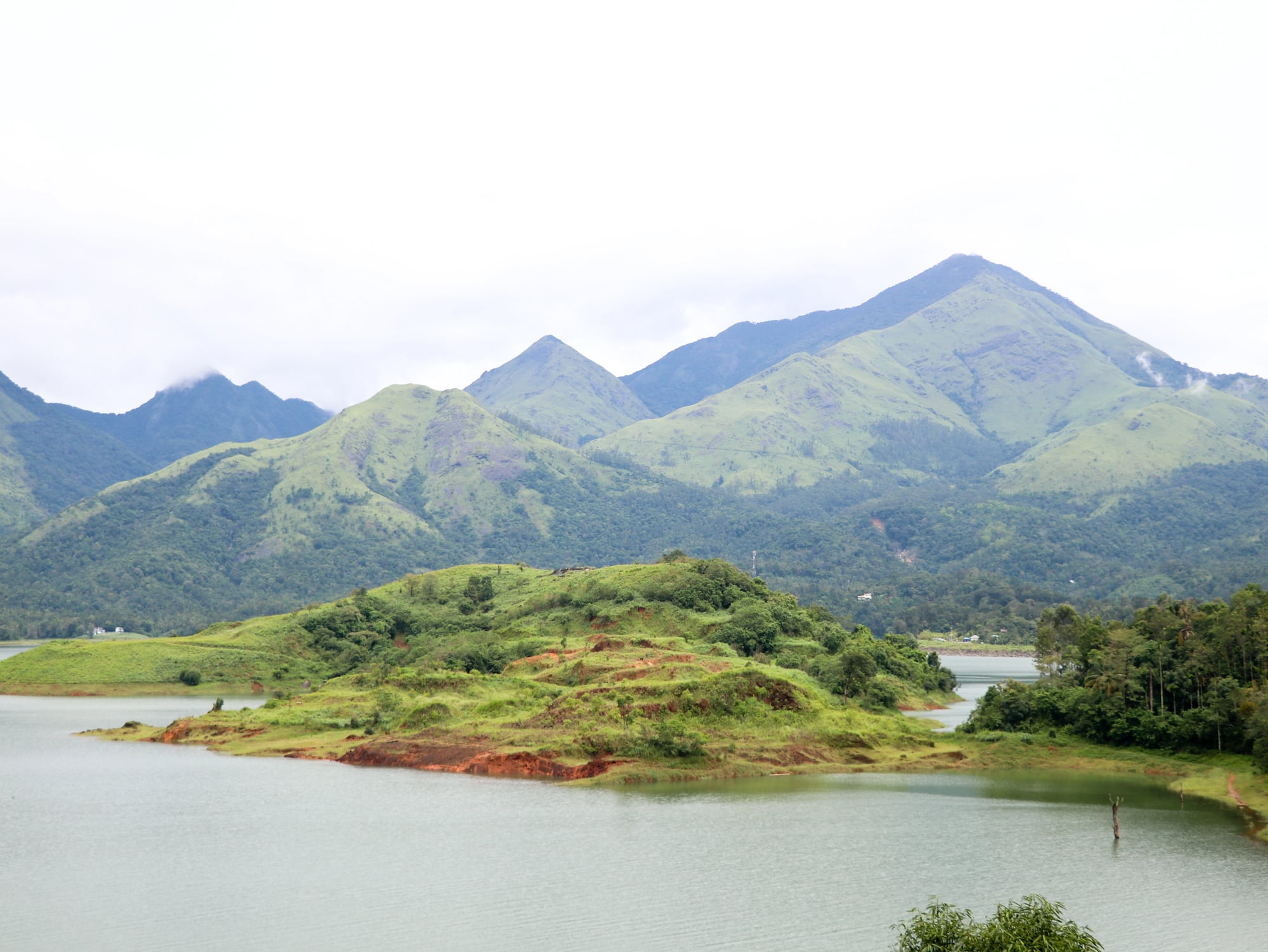
Running down the west side of India, the Western Ghats are older than the Himalayas. They hold thick forests, waterfalls, and more than 7,000 types of plants.
Tigers, elephants, and colorful frogs call it home. Many species found here can’t live anywhere else. The mountains also help bring rain to the land, feeding farms and rivers.
Like Go2Tutors’s content? Follow us on MSN.
A living connection to nature
All these places are more than just beautiful spots on a map. They remind us that life, in all its shapes and colors, is deeply connected across land, water, and air.
Even in the age of tall buildings and fast internet, the natural world still holds its place. These biodiverse places are proof that the Earth is still full of wonder—and that it’s worth caring for. The more we understand about these regions, the better we can protect the balance they bring to us all.
More from Go2Tutors!

- 16 Historical Figures Who Were Nothing Like You Think
- 12 Things Sold in the 80s That Are Now Illegal
- 15 VHS Tapes That Could Be Worth Thousands
- 17 Historical “What Ifs” That Would Have Changed Everything
- 18 TV Shows That Vanished Without a Finale
Like Go2Tutors’s content? Follow us on MSN.