17 Tech Commercials That Promised Too Much
Remember when TV commercials made you believe that flying cars and robot butlers were just around the corner? The tech industry has always been notorious for overselling their products, turning everyday gadgets into miracle devices that would supposedly revolutionize your entire life. From smartphones that could cure loneliness to tablets that would make textbooks obsolete, marketing departments have consistently written checks that their engineering teams couldn’t cash.
The gap between marketing promises and reality has given us some truly memorable moments in advertising history. Here is a list of 17 tech commercials that promised way more than they could deliver.
Google Glass

Google’s 2012 commercial showed people effortlessly taking photos, getting directions, and video chatting while looking like they stepped out of a sci-fi movie. The reality was far less glamorous—users looked more like cyborgs with social anxiety than tech-savvy trendsetters.
The device had terrible battery life, privacy concerns that made people uncomfortable, and cost $1,500 for what was essentially a fancy notification system strapped to your face.
Microsoft Kinect
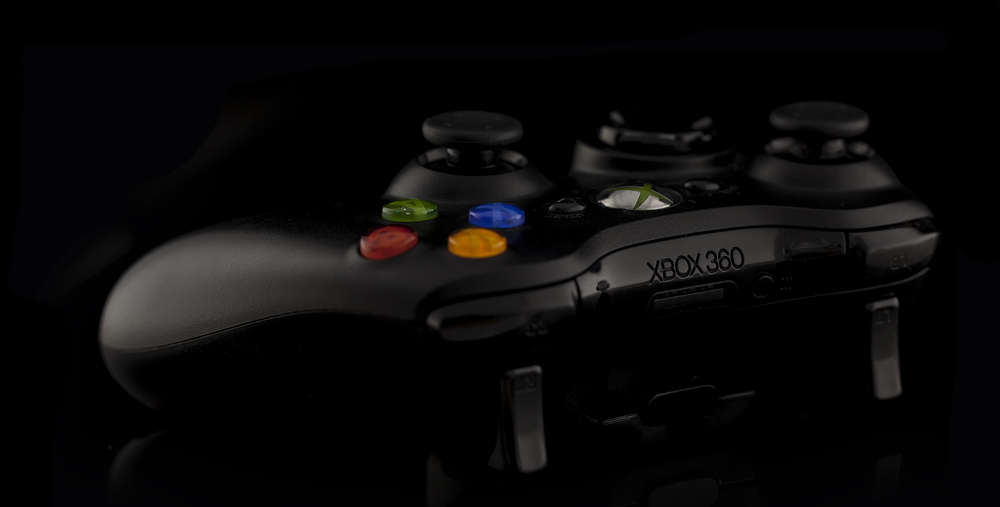
Microsoft’s ads portrayed families having magical living room experiences, controlling their TV with graceful hand gestures like wizards casting spells. What they didn’t show was dad frantically waving his arms like he’s directing airplane traffic just to pause Netflix.
The Kinect required a perfectly lit room with specific spacing, and even then, it often confused your enthusiastic dance moves with random menu selections.
Segway

Dean Kamen’s Segway commercials promised a transportation revolution that would make walking obsolete and transform cities into futuristic utopias. Instead, it became the preferred vehicle of mall security guards and tourists who wanted to look ridiculous while sightseeing.
The $5,000 price tag didn’t help, especially when most people realized they could walk faster than the Segway’s cautious top speed.
Apple Newton
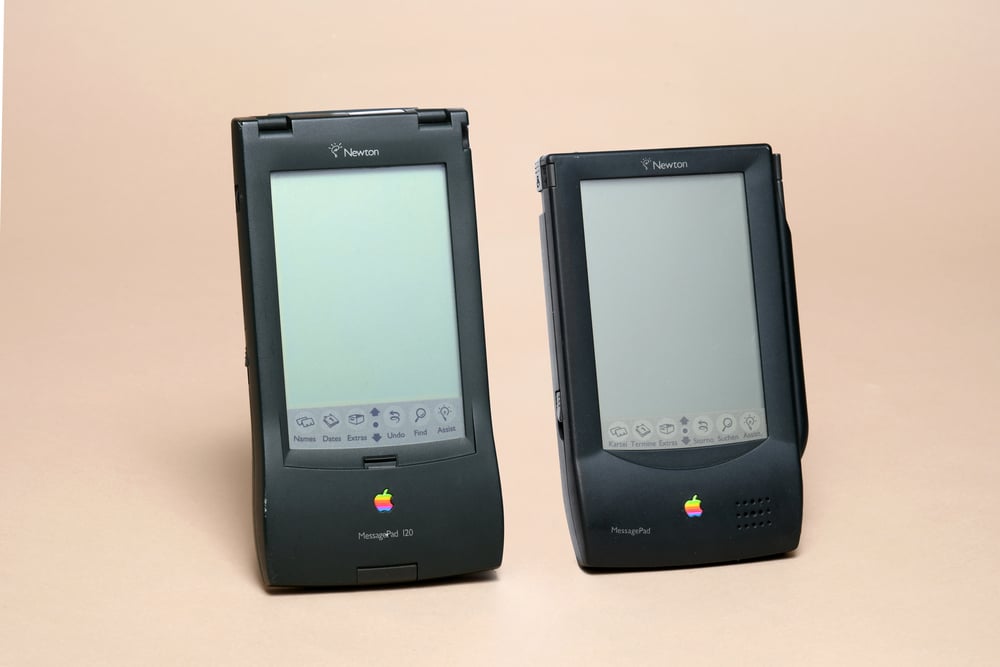
Apple’s 1993 commercials showed business professionals effortlessly taking handwritten notes that magically converted to perfect digital text. In reality, the Newton’s handwriting recognition was so poor that ‘Hello’ regularly became ‘Jello’ or random strings of characters.
The device was ahead of its time in concept but laughably behind in execution, making it more of a digital paperweight than a productivity tool.
Google Wave
Google hyped Wave as the email killer that would revolutionize online communication by combining email, instant messaging, and document collaboration into one seamless platform. The promotional materials made it look like the future of digital conversation.
Unfortunately, Wave was so confusing and overwhelming that most users gave up after five minutes, leading Google to quietly shut it down after just two years.
Windows Phone
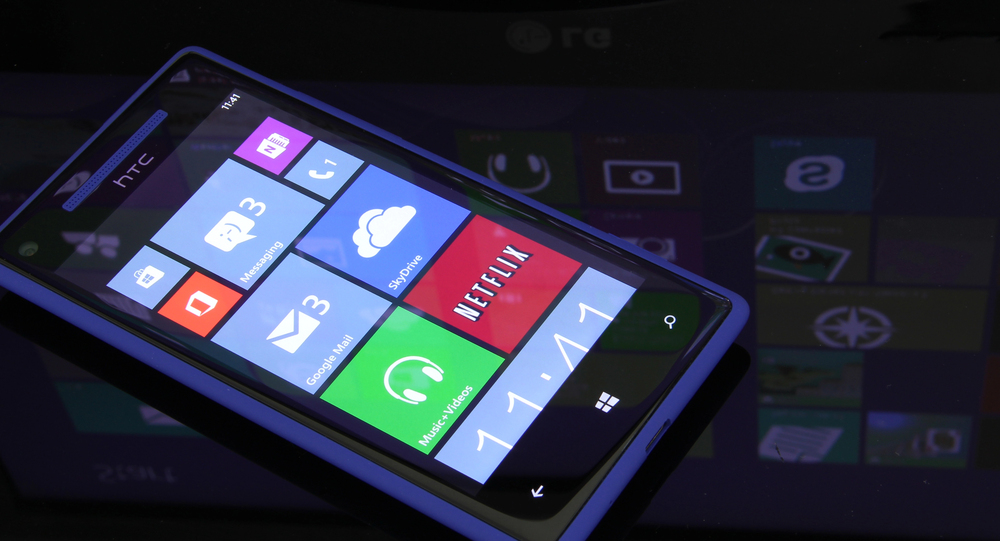
Microsoft’s colorful, energetic commercials portrayed Windows Phone as the cool alternative to boring iPhones and complicated Android devices. The ads showed people effortlessly managing their lives with live tiles and seamless integration across all their devices.
The problem was that barely any apps worked with Windows Phone, making it about as useful as a smartphone made of cardboard.
Google Plus

Google’s social network launched with commercials showing families and friends connecting in meaningful ways through ‘Circles’ and ‘Hangouts’. The ads made it seem like Google Plus would naturally replace Facebook by being more intuitive and less cluttered.
Instead, it became a digital ghost town where people accidentally shared private photos with their entire contact list because the privacy settings were more confusing than quantum physics.
Samsung Galaxy Note 7
Samsung’s ads showcased the Galaxy Note 7 as the ultimate productivity powerhouse with its stylus and impressive features. The commercials emphasized how this phone would keep up with your busy lifestyle and never let you down.
Unfortunately, the phone had a habit of spontaneously combusting, leading to airplane bans and one of the most expensive product recalls in tech history.
Facebook Portal

Facebook’s Portal commercials showed families staying connected through video calls that felt natural and intimate, with the camera intelligently following you around the room. The ads painted a picture of seamless communication that would bring distant relatives closer together.
Given Facebook’s track record with privacy issues, most people were understandably hesitant to put a Facebook-branded camera in their living room.
Amazon Fire Phone
Amazon’s 2014 commercials made the Fire Phone look like a revolutionary device that would change how we interact with the world around us. The ‘Dynamic Perspective’ feature was supposed to create immersive 3D experiences, while Firefly would instantly recognize any object and let you buy it from Amazon.
The phone flopped spectacularly because it was essentially a shopping app disguised as a smartphone.
Google Stadia
Google promised console-quality gaming without the console, showing people playing demanding games seamlessly across all their devices. The commercials made it look effortless—start playing on your TV, continue on your laptop, finish on your phone.
In reality, Stadia required internet speeds that most people didn’t have, creating laggy experiences that made competitive gaming impossible.
Microsoft HoloLens

Microsoft’s HoloLens commercials showed people manipulating holographic objects in their living rooms like they were starring in ‘Minority Report’. The ads suggested that mixed reality would transform everything from architecture to gaming.
The actual device had a tiny field of view that felt like looking at holograms through a mail slot, making the experience more frustrating than futuristic.
Sony Betamax

Sony’s Betamax commercials emphasized superior video quality and compact design, suggesting that quality would naturally win over the cheaper VHS format. The ads portrayed Betamax as the obvious choice for discerning consumers who cared about picture quality.
Unfortunately, Sony learned that consumers cared more about longer recording times and lower prices than slightly better picture quality.
Nintendo Virtual Boy
Nintendo’s 1995 commercials promised immersive virtual reality gaming that would transport players to other worlds. The ads showed kids having incredible 3D adventures that looked nothing like the red-and-black nightmare that users actually experienced.
The Virtual Boy gave most people headaches within minutes and had about as much in common with modern VR as a flip phone has with an iPhone.
HD-DVD
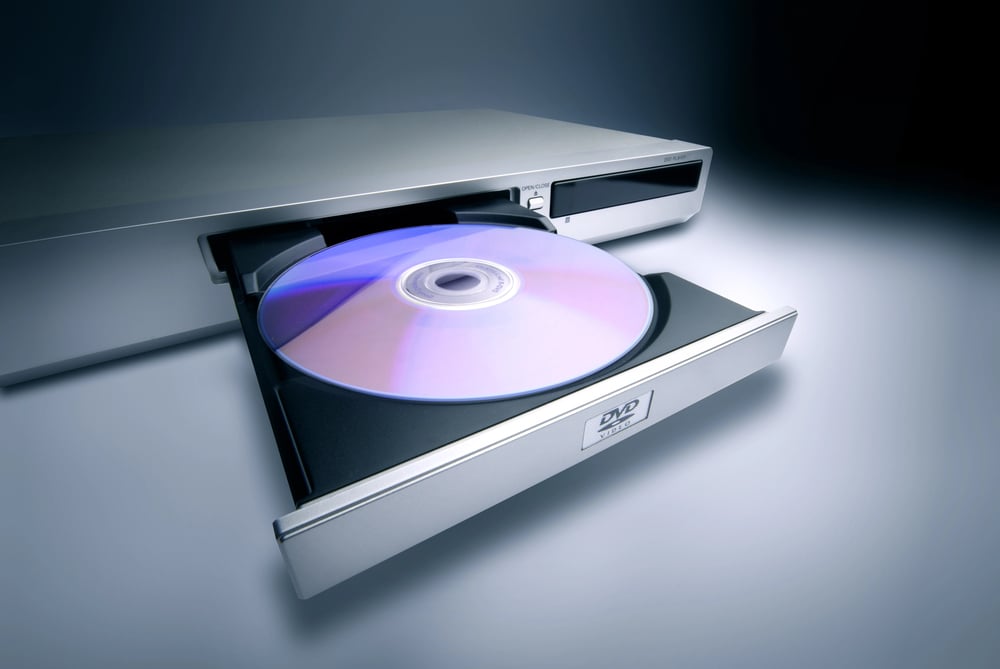
Toshiba’s HD-DVD commercials touted superior technology and industry backing that would make it the natural successor to standard DVDs. The marketing campaign emphasized how HD-DVD players were cheaper and more compatible than Blu-ray alternatives.
Despite the confident advertising, HD-DVD lost the format war primarily because Sony included Blu-ray players in PlayStation 3 consoles.
BlackBerry Storm
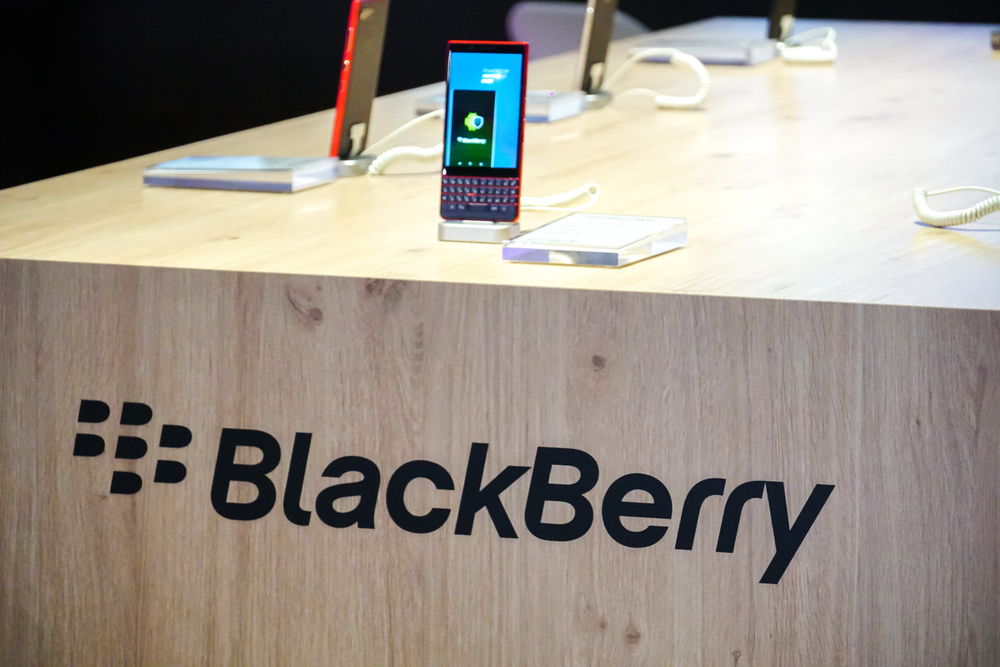
BlackBerry’s Storm commercials showed a touchscreen device that combined the best of both worlds—touchscreen convenience with BlackBerry’s famous tactile feedback. The ads made it seem like the perfect iPhone competitor for business professionals.
In reality, the Storm’s ‘clickable’ touchscreen was laggy and unreliable, feeling more like pressing buttons through molasses than responsive touch technology.
Ouya Game Console

The Ouya’s crowdfunding campaign and subsequent commercials promised to revolutionize gaming by bringing mobile games to your TV with console-quality controls. The marketing emphasized how indie developers would finally have a platform to compete with major studios.
The actual console felt cheap, had limited game selection, and couldn’t decide whether it wanted to be a serious gaming system or an expensive Android TV box.
The Reality Check

These commercials remind us that the gap between marketing dreams and engineering reality often resembles the difference between a Hollywood movie and a home video. While some of these products had genuinely innovative ideas, their advertising departments consistently wrote checks that the technology couldn’t cash.
The real lesson isn’t that these companies were dishonest, but that transforming bold visions into working products is infinitely harder than making them look good in a 30-second commercial. Next time a tech ad promises to revolutionize your life, remember that the most impressive thing about many of these products was how confidently they were marketed.
More from Go2Tutors!

- The Romanov Crown Jewels and Their Tragic Fate
- 13 Historical Mysteries That Science Still Can’t Solve
- Famous Hoaxes That Fooled the World for Years
- 15 Child Stars with Tragic Adult Lives
- 16 Famous Jewelry Pieces in History
Like Go2Tutors’s content? Follow us on MSN.