15 Things We Didn’t Realize Are Disappearing
It feels odd, somehow, when pieces of daily life slip away without warning. Not a single announcement marks their exit, no headlines shout it – only quiet disappearance over time.
One morning you expect a thing to be there, yet it is missing, like it never mattered. Small gaps appear first; later come deeper ones few admit they notice.
Each absence carries weight, whether obvious or hidden beneath routine. Fading out, quietly – some everyday bits and pieces we barely notice until they’re gone.
Things once common now vanish without much fuss. Not just small stuff either; even what matters most can disappear mid-step.
Watch closely, because it happens while attention drifts elsewhere.
Handwriting

Nowadays, typing on screens has become the main way we share thoughts, while putting pen to paper slips away. Kids write far less by hand compared to kids in earlier times, research finds, yet classrooms often skip teaching flowing script altogether.
As fewer learn how, reading personal letters from long ago grows harder, along with records shaped by hands now stilled.
Landline Phones

Back then, each house held a phone linked to one place. Reaching people meant dialing where they lived.
Now that world is nearly gone. Over twenty years, homes keeping landlines have grown far fewer across America.
For plenty of young adults today, a home telephone feels like something seen only in outdated films.
Insect Populations

A single glance might overlook it – creatures so tiny slip under notice. Yet researchers have recorded sharp drops worldwide, year after year: bees fading, butterflies thinning, beetles and moths vanishing too.
Summer without sparks in the air? That’s only part of what’s lost. When bugs disappear, farms wobble, webs unravel, balance tilts.
Life leans heavily on these little things.
Department Stores

A single massive shop spread across many levels used to sit at the heart of nearly every big mall – now they’re vanishing. Stores such as Sears and JCPenney shut down countless spots, while Macy’s pulled back too.
Blame often lands on internet buying, yet shifts in how people spend time plus steeper property prices helped drive the change.
Quiet Spaces

Hard to find spots without sound these days. Music blares in eateries, loud voices echo through terminals, checkouts flash videos nonstop.
Silence, real silence – the sort that calms thoughts – slips away unnoticed. Stillness feels rare now.
Quiet corners vanish like morning fog.
Small Family Farms

Out in the fields, small family plots once grew everything from corn to beans – now that picture fades behind glossy commercials. Big companies now hold vast stretches of land, slowly replacing those smaller growers unable to match their scale.
Since the middle of the last century, actual working farms across the country have dwindled sharply, vanishing at a steady pace.
Glaciers

Nowhere is safe, it seems, from the shrinking ice. Back in the day, Montana’s Glacier National Park counted 150 named rivers of ice.
These days, only about thirty still qualify as active glaciers. Not just scenery vanishes – water sources for countless communities depend on slow melt from these frozen giants.
Their absence shifts how heat moves across continents, quietly changing skies thousands of miles away.
Manual Skills

Fixing a flat tire. Sewing on a button by hand. Stopping water dripping from a tap – skills like these used to move easily from parent to child without much thought.
Now? People often call a pro instead, or just find another way around the problem. Groups gathering to mend things together pop up now and then, hoping to hold onto what remains.
Still, the truth sits plainly: fewer folks learn how to do stuff themselves, while more forget every year.
Privacy

It has become almost impossible to move through daily life without being tracked in some form. Shopping apps, loyalty cards, smart devices, and social media platforms all collect data constantly, often without users fully understanding what they are agreeing to.
The idea that personal information stays personal is fading, and most people have quietly accepted that as the new normal.
Coral Reefs

About half of the world’s coral reefs have already disappeared since the 1950s, according to research published in the journal One Earth. Rising ocean temperatures cause coral bleaching, a process that strips reefs of the algae they need to survive.
These reefs support roughly 25 percent of all marine species, so their decline sets off a chain reaction that affects ocean health on a massive scale.
Local Newspapers

Community newspapers have been closing at a rate of about two per week in the U.S. for the past several years. When a local paper shuts down, city council meetings go uncovered, local government faces less accountability, and residents lose a shared source of neighborhood information.
National news fills some of the gap, but it does not tell people what is happening on their own street.
Dark Skies
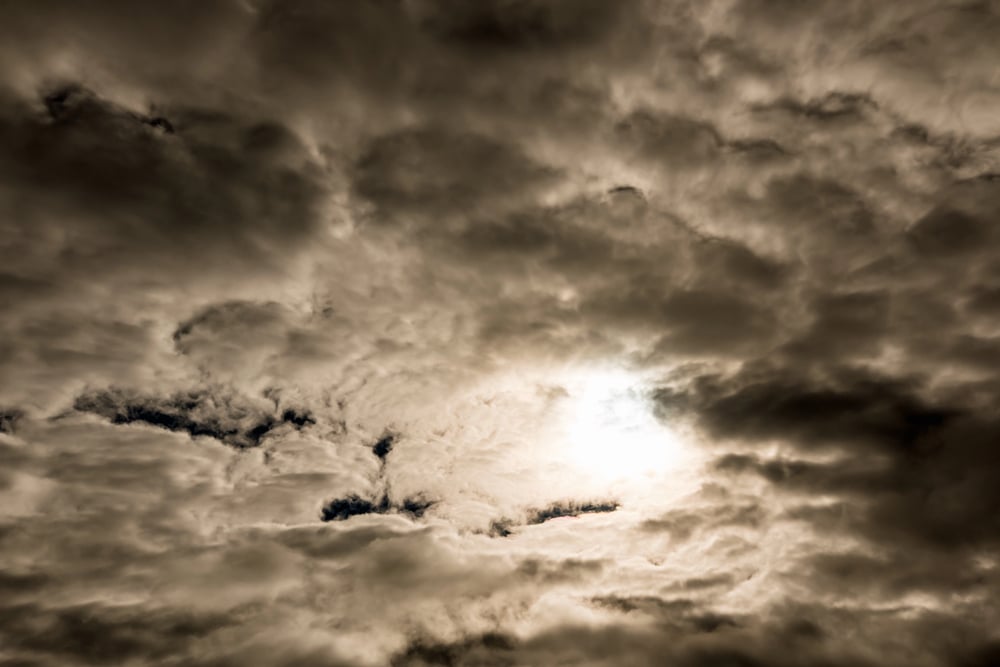
Light pollution has spread so widely that the majority of Americans can no longer see the Milky Way from where they live. The orange glow that hovers over cities at night is not just an inconvenience for stargazers.
It disrupts the sleep cycles of wildlife, confuses migratory birds, and cuts people off from something that humans have looked up at for thousands of years.
Cursive Reading Ability
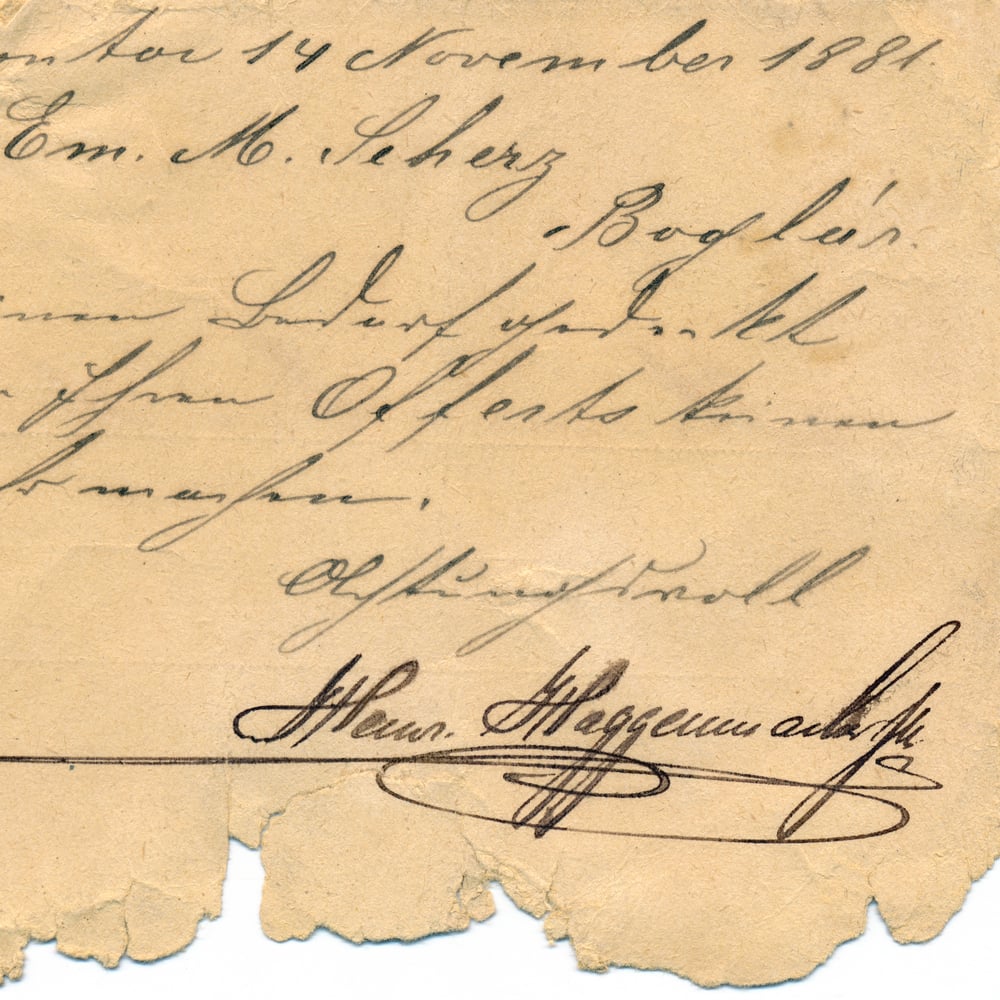
Even in places where cursive writing is still taught, the ability to read it fluently is fading fast. This matters more than it might seem at first.
Diaries, personal letters, historical records, and legal documents from the 18th and 19th centuries were written in cursive, and if future generations cannot read them, that history becomes inaccessible without a translator.
It is a quiet kind of cultural disconnection.
Patience

Streaming services, instant delivery, fast food, and same-day responses have quietly reset what people consider a reasonable waiting time. The ability to sit with discomfort, wait for something, or work toward a long-term goal without immediate feedback has genuinely weakened across age groups.
Researchers who study attention and behavior have noted that tolerance for delay has dropped sharply in a relatively short period of time.
Analog Repair Shops
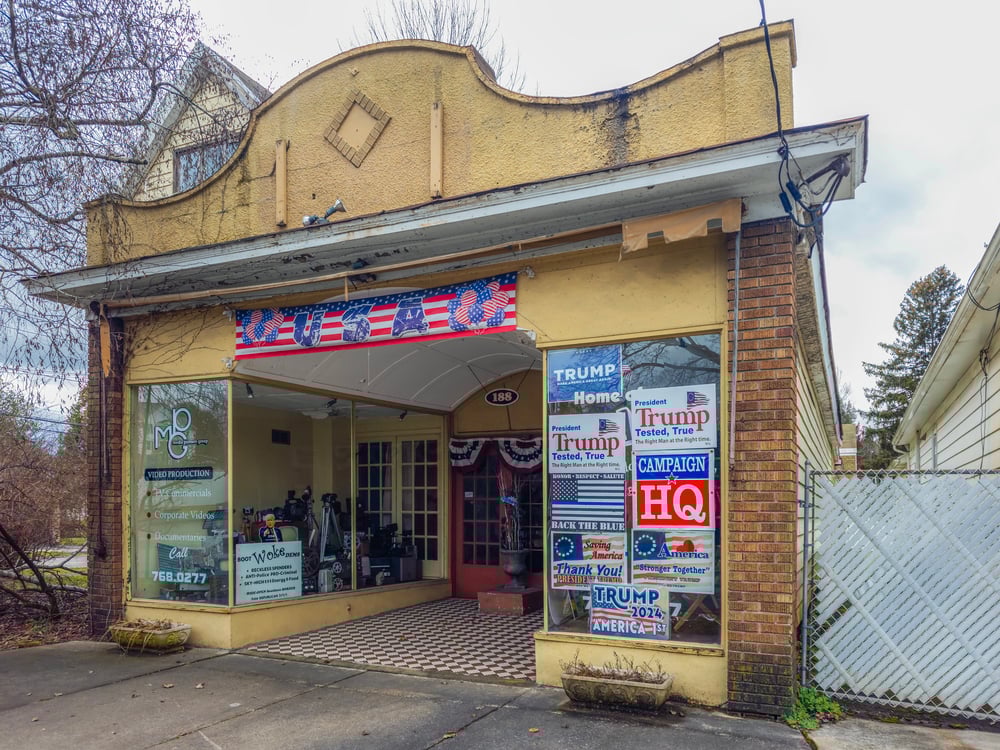
The small shop on a side street where someone could fix a watch, resole a shoe, or repair a radio is becoming harder to find with each passing year. As products get cheaper and more disposable, repairing them makes less financial sense to most consumers.
The craftspeople who run these shops are aging, and very few young people are stepping in to learn the trade.
What’s Already Gone Matters

The things disappearing from everyday life do not always announce themselves before they go. Glaciers retreat inch by inch, family farms close quietly, and corner repair shops lock their doors for the last time without ceremony.
What makes these losses serious is not just the nostalgia they carry but the functions they served, functions that do not simply vanish but get replaced, badly or not at all. Paying attention now, before the list grows longer, is the most practical thing anyone can do.
More from Go2Tutors!

- The Romanov Crown Jewels and Their Tragic Fate
- 13 Historical Mysteries That Science Still Can’t Solve
- Famous Hoaxes That Fooled the World for Years
- 15 Child Stars with Tragic Adult Lives
- 16 Famous Jewelry Pieces in History
Like Go2Tutors’s content? Follow us on MSN.