Foods That Should Never Be Combined
Most of us think about what we eat, but we rarely consider how different foods interact with each other once they hit our stomachs. Turns out, some popular food pairings can leave you bloated, tired, or feeling like you swallowed a brick.
The culprit isn’t necessarily the foods themselves—it’s the combination that causes chaos in your digestive system. Here is a list of food combinations you should think twice about before your next meal.
Milk and Orange Juice

The casein in milk and the citric acid in orange juice don’t play well together, causing the milk to curdle in your stomach. Think about how cottage cheese is made—citric acid clumps up the milk proteins.
The same process happens inside you when you wash down your morning cereal with a glass of OJ. This combination makes it nearly impossible for your digestive system to retain any nutrients from either food.
If you love both, keep them at least an hour apart.
Banana and Milk
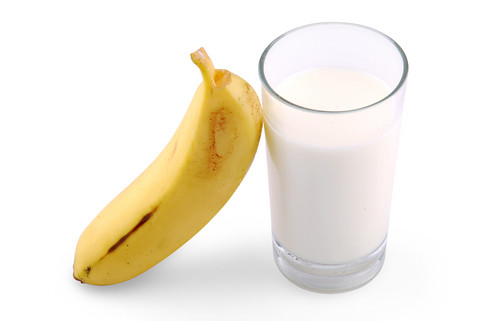
That creamy banana milkshake might taste like heaven, but your stomach won’t be sending thank-you notes. Research on rats showed that consuming bananas and milk together caused altered digestion, mild to moderate heart inflammation, and fatty changes in the liver.
The combination sits heavy in your stomach and can lead to digestive discomfort. If you can’t resist, add a pinch of cinnamon or nutmeg to help your digestive system cope.
Cheese and Meat

Loading up on protein sounds like a great idea until you realize your body is struggling to process it all. Casein from dairy digests and absorbs very slowly in the body, making the combination of meat and cheese extremely difficult to digest.
Those cheesy meatballs or meat fondue might be delicious, but they’re essentially a digestive traffic jam. Swap the cheese for vegetables instead, and your gut will thank you.
Tomatoes and Pasta
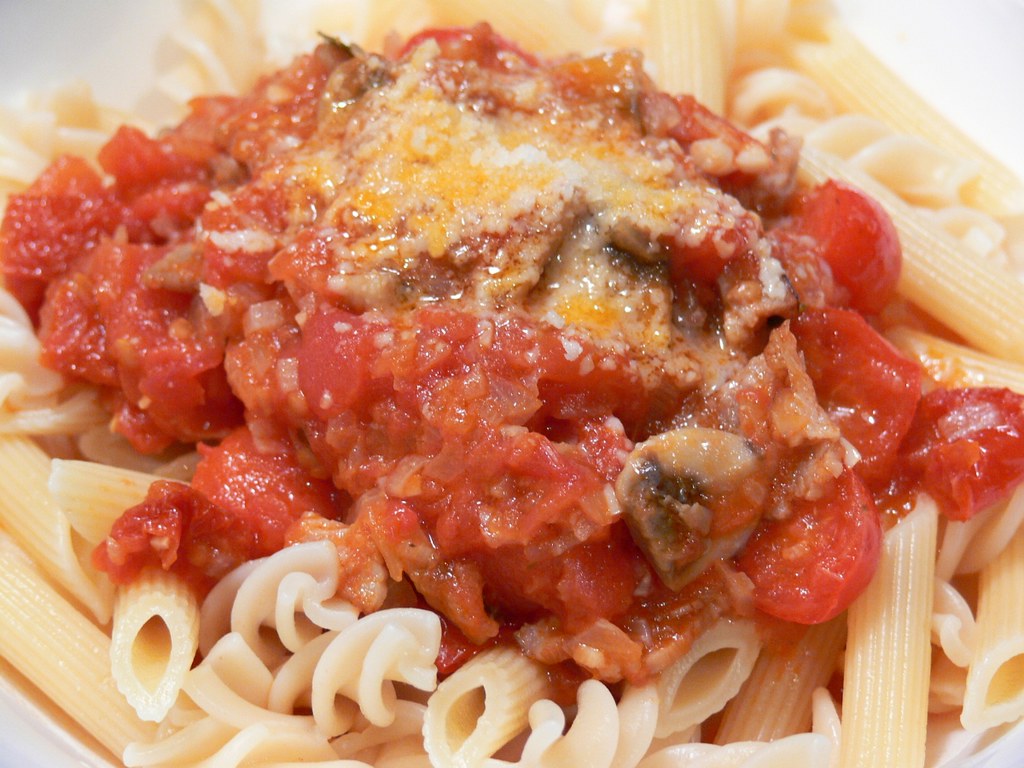
This one hurts because who doesn’t love a good marinara sauce? Tomato sauce is acidic while pasta is made from carbohydrates that break down into glucose quickly, causing a spike in blood sugar levels.
The acid in tomatoes can also curdle dairy and degrade the starchy pasta. You’ll feel hungry soon after eating because you’re mostly consuming carbohydrates without enough protein to balance the meal.
Stick with whole-wheat pasta, add protein like chicken or beans, and toss in some vegetables.
Beans and Cheese
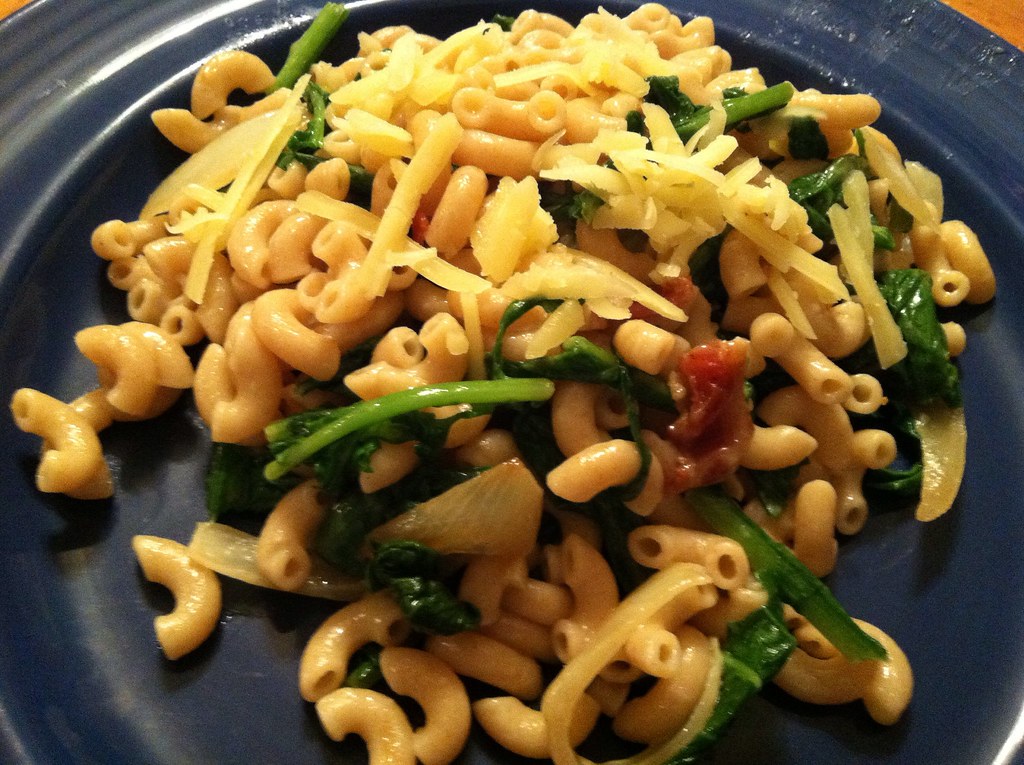
Mexican food lovers, this is your warning. When dairy cheese and beans mix with guacamole and hot sauce, it’s almost guaranteed to cause gas and bloating.
Beans alone digest just fine, but throw cheese into the equation and you’re setting yourself up for serious discomfort. The combination is particularly potent because of how these proteins interact during digestion.
Try enjoying the ingredients separately instead of piling everything into one burrito.
Fruit After Meals
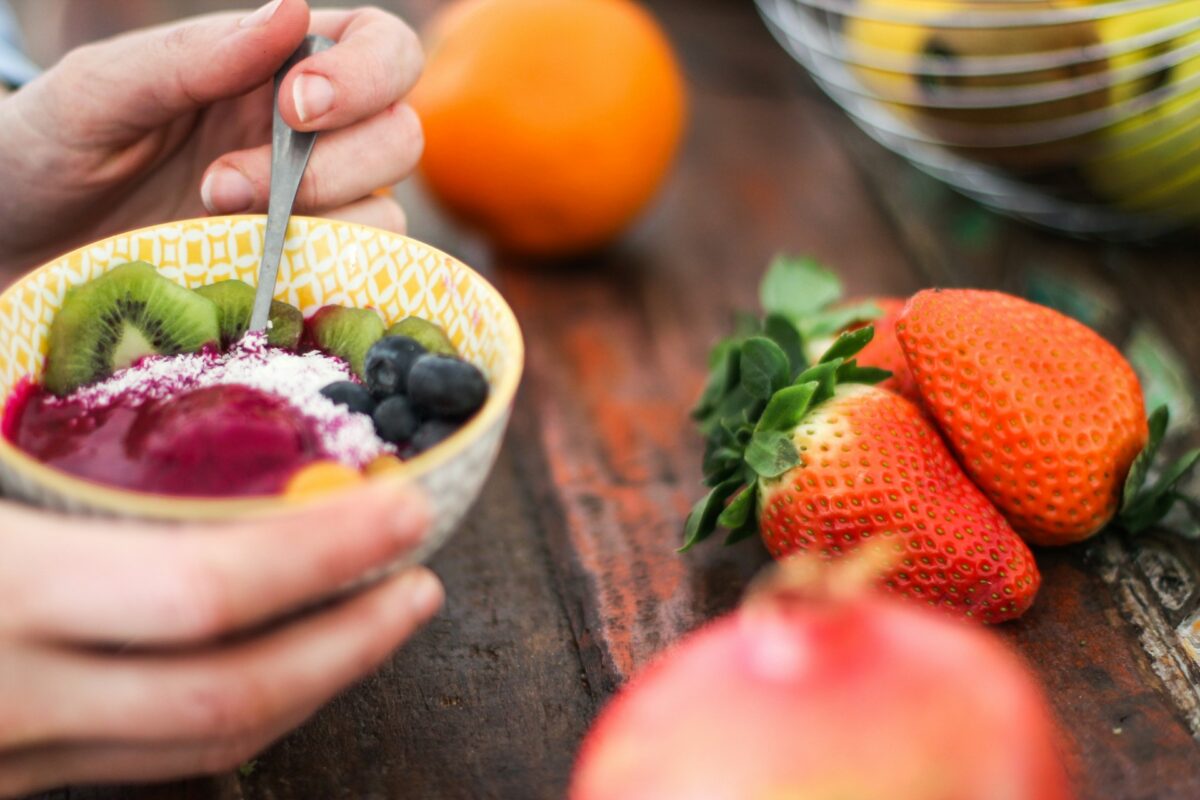
Finishing dinner with a fruit salad seems healthy, but timing matters more than you think. Fruits contain simple sugars that require no digestion and don’t stay long in the stomach, unlike other foods rich in fat, protein, and starch.
When you eat fruit after meals, the sugar sits in your stomach and ferments rather than getting digested instantly. This fermentation causes bloating and discomfort.
Eat your fruit at least 30 minutes before a meal or as a standalone snack.
Milk and Melons
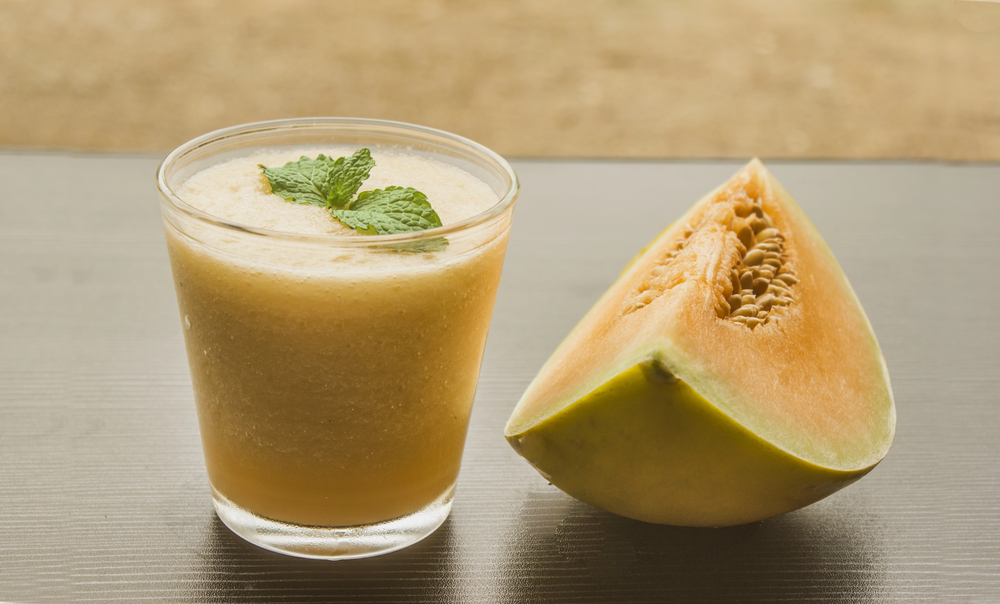
Summer smoothies with watermelon and milk sound refreshing until your stomach starts protesting. Milk acts as a laxative while melons have diuretic properties, resulting in a clash of functions.
The stomach acids required to digest melon make the milk curdle, causing gastric issues. These two foods are essentially working against each other inside your digestive system.
Keep your melon and dairy separate.
Cereal and Orange Juice
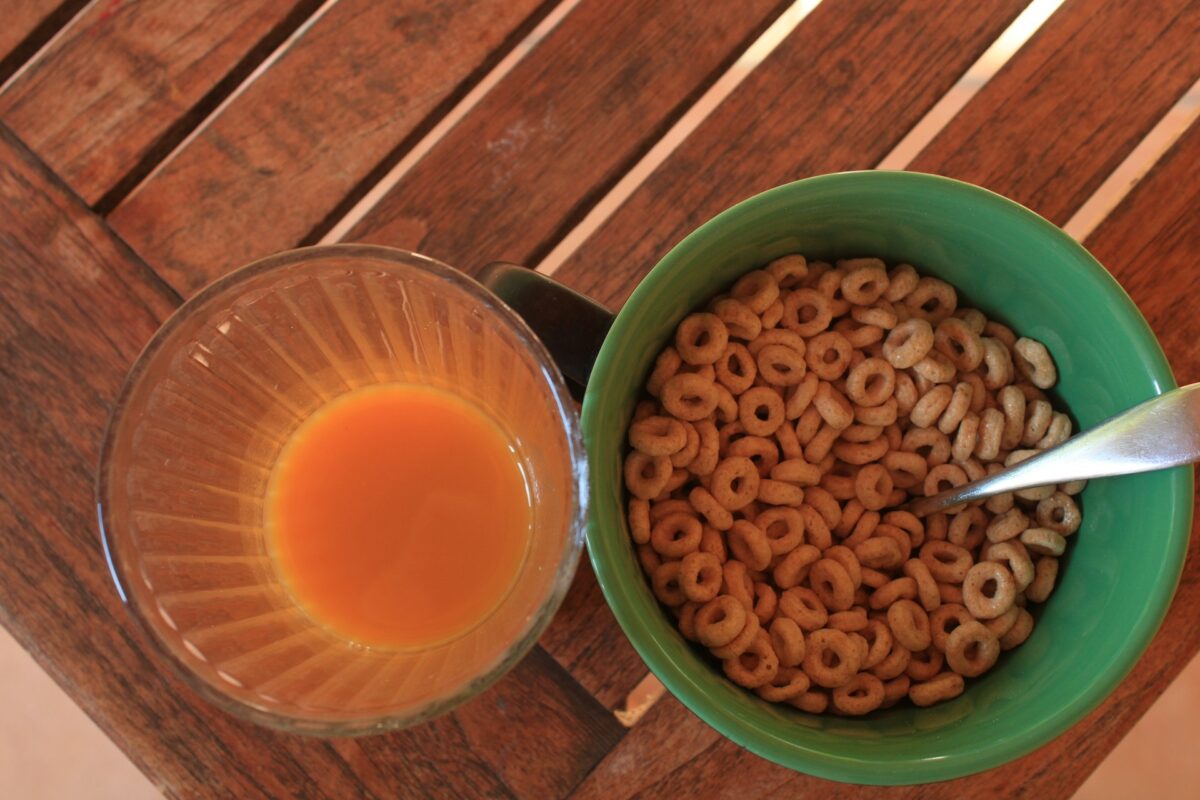
This classic breakfast combo is actually sabotaging your morning. The acid in orange juice curdles the casein in milk and destroys the starchy cereal, making it impossible for your digestive system to retain nutrients from this meal.
You’re basically eating empty calories that provide no real nourishment. Drink your juice at least an hour after having your cereal with milk, or switch to plant-based milk alternatives.
Avocado and Nuts
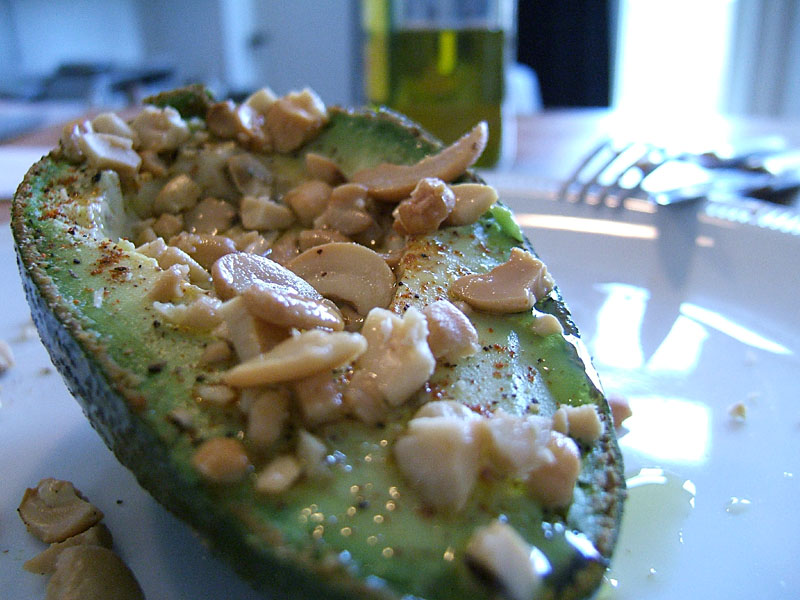
Both are nutritional powerhouses on their own, but together they create digestive friction. The raw fat properties of avocado have an inhibiting effect on the digestion of protein in nuts.
Your body struggles to break down both simultaneously because the fat interferes with protein digestion. This is bad news for that almond-crusted avocado toast you’ve been enjoying.
Choose one or the other for your meal.
Mint and Cola
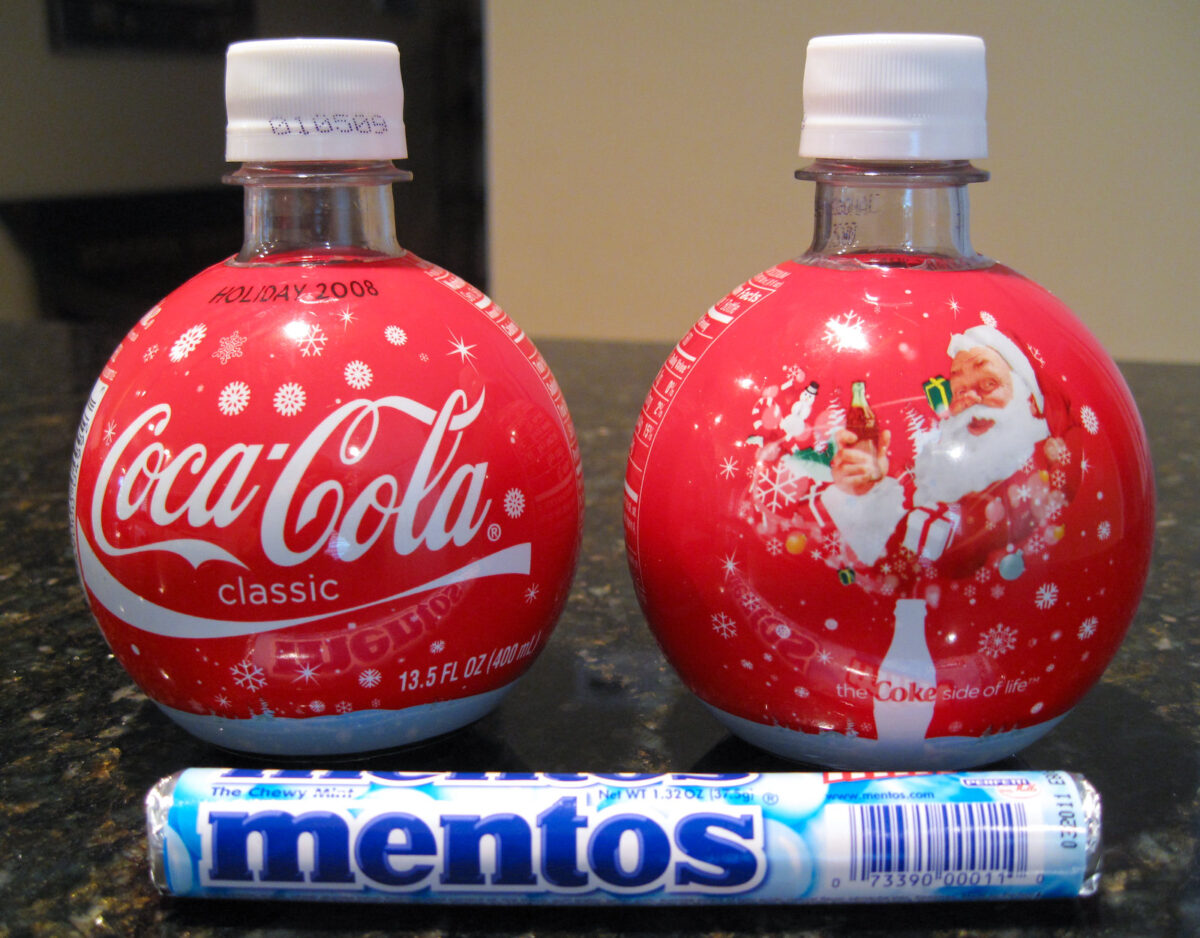
Those viral videos showing the explosive reaction between mint and cola aren’t just for show. Mint and cola can cause excessive bloating and gas, making you very uncomfortable.
The combination creates a similar fizzy reaction inside your stomach that you see in those internet experiments. If you’re having a minty dessert, skip the soda and opt for water instead.
Nuts and Olive Oil
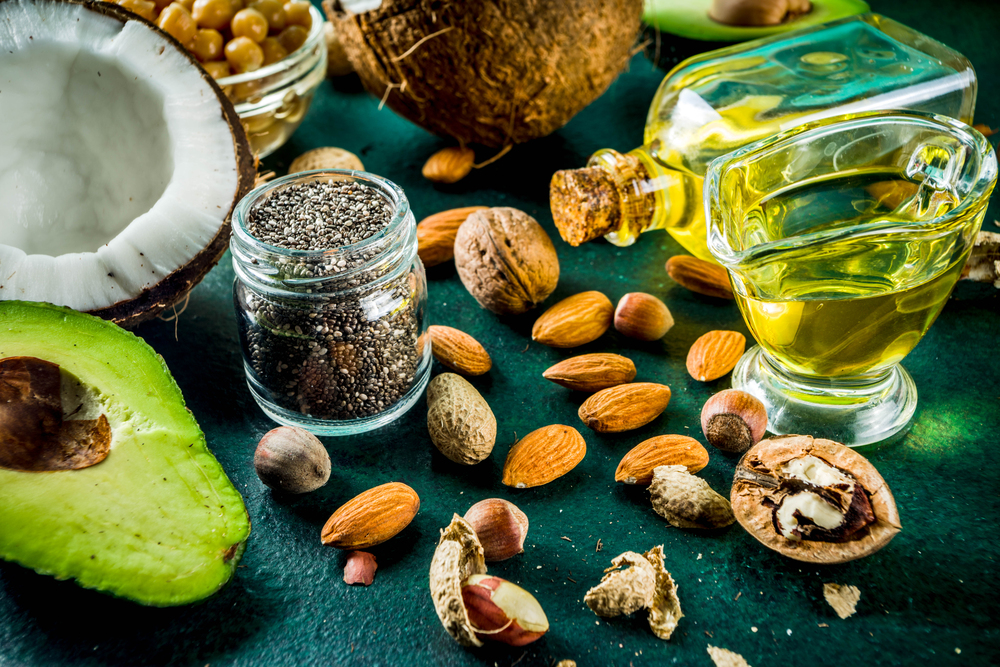
Pesto and salad dressings often combine these ingredients, but they’re not the best pairing for digestion. The fats in the oil and protein in the nuts don’t go well together and may hinder the digestion process.
The raw fat prevents the protein from being properly broken down. When making pesto or dressings, consider using less oil or choosing lighter preparations.
Two High-Protein Foods Together
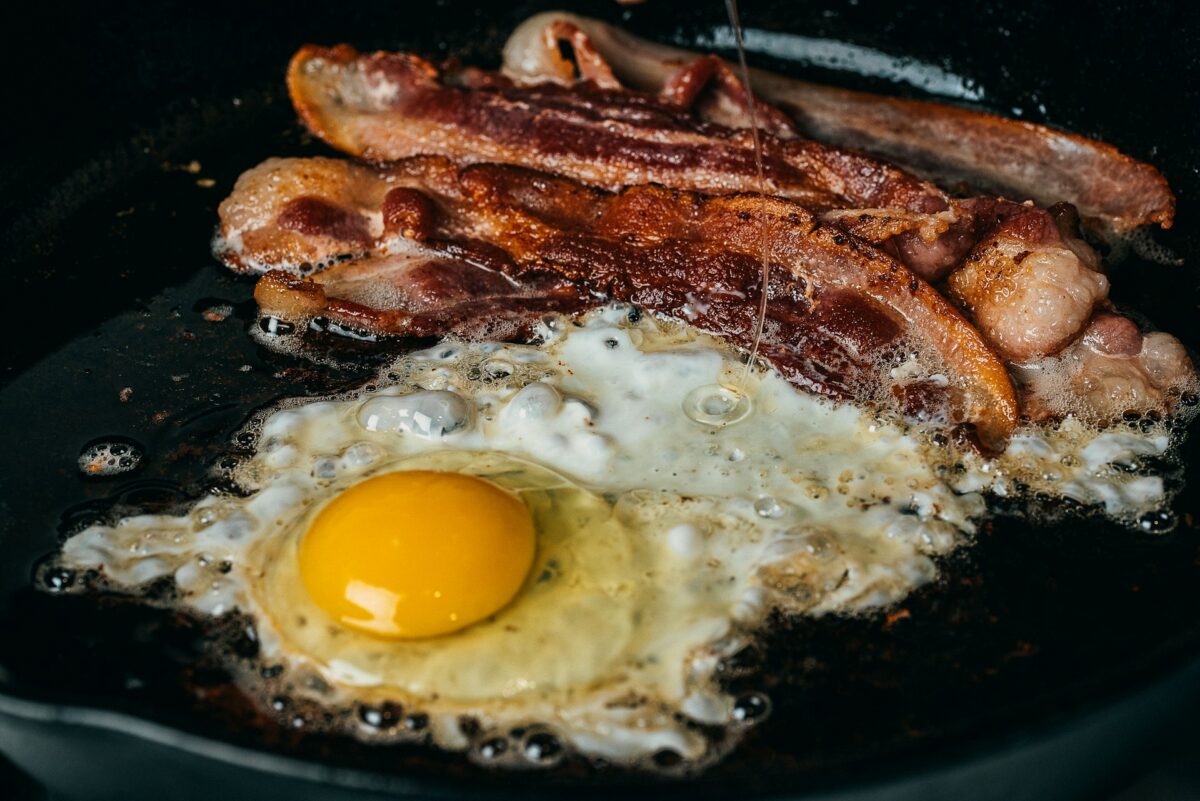
Starting your day with eggs and bacon might be a beloved tradition, but it’s a heavy load for your digestive system. These two foods are high in protein and sit heavy in your stomach, taking a longer time to digest both.
Your body needs to work overtime to break down all that protein at once. If you want protein in the morning, choose one source and pair it with vegetables or whole grains.
Tea or Coffee with Iron-Rich Foods
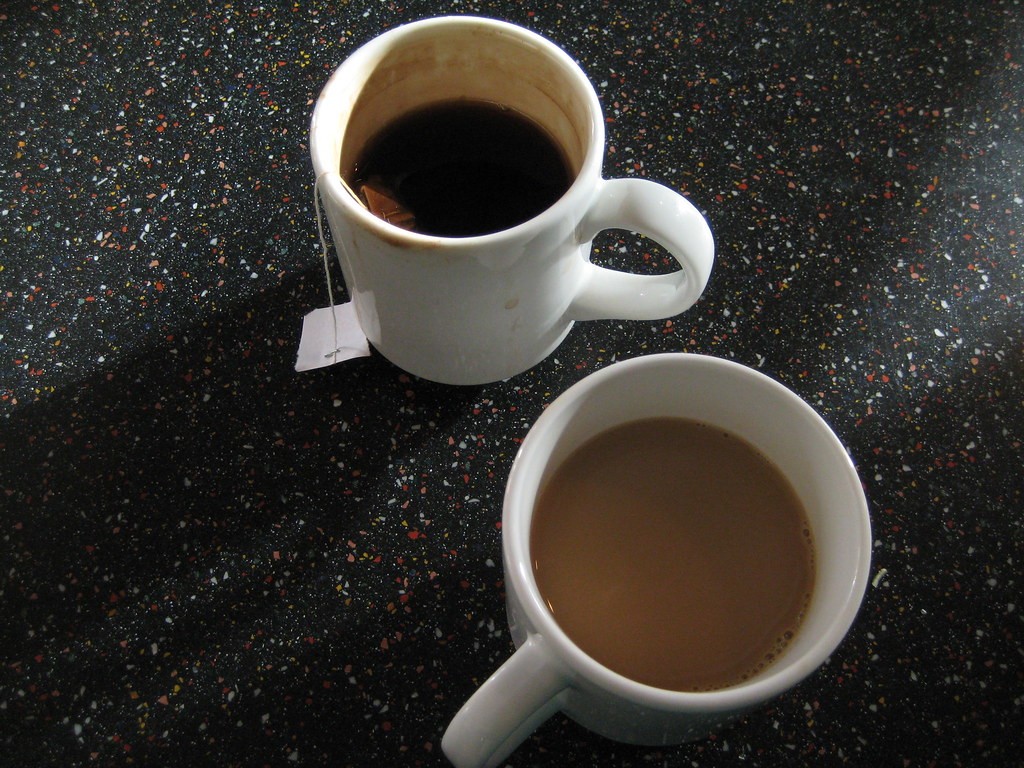
If you’re trying to boost your iron intake, save the coffee for later. Drinking tea or coffee with iron-rich meals could lead to a lack of energy and general feelings of ill health if you don’t get enough iron.
The compounds in coffee and tea inhibit iron absorption. Wait at least two hours after your meal before having your caffeine fix, or pair iron-rich foods with vitamin C sources instead.
Alcohol and Sweets

Pairing wine with dessert might seem sophisticated, but your body pays the price. Alcohol tends to convert sugar into saturated fats, which get easily accumulated in the body.
This combination is particularly problematic because it’s a double hit of empty calories that your body stores as fat. If you’re drinking, stick to fibrous vegetables and low-glycemic foods instead.
Yogurt and Fruit
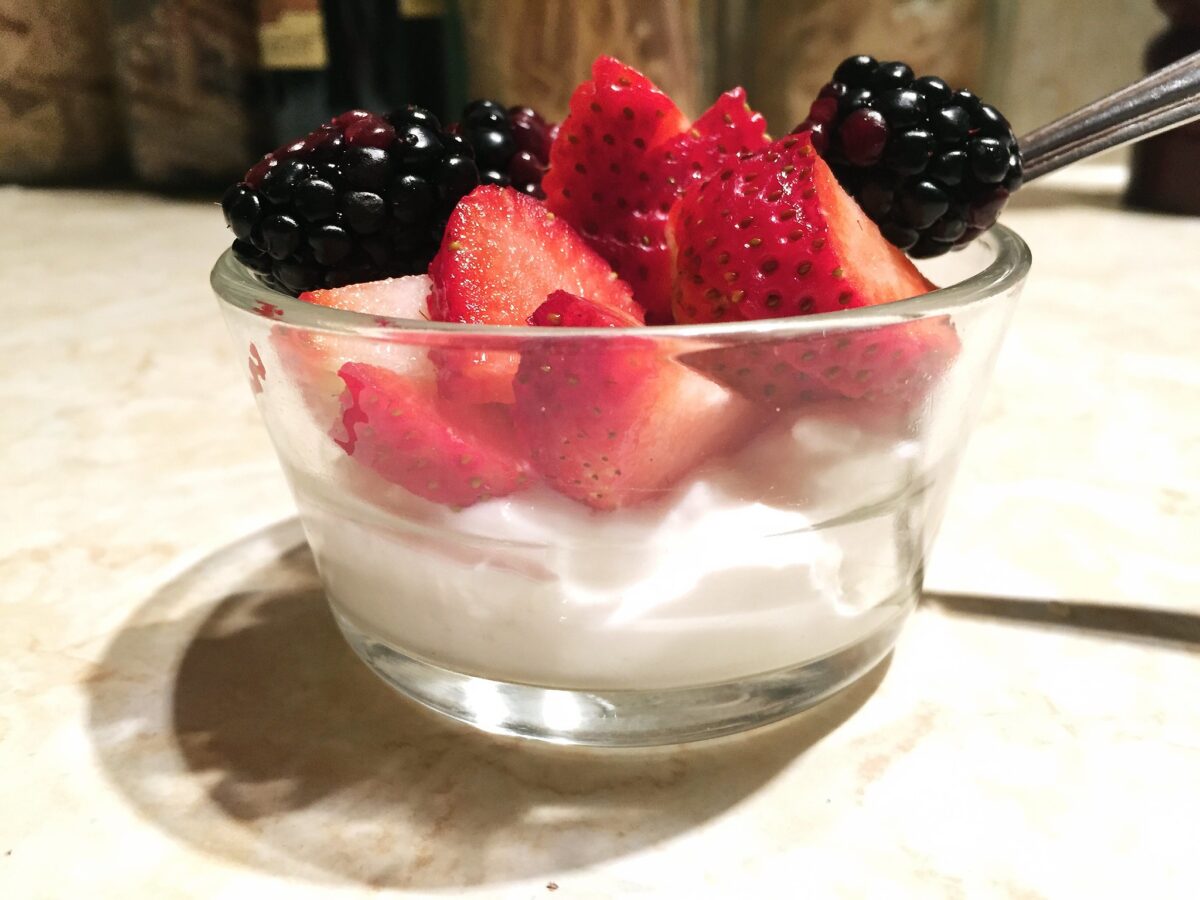
This popular breakfast or snack might not be as healthy as you think. While some research suggests the combination could be beneficial for gut health, traditional Ayurvedic principles warn against it.
The live cultures in yogurt immediately start acting on the sugars in fruit, which can cause digestive upset in some people. If you notice bloating or discomfort after eating fruit yogurt, try plain yogurt instead.
Multiple Types of Meat
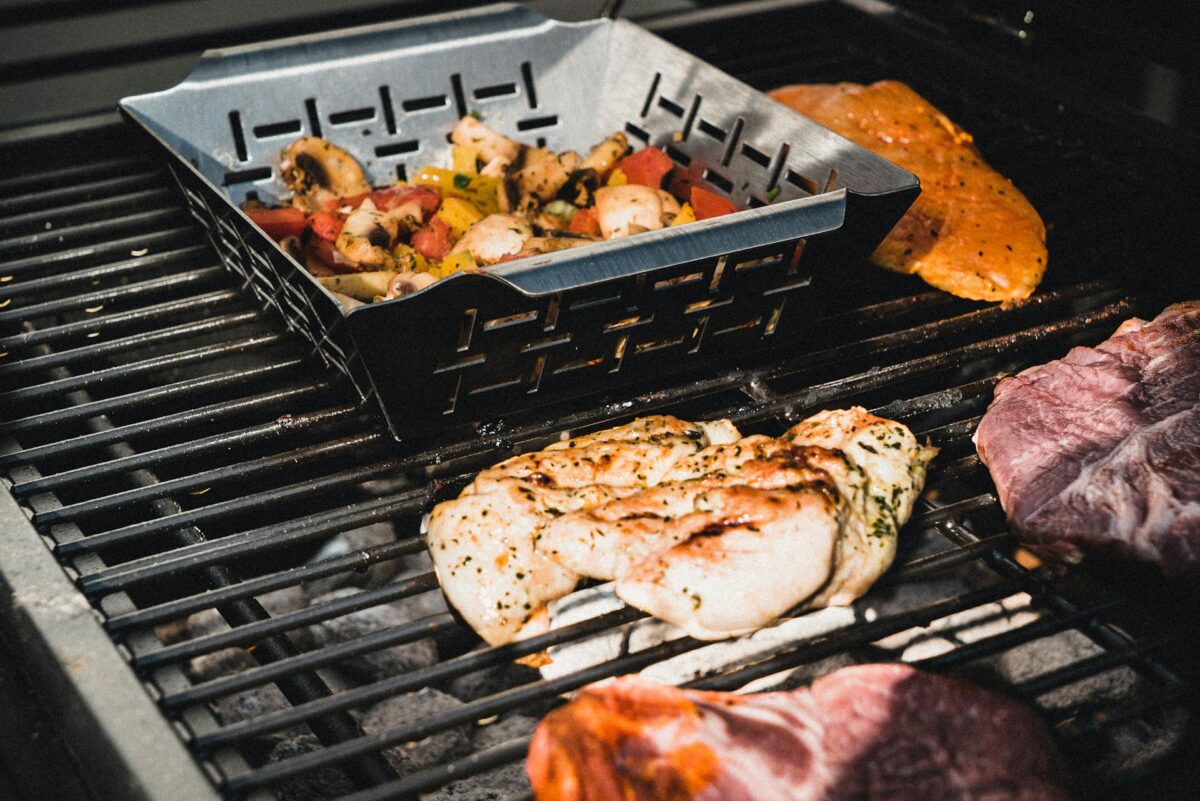
Buffets and barbecues often tempt us to sample different meats, but your stomach won’t appreciate the variety. Cooking or eating more than one type of meat together may not be good for your digestive system and may lead to bad stomach or other digestive issues.
Each type of meat requires different digestive enzymes and processing times. Stick to one protein source per meal for easier digestion.
Cheese and Cold Drinks
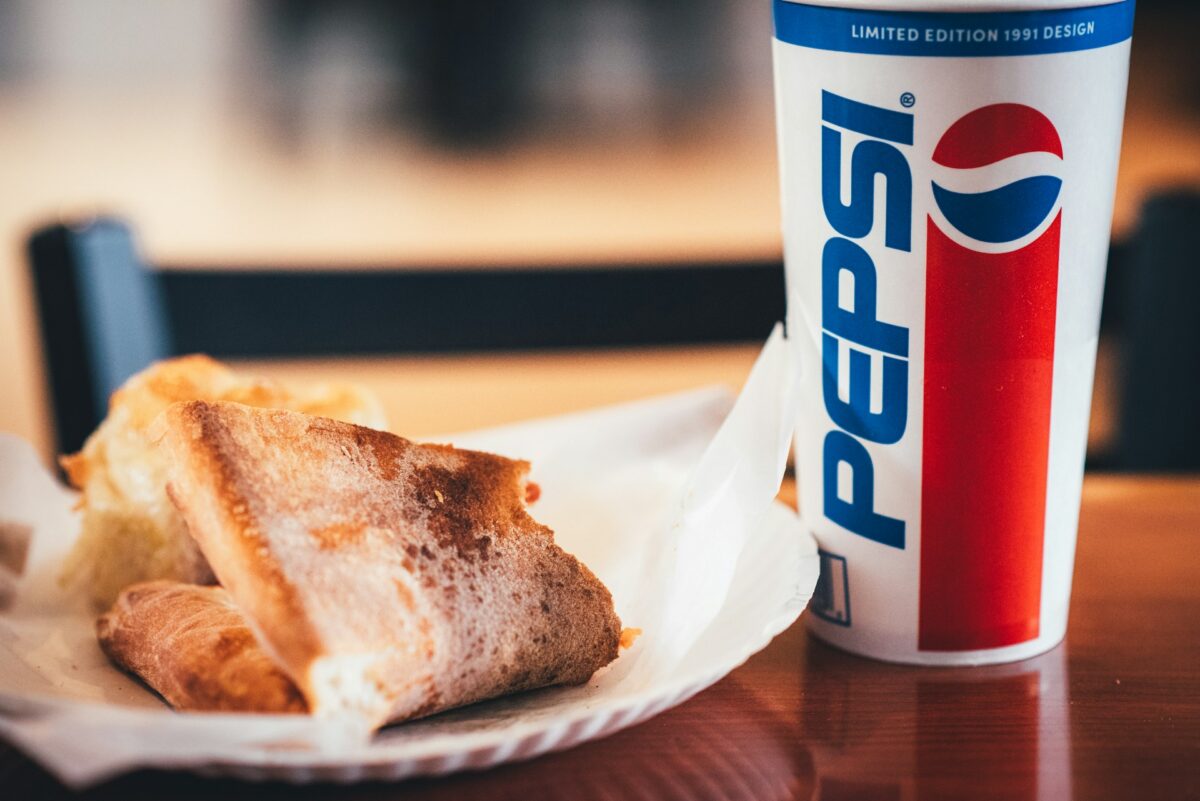
Pizza and soda is arguably one of the most popular food pairings in America, but it comes with consequences. The combination of cheesy food and cold drinks can lead to difficulty in absorption, causing discomfort and stomach ache.
The cold temperature slows down the digestion of the heavy cheese. If you’re having pizza, consider room-temperature water or warm beverages instead.
Why This Matters Now
The science of food combining isn’t new—these principles trace back thousands of years to Ayurvedic medicine in ancient India. What’s changed is our modern eating habits, where we regularly mix foods that our ancestors would have kept separate.
Understanding these combinations helps explain why you might feel exhausted after certain meals or experience chronic bloating despite eating ‘healthy’ foods. Your digestive system works better when you give it compatible foods that require similar enzymes and processing times, letting you actually absorb the nutrients you’re paying for at the grocery store.
More from Go2Tutors!

- The Romanov Crown Jewels and Their Tragic Fate
- 13 Historical Mysteries That Science Still Can’t Solve
- Famous Hoaxes That Fooled the World for Years
- 15 Child Stars with Tragic Adult Lives
- 16 Famous Jewelry Pieces in History
Like Go2Tutors’s content? Follow us on MSN.



