15 Times a Construction Crew Accidentally Unearthed History
Construction workers breaking ground for new buildings often uncover more than dirt and rocks. Beneath our feet lies a hidden museum of artifacts waiting to be discovered, sometimes turning ordinary workdays into extraordinary archaeological events.
These accidental discoveries have changed our understanding of history and revealed stories long forgotten. Here is a list of 15 remarkable instances when construction crews stumbled upon historical treasures while simply doing their jobs.
Roman Bath Complex in Chichester
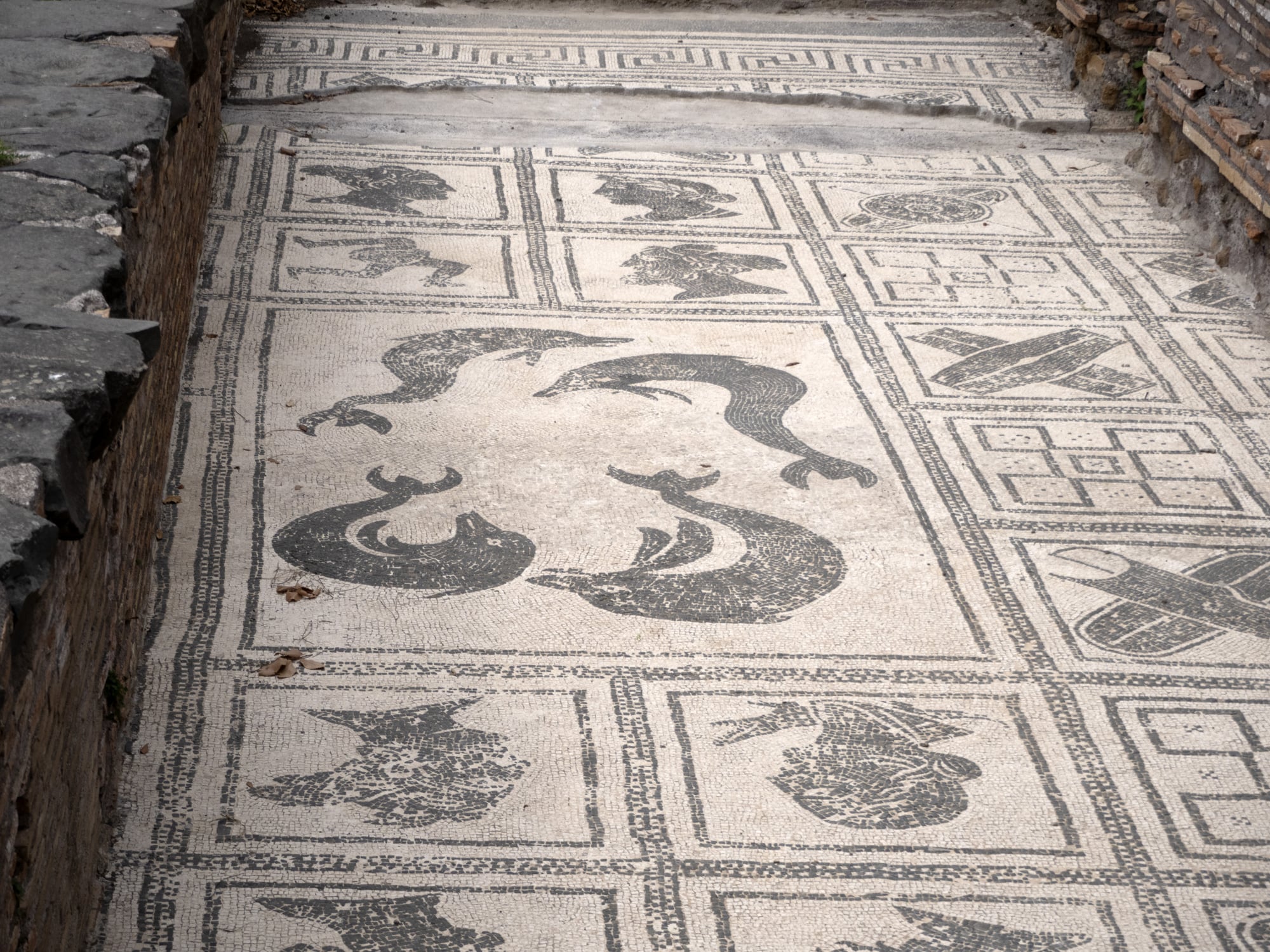
Workers digging the foundation for a shopping center in Chichester, England in 2019 were shocked when their excavators revealed the remarkably preserved remains of a Roman bath complex. The discovery included intact mosaic flooring and heating systems dating back to the 2nd century.
Archaeologists later determined this was part of a larger Roman settlement previously unknown to historians.
Ice Age Mammoth in Los Angeles

An almost complete mammoth skeleton thought to be over 10,000 years old was discovered in 2014 by excavation crews working for a new home development close to the La Brea Tar Pits in Los Angeles. Before noticing the characteristic curved shape of a tusk, the workers initially believed they had struck a strange rock structure.
Important new information about the environment of prehistoric Southern California was revealed by this discovery.
Ancient Egyptian Tomb in Cairo
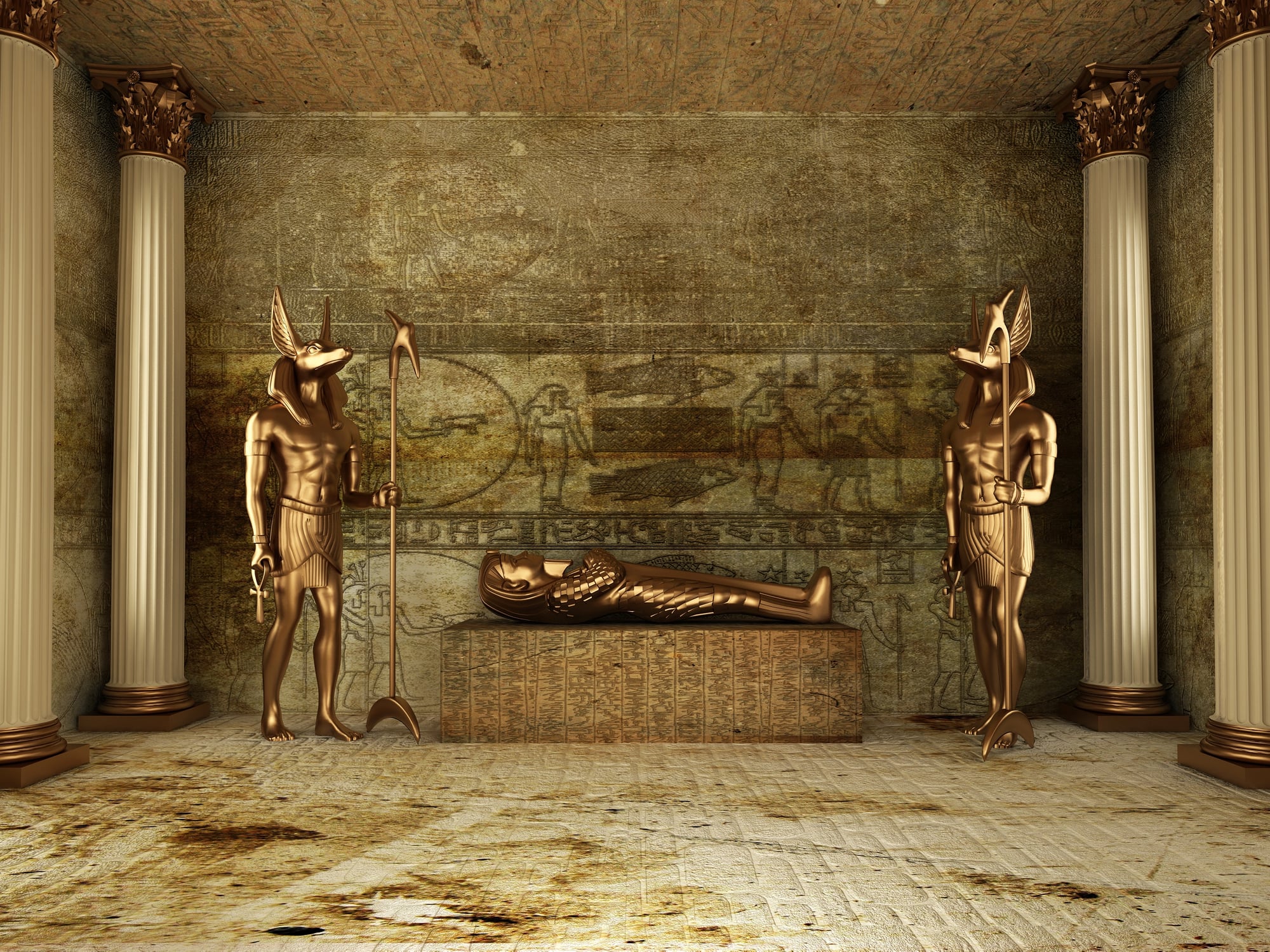
Construction workers preparing a site for a new apartment building in Cairo in 2017 accidentally broke through the ceiling of an undisturbed tomb from the 26th Dynasty. The tomb contained numerous artifacts, including alabaster canopic jars and a sarcophagus with hieroglyphics still bearing their original paint.
The discovery halted construction for over eight months while archaeologists documented everything.
Medieval Hospital in Madrid
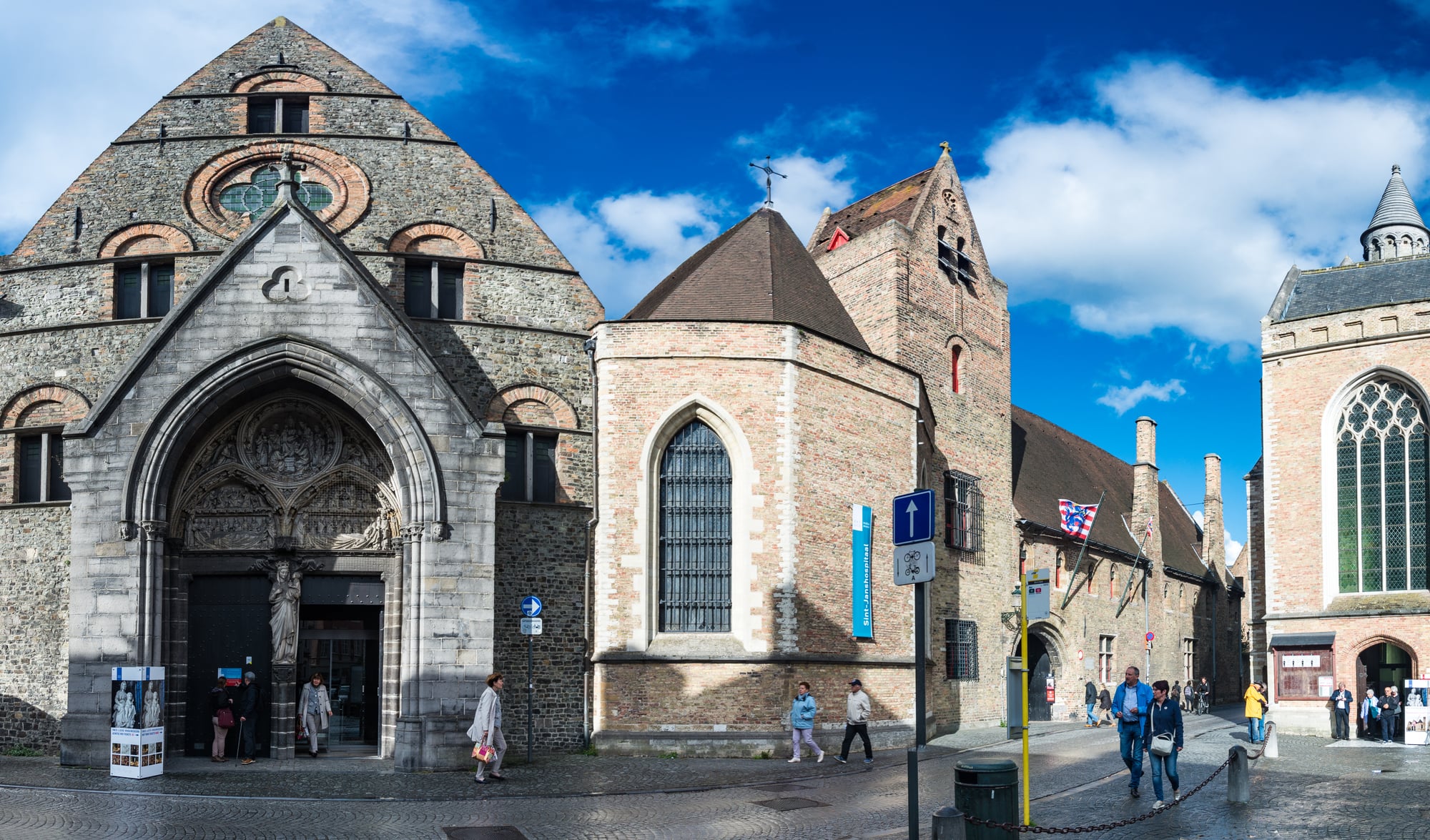
During the renovation of a historic building in Madrid’s old quarter in 2015, workers removed a false wall and discovered an entire wing of a forgotten medieval hospital dating to the 15th century. The space contained medical instruments, apothecary jars, and patient records that transformed historians’ understanding of medieval healthcare practices in Spain.
Ming Dynasty Porcelain Cache in Shanghai

Workers excavating for Shanghai’s subway expansion in 2018 unearthed a merchant’s hidden cache of over 3,000 pristine Ming Dynasty porcelain pieces. The collection, likely hidden during a period of political unrest, included rare blue and white vases never before documented.
The porcelain had been carefully packed in straw and sealed in large clay containers, preserving them perfectly for over 500 years.
Viking Settlement in Edinburgh
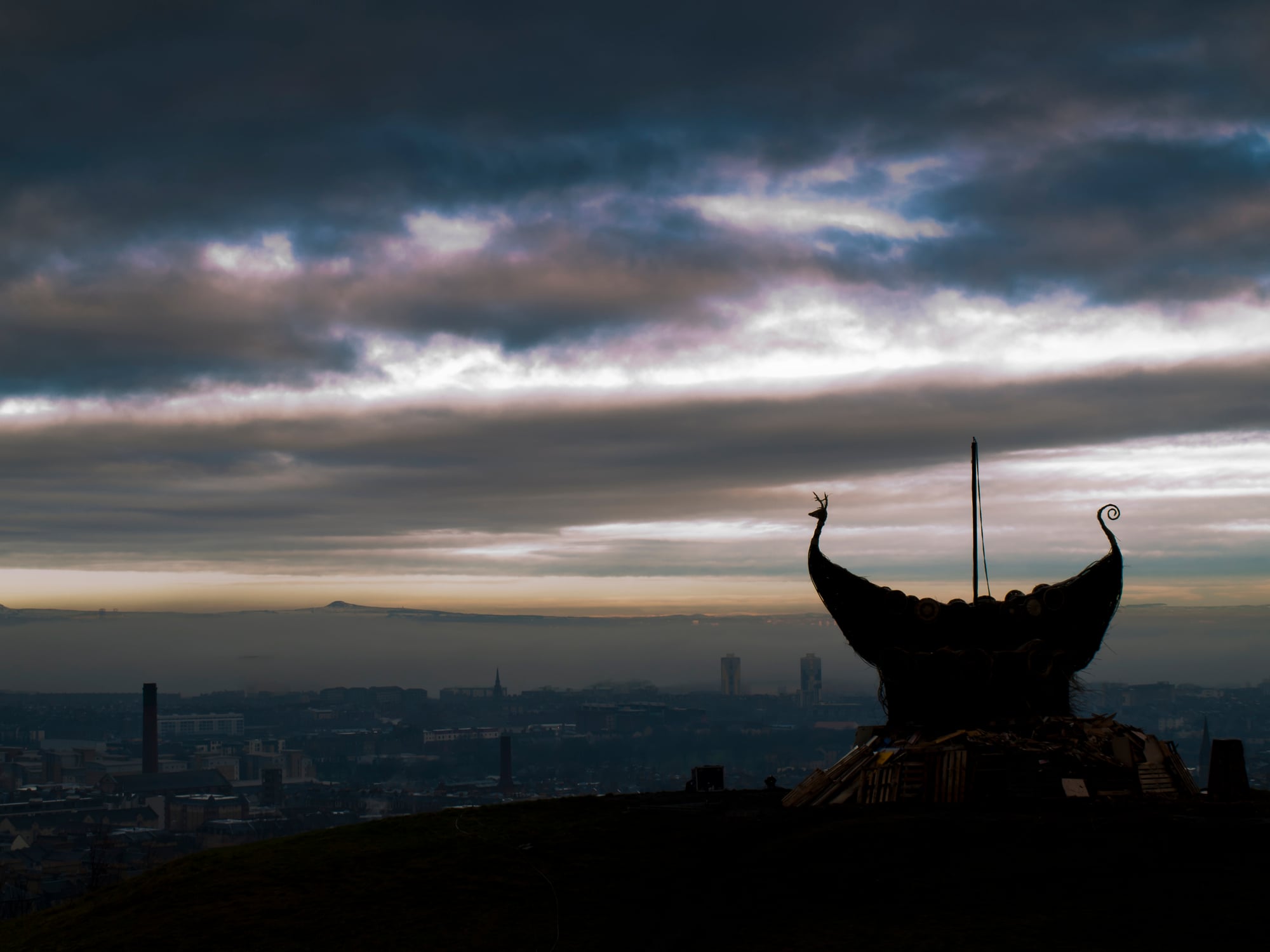
Construction crews breaking ground for a new parking garage in Edinburgh in 2016 uncovered evidence of a previously unknown Viking settlement dating to the 10th century. The site revealed longhouse foundations, weapons, and everyday items that indicated a permanent Norse presence in the area far earlier than historians had previously believed.
Colonial Tavern in Boston
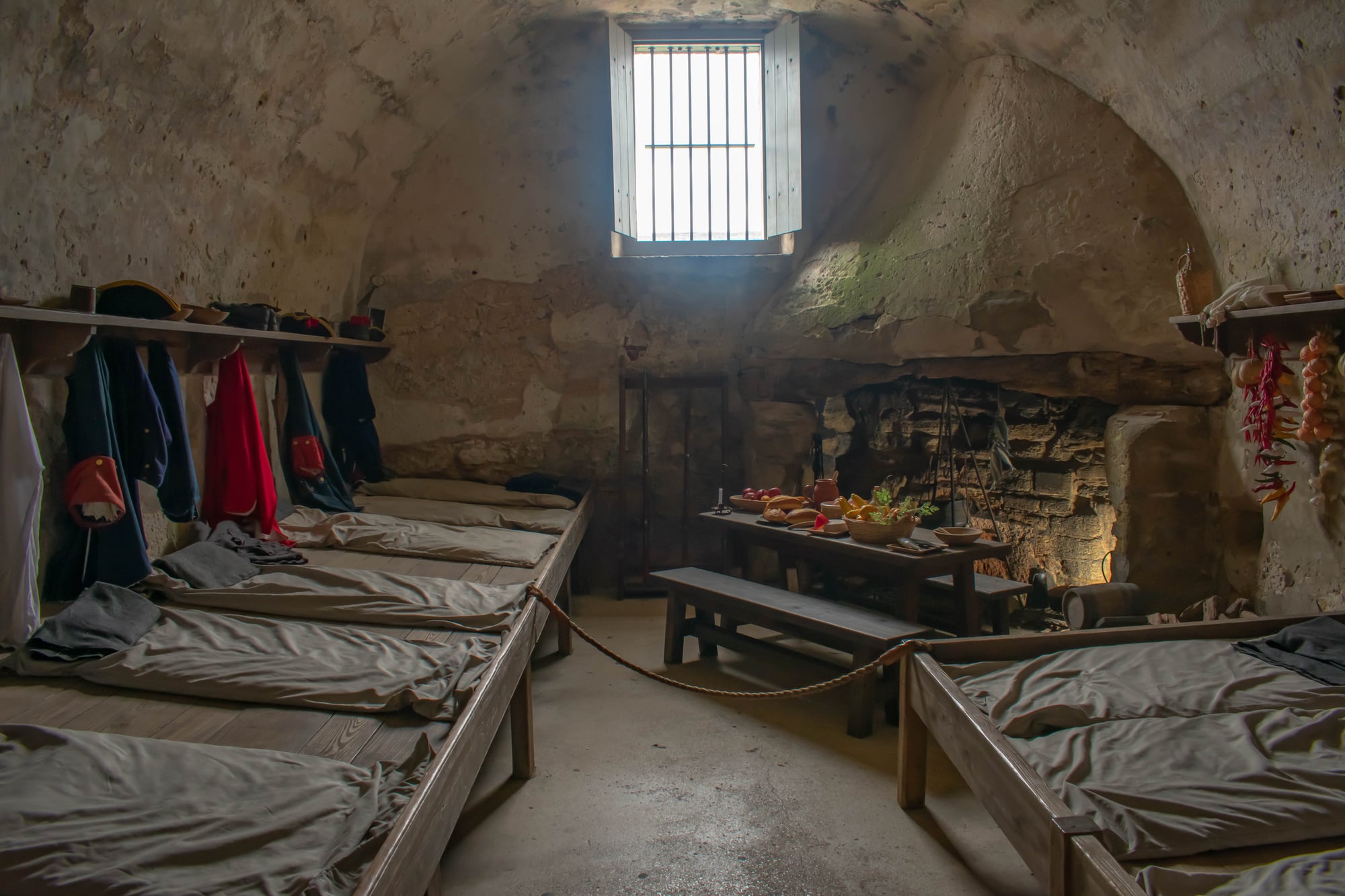
Workers renovating a building in Boston’s historic district in 2012 discovered the intact foundation and cellar of a colonial-era tavern mentioned in Revolutionary War documents. The site yielded countless artifacts including pewter tankards, clay pipes, and even a secret compartment containing letters believed to be from members of the Sons of Liberty.
Ancient Roman Road in London
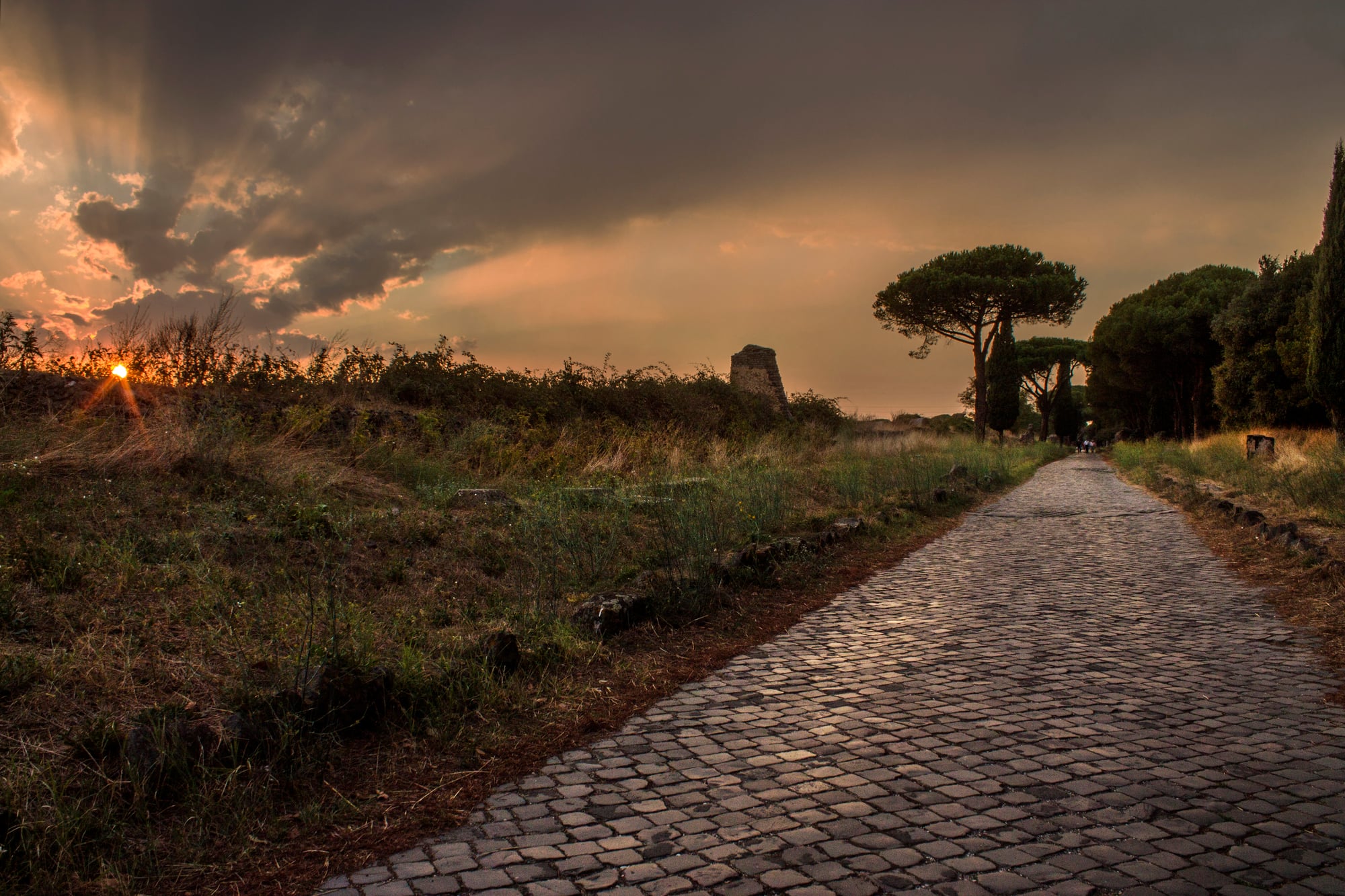
A perfectly preserved section of Roman road, complete with drainage systems and mile markers, was discovered by construction crews in 2013 while excavating for a new office building near the Thames. The discovery, which included many coins and small artifacts dropped by travelers nearly 2,000 years ago, was dubbed the most significant Roman find in London in decades by archaeologists.
Woolly Rhino in Siberia

In 2020, a woolly rhinoceros with its fur and soft tissues still intact was discovered by Siberian highway construction workers. The Ice Age species was so well preserved by the permafrost that scientists were able to study the contents of its stomach to determine what it had eaten last.
Unprecedented information about the diet and habitat of these prehistoric creatures was revealed by this discovery.
Gold Rush Era Ship in San Francisco
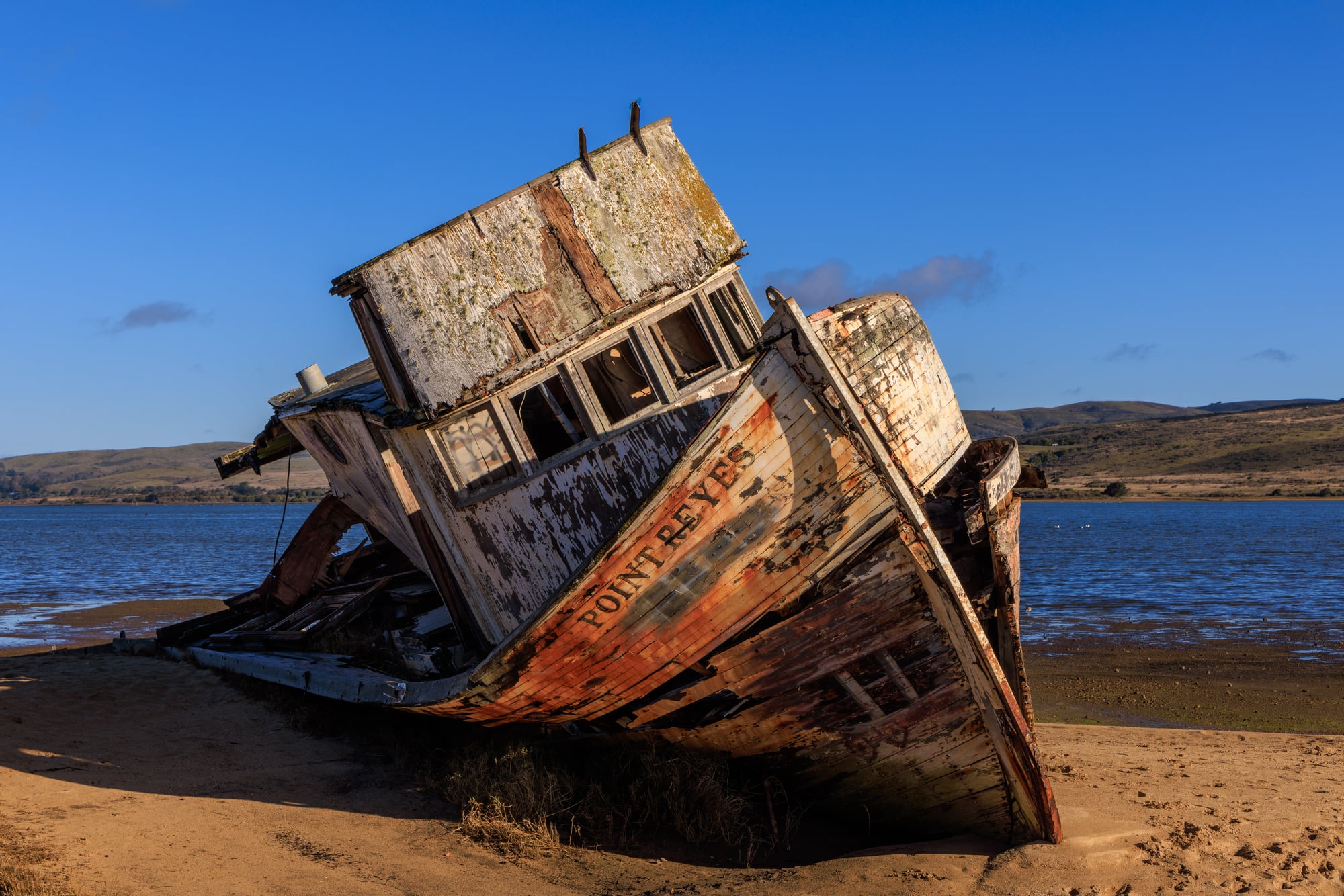
Construction crews digging the foundation for a high-rise in San Francisco’s Financial District in 2016 hit something unexpected—the wooden hull of a perfectly preserved Gold Rush era ship buried beneath the streets. The vessel had been intentionally scuttled and built over as the city rapidly expanded in the 1850s.
Personal items from passengers were found still stored in cabins.
Aztec Temple in Mexico City

Workers renovating a colonial-era building in downtown Mexico City in 2017 discovered a previously unknown Aztec temple platform and ritual objects beneath the foundation. The find included a ceremonial altar and numerous offerings, revealing new information about Aztec religious practices.
Construction was permanently altered to preserve and display the archaeological site within the new building.
Native American Village in Miami
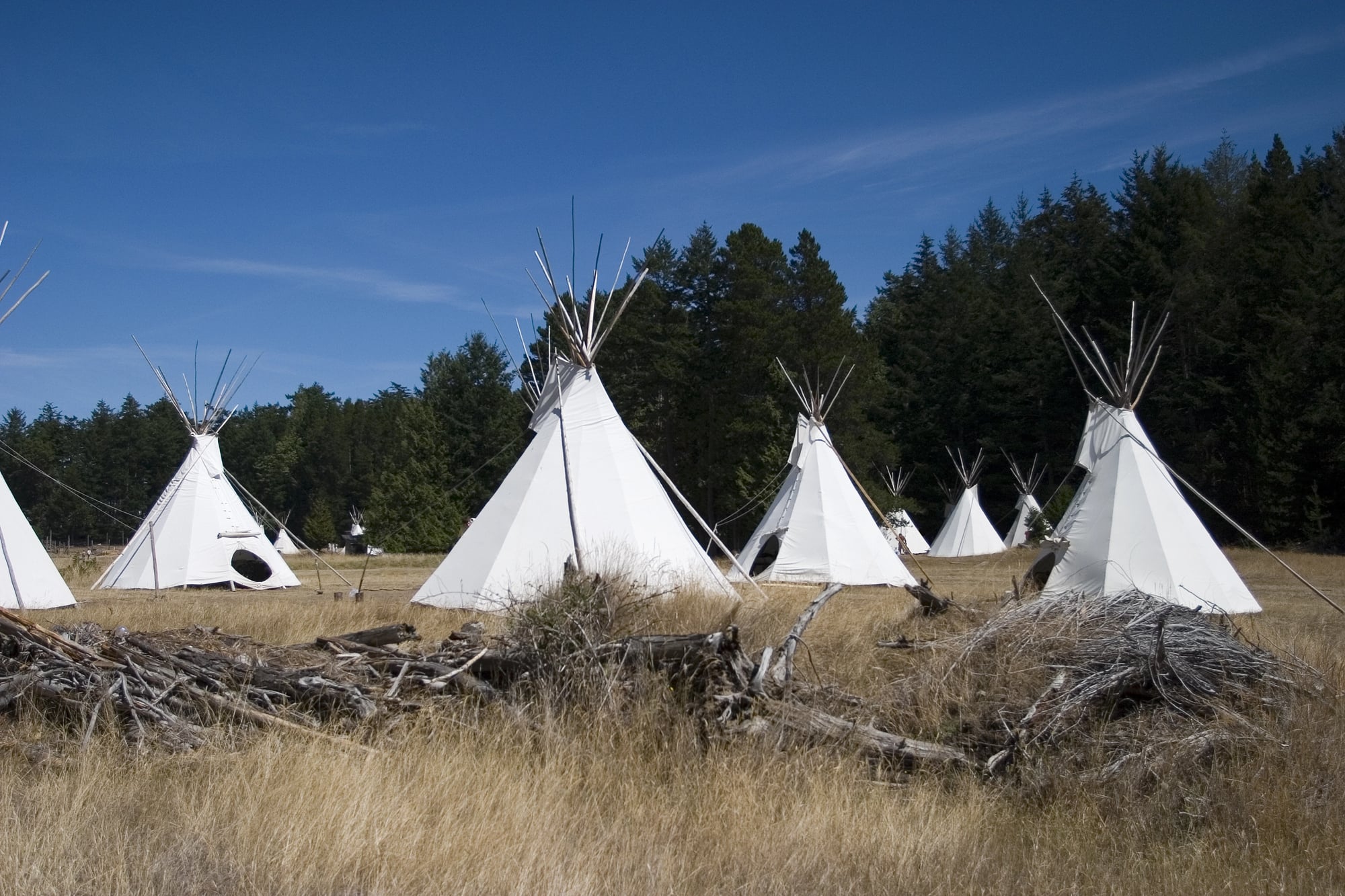
Construction for a luxury condominium in Miami in 2014 uncovered an extensive 2,000-year-old Native American village of the Tequesta people. The site contained dozens of perfectly circular dwelling foundations cut into the limestone and numerous artifacts showing sophisticated maritime practices.
After much debate, the development plans were modified to preserve and showcase the archaeological site.
World War II Bunker in Berlin

Crews demolishing a damaged post-war building in Berlin in 2017 discovered an untouched World War II bunker filled with military documents, communication equipment, and personal belongings. The sealed room had apparently been forgotten during reconstruction efforts.
Historians gained new insights into the final days of the war from the meticulous records preserved inside.
Bronze Age Settlement in Budapest
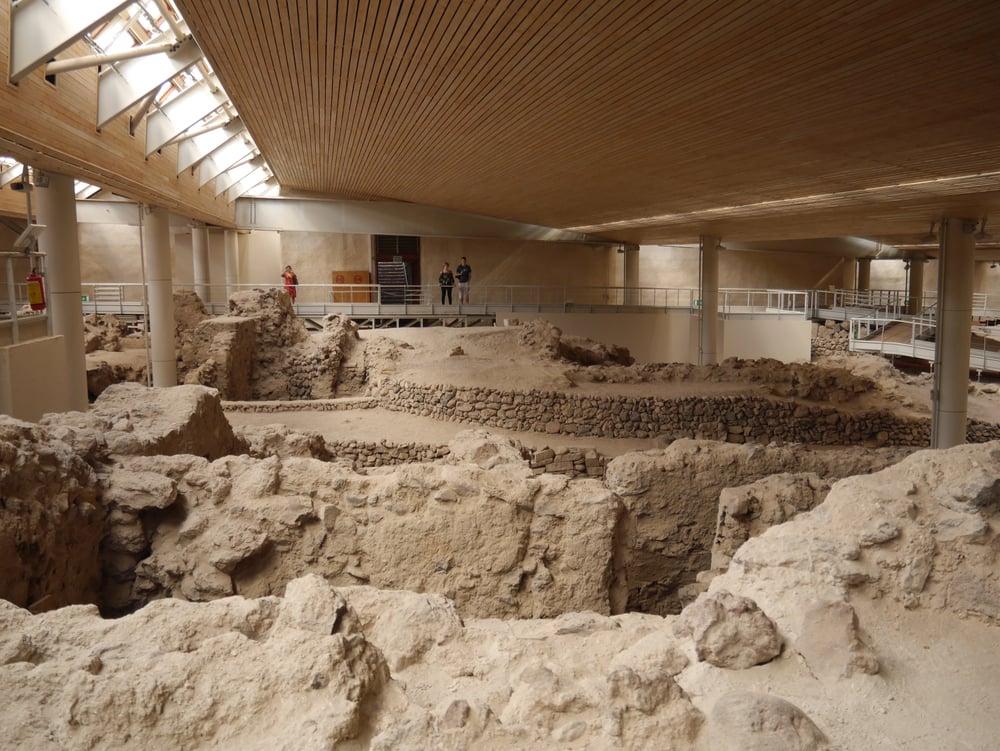
Construction workers building a new shopping complex in Budapest in 2019 unearthed a Bronze Age settlement dating back 3,500 years. The site revealed sophisticated metalworking facilities and evidence of long-distance trade networks previously unknown to archaeologists.
The discovery demonstrated that the area was a center of technological innovation far earlier than previously believed.
Ancient Chinese Tomb in Nanjing

During foundation work for a new apartment complex in Nanjing in 2018, workers discovered an elaborate tomb from the Eastern Jin Dynasty (317-420 CE). The tomb contained exquisite jade burial suits, bronze vessels, and some of the earliest examples of porcelain ever found.
The discovery provided valuable insights into aristocratic life during this pivotal period in Chinese history.
Preserving Our Buried Past

The accidental discoveries made by construction crews around the world remind us that history is literally beneath our feet, waiting to be rediscovered. These finds have transformed our understanding of ancient civilizations, filled gaps in historical records, and sometimes completely rewritten what we thought we knew about the past.
Modern construction practices now often include archaeological assessments before breaking ground, creating a more systematic approach to preserving our shared heritage while building for the future.
More from Go2Tutors!

- The Romanov Crown Jewels and Their Tragic Fate
- 13 Historical Mysteries That Science Still Can’t Solve
- Famous Hoaxes That Fooled the World for Years
- 15 Child Stars with Tragic Adult Lives
- 16 Famous Jewelry Pieces in History
Like Go2Tutors’s content? Follow us on MSN.