15 Times a Simple Coin Toss Decided the Course of History
We often think of history as being shaped by grand forces—political movements, technological innovations, or the actions of powerful leaders. Yet sometimes, the most consequential moments have hinged on something as trivial as the flip of a coin.
When faced with deadlock or indecision, humans throughout the ages have turned to this simple method of chance to break ties and move forward. Here is a list of 15 fascinating instances when the humble coin toss altered the course of history in ways both large and small.
The Naming of Portland

In 1845, two New England settlers—Asa Lovejoy from Boston and Francis Pettygrove from Portland, Maine—couldn’t agree on what to name their new settlement in Oregon Territory. After heated discussions, they decided to settle it with a coin toss.
Pettygrove won with two out of three flips, and Portland was born instead of Boston, Oregon. This single flip influenced how the entire Pacific Northwest would develop and be known to future generations.
The Wright Brothers’ First Flight
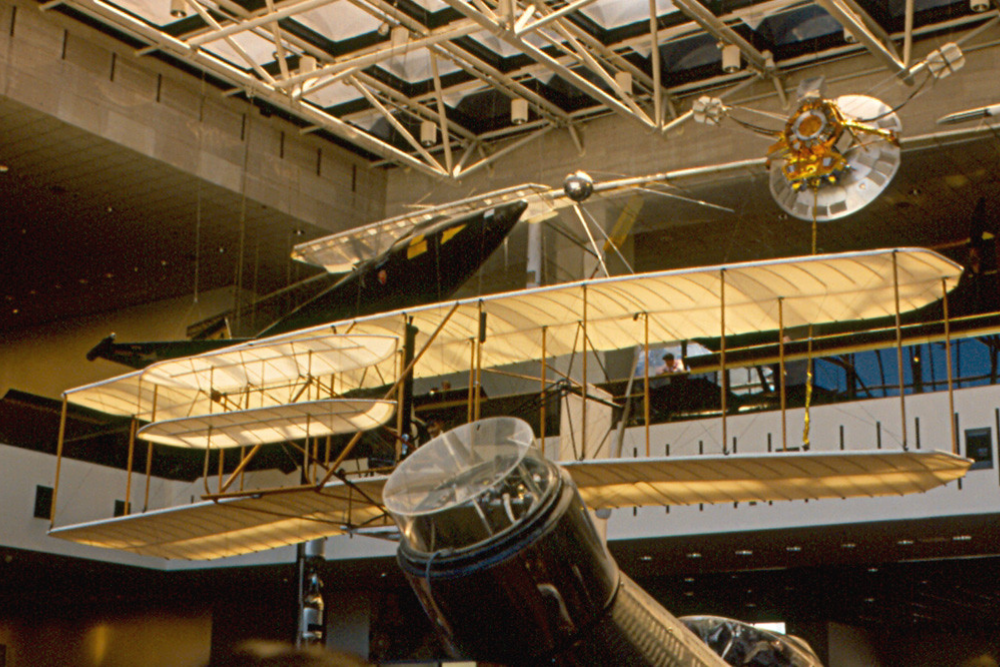
Before their historic flight in 1903, Orville and Wilbur Wright needed to decide who would pilot their flying machine first. Rather than argue about this momentous opportunity, they simply flipped a coin.
Orville won the toss and piloted the aircraft for the first 12-second flight at Kitty Hawk, securing his place in the history books. Wilbur took the controls for a later flight on the same day, but it was Orville who would forever be known as the first person to fly.
Texas Joins the Union

The Republic of Texas was at a crossroads in 1845, contemplating annexation by the United States or remaining independent. Legend has it that President Sam Houston, facing division among his advisors, ultimately flipped a coin to make the final decision.
While historical records on this are disputed, the tale persists that America’s second-largest state joined the union partially because of a favorable coin flip.
The First Super Bowl Kickoff
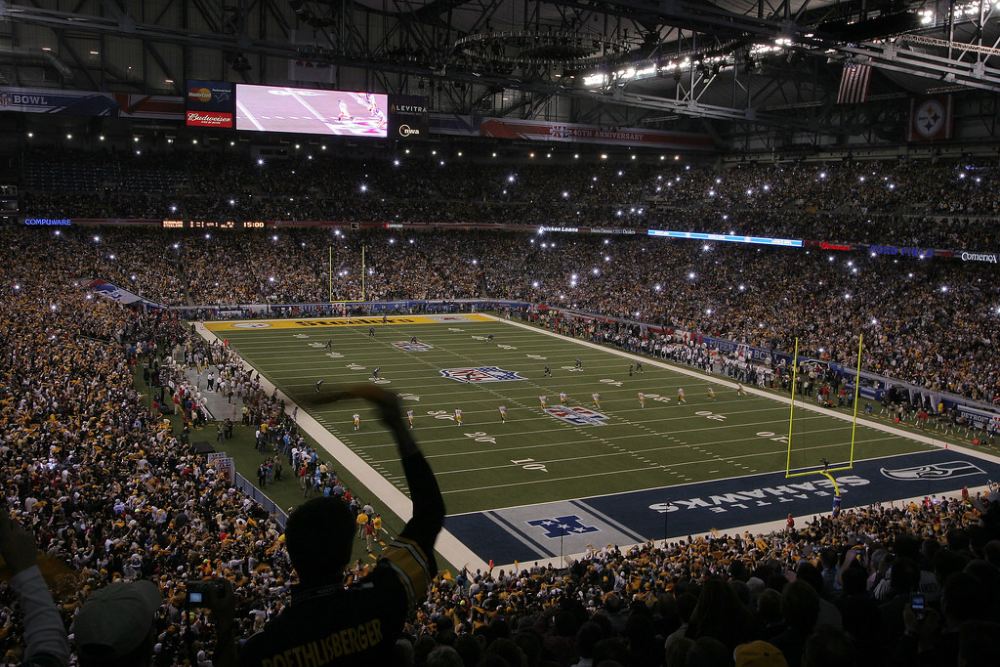
The inaugural Super Bowl in 1967 between the Green Bay Packers and Kansas City Chiefs began with a coin flip. The Packers won the toss, elected to receive the kickoff, and went on to win the game 35-10.
This established a tradition that continues today, with the pre-game coin toss remaining one of football’s most iconic rituals, sometimes even affecting game strategy and momentum.
The Birth of Lithuania’s Air Force

Two American pilots, Steponas Darius and Kazimieras Urbšys, volunteered their services in 1919 as Lithuania, recently independent, was establishing its military. The fledgling nation had only enough money for one aircraft purchase.
They decided the subject with a coin toss after much discussion about who would fly it. Darius won and became the first commander of the Lithuanian Air Force, therefore significantly impacting the early military evolution of the nation.
The Fate of Mona Lisa

During World War II, the Louvre evacuated its treasures to various locations for safekeeping. Museum officials couldn’t agree on where to send the Mona Lisa—southern France or a location further west.
According to some accounts, the decision came down to a coin flip, sending the painting to Château de Chambord in the Loire Valley. This fortunate choice kept the masterpiece safe from areas that would later see intense fighting.
Portland Trail Blazers’ Fateful Draft Pick
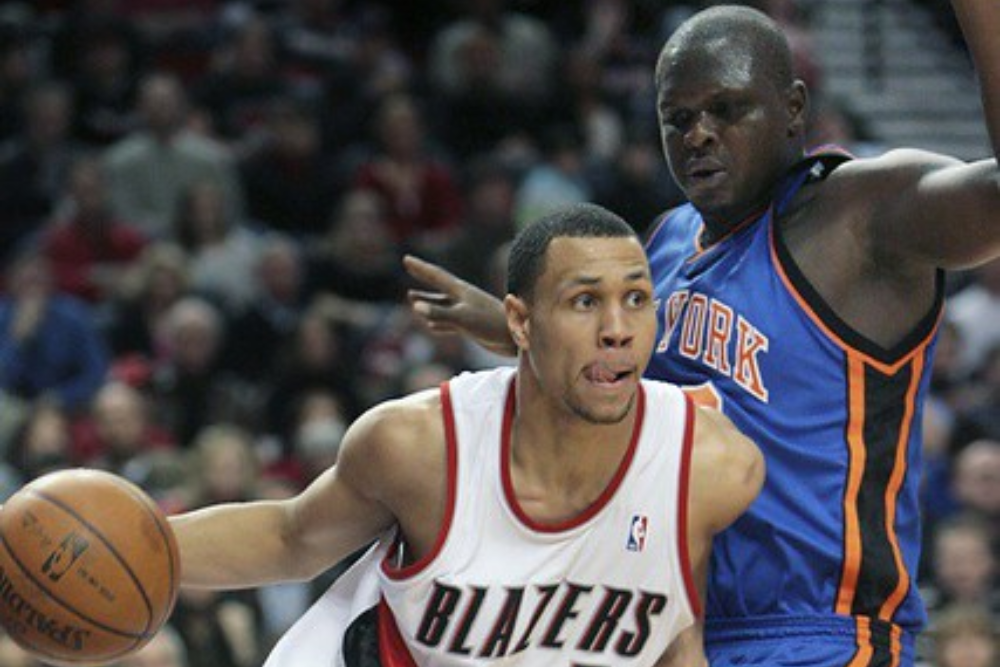
In 1984, the Portland Trail Blazers had the second pick in the NBA draft and were deciding between Sam Bowie and Michael Jordan. The team’s management was split, and reports suggest that general manager Stu Inman used a coin flip to finalize the decision.
They selected Bowie, allowing Chicago to draft Jordan, who went on to become arguably the greatest basketball player ever. This coin toss is now considered one of sports’ most consequential decisions.
The Manila Galleon Route
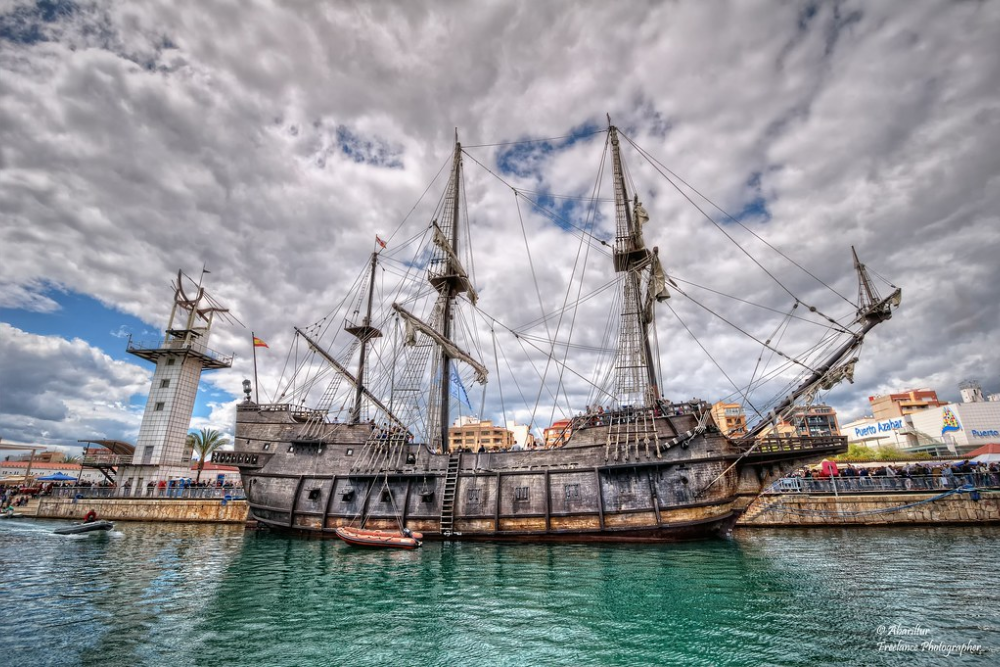
In the 16th century, Spanish explorers struggled to find a reliable return route from the Philippines to Mexico across the Pacific. After multiple failed expeditions, Captain Andrés de Urdaneta supposedly flipped a coin to decide whether to sail north or continue east.
The decision to sail north led to the discovery of the Pacific trade winds, establishing the Manila Galleon trade route that would function for 250 years.
California Gold Rush Town Survival
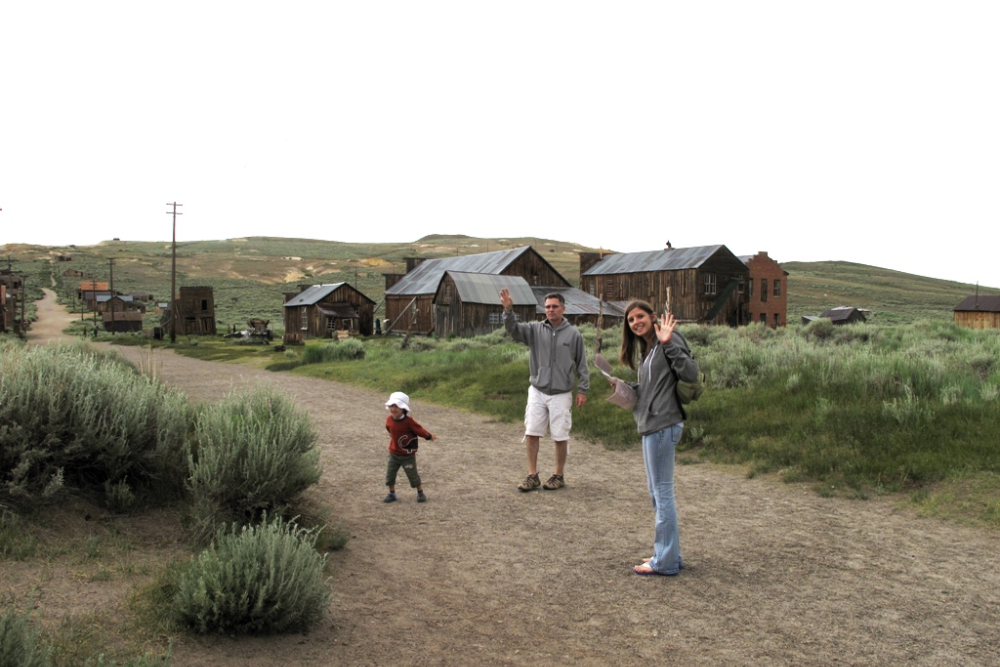
During the California Gold Rush, numerous mining settlements sprang up overnight. When rich veins ran dry, towns often disappeared just as quickly.
In 1857, two neighboring settlements—Montgomery and Nevada City—faced dwindling resources. Leaders reportedly flipped a coin to decide which town would absorb the other.
Nevada City won and survives today as a historic destination, while Montgomery exists only in history books.
The Beatles’ First Single
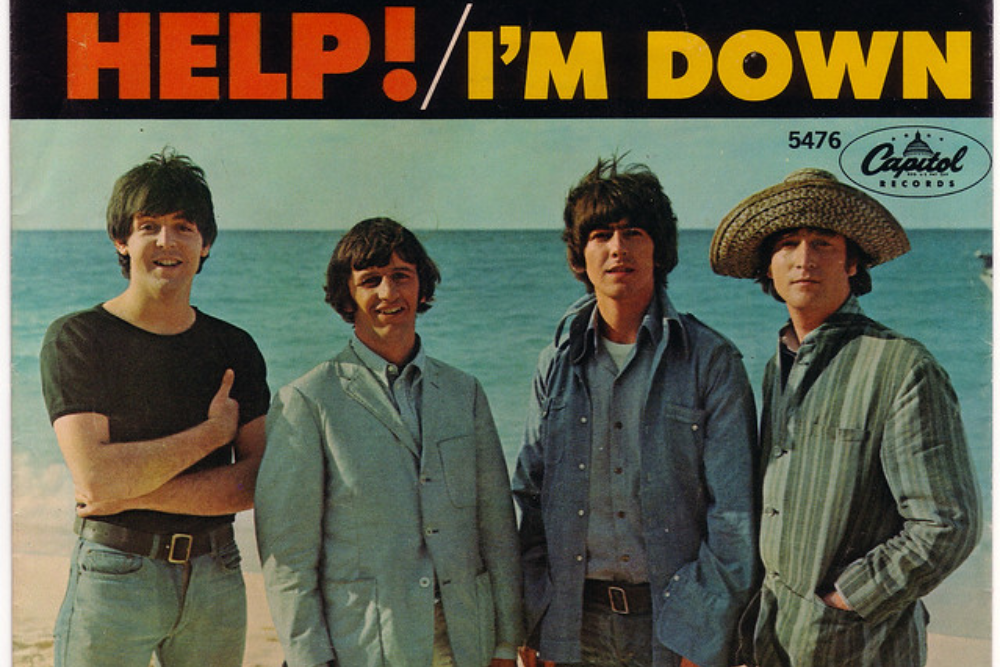
When it came time to release their first single in 1962, The Beatles and producer George Martin disagreed on which song should be the A-side. Martin preferred “How Do You Do It,” while the band pushed for “Love Me Do.”
The story goes that the final decision came down to a coin toss, which the Beatles won. “Love Me Do” was released as their debut single, launching their unprecedented career and changing music history forever.
The Creation of Microsoft
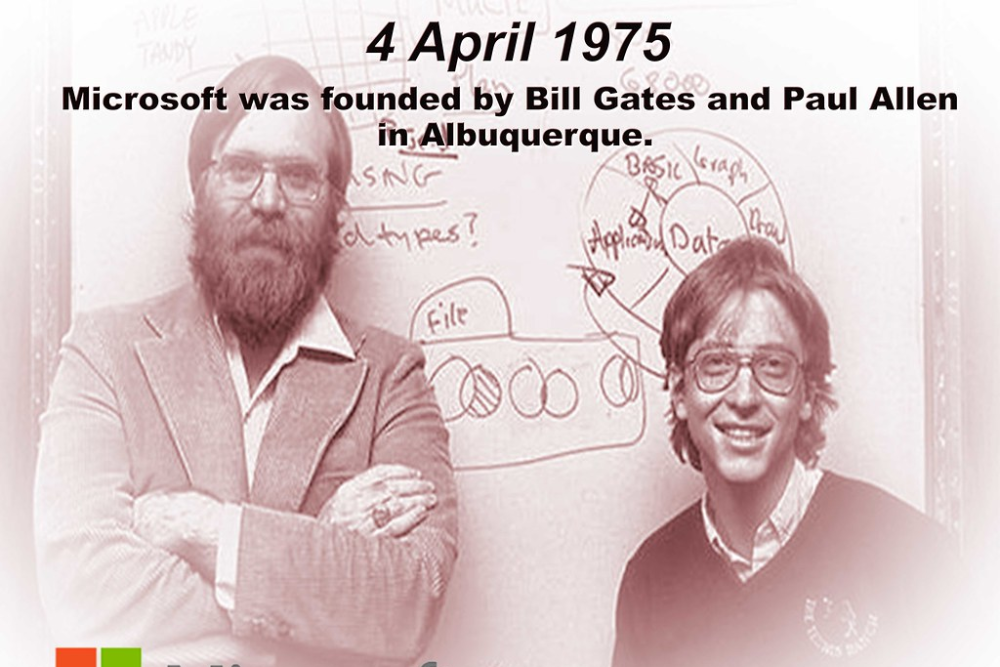
In 1975, childhood friends Bill Gates and Paul Allen were developing what would become Microsoft. When deciding who would be president of their new venture, they allegedly flipped a coin.
Gates won the toss and became president, while Allen took the role of vice president. This simple flip helped establish the leadership structure of what would become one of the world’s most valuable companies.
The Border of Oregon and Washington

The United States and Britain were negotiating the Oregon Territory boundary in the 1840s. Americans wanted the border at the 54°40′ parallel (the southern border of Alaska), while the British wanted it at the Columbia River.
Unable to reach agreement through traditional diplomacy, representatives supposedly used a coin toss to help break the deadlock. The compromise at the 49th parallel was partially influenced by this informal method, shaping the modern borders of the Pacific Northwest.
Apollo 11 Lunar Module Pilot

When NASA was assigning roles for the Apollo 11 mission, Buzz Aldrin and Neil Armstrong were both qualified to be the first to walk on the moon. NASA officials didn’t want to publicly state that one astronaut was chosen over the other based on merit, so they reportedly used a coin toss to help determine positions while maintaining that the decision was based on practical considerations of the cabin layout.
Armstrong won the toss and took those historic first steps.
The Creation of Hewlett-Packard
In 1939, Stanford graduates Bill Hewlett and David Packard formed their electronics company but couldn’t decide on the name order. Rather than argue about whose name should come first, they flipped a coin.
Hewlett won, creating Hewlett-Packard instead of Packard-Hewlett. This simple flip determined the name of what would become one of the world’s pioneering technology companies.
Canada’s Flag Design
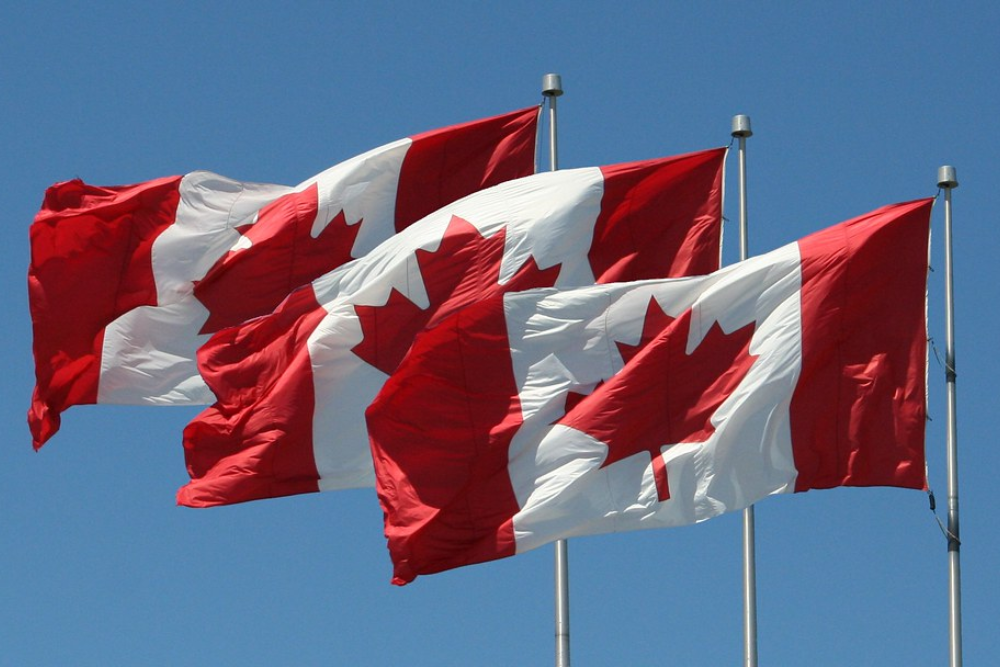
In 1964, Canada was selecting a new national flag to replace the Red Ensign. After extensive debate and thousands of submissions, the committee was deadlocked between two final designs.
According to some accounts, committee member John Matheson used a coin toss to break the tie, leading to the adoption of the now-iconic maple leaf design that represents Canada globally.
The Impact of Small Moments
Throughout human history, we’ve often turned to chance when logic and debate reach their limits. These fifteen coin tosses demonstrate how seemingly trivial moments can cascade into consequences that shape cities, nations, and even global developments.
From the naming of major cities to the formation of technological giants, these flips of fate remind us that history’s path is often determined not just by grand strategies but also by the humblest of decisions.
The next time you flip a coin to decide where to eat dinner or who gets the last slice of pizza, remember that you’re participating in a tradition that has, on occasion, altered the course of human events.
While most of our coin tosses won’t change history, these examples show that sometimes, destiny really does hang on the edge of a spinning coin.
More from Go2Tutors!

- The Romanov Crown Jewels and Their Tragic Fate
- 13 Historical Mysteries That Science Still Can’t Solve
- Famous Hoaxes That Fooled the World for Years
- 15 Child Stars with Tragic Adult Lives
- 16 Famous Jewelry Pieces in History
Like Go2Tutors’s content? Follow us on MSN.