15 Times Foods Caused a National Panic
One moment your favorite food is a healthy staple, the next it’s public enemy number one. Food scares have a way of turning breakfast tables into battlegrounds and grocery store aisles into anxiety-inducing obstacle courses.
Americans have experienced numerous food panics throughout history, from contamination outbreaks to questionable additives. These incidents not only changed consumer behavior but often transformed food safety regulations forever.
Here is a list of 15 notorious food panics that sent shoppers scrambling and regulators rushing to respond.
The Alar Apple Scare

In 1989, a segment on 60 Minutes featuring actress Meryl Streep sparked nationwide panic when it suggested Alar, a chemical sprayed on apples to regulate growth, caused cancer in children. The public reaction was immediate and intense.
School cafeterias banned apples, and parents frantically tossed fruit from lunch boxes. Apple sales plummeted by more than $100 million, devastating farmers across the country.
The manufacturer ultimately pulled Alar from the market, despite conflicting scientific opinions about its actual health risks. This incident became a case study in how media coverage could instantly transform public perception of a food product.
Jack in the Box E. Coli Outbreak
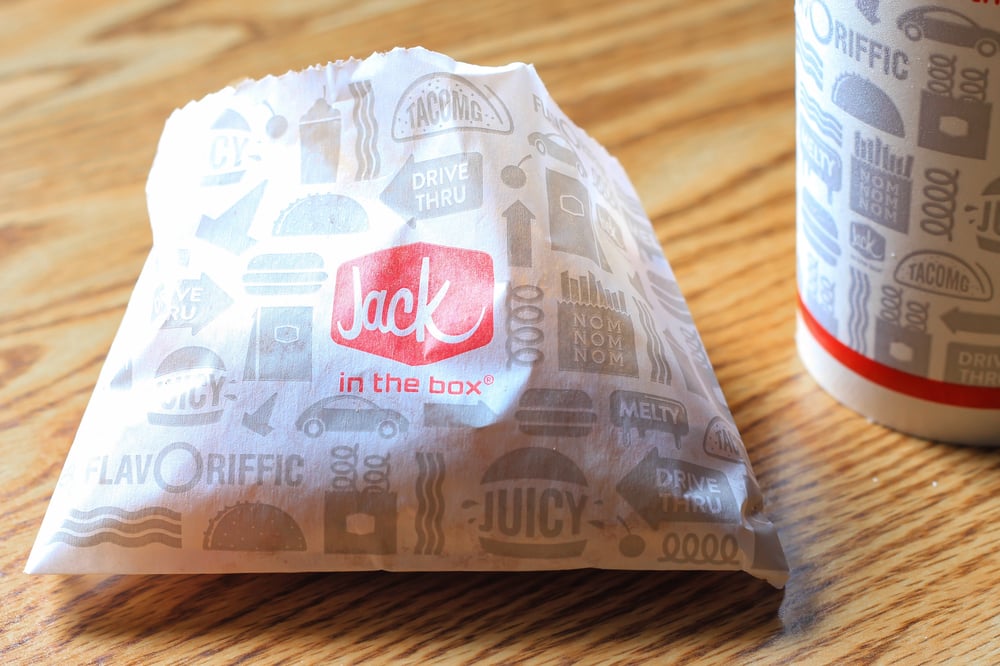
The fast-food chain Jack in the Box became ground zero for one of the most notorious food safety crises in 1993 when undercooked hamburgers contaminated with E. coli sickened hundreds and killed four children. The outbreak sent shockwaves through the American food industry and permanently changed how we think about food safety.
Public trust in ground beef plummeted overnight, with consumers avoiding hamburgers nationwide. This tragedy ultimately led to significant improvements in meat processing regulations, including higher required cooking temperatures and the establishment of Hazard Analysis Critical Control Points protocols.
The incident stands as a sobering reminder of how devastating foodborne illness can be.
Pink Slime Beef
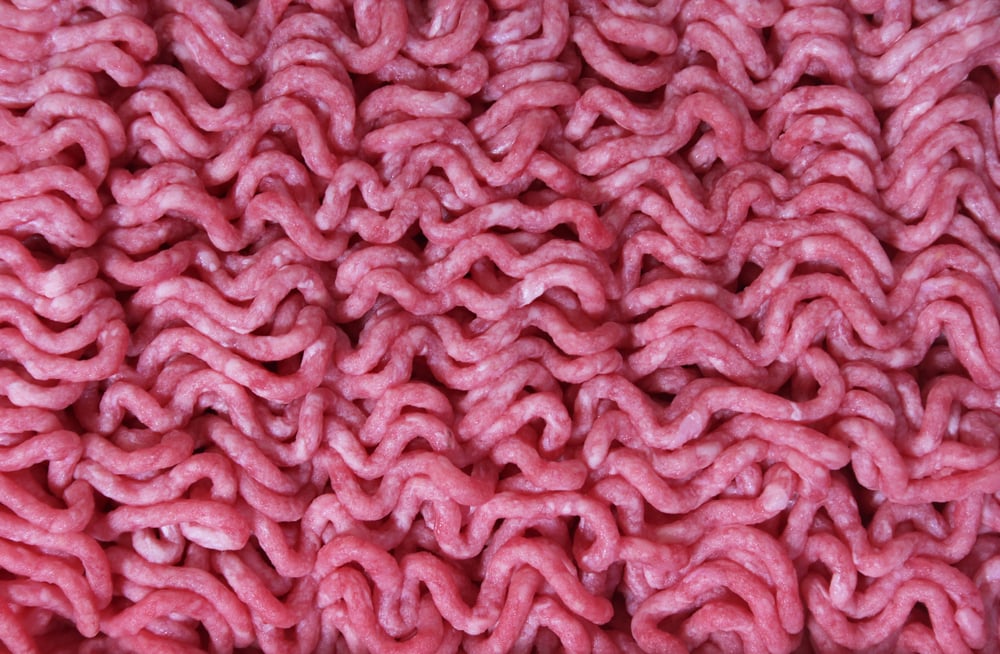
In 2012, ABC News aired a segment about “pink slime,” a nickname for lean finely textured beef, a meat filler created from beef trimmings treated with ammonia. The nickname originated from a USDA microbiologist who used it in an internal email.
Despite being deemed safe for consumption, the unappetizing term and graphic descriptions sparked widespread disgust. The fallout was immediate – school districts, supermarket chains, and fast-food restaurants announced they would stop using products containing it.
Beef Products Inc., the largest producer, had to close three plants and lay off over 700 workers. The incident culminated in a $1.9 billion defamation lawsuit against ABC, which was eventually settled for at least $177 million.
The Great Spinach Scare
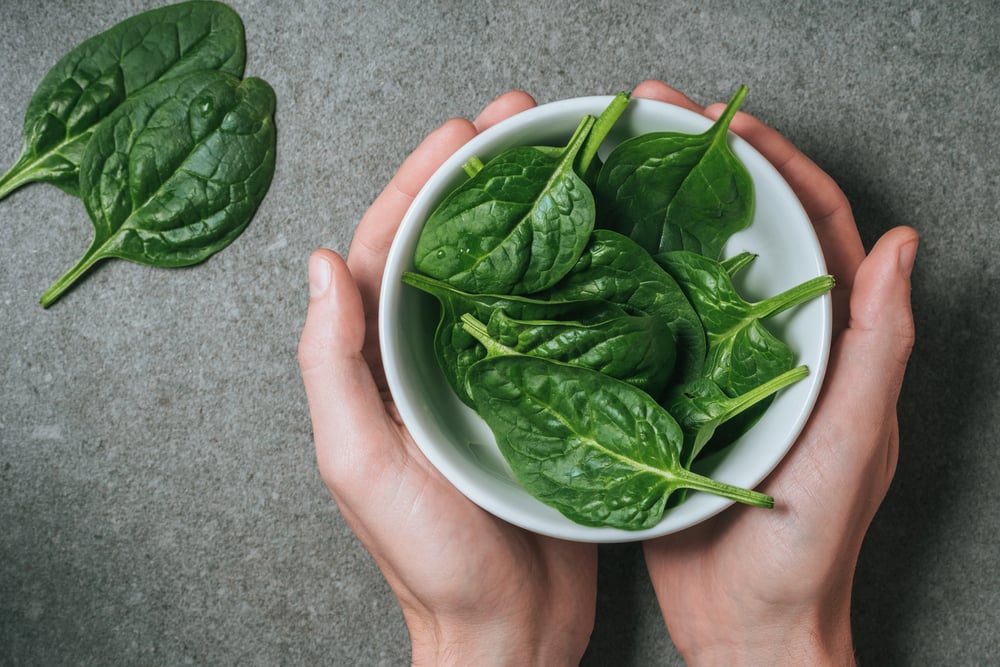
Fresh spinach became the vegetable to avoid in 2006 when an E. coli outbreak linked to bagged spinach spread across 26 states. With over 200 people falling ill and three deaths reported, the FDA took the unprecedented step of advising Americans to avoid all fresh spinach.
Shoppers cleared their refrigerators while grocery stores pulled every spinach product from shelves. The spinach industry lost approximately $74 million in the panic. Investigators eventually traced the contamination to a specific growing region in California’s Salinas Valley.
This outbreak fundamentally changed safety protocols for leafy greens, leading to the creation of the California Leafy Greens Marketing Agreement which established strict food safety requirements.
The Swill Milk Scandal
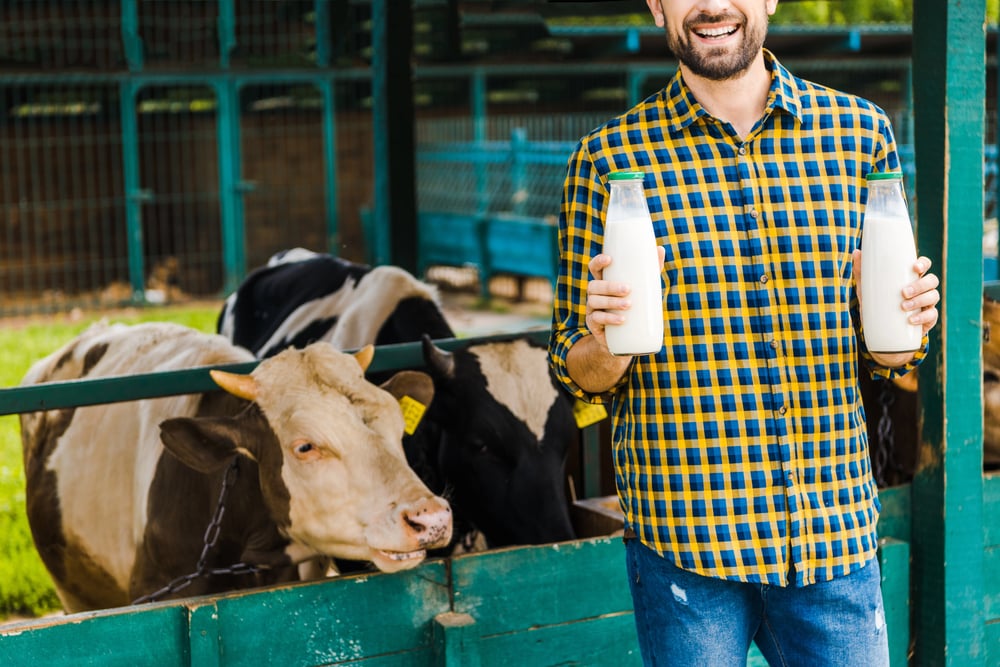
Long before modern food safety regulations, New York City faced a serious health crisis in the 1850s known as the “swill milk” scandal. Dairy cows kept in filthy conditions were fed distillery waste, producing bluish, unhealthy milk that was then mixed with chalk, plaster, and other additives to appear normal.
This toxic milk contributed to thousands of infant deaths annually in the city. Public outrage followed an explosive exposé in Frank Leslie’s Illustrated Newspaper in 1858 that included illustrations of the horrific conditions.
The scandal ultimately led to the creation of the first milk inspection systems and early food safety laws.
Chipotle’s Multiple Outbreaks
Once the darling of fast-casual dining, Chipotle Mexican Grill faced a series of food safety nightmares in 2015 that sent customers fleeing. Multiple outbreaks of E. coli, norovirus, and Salmonella hit locations across 14 states, sickening hundreds of customers.
The chain’s stock plummeted, losing nearly half its value as sales dropped by 30%. Chipotle temporarily closed dozens of locations for cleaning and implemented new food safety measures, but regaining consumer trust proved extremely difficult.
The chain’s reputation for fresh, healthy food made the crisis particularly damaging, showing how quickly a brand identity built over the years can unravel when food safety concerns emerge.
The Peanut Corporation of America Outbreak

A massive Salmonella outbreak traced to the Peanut Corporation of America in 2008-2009 led to one of the largest food recalls in U.S. history. The contamination affected over 700 people across 46 states and resulted in nine deaths.
Investigators discovered horrifying conditions at PCA’s Georgia plant, including rats, mold, and leaking roofs. Even more shocking was evidence that the company knowingly shipped contaminated products. The scandal resulted in a recall of over 3,900 products containing PCA ingredients and ultimately led to prison sentences for company executives – an unprecedented criminal consequence for food safety violations.
The Jalapeño Salmonella Mystery
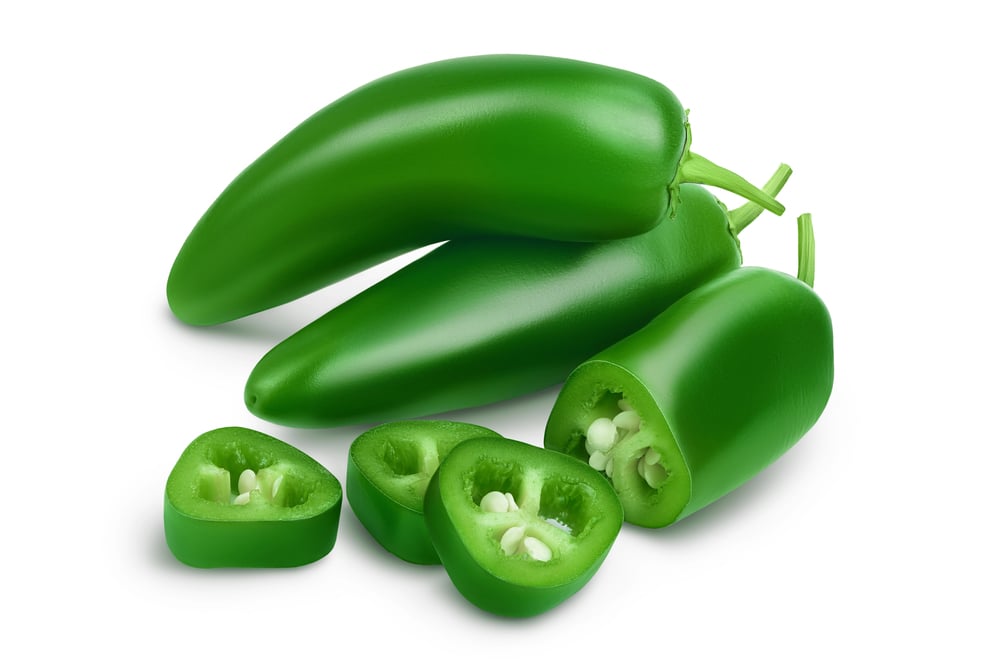
In 2008, what initially appeared to be a tomato-related Salmonella outbreak turned into one of the most confusing food scares in recent memory. As hundreds fell ill across the country, the FDA warned against eating certain tomatoes, devastating tomato farmers who lost over $100 million in sales.
Weeks later, investigators discovered the actual culprit: jalapeño peppers imported from Mexico. By the time the mystery was solved, over 1,400 people had been sickened across 43 states.
The incident highlighted the challenges of tracing outbreaks in our complex global food supply system and led to improvements in food traceability requirements.
The Blue Bell Ice Cream Listeria Crisis

A beloved Southern ice cream brand became the center of a deadly outbreak in 2015 when Blue Bell ice cream was linked to a Listeria contamination that resulted in ten hospitalizations and three deaths. The company recalled all of its products – the first recall in its 108-year history – and temporarily shut down production facilities.
The crisis especially frightened consumers because Listeria can survive freezing temperatures, meaning no ice cream brand seemed completely safe. Beyond the human tragedy, the incident nearly destroyed the company financially and demonstrated how even well-established food brands can face existential threats from safety failures.
The Tylenol-Style Cyanide Food Scares

In the 1980s, following the infamous Tylenol tampering murders, a wave of copycat incidents targeted food products. The most notable was in 1989 when Chilean grapes were found to be injected with cyanide, leading the FDA to recall all Chilean fruit and creating panic around imported produce.
Similar incidents involved claims of contaminated candy bars, soft drinks, and other foods. These scares prompted the development of tamper-evident packaging across the food industry and heightened security throughout the supply chain.
Though actual contamination was extremely rare, these incidents profoundly affected how food products are packaged and protected today.
Mad Cow Disease Fears

When mad cow disease (bovine spongiform encephalopathy) was linked to a fatal human brain condition in the 1990s, fear spread quickly despite very few cases in the United States. News footage of staggering British cattle created indelible images that made many Americans swear off beef entirely.
Cattle prices plummeted as export markets closed to American beef. The U.S. government banned the feeding of animal proteins to cattle and implemented extensive testing programs to restore confidence.
Though the actual risk to Americans was extremely low, the psychological impact was enormous, showing how threats that are mysterious and potentially fatal can trigger disproportionate public reactions.
The Great Saccharin Scare
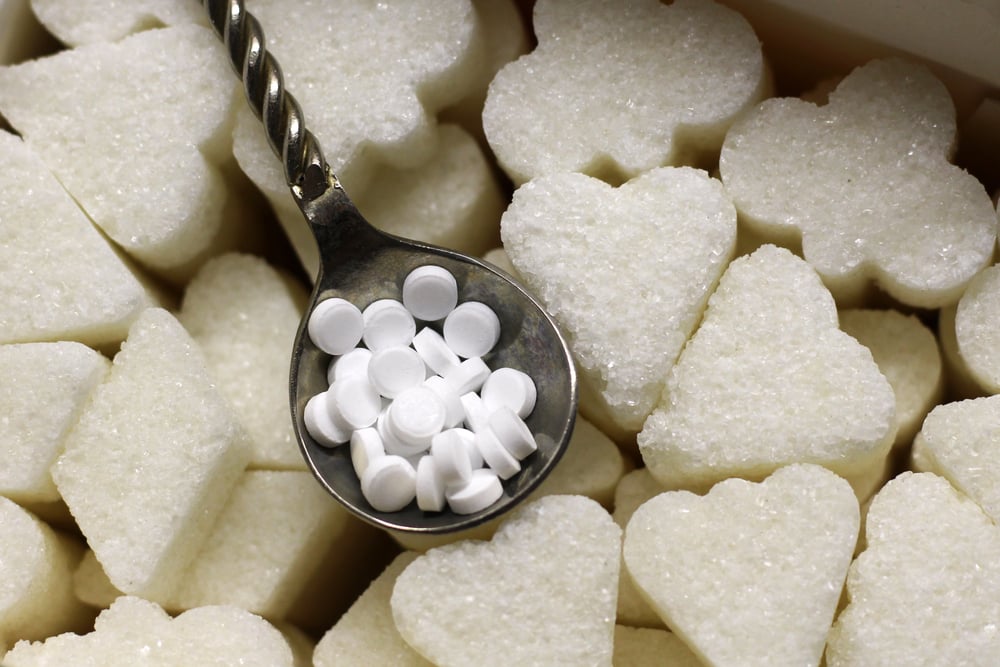
In 1977, the FDA proposed banning saccharin after studies suggested it might cause cancer in laboratory rats. As the only artificial sweetener available at the time, this announcement created panic among diabetics and dieters who relied on it.
Public outcry was so intense that Congress intervened, placing a moratorium on the ban while requiring warning labels on saccharin products. The controversy continued for decades until 2000, when saccharin was officially removed from the list of potential carcinogens.
This incident represented one of the first major public debates about food additives and risk assessment, setting patterns that would repeat in future food additive controversies.
Perrier’s Benzene Problem

The gold standard of bottled waters faced disaster in 1990 when Perrier was found to contain traces of benzene, a carcinogen. The company recalled 160 million bottles worldwide – the entire global supply – costing over $150 million.
Perrier’s initial explanation that the contamination affected only North American bottles proved false, further damaging consumer trust. Sales plummeted by 40% and never fully recovered, even after the source of contamination was identified as a filter cleaning error.
The incident demonstrated how quickly a premium food brand built on purity could collapse when that core promise was broken, and accelerated the rise of competing bottled water brands.
The Chinese Milk Contamination

Though primarily affecting China, the 2008 discovery that Chinese milk products were deliberately contaminated with melamine (an industrial chemical that falsely boosts protein readings) created worldwide panic about Chinese food imports. The contamination sickened 300,000 Chinese infants and caused six deaths.
Countries around the globe, including the United States, banned Chinese dairy products and scrutinized other food imports from China. The incident led to international reforms in food testing and dramatic changes in how global companies monitor their supply chains, particularly for ingredients sourced from China.
The Modern Awakening

Today’s food scares spread faster than ever thanks to social media, where alarming claims about products can circulate worldwide in hours. Recent examples include concerns about “forever chemicals” in food packaging, microplastics in bottled water, and reports of pesticide residues on produce.
What distinguishes modern food panics is their rapid dissemination and the immediate commercial impact they can have, with consumers able to organize boycotts and companies quick to respond to preserve their reputations. The double-edged sword of information access means consumers are more aware but also more vulnerable to misinformation about food safety.
Legacy of Food Fears
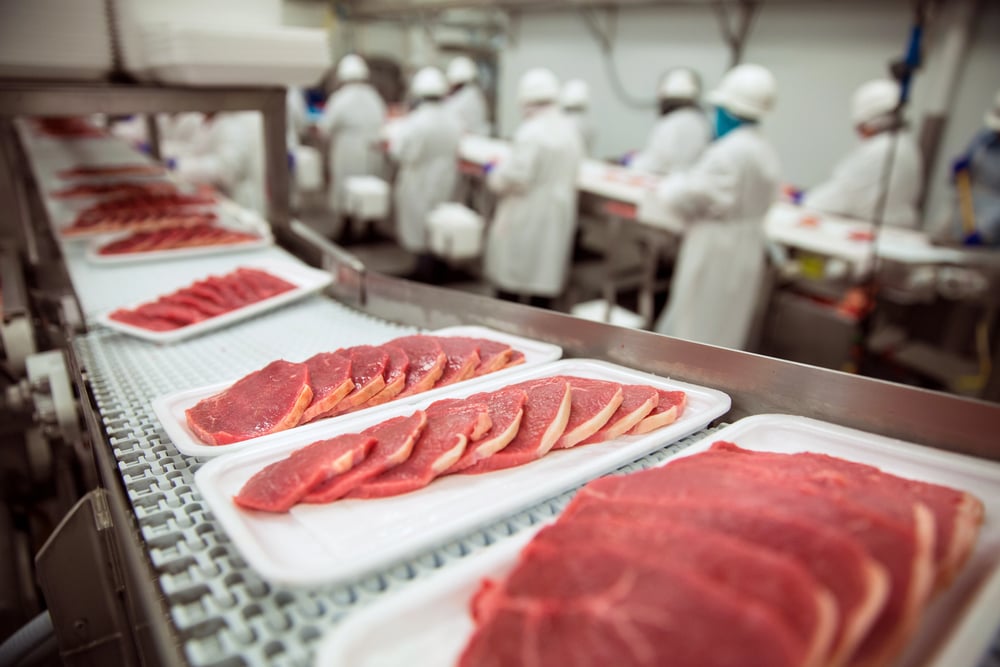
Food scares have undeniably made our food supply safer through improved regulations, testing protocols, and industry practices. Each major incident typically leads to specific reforms that address the particular problem while raising standards across the entire food system.
Yet these episodes also reveal our complex relationship with food and risk – we demand absolute safety from a biological system that can never be completely controlled. The real impact of these food panics goes beyond recalls and regulations.
They’ve fundamentally altered how Americans view their food, creating generations of more skeptical, more informed consumers who demand transparency about what they eat. In many ways, today’s emphasis on organic, local, and “clean” eating can be traced directly to these historic episodes of food fear.
What we put on our plates will always involve some level of trust – in farmers, manufacturers, regulators, and our own judgment about what constitutes acceptable risk.
More from Go2Tutors!

- The Romanov Crown Jewels and Their Tragic Fate
- 13 Historical Mysteries That Science Still Can’t Solve
- Famous Hoaxes That Fooled the World for Years
- 15 Child Stars with Tragic Adult Lives
- 16 Famous Jewelry Pieces in History
Like Go2Tutors’s content? Follow us on MSN.