Military Vehicles Adapted for Civilian Use
It feels different, somehow, piloting a machine meant for combat zones. Built to endure what most gear would fail under, these vehicles had little choice but to become tough by design.
A few fit right into city streets and farms once the guns fell silent; others stumbled, out of place and quickly forgotten. Yet each one carries traces of decisions made far from peacetime roads – echoes of conflict shaping quiet corners of daily life.
Not many expect it, yet moving from combat zones to city streets happens faster than imagined. Sixteen machines bridged that gap – each arrived through different paths, shaped by chance, design, or necessity.
Their journeys unfold one at a time.
Jeep Willys MB
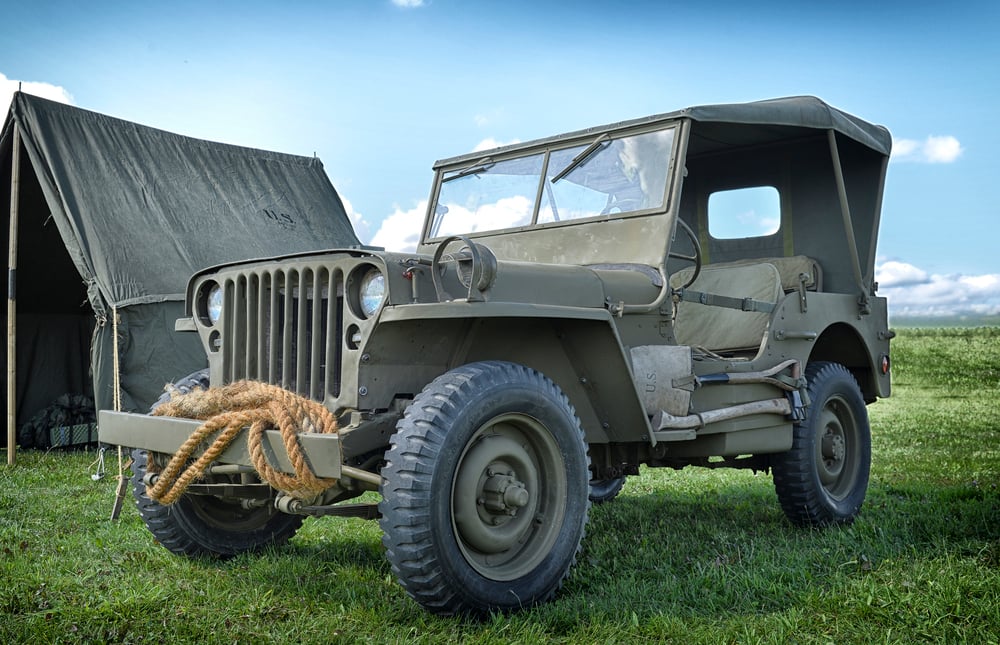
Out in the open fields, the Willys MB stands as a rare machine that moved smoothly from battlefields to backyard garages. Tough by design, built without fuss during World War II for scouting missions and carrying troops, it could be fixed fast even under rough conditions.
Once peace arrived, veterans familiar with its steering wheel abroad started asking for their own at home – so the CJ, short for Civilian Jeep, appeared in 1945. From just that moment, something quiet yet powerful began: a brand that would keep rolling through decades without slowing down.
Humvee (HMMWV)

Out of the desert dust came a boxy machine that turned heads when troops rolled through towns in the ’90s. A movie set moment sparked something – Schwarzenegger saw armored trucks passing by, got curious, then urged AM General to try selling one like it to regular buyers.
What showed up later was huge, guzzled gas fast, and carried a price so high it topped home values where some folks lived. Still, crowds formed just to walk into dealerships, eager to take one off the lot.
Seen as bold by fans, seen as reckless by others – it wore praise and scorn like matching badges.
Land Rover Series I

Out near the coast, engineers sketched something tough after seeing those U.S. Jeeps roll through mud during wartime. Instead of steel – hard to get back then – they shaped the shell from aluminum, just to keep things moving.
That lighter frame ended up gripping rough ground better than anyone expected. Across fields and highlands, people who worked the land started using it right away.
Over time, it turned into one of the most widely sold work-focused vehicles ever built, growing models that now carry the Defender and Discovery badges.
Dodge Power Wagon

Out of wartime need came a rugged vehicle built by Dodge to carry gear through tough landscapes during World War II. Post-war, instead of fading away, it stepped into peacetime work when a non-military model arrived in 1945 – among the first four-wheel-drive trucks regular folks in America could buy.
Toughness made it popular; those working land chose it heavily since no rival offered the same strength back then. Nowadays, that badge lives on under Ram’s range – a rare legacy for something born amid conflict.
M151 MUTT
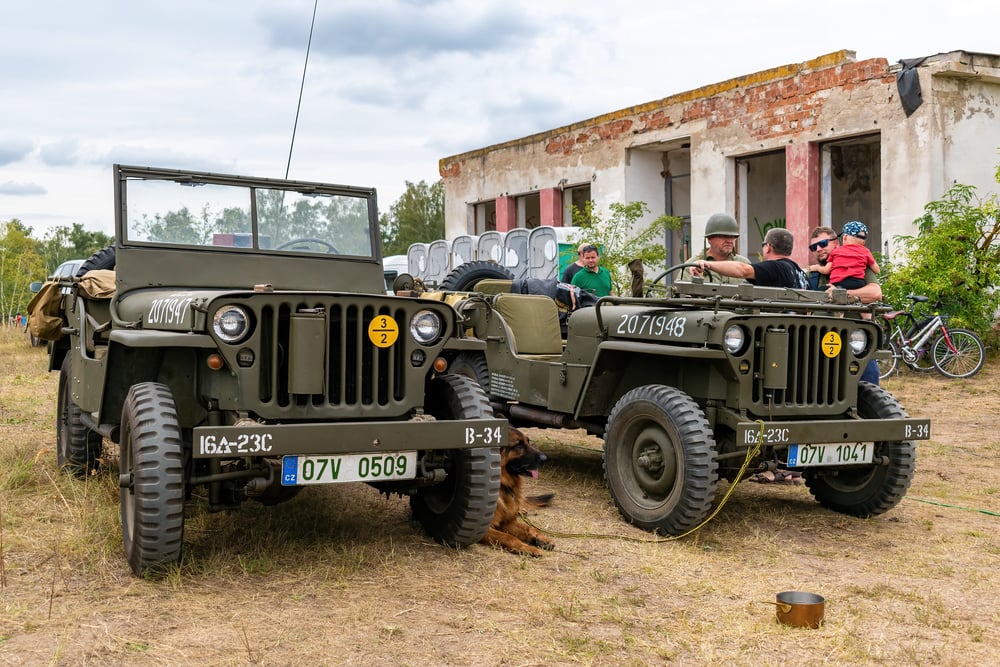
A small military truck called the M151, often known as the MUTT, took over from the classic Jeep when the U.S. armed forces upgraded in the 1960s. Lighter on its feet and quicker to move, it rolled through conflicts like Vietnam before fading from active duty.
Once retired, large numbers hit the public market where people grabbed them for rugged terrain adventures. Yet down the line, authorities insisted these trucks either get flattened or stripped of key parts prior to resale – since their back wheels moved separately, which could lead to wild spins if driven too fast by someone unprepared.
Mercedes-Benz G-Wagen
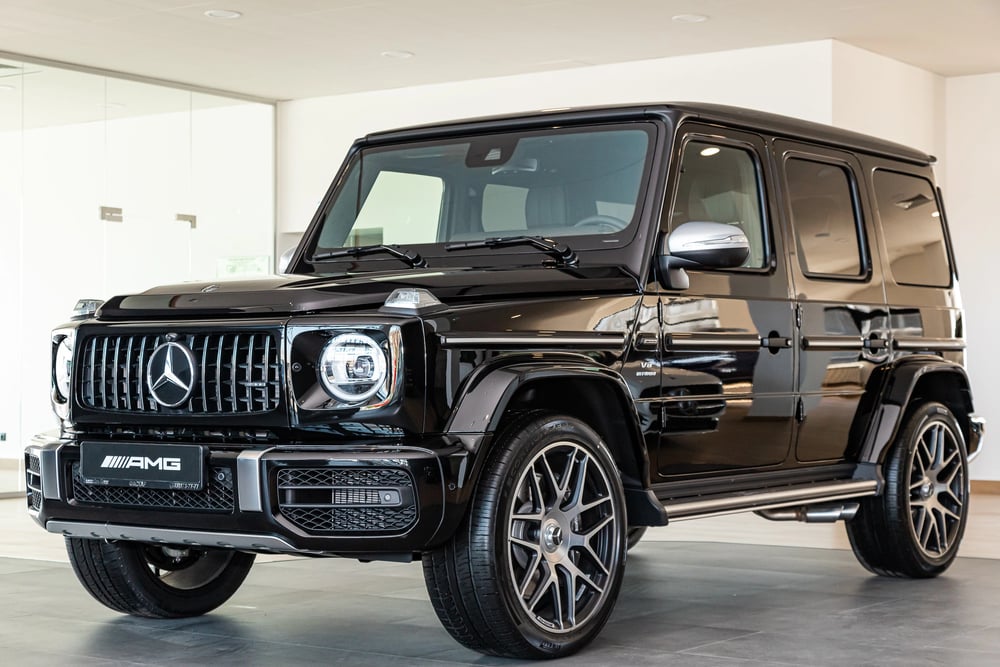
Out of nowhere, the G-Wagen – called Geländewagen back home – started life in the late 1970s serving armies across NATO nations like Germany and Austria. Built tough, not quiet, its square shape roared through rough landscapes because comfort wasn’t even on the list.
By 1979, Mercedes opened the doors to regular buyers with a street-legal model, then just left it running year after year. Slowly, almost unnoticed, it shifted gears – from stripped-down workhorse to high-end symbol worn by celebrities and collectors alike.
Now? A top-tier G-Class pushes past $150,000, far removed from mud, mines, and wartime roads.
Kaiser M715
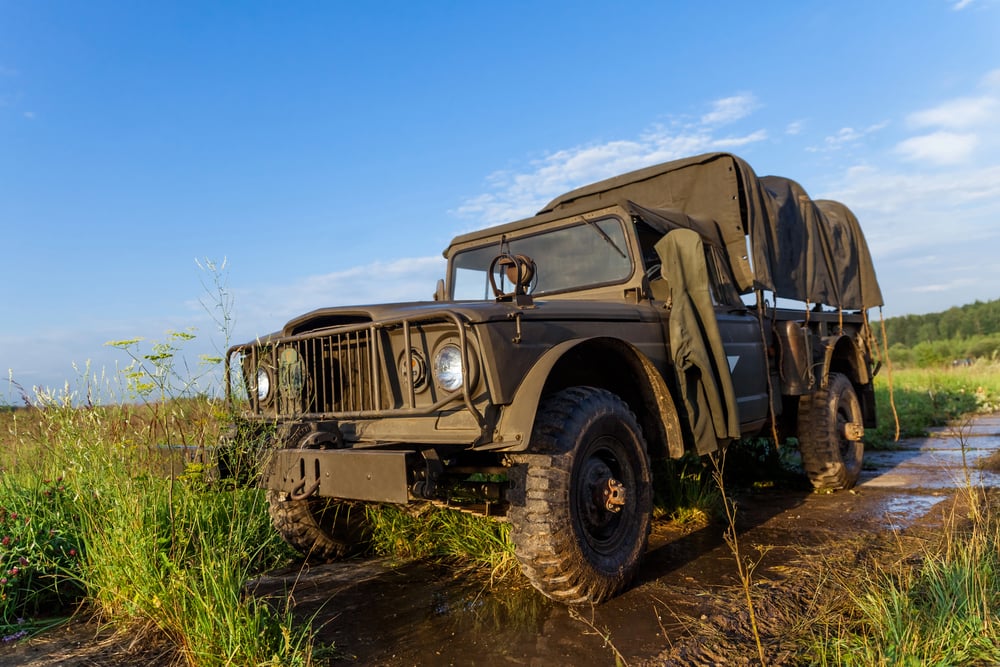
Out in the mud and dust, the Kaiser M715 rolled through Vietnam as a tough military hauler, based on a regular pickup frame yet beefed up for war zones. Once retired from duty, these rigs popped up at auctions, then slowly spread across garages where off-roaders welcomed their rugged gears and straightforward guts.
Folks trekking remote trails now run them hard, loading camp gear deep into wild terrain. Scouring for pieces takes time – weekend hunts, online posts, junkyard trips – but those loyal to the old beast see every snagged bolt as a win.
Length stays true; so does spirit.
AM General DJ-5
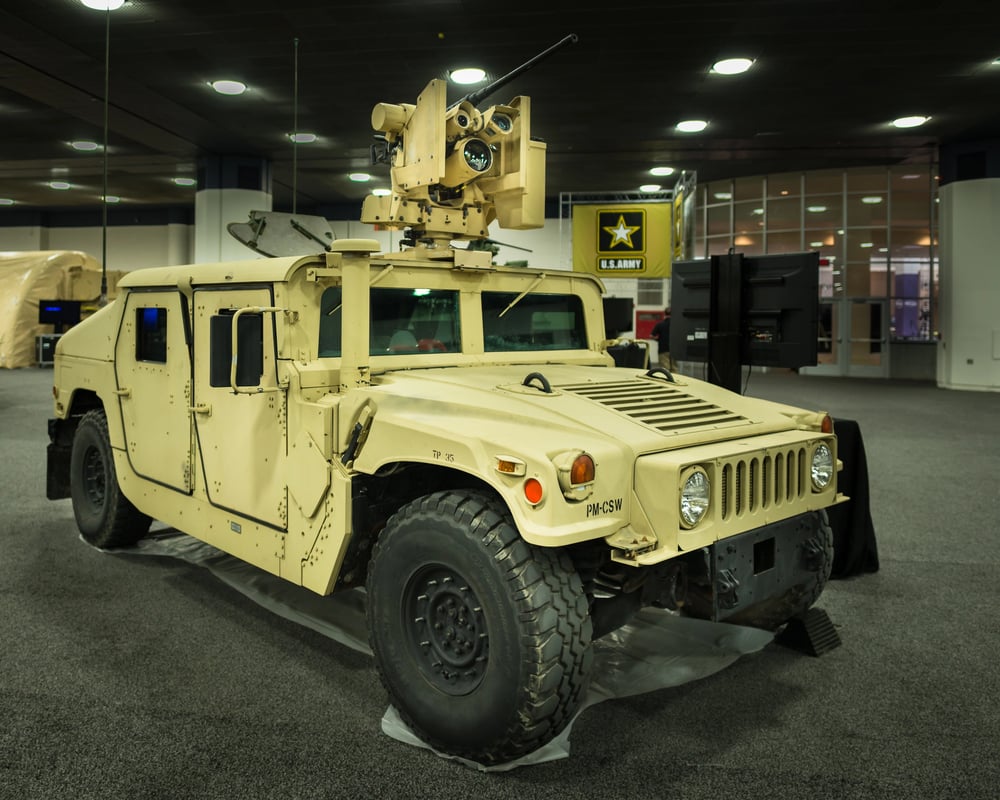
AM General produced the DJ-5, a mail delivery Jeep, which bridged military and postal service use across America for decades. The U.S. Postal Service used it to deliver mail in enormous quantities, and the design came directly from military Jeep engineering.
It had a right-hand drive layout to make curbside mail delivery easier, and many rural post offices relied on them through the 1980s. Collectors and Jeep enthusiasts have kept a steady market for restored DJ-5s alive, particularly in the United States and Canada.
International Harvester M-Series Trucks

International Harvester produced a range of military trucks under the M-Series designation that served the U.S. military from the 1950s through the 1970s. When they were retired from service, many ended up in the hands of construction companies, farmers, and emergency services because the engines and frames were almost impossibly hard to break.
The civilian versions of the same platform, sold as the International Travelall and various commercial trucks, shared most of the same components. Finding a well-preserved M-Series truck today is like finding a working artifact from a different era of American manufacturing.
Pinzgauer

The Pinzgauer is an Austrian all-terrain vehicle that the Swiss and British militaries used extensively, especially in mountainous terrain. It rides on a portal axle system that gives it ground clearance far beyond what most civilian vehicles can achieve, and the engine runs through a central tube that passes under the passenger cabin.
Civilian versions were sold in limited numbers, and a small but passionate community of owners maintains them today in countries including the United States. The Pinzgauer never became mainstream, but among serious off-road drivers, it carries a reputation that far exceeds its numbers.
Ford GPW
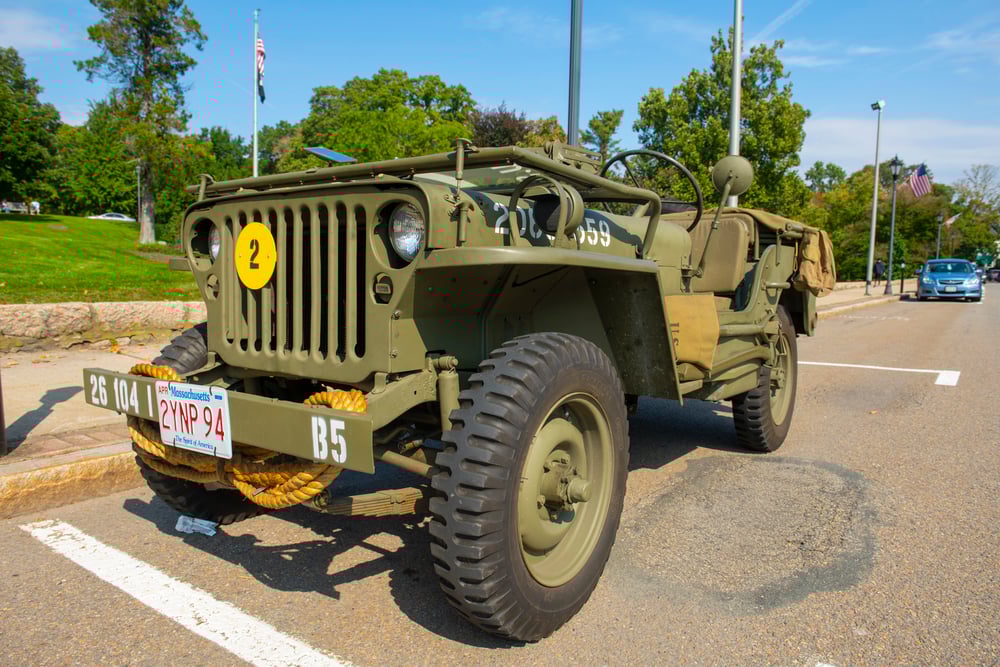
The Ford GPW is the Ford-manufactured version of the original World War II Jeep, produced alongside the Willys MB to meet wartime demand. Ford built over 280,000 of them between 1941 and 1945, and like the Willys, many found their way into civilian life after the war ended.
The GPW and Willys MB were so mechanically similar that parts from both vehicles were largely interchangeable, which made maintaining surplus units much easier for civilian owners. Restored examples in good condition now fetch serious money at auctions, reflecting just how significant these vehicles were to American automotive history.
UAZ-469

The UAZ-469 is a Soviet military vehicle that served the Red Army much like the Jeep served American forces, and civilian versions were sold across Eastern Europe and developing nations for decades. It was built for simplicity above everything else, designed so that a field mechanic with basic tools could fix almost any problem without specialized equipment.
Civilian versions were exported to over 70 countries, and they remain in daily use across parts of Africa, Asia, and Latin America because of how easy and cheap they are to keep running. The UAZ is the kind of vehicle that refuses to die, and its owners would not have it any other way.
Volkswagen Iltis

The Volkswagen Iltis was developed as a military light vehicle for the German Bundeswehr in the 1970s, and it had an unexpected influence on the automotive world beyond its own production run. Audi used the Iltis as a testing ground for its four-wheel-drive system, and the technology proved so effective in rally racing that it directly led to the development of the legendary Audi Quattro system.
The Iltis itself was never widely sold to civilians, but its engineering fingerprints are visible in almost every Audi all-wheel-drive vehicle produced since 1980. Few vehicles can claim to have reshaped a major car brand’s identity so completely.
Haflinger AP700
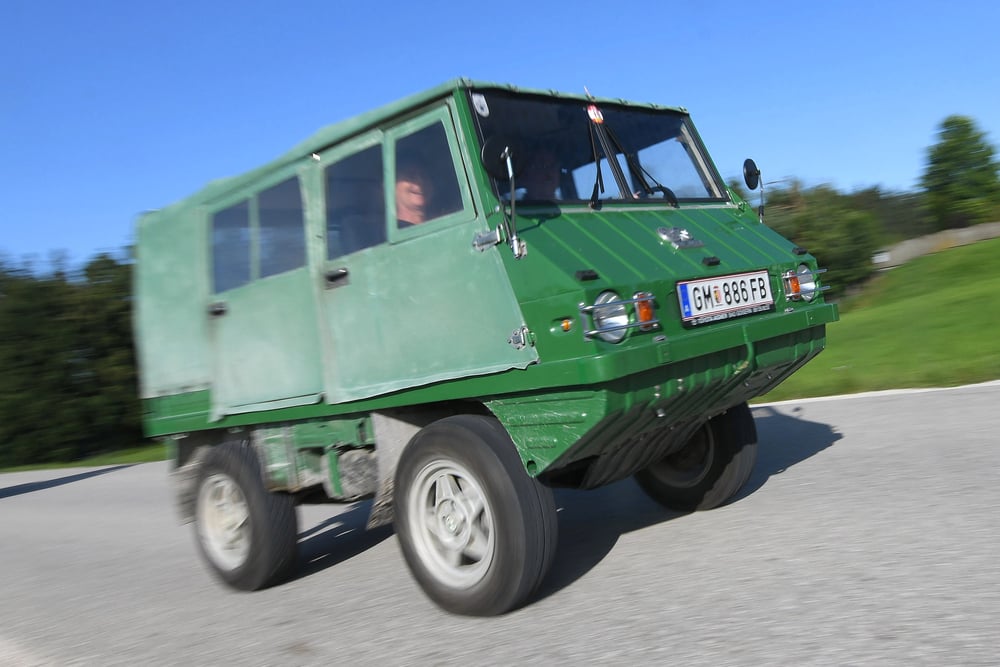
The Haflinger AP700 was a tiny Austrian utility vehicle built by Steyr-Puch and used by several European militaries during the 1960s and 1970s. It weighed very little but could carry loads proportionally impressive for its size, and the portal axles gave it off-road ability that larger vehicles sometimes could not match.
Civilian versions were sold to farmers, ski resorts, and mountain rescue teams across Europe. Today the Haflinger enjoys a dedicated collector following, and pristine examples regularly appear at European classic vehicle shows where they tend to draw larger crowds than vehicles three times their size.
CUCV (Commercial Utility Cargo Vehicle)

The CUCV program was the U.S. military’s attempt to replace some of its fleet with modified civilian trucks rather than purpose-built military vehicles. The Army purchased modified versions of the Chevrolet K30 pickup and Blazer in the early 1980s, fitting them with diesel engines and military-grade electrical systems.
When these vehicles were surplused out in large numbers during the 1990s, civilians bought them eagerly because the diesel-powered trucks were durable, affordable, and easy to find parts for. The CUCV became especially popular among overlanders and rural users who needed a capable work truck without a premium price tag.
Toyota Land Cruiser FJ40

The FJ40 Land Cruiser served military and police forces across dozens of countries from the 1960s through the 1980s, valued for the same qualities that made Toyota trucks a byword for reliability in some of the world’s harshest environments. It was sold simultaneously as a civilian vehicle in most markets, which blurred the line between its military and everyday roles considerably.
Many FJ40s that started life in military or government service eventually passed into private hands as they were phased out in favor of newer equipment. A well-preserved FJ40 today sells for prices that would genuinely shock the procurement officers who first bought them for government use.
Still Running Strong

The vehicles on this list did not just survive the transition from military to civilian life; many of them actively shaped what civilian vehicles became. The Jeep gave America the SUV.
The G-Wagen gave luxury buyers a new definition of tough. The Iltis quietly handed Audi the technology that changed rally racing forever.
Military engineering has always moved faster than the civilian market because the stakes are higher, and when that technology eventually filters into everyday life, it tends to stick around for a very long time.
More from Go2Tutors!

- The Romanov Crown Jewels and Their Tragic Fate
- 13 Historical Mysteries That Science Still Can’t Solve
- Famous Hoaxes That Fooled the World for Years
- 15 Child Stars with Tragic Adult Lives
- 16 Famous Jewelry Pieces in History
Like Go2Tutors’s content? Follow us on MSN.