15 Times the Wrong Person Got Famous for Someone Else’s Work
History has a peculiar way of misattributing credit. Sometimes, the person celebrated for a breakthrough or creation isn’t the one who actually did the work.
Through misunderstandings, strategic marketing, or outright theft, many innovations and discoveries have become permanently associated with the wrong individuals. These misattributions shape our understanding of progress and innovation in surprising ways.
Here is a list of 15 instances where someone received fame and recognition that rightfully belonged to another.
Marconi and Radio
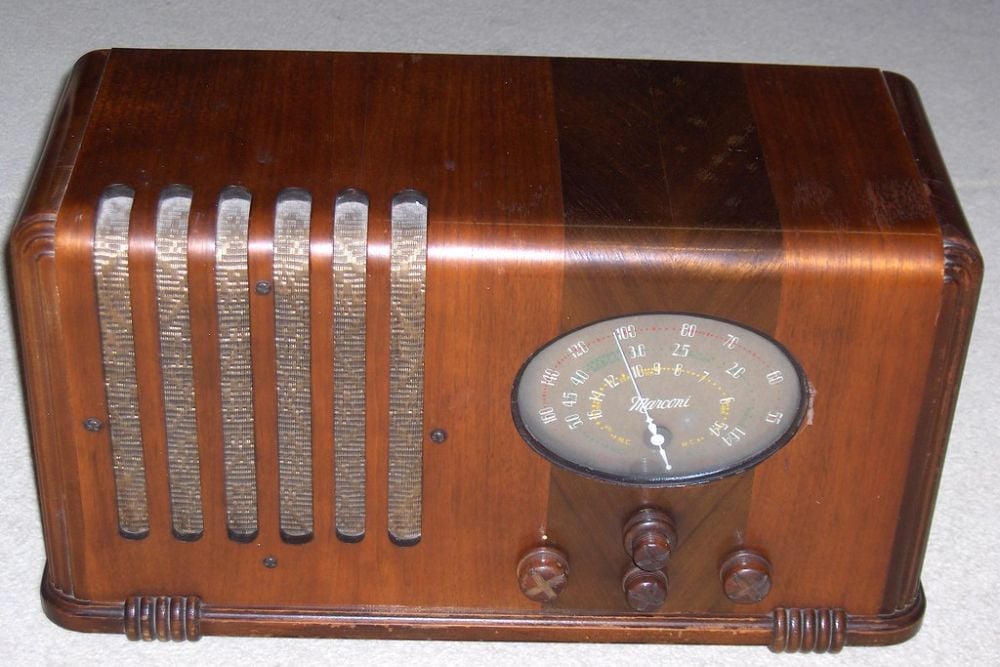
Guglielmo Marconi is widely celebrated as the father of radio, but Nikola Tesla had already demonstrated wireless transmission years earlier. Tesla patented radio technology in 1897, though Marconi received the Nobel Prize in 1909.
The U.S. Supreme Court eventually upheld Tesla’s patent claims in 1943, but this came months after Tesla’s death and decades after Marconi had secured his place in history books.
Edison and the Light Bulb
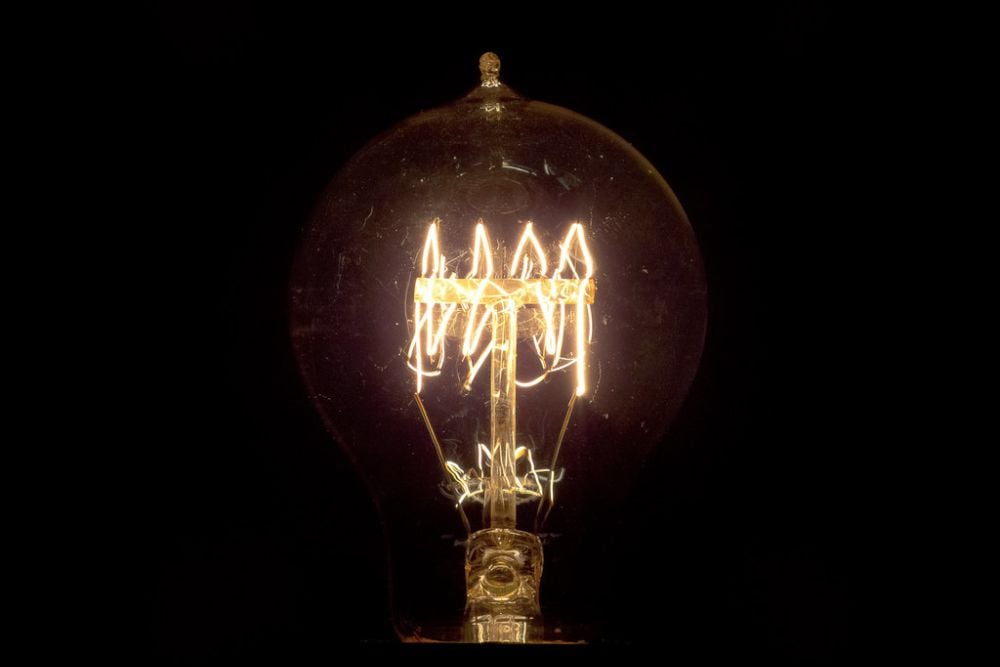
Thomas Edison didn’t invent the light bulb despite popular belief. British inventor Joseph Swan developed a working incandescent bulb before Edison and even sued him for patent infringement. Edison’s breakthrough was creating a longer-lasting filament and, more importantly, a comprehensive electrical system for homes.
His business acumen and marketing genius overshadowed Swan’s earlier technical achievements.
Like Go2Tutors’s content? Follow us on MSN.
Columbus and America

Christopher Columbus receives credit for ‘discovering’ America despite indigenous populations living there for millennia and Norse explorers reaching North America around 1000 CE. Leif Erikson established settlements in present-day Canada nearly 500 years before Columbus sailed.
The continent itself was named after Amerigo Vespucci, who realized the lands were a new continent rather than part of Asia as Columbus believed until his death.
Bell and the Telephone
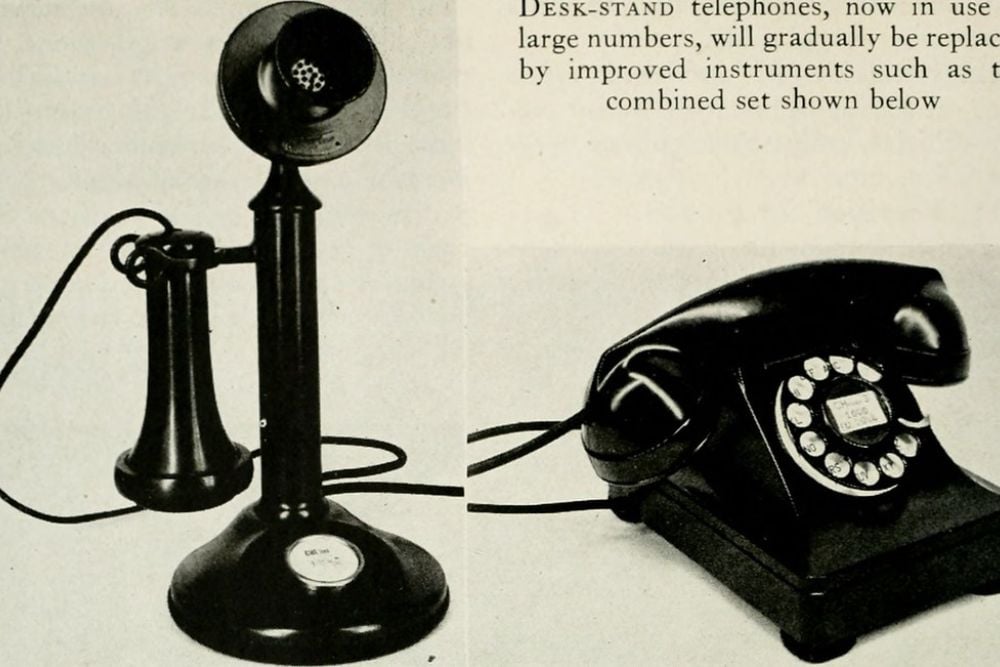
Alexander Graham Bell filed his telephone patent hours before Elisha Gray submitted remarkably similar designs. Evidence suggests Bell may have had improper access to Gray’s work through a patent office employee.
Additionally, Antonio Meucci had demonstrated a working ‘talking telegraph’ years earlier but couldn’t afford the patent fees. In 2002, the U.S. House of Representatives officially recognized Meucci’s contributions, though Bell remains the name in textbooks.
Fleming and Penicillin

Alexander Fleming is celebrated for discovering penicillin, but its development as a usable medication came from Howard Florey and Ernst Chain. Fleming noticed the antibiotic properties of the mold in 1928 but abandoned the research.
Florey and Chain developed the methods to isolate and produce penicillin in usable quantities during the 1940s, saving countless lives during World War II. All three shared the Nobel Prize, though Fleming received the lion’s share of public recognition.
Like Go2Tutors’s content? Follow us on MSN.
Gutenberg and Movable Type

Johannes Gutenberg revolutionized European printing with his press around 1440, but movable type printing existed in Asia centuries earlier. Bi Sheng invented movable type printing in China around 1040 CE using clay blocks.
Korean inventors later developed metal movable type by the 13th century. These Asian innovations predated Gutenberg by hundreds of years but remain relatively unknown in Western historical accounts.
Watson, Crick and DNA

James Watson and Francis Crick are famous for determining DNA’s double-helix structure, but their discovery relied heavily on Rosalind Franklin’s X-ray crystallography work. Franklin produced the critical ‘Photo 51’ that revealed DNA’s structure, which Watson viewed without her knowledge or permission.
Franklin’s early death from cancer at age 37 meant she couldn’t share in the Nobel Prize awarded to Watson, Crick, and Wilkins in 1962.
Disney and Mickey Mouse
Walt Disney is synonymous with Mickey Mouse, but animator Ub Iwerks actually created the character’s design and animated the first Mickey cartoons single-handedly. Disney provided the voice and business vision but took disproportionate credit for the creative work.
Iwerks could produce hundreds of drawings daily with both hands simultaneously, a remarkable talent that helped establish Disney’s early success before their professional relationship deteriorated.
Like Go2Tutors’s content? Follow us on MSN.
Einstein and E=mc²

While Albert Einstein developed the mass-energy equivalence formula E=mc², French mathematician Henri Poincaré and others laid crucial groundwork for this insight. Austrian physicist Friedrich Hasenöhrl published work on mass-energy equivalence a year before Einstein’s famous paper.
Einstein synthesized and extended these ideas brilliantly, but he wasn’t working in isolation. The popular image of Einstein as a lone genius overlooks the collaborative nature of scientific progress.
Mozart and Requiem
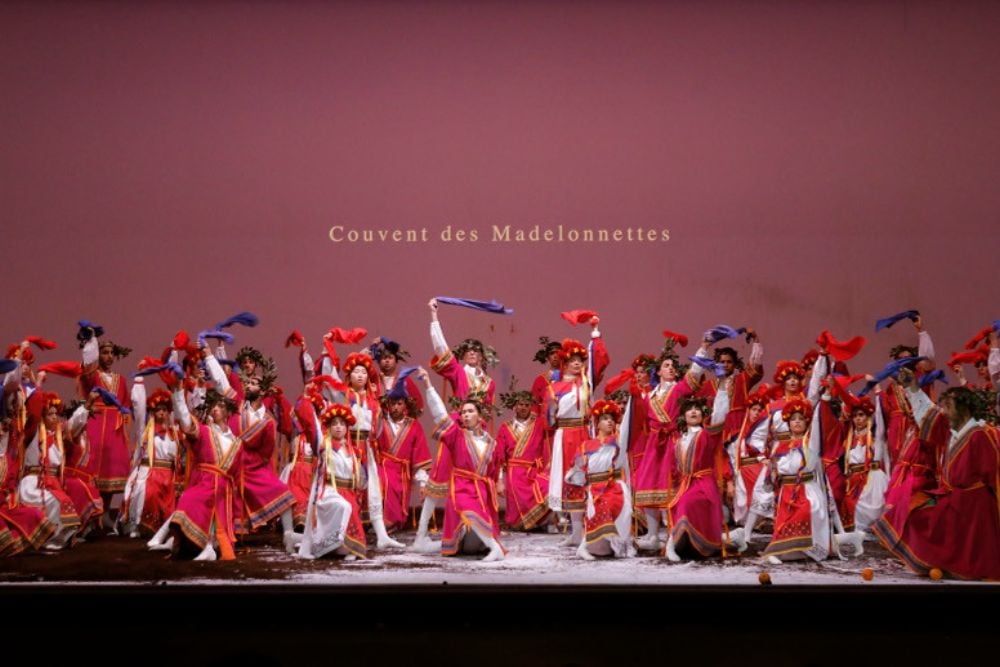
Mozart’s Requiem is considered one of his greatest works, but he died before completing it. Franz Xaver Süssmayr, his student, finished substantial portions of the composition based on Mozart’s fragmentary notes.
Modern audiences listening to ‘Mozart’s Requiem’ are actually hearing Süssmayr’s work for significant sections, particularly in the latter movements. The exact boundaries between Mozart’s original work and Süssmayr’s contributions remain debated among musicologists.
Nestlé and Milk Chocolate

Henri Nestlé is associated with milk chocolate, but Daniel Peter actually invented it after years of experimentation. Peter struggled to remove the water from the milk to combine it with cocoa until he used Nestlé’s condensed milk product.
The two later became business partners, but Peter’s name faded as the Nestlé brand grew into a global powerhouse. This pattern of companies absorbing and obscuring individual innovators repeats throughout corporate history.
Like Go2Tutors’s content? Follow us on MSN.
Morton and Anesthesia

William Morton demonstrated ether anesthesia in 1846 and is often credited with its discovery, but Crawford Long had used it in surgeries four years earlier. Long simply failed to publish his findings promptly.
Another physician, Horace Wells, conducted public demonstrations of nitrous oxide anesthesia before Morton’s ether demonstration. The question of who deserves primary credit became known as the ‘ether controversy’ and remained contentious for decades.
Philo Farnsworth and Television
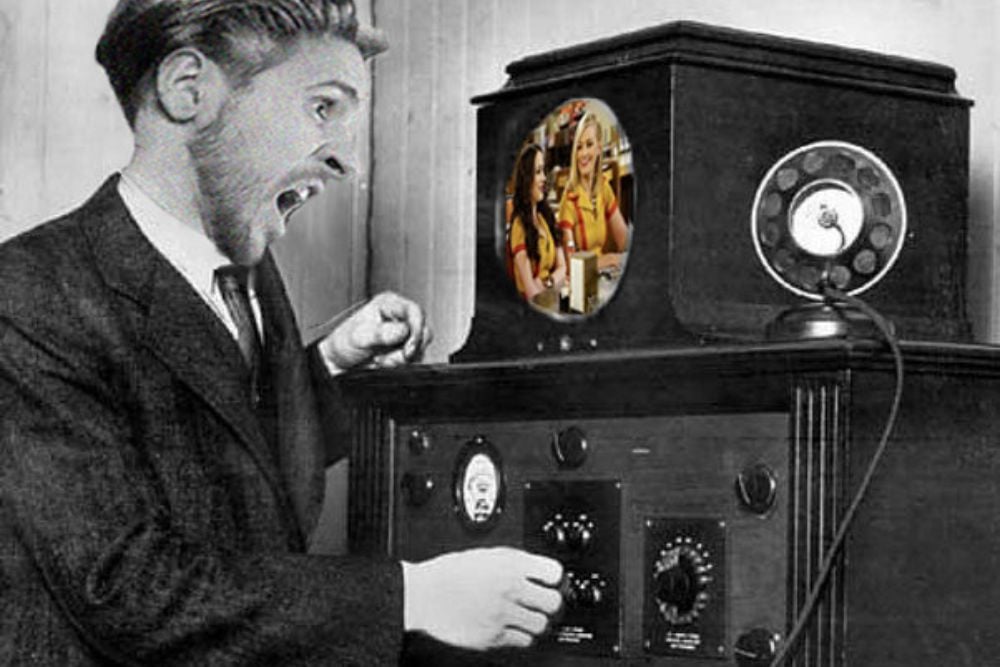
Philo Farnsworth transmitted the first electronic television image in 1927, but RCA’s David Sarnoff ensured his engineer Vladimir Zworykin received public recognition. After a lengthy legal battle, RCA eventually paid Farnsworth $1 million for his patents but continued promoting Zworykin as television’s inventor.
Farnsworth died nearly broke and bitter while RCA built its empire on technology derived from his work.
Bow and the First Motion Picture
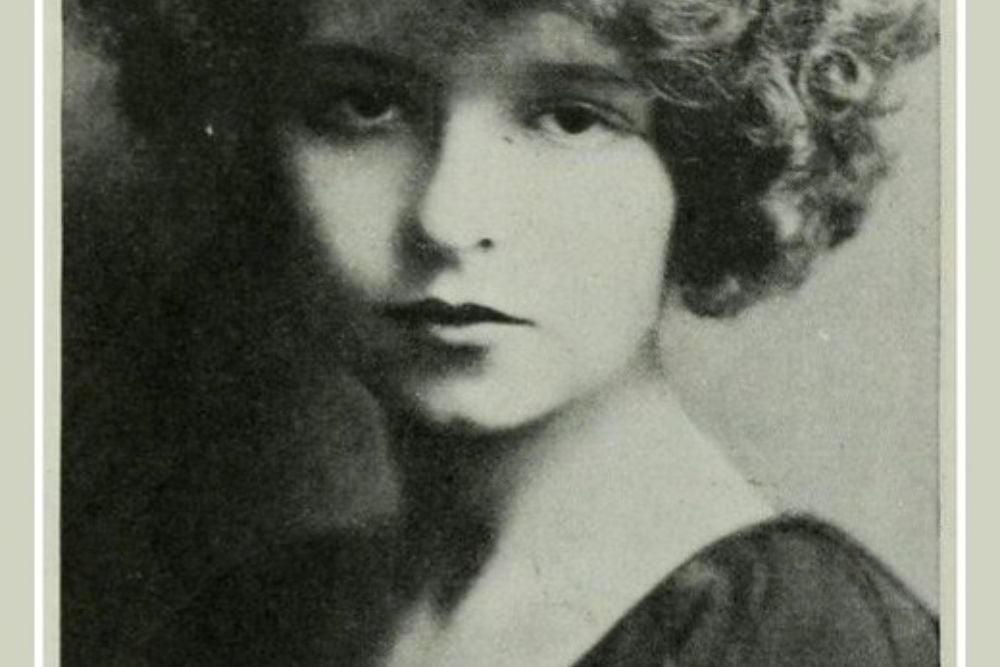
Thomas Edison is often associated with early motion pictures, but Louis Le Prince filmed moving pictures years before Edison’s work. Le Prince’s ‘Roundhay Garden Scene’ from 1888 predates Edison’s films by several years.
Le Prince mysteriously disappeared in 1890 before he could publicly demonstrate his camera in the United States. His absence allowed Edison and the Lumière brothers to claim the spotlight in cinema’s early development.
Like Go2Tutors’s content? Follow us on MSN.
Ada Lovelace and Computer Programming

Charles Babbage designed the Analytical Engine, an early mechanical computer, but Ada Lovelace wrote what is considered the first computer algorithm intended for the machine. Lovelace understood the device’s potential beyond mere calculation, envisioning it could manipulate symbols and even create music.
Despite publishing her notes in 1843, Lovelace’s contributions were largely overlooked until the 1950s when computer pioneers rediscovered her work.
The Real Innovators

These stories reveal how attribution often follows power, privilege, and promotion rather than actual innovation. The individuals who secure their names in history books frequently benefit from better connections, financial resources, or simply outliving their competitors.
The real landscape of human progress is far messier and more collaborative than our neat narratives suggest. The gap between who creates and who gets credit highlights the social nature of recognition. Behind almost every famous name stands a supporting cast—often including those more deserving of the spotlight.
As we continue to tell stories about innovation and discovery, we should look deeper to find those whose contributions were essential but whose names have been pushed to the margins of memory.
More from Go2Tutors!

- 18 Unexpectedly Valuable Collectibles You Might Have Lying Around
- 20 Little-Known Historical Battles That Had Huge Consequences
- 20 Historical Artifacts That Scientists Can’t Explain
- 20 Cars That Were Banned from the Roads (and Why)
- 20 Discontinued Snacks from the 70s and 80s That We Still Miss
Like Go2Tutors’s content? Follow us on MSN.