15 Top-Selling Video Consoles Ever
Gaming has come a long way since the days of Pong and arcade cabinets. What started as simple electronic entertainment has evolved into a multi-billion dollar industry that shapes how millions of people spend their free time. While flashy graphics and cutting-edge technology grab headlines today, the real winners in console history aren’t always the most powerful machines—they’re the ones that found their way into the most living rooms.
The console wars have been raging for decades, with companies like Nintendo, Sony, and Microsoft battling for dominance. Here is a list of 15 consoles that dominated the market during their prime years and beyond.
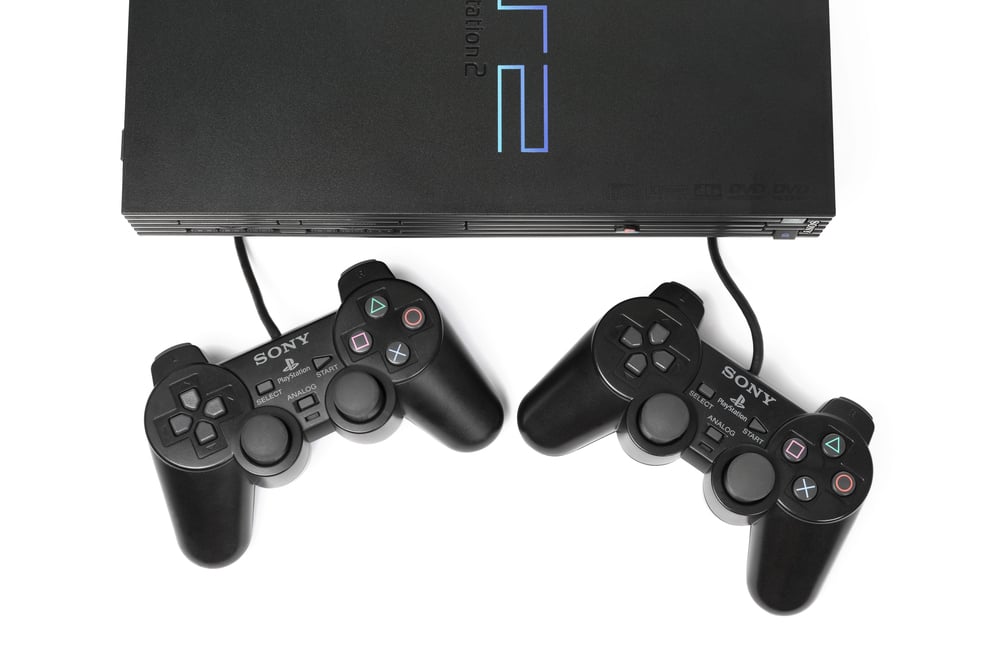
PlayStation 2
— Photo by robtek
Sony’s PlayStation 2 sits comfortably on the throne as the best-selling console of all time, with over 160 million units sold worldwide. Released in 2000, this powerhouse didn’t just play games—it doubled as a DVD player when DVD players cost several hundred dollars separately. Think of it as getting two expensive devices for the price of one, which made it an easy sell to families. Some popular games that featured on PS2 over the years include Grand Theft Auto: San Andreas, Gran Turismo 3: A-Spec, and Final Fantasy X.
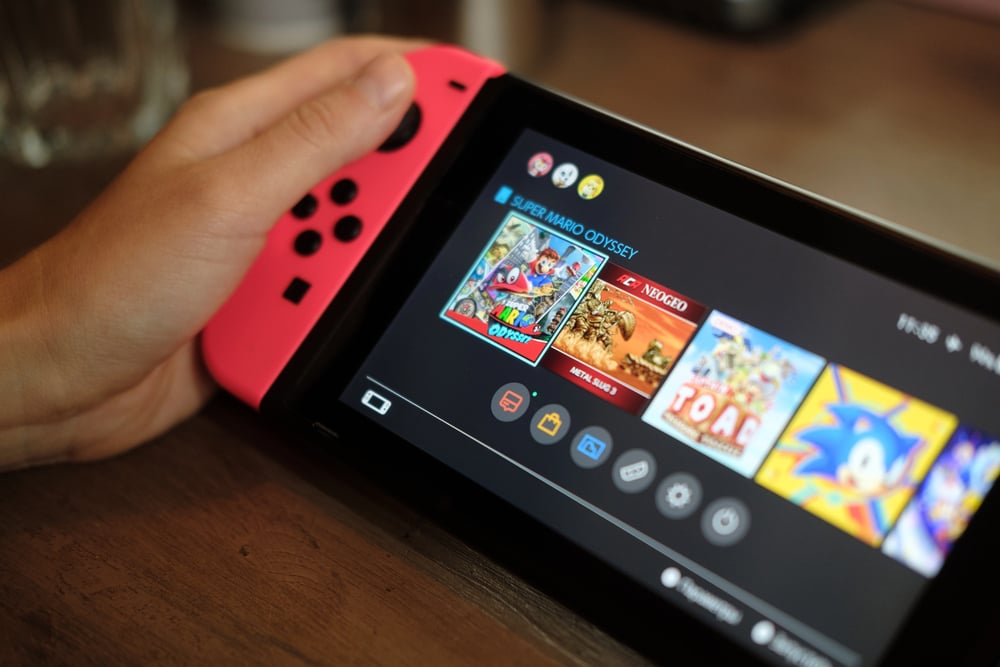
Nintendo Switch
— Photo by skvalval
Nintendo’s hybrid wonder has been chasing the PS2’s record and currently sits at 152 million units as of March, 2025. The Switch revolutionized gaming by letting you play console-quality games at home or on the go, like having a gaming laptop that actually fits in your bag. Its genius lies in versatility—you can play Mario Kart on your TV during a party, then seamlessly take the same game on a long flight. Given that the Switch is unlikely to cannibalize sales of the Switch 2 in a significant way, it would be a surprise if Nintendo didn’t keep the original around for another year to pass the 160 million milestone that would put it on top of the video game hall of fame.
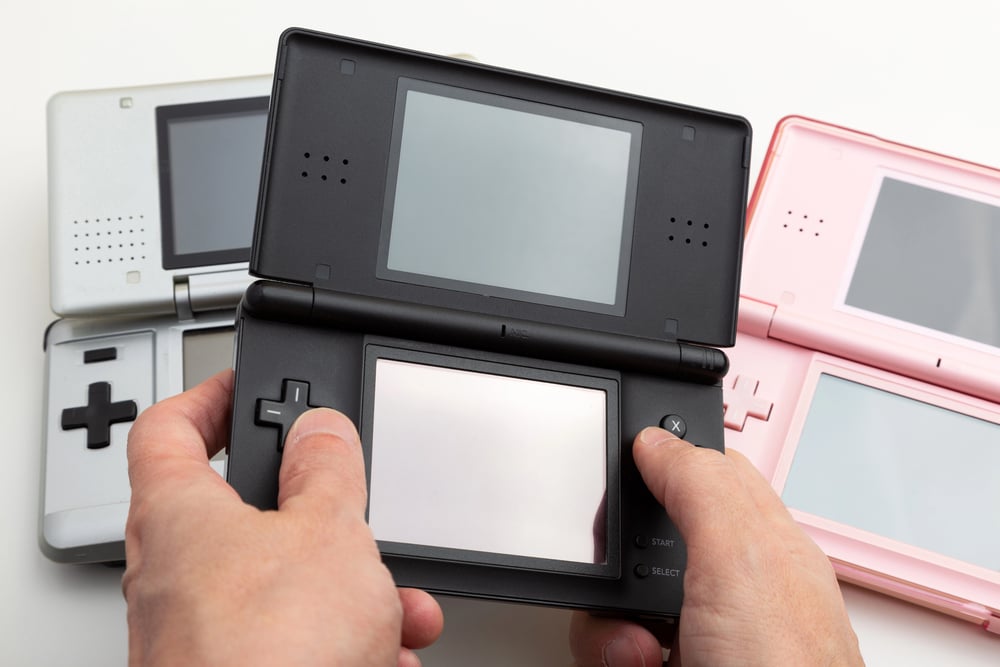
Nintendo DS
— Photo by knopper.yandex.ru
The dual-screen handheld that nobody asked for but everyone ended up loving sold 154.02 million units. Nintendo took a massive gamble with the DS’s unusual design, featuring two screens and touch controls when everyone expected traditional buttons. Besides hits like New Super Mario Bros and Mario Kart DS that drew in gamers, the console also appealed to the non-gaming demographic with titles like Brain Age and Nintendogs. The DS proved that innovation trumps raw power when it’s done right.
Game Boy and Game Boy Color
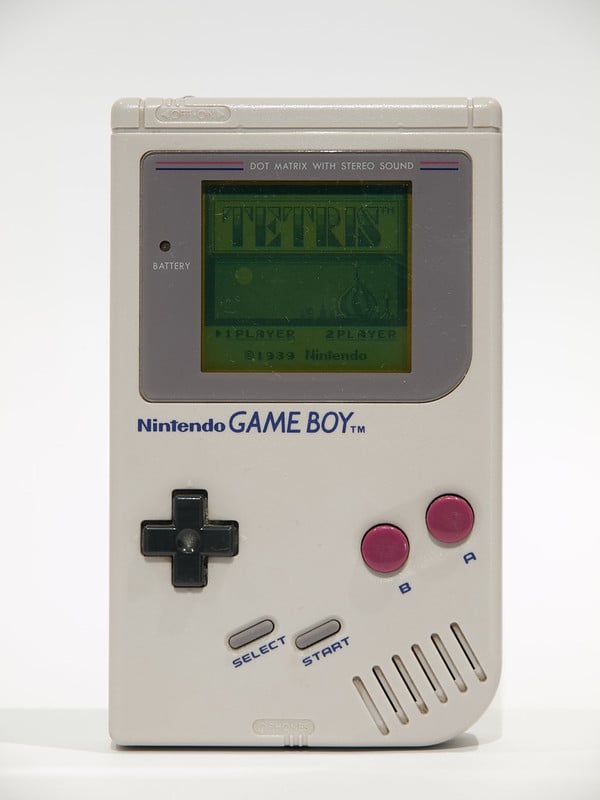
Nintendo’s original portable gaming machine sold a combined 118.69 million units and essentially created the handheld gaming market from scratch. The Game Boy’s green-tinted screen and chunky design might look primitive now, but it was revolutionary in 1989. The Game Boy became immensely popular due to its durable design, long battery life, and the success of its titles like “Tetris” and the “Pokémon” series. You could drop this thing down stairs and it would keep running—try that with your smartphone.
PlayStation 4
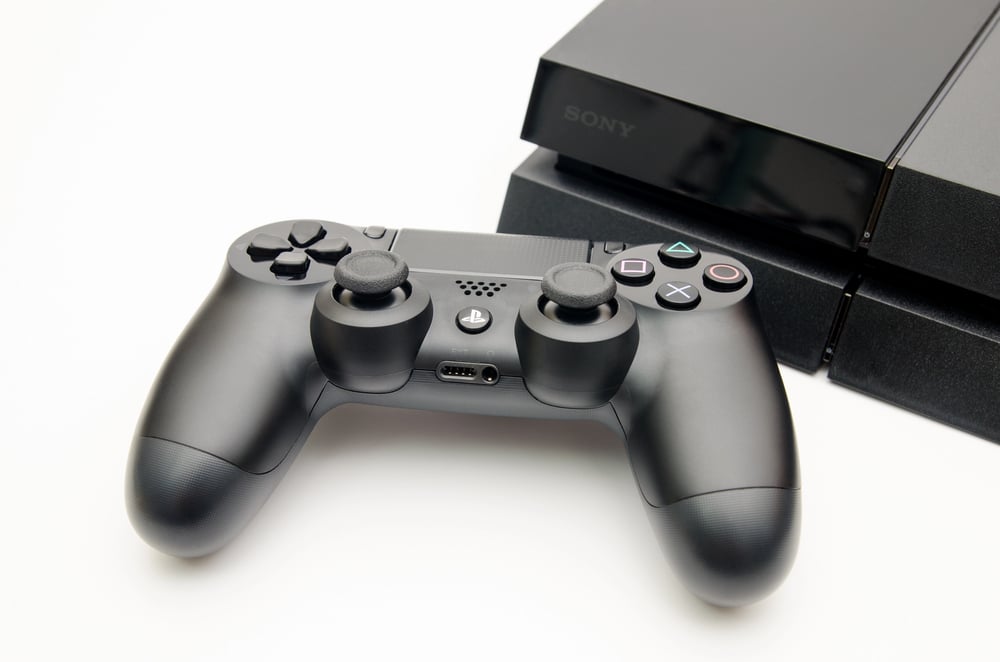
Sony’s PS4 moved 117.16 million units and dominated the eighth console generation. Released in 2013, it learned from the PS3’s mistakes by focusing on gaming first and gimmicks second. PS4 was part of the eighth generation of video game consoles and developed as the successor to the PS3. It competed with Microsoft’s Xbox One, Nintendo’s Wii U, and later the Switch. The console hit the sweet spot between power and price, making it the go-to choice for serious gamers.
PlayStation
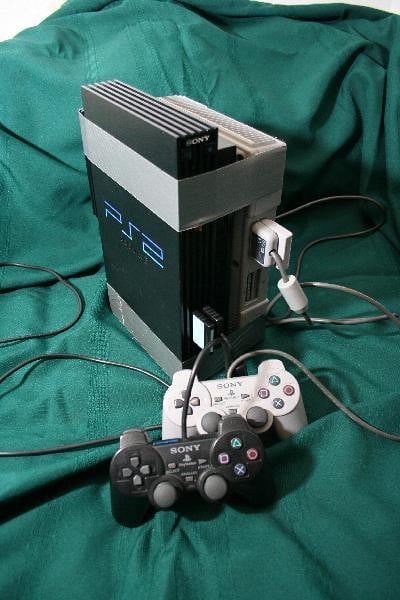
The original PlayStation sold 102.49 million units and completely changed the industry when it launched in 1994. Sony was the new kid on the block, going up against Nintendo’s iron grip on home consoles.
The PlayStation succeeded by courting older audiences with more mature games while using CD technology to deliver better graphics and sound than cartridge-based competitors. It’s like how Netflix disrupted Blockbuster—sometimes the outsider sees opportunities that established players miss.
Nintendo Wii
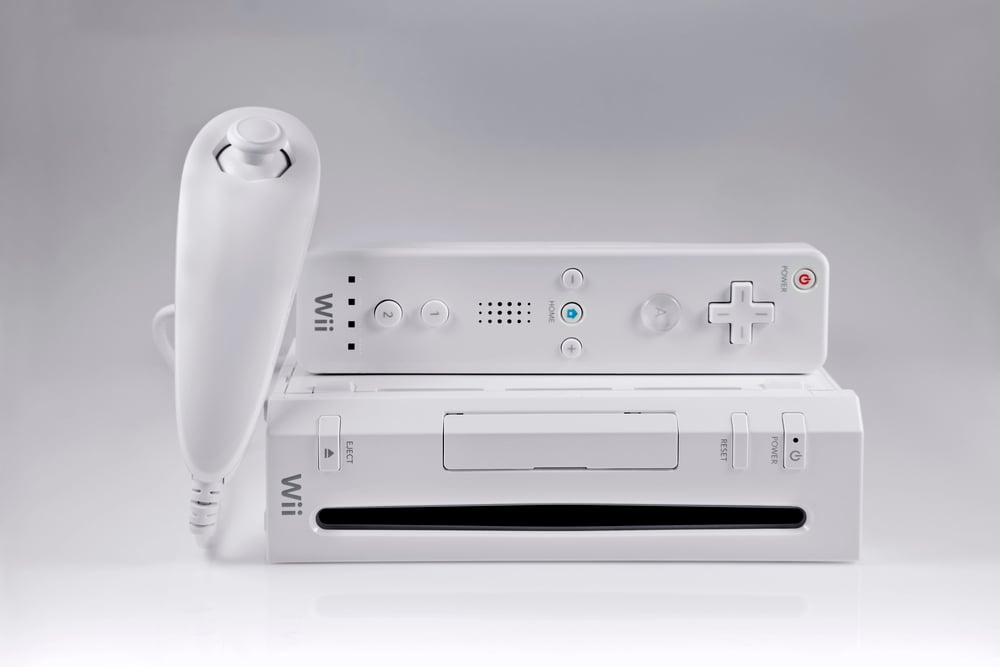
Nintendo’s motion-controlled marvel sold 101.63 million units and got everyone from grandparents to gym teachers swinging controllers like tennis rackets. The Wii became popular for its motion-control gaming, family-friendly titles, and approachable design.
It also attracted a wide demographic, including non-traditional gaming audiences, making it a hit in both casual and party gaming scenes. The Wii proved that sometimes the best technology is the one that makes complicated things simple and fun.
Xbox 360
— Photo by dennizn
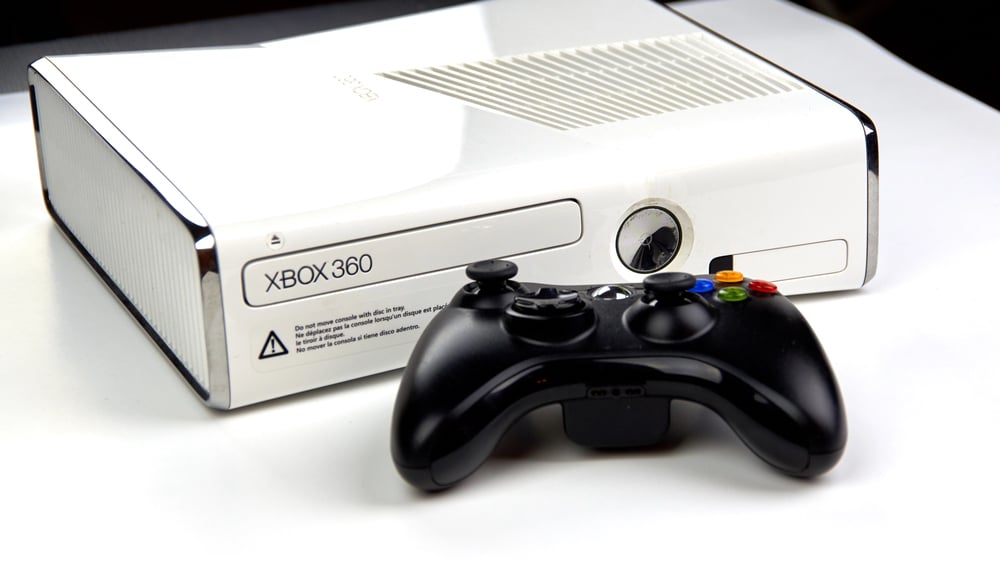
Microsoft’s Xbox 360 found its groove with 85.8 million units sold, becoming Microsoft’s lone entry in the all-time top tier. The console was another that gained popularity for its online gaming service called Xbox Live, a strong portfolio of games, and focus on HD graphics.
The 360 dominated in North America and showed that Microsoft could compete with gaming industry veterans when they got the formula right. It’s success came from understanding what hardcore gamers wanted: great online play, achievement systems, and exclusive titles.
Game Boy Advance
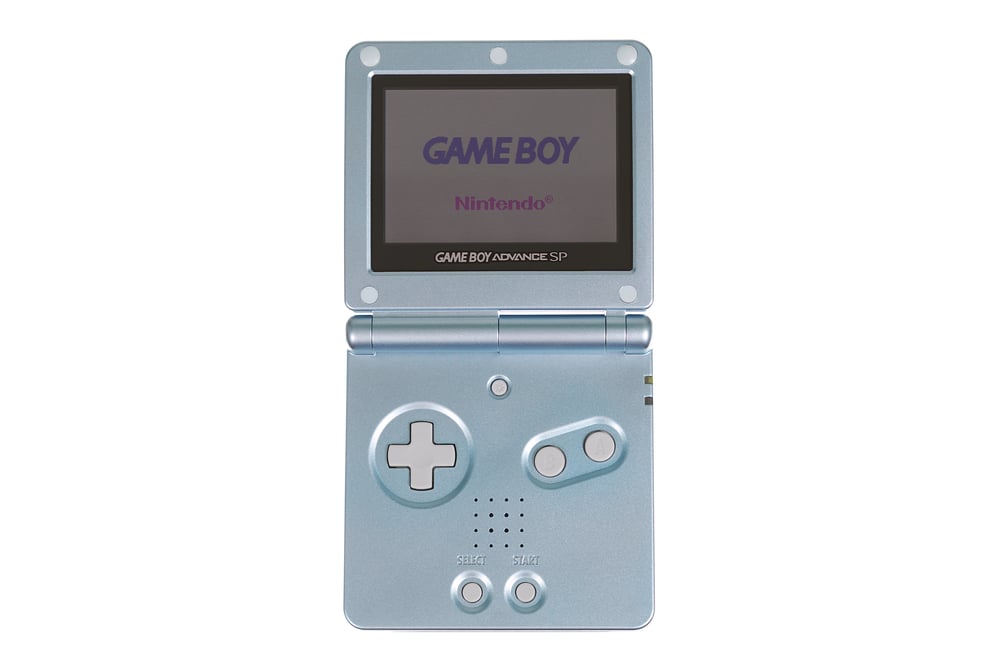
— Photo by robtek
Nintendo’s Game Boy Advance sold approximately 81.51 million units and represented the bridge between old-school and modern portable gaming. Released in 2001, the GBA finally brought full-color gaming to Nintendo’s handheld line while maintaining the battery life and game library that made the original Game Boy legendary.
he system got a second wind when Nintendo redesigned it into the clamshell SP model, proving that sometimes a mid-cycle refresh can extend a console’s life significantly.
PlayStation Portable
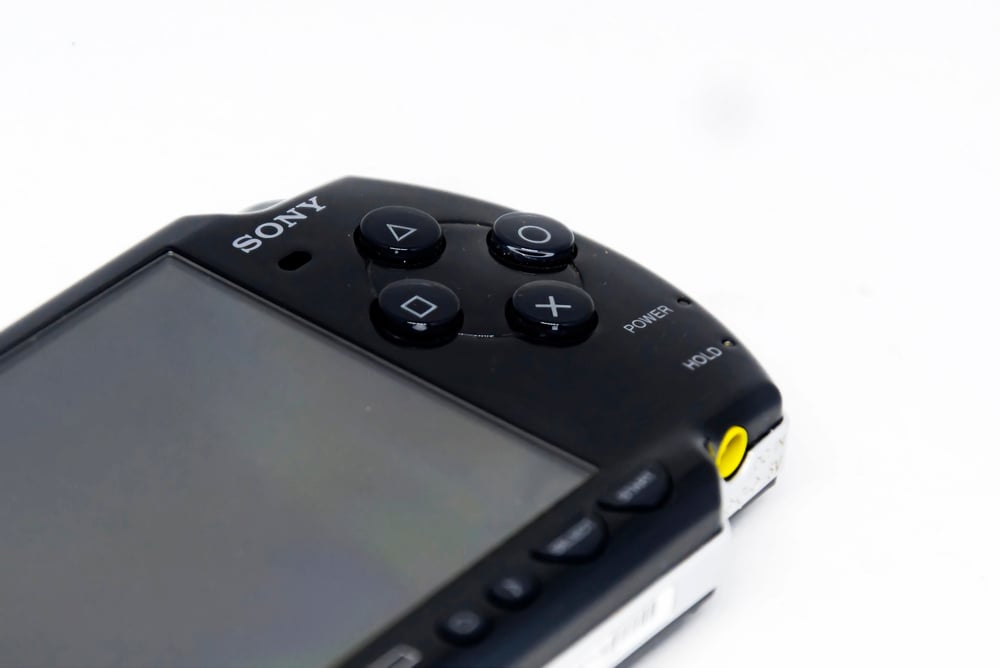
— Photo by rarrarorro
Sony’s PlayStation Portable moved around 80 million units and brought console-quality gaming to the portable market. The PSP was Sony’s answer to Nintendo’s handheld dominance, featuring impressive graphics and multimedia capabilities.
While it never quite caught up to Nintendo’s portable systems, the PSP carved out its own niche with franchises like Monster Hunter in Japan and Grand Theft Auto on the go. It showed that there was room for multiple approaches to portable gaming.
Nintendo 3DS
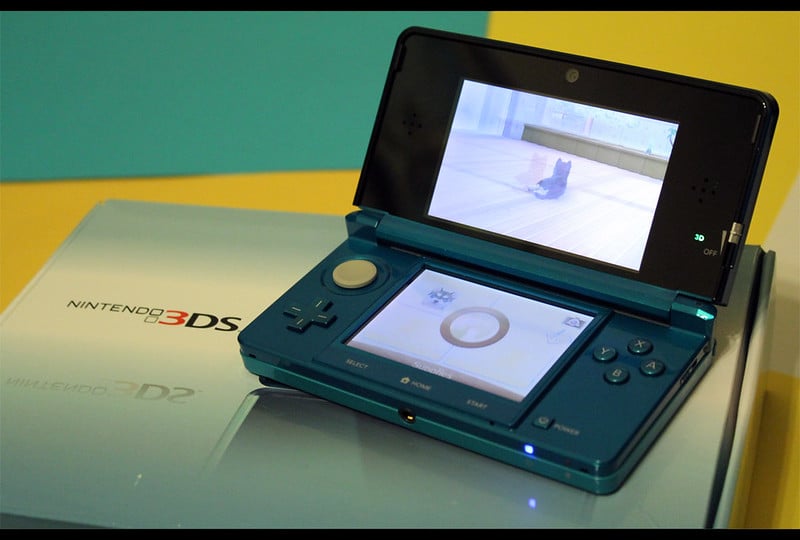
The stereoscopic successor to the DS sold 75.94 million units, proving that Nintendo could make lightning strike twice in the handheld market. The 3DS offered glasses-free 3D gaming, which was either amazing or headache-inducing depending on who you asked.
Despite early struggles with price and game selection, Nintendo turned things around with strong first-party titles and eventually multiple hardware revisions that improved on the original design.
Nintendo Entertainment System
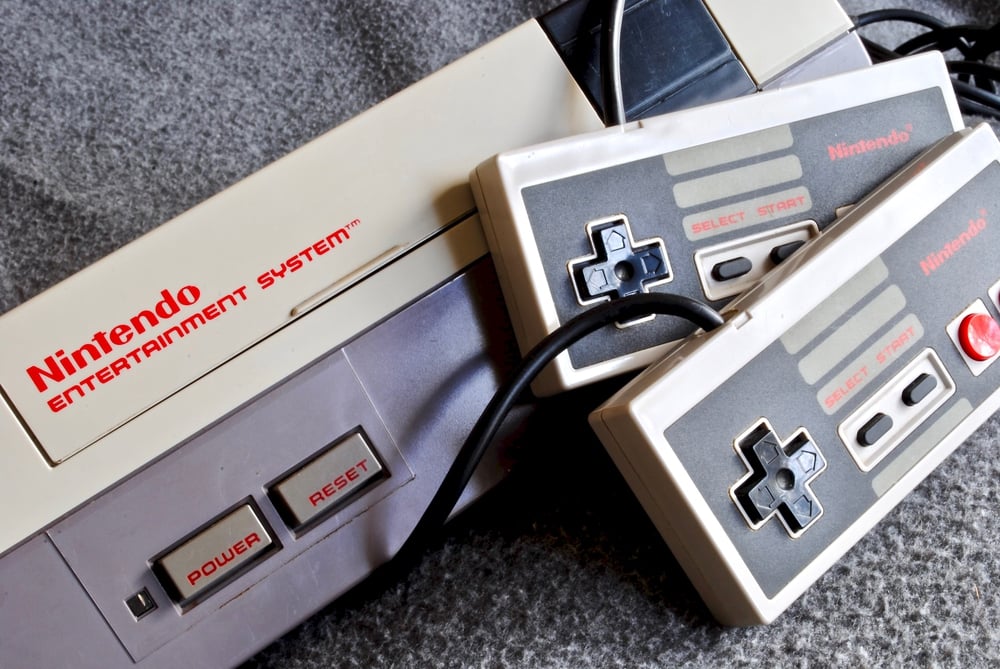
— Photo by EWYMedia
The console that saved gaming in America sold 61.91 million units worldwide and became the foundation for Nintendo’s empire. After the video game crash of 1983 nearly killed home gaming, the NES (called Famicom in Japan) single-handedly revived the industry.
They revitalised the gaming industry in the United States following the video game market crash. Super Mario Bros., The Legend of Zelda, and countless other classics established gaming franchises that are still going strong today.
Xbox One
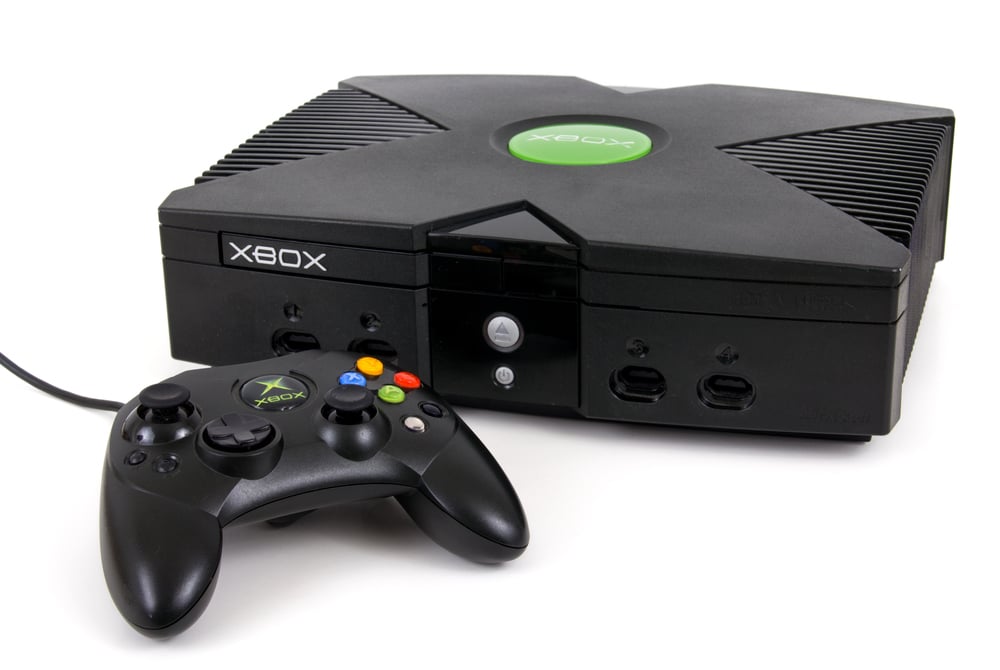
— Photo by Juliedeshaies
Microsoft’s Xbox One sold an estimated around 58 million units despite a rocky launch. The console initially focused heavily on TV integration and always-online requirements, which gamers rejected loudly. Microsoft quickly pivoted back to gaming-first messaging, but the damage was done in terms of market perception.
The Xbox One’s story is a reminder that you only get one chance to make a first impression, especially in the competitive console market.
Super Nintendo Entertainment System
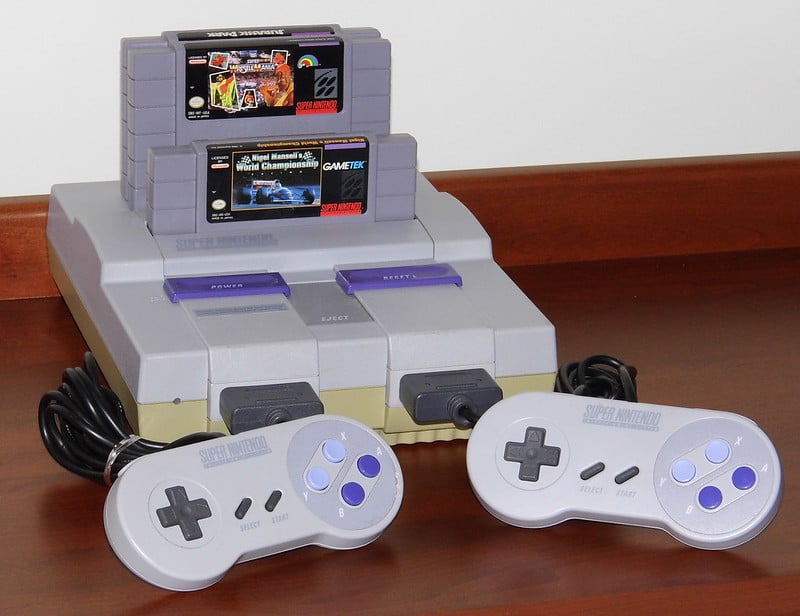
Nintendo’s 16-bit powerhouse sold 49.1 million units and delivered some of the greatest games ever made. The SNES went head-to-head with Sega’s Genesis in one of gaming’s most legendary console wars.
With classics like Super Mario World, The Legend of Zelda: A Link to the Past, and Super Metroid, the SNES established Nintendo’s reputation for first-party excellence that continues today. The system proved that sometimes being second to market doesn’t matter if your games are better.
Sega Genesis
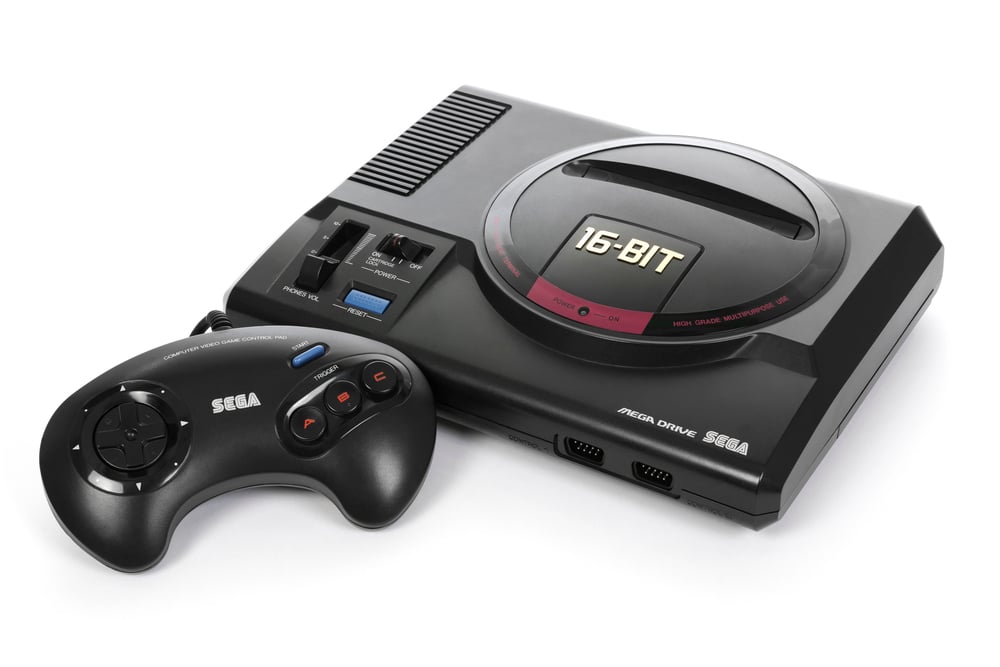
— Photo by robtek
Sega’s 16-bit console sold approximately 30.75 million units worldwide and gave Nintendo its first real fight in the home console market. For 3 consecutive years the Genesis outsold both the SNES and GB in the U.S. Really goes to show how much Sega fucked up in the future by once being the king of consoles in the U.S to completely irrelevant the very next generation.
The Genesis succeeded with Sonic the Hedgehog as its mascot and a library focused on action and sports games that appealed to older players than Nintendo typically targeted.
The Numbers Tell the Story
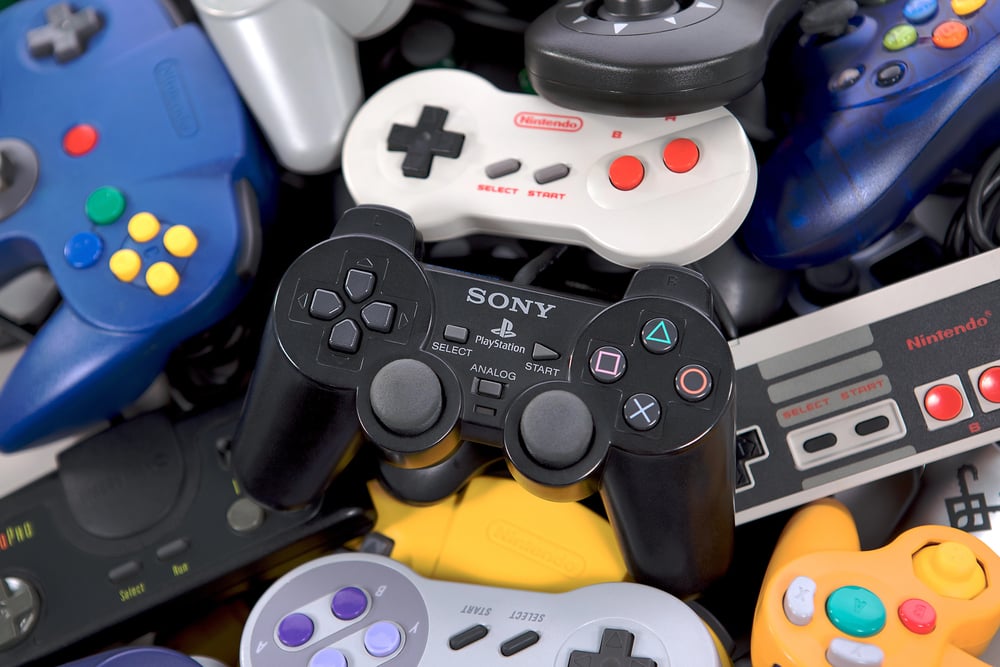
— Photo by robtek
These sales figures reveal fascinating patterns about what makes consoles successful. The top sellers usually nail three things: the right price, great games, and perfect timing.
Sony owns five of the eight spots on the list, a testament to consistent hardware design and an enormous first-party catalogue. Nintendo dominates with innovative approaches that often seem risky but pay off big.
Meanwhile, Microsoft’s presence shows that newcomers can break into established markets with the right strategy, even if staying power requires constant adaptation.
More from Go2Tutors!

- The Romanov Crown Jewels and Their Tragic Fate
- 13 Historical Mysteries That Science Still Can’t Solve
- Famous Hoaxes That Fooled the World for Years
- 15 Child Stars with Tragic Adult Lives
- 16 Famous Jewelry Pieces in History
Like Go2Tutors’s content? Follow us on MSN.



