Ingredients Harvested at Odd Times
Most items grow on regular timetables. Tomatoes come in summer, apples show up during autumn, while citrus appears when it’s cold.
Yet certain things need odder conditions. Instead of light, they thrive in total darkness – some even tied to lunar cycles.
A few rely on exact heat levels, making pickers watch temp gauges like hawks. People learned early: miss the instant, and quality crashes; hit it just right, though, and the effort pays off big time.
Saffron Threads in Morning Hours
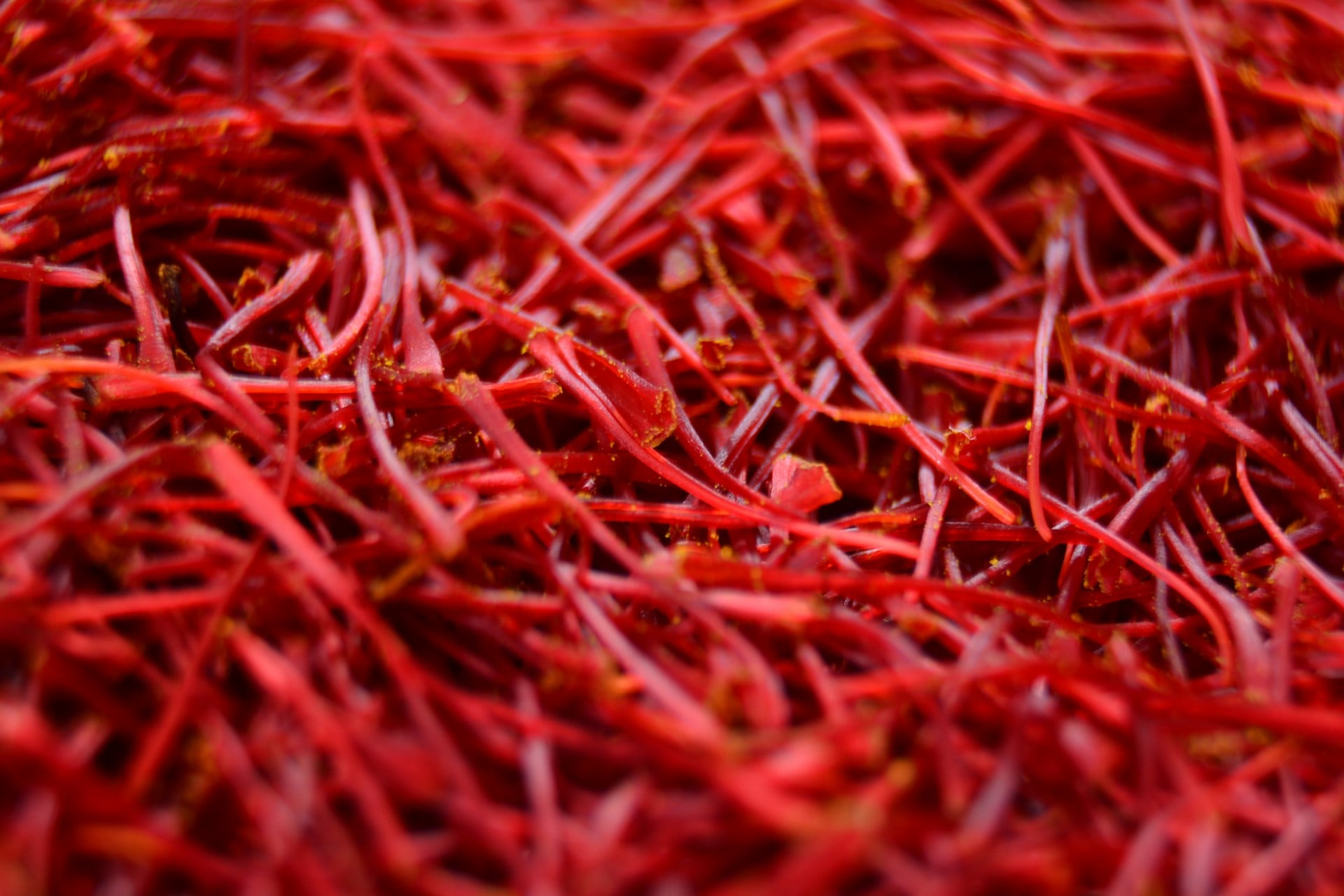
Saffron harvest happens in the early morning hours, typically starting at dawn. The flowers bloom overnight and harvesters must work quickly while they’re fresh.
Some prefer picking before flowers fully open to protect the delicate stigmas, while others wait until the flowers have just opened but are still cool and fresh. Both methods work, but timing is critical—too much sun exposure degrades the volatile compounds that give saffron its distinctive flavor and aroma.
Harvesters work quickly in the morning, picking flowers by hand and depositing them in baskets. The flowers get processed immediately.
Workers sit and carefully pluck the three red stigmas from each flower, discarding the rest. It takes roughly 150 flowers to produce one gram of dried saffron.
The entire process from picking to drying happens within hours of harvest. The timing matters so much that saffron farms in different parts of the world all follow similar early morning schedules.
Whether in Iran, Spain, or Kashmir, the harvest begins while temperatures are cool and before intense sun exposure. Skip this window and you lose money.
The quality drops noticeably if flowers sit in hot sunlight.
Ice Wine Grapes in Deep Freeze

Ice wine requires grapes to freeze naturally on the vine. Not a light frost—a hard freeze at -8°C or colder.
Harvesters wait for this temperature, sometimes for weeks after the normal harvest ends. When the forecast shows the right conditions, picking crews mobilize in the middle of the night.
The grapes must stay frozen during harvest and pressing. This means working in temperatures that make fingers numb, wearing headlamps in darkness, and moving quickly before sunrise warms things up.
The frozen grapes yield very little juice—maybe 15 percent of what unfrozen grapes would give. But that juice is intensely concentrated in sugar and flavor.
Some years, the cold never comes. Winemakers watch their grapes hanging through November, December, sometimes into January.
Birds eat some. Rot takes others.
The gamble pays off only when nature cooperates and the harvest crew can work fast enough in the dark, bitter cold.
Vanilla Beans Hand-Pollinated at Dawn
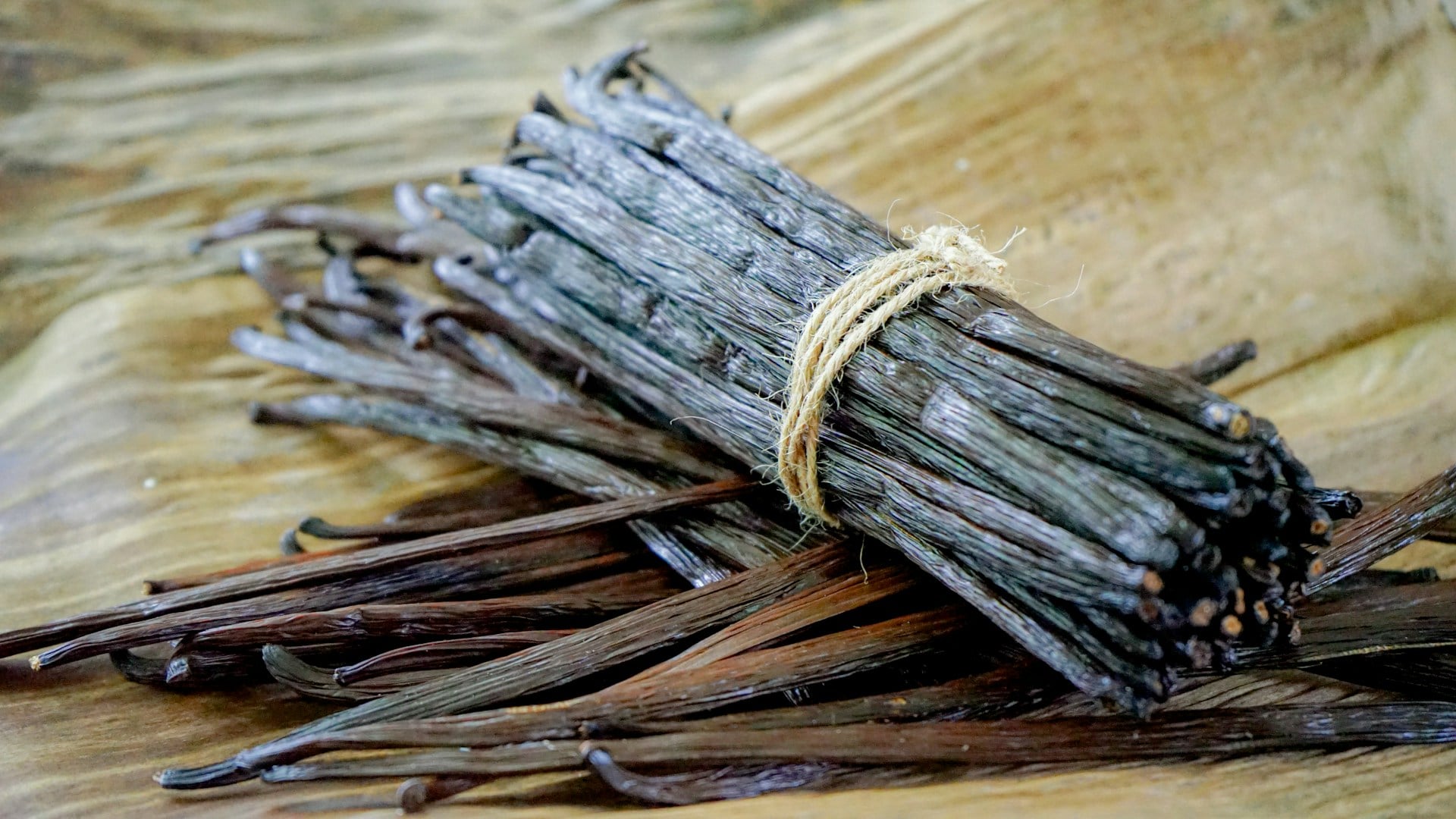
Vanilla orchids bloom for just one day. The flowers open in the morning and close by afternoon.
If pollination doesn’t happen during those few hours, no vanilla bean develops. In cultivation, this pollination happens by hand because the natural pollinators don’t exist outside the vanilla’s native Mexico.
Workers arrive early, carrying small bamboo sticks or pieces of grass blade. They move from flower to flower, carefully lifting a small flap inside each bloom and transferring pollen from the male to female part.
Each flower takes seconds, but the timing is everything. Do it too early and the flower isn’t receptive.
Wait too long and the flower closes. The window is narrow.
A skilled worker can pollinate around 1,000 flowers in a day, but only during morning hours. The rest of the day, there’s nothing to do.
Then the beans take nine months to mature on the vine, followed by months of curing. All that time investment starts with a few morning hours of precise hand pollination.
White Asparagus Under Soil Mounds
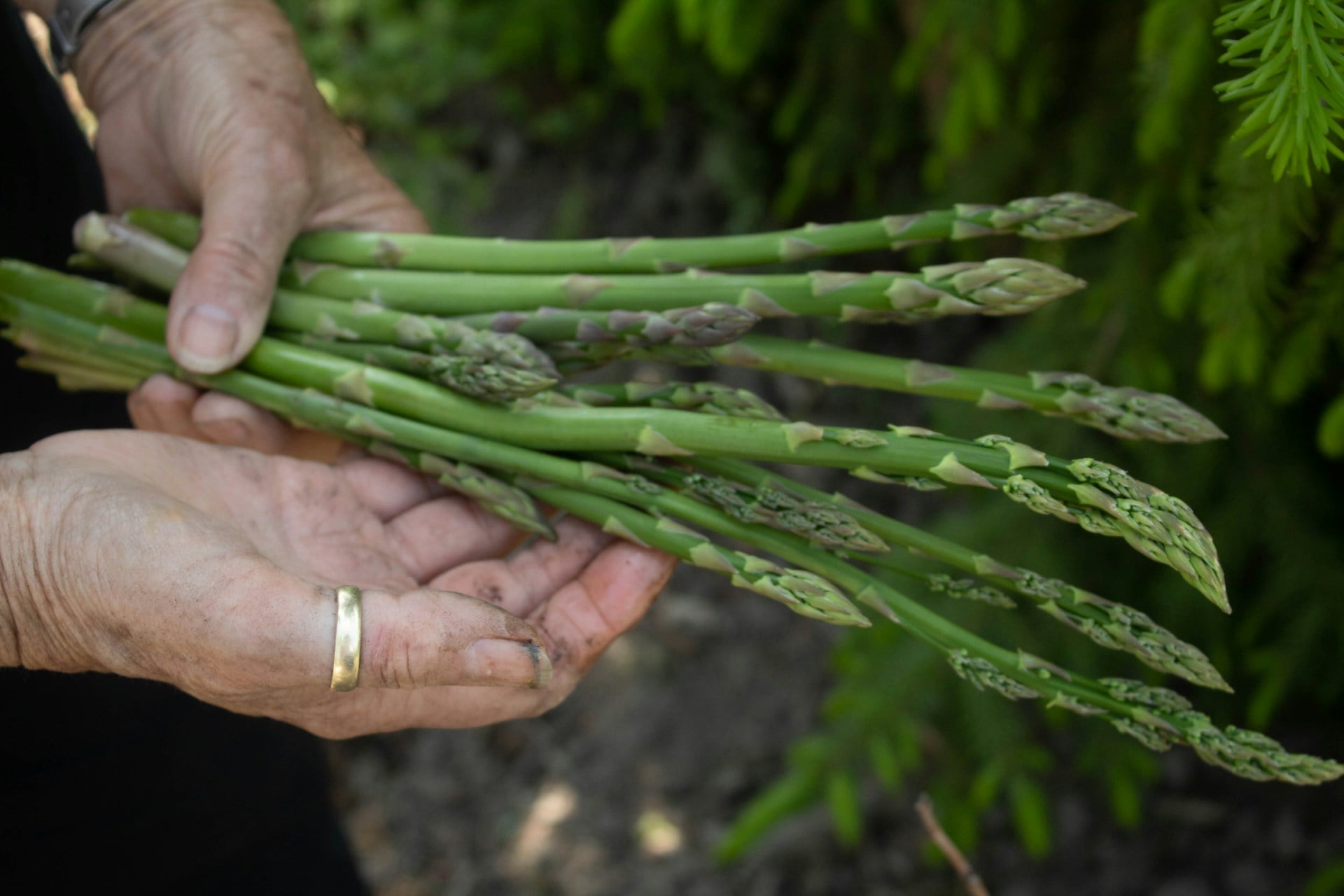
White asparagus grows in total darkness. Farmers mound soil over the emerging spears, blocking all light.
The asparagus pushes up through the dirt, growing pale without chlorophyll. Harvesters must cut the spears before they break through the surface into sunlight.
Once light hits them, they turn green and purple, losing the white color that makes them valuable. This means farmers check the mounds constantly during harvest season.
They look for cracks or bulges in the soil that signal an asparagus spear is about to emerge. The cutting happens immediately, often before dawn when it’s easier to spot the telltale signs.
Workers use long knives to cut below the soil surface, then carefully re-mound the earth over the cut area. The harvest continues for weeks, with the same beds checked multiple times daily during peak season.
Each spear has its moment—cut too early and it’s too thin, too late and it’s already turning green. The timing has to be exact, which is why white asparagus costs more than green.
Someone has to watch dirt mounds and make split-second decisions all season long.
Bird’s Nest Soup Nests
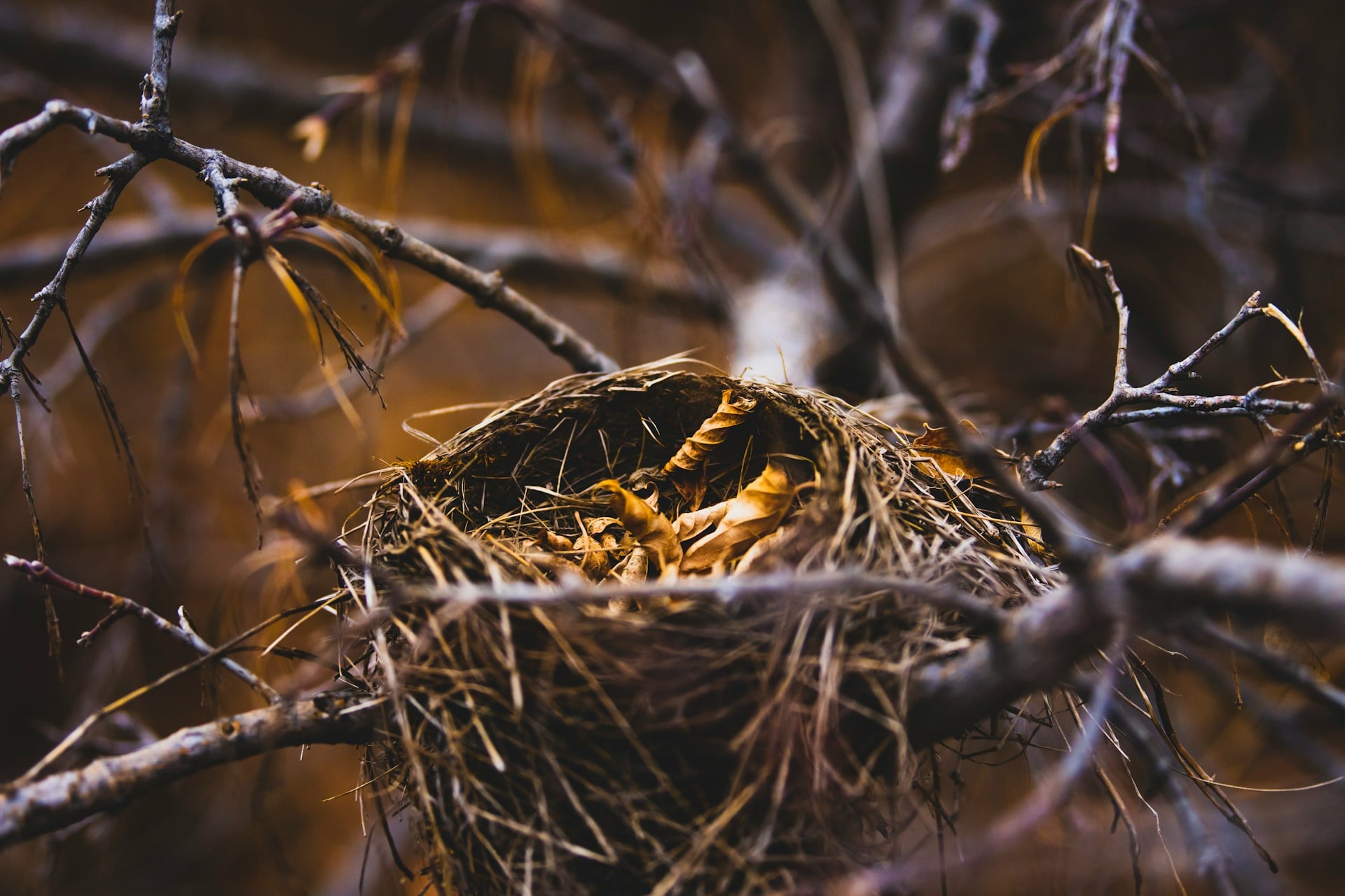
Swiftlet birds build nests from their own saliva, creating edible structures prized in Chinese cuisine. The nests get harvested from caves or specially built houses where the birds nest.
The timing is delicate—take the nests too early and you destroy breeding cycles, take them too late and the nests become fouled or abandoned. Harvesters typically wait until the first clutch of chicks has fledged.
The birds will build new nests, but that first nest, cleaned and prepared before new eggs arrive, is what gets collected. In caves, this means climbing dangerous rock faces in darkness, timing visits to when birds are out feeding, and working quickly before they return.
The harvest season is brief. Miss it and the nests become unusable.
The windows are so tight that professional nest harvesters plan their entire year around a few weeks of collection time. Some caves have been harvested for centuries, with families passing down knowledge of exactly when to climb in and take the nests without harming the bird population.
Maple Syrup Sap During Freeze-Thaw

Maple sap runs when temperatures drop below freezing at night and rise above freezing during the day. This specific pattern creates pressure changes in the trees that push sap out through tap wounds.
The season lasts only a few weeks in late winter and early spring. Too cold and nothing flows.
Too warm and the sap turns bitter as the trees start budding. Producers tap trees and set up collection systems—either buckets or tube networks—and then wait for the right weather.
When the freeze-thaw cycle begins, the harvest happens around the clock. Sap flows when it flows, regardless of convenient working hours.
Producers check their collection systems multiple times daily, gathering sap before it spoils. A late cold snap can extend the season.
An early warm spell can end it abruptly. The trees dictate the schedule completely.
Producers can only respond to what the weather and the trees give them. That window of a few weeks produces the entire year’s supply of syrup.
Matsutake Mushrooms After Rain
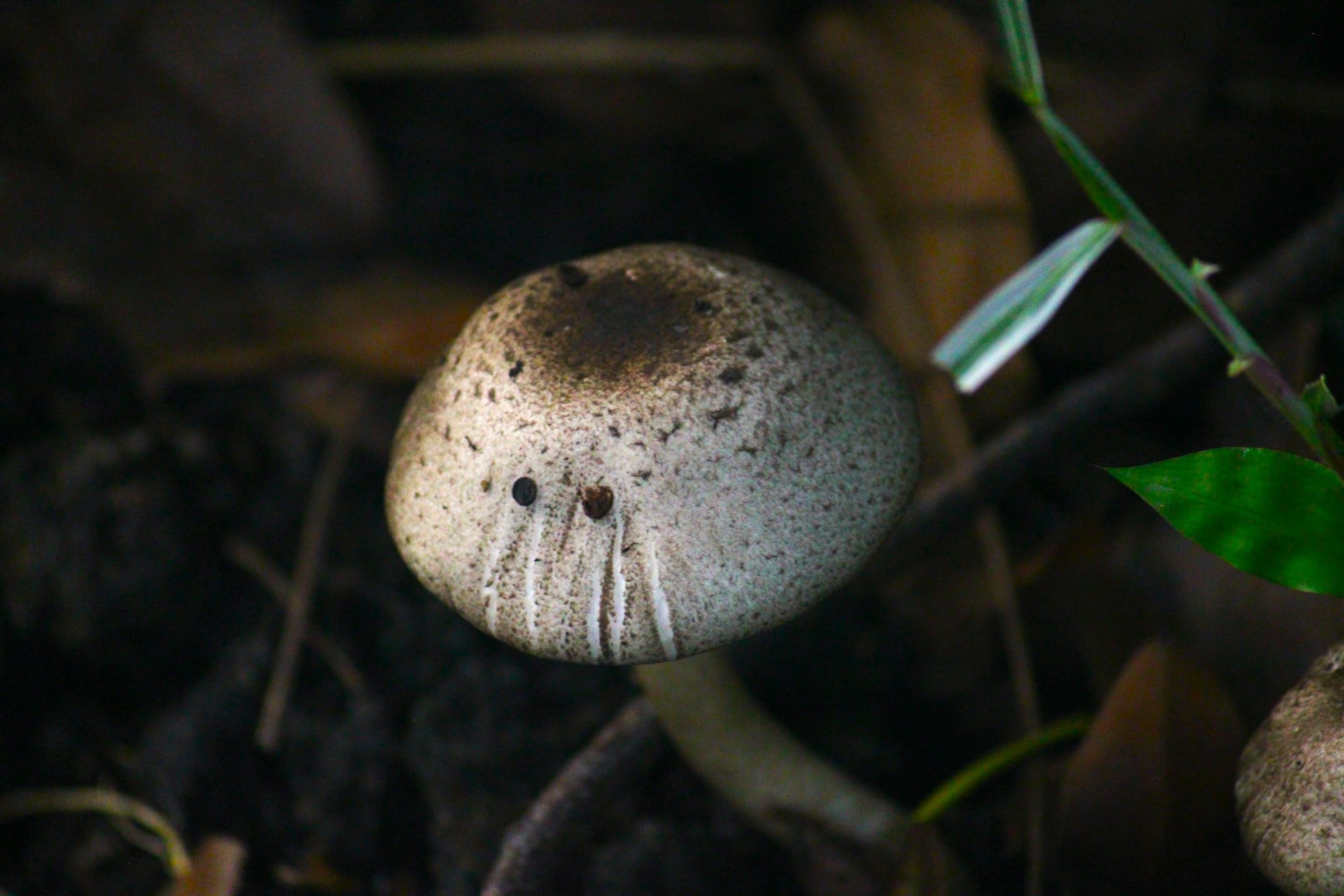
Matsutake mushrooms fruit in the fall after rain, but the timing is unpredictable. Too much rain and they rot.
Too little and they never emerge. Foragers watch the weather obsessively, waiting for that perfect combination of rain followed by a few dry days.
When conditions look right, they head into the forests, usually at dawn when the mushrooms are freshest and before other foragers arrive. The mushrooms hide under pine needles and duff.
Experienced foragers know where to look, but even they can’t predict exactly when matsutake will appear. The fruit might last two weeks or six, depending on weather.
Once the cold really sets in, the season ends abruptly. There’s no extending it.
Foragers keep their locations secret and their timing close. The same spots produce year after year, but only during those few weeks when everything aligns.
Commercial foragers make their entire annual income during this brief harvest window, working long days while the mushrooms appear.
Civet Coffee Beans from Droppings
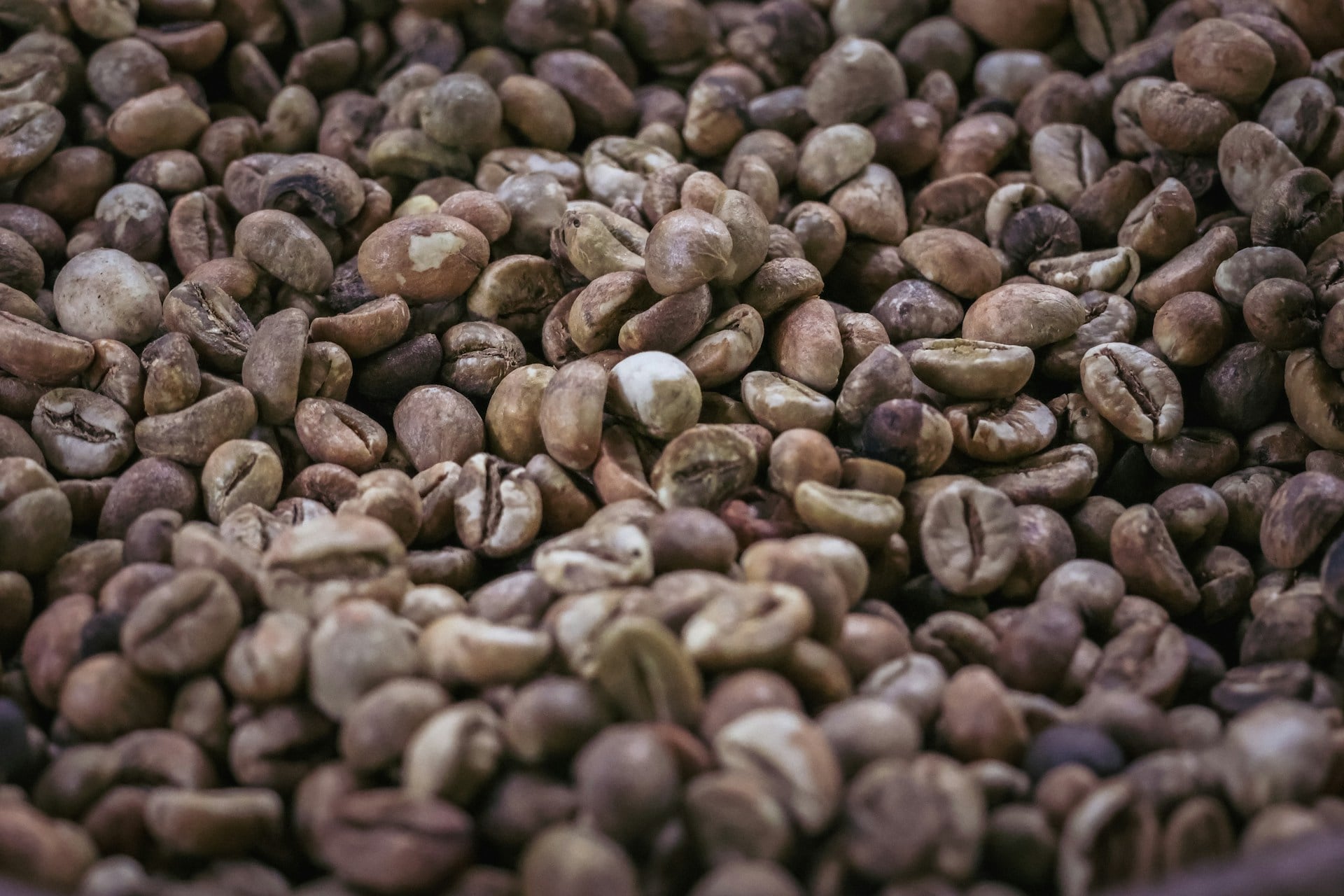
Palm civets eat coffee cherries and partially digest them. The beans pass through, undergoing fermentation in the animal’s digestive system before being excreted.
Collectors follow civets or search beneath trees where they feed, gathering the droppings and extracting the beans. The timing matters because fresh droppings produce better beans than old ones.
Collectors check feeding trees daily during the season when civets are most active eating coffee cherries. This often means early morning searches when the droppings are recent.
Leave them too long and beetles, weather, or other animals damage the beans. Wild civet coffee collection happens seasonally, following the coffee cherry ripening period.
Collectors need to know civet behavior, where they feed, and when they’re most active in those areas. It’s a strange harvest schedule dictated by animal digestion and defecation patterns rather than crop maturity.
Pandan Leaves Before Flowering

Pandan leaves are harvested before the plant flowers. Once flowering begins, the leaves lose much of their aromatic quality and become tougher.
Growers watch the plants carefully, cutting leaves when they’re mature but before any signs of flowering appear. In tropical climates, this means constant monitoring.
The plants can flower unexpectedly, and that window of peak aromatic quality is brief. Harvesters cut leaves regularly, taking the oldest ones while they’re still at their best.
Wait too long and the harvest quality declines. This isn’t a once-a-year harvest.
Pandan can produce leaves continuously in the right climate. But each leaf has its moment, and timing the cut correctly makes the difference between fragrant, pliable leaves and tough, less aromatic ones.
Commercial growers employ people specifically to monitor leaf maturity and make harvesting decisions daily.
Sea Urchin Roe at Peak Season
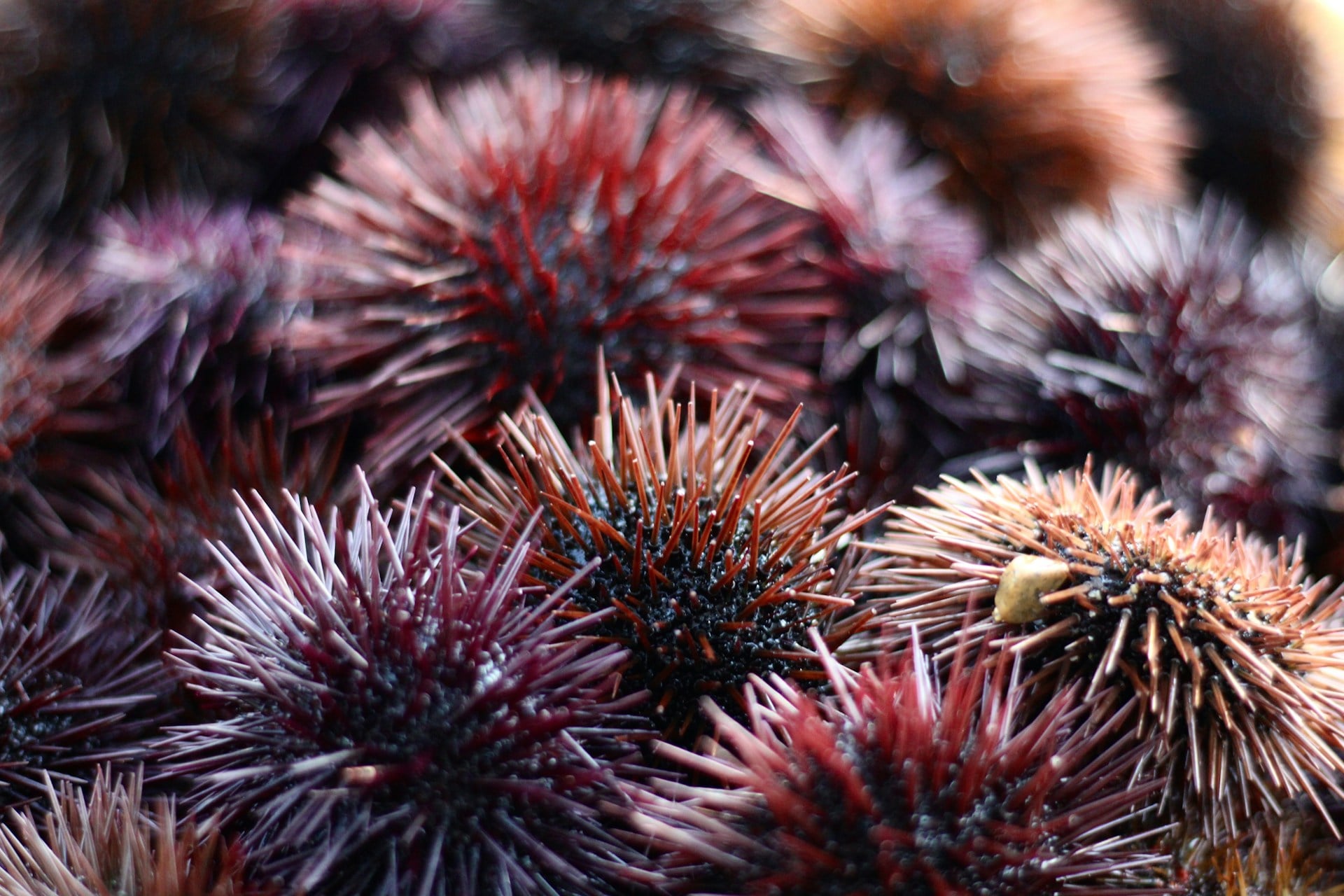
Sea urchin roe (uni) quality depends heavily on harvest timing. The gonads are best right before the spawning season when they’re full and firm.
After spawning, the roe becomes watery and less desirable. Different species and locations have different spawning times, so the ideal harvest window shifts.
Divers check water temperatures and urchin size to determine harvest timing. In some areas, this means winter diving in cold water.
In others, it’s fall. The window might last several months but hitting peak quality requires precision.
Too early and the roe isn’t fully developed. Too late and spawning has begun.
Urchins hide in crevices and under rocks. Divers work during specific tidal conditions, when underwater visibility is good and urchins are accessible.
This often means diving at particular times of day, in particular seasons, and only when weather and tides cooperate. A combination of natural factors that align for limited periods each year.
Bamboo Shoots in Spring Growth
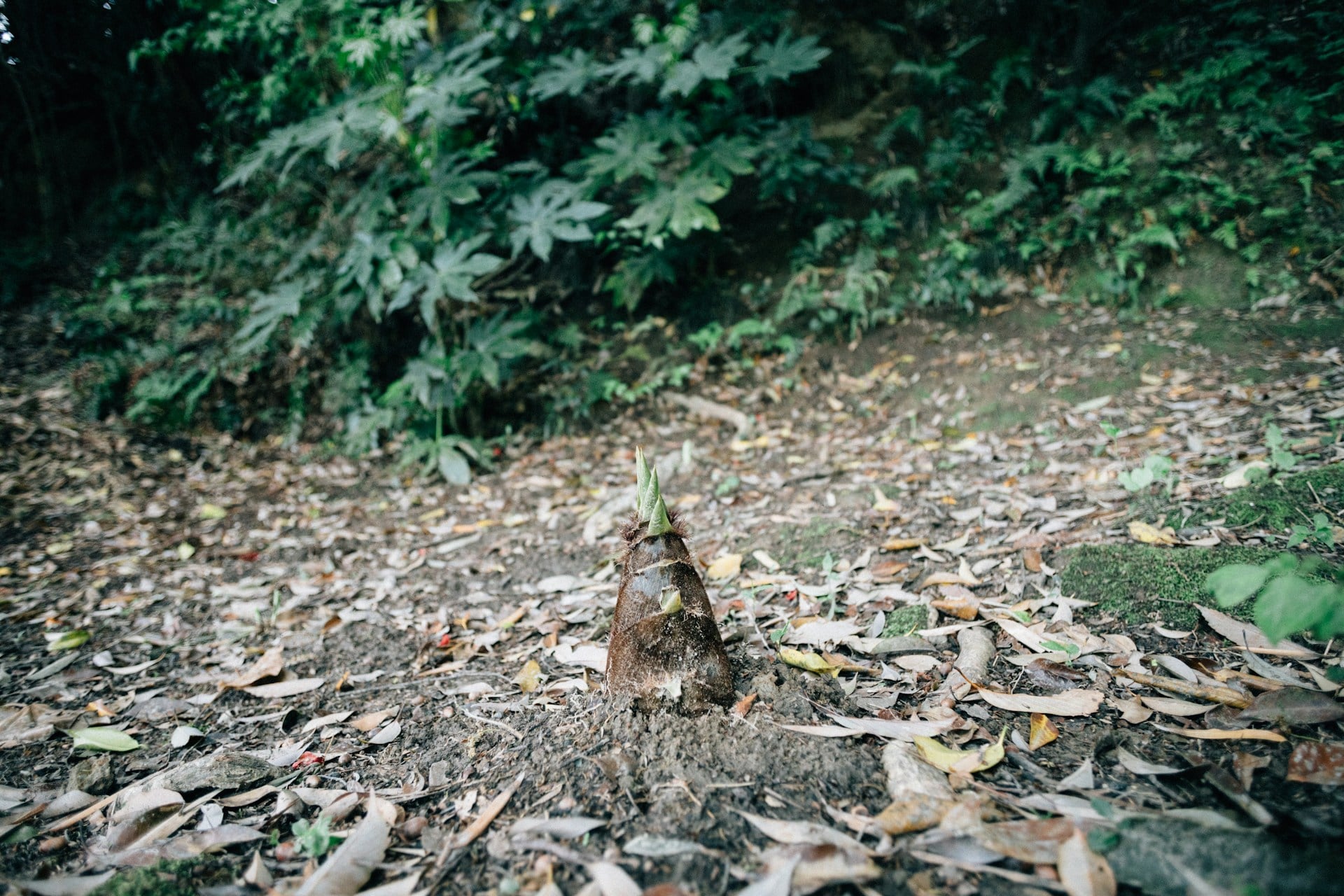
Bamboo shoots must be harvested within days of emergence. They grow incredibly fast—some species can grow three feet in 24 hours during peak spring growth.
The young shoots are tender and edible, but they quickly become tough and bitter as they mature. The harvest window for each shoot is extremely brief.
Harvesters check bamboo groves daily during the spring sprouting season. When shoots appear, they’re cut immediately at ground level.
Wait even a few days and the shoot becomes too woody to eat. This creates an intense harvest period of several weeks when shoots emerge constantly and must be cut right away.
The timing requires daily vigilance. A shoot that wasn’t there yesterday might be too mature by tomorrow.
In regions where bamboo shoots are commercially important, harvesters patrol groves multiple times daily, cutting shoots at just the right stage. The season passes quickly, compressed into a few weeks of frantic activity.
Lotus Root Underwater in Winter
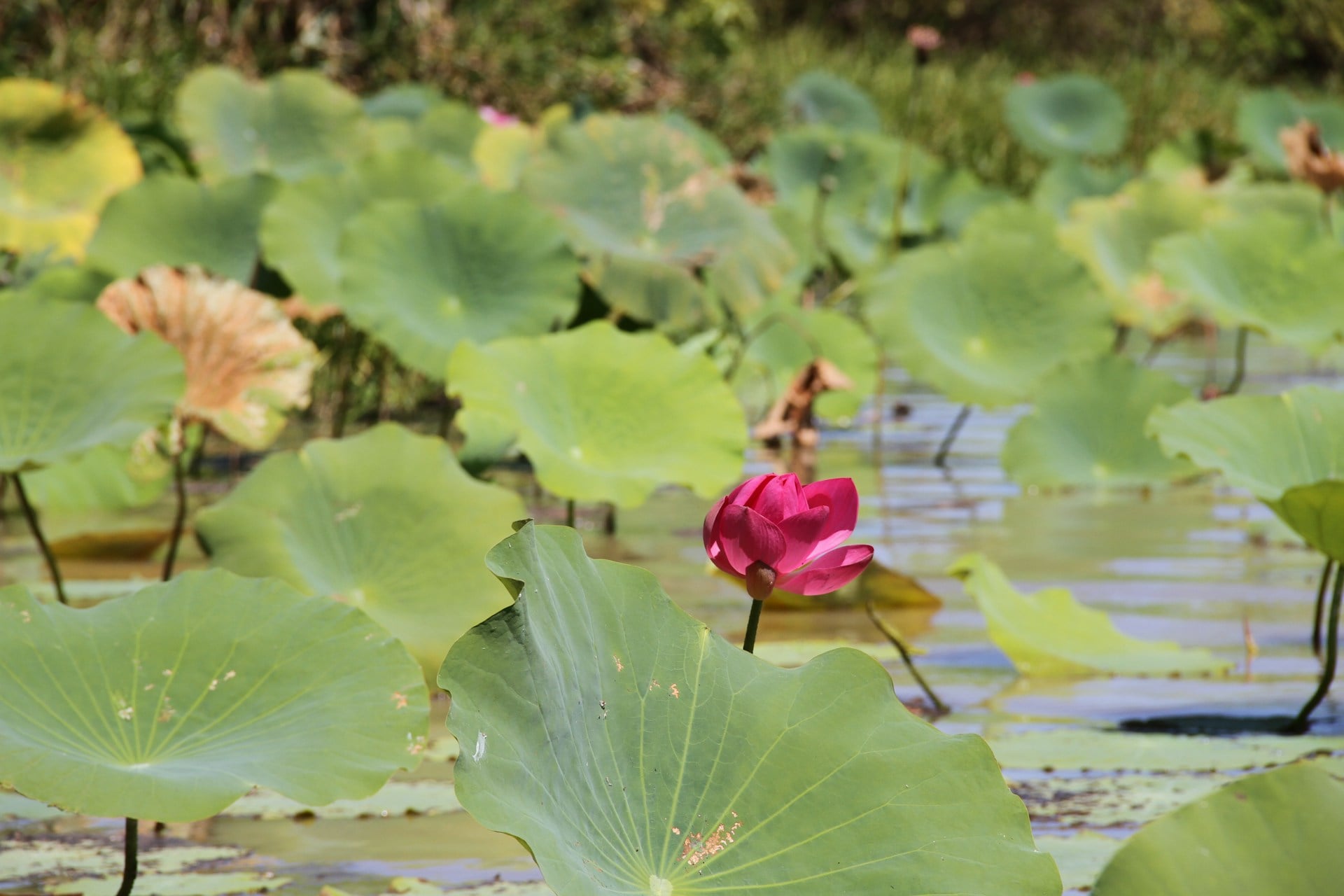
Lotus roots harvest happens in winter when the plants have died back. Harvesters wade into cold ponds or paddies, often in near-freezing temperatures, and dig through mud to extract the rhizomes.
The cold water is part of the point—winter harvest means the roots have stored maximum starch and have the best texture. The work is miserable.
Standing in icy water, feeling through mud with your hands or feet to locate roots, then digging them out without breaking them. But the timing produces superior roots.
Summer roots are waterlogged and less flavorful. Fall roots are still growing.
Winter roots are perfect. This harvest happens for a few months when water is cold enough but not yet frozen.
In some regions, harvesters literally break ice to reach the mud beneath. The cold intensifies the roots’ flavor and sweetness.
Nobody would choose these conditions if the timing didn’t matter so much for quality.
Truffles Within Days of Maturity

Truffles mature underground and must be found within a few days of ripening. Too early and they lack aroma.
Too late and they start to rot. Dogs trained to smell ripe truffles lead hunters through forests, indicating when and where to dig.
The timing is so precise that hunters check the same locations repeatedly during the season, waiting for each truffle to reach peak ripeness. A truffle bed produces over weeks or months, but each individual truffle has only a few days when it’s perfect.
Hunters return to known locations every few days, letting the dog indicate which spots are ready for harvest. Miss the window and that truffle is worthless.
The next day might be too late. This means truffle hunters work throughout the season, checking and rechecking locations, harvesting sporadically as truffles mature.
There’s no single harvest day. Instead, it’s weeks of daily checks, with the dog determining what gets dug up and when.
The season dictates a schedule, but each truffle creates its own tiny harvest window within that larger timeframe.
When Nature Sets the Clock
These ingredients have one thing in common – odd picking hours. Each forces people to shift their routines based on what nature decides, not personal plans.
Saffron blooms won’t hang around for your morning break. Ice wine grapes refuse to thaw just because it’s time to work.
Timing bends entirely to the raw material itself. This makes it tough plus costly.
Workers need to show up late – or early – in rough spots, when timing’s tight. You’ve got to set aside effort for picking it right on schedule, no delays allowed.
Part of why it’s so valued ties back to how hard it is to get. The moment something happens shapes how good it turns out.
This isn’t about random habits or sales tricks. It’s the mix – the lack of light, the chill, the short stretch when things are just ripe – that decides what the item actually turns into.
Shift that schedule, and the result shifts too – most times, not in a good way. That’s why pickers prep early, watch the temp, then stay alert until the environment gives the go-ahead to start.
More from Go2Tutors!

- The Romanov Crown Jewels and Their Tragic Fate
- 13 Historical Mysteries That Science Still Can’t Solve
- Famous Hoaxes That Fooled the World for Years
- 15 Child Stars with Tragic Adult Lives
- 16 Famous Jewelry Pieces in History
Like Go2Tutors’s content? Follow us on MSN.



