Pop Culture Items Used Beyond Their Original Purpose
Pop culture has a funny way of sneaking into everyday life. What starts as a movie prop, a toy, or a branded product often ends up serving a completely different function than anyone ever imagined.
Let’s look at some of the most surprising ways people have repurposed items from TV shows, movies, and popular brands.
Tiffany & Co. boxes as storage containers
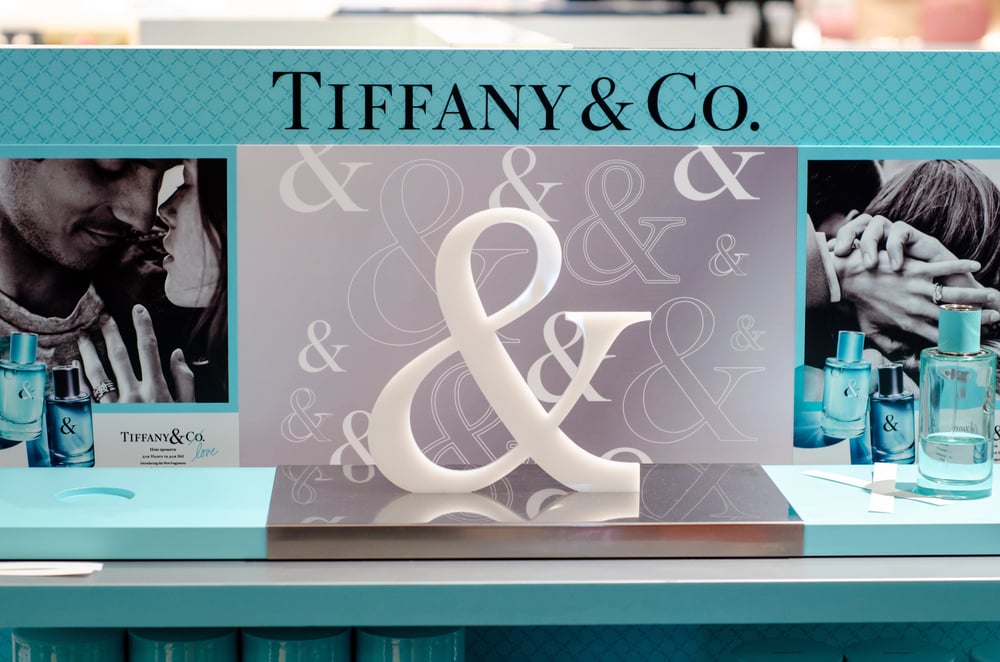
Those iconic robin’s egg blue boxes weren’t meant to last forever, but people can’t seem to throw them away. The boxes pile up in closets and drawers across America, holding everything from buttons to spare keys.
Some folks use them to store jewelry that didn’t come from Tiffany’s at all. The brand probably didn’t expect their packaging to become a household organization system, but the boxes are too nice to toss in the recycling bin.
VHS tape cases as sandwich holders
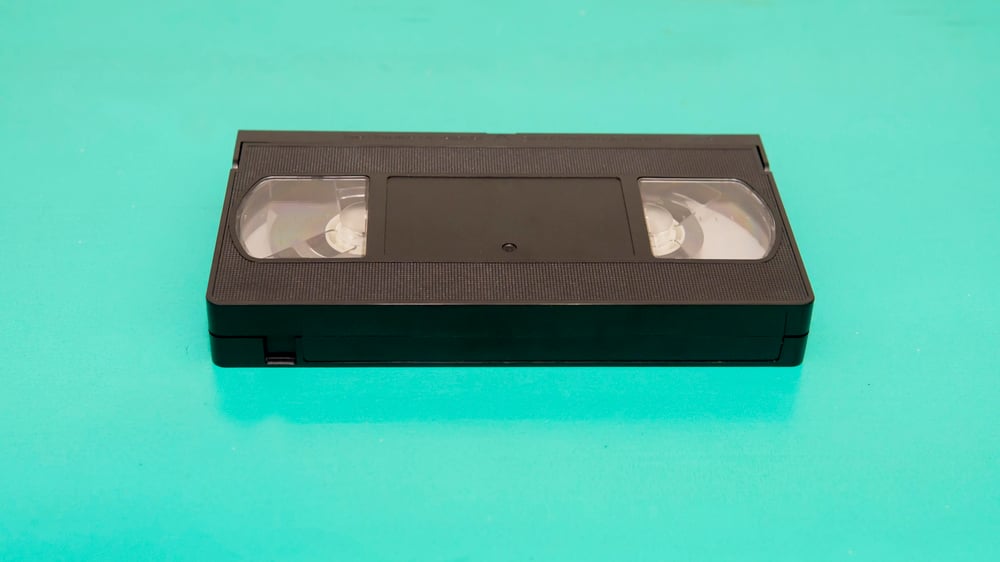
Before streaming took over, VHS tapes lined shelves in millions of homes. When DVDs replaced them, the plastic cases found new life in lunch boxes and backpacks.
The rectangular shape fits sandwiches perfectly, and the hinged design keeps bread from getting squished. Kids in the 90s and early 2000s showed up to school with their lunch protected by cases that once held Disney movies or workout videos.
Altoids tins as survival kits
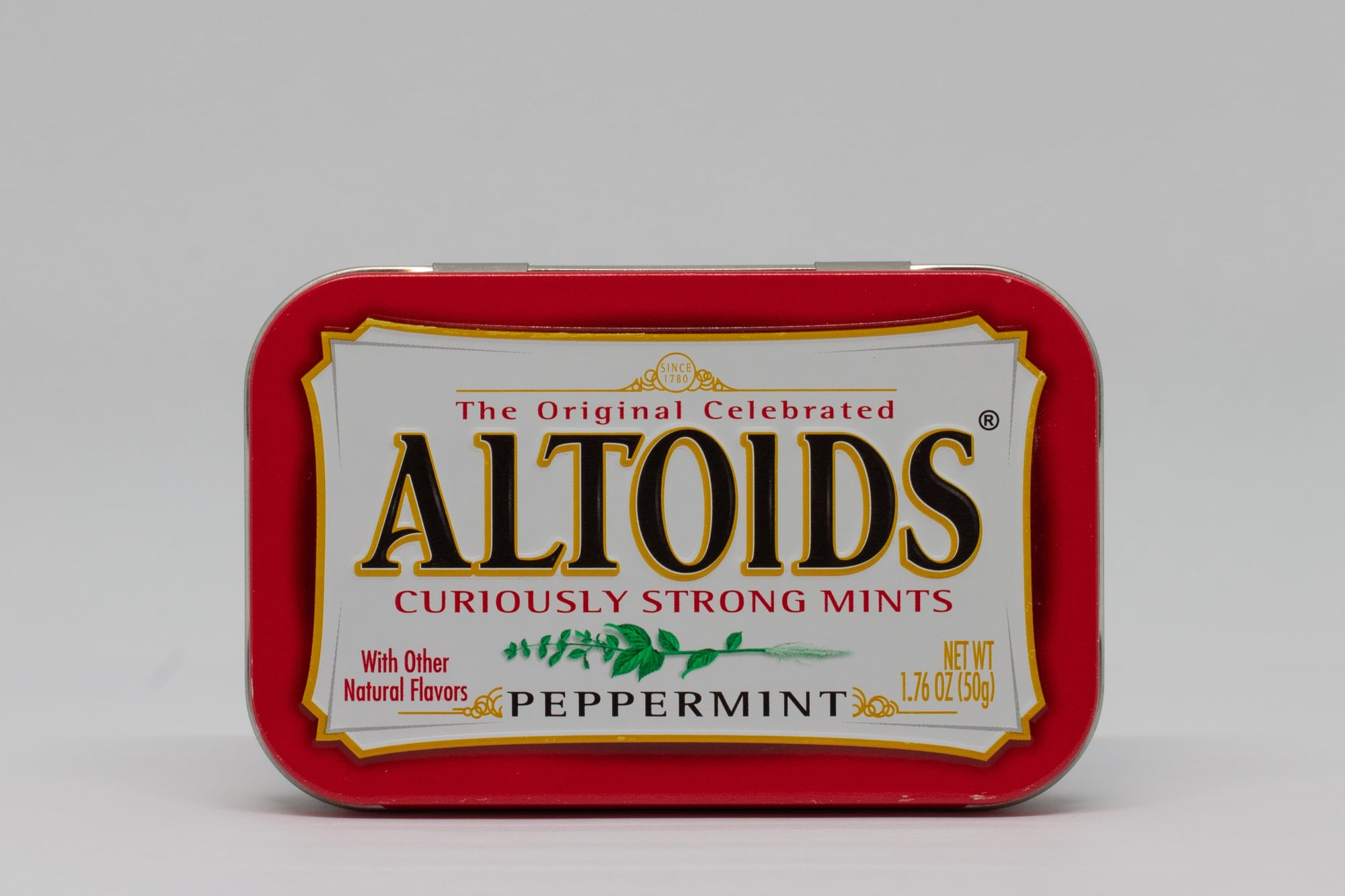
The curiously strong mints come in a sturdy metal tin that’s practically indestructible. Hikers, campers, and emergency preparedness enthusiasts started filling these tins with first aid supplies, fishing hooks, matches, and other tiny essentials.
The compact size fits in any pocket, and the tight seal keeps moisture out. Altoids had no idea their mint container would become a staple of outdoor survival culture.
Pizza Hut’s BOOK IT! buttons as fashion accessories
In the 1980s and 90s, elementary school kids earned small circular buttons for reading books through Pizza Hut’s literacy program. These pins were supposed to be worn once or twice before being forgotten in a junk drawer.
Instead, people started collecting them and pinning entire sets to backpacks, jean jackets, and messenger bags as a nostalgic fashion statement. The buttons became badges of honor that had nothing to do with reading achievements anymore.
AOL CDs as art and coasters

America Online mailed out millions of free trial discs in the 1990s, flooding mailboxes with more CDs than anyone needed. Creative people turned the shiny discs into drink coasters, wall art, and even holiday ornaments.
Some artists used them for mosaic projects or scarecrow decorations in gardens. AOL wanted people to install their internet service, but the discs ended up serving practically every purpose except that one.
IKEA bags as moving and storage solutions
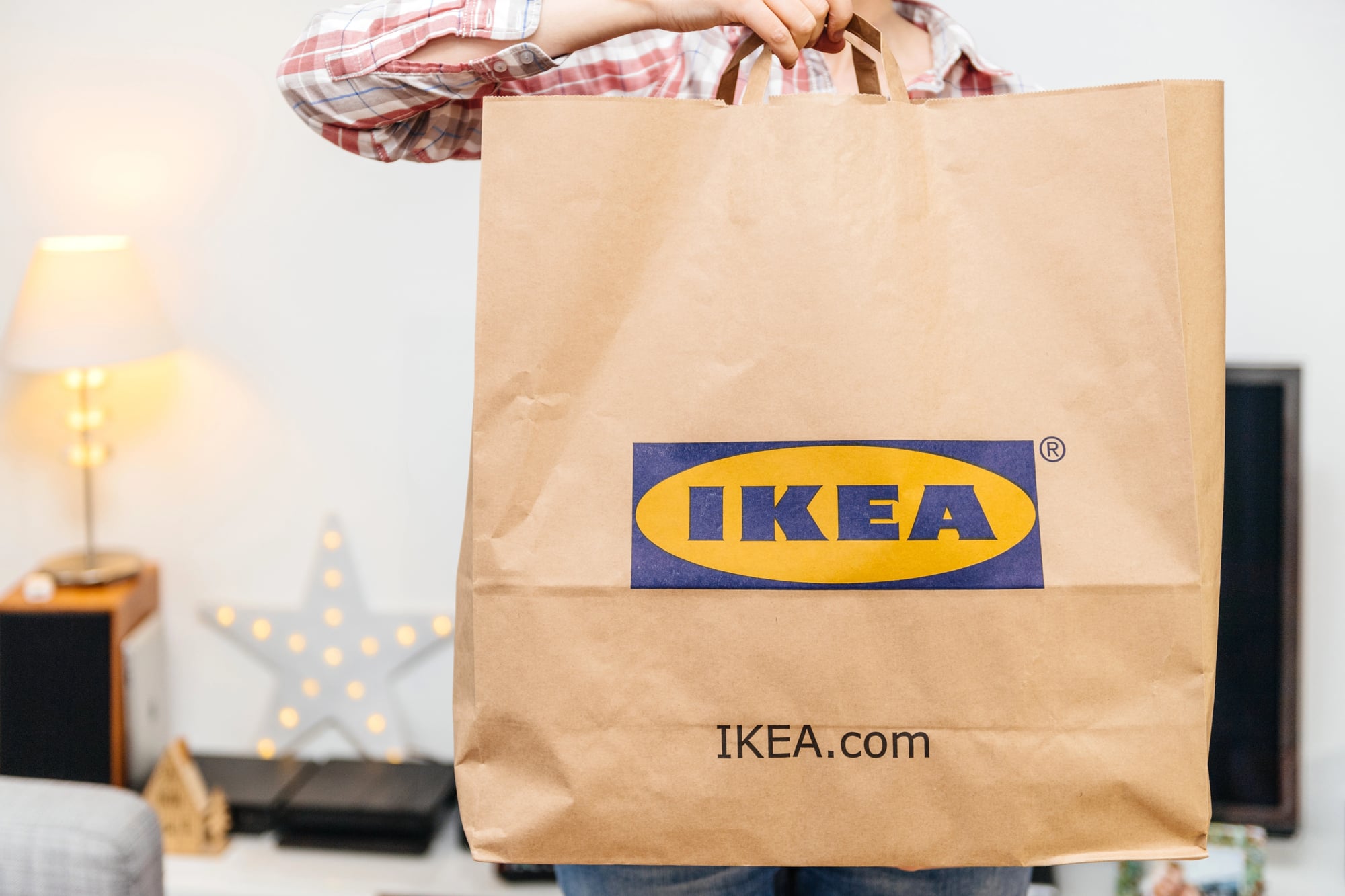
The giant blue FRAKTA bag costs less than a dollar and holds an absurd amount of stuff. College students use them for moving between dorms, beachgoers pack them with towels and toys, and crafters store yarn and fabric in them.
IKEA designed the bag to carry purchases from the store to the car, but it became the unofficial luggage of budget travelers and DIY enthusiasts everywhere.
Tic Tac containers for pills and spices
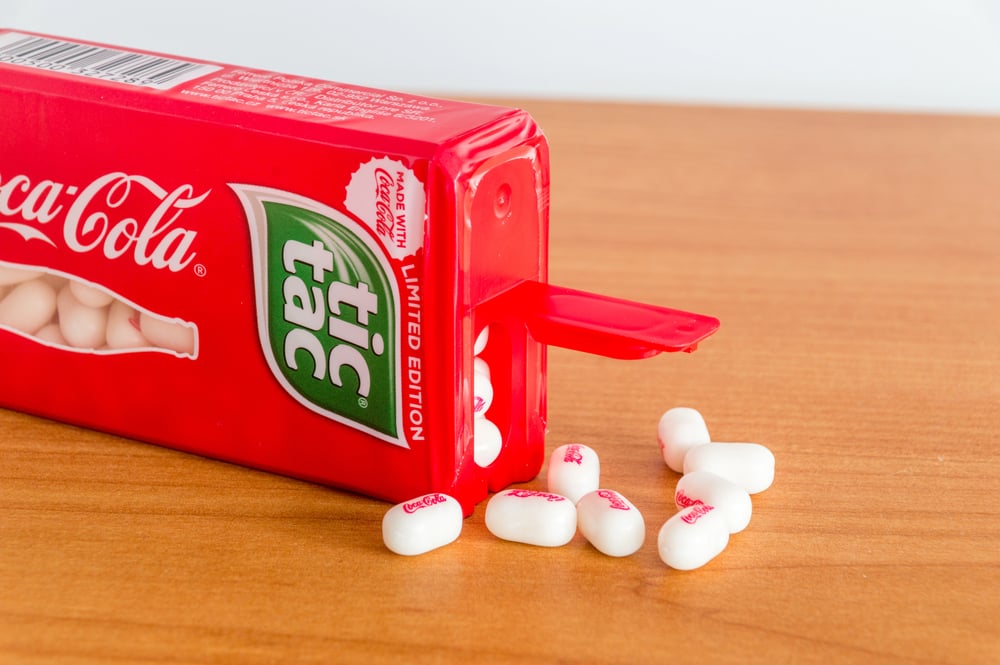
The small plastic containers with flip-top lids are perfect for holding much more than breath mints. People stash vitamins, aspirin, and prescription pills in them for travel.
Home cooks use empty Tic Tac boxes to store small amounts of expensive spices like saffron or vanilla beans. The clear plastic makes it easy to see what’s inside, and the size fits perfectly in purses and pockets.
Pringles cans as speaker systems
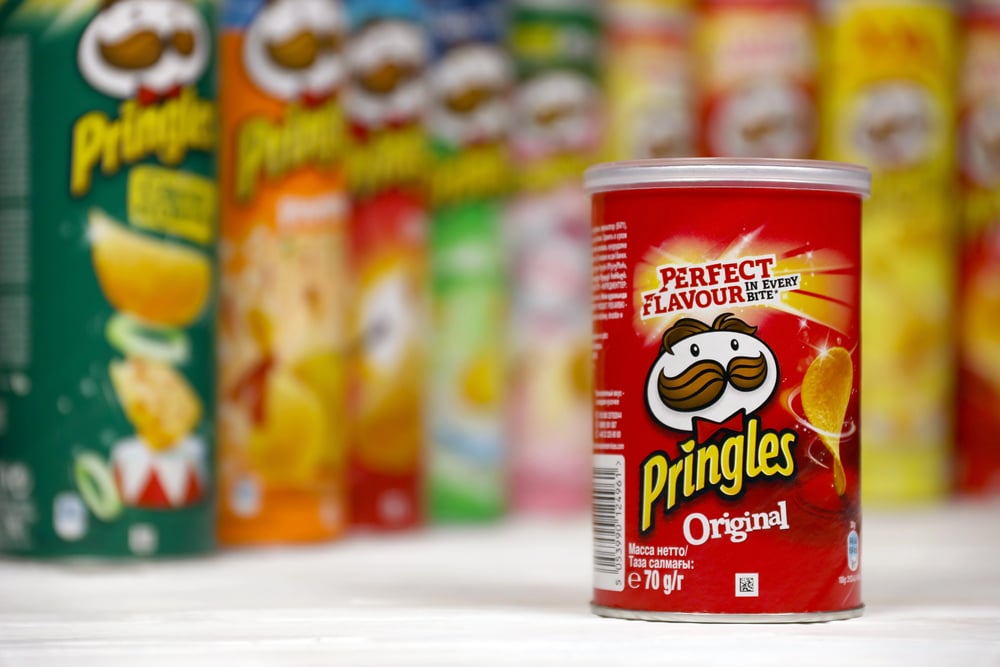
The tall cylindrical shape of a Pringles can create surprisingly decent acoustics when paired with a smartphone. DIYers cut openings in the can and position phones to amplify sound for impromptu parties or outdoor gatherings.
Others use the cans to store spaghetti, knitting needles, or paintbrushes. The chip company never advertised these alternative uses, but the internet made them common knowledge.
Band-Aids as screen protectors

Before tempered glass screen protectors existed, people slapped adhesive bandages over cracked phone screens to keep using their devices. The clear center part of some bandages provided just enough coverage to prevent further damage and avoid cuts from broken glass.
Johnson & Johnson created Band-Aids for wounds, not electronics, but desperate phone owners found a workaround until they could afford repairs.
Lego bricks as cable organizers
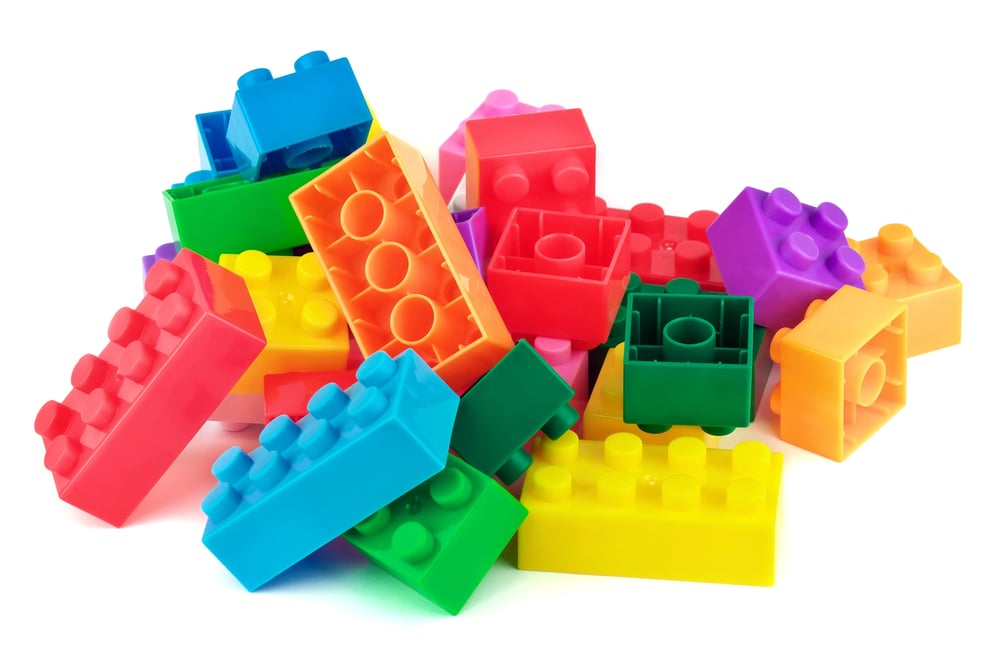
The small plastic building blocks snap together and stick to surfaces, making them ideal for managing charging cables and cords. People glue Lego base plates to desks and use the bricks to create custom cable holders that keep wires from tangling.
The toy company built an empire on imaginative play, but adults found a practical office solution hiding in their kids’ toy bins.
Tupperware as paint palettes
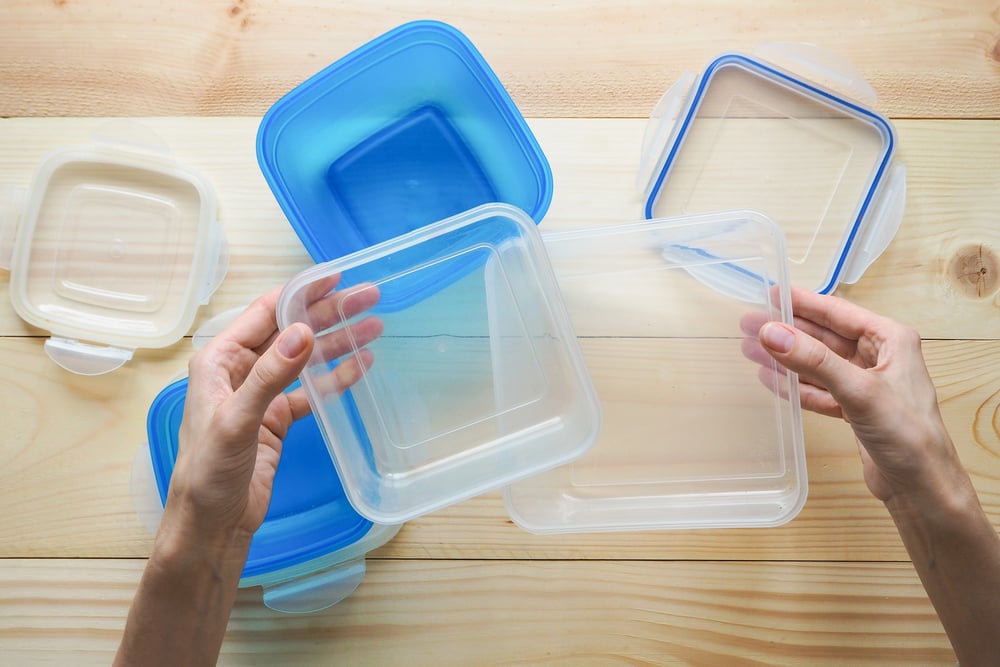
Artists working on a budget discovered that plastic food containers make excellent disposable paint mixing surfaces. The containers are cheap, easy to clean, and come in various sizes for different projects.
Tupperware built a business on food storage, but art students and hobbyists gave the products a second career in studios and classrooms.
Silly Putty as lint remover
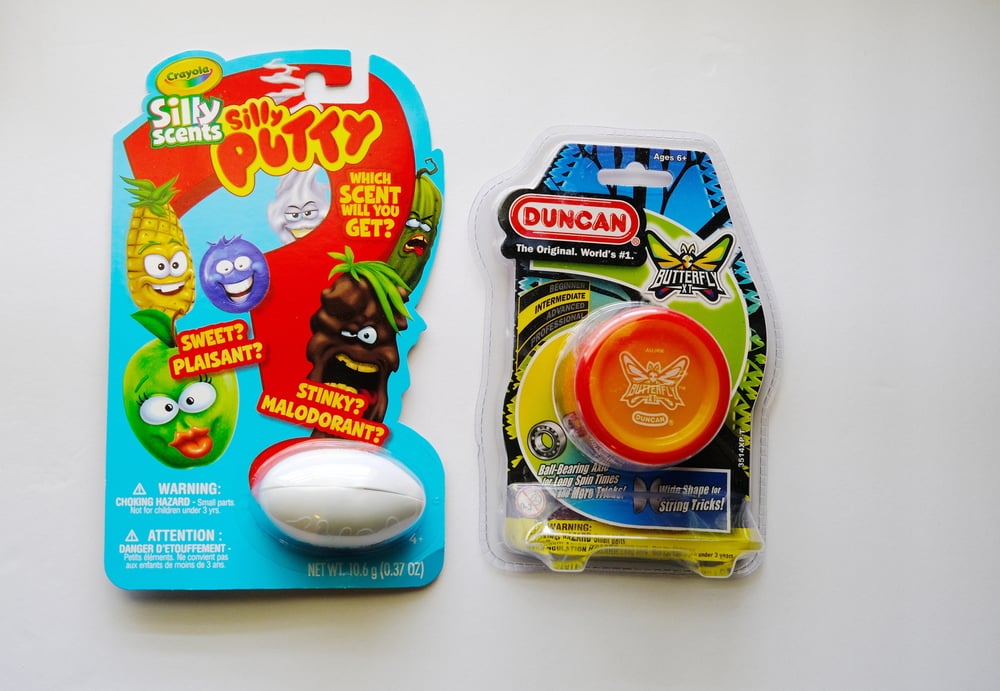
The stretchy, bouncy toy from the 1950s picks up dirt, pet hair, and lint from clothing better than many products designed specifically for that purpose. Dab the putty on fabric and it lifts debris without leaving residue.
The toy was meant for play, but it became a quick fix for wardrobe emergencies and a staple in theater costume departments.
McDonald’s straws as bubble wands
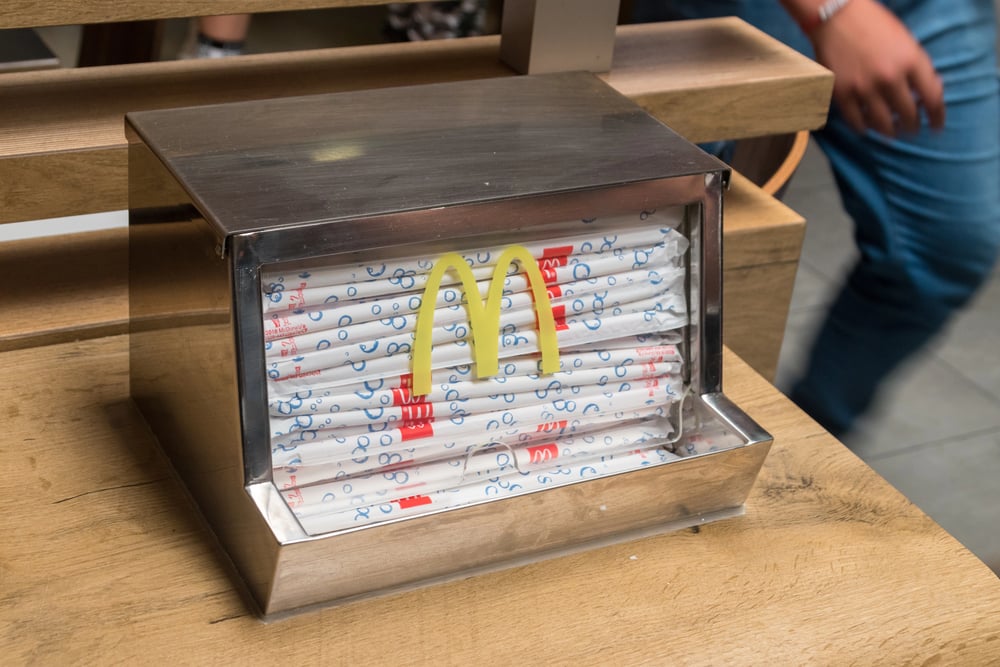
The wide diameter of fast food straws creates bigger bubbles than the tiny wands that come with bubble solution bottles. Parents figured this out quickly and started saving straws from Happy Meals for backyard fun.
McDonald’s straws were engineered for thick milkshakes, but they accidentally became the preferred tool for bubble enthusiasts.
Shower caps as food covers

Hotels provide complimentary shower caps that many guests never use for their hair. These elastic-edged plastic covers fit perfectly over bowls of leftovers or cut fruit in the fridge.
The waterproof material keeps food fresh, and the elastic creates a tight seal. Hotel amenity suppliers had no clue their product would end up in kitchens instead of bathrooms.
Bubble wrap as insulation
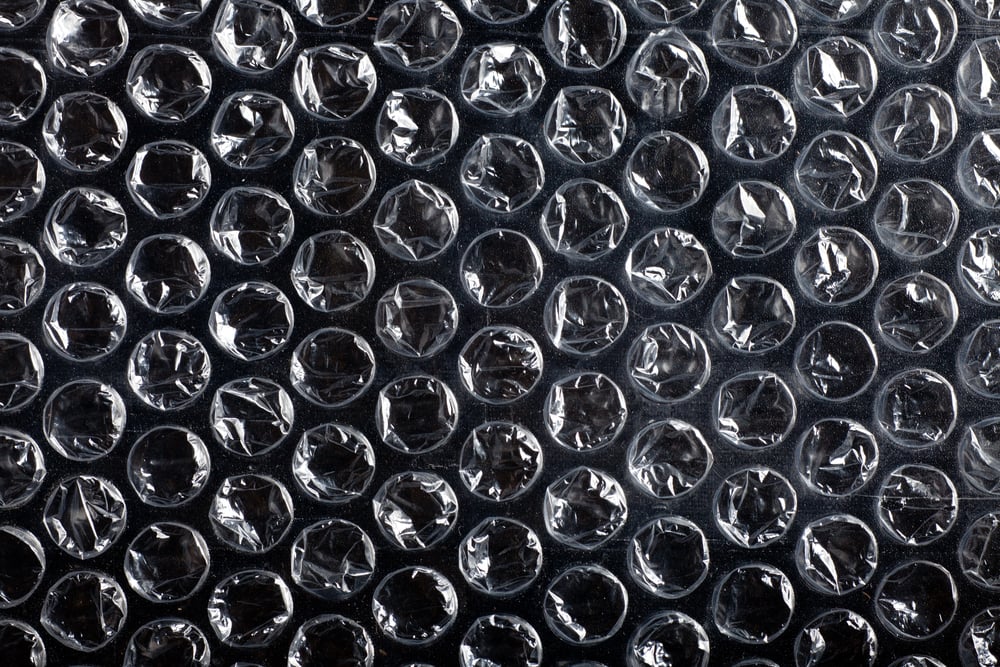
The packaging stuff meant to keep delicate things safe while moving actually holds air, acting like a barrier. Folks stick bubble wrap on windows when it’s cold outside – helps hold in warmth, wraps around outdoor pipes so they don’t crack from ice, even use it under sleeping bags for added cozy.
Yeah, popping those bubbles feels good, yet what you can do with it beats just fidgeting by far.
Vinyl records turned into wall clocks
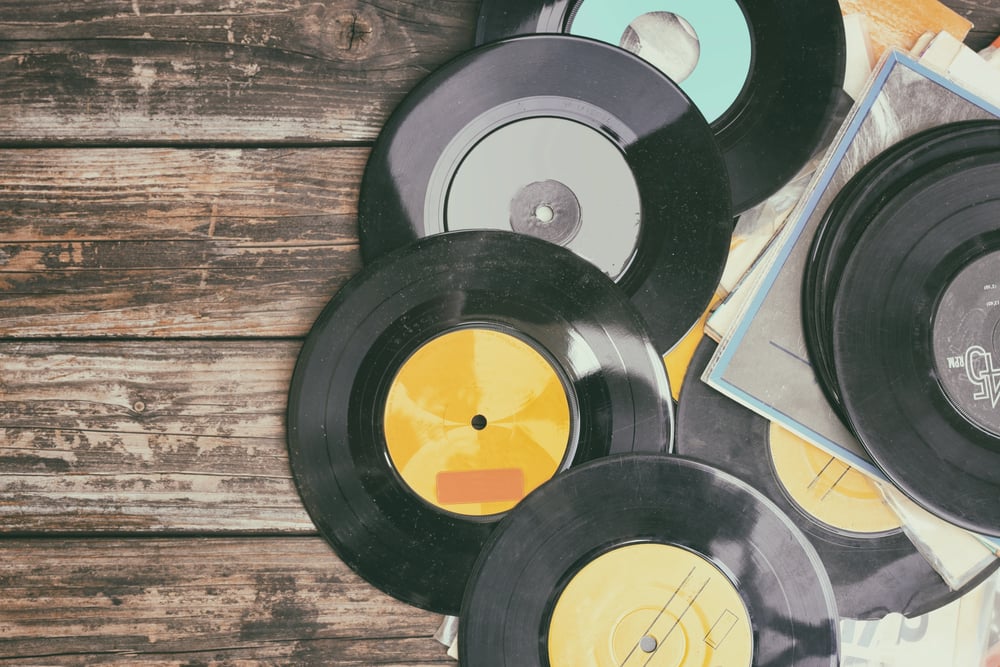
Old vinyls that don’t play right anymore are turning into cool clocks since everything’s digital now. Instead of tossing them out, people add an opening in the middle, slot in clock parts – boom, instant wall piece with vibe.
Fans hang up albums they love, even if scratched, so they look good and actually work. These disks were made for sound, sure, yet these days? Half of ‘em just sit there ticking away.
Bread clips as cord labels
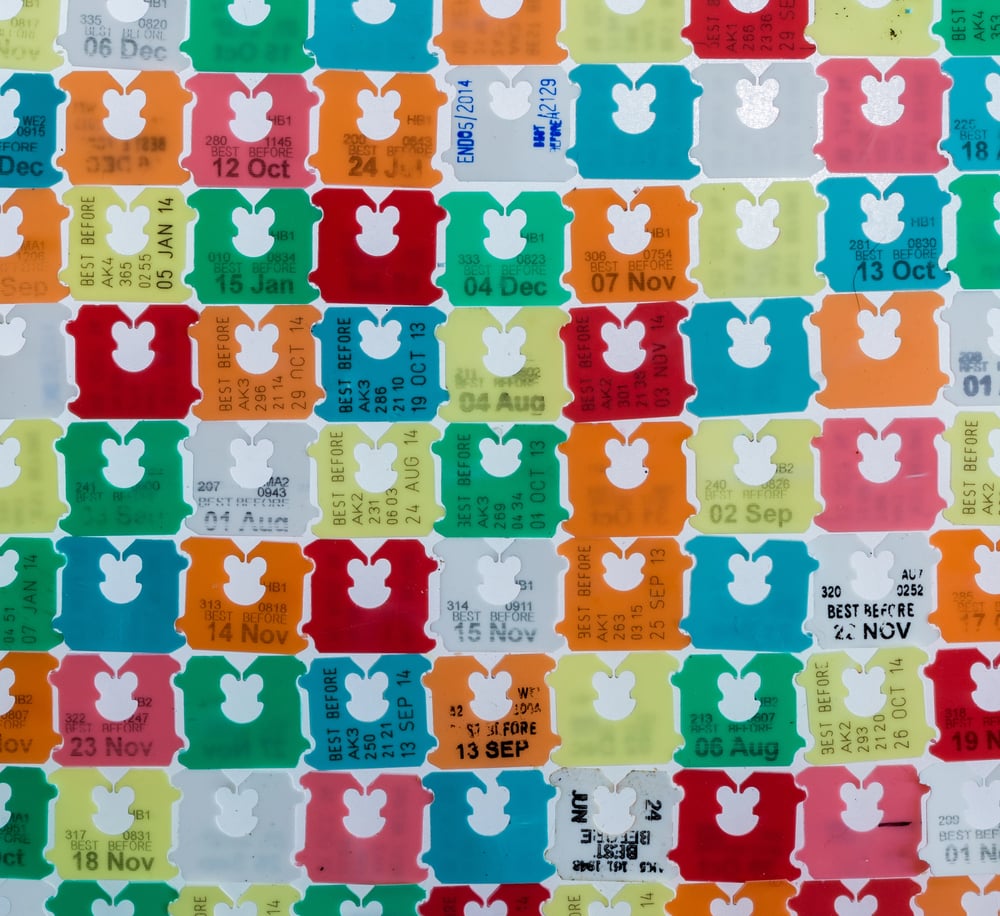
These tiny plastic clips from bread bags work great to tag chargers or wires. Use a sharpie to scribble notes on them, snap them onto cords, then boom – each one’s easy to tell apart.
Factories stick them on loaves to track when they’re made, yet clever folks reuse them as handy labels at zero cost.
Tennis orb cans as piggy banks
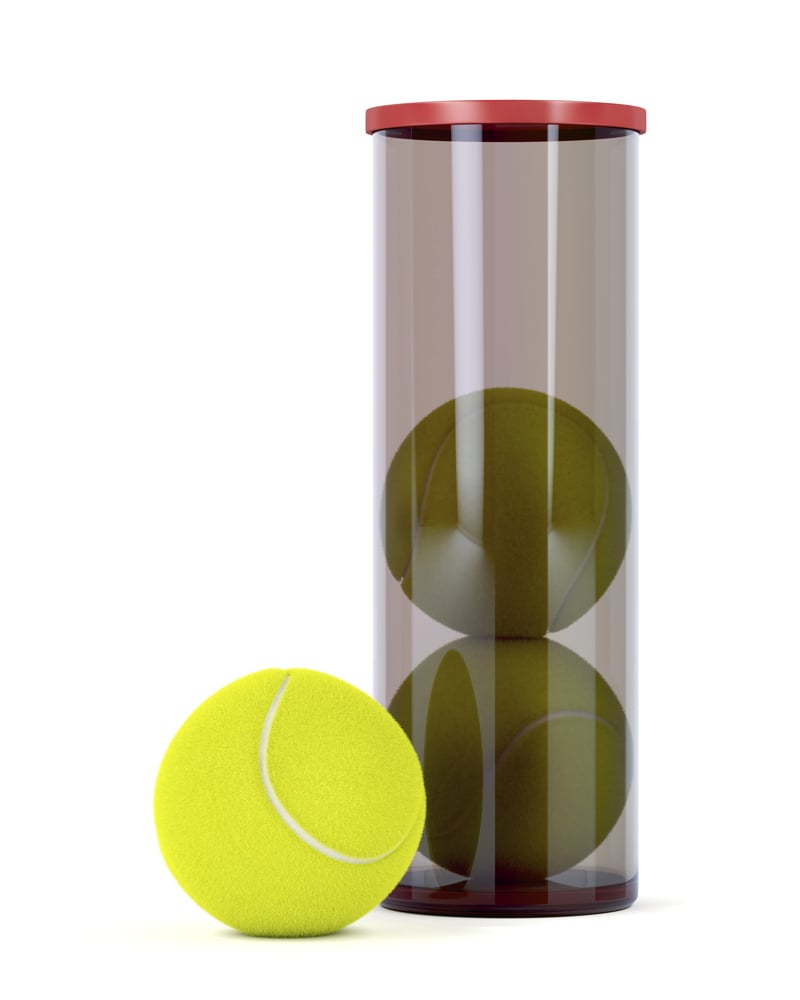
The tube-shaped plastic tubes holding three tennis orbs turn into solid piggy banks. Slice an opening in the cap, yet the container stores plenty of loose coins till it’s bulky to carry.
Children love jazzing up these cans, while see-through tops help them spot progress in savings. Brands seal tennis orbs tight to keep them fresh; however, the cases usually last longer than the game gear they come with.
When Function Follows Creativity

People keep turning old things into smart fixes – no matter what they were made for. Some cool ideas pop up when you see regular stuff differently.
That thing gathering dust in your drawer? It could end up saving the day next week.
More from Go2Tutors!

- The Romanov Crown Jewels and Their Tragic Fate
- 13 Historical Mysteries That Science Still Can’t Solve
- Famous Hoaxes That Fooled the World for Years
- 15 Child Stars with Tragic Adult Lives
- 16 Famous Jewelry Pieces in History
Like Go2Tutors’s content? Follow us on MSN.