15 Trivia Facts About Ancient Travel Routes
The ancient world was more connected than most people realize. Traders, pilgrims, and adventurers carved paths across continents that would make modern logistics companies envious. These weren’t just dirt roads between neighboring villages — they were sophisticated networks spanning thousands of miles, complete with their own currencies, languages, and customs. Some routes were so well-established that goods could travel from China to Rome with the reliability of a modern shipping schedule. The stories behind these pathways reveal how humans have always found ways to reach each other, no matter how impossible the geography seemed.
The Silk Road Wasn’t Actually One Road
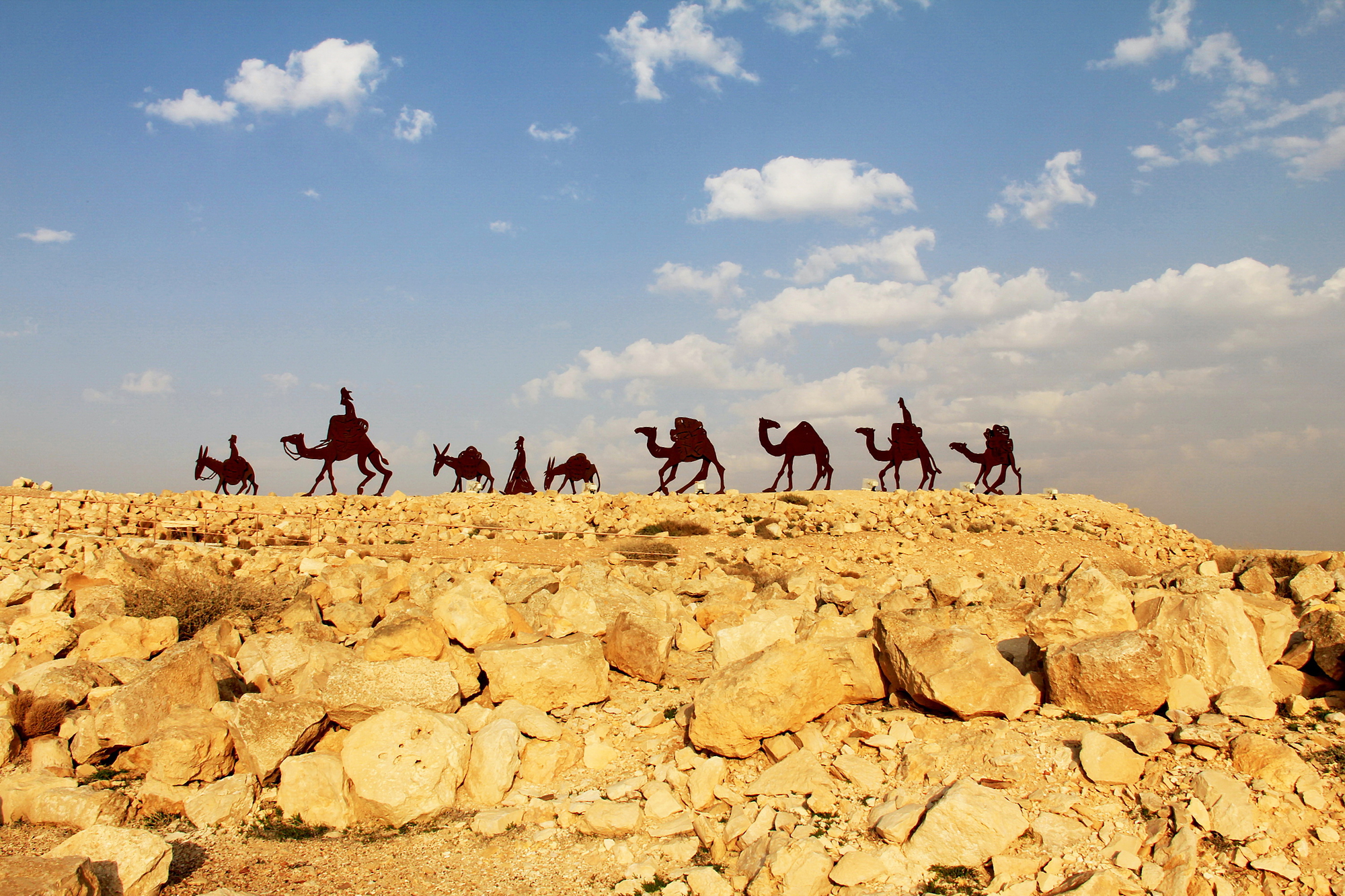
The famous Silk Road was really a web of interconnected routes. Multiple paths branched and converged across Central Asia. Traders rarely traveled the entire distance themselves.
Instead, goods passed through dozens of middlemen across thousands of miles. A bolt of Chinese silk might change hands twenty times before reaching a Roman marketplace.
Roman Roads Used Concrete That Still Exists Today
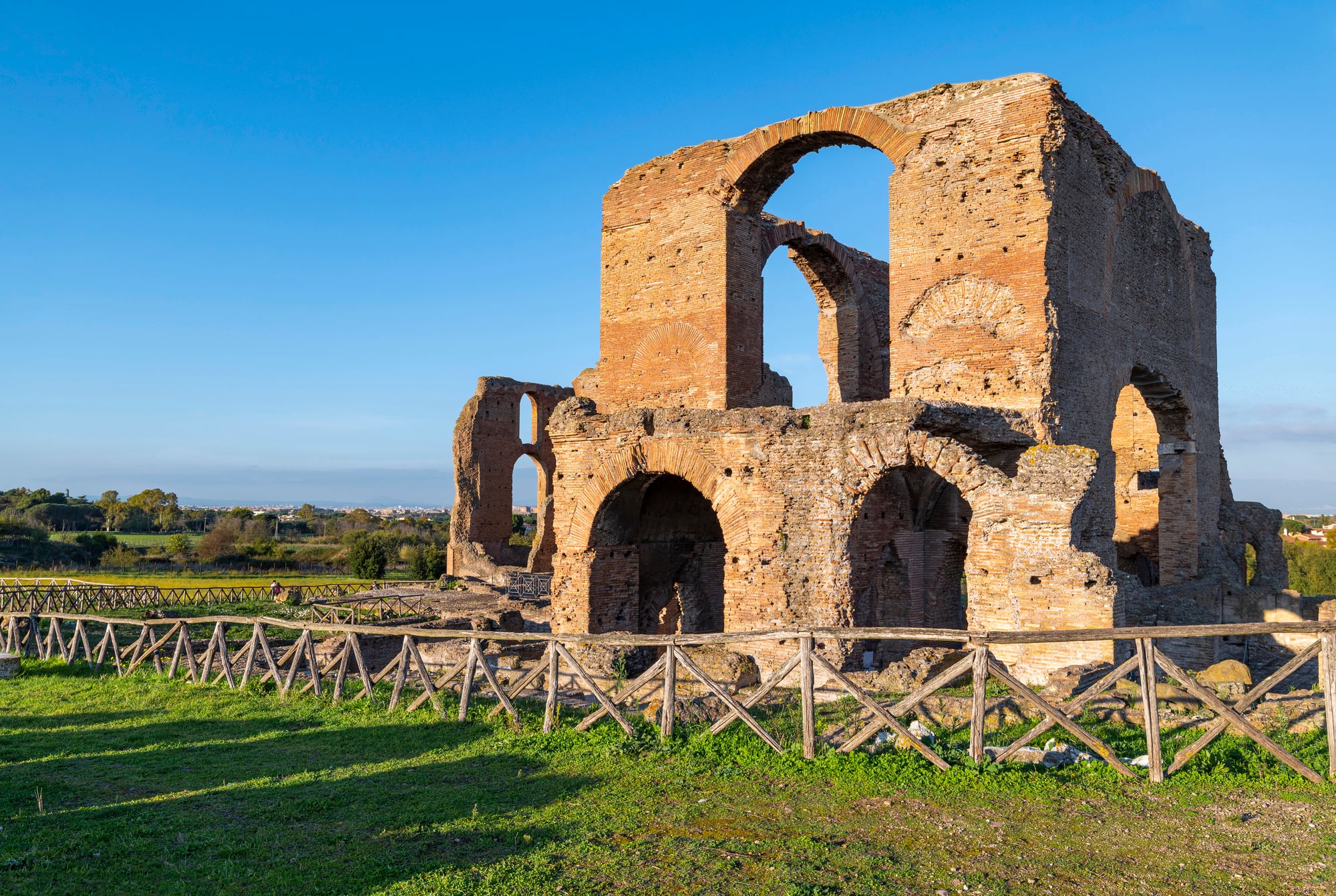
Roman engineers mixed volcanic ash into their concrete. This created a chemical reaction that made the roads stronger over time. Some sections have survived 2,000 years of weather and traffic.
The phrase “all roads lead to Rome” wasn’t just metaphorical — the Romans built over 250,000 miles of roads across their empire, with Rome as the central hub where distance measurements began.
Ancient Polynesian Navigators Used Wave Patterns to Cross Oceans
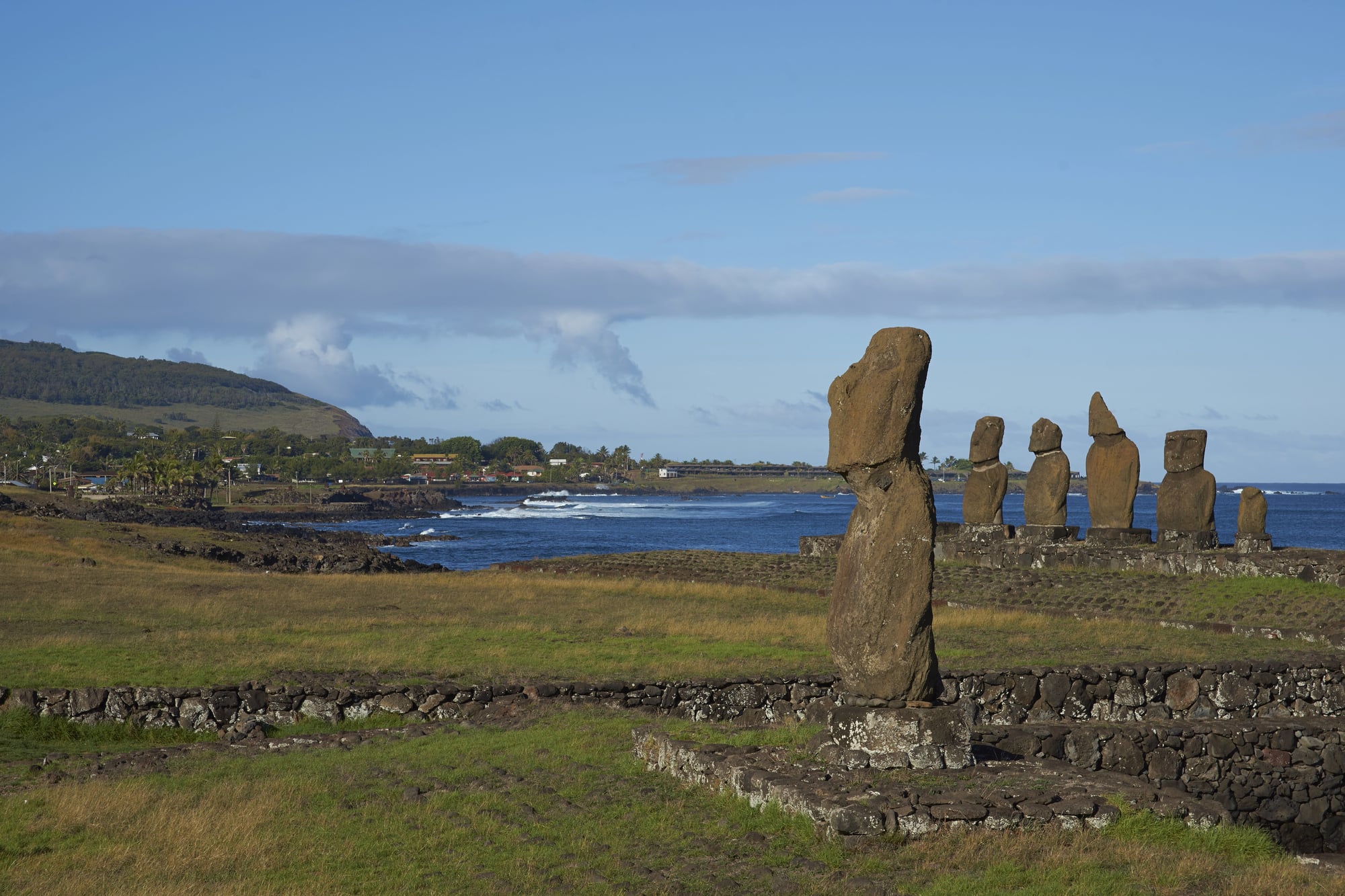
Polynesian wayfinders could feel the subtle movement of ocean swells bouncing off distant islands (even ones beyond the horizon) and used these wave patterns like a GPS system to navigate thousands of miles of open Pacific water. They also carried live pigs on their voyages — not just for food, but because pigs would get restless and vocal when they sensed nearby land, serving as an early warning system for approaching islands. And yet these navigators accomplished something that sounds almost impossible: they could pinpoint tiny specks of land in an ocean covering one-third of the planet, using nothing but their understanding of how water moves and where birds fly.
The most accomplished navigators could sense these wave patterns through their bodies while lying in the bottom of their canoes — a skill that took decades to develop and was passed down through generations of master seafarers.
The Amber Road Connected the Baltic Sea to Rome
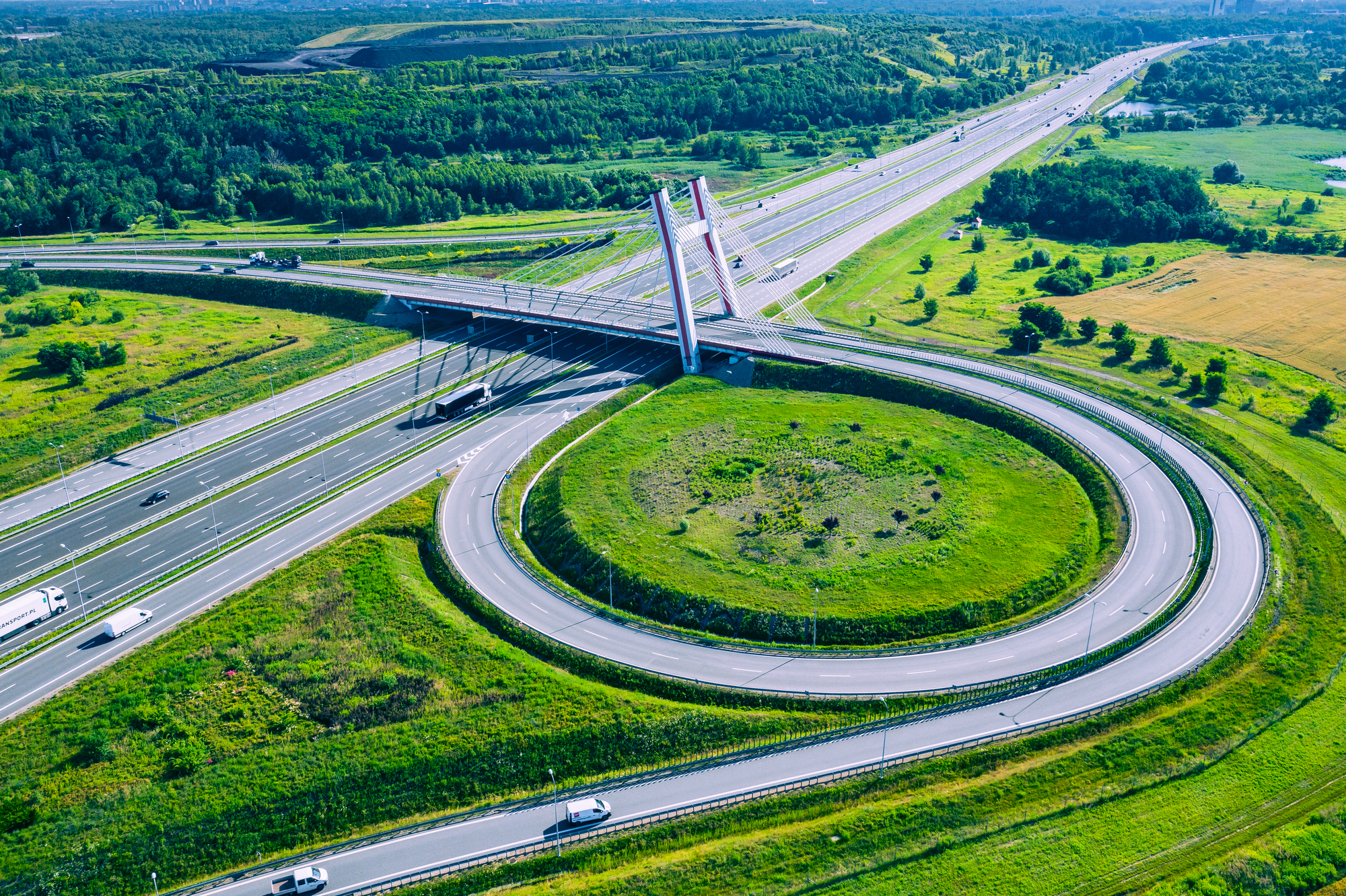
Baltic amber was one of the most prized luxury goods in the ancient world. The fossilized tree resin traveled over 1,000 miles south to Mediterranean markets. Romans valued it more highly than gold.
The route was so profitable that entire communities along the path specialized in amber processing and trade. Archaeological sites still turn up amber workshops from 2,000 years ago.
Ancient Persian Roads Had the World’s First Postal System
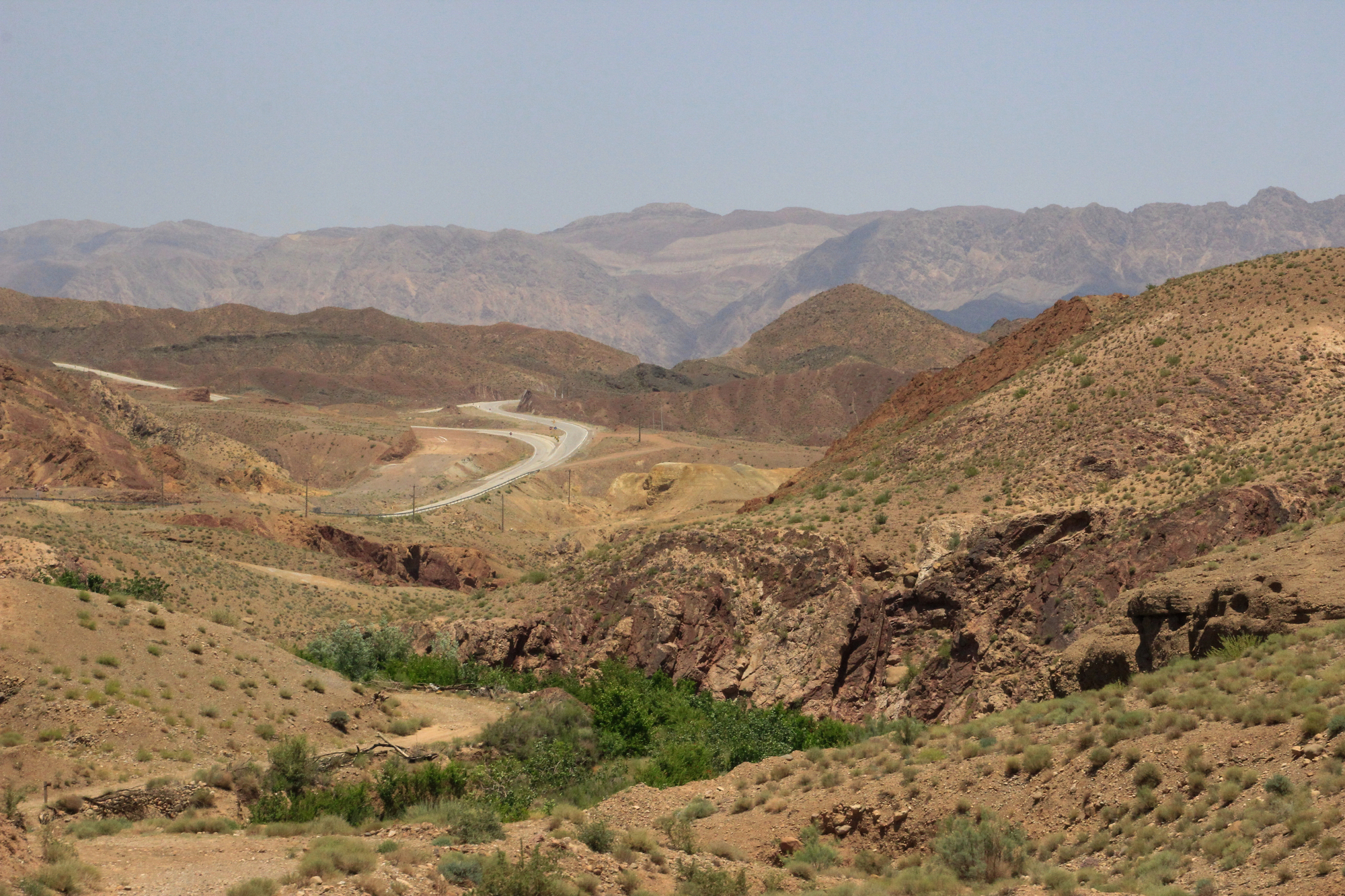
The Persian Empire created a relay system where mounted messengers could cover 1,500 miles in seven days by switching horses at stations spaced exactly one day’s ride apart — roughly every 25 miles — which meant fresh horses and riders were always available to carry urgent messages across an empire that stretched from India to Greece. So reliable was this system that Herodotus described the Persian royal messengers in terms so admiring that his account later inspired the famous inscription on the New York City General Post Office: ‘Neither snow nor rain nor heat nor gloom of night stays these couriers from the swift completion of their appointed rounds’ — though those exact words were Kendall’s adaptation, not a direct Herodotus quote. But the Persians didn’t stop at just moving messages quickly (though that was revolutionary enough for its time): they also created the first international currency exchange system, allowing merchants to deposit money in one city and withdraw the equivalent value in another, eliminating the need to carry heavy coins across bandit-infested territories.
This postal network was so efficient that it inspired similar systems throughout the ancient world, including the later Roman cursus publicus.
Incense Routes Were Guarded Like Military Secrets
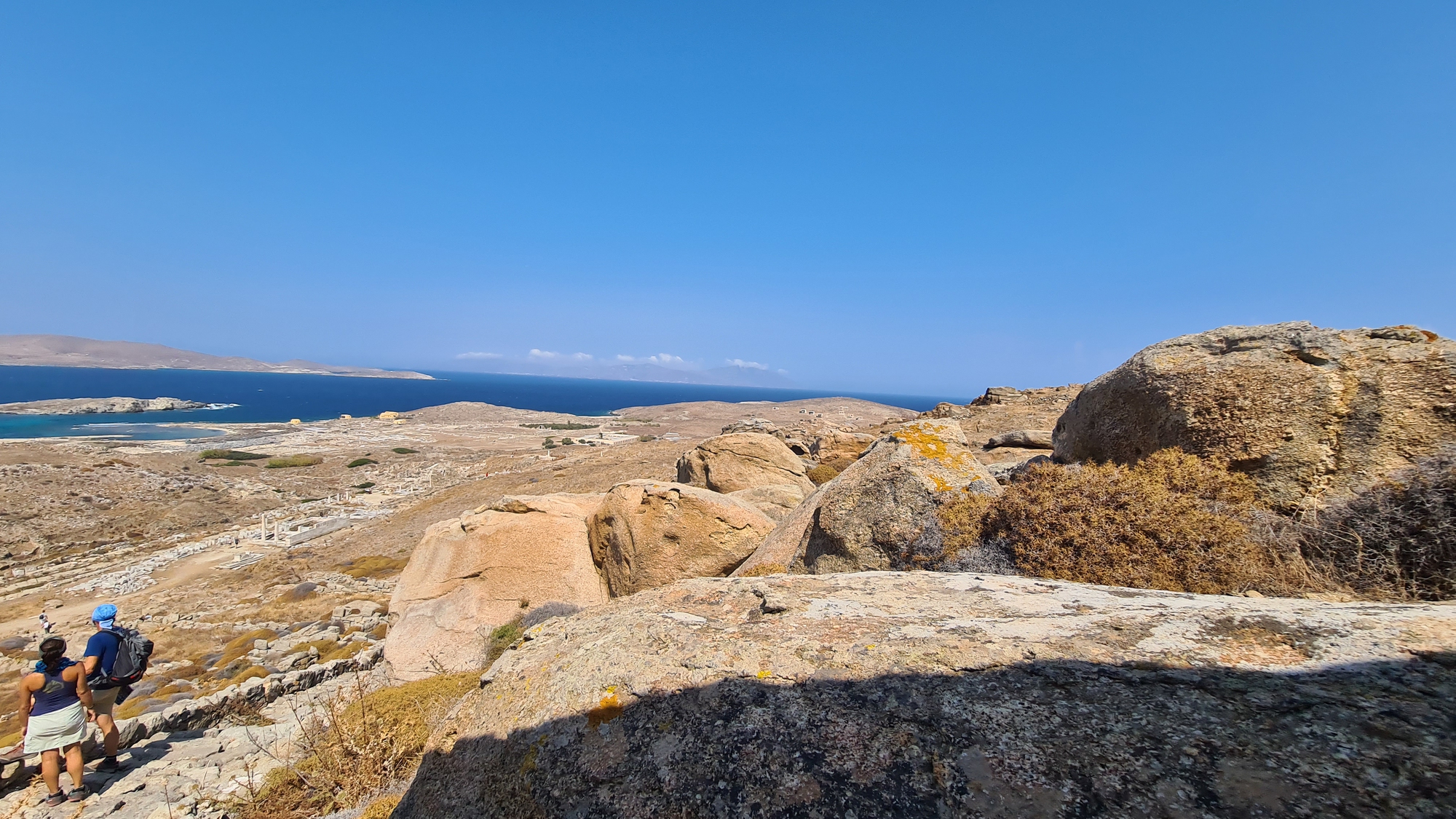
The frankincense and myrrh trade from southern Arabia was so valuable that the routes were deliberately kept secret. False trails were created to mislead competitors and potential raiders.
A pound of frankincense could cost the equivalent of several months’ wages for a skilled craftsman. The aromatic resins were essential for religious ceremonies across the Mediterranean world, making the trade routes as strategically important as oil pipelines today.
Ancient Trade Routes Created the First International Languages
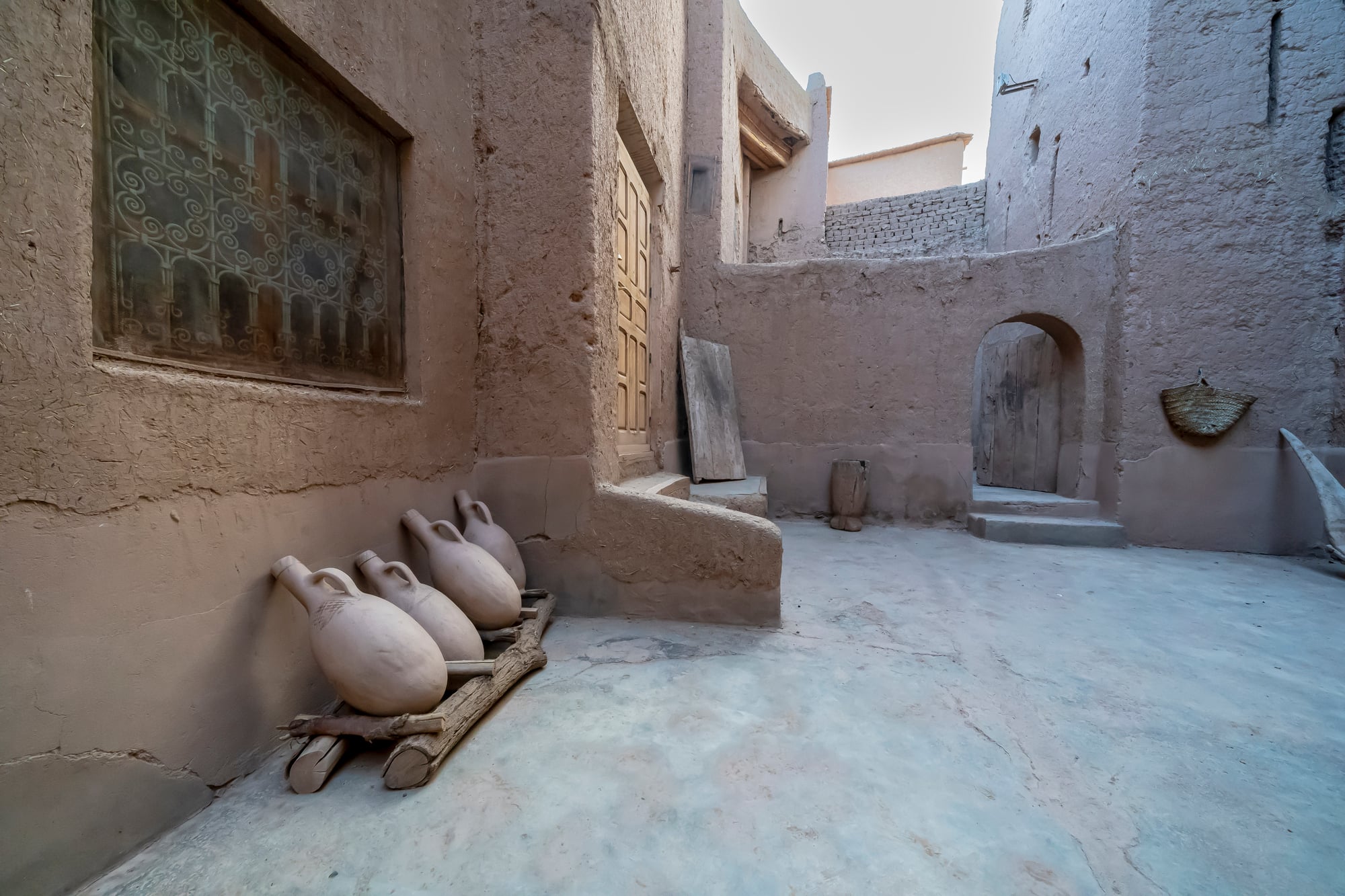
Aramaic became the lingua franca of ancient Middle Eastern trade routes not because any empire forced it on merchants, but because it was practical — a Syrian trader could use Aramaic to negotiate with a Persian wholesaler, who could then use the same language to arrange shipping with a Phoenician captain. Languages spread along trade routes the way music spreads along modern highways: organically, because people needed them. The most successful ancient merchants were often polyglots who could switch between languages as easily as changing clothes, adapting their speech to whoever was buying their goods.
These trade languages carried more than just vocabulary — they carried concepts, technologies, and entire ways of thinking about commerce that shaped civilizations for centuries.
Vikings Used Rivers as Highways to Reach Constantinople
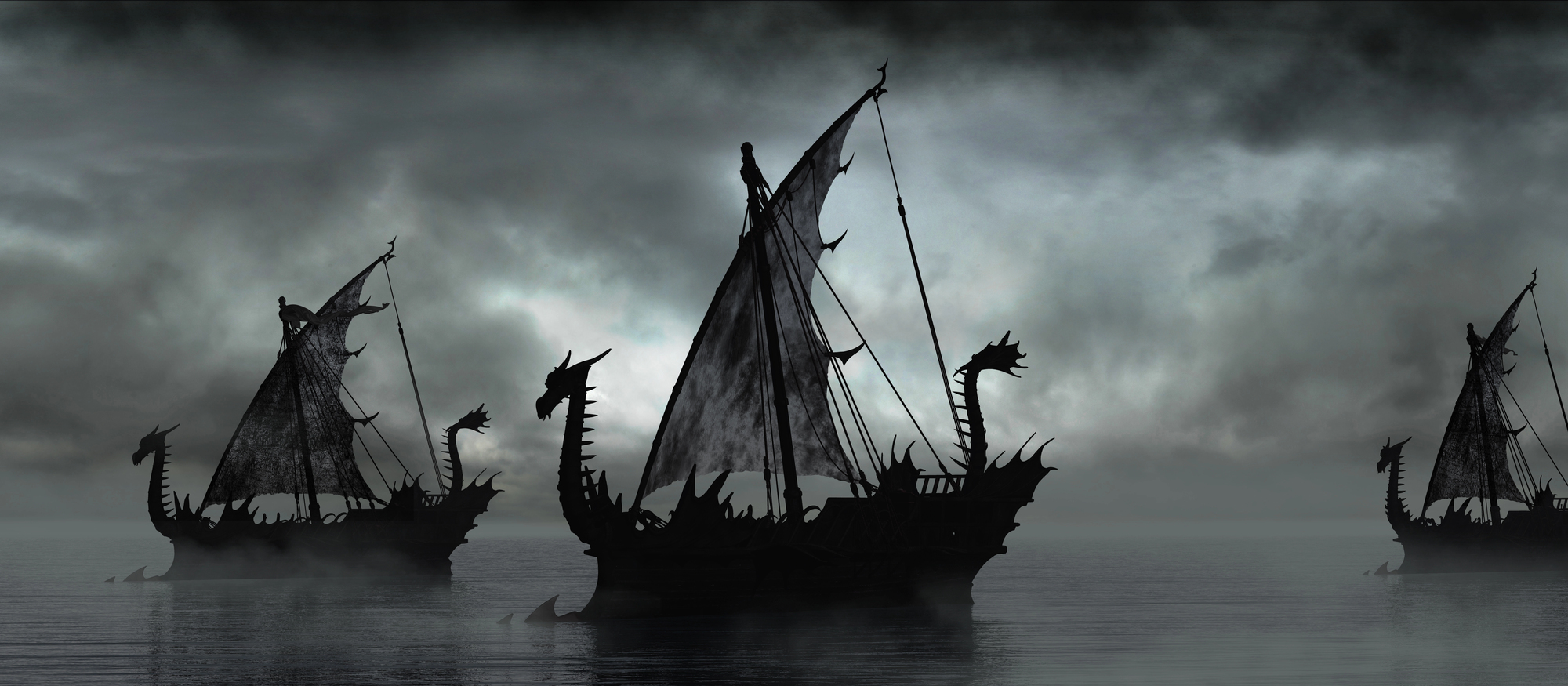
Norse traders navigated Russian rivers to reach the Byzantine Empire. They portaged their boats overland between river systems. The word “Russia” comes from “Rus,” the Byzantine term for these Scandinavian merchants.
Viking trade goods included furs, amber, and enslaved people. They returned north with Byzantine silk, spices, and silver — some of which has been found in hoards across Scandinavia.
The Trans-Saharan Routes Relied on Salt as Much as Gold
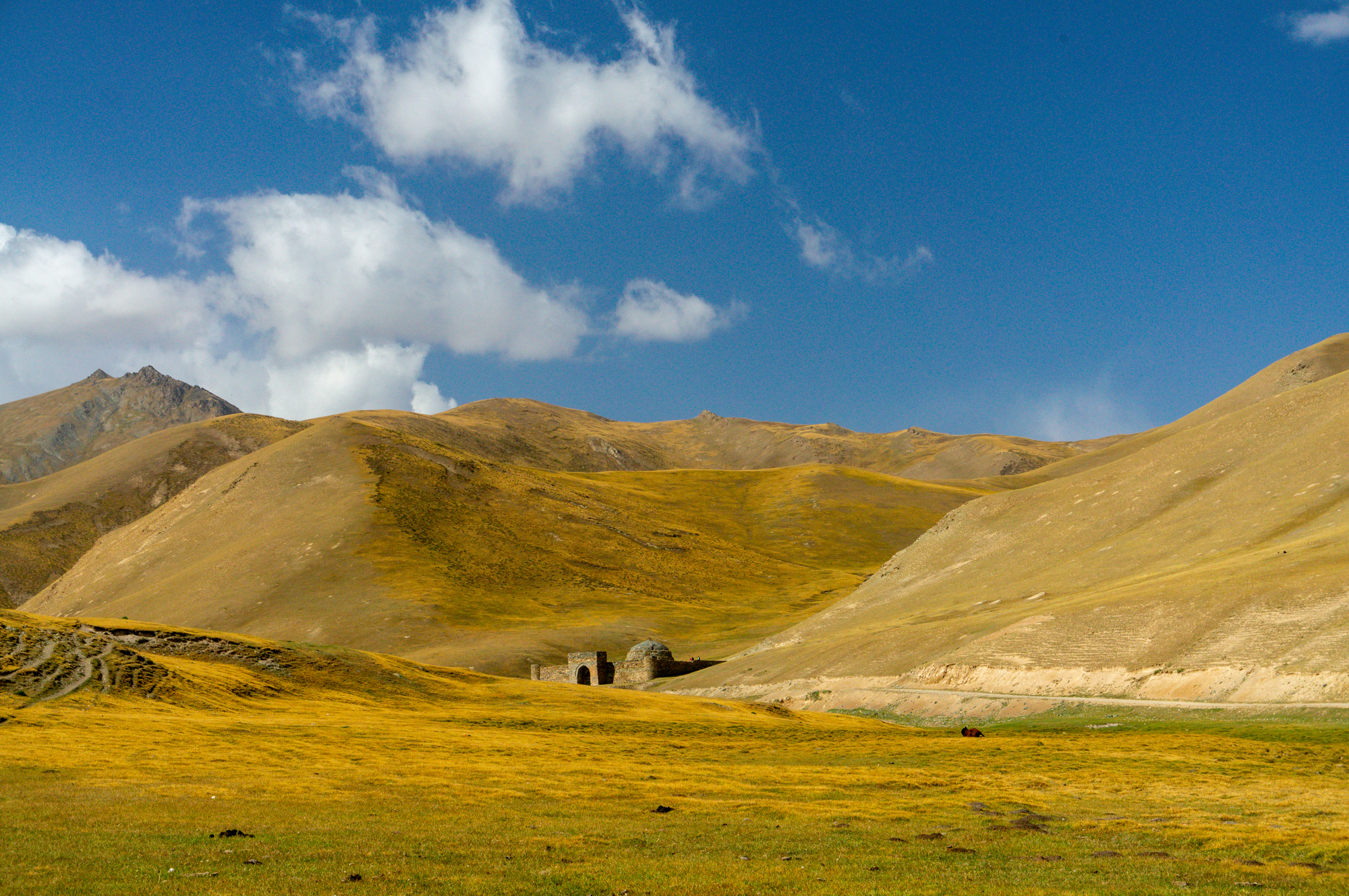
Salt was literally worth its weight in gold in medieval West Africa. Caravans crossing the Sahara carried both commodities. The city of Timbuktu became wealthy by controlling where these trade routes intersected.
Camel caravans could number in the thousands and take months to cross the desert. The routes were so well-established that they had their own roadside services — oasis towns that specialized in feeding and watering traveling merchants.
Ancient Indian Ocean Routes Used Monsoon Winds Like Scheduled Airlines
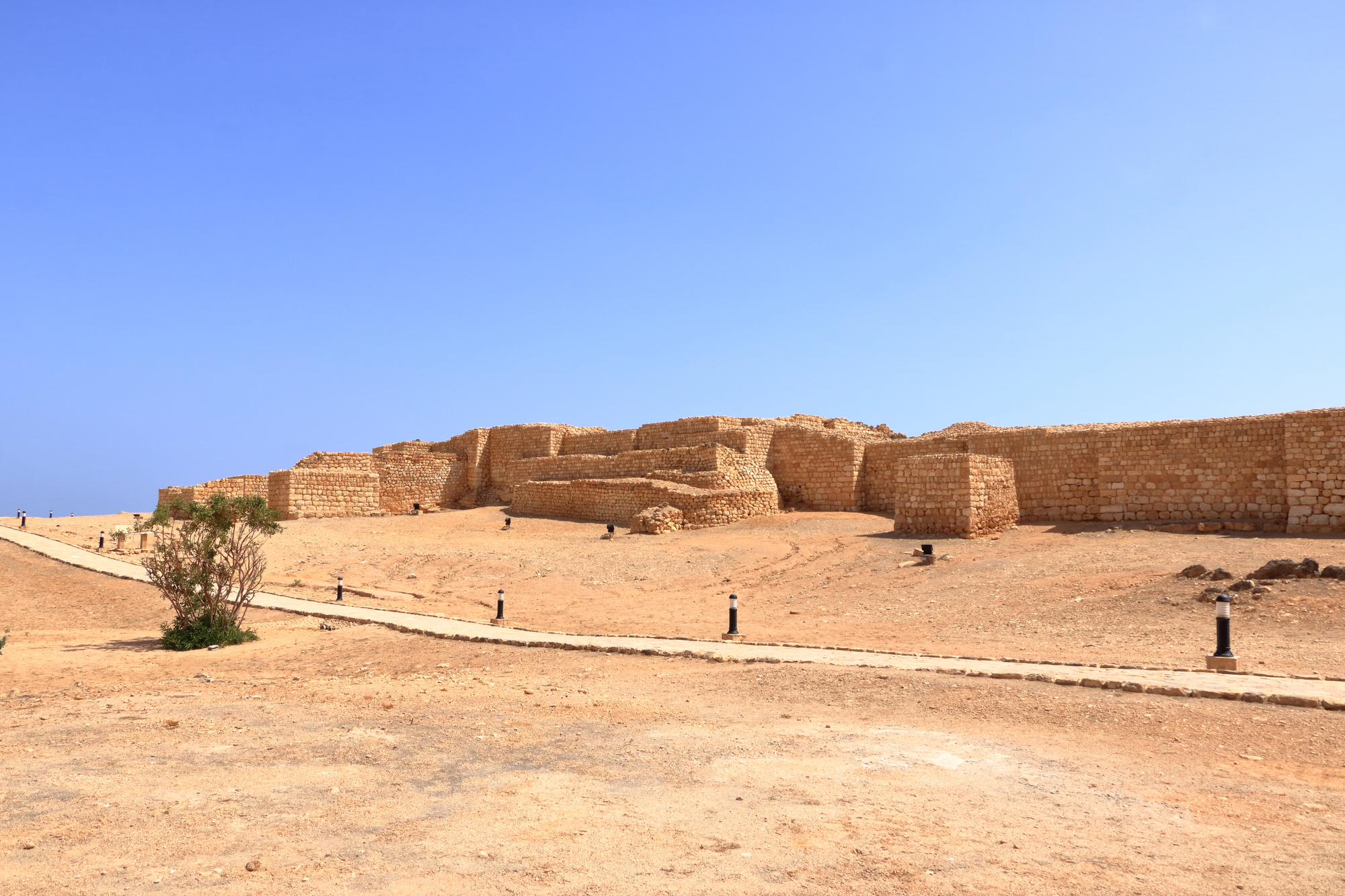
Merchants timed their voyages to catch seasonal wind patterns that could push sailing ships from India to East Africa and back again (the northeast monsoon from November to March for the southward journey, the southwest monsoon from April to October for the return trip), which meant the Indian Ocean operated on a predictable schedule that traders could plan their entire business year around. And here’s what makes this even more remarkable: Arab and Indian navigators had mapped these wind patterns so precisely that they could predict sailing times to within days across thousands of miles of open ocean, turning the monsoon system into what was essentially the ancient world’s most reliable transportation network. But the monsoons carried more than just ships — they carried cuisines (why Indian spices ended up in East African cooking), religions (how Islam spread through maritime Southeast Asia), and entire architectural styles that still define coastal cities from Zanzibar to Malacca.
This seasonal rhythm created a maritime culture where entire cities would empty and refill based on the monsoon calendar.
Roman Milestones Were the Ancient World’s GPS System
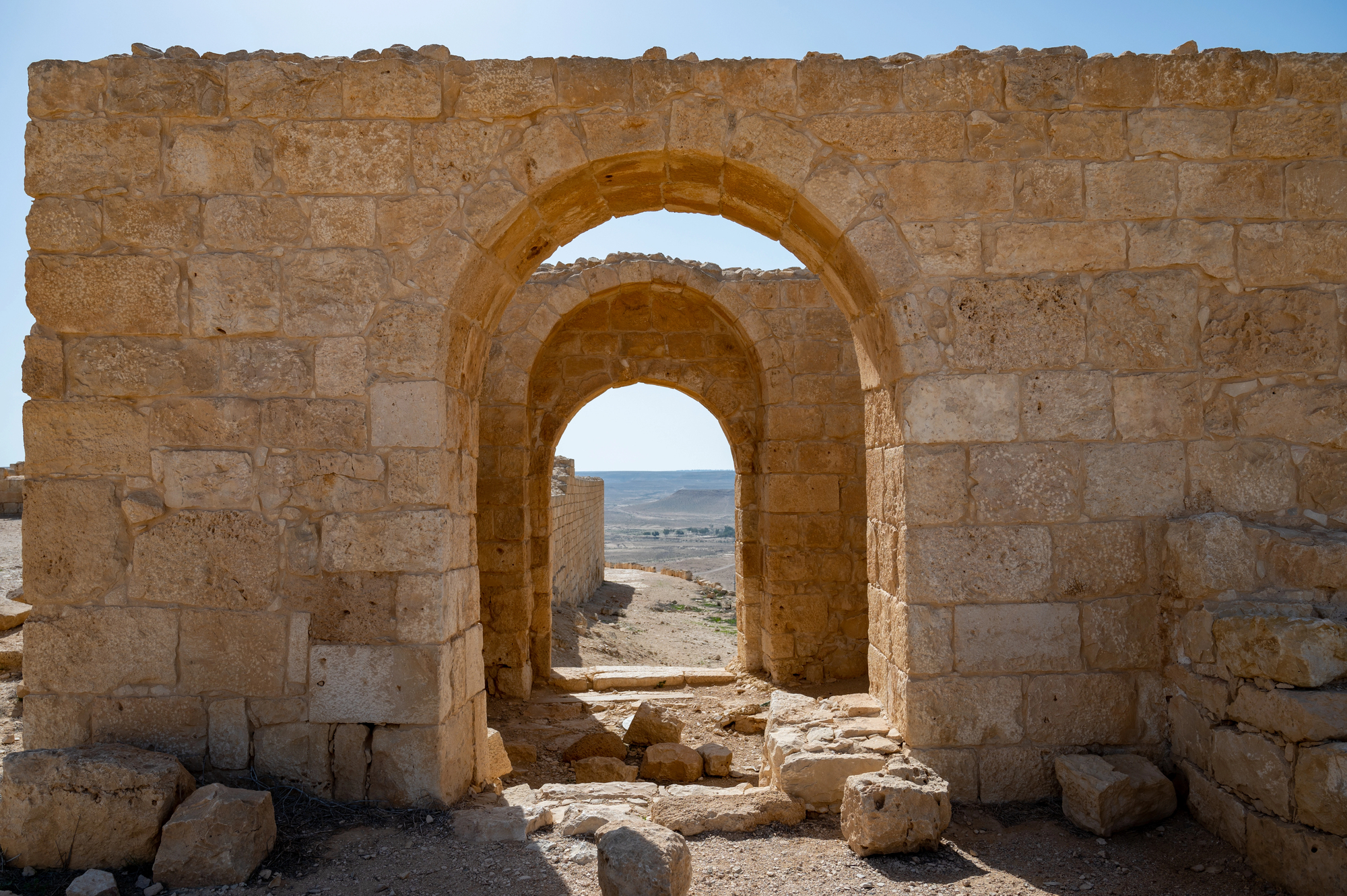
Every Roman road had stone markers placed exactly one mile apart. These milestones showed the distance to Rome and the nearest major city. They also identified which emperor built that section of road.
Over 4,000 of these ancient milestones still exist today. Some are still in their original locations, providing a direct connection to Roman engineering from 2,000 years ago.
The Spice Routes Made Pepper More Valuable Than Silver
Black pepper was so precious in medieval Europe that it was used as currency. Rents were paid in peppercorns. The phrase “peppercorn rent” still means a nominal payment today.
The monopoly on spice routes was so profitable that it funded entire empires. Venice became one of the wealthiest cities in the world by controlling European access to Asian spices.
Ancient Caravanserai Were the Original Highway Rest Stops
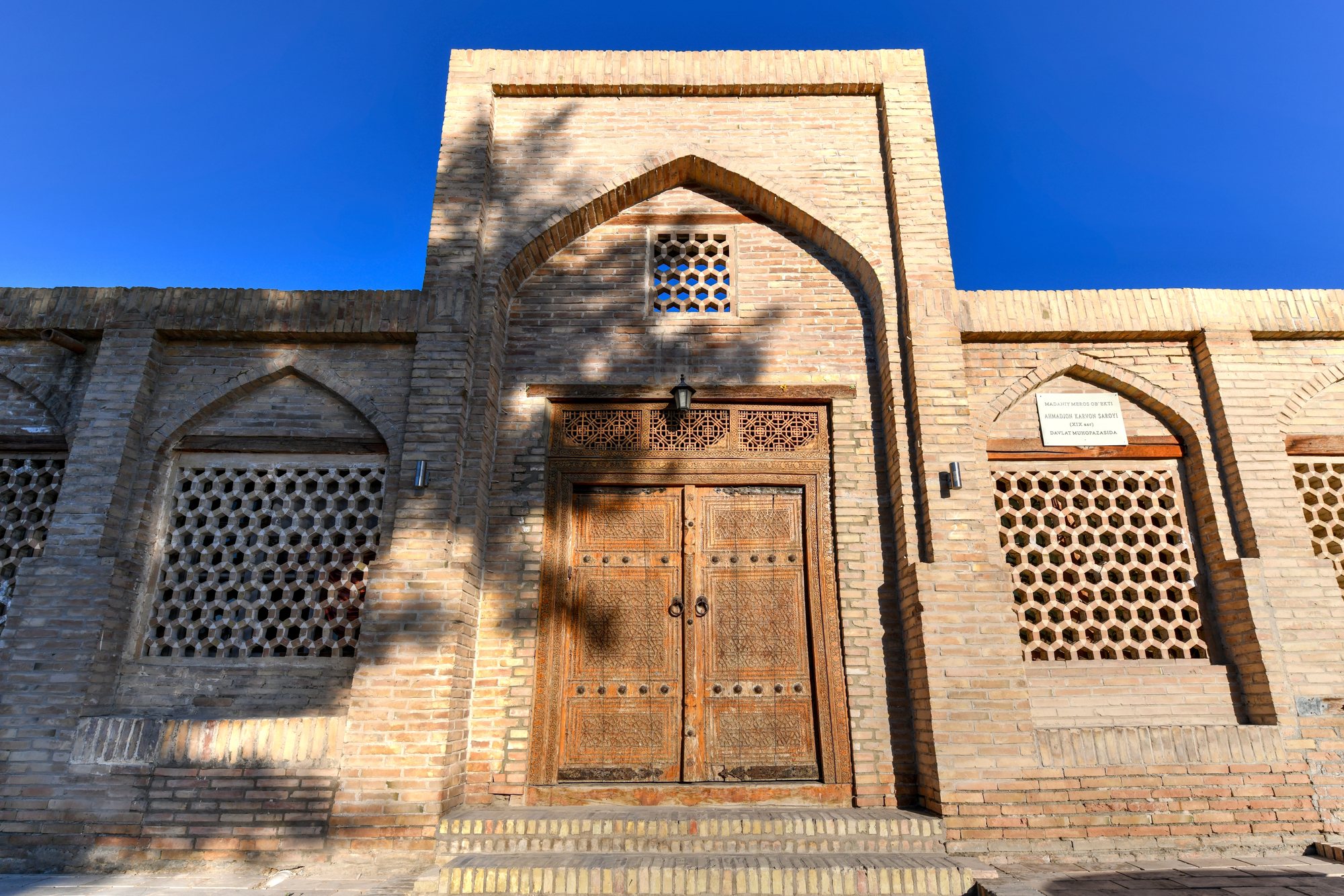
These fortified inns appeared every 20-30 miles along major trade routes (exactly one day’s travel by camel or horse), offering everything a medieval merchant needed: secure stabling for animals, sleeping quarters for travelers, warehouses for goods, and even banking services for money exchange. Think of them as the ancient equivalent of truck stops, except they also functioned as international embassies, news exchanges, and cultural melting pots where a Chinese silk trader might share dinner with an Arab spice merchant and a Byzantine goldsmith. The best caravanserai could accommodate thousands of people and animals simultaneously, turning remote desert locations into temporary cities that appeared and disappeared with the rhythm of passing caravans.
Some caravanserai were so well-built that travelers still use them today, nearly a thousand years after construction.
Polynesian Navigation Schools Took Decades to Complete
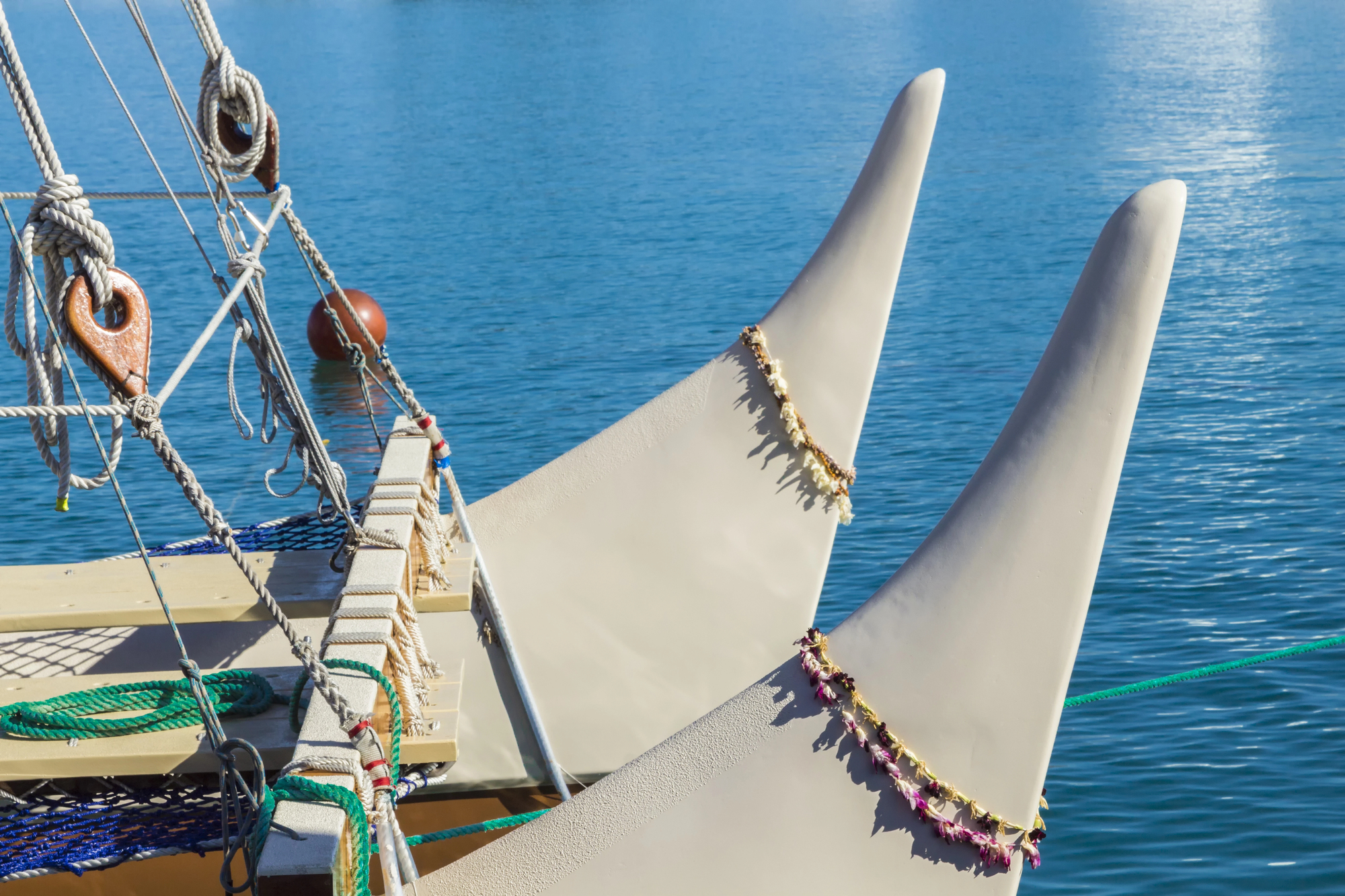
Master navigators trained apprentices for 20-30 years before they were considered qualified to lead ocean voyages. The training included memorizing the positions of over 200 stars. Students learned to read ocean swells, wind patterns, and bird behavior.
This knowledge was passed down orally through chants and stories. A single navigation school might maintain sailing routes covering millions of square miles of Pacific Ocean.
Trade Routes Shaped the World’s First International Cuisine
Fusion cooking isn’t a modern invention — it’s what happened everywhere ancient trade routes intersected. Roman recipes called for Chinese spices. Indian curry techniques reached Southeast Asia through maritime trade. Arabic coffee culture spread along both land and sea routes.
The spice trade didn’t just move ingredients — it moved cooking techniques, dining customs, and entire food cultures. Many dishes that seem authentically local actually originated thousands of miles away, carried by traders who were inadvertently creating the world’s first global cuisine.
Where Ancient Footsteps Still Echo
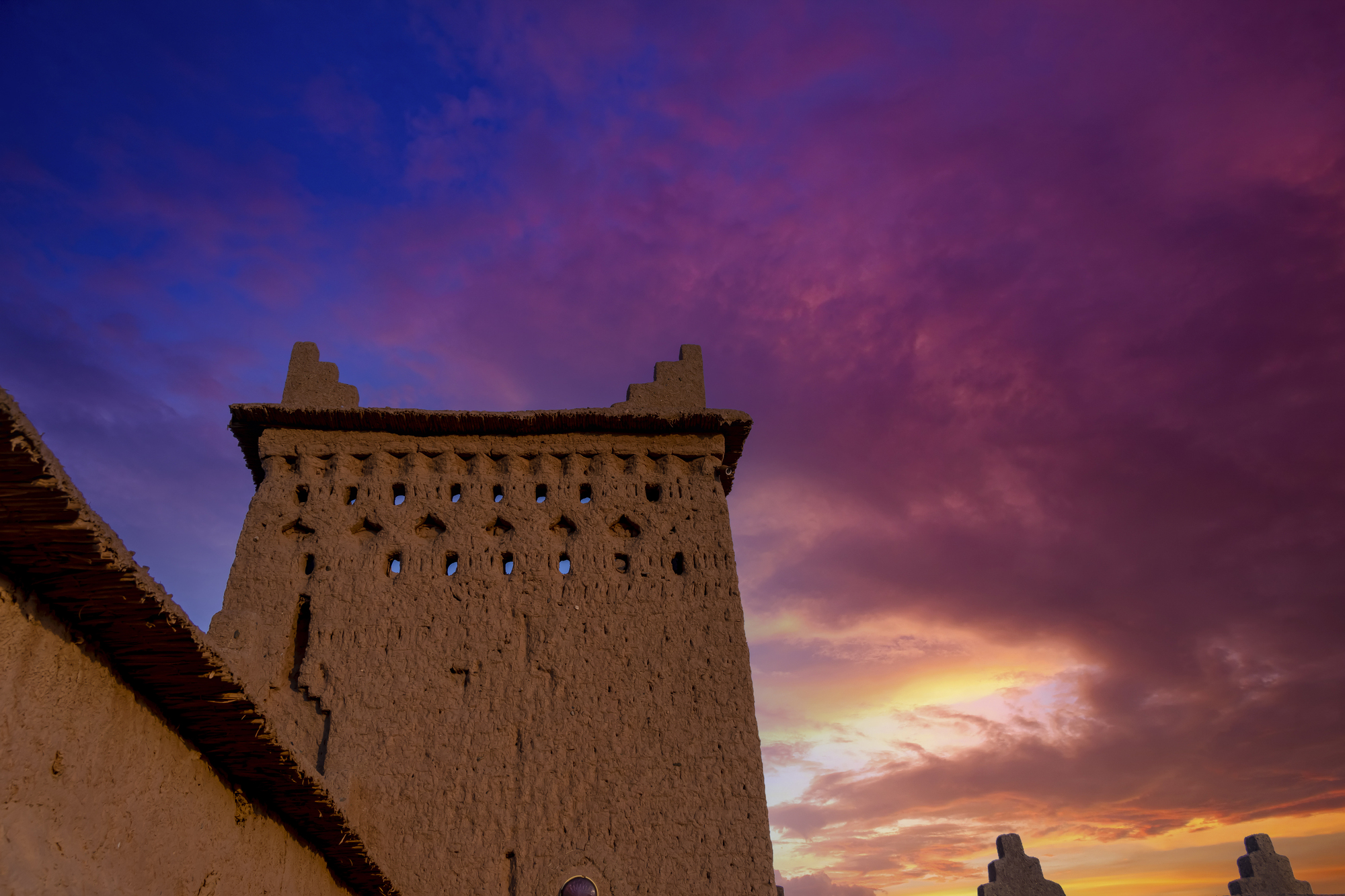
These ancient highways weren’t just about moving goods from place to place — they were about connection itself. Every route represents thousands of years of human determination to reach beyond familiar horizons, to find what was valuable somewhere else, and to build bridges across impossible distances. The next time you complain about flight delays or shipping costs, remember that people once spent months crossing deserts just to trade a bag of spices for some salt. The paths they carved through mountains and across oceans didn’t just move merchandise. They moved ideas, languages, religions, and recipes that still shape how the world tastes, speaks, and thinks today.
More from Go2Tutors!

- The Romanov Crown Jewels and Their Tragic Fate
- 13 Historical Mysteries That Science Still Can’t Solve
- Famous Hoaxes That Fooled the World for Years
- 15 Child Stars with Tragic Adult Lives
- 16 Famous Jewelry Pieces in History
Like Go2Tutors’s content? Follow us on MSN.