Unusual Phobias That Affect Thousands Secretly
Fear is one of those things that everyone experiences, but not all fears make sense to the outside world. While most people understand being scared of heights or spiders, there are countless individuals living with phobias so unusual that they rarely talk about them.
These aren’t just quirky dislikes or minor discomforts. They’re real, intense fears that can disrupt daily life in ways most people never see.
Let’s look at some of these hidden fears that affect more people than anyone realizes.
Omphalophobia (fear of belly buttons)
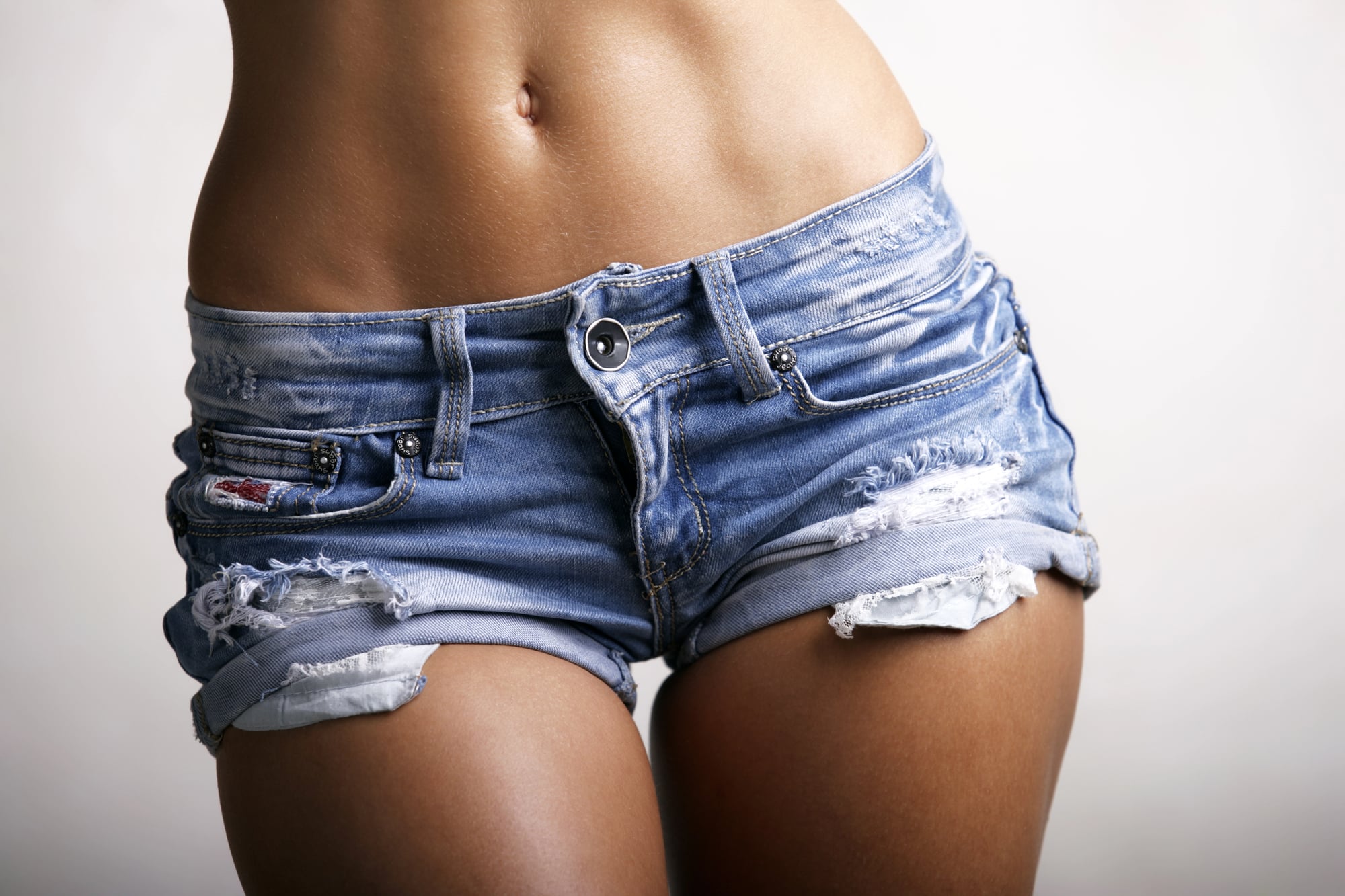
Belly buttons seem like the most innocent body part, yet some people can’t stand to look at or touch them. This fear can be so strong that affected individuals avoid wearing crop tops, going to beaches, or even showering normally.
The thought of something touching their navel makes them physically uncomfortable. Some people trace this back to childhood experiences or the unsettling feeling that the belly button connects to something deep inside.
Partners and family members often don’t understand why such a small thing causes so much distress.
Nomophobia (fear of being without a mobile phone)

This modern phobia has exploded in recent years as smartphones became essential to daily life. People with nomophobia feel genuine panic when their phone battery dies or when they realize they’ve left their device at home.
The fear isn’t really about the phone itself but about being unreachable or disconnected from information. Studies show that millions of people check their phones hundreds of times daily partly because of this underlying anxiety.
It’s become so common that most people don’t even recognize it as a legitimate phobia.
Like Go2Tutors’s content? Follow us on MSN.
Pogonophobia (fear of beards)

Facial hair might be trendy right now, but for some people, beards trigger serious anxiety. This fear can range from mild discomfort around heavily bearded individuals to full panic attacks.
Some trace their pogonophobia to negative childhood experiences with bearded relatives or strangers. Others simply find the texture or appearance unsettling in ways they can’t fully explain.
Dating becomes complicated when half the population might be growing the very thing that causes distress.
Globophobia (fear of balloons)

Birthday parties and celebrations turn into nightmare scenarios for people who fear balloons. The unpredictable popping sound is often the main trigger, but some people also fear the texture or the way balloons move.
Children with this phobia might cry at parties while everyone else wonders what could possibly be scary about decorations. The anxiety builds as they watch people playing with balloons, knowing that a loud pop could happen at any second.
Many adults still carry this fear and quietly avoid events where balloons are common.
Xanthophobia (fear of the color yellow)
Imagine being terrified of a color that appears everywhere in daily life. People with xanthophobia experience anxiety when they see yellow objects, rooms, or even flowers.
Sunflowers, school buses, and traffic signs all become sources of stress. Some researchers believe this fear connects to negative associations with yellow things like warning signs or certain insects.
The color appears so frequently that avoiding it becomes nearly impossible, making this phobia particularly challenging to manage.
Like Go2Tutors’s content? Follow us on MSN.
Somniphobia (fear of falling asleep)

While most people look forward to sleep, those with somniphobia dread bedtime with every fiber of their being. This fear often stems from worries about dying during sleep, having nightmares, or losing control.
People might force themselves to stay awake for dangerous lengths of time. The exhaustion compounds the anxiety, creating a terrible cycle that affects work, relationships, and health.
Some develop the phobia after experiencing sleep paralysis or traumatic dreams that felt too real.
Genuphobia (fear of knees)
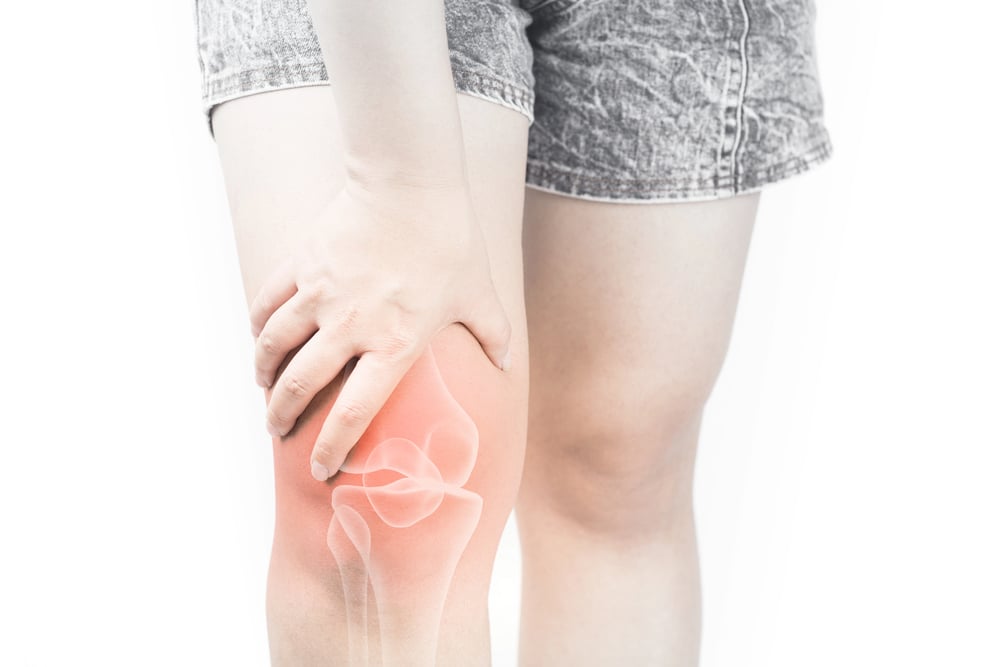
Knees might seem like an odd thing to fear, but this phobia is more common than most realize. Some people can’t stand seeing their own knees, while others fear touching anyone else’s knees.
The joint’s appearance, the way it bends, or childhood injuries can all contribute to this fear. Shopping for clothes becomes stressful when shorts and skirts expose the very body part that causes anxiety.
People often feel embarrassed explaining why they always wear long pants, even in summer heat.
Deipnophobia (fear of dinner conversations)

Eating with others should be a social pleasure, but for those with deipnophobia, dinner tables represent pure anxiety. The fear isn’t about the food but about the pressure to make conversation while eating.
These individuals worry about choking, saying something wrong, or being judged by others at the table. Business dinners and family gatherings become sources of dread rather than connection.
Many people with this phobia eat alone whenever possible or make excuses to avoid social meals.
Like Go2Tutors’s content? Follow us on MSN.
Ephebiphobia (fear of teenagers)

Some adults experience genuine fear or anxiety around groups of young people. This phobia often develops after negative encounters or reflects deeper anxieties about youth culture and generational differences.
People with ephebiphobia might cross the street to avoid teenagers or feel panic in places where young people gather. The media’s portrayal of youth violence sometimes reinforces these fears.
It creates a sad disconnect between generations when adults can’t comfortably interact with younger community members.
Ergophobia (fear of work)

This goes far beyond typical Sunday night blues or not wanting to get up on Monday morning. Ergophobia involves intense anxiety about the workplace itself, job performance, or workplace interactions.
People might experience panic attacks before shifts or feel physically ill at the thought of going to their job. Financial pressures make this phobia particularly cruel since avoiding work isn’t really an option for most people.
Some have quit stable jobs because the fear became too overwhelming to manage.
Koumpounophobia (fear of buttons)
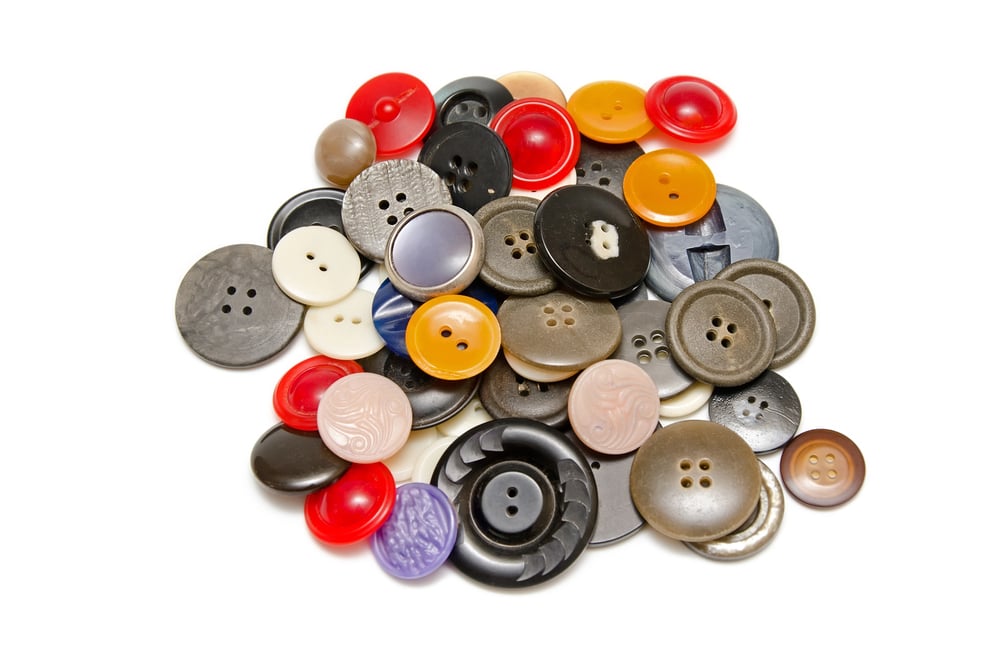
Clothing fasteners terrify some people to the point where they avoid buttons entirely. The texture, appearance, or even the sound of buttons clicking together can trigger this phobia.
People with koumpounophobia choose zipper or pullover clothing exclusively. Vintage stores and craft shops become places to avoid since buttons are everywhere.
Friends and family often don’t take this fear seriously, which makes those suffering feel even more isolated and misunderstood.
Like Go2Tutors’s content? Follow us on MSN.
Ablutophobia (fear of bathing)

Personal hygiene becomes a major challenge for people who fear washing or bathing. This phobia might stem from traumatic experiences involving water, fears about drowning, or sensory sensitivities.
Children with ablutophobia often struggle in school due to hygiene issues that others don’t understand. Adults face social and professional consequences when they can’t maintain regular cleanliness.
The shame around this phobia often prevents people from seeking help, even though treatment options exist.
Turophobia (fear of cheese)

Cheese appears in so many dishes that this phobia significantly limits dietary options. The smell, texture, or appearance of cheese products can trigger intense disgust or fear.
Pizza parties become awkward situations requiring explanations and special orders. Some people with turophobia can trace their fear to a specific bad experience, while others have felt this way for as long as they remember.
Restaurants and social eating situations require constant vigilance about ingredients.
Chorophobia (fear of dancing)
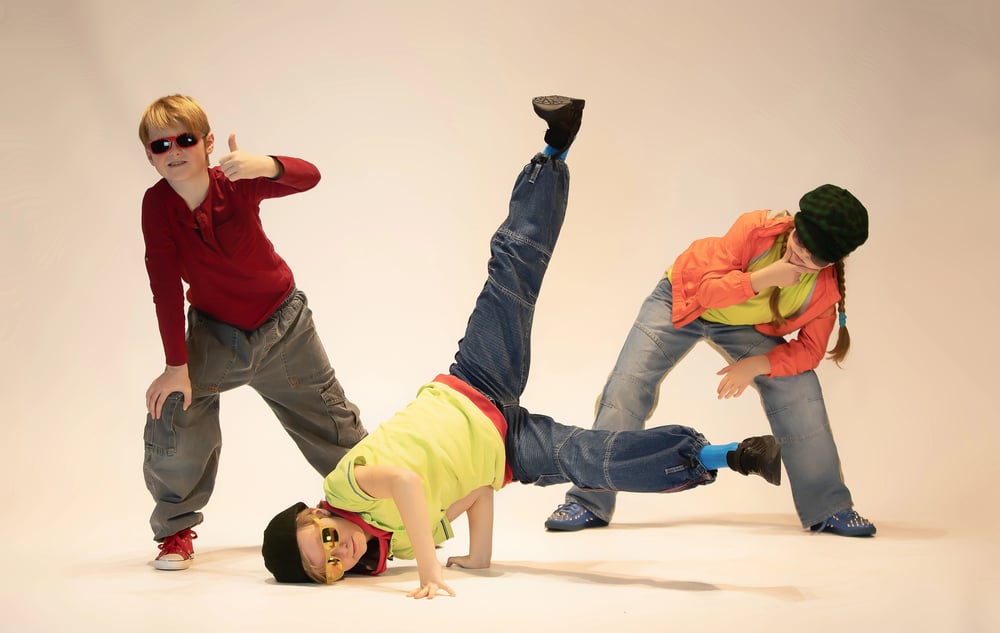
School dances, weddings, and celebrations fill some people with dread because of their fear of dancing. This isn’t simple shyness but genuine panic about moving to music in front of others.
The fear often connects to worries about looking foolish or being judged. People might avoid entire events rather than risk being asked to dance.
Some develop this phobia after embarrassing experiences, while others simply feel disconnected from their bodies in ways that make dancing feel impossible.
Like Go2Tutors’s content? Follow us on MSN.
When fear becomes familiar

These unusual phobias remind us that human psychology is far more complex than simple categories of “normal” and “abnormal” fear. What seems ridiculous to one person might be debilitating to another.
Many people live with these conditions in silence, worried about judgment or mockery. The good news is that most phobias respond well to treatment when people finally reach out for help.
Understanding and recognizing these fears matters because somewhere, someone is struggling with something that seems too strange to mention but affects their life every single day.
More from Go2Tutors!

- 16 Historical Figures Who Were Nothing Like You Think
- 12 Things Sold in the 80s That Are Now Illegal
- 15 VHS Tapes That Could Be Worth Thousands
- 17 Historical “What Ifs” That Would Have Changed Everything
- 18 TV Shows That Vanished Without a Finale
Like Go2Tutors’s content? Follow us on MSN.