15 Uncommon Items Found Buried in Deserts
Approximately one-third of the Earth’s total area is made up of deserts, which produce expansive landscapes with hidden mysteries hidden beneath their shifting sands. These apparently desolate areas are actually natural time capsules just waiting to be unearthed since the extremely dry conditions in these arid locations frequently shield buried things from decay that would occur in wetter environments.
From ancient treasures to modern oddities, desert discoveries continue to surprise researchers and adventurers alike. Here is a list of 15 unexpected items that have been unearthed from desert environments around the world.
Volkswagen Beetles

A number of almost complete Volkswagen Beetles were found partially buried in the Egyptian desert in the 1970s. The hard environment had kept the metal bodies of these vehicles better than any garage could have, proving that they had not been abandoned during military operations decades ago.
They were shielded from the rust that usually befalls abandoned cars in more humid areas by the dry air and sand coating.
Roman Board Games

Archaeological digs at Roman frontier outposts in the Sahara have uncovered wooden gaming boards in perfect condition. These ancient entertainment devices – similar to modern backgammon sets – kept soldiers occupied at remote desert forts nearly 2,000 years ago.
The game pieces and boards offer a touching glimpse into how Roman soldiers fought off boredom during their lonely deployments far from home.
Like Go2Tutors’s content? Follow us on MSN.
Glass Desert Roses

While not technically buried items, these rare natural formations appear when lightning strikes desert sand – instantly melting silica into glass tubes that branch outward like crystalline flowers. Scientists call them fulgurites, and they can extend several feet beneath the surface, preserving the exact moment of an electrical discharge from thousands of years ago.
It’s almost like stumbling upon nature’s own glass sculpture garden hidden beneath the sand.
Whale Fossils
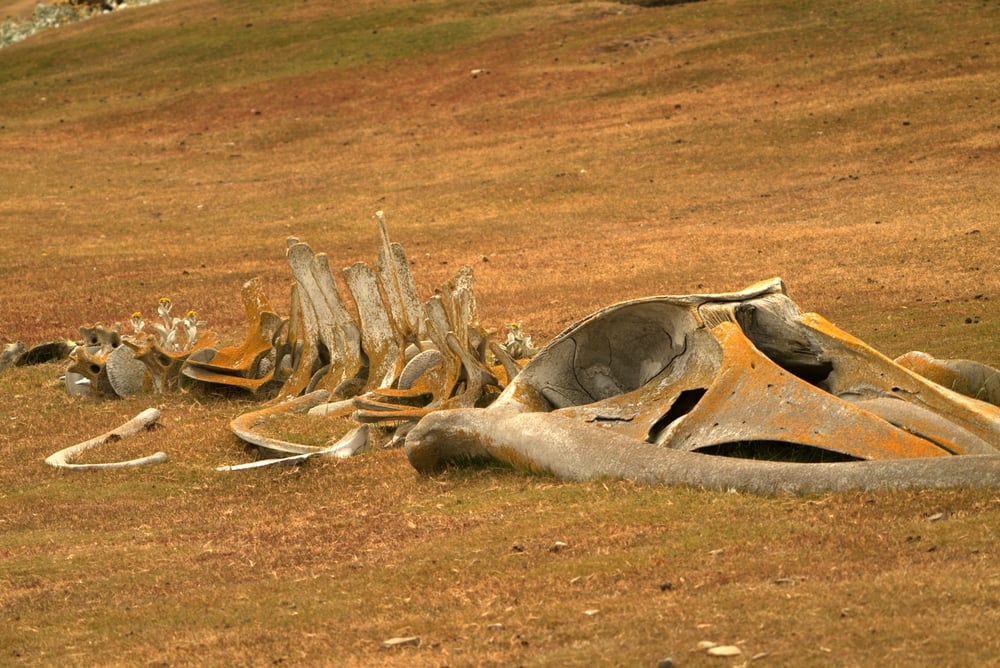
The Sahara Desert in Egypt has yielded some of paleontology’s strangest finds – fossilized whale skeletons resting where camels now roam. These marine mammal remains prove that Earth’s driest places once thrived as ocean environments.
The 40-million-year-old fossils include ancient whale species with both developed legs and aquatic features, documenting crucial evolutionary transition periods that scientists couldn’t study elsewhere.
WWII Fighter Planes

Back in 1942, a British P-40 Kittyhawk fighter plane vanished during a flight over the Egyptian desert, yet remained missing until 2012. The aircraft was discovered almost perfectly preserved – having made an emergency landing on remote sands 70 years earlier.
The cockpit still contained the pilot’s belongings, including his parachute, flying logs, and personal effects that told the story of his final journey.
Like Go2Tutors’s content? Follow us on MSN.
Ancient Honey
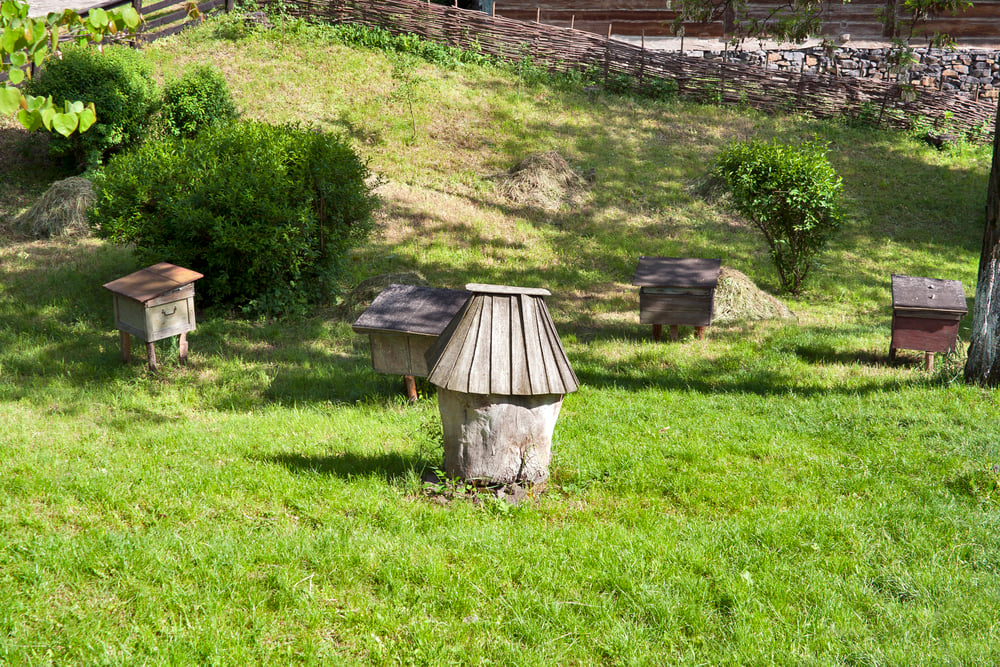
Egyptian archaeologists working in the Valley of the Kings stumbled upon pottery jars containing honey – not from last season’s harvest, but from over 3,000 years ago. Despite its age, the honey remained completely edible due to its natural antibacterial properties combined with the desert’s preservative conditions.
It’s considered the world’s oldest known preserved food that you could theoretically still eat today.
Lost Cities

The Taklimakan Desert in China concealed dozens of mummified remains and entire settlements along the ancient Silk Road trading route – communities frozen in time. These settlements, buried by shifting sands around 2,000 years ago, contained intact wooden structures, textiles, and documents that would’ve quickly deteriorated in most environments.
The desert essentially freeze-dried an entire civilization, down to pieces of fruit left on dining tables.
Meteorite Fields
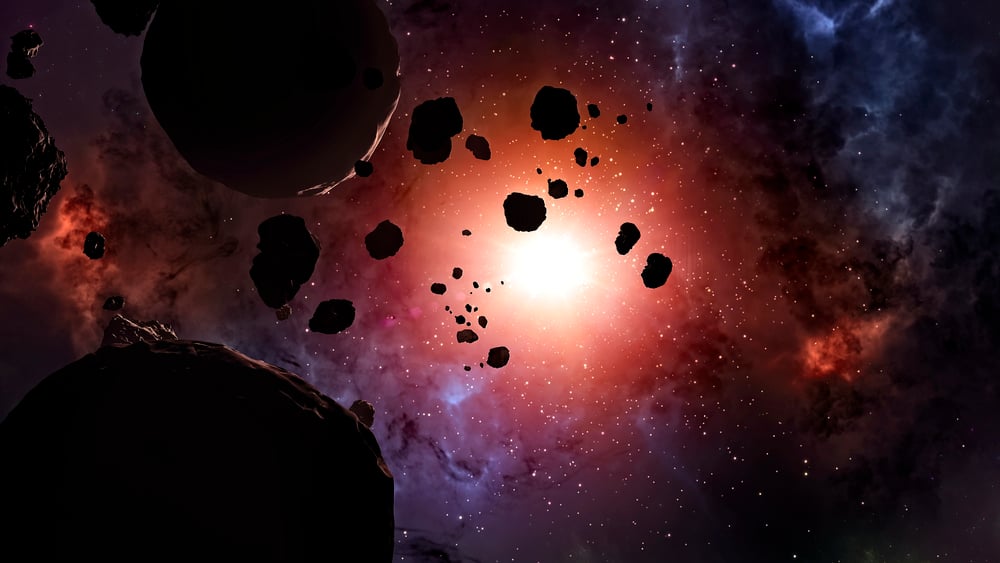
The flat, open expanses of deserts make them perfect collection points for objects falling from space – cosmic debris that’s easily spotted against the monotone landscape. The Atacama Desert in Chile contains one of the world’s highest concentrations of meteorites, with some areas yielding dozens of specimens per square mile.
These space rocks remain unweathered for thousands of years due to the region’s extremely low humidity.
Like Go2Tutors’s content? Follow us on MSN.
Dinosaur Eggs
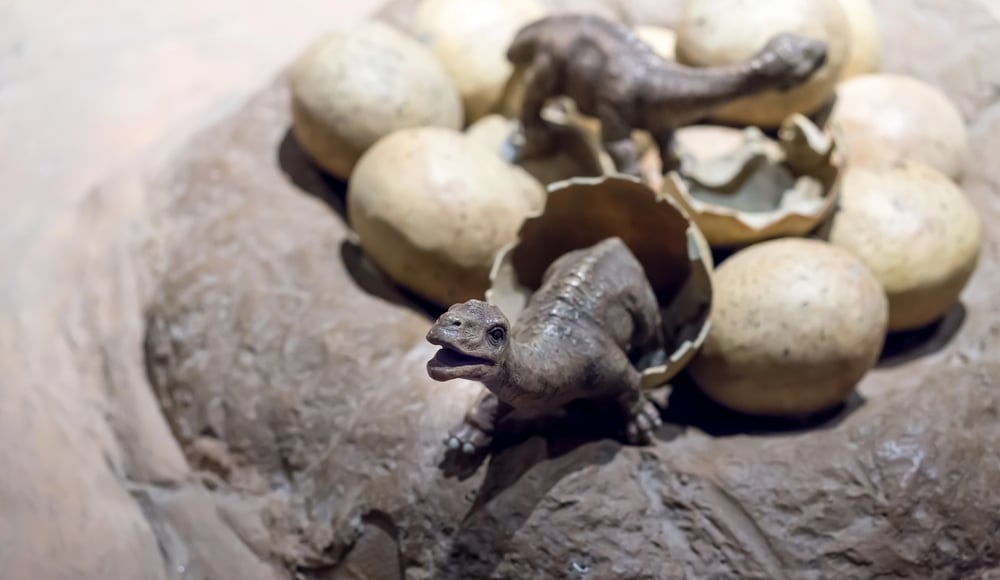
Mongolia’s Gobi Desert hasn’t just revealed isolated fossils – entire dinosaur nesting sites have been found with eggs arranged in circular patterns exactly as parents left them 80 million years ago. Some eggs even contain embryonic remains showing development details before hatching.
Such discoveries wouldn’t exist in wetter environments, making these desert finds crucial for understanding dinosaur reproductive behavior and growth patterns.
Atari Video Games

In 2014, construction workers in the New Mexico desert uncovered hundreds of Atari video game cartridges that had been secretly buried there since 1983. The games – particularly thousands of unsold E.T. cartridges – had been dumped after becoming one of the biggest commercial failures in video game history.
This urban legend turned reality documented corporate damage control that used the desert as a convenient place to literally bury mistakes.
Glass Bottles from Prehistoric Times

Archaeological excavations in the American Southwest have recovered glass bottles from the 1800s that appear practically new despite their century-plus underground residence. Unlike similar items found in humid regions, these bottles retain original paper labels, contents, and even the manufacturer’s fingerprints pressed into the glass.
These everyday items provide remarkably clear snapshots of frontier life preserved by the arid conditions.
Like Go2Tutors’s content? Follow us on MSN.
Roman Legion Standards
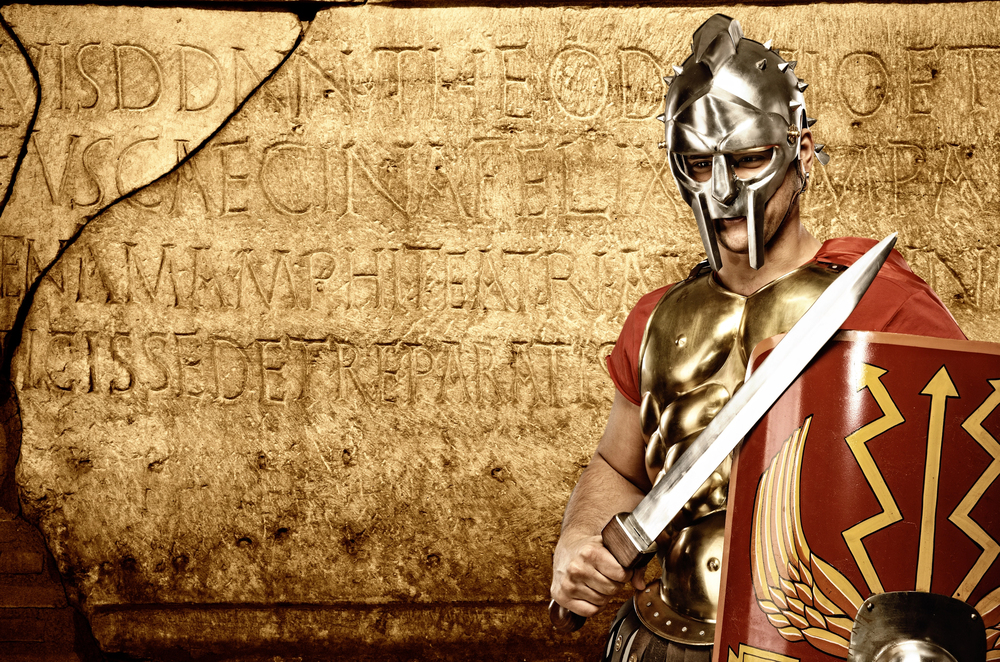
A chance discovery in the Jordanian desert uncovered ceremonial bronze Roman legion standards buried deliberately before a battle. These military emblems were sacred to Roman soldiers, who would rather hide them than risk capture by enemy forces.
The find included intact wooden poles and fabric elements that normally would have disintegrated within decades in most environments.
Complete Mail-Order Houses

In the early 1900s, Sears Roebuck sold entire houses through their catalog, shipping all necessary materials by rail for assembly on site. Several of these kit homes have been found partially assembled and then abandoned in Nevada’s desert when mining operations suddenly ceased.
The dry climate preserved not only the wood but also the instruction manuals, creating perfect time capsules of early 20th-century construction methods.
Intact Human Mummies
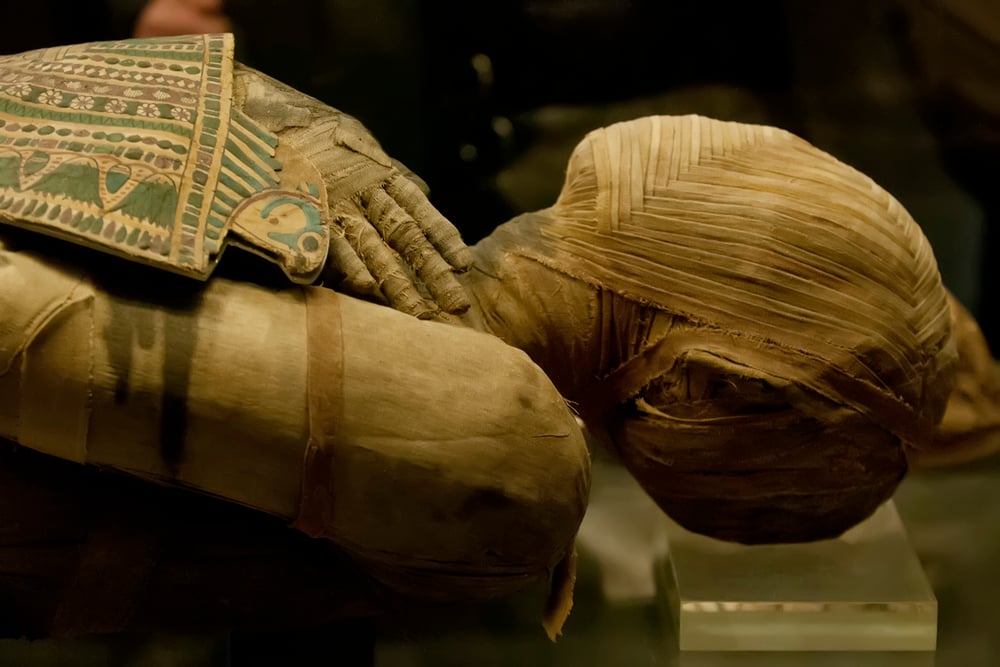
Peru’s Atacama Desert contains some of the world’s oldest deliberately mummified human remains, predating Egyptian examples by thousands of years. The Chinchorro culture began preserving their dead around 7,000 years ago, with the desert environment enhancing their preservation efforts.
These mummies retain skin, hair, and internal organs in a condition that provides unprecedented insights into ancient health and lifestyles.
Like Go2Tutors’s content? Follow us on MSN.
Lost Nazi Documents

In the 1990s, a collection of sealed metal containers was discovered buried in the Libyan desert containing military documents from Rommel’s Afrika Korps. These papers included operational orders, supply records, and personal correspondence that had remained perfectly legible despite being hidden since World War II.
Their presence suggests a deliberate attempt to preserve important records from capture during the North African campaign.
Timeless Desert Archives

The remarkable preservation power of desert environments continues to reveal unexpected windows into the past. These arid regions act as natural museums where time seemingly stands still, protecting items that would quickly decay elsewhere.
As climate change alters landscapes and new technologies improve detection methods, tomorrow’s desert discoveries may be even more surprising than the treasures already unearthed from these sandy vaults.
More from Go2Tutors!

- 18 Unexpectedly Valuable Collectibles You Might Have Lying Around
- 15 Things Every Teenager in the ’70s Did That Teens Today Wouldn’t Understand
- 15 Strange Things People Have Tried to Ban (And Failed)
- 15 Inventions That Were Immediately Banned After Being Created
- 20 Actors Who Were Almost Cast in Iconic Roles
Like Go2Tutors’s content? Follow us on MSN.