Weird Laws to Know Beforehand
Laws exist to keep things orderly, protect people, and hold communities together. But some laws across the United States and around the world seem like they skipped that memo entirely.
From banning certain hairstyles to making it illegal to carry an ice cream cone in your pocket, the legal world has some truly head-scratching entries. These laws are real, still on the books in many places, and sometimes actively enforced.
So before you travel, move, or just go about your day, here are 15 weird laws worth knowing. Some will make you laugh, some will confuse you, and a few might actually save you from an awkward run-in with local authorities.
No Singing After Sunset In Hawaii

In Honolulu, Hawaii, it is actually against the law to sing loudly after sunset. The ordinance was put in place to protect residents from noise disturbances, but the way it reads makes it feel more like a rule from a strict boarding school.
Visitors who love belting out tunes on a warm evening should probably save it for before dark.
No Ice Cream Cones In Your Back Pocket

In Alabama, Georgia, and Kentucky, carrying an ice cream cone in your back pocket in public is technically illegal. The origin of this quirky law goes back to the 1800s, when people allegedly used ice cream cones to lure horses away from their owners.
It sounds absurd today, but the law remains on the books.
No Frowning In Milan

In Milan, Italy, there is an old city ordinance that requires residents to smile at all times in public, with only a few exceptions like funerals and hospital visits. Failing to keep a pleasant face can technically result in a fine.
Whether or not it is enforced regularly, it is one of those laws that makes you rethink your resting face.
No Driving A Dirty Car In Russia

In certain parts of Russia, driving a noticeably dirty car can get you pulled over and fined. The law applies specifically to cars with dirty license plates or windshields, as those create safety hazards.
But some regions interpret ‘dirty car’ more broadly, which means road trips through muddy terrain come with a bit of legal risk.
No Feeding Pigeons In San Francisco

San Francisco passed an ordinance making it illegal to feed pigeons in certain public areas, particularly around the Civic Center. The goal was to reduce the pigeon population and keep public spaces cleaner.
Breaking this law can result in a fine, so that bag of breadcrumbs should stay in your bag.
No Wearing High Heels In Ancient Greek Sites

Greece introduced a law banning high heels at ancient historic sites like the Acropolis. The concern is that pointed heels can damage the old stone surfaces that have survived thousands of years.
Flat shoes are not just comfortable for walking those grounds; they are also the legally required option.
No Chewing Gum In Singapore

Singapore made chewing gum illegal back in 1992 after authorities grew tired of gum being stuck to public spaces and transit systems. The ban is serious: importing or selling gum without medical clearance can lead to fines or even jail time.
Dental or nicotine gum is allowed with a prescription, but the typical convenience-store pack is completely off limits.
No Dying In Longyearbyen, Norway

In the Arctic town of Longyearbyen, Norway, it is technically against the rules to die. This sounds like a joke, but it is not.
The town stopped burying people in the 1950s after discovering that permafrost prevents bodies from decomposing, which raised health and safety concerns. Residents who are terminally ill are actually transported to mainland Norway to spend their final days there.
No Wearing A Suit Of Armor In The UK Parliament

A law dating back to 1313 prohibits members of the British Parliament from entering the House of Parliament while wearing a suit of armor. It was originally enacted after a period of civil conflict to ensure lawmakers came in peace.
It has never been repealed, which means it is still technically valid today.
No Walking A Bear On A Leash In Missouri

Missouri has a law that prohibits walking a bear on a public street or sidewalk without proper containment. The law exists for obvious safety reasons, but the fact that it had to be written suggests someone, at some point, tried it.
Bear owners (yes, some people have them legally) are required to keep their animals in proper enclosures at all times.
Running Out Of Gas On Germany’s Autobahn
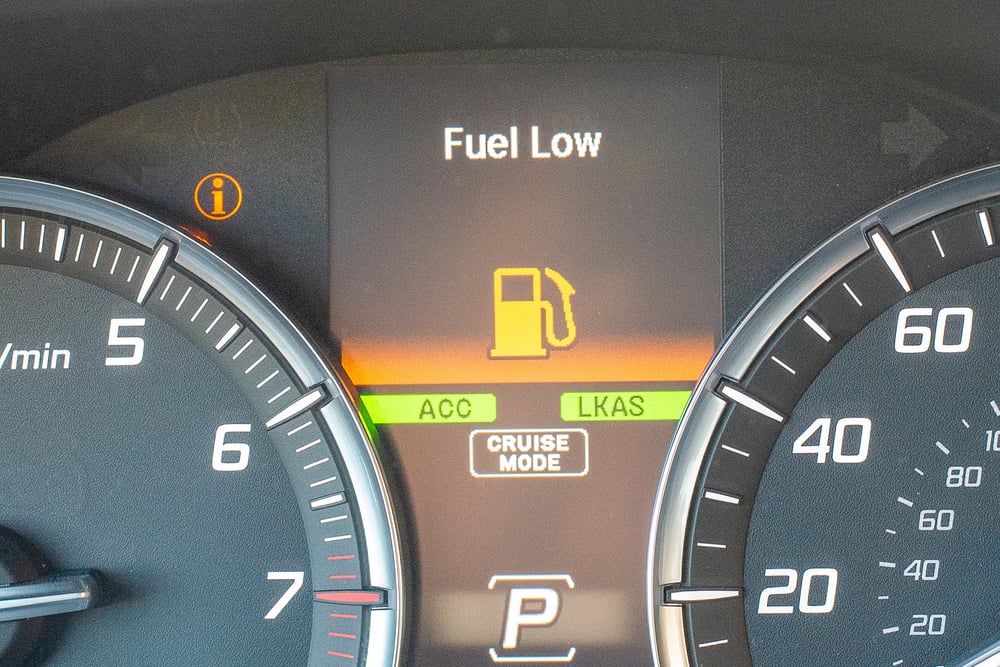
Fuel never runs dry while driving fast through Germany’s open highway stretches. Speed continues without worry when the tank stays full across long distances.
Empty stations stay far behind as kilometers pass under wheels spinning steadily ahead Running out of gas on Germany’s Autobahn breaks the law. That rule exists because stalled vehicles risk lives where cars move without speed limits.
Before entering this highway, checking your fuel level becomes mandatory. A quick glance at the dashboard isn’t optional – it’s part of staying legal.
No Ketchup In School Cafeterias In France

Back in 2011, schools across France stopped letting kids have ketchup – except when eating fries, then it shows up just one day each week. This wasn’t random; it tied into a larger push to keep classic French food alive inside lunchrooms.
Slathering meals in sauce? Not what they had in mind. Meals there carry weight, tradition matters, and that rule proves it’s not taken lightly.
No Handling Salmon Suspiciously In The UK

A strange rule tucked inside Britain’s 1986 Salmon Act says touching a salmon under sketchy conditions could land you in trouble. Crafted at first to stop secret netting and black-market fish deals, its purpose seemed clear.
Yet because the phrasing lacks precision, even an ordinary person holding a fish might seem guilty if officers grow doubtful. What counts as odd behavior? That part nobody spells out.
No Texting While Walking In Honolulu

Fines grow bigger each time someone breaks the rule in Honolulu, where looking at a phone while walking across roads became illegal in 2017. That year, it joined a short list of American cities taking steps like these.
A growing number of crashes involving distracted walkers gave officials reason to move. Some shrug off the law as too strict – yet phones kept pulling eyes away from traffic.
Finding A Walkman For Sale In Japan Might Come Up Empty On Specific Dates

Odd rule in Japan stops people reselling some gadgets – think vintage MP3 players – unless they’ve got official permission at set times. Tied to wider rules on used items, it forces anyone selling such gear to sign up with neighborhood cops first.
Meant to help, sure, yet small print trips up many who just want to clear out drawers.
Still On The Books

Funny as some laws might seem, they once made perfect sense back when first put down. Times shift quickly, yet outdated rules sometimes stick around without anyone removing them.
Being aware of these odd regulations – however silly – could stop trouble during travel, dodge a penalty, or spark conversation over a meal. What feels obvious in daily life does not always match what law still says.
That space between logic and legality? It exists more than you may guess.
More from Go2Tutors!

- The Romanov Crown Jewels and Their Tragic Fate
- 13 Historical Mysteries That Science Still Can’t Solve
- Famous Hoaxes That Fooled the World for Years
- 15 Child Stars with Tragic Adult Lives
- 16 Famous Jewelry Pieces in History
Like Go2Tutors’s content? Follow us on MSN.