15 Victorian Diets That Were Deadly
The Victorian era, roughly spanning the 1830s to 1900, was a period where beauty was often pursued at any cost — even life itself. At the time, the fashionable ideal mirrored the look of those suffering from tuberculosis: pale, almost see-through skin, rosy cheeks, glassy eyes, and a thin, fragile frame. This obsession with the so-called “consumptive chic” led to extreme diets and bizarre beauty practices that, more often than not, turned deadly.
What makes these trends even more unsettling is that many Victorians were fully aware of the dangers but pressed on anyway. With no strict regulations, anyone could sell “miracle cures” or slimming products, regardless of how toxic the ingredients were.
Here are 15 of the most dangerous Victorian diets and beauty practices that highlight how deadly the pursuit of thinness and social approval could be.
The Tapeworm Diet

Possibly the most infamous fad of the era, this “diet” involved swallowing pills laced with tapeworm eggs. The worms would supposedly eat part of your food, letting you “eat anything and stay slim.” Ads even described them as “sanitized tapeworms.”
The truth was far grimmer. Tapeworms can grow up to 30 feet long, cause organ damage, trigger infections, and, in many cases, kill their host. Removal was just as horrifying — some believed you could lure the worm out by sitting with your mouth open over a bowl of milk.
Arsenic Pills for Weight Loss

Arsenic, more commonly known as rat poison, was sold as a metabolism booster and skin enhancer. Women swallowed pills thinking they were harmless beauty supplements. In reality, dosages were unpredictable and often fatal.
Even in small amounts, arsenic damages the liver, skin, and nerves. Long-term use could cause cancer or sudden death. The fact that Victorians willingly consumed something they knew was toxic shows just how desperate the obsession with appearance had become.
Mercury Beauty Treatments
Mercury wasn’t only used by hat makers — it was also found in Victorian creams and ointments. People thought it brightened skin or promoted weight loss, but exposure brought tremors, memory loss, and brain damage.
The phrase “mad as a hatter” actually came from mercury poisoning in the hat industry, yet this didn’t stop its widespread use in cosmetics. The price of beauty was often severe, and mercury proved it.
Lord Byron’s Vinegar Diet

The Romantic poet Lord Byron made daily vinegar drinking trendy. His meals often consisted of vinegar-soaked potatoes paired with plenty of the acidic liquid. Byron swore it controlled his “tendency to fatten.”
The craze left followers sick with vomiting, diarrhea, and general weakness, but many young women copied him, desperate for his famously pale and thin look. As one critic remarked, “our young ladies live their girlhood in semi-starvation.”
Sand Eating for Internal Cleansing

Yes, sand. Some Victorians actually swallowed it, believing the grit would scrub their bodies clean of “toxins.” The trend began in St. Louis and spread to other cities.
Instead of purifying the body, sand tore up digestive tracts, caused blockages, and led to slow, painful deaths.
Ammonia Consumption

Ammonia wasn’t just for cleaning floors. Some women drank it, thinking it aided hair growth and weight control. Others inhaled it as part of supposed detox treatments.
In reality, ammonia burned the digestive system and lungs. Many women ended up with permanent respiratory damage — but in the age of miracle tonics, science wasn’t much of a barrier to belief.
Intentional Tuberculosis Exposure
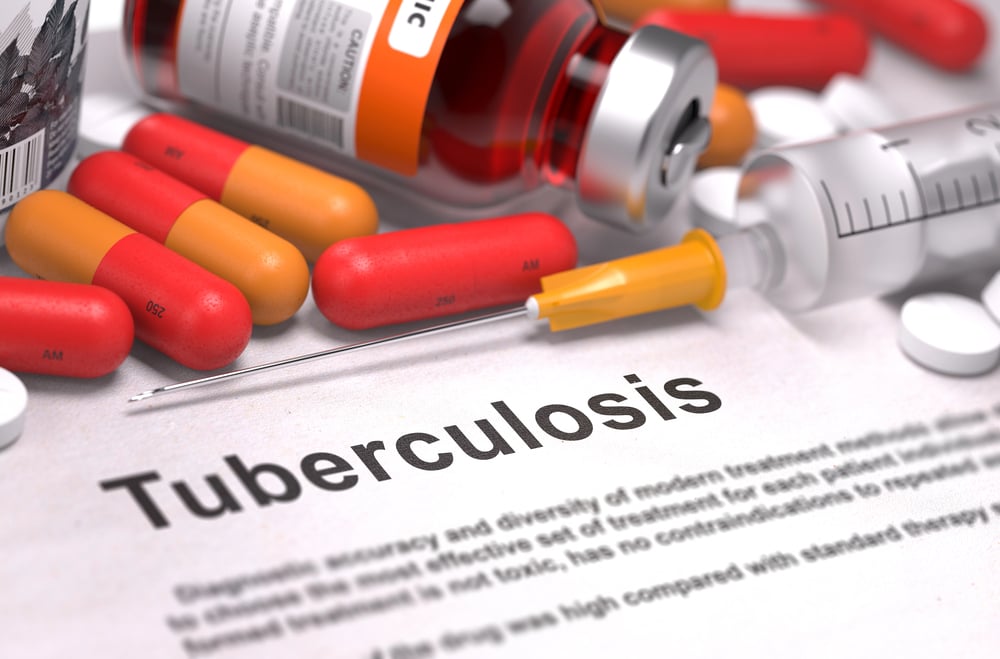
Since tuberculosis produced the coveted pale, waif-like look, some women deliberately sought it out. They visited sanatoriums or shared belongings with patients, hoping to contract the disease.
The result? A slow, painful decline. With no cure at the time, tuberculosis was essentially a death sentence — willingly embraced in the name of fashion.
Belladonna Eye Drops

To achieve wide, watery, doll-like eyes, Victorian women dripped belladonna (a poisonous plant extract) into their eyes. The drops dilated pupils, giving a fragile and sickly allure.
But the cost was steep: regular use could destroy eyesight and damage the nervous system. Some women even went blind chasing this “ethereal” look.
Lead-Based Beauty Products

Lead was a staple ingredient in face powders and creams designed to whiten skin. Women applied it daily, unknowingly feeding poison into their systems.
Lead causes neurological decline, kidney failure, and, eventually, death. Yet it remained popular because nothing else created that ghostly pale complexion so prized at the time.
Rubberized Corset Dieting

Some women wore rubber corsets and underwear meant to “sweat out fat.” These suffocating garments trapped heat, squeezed organs, and caused dehydration.
The corsets could permanently deform ribcages and damage internal organs. Imagine trying to breathe or digest properly while being slowly crushed — all in the name of slimming down.
Alcohol and Opium Tonics

Patent medicines often combined alcohol, opium, and toxic herbs into “health” tonics. Marketed as weight-loss aids, these concoctions left users addicted and malnourished.
They dulled hunger but destroyed health, and countless people — including children — were given these brews. It was a legal, socially accepted form of poisoning.
Extreme Fletcherism

Horace Fletcher promoted chewing food hundreds of times before either swallowing tiny amounts or spitting it out. Followers thought this “scientific eating” reduced toxins and improved digestion.
In truth, it caused severe malnutrition. Fletcher even carried samples of his stool as proof of the method’s “purity.” Few diet fads have been quite so strange — or so unhygienic.
Radium Beauty Treatments

By the late Victorian period, radium was hailed as a miracle substance. It was smeared on skin as powder or face paint to produce a “healthy glow.” Some even ingested radium-laced drinks.
Instead of glowing with vitality, users ended up with radiation burns, bone decay, and cancer. This was slow-motion self-destruction disguised as beauty.
Nitrobenzene Perfume Poisoning
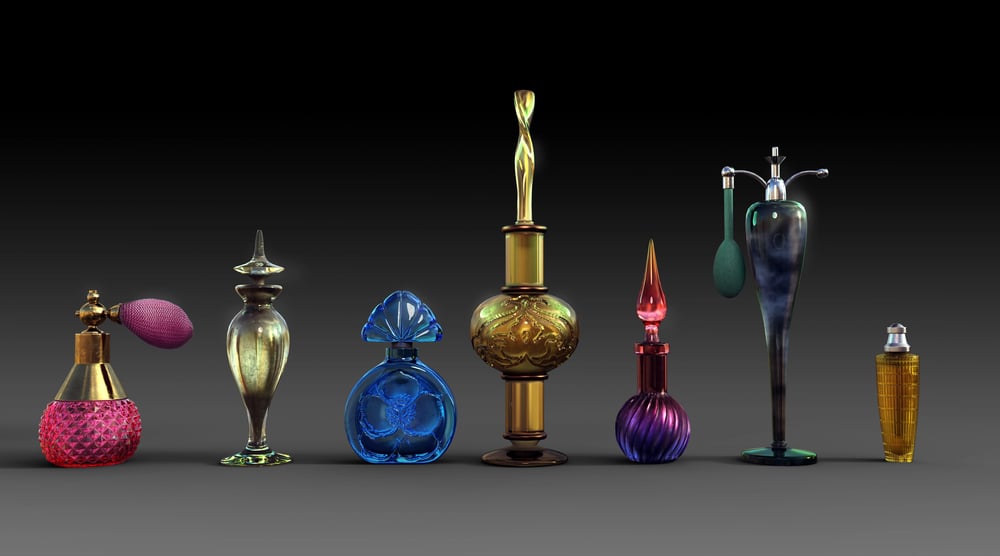
Victorian perfumes often contained nitrobenzene, a chemical capable of damaging the liver, lungs, and nervous system. Some women even sipped perfume, believing it made them radiant from the inside out.
In reality, it was just another way to poison oneself — wrapped in a pretty scent.
Starvation and Purging Regimens

For many, beauty boiled down to fasting and “cleansing.” Women went days without eating, then used harsh laxatives, enemas, and mineral waters to purge their bodies.
The result was dehydration, organ failure, and sometimes sudden death. But social pressure convinced women to keep repeating these dangerous cycles.
Beauty’s Deadly Legacy

Victorian diets show how far people will go to chase beauty — even if it means courting death. From swallowing poisons to starving themselves, women paid a tragic price for society’s impossible ideals.
What’s sobering is how familiar some of these obsessions sound today. Modern diet culture may not involve tapeworms or arsenic, but quick fixes and extreme methods remain just as tempting. The Victorian era is a haunting reminder: when beauty outweighs health, the consequences can be fatal.
More from Go2Tutors!

- The Romanov Crown Jewels and Their Tragic Fate
- 13 Historical Mysteries That Science Still Can’t Solve
- Famous Hoaxes That Fooled the World for Years
- 15 Child Stars with Tragic Adult Lives
- 16 Famous Jewelry Pieces in History
Like Go2Tutors’s content? Follow us on MSN.