15 Vintage Baby Items Completely Banned Today
Time has a way of exposing dangerous parenting advice. What seemed perfectly reasonable to one generation becomes unthinkable to the next. Baby products from decades past tell the story of how much safer child-rearing has become — though not without leaving behind some genuinely shocking artifacts along the way.
Drop-Side Cribs
Drop-side cribs killed babies. The mechanism that made one side slide down for easier access also created deadly gaps where infants could get trapped.
Approximately 32 deaths later, the Consumer Product Safety Commission banned them entirely in 2011. Any crib with a movable side is now illegal to manufacture or sell.
Baby Walkers with Wheels
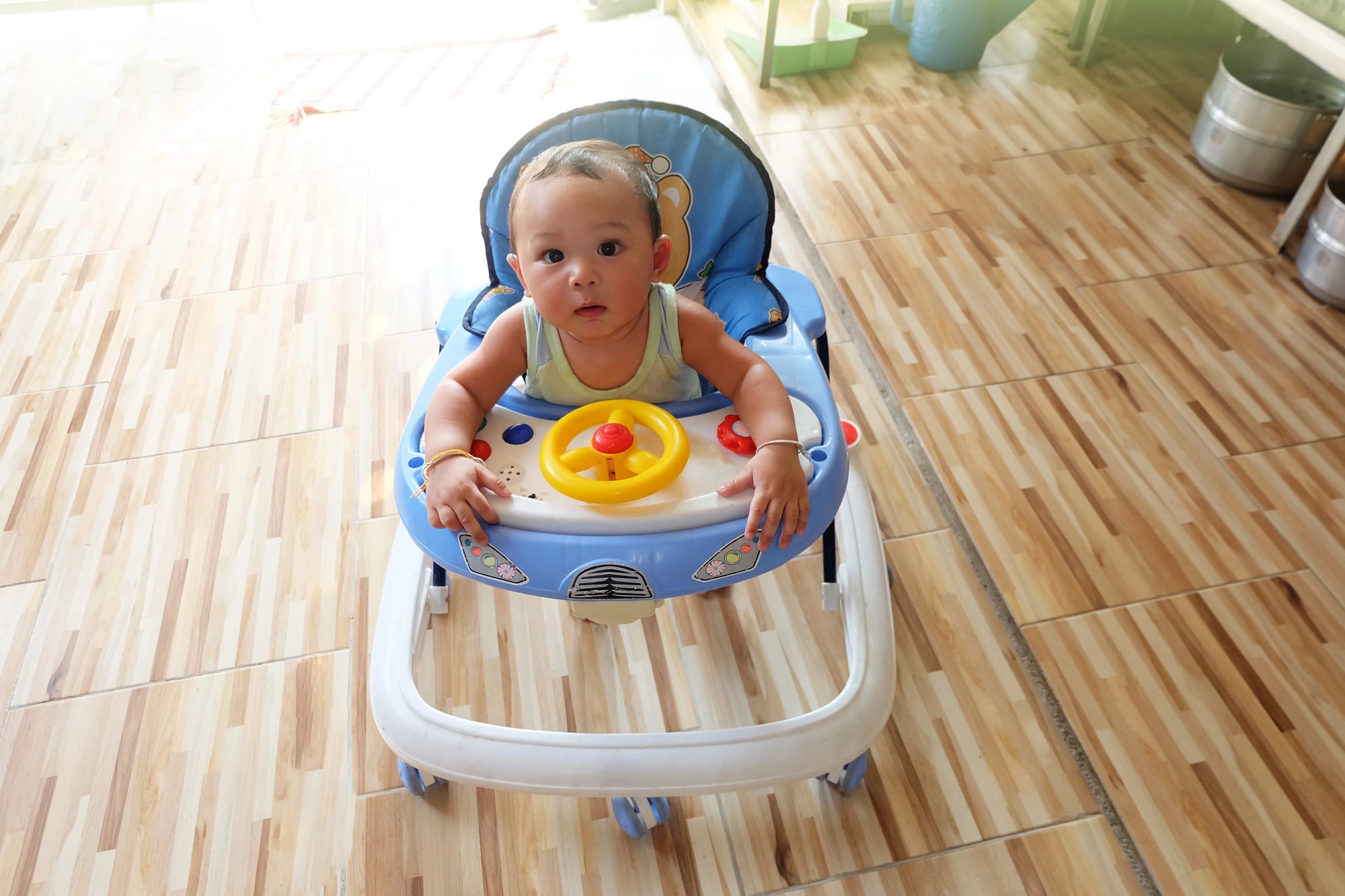
Baby walkers promised to help infants learn to walk faster while keeping them entertained. Instead, they sent thousands of children tumbling down stairs and crashing into furniture (not to mention delaying actual walking development by weakening leg muscles that never had to support full body weight).
Modern stationary activity centers replaced them, but the wheeled versions that turned babies into runaway projectiles are long gone.
Lead-Based Baby Paint and Toys

So here’s what happened with lead paint on cribs and toys: nobody understood the neurological damage it caused until decades of children had already been exposed to it, and by then the practice was so widespread that banning it required rewriting entire manufacturing standards across multiple industries. The teething rails on vintage cribs were often coated with lead-based paint, which meant babies were literally chewing on a neurotoxin during one of the most critical periods of brain development (because teething babies put everything in their mouths, and the sweet taste of lead paint made it even more appealing).
And the most disturbing part wasn’t just that it was legal — it was that lead was added intentionally because it made paint more durable and vibrant.
Accordion-Style Baby Gates

Think of an accordion-style baby gate as a paper fan made of wood and hardware — beautiful in its geometric precision when extended, but full of diamond-shaped spaces that seemed designed by someone who had never watched a curious toddler explore the world. Those V-shaped openings created perfect traps for small heads and necks, the kind of spaces that look harmless until you realize a child’s head can fit through but their shoulders cannot.
The rhythm of the alternating slats had an almost hypnotic quality, drawing children toward the very spaces that posed the greatest danger.
Soft Bedding and Bumper Pads

Bumper pads were supposed to protect babies from hitting their heads on crib slats. Turns out, healthy babies rarely injure themselves that way, but soft bedding kills them regularly through suffocation and SIDS.
The American Academy of Pediatrics has been crystal clear since the 1990s: bare cribs save lives. Blankets, pillows, bumpers, and stuffed animals all increase the risk of infant death. The crib that looks cozy and decorated is the dangerous one.
Baby Powder with Talc
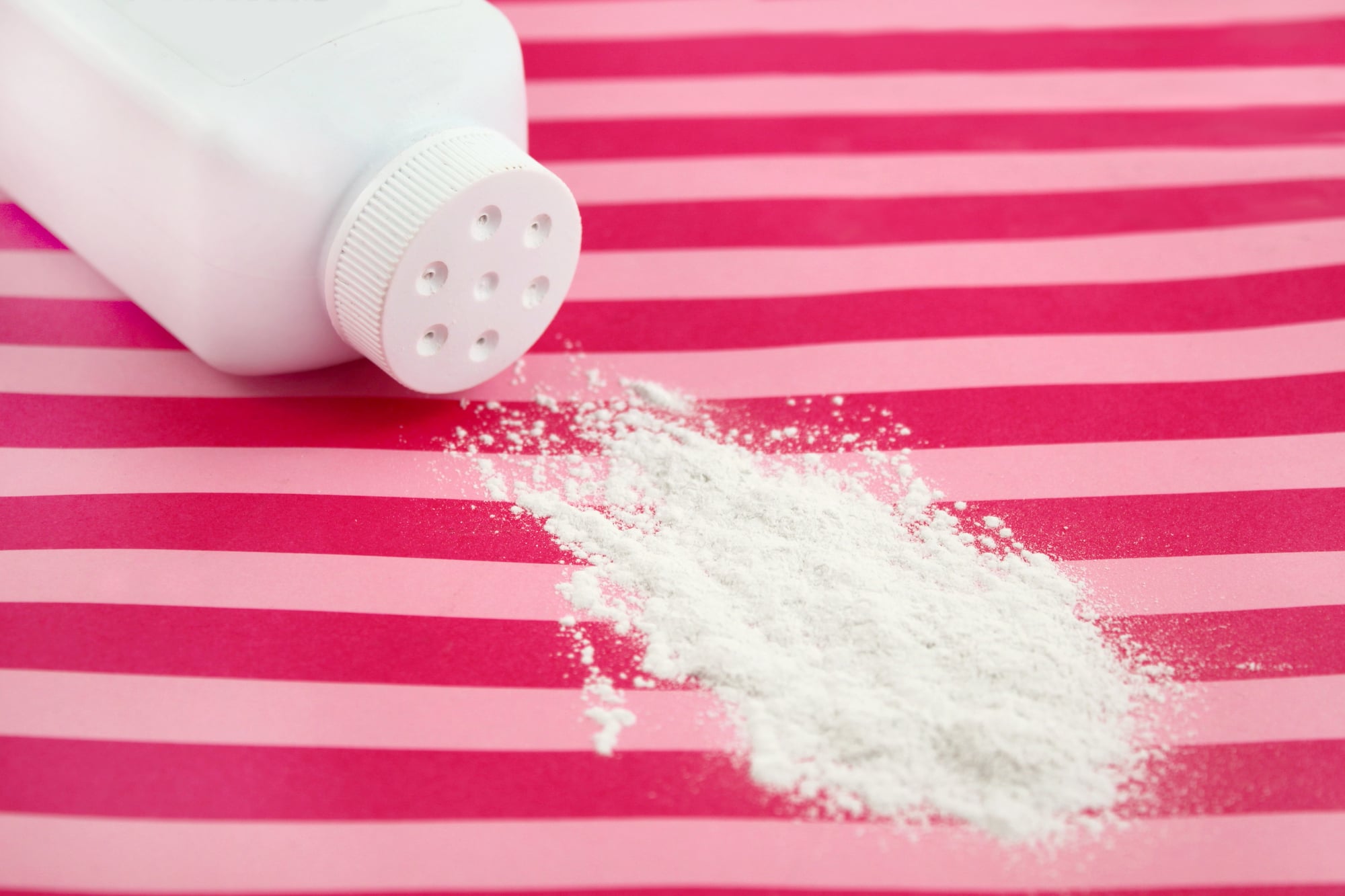
Talc-based baby powder seemed like the most innocent product imaginable (Johnson & Johnson built an empire on the image of freshly powdered babies), but it turns out that talc naturally occurs near asbestos deposits, and the mining process often contaminated one with the other without manufacturers testing for it or understanding the health implications. So generations of parents dusted their babies with a product that contained a known carcinogen, and the powder became airborne every time it was used, meaning babies were inhaling asbestos fibers during diaper changes.
And the most maddening part is that baby powder was never medically necessary — it was purely cosmetic, marketed as essential when cornstarch-based alternatives worked just as well without the contamination risk (though even those are now discouraged because infants shouldn’t be breathing any kind of powder).
Vintage Car Seats Without Safety Standards
Picture a car seat from the 1960s: a thin plastic shell with minimal padding, attached to the car with nothing more than the honor system and a basic lap belt. These early models were designed more for parental convenience than child safety, keeping babies contained during car rides without any consideration for what would happen during sudden stops or collisions.
The physics were all wrong — no five-point harness, no energy-absorbing materials, no testing for crash scenarios that were already well-understood in automotive engineering.
Mercury Teething Powders and Remedies
Mercury was medicine until it wasn’t. Teething powders contained mercury compounds that were supposed to soothe sore gums but instead caused mercury poisoning.
The symptoms — irritability, excessive drooling, and developmental delays — were often mistaken for normal teething troubles. By the time the connection became clear, generations of children had been poisoned by the very remedies meant to comfort them.
String and Ribbon Toys

Baby toys with long strings, ribbons, or cords created strangulation hazards that seemed obvious in hindsight but went unregulated for decades. Crib gyms with dangling parts, pull-toys with long cords, and any toy with strings longer than seven inches are now banned for infants.
The rule is simple: if a baby can wrap it around their neck, it shouldn’t be within reach.
Flame-Retardant Sleepwear Treated with TRIS
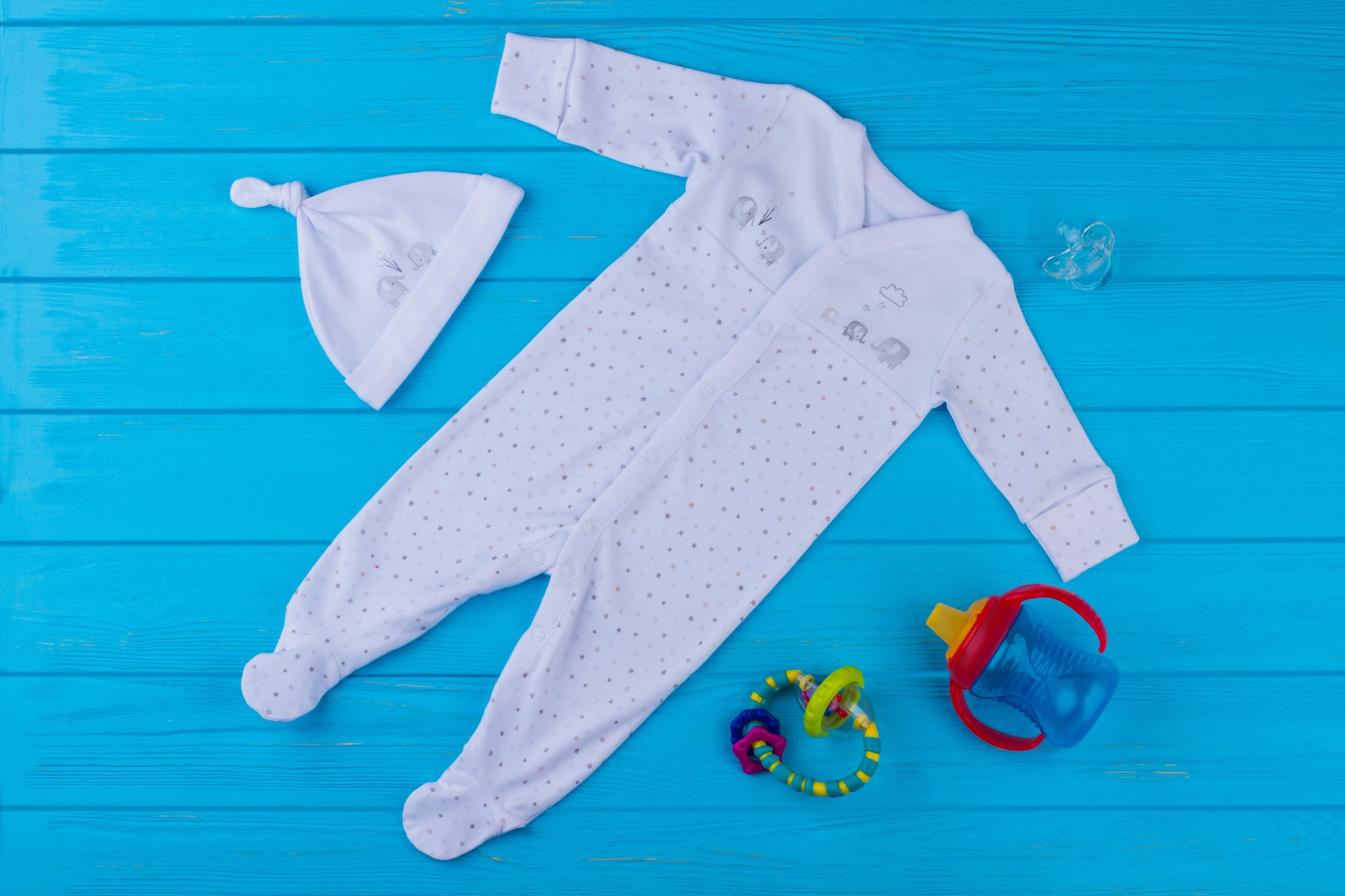
The government mandated flame-resistant children’s sleepwear in the 1970s, which sounds reasonable until you learn how manufacturers achieved that resistance: by treating fabric with TRIS (tris(2,3-dibromopropyl) phosphate), a chemical that was later discovered to be carcinogenic and mutagenic (meaning it could alter DNA and cause cancer). So in an effort to protect children from burns, manufacturers were essentially dressing them in pajamas soaked with cancer-causing chemicals every single night.
And because TRIS wasn’t bound to the fabric, it would leach out and be absorbed through the skin, meaning children were getting regular doses of this toxin for hours at a time during sleep. The Consumer Product Safety Commission banned TRIS-treated clothing in 1977, but not before millions of children had been exposed.
Traditional High Chairs with Wide Leg Openings

Old-fashioned high chairs look charming in their solid wood construction and simple design, but they were built with leg openings wide enough for a baby to slip through and get caught at the neck or chest. Modern high chairs have strict regulations about spacing between parts — nothing can be wide enough to trap a child’s body but narrow enough to catch their head.
Those vintage wooden high chairs that look so sturdy were actually death traps waiting to happen.
Glass Baby Bottles

Glass baby bottles were the standard for decades because glass was easy to sterilize and didn’t retain odors or stains. The problem was obvious but somehow overlooked: glass breaks, and when it does, it creates sharp fragments around crawling babies and toddlers.
A dropped bottle could create dangerous shards that were nearly impossible to clean up completely. Modern bottles use shatter-resistant materials that won’t turn feeding time into a hazardous situation.
Magnetic Building Sets with Small Magnets

Small rare-earth magnets in building toys created an invisible danger that didn’t become apparent until children started requiring emergency surgery. When multiple magnets are swallowed, they attract each other through intestinal walls, causing perforations, blockages, and internal damage that can be fatal.
The magnets were so powerful that they could cause severe injury even when swallowed hours apart. Any toy with small, powerful magnets is now banned for young children.
Cribs with Corner Posts and Decorative Elements

Decorative corner posts on cribs weren’t just unnecessary — they were designed to catch clothing and create strangulation hazards. Any protrusion higher than 1/16 inch is now prohibited on cribs because loose clothing can snag and trap a child.
Those ornate Victorian-style cribs with carved posts and decorative elements that looked so elegant were actually covered in potential hazards that modern safety standards have eliminated.
Cabinet Knob Covers and Outlet Plugs
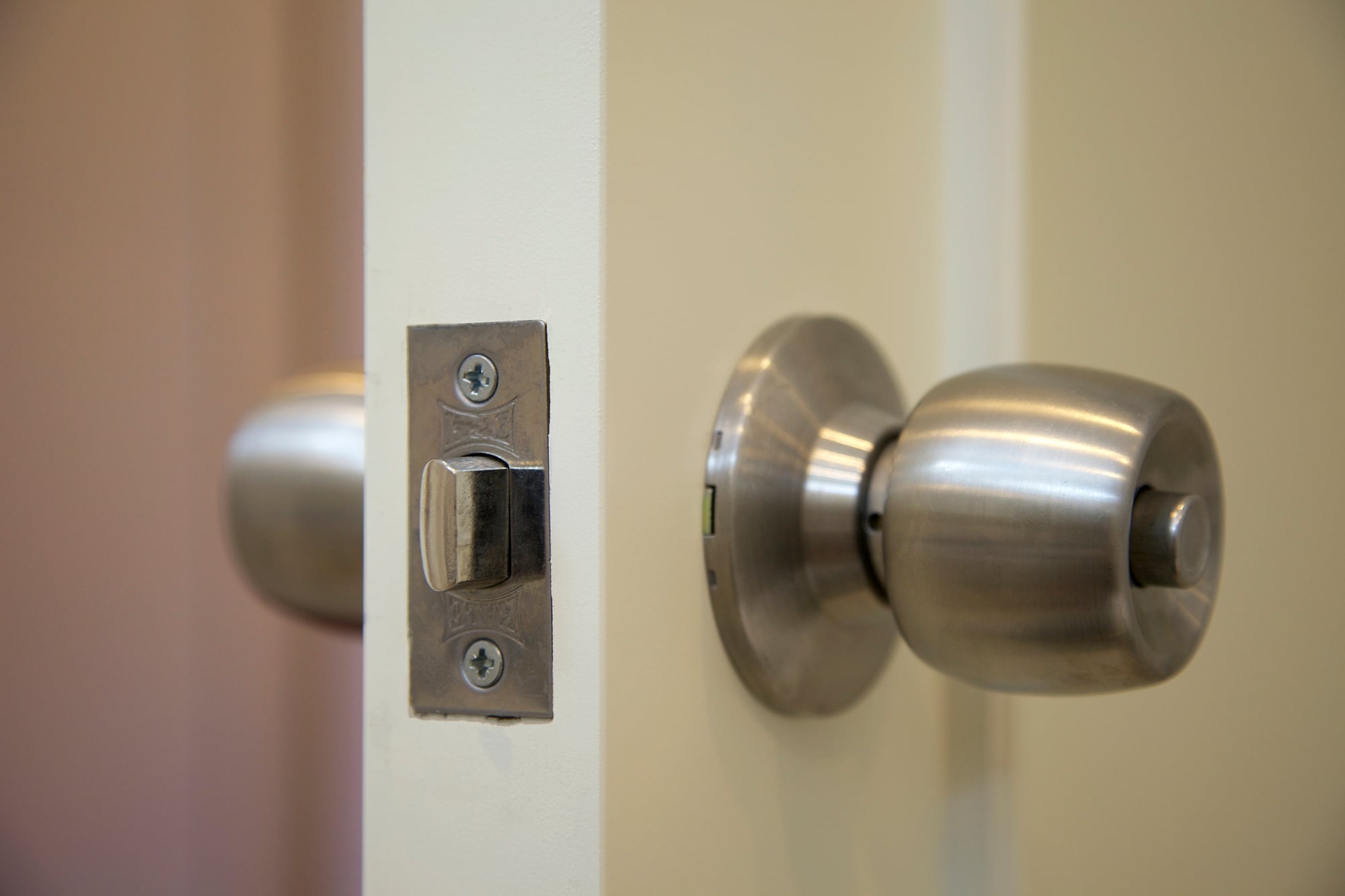
The first generation of child-proofing products was more dangerous than helpful. Cabinet knob covers could be easily removed and became choking hazards.
Traditional outlet plugs were actually easier for children to remove than for adults, and they encouraged kids to play with electrical outlets. Modern child-proofing focuses on products that adults can operate easily but children cannot — a simple concept that took decades to implement correctly.
When Safety Becomes Obvious

These banned items share a common thread: they all seemed reasonable until the consequences became undeniable. Each prohibition represents children who were injured or killed by products that parents trusted.
The speed with which safety standards have evolved shows how much we’ve learned about child development, injury prevention, and the responsibility that comes with designing products for the most vulnerable members of society.
More from Go2Tutors!

- The Romanov Crown Jewels and Their Tragic Fate
- 13 Historical Mysteries That Science Still Can’t Solve
- Famous Hoaxes That Fooled the World for Years
- 15 Child Stars with Tragic Adult Lives
- 16 Famous Jewelry Pieces in History
Like Go2Tutors’s content? Follow us on MSN.