Surprising Things That Are Copyrighted
When you think about copyright and trademark law, your mind probably jumps to books, movies, or company logos. But intellectual property protection stretches far beyond the obvious stuff.
Some of the world’s most recognized brands have managed to claim ownership over things you’d never expect—from specific shades of color to the way something smells when you open it. Companies spend millions developing their unique identities, and they’re getting creative about protecting every aspect of their brand.
Here is a list of surprising things that are actually copyrighted or trademarked.
The Eiffel Tower at Night
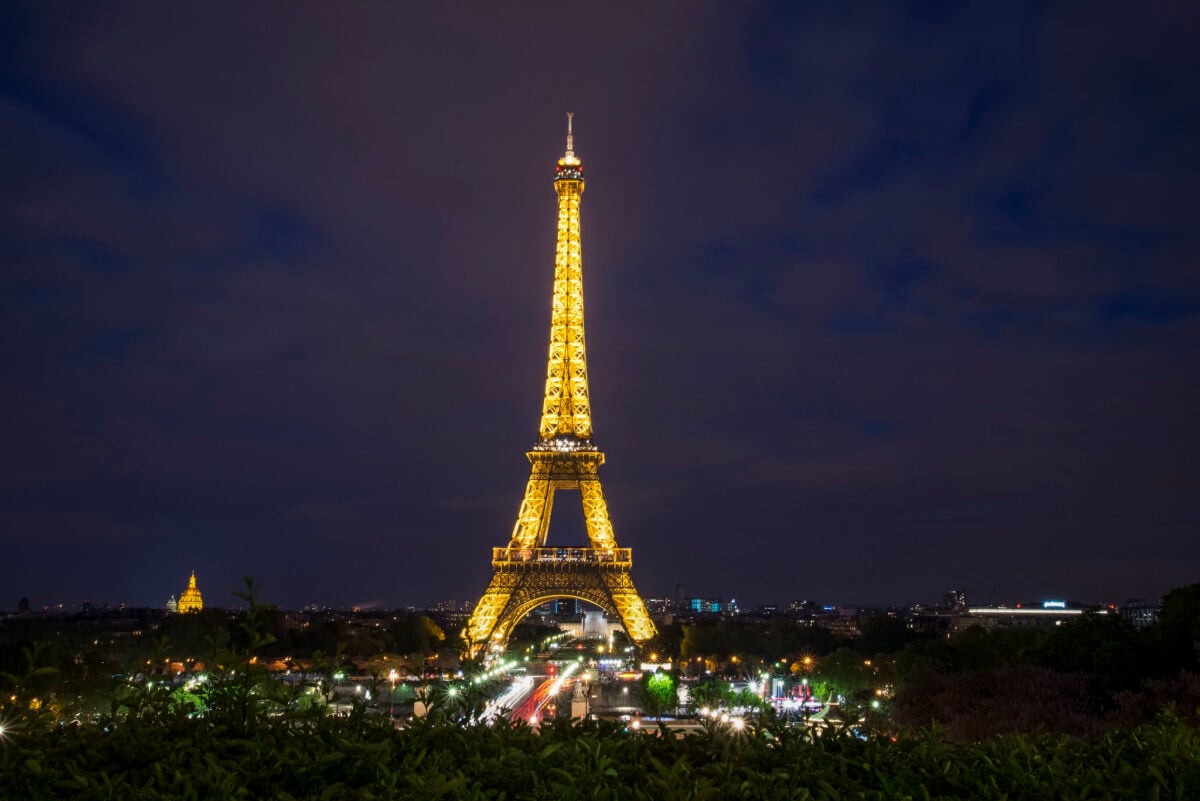
You can snap all the daytime photos of the Eiffel Tower you want, but nighttime is a different story. The tower’s lighting display, added in 1985, is considered a separate artistic work and is copyrighted by the company that operates the landmark.
If you want to sell or commercially use photos of the illuminated tower after dark, you technically need permission from the Société d’Exploitation de la Tour Eiffel. The tower itself is public domain since it’s over 70 years old, but that sparkly light show is protected intellectual property.
Tiffany Blue
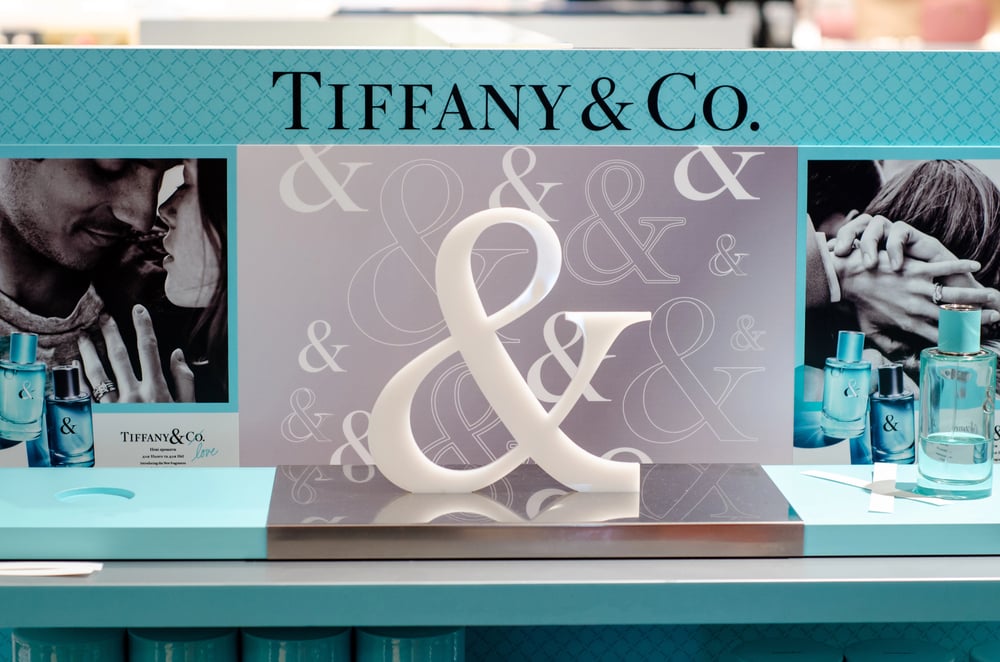
That distinctive robin’s egg blue shade has been associated with Tiffany & Co. since 1845, and the company finally trademarked it in 1998. The color even has its own Pantone number—1837, which references the year the company was founded.
If you’re a jewelry company thinking about using a similar shade of blue for your packaging, you might want to think twice. Tiffany has fiercely protected this color for decades, making it one of the most recognized trademarked colors in the world.
The ‘Dun Dun’ Sound from Law & Order
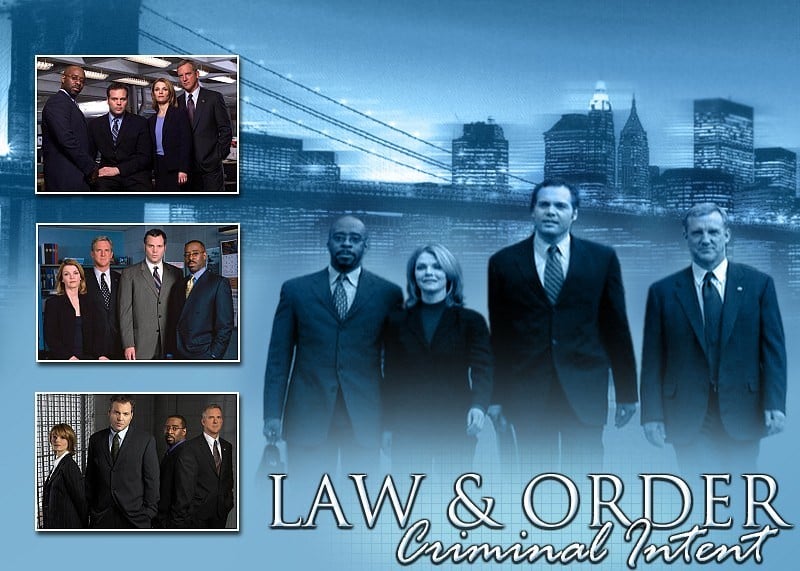
That iconic two-note sound effect that punctuates every scene in Law & Order isn’t just memorable—it’s legally protected. NBC Universal Media owns the trademark for those distinctive musical notes, which composer Mike Post created specifically for the show.
The sound is officially described as two musical notes with a single strike and quick re-articulation of a perfect fifth pitch interval in the key of C. It’s become so synonymous with crime drama that you can probably hear it in your head right now.
Play-Doh’s Scent
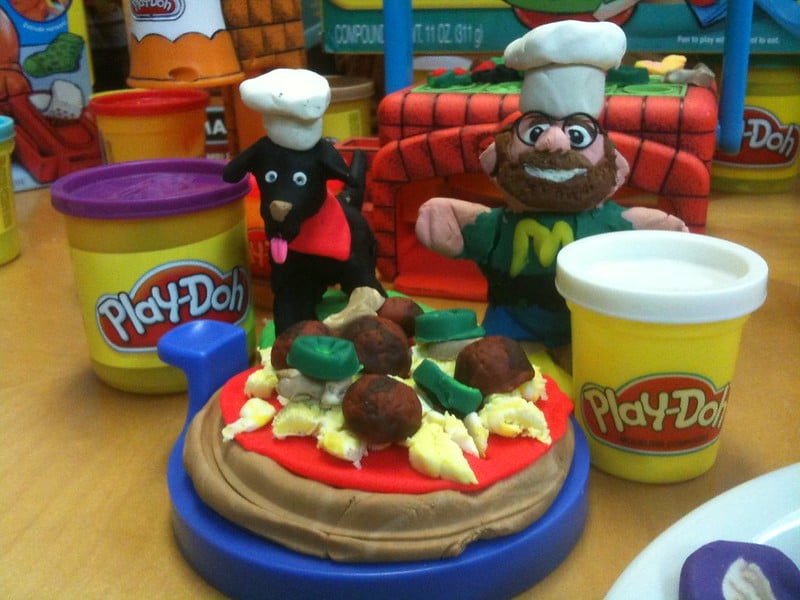
Hasbro managed to trademark the nostalgic smell of Play-Doh in 2018, making it one of only about a dozen scent trademarks in the United States. The company formally describes it as a sweet, slightly musky, vanilla-like fragrance with slight overtones of cherry, combined with the natural smell of a salted, wheat-based dough.
The recipe has remained largely unchanged since 1956, which means the Play-Doh you played with as a kid smells exactly like the stuff your own children use today. This trademark protects what Hasbro calls an invaluable connection between the brand and generations of fans.
The Phrase ‘Super Bowl’
The NFL guards the term ‘Super Bowl’ more aggressively than a linebacker protecting the quarterback. Every year, the league sends out thousands of pre-emptive letters reminding businesses they can’t use the phrase without permission.
That’s why you see awkward alternatives like ‘the Big Game’ or ‘football’s biggest night’ in advertisements. Companies pay tens of millions for official Super Bowl ads, and the NFL doesn’t want that value diluted by everyone slapping the trademarked phrase on their promotions.
The league sends out roughly 100 cease-and-desist letters annually to businesses that didn’t get the message the first time.
Choreography
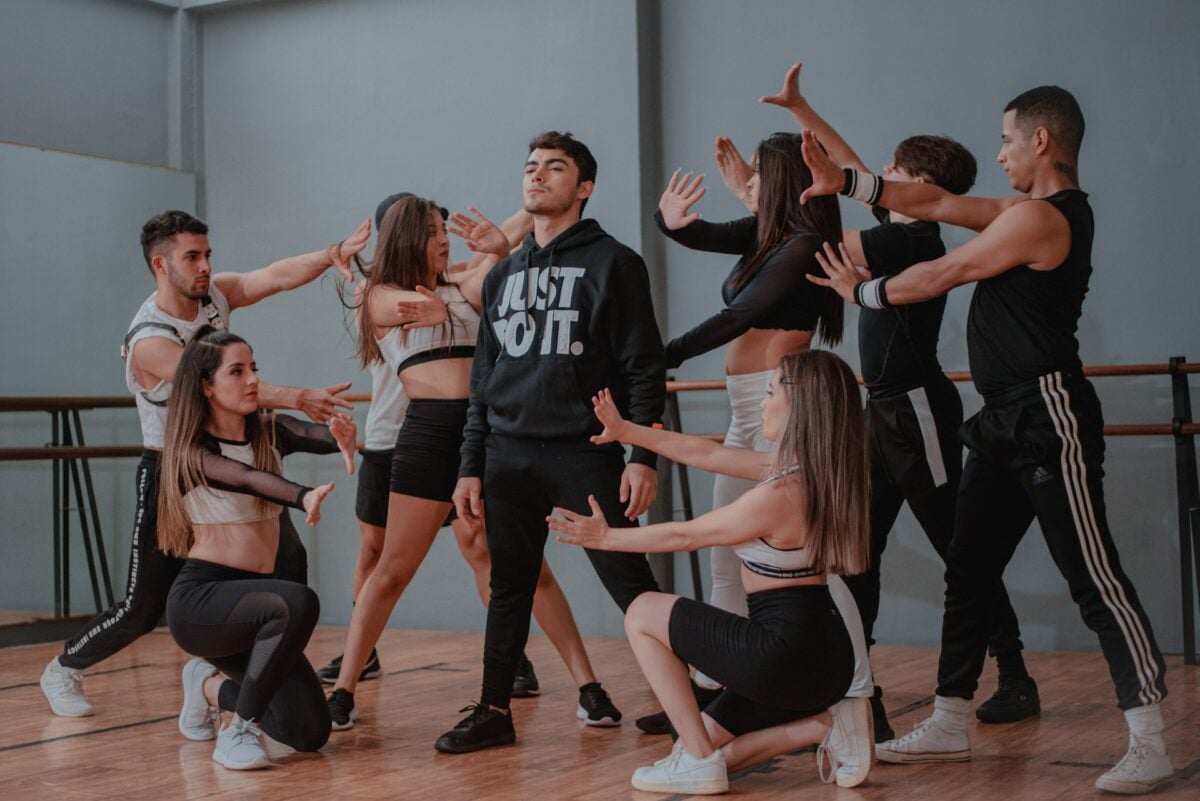
Dance moves can absolutely be copyrighted, and Beyoncé’s choreographer JaQuel Knight made history in 2020 when his ‘Single Ladies’ choreography became the first non-ballet work to receive copyright registration. Knight has since launched a company to copyright and license dance moves, operating similarly to how music publishers protect songs.
This protection only applies to complete choreographed works, not individual moves like a moonwalk or a simple shimmy. The choreography must be original and exist in a fixed form—usually recorded on video—to qualify for protection.
UPS Brown

That distinctive brown color on UPS trucks and uniforms isn’t just a random choice—it’s trademarked. Officially called Pullman Brown, the color has been associated with the company since 1916 and was formally trademarked in 1998.
UPS has built its entire brand identity around this shade, making it one of the most recognized corporate colors in America. If you’re starting a delivery company, you’ll want to steer clear of similar brown hues unless you fancy a legal battle with a Fortune 500 company.
The Word ‘Superhero’
This one might blow your mind: the term ‘superhero’ is actually a joint trademark owned by both Marvel and DC Comics. These longtime rivals came together to co-own the phrase, which means other comic book companies technically need permission to use it.
The trademark covers the word in relation to comic books, entertainment, and related merchandise. It’s a strange situation where two competing companies share ownership of what seems like a generic term for anyone with powers and a cape.
‘It’s on like Donkey Kong’
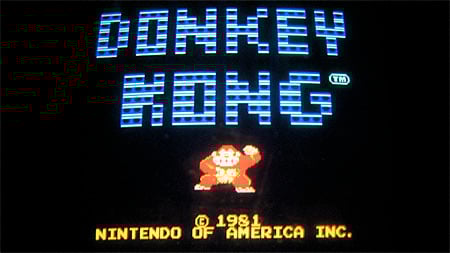
Nintendo didn’t just trademark the Donkey Kong character—they also trademarked this catchy phrase that became popular in 1990s culture. The saying, which basically means a challenge or competition is about to begin, is protected by Nintendo despite being widely used in everyday conversation.
It’s one of those phrases that feels like it should belong to everyone, but legally speaking, it belongs to a video game company. Nintendo’s trademark portfolio shows just how far companies will go to protect anything associated with their brands.
T-Mobile Magenta
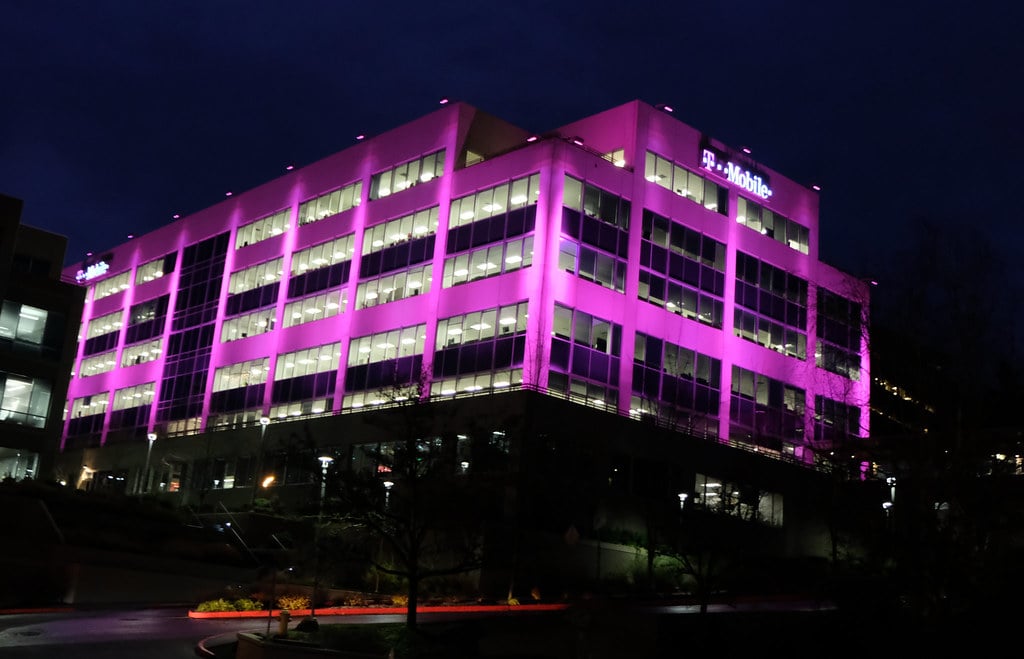
T-Mobile’s vibrant magenta color is fiercely protected by the telecommunications giant. The company has successfully defended its trademark in multiple federal court cases, including a notable victory against AT&T when the latter tried using a similar shade.
T-Mobile has used this specific magenta since the company launched in 1999, making it instantly recognizable in the crowded wireless market. The color trademark only applies within the telecommunications industry, so other businesses outside that field can use similar shades without worry.
Happy Birthday Song
For decades, ‘Happy Birthday to You’ was under copyright protection, requiring anyone who used it commercially to pay licensing fees. The song actually originated from ‘Good Morning to All,’ written by sisters Mildred and Patty Hill in 1893.
Warner Music Group claimed ownership and collected about $2 million annually in licensing fees until 2016, when a federal judge ruled the copyright claim was invalid. Restaurants avoided singing it, and movies found creative alternatives for years.
Now it’s finally in the public domain where it belongs, but for over 80 years, this simple birthday tune was a money-making machine for its corporate owners.
Zippo Lighter Click
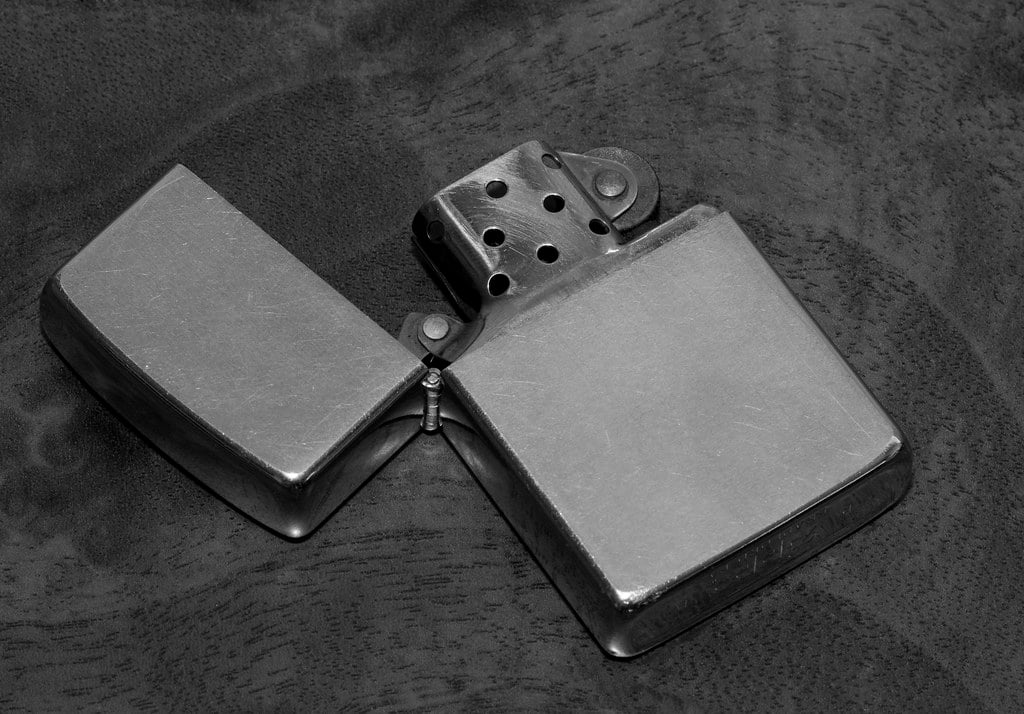
The distinctive click sound a Zippo lighter makes when you flip it open has been a registered sound trademark since 2018. It’s classified under lighters for the sound’s unique and recognizable qualities.
Zippo’s windproof design made the brand famous, but that metallic click became almost as iconic as the flame itself. Sound trademarks are notoriously difficult to obtain—you have to prove the sound is truly distinctive and non-functional—but Zippo managed to pull it off where many others have failed.
Sydney Opera House
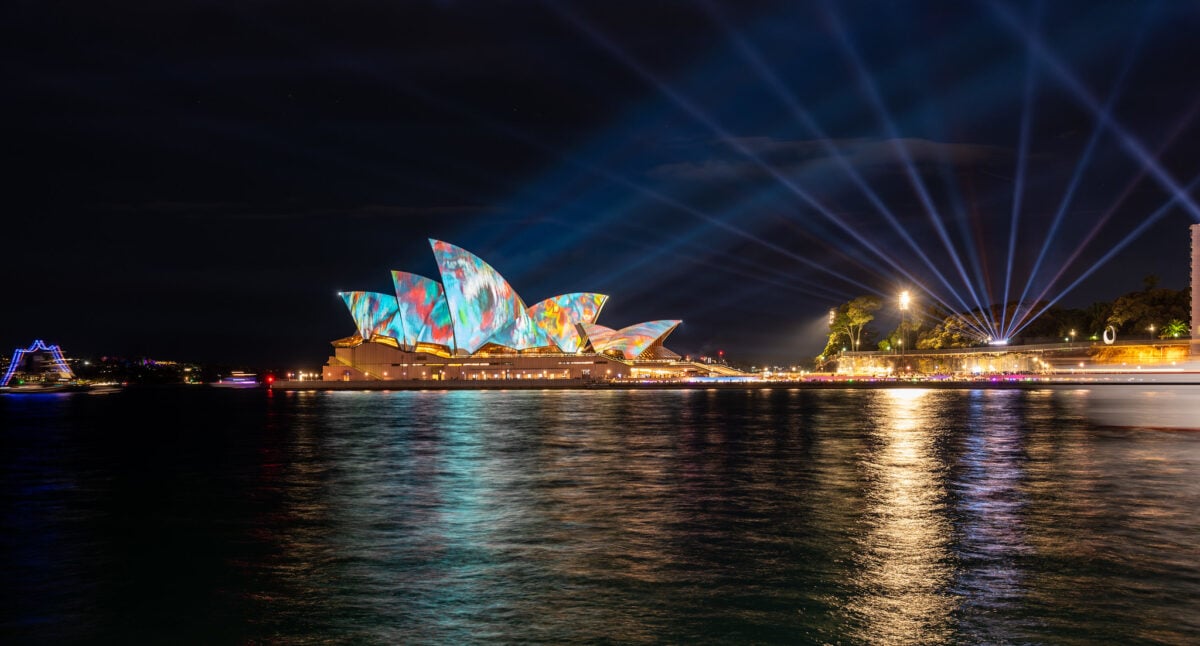
While you can photograph this architectural masterpiece for personal use, commercial photography featuring the Sydney Opera House as the main focus requires permission. The building’s distinctive design is protected, and exterior shots for commercial purposes need consent from the Sydney Opera House Trust.
Interior photography always requires approval regardless of intended use. The restrictions exist because the building is not just a landmark but also protected intellectual property, with its designer Jørn Utzon eventually receiving moral rights over his creation under Australian copyright law.
Usain Bolt’s Victory Pose
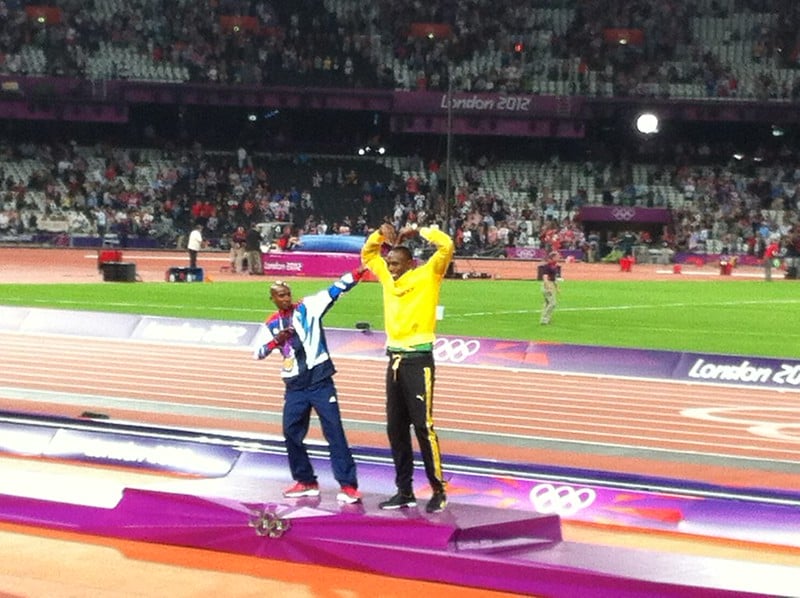
The world’s fastest man didn’t just break records—he trademarked his signature celebration move. Usain Bolt applied to trademark his lightning bolt victory pose, where he points to the sky while leaning back with one arm extended.
The gesture became so synonymous with his athletic dominance that Bolt sought legal protection for it. It’s one of the few examples where a body gesture has trademark protection, showing that even physical expressions can become valuable intellectual property when they’re distinctive enough.
Barbie Pink

Mattel has used Pantone 219C—known universally as Barbie Pink—since the 1970s, and while the company doesn’t have a standalone color trademark like some brands, it has established strong rights through decades of use. The pink appears on everything from doll packaging to dream houses and has gained what trademark lawyers call ‘secondary meaning,’ where consumers automatically associate the color with the brand.
Mattel has filed several trademark applications for Barbie Pink over the years but abandoned them, though the company has successfully cited the color in lawsuits defending its brand. The 2023 Barbie movie’s pink marketing blitz only strengthened the association between this specific shade and the iconic doll.
Christian Louboutin Red Soles
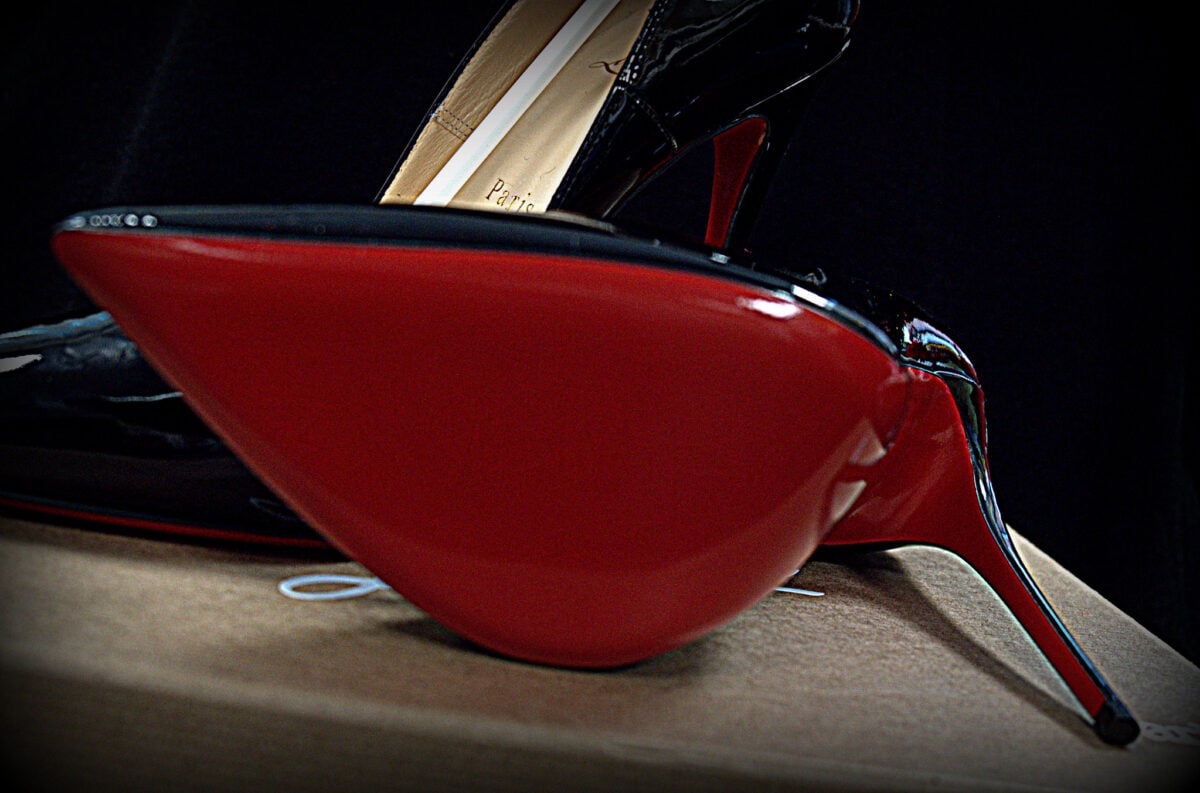
Those luxury shoes with the distinctive red-lacquered bottoms aren’t just expensive—they’re legally protected. Christian Louboutin trademarked his signature red soles in 2008 after they became famous enough that celebrities, fashion icons, and even song lyrics referenced them.
The trademark specifically protects the use of red on the outsole of high-fashion footwear. Louboutin has actively defended this trademark against competitors, proving that even a single design element on a product can become valuable intellectual property when it achieves enough recognition in the marketplace.
Human Genes
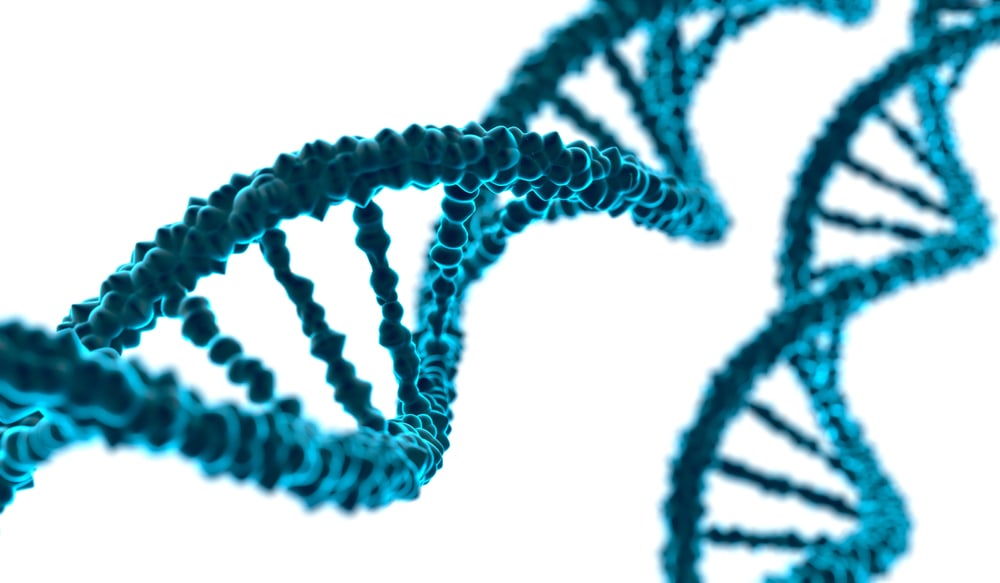
This might be the most controversial item on the list. Around 20 percent of human genes were patented by various companies at one point, with the patents covering isolated gene sequences.
Myriad Genetics held patents on BRCA1 and BRCA2 genes linked to breast and ovarian cancer, charging thousands of dollars for genetic testing. The company argued that isolating a gene from the body made it a distinct chemical entity worthy of patent protection.
In 2013, the Supreme Court finally ruled that naturally occurring DNA sequences cannot be patented, though synthetic DNA remains patentable. For years, though, companies literally owned the rights to parts of human genetic code.
Where Protection Meets Reality
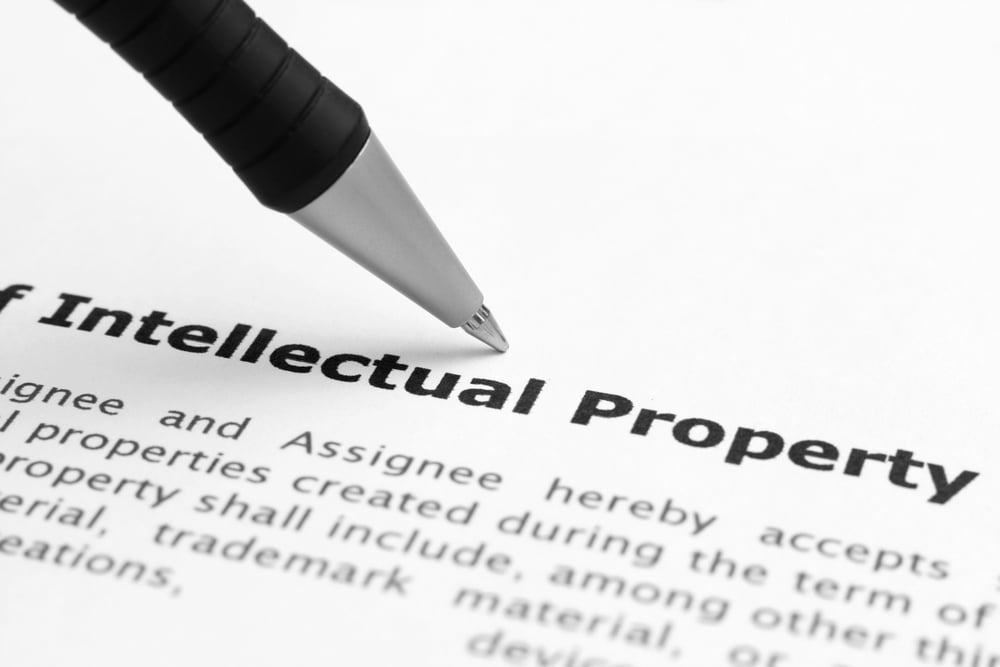
The landscape of intellectual property has expanded dramatically from its origins in protecting books and inventions. Today’s companies recognize that brand identity exists in colors, sounds, smells, and even the way we move our bodies.
While some of these protections seem excessive—do we really need someone owning a shade of pink or a two-note sound effect?—they reflect the enormous value companies place on every distinguishing feature of their brands. As technology evolves and markets become more crowded, expect even more unusual trademark applications in the years ahead.
The real question isn’t what can be copyrighted or trademarked, but rather what’s left that hasn’t been claimed yet.
More from Go2Tutors!

- The Romanov Crown Jewels and Their Tragic Fate
- 13 Historical Mysteries That Science Still Can’t Solve
- Famous Hoaxes That Fooled the World for Years
- 15 Child Stars with Tragic Adult Lives
- 16 Famous Jewelry Pieces in History
Like Go2Tutors’s content? Follow us on MSN.