15 Ways the Brain Reacts to Pure Fear
One of our most basic emotions is fear. Through the activation of intricate survival-oriented systems, this potent reaction has assisted humans in navigating challenges throughout evolutionary history.
Our bodies and brains undergo a remarkable set of changes when true fear occurs, preparing us to either face or flee danger. Here is a list of 15 fascinating ways your brain reacts when gripped by pure fear, showing just how sophisticated these survival mechanisms truly are.
Amygdala Activation
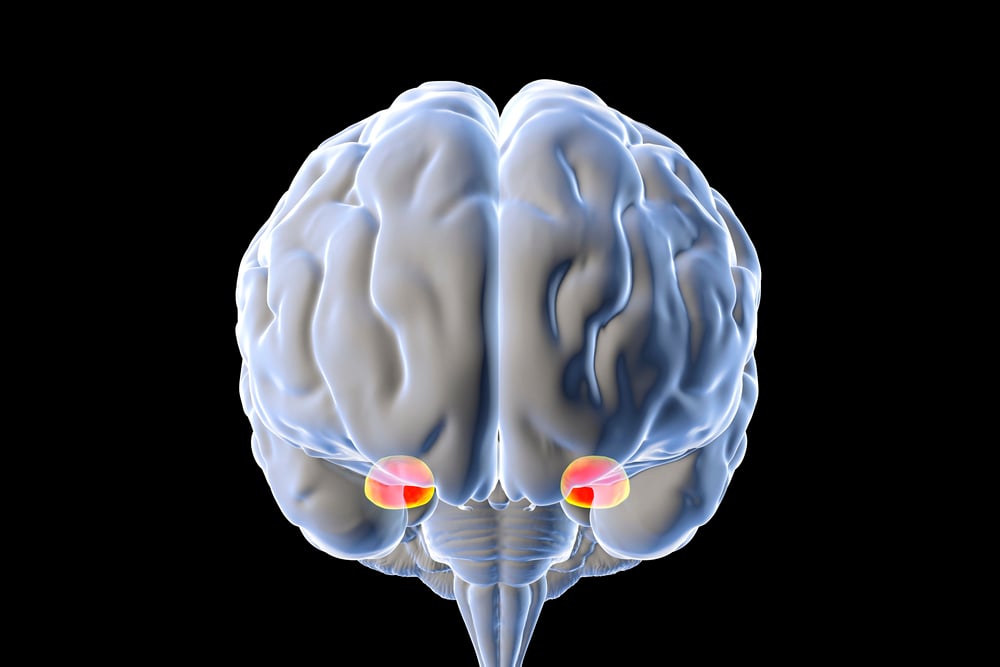
That almond-shaped structure buried deep within the brain? It’s your fear command center.
The amygdala ignites like a neural firework when terror strikes — instantly processing threats before conscious awareness even kicks in. Acting as the brain’s emergency dispatcher, it triggers cascading reactions throughout your body within milliseconds of detecting potential danger, long before rational thought catches up.
Hormone Flood
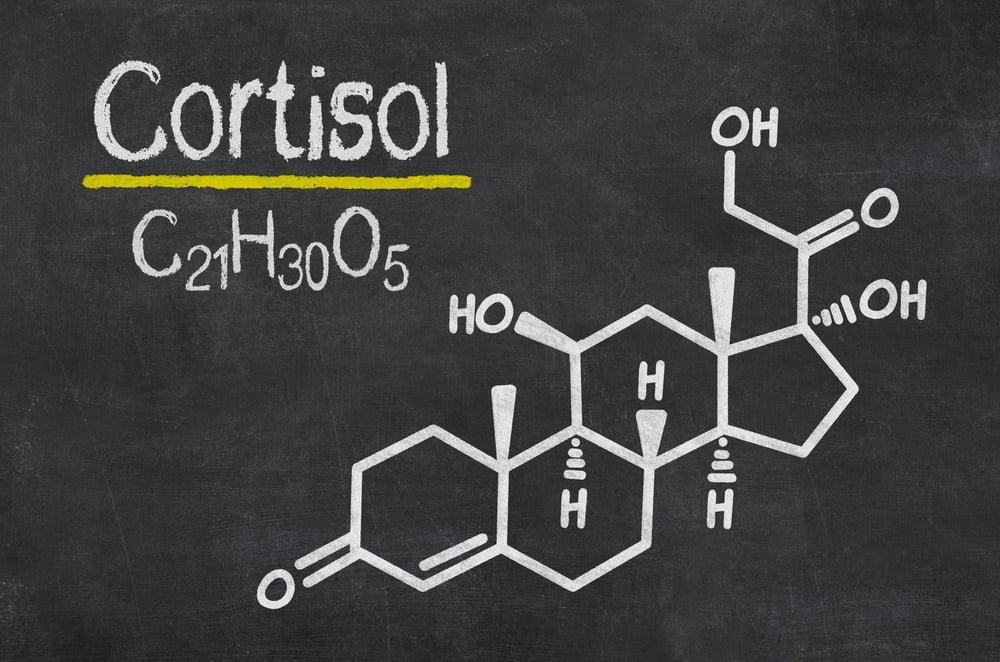
Upon registering fear, the brain instantly signals adrenal glands to unleash a potent cocktail of stress hormones — adrenaline, noradrenaline, and cortisol. This chemical deluge creates that unmistakable feeling of a racing heart and heightened senses we’ve all experienced.
Within mere seconds, your bloodstream becomes saturated with these compounds, fundamentally altering bodily functions from cellular metabolism to muscle tension.
Memory Enhancement
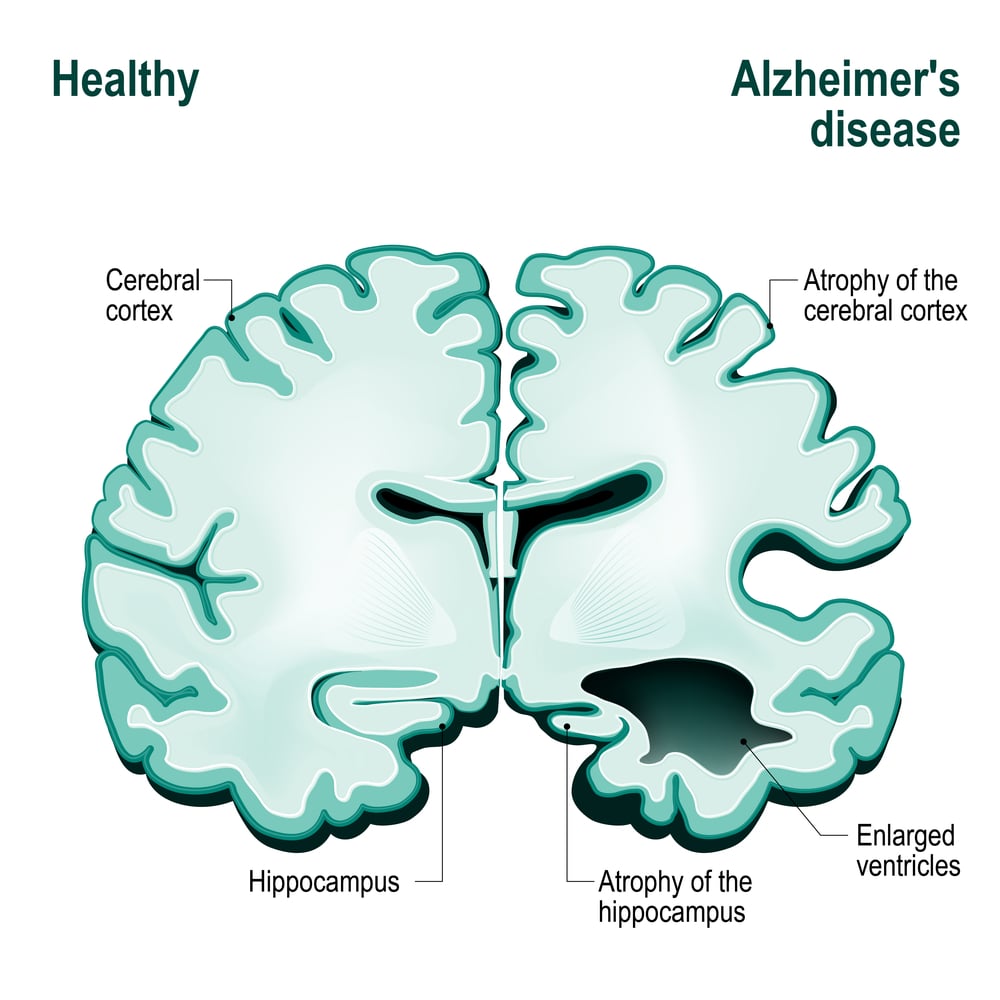
Pure fear throws memory systems into overdrive — especially for details connected to the perceived threat. That’s why frightening experiences often remain vivid while ordinary days fade into obscurity.
The hippocampus, working alongside that busy amygdala, stamps terrifying moments with special significance — scientists call these “flashbulb memories” — preserving experiences with unusual clarity that might prove useful for future survival situations.
Time Distortion

Notice how moments of terror seem to unfold in slow motion? There’s science behind this phenomenon.
The brain actually processes information more rapidly when afraid — creating an odd perception that external events have decelerated. This isn’t mere imagination but rather enhanced neural processing that allows for absorbing more information per second than normal, providing what feels like extra reaction time during critical moments.
Tunnel Vision

Visual processing narrows dramatically during intense fear episodes — focusing almost exclusively on the perceived threat while filtering out peripheral information. This tunnel vision represents the brain’s method for eliminating distractions — allowing complete concentration on survival-critical elements.
Most people don’t notice surrounding details during frightening experiences precisely because the visual cortex function has temporarily reprioritized central threat assessment above all else.
Rapid Breathing
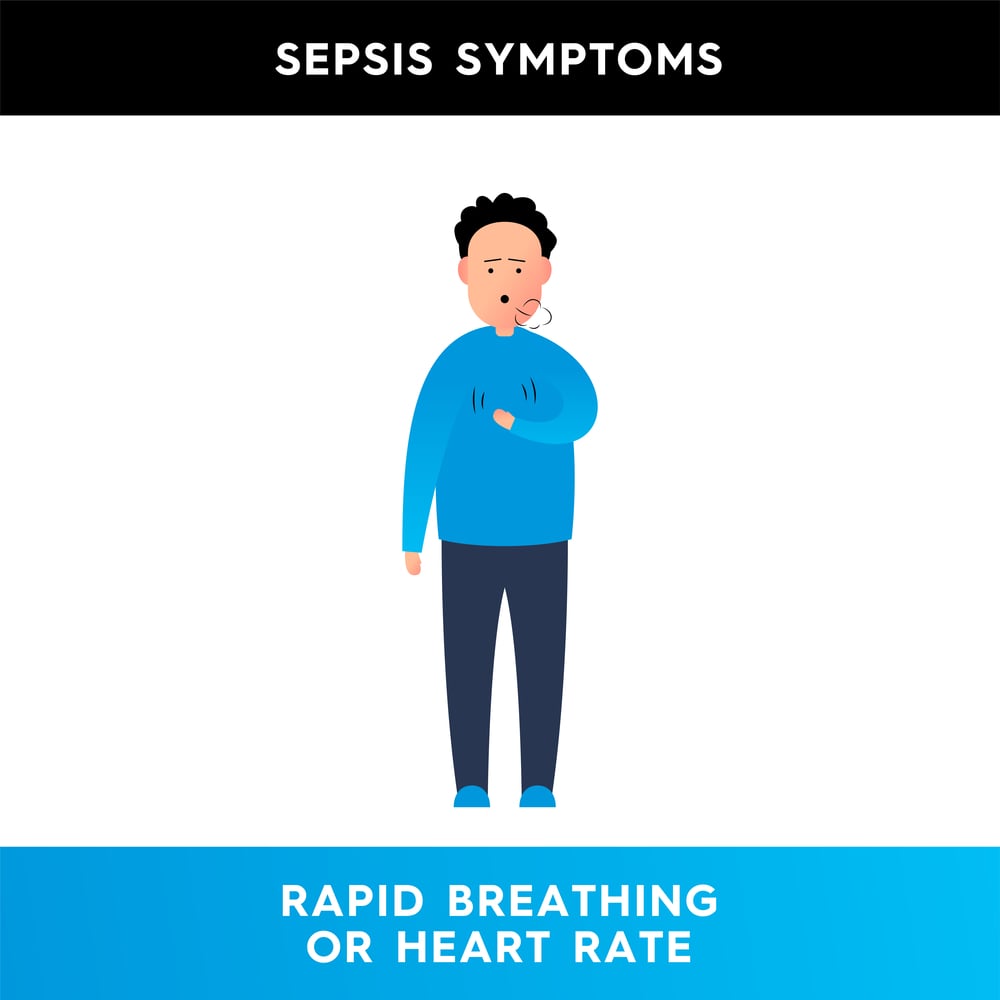
When frightened, the brain stem instinctively modifies breathing patterns, usually quickening breathing to increase oxygen intake for possible physical activity. These changes in breathing occur unconsciously.
In extreme anxiety conditions, the shift can occasionally become so noticeable that it causes hyperventilation, illustrating how strongly primitive brain regions can override regular breathing patterns when it appears that survival is at risk.
Pain Suppression

During moments of sheer terror, natural painkillers called endorphins flood your system. This remarkable biological mechanism temporarily blocks pain signals — enabling function despite injuries that would normally be debilitating.
Those stories about mothers lifting cars off trapped children or hikers walking miles on broken ankles during emergencies? They showcase this pain-blocking system operating at full capacity.
Muscle Tension

The motor cortex broadcasts signals that instantly prime muscles for immediate action — preparing you for fighting or fleeing through increased blood flow to major muscle groups. That peculiar sensation described as being ‘frozen with fear’ actually represents a body fully prepared to spring suddenly into action — muscles tensed and loaded with energy, ready for whatever emergency response might become necessary.
Digestive Shutdown

Blood flow gets diverted away from the digestive system during fear responses — which explains those familiar ‘butterflies’ or nausea sensations that accompany terror. The enteric nervous system — sometimes called your ‘second brain’ — responds to central nervous system fear signals by essentially pressing pause on digestion while your body addresses more urgent survival priorities.
Heightened Senses
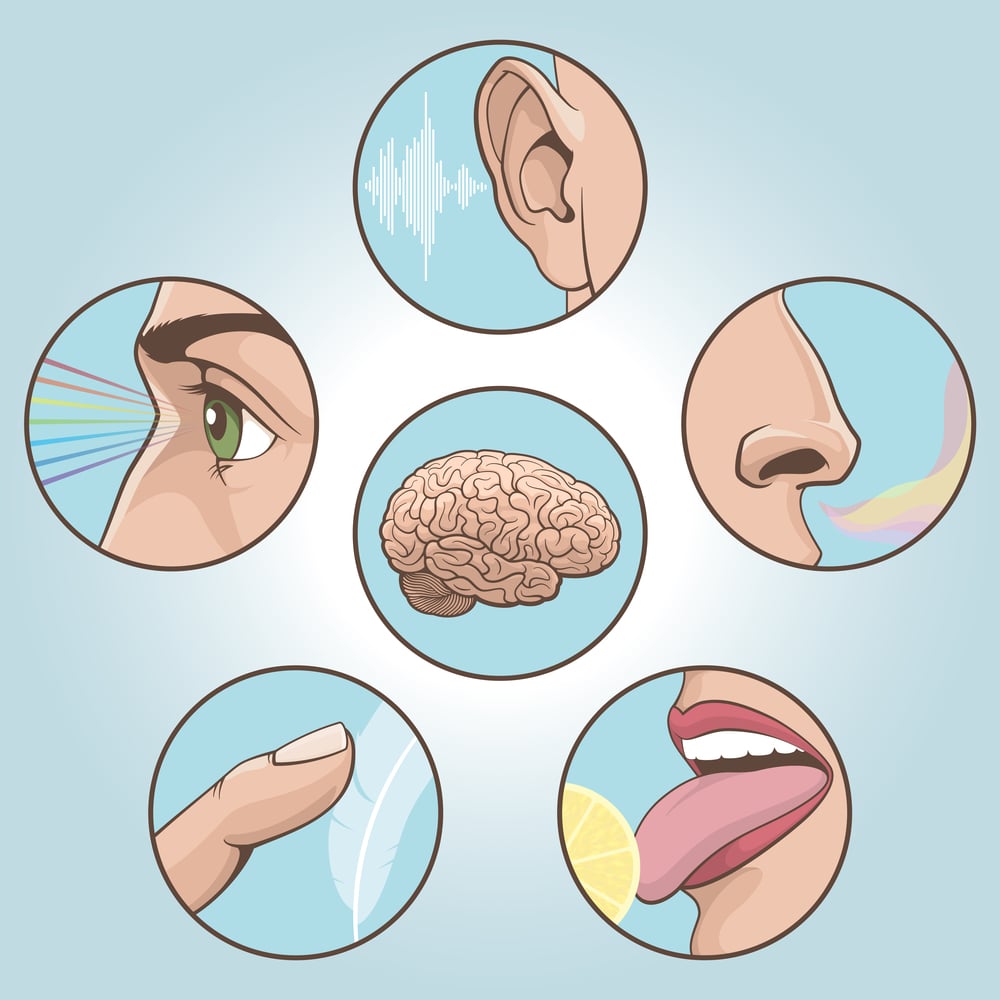
Sensory processing amplifies dramatically during fear states — making sounds seem louder, smells stronger, and visual details sharper than normal perception allows. This enhancement represents your brain’s strategy for gathering maximum information about potential threats.
The thalamus — acting as the brain’s sensory relay station — effectively gives priority clearance to incoming signals during active fear responses.
Facial Recognition Enhancement

Fear specifically sharpens the ability to recognize and remember faces. This specialized response was developed to help identify potential threats or allies during dangerous situations.
The fusiform face area—a region dedicated to facial processing—becomes hyperactive when afraid, allowing you to identify and commit faces to memory with unusual precision. This enhanced facial processing evolved as a crucial survival mechanism in social species where recognizing a friend from a foe quickly could mean life or death.
Prefrontal Cortex Dampening

The rational thinking centers of the brain—primarily the prefrontal cortex—become less active during intense fear. This dampening effect explains why complex decision-making often falters when someone feels terrified.
The brain essentially trades sophisticated thinking for speed, prioritizing immediate survival reactions over careful deliberation when danger seems imminent. Evolution favored quick responses over perfect ones when immediate threats appeared.
Pattern Recognition Acceleration

The brain becomes extremely sensitive to patterns and possible dangers when in a fear state. This increased ability to recognize patterns makes it easier to spot similar threats in the future. This procedure functions similarly to a neural shortcut, enabling quick threat classification and reaction with little information.
The degree to which these pattern recognition pathways become programmed is demonstrated by the fact that a person who has survived a dog attack may naturally stiffen up at the sound of barking years later.
Immune System Modulation

Fear triggers notable changes in immune function through complex brain-body communication channels. Interestingly, short-term fear can temporarily boost certain immune responses, while chronic fear tends to suppress immunity overall.
This relationship between emotional states and physical health protection systems demonstrates how deeply interconnected psychological experiences and bodily functions truly are, with stress hormones directly influencing immune cell activity.
Memory Consolidation During Sleep

After experiencing significant fear, the brain continues processing and storing the emotional experience during sleep cycles. This consolidation process helps integrate fearful experiences into long-term memory networks.
The sleeping brain essentially replays and processes frightening events to help avoid similar dangers in the future, highlighting why adequate sleep proves so crucial for emotional processing after traumatic experiences or frightening events.
The Survival Blueprint

These intricate fear responses represent millions of years of evolutionary refinement. The 15 reactions described work together as a sophisticated survival system, designed to maximize chances of survival during life-threatening moments.
While these reactions sometimes feel overwhelming in our modern world—where threats often manifest psychologically rather than physically—they remain testament to the remarkable adaptability of the human brain. The next time fear strikes, perhaps understanding these processes might provide perspective on this powerful emotion that’s kept our species alive through countless dangers across evolutionary time.
More from Go2Tutors!

- The Romanov Crown Jewels and Their Tragic Fate
- 13 Historical Mysteries That Science Still Can’t Solve
- Famous Hoaxes That Fooled the World for Years
- 15 Child Stars with Tragic Adult Lives
- 16 Famous Jewelry Pieces in History
Like Go2Tutors’s content? Follow us on MSN.



