Creative Ways People Survived The Great Depression
The Great Depression, as it has come to be called, was not merely a financial crisis, but a fundamental transformation of the way people lived. Overnight, jobs disappeared, savings were wiped out, and millions of families had to rethink the way they lived, ate, and worked.
What is perhaps most remarkable, however, is not the difficulties, but the ingenuity of the American people as they adapted. Let’s take a closer look at the ways the American people adapted, both pragmatically and creatively.
Backyard Farming And Urban Gardens

As grocery money became scarce, many families turned whatever space they had into small-scale farms. Backyards, empty lots, and even rooftops were transformed into productive gardens growing vegetables like beans, potatoes, and cabbage.
In cities, neighbors sometimes worked shared plots, dividing both the labor and the harvest in a way that strengthened community ties. This wasn’t just about food — it was about independence.
Growing produce reduced reliance on unpredictable markets and stretched limited budgets. Even those with no prior experience learned quickly, passing along tips and seeds through informal networks that kept entire neighborhoods fed.
Creative Cooking And Stretching Ingredients

With limited supplies, cooking became an exercise in invention. Home cooks learned how to make filling meals from the simplest ingredients, often reusing leftovers in ways that felt entirely new.
Dishes like casseroles, soups, and stews became staples because they could incorporate almost anything and feed multiple people at once. Substitutions became second nature.
Ingredients like butter, eggs, and sugar were often replaced or reduced, leading to recipes that still exist today. These meals were rarely glamorous, but they were practical, nourishing, and deeply resourceful — proof that creativity often thrives under pressure.
Bartering Instead Of Spending
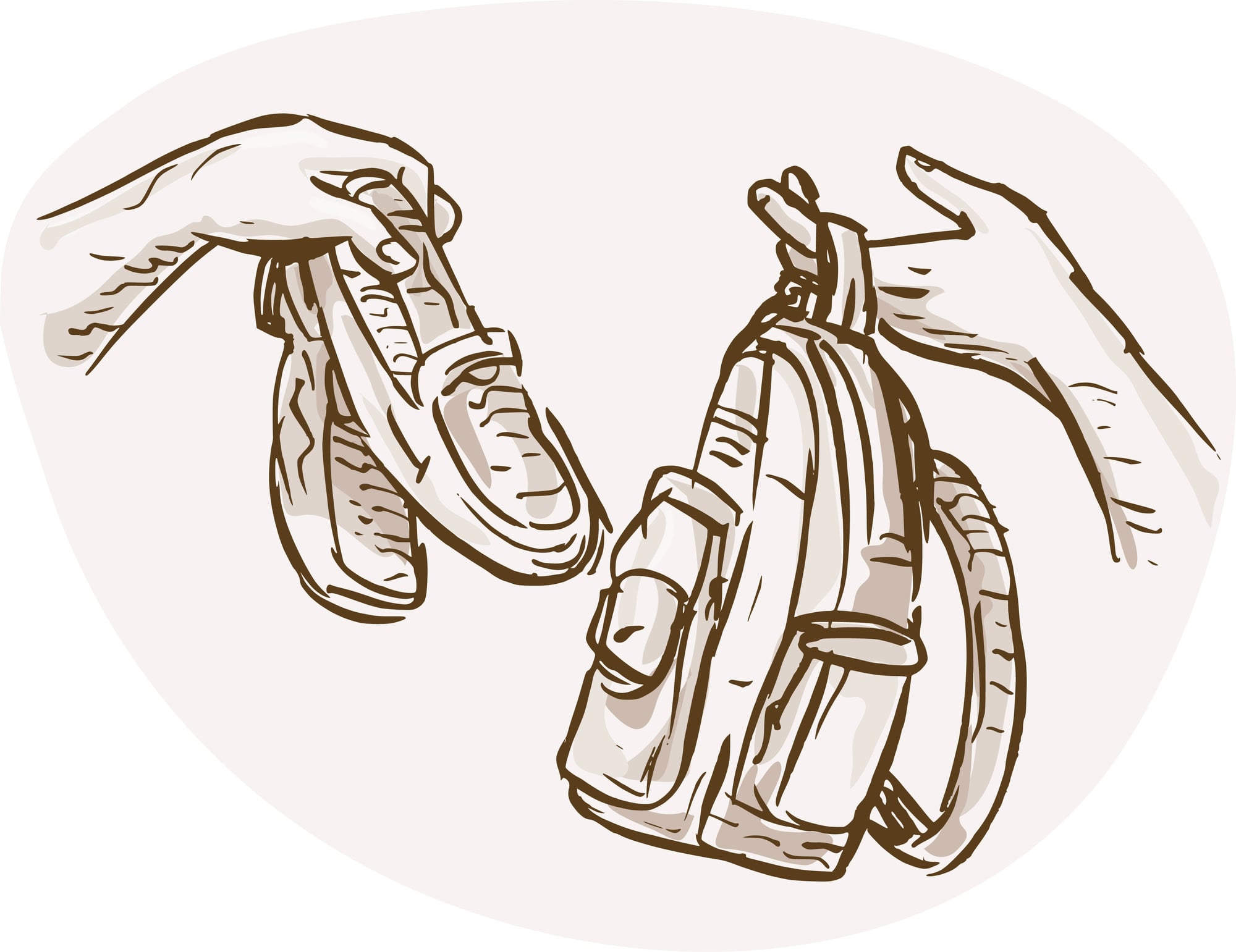
Cash was hard to come by, but people still needed goods and services. In response, informal bartering systems became a lifeline.
A mechanic might repair a neighbor’s car in exchange for groceries, while a seamstress could trade clothing repairs for firewood or meals. These exchanges weren’t always equal in value, but they worked because they were built on trust and necessity.
Communities developed their own informal economies where skills mattered more than money. It created a sense of mutual reliance that, in many cases, proved more stable than the failing financial system around them.
Repurposing And Repairing Everything

Throwing things away was simply not an option. Clothing was patched repeatedly, sometimes until the original fabric was barely visible.
Old furniture was repaired, repainted, or transformed into something entirely new. Even small scraps of material were saved and reused for quilting or household items.
This mindset extended to nearly every part of life. Glass jars became storage containers, worn-out tools were fixed rather than replaced, and broken items were seen as projects rather than waste.
The idea of ‘use it up, wear it out, make it do, or do without’ became an unspoken rule that guided daily decisions.
Taking On Odd Jobs And Side Work

Traditional employment was scarce, so people created their own opportunities wherever possible. Odd jobs became a primary source of income, from shining shoes and delivering newspapers to washing clothes or doing small repairs.
Children often contributed as well, taking on small tasks to help support their families. This kind of work was unpredictable and rarely paid well, but it offered something crucial: flexibility.
People adapted quickly, shifting between different types of work depending on what was available. It was less about building a career and more about piecing together enough income to get through the week.
Shared Housing And Multi-Generational Living

Housing costs became overwhelming for many families, leading to a rise in shared living arrangements. Extended families moved in together, combining resources to reduce expenses.
In some cases, unrelated families shared the same home, dividing space in ways that required constant negotiation and compromise. While crowded, these arrangements provided stability.
Rent, utilities, and food costs could be split, making survival more manageable. At the same time, they reinforced a sense of collective responsibility, where everyone contributed in whatever way they could — financially or otherwise.
Community Kitchens And Bread Lines

For those with no income at all, community support became essential. Soup kitchens and bread lines provided basic meals, often run by charities, religious groups, or local organizations.
These spaces were not just about food, but about survival in its most immediate form. Even so, standing in line for a meal carried a social weight.
Many people who had once been self-sufficient found themselves relying on public aid for the first time. Despite this, these systems played a crucial role in preventing widespread starvation and offered a sense of dignity in an otherwise uncertain time.
Homemade Entertainment And Simple Pleasures

With little money for leisure, entertainment shifted toward simple, low-cost activities. Families gathered around radios, played board games, or created their own forms of amusement through music and storytelling.
Social gatherings often centered on shared meals or community events rather than expensive outings. This period highlighted how entertainment didn’t require spending.
Creativity filled the gap, with people finding joy in connection rather than consumption. It also helped maintain morale, offering moments of relief in a time when daily life was often defined by uncertainty.
Migration In Search Of Opportunity

When local opportunities disappeared, many people chose to move in search of better prospects. Families packed up their belongings and traveled long distances, often with no guarantee of work at their destination.
This movement reshaped entire regions, as people followed rumors of jobs or more stable conditions. The journeys themselves were difficult, marked by limited resources and constant uncertainty.
Still, the willingness to relocate reflected a broader mindset of adaptability. Staying in one place was no longer always viable, and mobility became another tool for survival.
Informal Support Networks

Beyond formal aid systems, people relied heavily on informal networks of friends, neighbors, and extended family. These connections provided everything from shared meals to temporary shelter or childcare.
Support was often unspoken but deeply understood — a quiet agreement that help would be returned when possible. These networks were not always visible, but they were essential.
They filled the gaps left by failing institutions and created a sense of stability in an otherwise unstable world. In many cases, survival depended as much on relationships as it did on resources.
Why It Still Matters

The learning from the Great Depression is something that continues to resonate with us today, especially in terms of how we cope with uncertain situations. The practices and behaviors adopted during this time, such as saving, repairing, and sharing, are still relevant in today’s world, which continues to face uncertain situations.
What was once a necessity is now, in some ways, a blueprint for success. The larger lesson, however, is about how people were able to cope with the situation without losing sight of their sense of community.
It was never about individuals alone; it was about how they worked together, were resourceful, and adapted to situations.
More from Go2Tutors!

- The Romanov Crown Jewels and Their Tragic Fate
- 13 Historical Mysteries That Science Still Can’t Solve
- Famous Hoaxes That Fooled the World for Years
- 15 Child Stars with Tragic Adult Lives
- 16 Famous Jewelry Pieces in History
Like Go2Tutors’s content? Follow us on MSN.