16 Strange Army Innovations That Became Part of Everyday Life
The military has always been a breeding ground for necessity-driven innovation. When lives hang in the balance and failure isn’t an option, creative solutions emerge from the most unlikely places.
What’s fascinating isn’t just that the armed forces developed these technologies — it’s how seamlessly they’ve woven themselves into civilian life, often without anyone realizing their martial origins. From the smartphone in your pocket to the snacks in your pantry, military innovations surround us daily.
Duct Tape
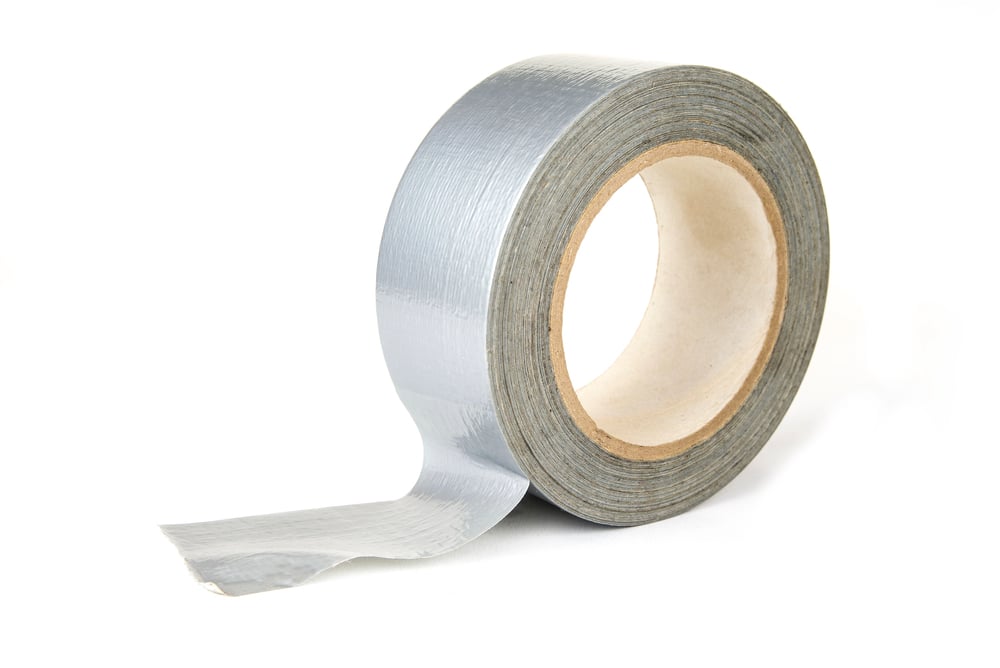
Duct tape started as gun tape during World War II. Johnson & Johnson created it for soldiers who needed to seal ammunition cases in humid Pacific conditions. Waterproof, strong, easy to tear by hand.
The military loved it.Fixed jeeps, patched tents, emergency repairs on everything. After the war, it moved to heating ducts in civilian construction, then everywhere else.
GPS Technology

The Global Positioning System emerged from Cold War paranoia, designed so nuclear submarines could pinpoint their location anywhere on Earth without surfacing or revealing their position to enemies (because nothing says “strategic advantage” like knowing exactly where you are when everyone else is guessing). The military spent billions developing a constellation of satellites that could triangulate positions to within a few meters, initially as a way to ensure missile accuracy and troop coordination.
But here’s the thing about game-changing technology: it rarely stays confined to its original purpose for long. So now the same system that was built to guide intercontinental ballistic missiles helps you find the nearest coffee shop.
Microwave Ovens
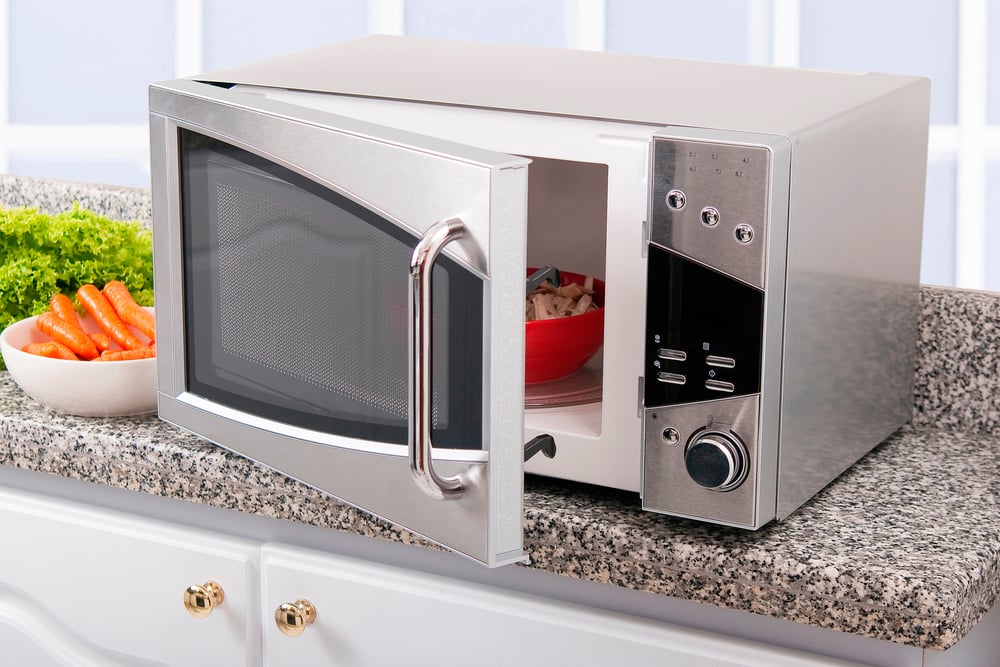
There’s something almost accidental about how microwave ovens found their way into kitchens, like a stray cat that wandered in during a thunderstorm and decided to stay. The technology began with radar systems during World War II — those massive installations that swept the skies for enemy aircraft, sending out invisible waves that bounced back to reveal what lurked beyond the horizon.
A Raytheon engineer named Percy Spencer was working near a military magnetron when he noticed the chocolate bar in his pocket had melted. Not softened from body heat the way chocolate does on warm afternoons, but actually melted into a sugary mess.
Super Glue
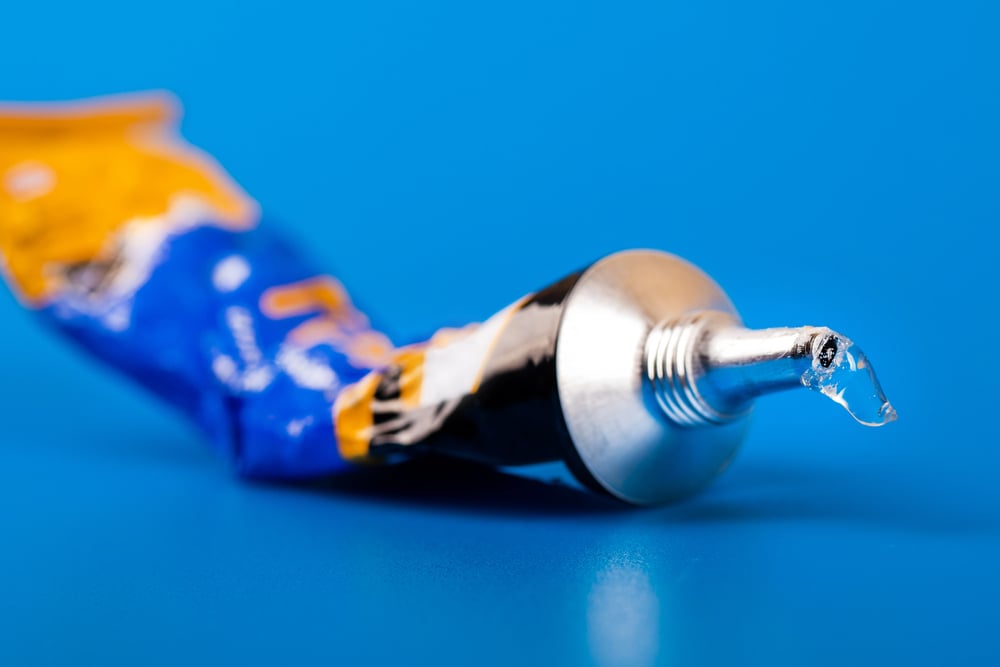
Super glue doesn’t care about your plans. It bonds skin instantly, ruins clothing permanently, and fixes broken ceramic with stubborn determination that outlasts most marriages.
The adhesive’s key components were first synthesized in 1942 by researchers attempting to create clear plastic gun sights, but the practical development of cyanoacrylate adhesive came through Harry Coover’s work at Eastman Kodak in 1951. His discovery that the substance had powerful bonding properties led to the commercialization of super glue.
Energy Bars

Energy bars exist because soldiers needed portable calories that wouldn’t spoil in tropical heat or freeze solid in arctic conditions, and because military nutritionists had to solve the problem of keeping people fed when stopping for a proper meal could get them killed. The Army developed concentrated nutrition bars during World War II — dense, shelf-stable rectangles that packed maximum calories into minimum weight and space, designed not for taste but for survival when supply lines stretched thin across hostile territory.
They were functional fuel, nothing more: a way to keep muscles working and minds sharp when circumstances demanded both and offered neither time nor comfort for conventional eating. And now every grocery store checkout lane displays dozens of varieties — chocolate chip, peanut butter, berry blast — each promising energy, endurance, and convenience in a colorful wrapper.
Cargo Pants
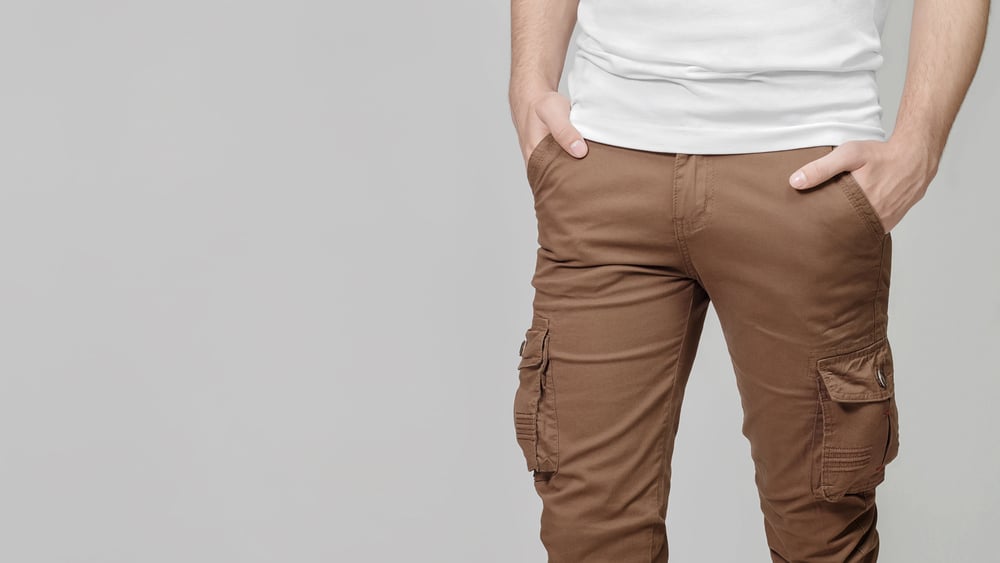
Cargo pants are the ultimate triumph of function over fashion. British paratroopers needed somewhere to carry ammunition, medical supplies, and emergency rations without sacrificing mobility or requiring additional gear that could snag during jumps.
The solution was elegant in its simplicity: more pockets. Large ones, positioned where they wouldn’t interfere with movement but could hold essential equipment within easy reach.
Silly Putty
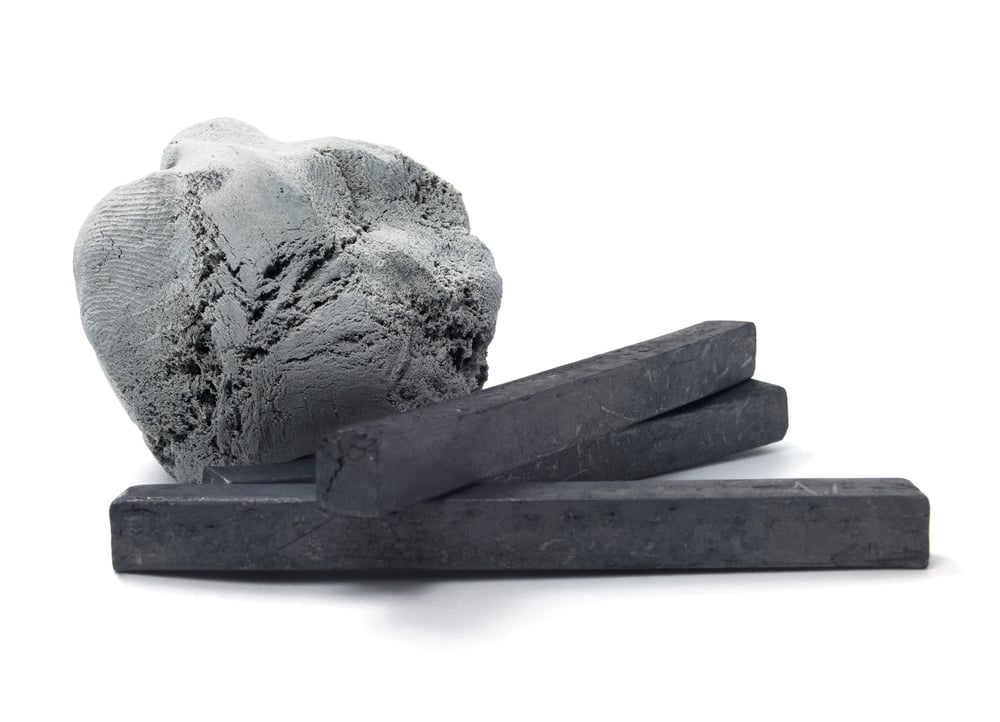
Silly Putty carries the weight of disappointment turned into accidental joy, like finding twenty dollars in last winter’s coat pocket when you were only looking for tissues. During World War II, engineers desperately needed synthetic rubber alternatives as Japanese forces controlled most of the world’s natural rubber supply, leaving Allied forces scrambling for materials to keep vehicles, aircraft, and equipment operational.
James Wright at General Electric mixed silicone oil with boric acid, hoping to create something that could replace rubber in critical military applications. Instead, he created a substance that bounced erratically, stretched without breaking, and picked up images from newspaper print when pressed against the page.
Jerky
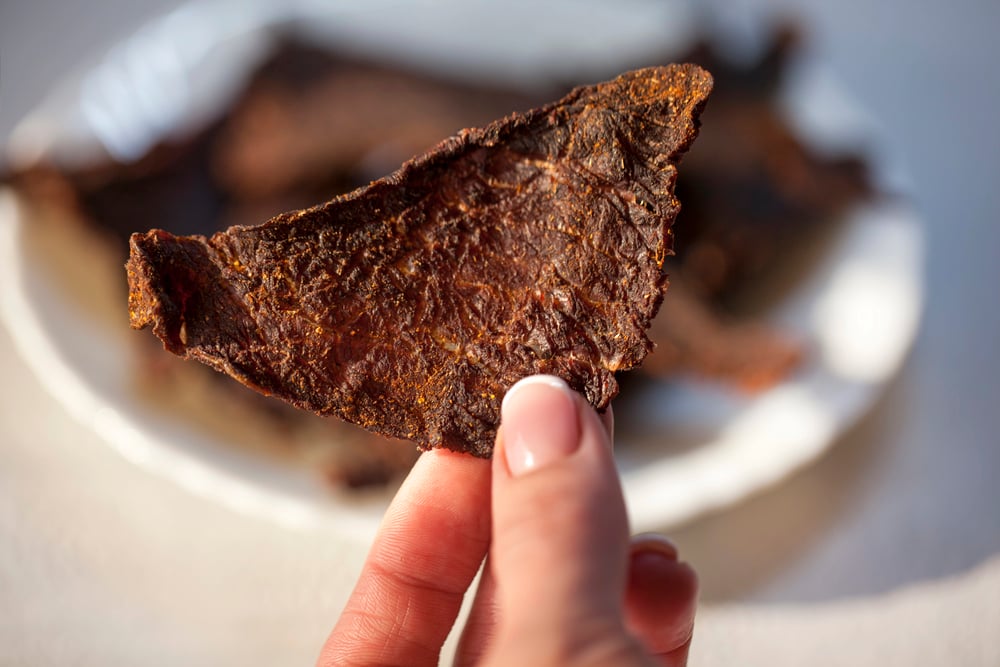
Jerky solves the fundamental problem of meat: it spoils. Native American tribes figured this out long before European contact, but the military perfected portable preserved protein for soldiers who needed lightweight nutrition that could survive months in hostile environments.
The process strips away everything except what matters — protein and flavor concentrated into something that laughs at bacteria and ignores time. No refrigeration required, no expiration anxiety, just fuel that fits in a backpack and delivers exactly what active muscles demand.
Freeze-Dried Food

Freeze-drying food is like putting nutrition into suspended animation — all the value, none of the urgency. The process removes water while preserving everything else, creating meals that can wait for extended periods before being reconstituted, much like botanical seeds that remain viable through harsh seasons until conditions become favorable again.
The military developed and refined freeze-drying technology, particularly during the Korean War and subsequent conflicts, when supply chains stretched across vast distances and soldiers required rations that could survive extreme environmental conditions and months of storage without degradation.
Night Vision Goggles
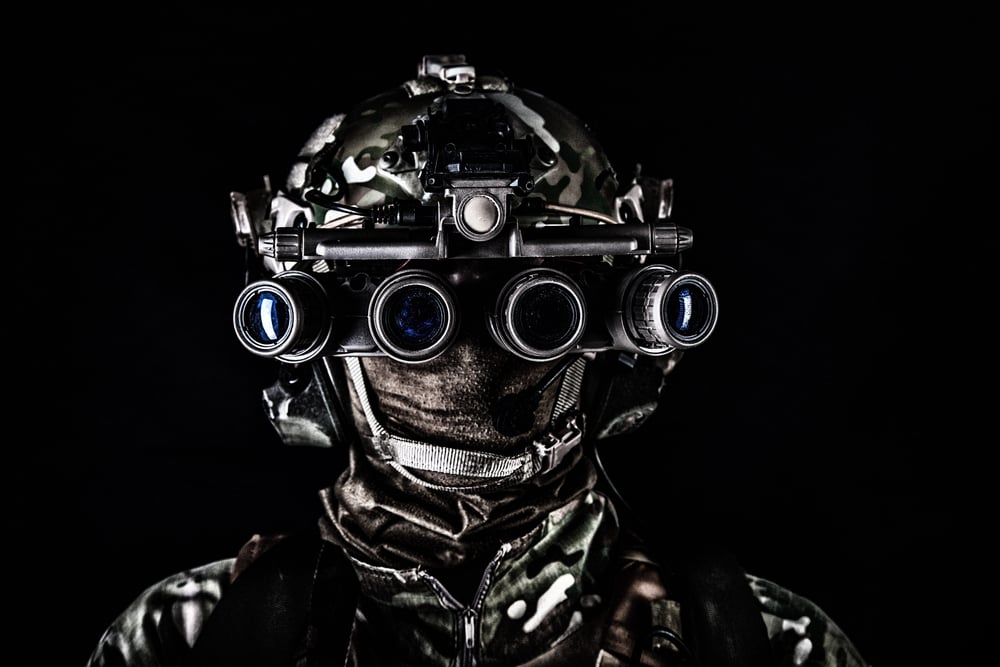
Night vision technology doesn’t make darkness disappear — it makes darkness irrelevant. The military developed image intensification systems because wars don’t pause for sunset, and soldiers needed to see threats that preferred to move under cover of darkness.
The technology amplifies available light thousands of times, turning starlight and ambient illumination into something approaching daylight visibility. What looks like complete darkness to the unaided eye becomes navigable terrain through electronic enhancement.
Walkie-Talkies

Walkie-talkies emerged from the simple recognition that soldiers scattered across battlefields needed to talk to each other without stringing telephone wires through hostile territory or relying on runners who might not make it to their destination (because communication delays in combat situations tend to produce consequences that are both immediate and irreversible). Motorola developed portable two-way radios that could fit in a backpack and transmit voice messages across several miles, allowing squad leaders to coordinate movements, call for support, or warn of incoming threats without revealing their positions through visual signals or depending on messengers who could be intercepted, delayed, or worse.
The technology wasn’t particularly sophisticated by today’s standards — heavy, short-range, prone to static and interference — but it solved the fundamental problem of real-time communication between people who needed to stay mobile and stay alive.
Canned Food
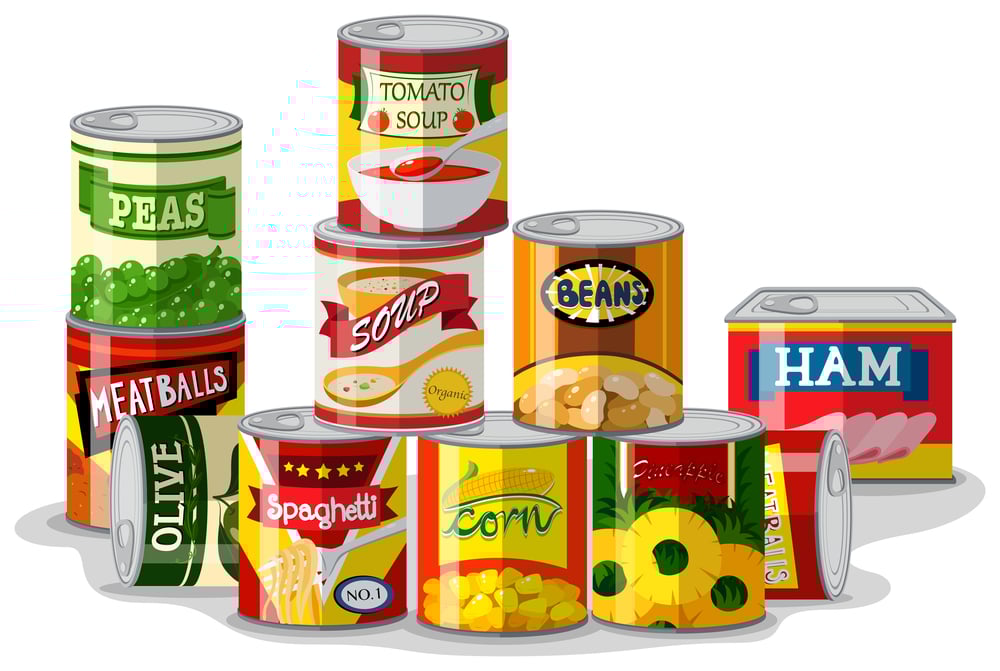
Canned food represents humanity’s first serious attempt to defeat time itself. Napoleon’s armies needed provisions that wouldn’t spoil during long campaigns, and the French government offered a substantial prize for anyone who could solve the problem of portable preservation.
Nicolas Appert figured out that food sealed in containers and heated to high temperatures would remain edible for months or years. The military applications were obvious — soldiers could carry complete meals without worrying about spoilage or supply chain interruptions.
Aviator Sunglasses
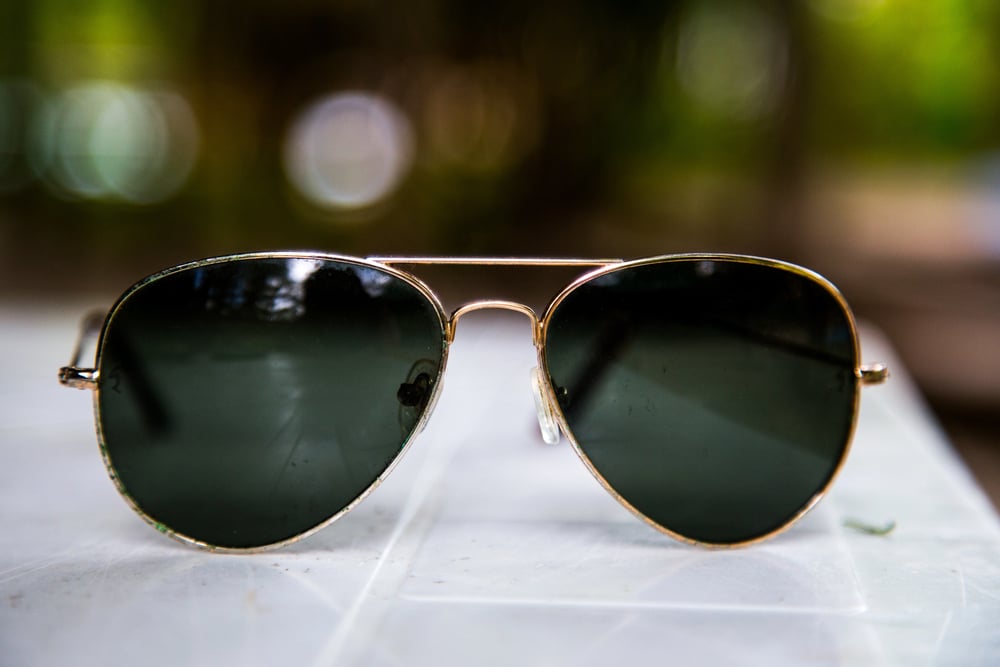
Aviator sunglasses solve a problem that most people never think about until they’re squinting through a windshield at 35,000 feet, where the sun doesn’t just shine — it dominates every surface, bouncing off clouds and metal with an intensity that turns navigation into a painful guessing game about what’s shadow and what’s a mountain that could end your flight permanently. Military pilots needed eye protection that wouldn’t interfere with equipment, slip during maneuvers, or distort colors in ways that made reading instruments dangerous.
Ray-Ban developed the classic teardrop shape and gradient tinting specifically for Army Air Corps aviators who were flying longer missions at higher altitudes than ever before, where atmospheric filtering of sunlight becomes negligible and cockpit glare transforms from minor annoyance to serious safety hazard.
Velcro
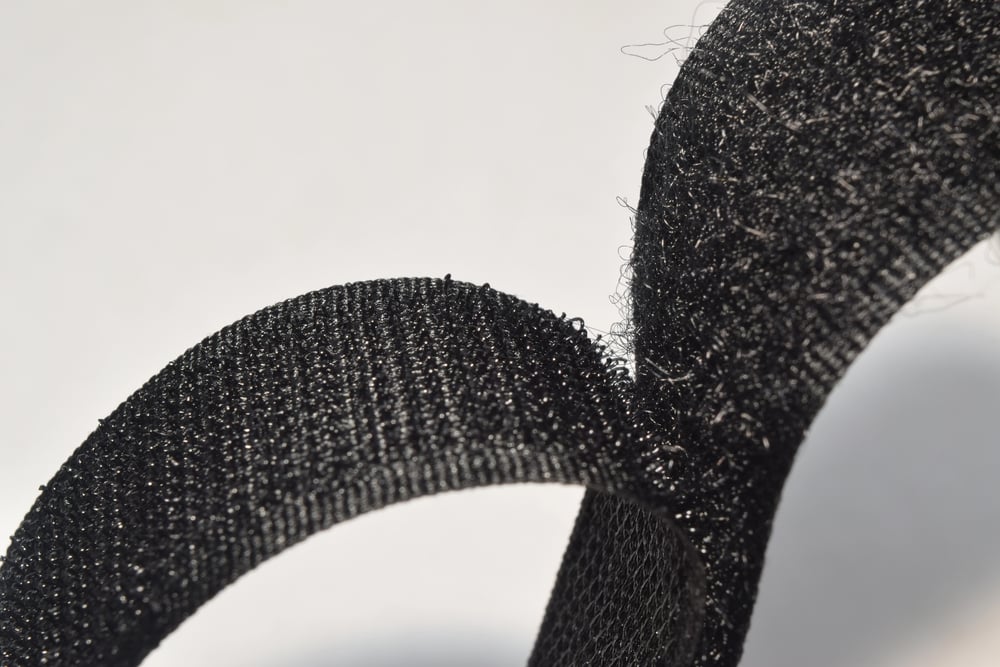
Velcro is stubbornly practical, like a neighbor who shows up uninvited but always helps with exactly what needs doing. Swiss engineer Georges de Mestral noticed how burr seeds stuck to his dog’s fur during walks, then spent years figuring out how to replicate that tenacious grip using synthetic materials.
The result was a fastening system that worked reliably, released easily, and required no fine motor skills to operate — perfect for astronauts wearing bulky gloves or soldiers dealing with equipment in challenging conditions.
Feminine Hygiene Products

Military field medics discovered that certain absorbent materials designed for treating battlefield wounds worked better than anything previously available for managing menstrual flow, leading to the development of modern sanitary products that prioritized absorption, comfort, and reliability over the makeshift solutions that women had been using for centuries. The same technology that saved lives by controlling blood in trauma situations translated directly into products that improved daily life for half the population, though this particular innovation rarely gets mentioned in discussions of military contributions to civilian technology.
The materials science behind effective wound dressing — understanding how different fibers absorb and contain fluids, how to create products that remain secure under stress, how to design for maximum effectiveness with minimum bulk — proved equally valuable for addressing a completely different but equally important need.
The Internet
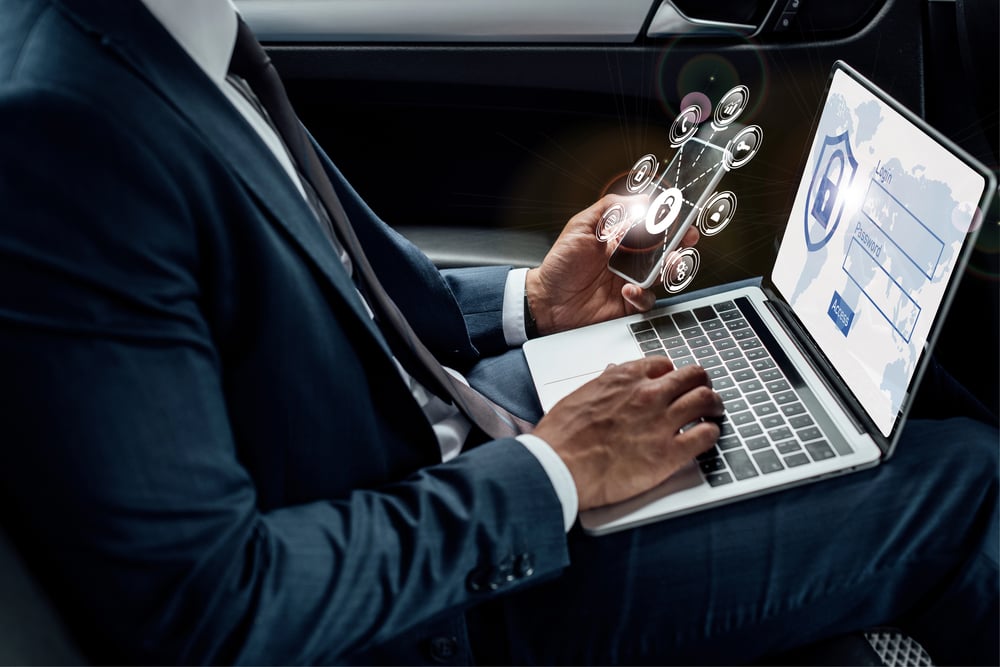
The Internet began as a military paranoia project disguised as an academic collaboration. ARPANET (Advanced Research Projects Agency Network) needed to create a communication system that could survive nuclear attack by routing information through multiple pathways, ensuring that messages could reach their destinations even if significant portions of the network were destroyed.
The concept was brilliant in its redundancy: instead of relying on centralized systems that could be taken out by targeted strikes, create a distributed network where every node could communicate with every other node through multiple routes.
From Battlefield to Daily Life
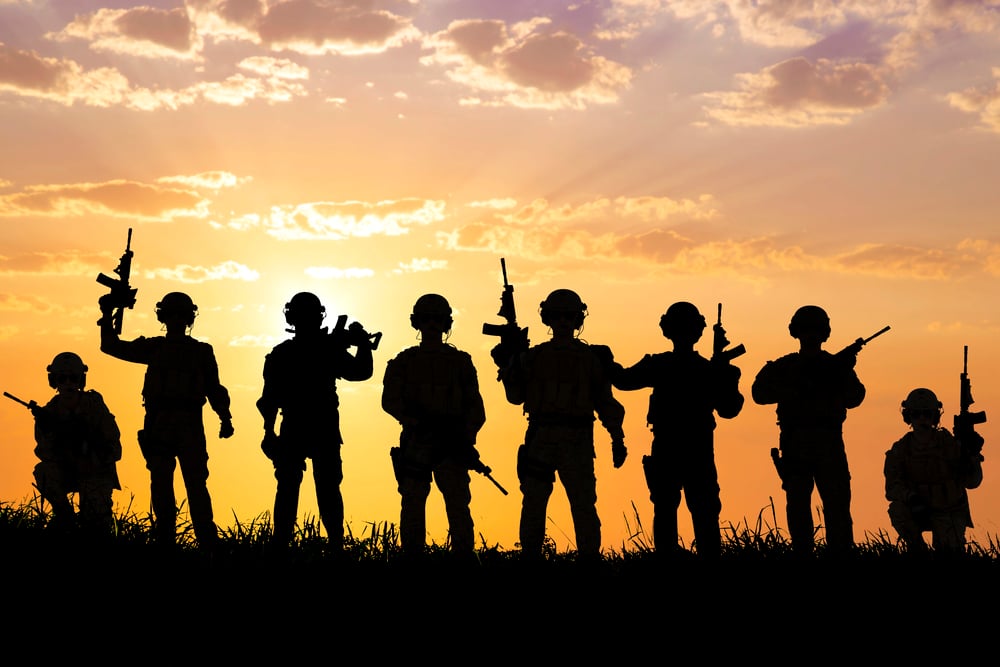
These innovations share a common thread that runs deeper than their military origins — they emerged from situations where failure carried genuine consequences, where half-measures and good intentions weren’t sufficient, where solutions had to work reliably under stress or people would suffer for the oversight. Military necessity doesn’t allow for the luxury of multiple iterations or gradual improvement; it demands immediate effectiveness and long-term durability, qualities that translate remarkably well to civilian applications.
The remarkable thing isn’t that these technologies found their way into everyday life, but how completely they’ve been absorbed into the fabric of modern living, their martial origins forgotten as they became simply part of how things work. From the GPS guiding your morning commute to the energy bar in your gym bag, military innovation continues to shape daily experience in ways both obvious and invisible.
More from Go2Tutors!

- The Romanov Crown Jewels and Their Tragic Fate
- 13 Historical Mysteries That Science Still Can’t Solve
- Famous Hoaxes That Fooled the World for Years
- 15 Child Stars with Tragic Adult Lives
- 16 Famous Jewelry Pieces in History
Like Go2Tutors’s content? Follow us on MSN.