15 Weather Forecasters Who Predicted the Impossible
Throughout history, weather prediction has evolved from folklore and observation to sophisticated computer modeling and satellite imagery. Even with modern technology, forecasting remains an imperfect science where exceptional meteorologists occasionally make remarkable predictions that seem to defy the capabilities of their era.
These visionaries spotted patterns, trusted their instincts, or developed innovative methods that allowed them to accurately predict weather events that colleagues considered impossible to foresee. Here is a list of 15 weather forecasters who made predictions so accurate and unexpected that they changed how we understand meteorological science.
Lewis Fry Richardson
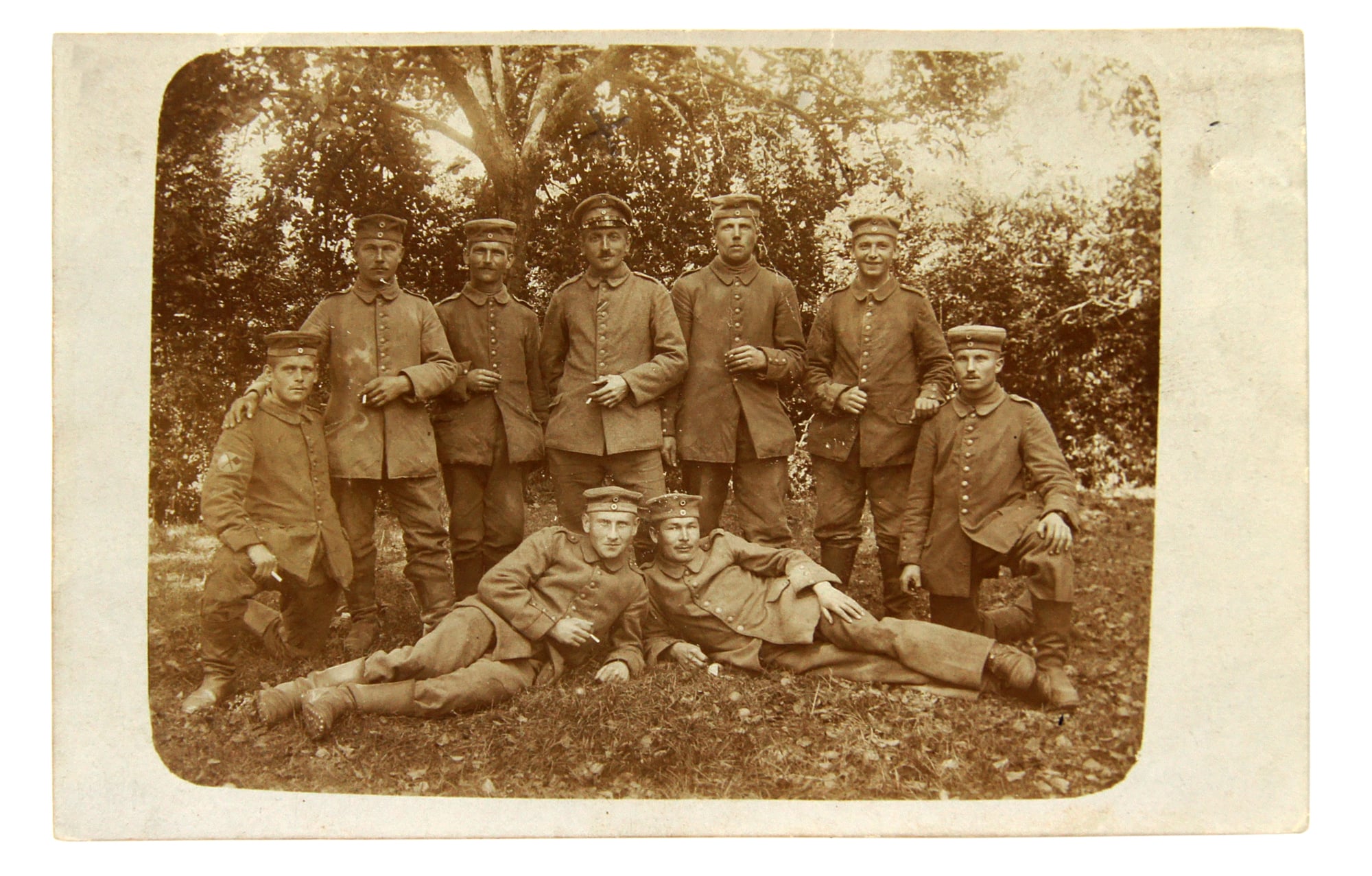
This pioneering British mathematician envisioned numerical weather prediction decades before computers existed to perform the calculations. In the trenches during World War I, Richardson manually calculated equations that would later become the foundation of modern forecasting.
His visionary work predicted mathematical modeling could accurately forecast weather seven days in advance – a claim ridiculed by contemporaries who considered a 24-hour forecast the absolute limit.
Irving Krick
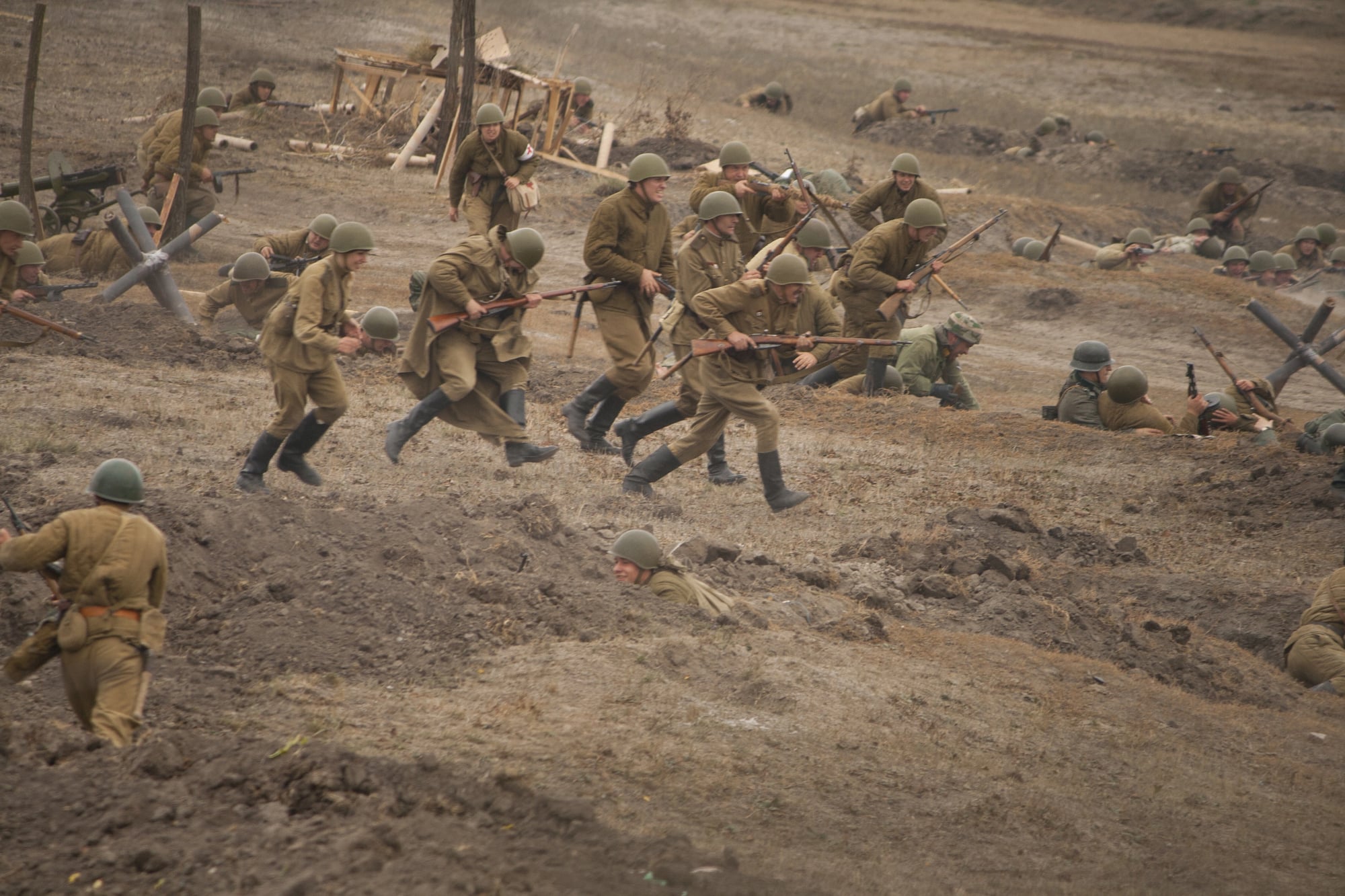
During World War II, this controversial meteorologist predicted the five-day window of clear weather that enabled the successful D-Day invasion of Normandy. Using an analog method comparing current patterns to historical records, Krick identified a brief break in stormy conditions that had delayed the Allied operation.
General Eisenhower’s decision to trust this forecast against conflicting opinions changed world history while demonstrating the value of long-range predictions.
Like Go2Tutors’s content? Follow us on MSN.
Ted Fujita
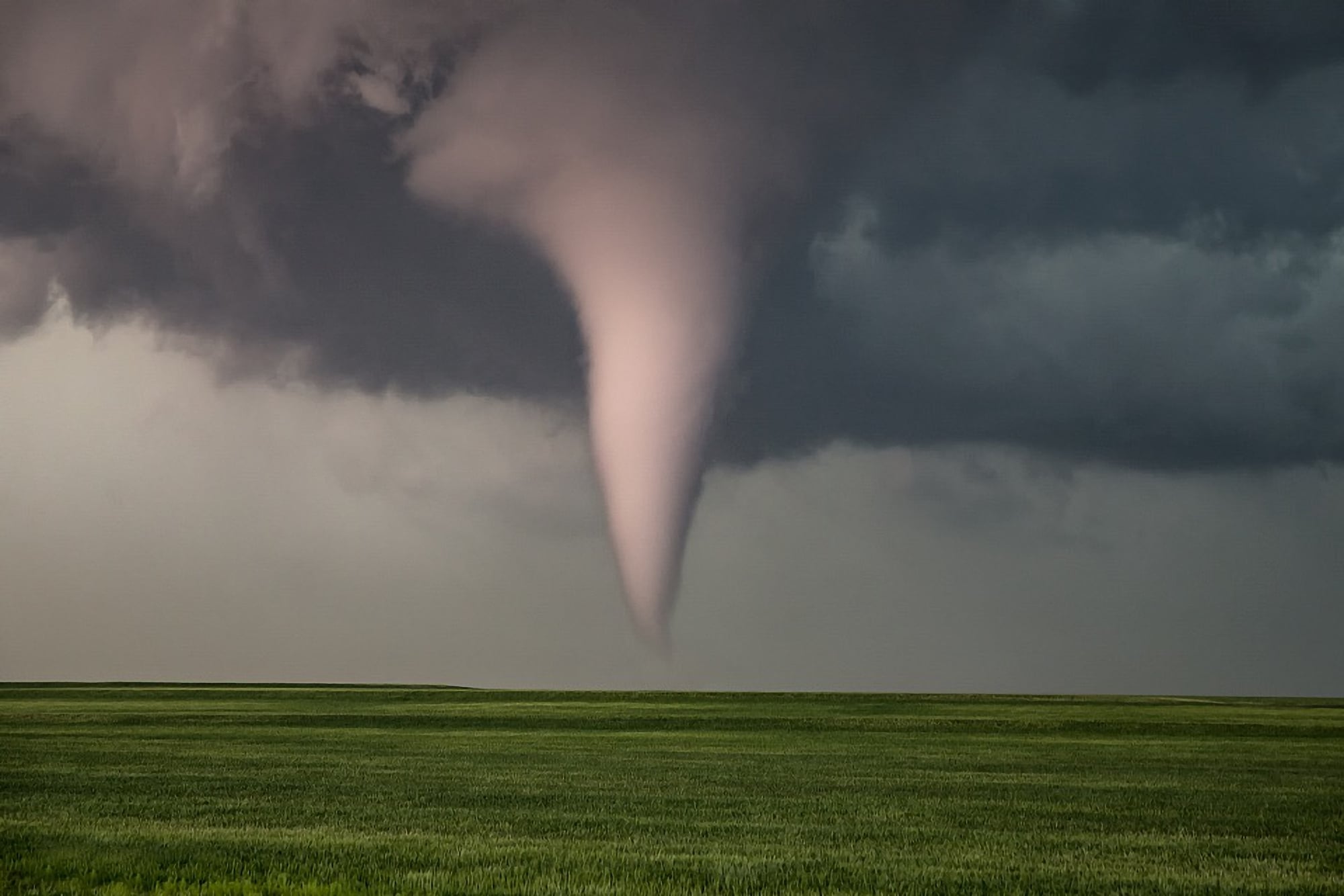
Known as “Mr. Tornado,” Fujita predicted the existence of downbursts and microbursts decades before technology could confirm these deadly wind phenomena. Aviation authorities initially rejected his theories about these concentrated downdrafts causing airplane crashes.
His revolutionary work led to crucial changes in airport weather monitoring and the development of the Fujita Scale for tornado intensity that saved countless lives across America’s tornado-prone regions.
Evelyn Garratt
This Australian meteorologist correctly forecast the catastrophic Ash Wednesday bushfires of 1983 a full week before they occurred. Using primitive satellite imagery and knowledge of local wind patterns, Garratt warned authorities about extreme fire danger when standard systems showed no unusual threat.
Her insistence that emergency services prepare for an unprecedented disaster faced resistance yet ultimately saved thousands of lives.
Gilbert Walker
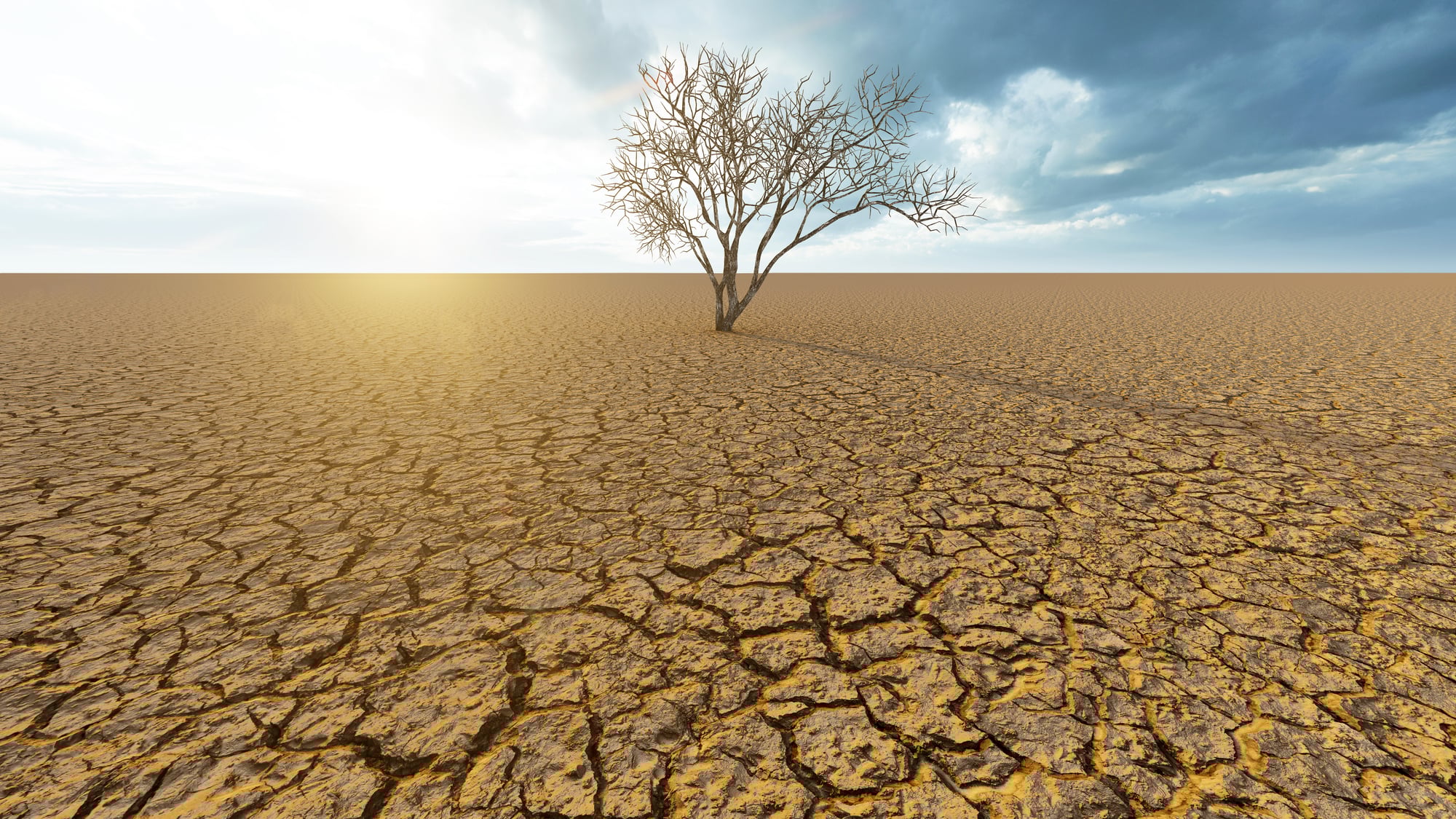
Working in colonial India with minimal technology, Walker discovered the Southern Oscillation – the atmospheric component of what we now call El Niño. His statistical approach connected monsoon failures in India with pressure patterns across the Pacific Ocean, a relationship considered impossible by the scientific establishment.
Walker accurately predicted drought years in advance when most forecasters struggled with 24-hour accuracy, demonstrating global weather connections that satellites would only confirm decades later.
Like Go2Tutors’s content? Follow us on MSN.
Vladimir Zworykin

This Russian-American scientist and television pioneer made the seemingly outlandish prediction in 1933 that weather could be controlled through accurate forecasting and intervention. While complete weather control remains science fiction, his work laid the groundwork for cloud seeding and modern geoengineering concepts.
His radical prediction that humans would someday modify storm systems earned ridicule but inspired generations to explore the boundaries between forecasting and influencing weather patterns.
Ukichiro Nakaya
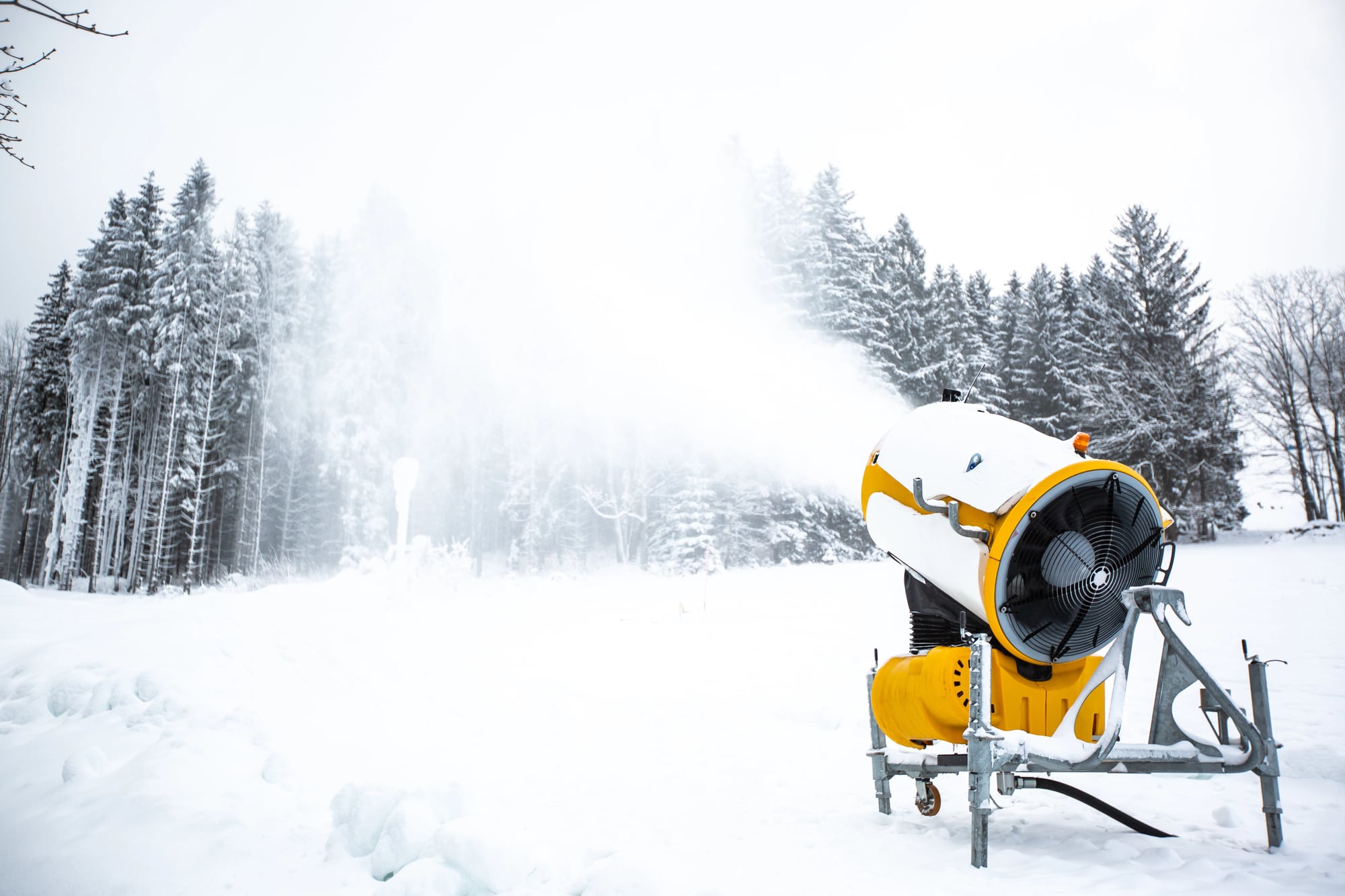
This Japanese physicist predicted that artificial snow could be created under controlled laboratory conditions – a claim met with widespread skepticism until he demonstrated the world’s first artificial snowflake in 1936. His groundbreaking research established the relationship between atmospheric conditions and crystal formation that revolutionized cloud seeding technology.
Nakaya’s work enabled meteorologists to better understand precipitation processes, improving forecast accuracy for winter storms.
Tetsuya Theodore Fujita

Beyond his tornado research, Fujita correctly predicted in 1970 that jet streams contained embedded concentrated ribbons of extreme winds he called “jet streaks.” Commercial airlines dismissed his warnings about these invisible hazards until several near-disasters forced an investigation.
His accurate mapping of these phenomena revolutionized flight path planning and high-altitude forecasting, proving that atmospheric structures once considered theoretical could be predicted with the right approach.
Like Go2Tutors’s content? Follow us on MSN.
Joanne Simpson

The first female meteorologist with a Ph.D. in the field, Simpson correctly predicted that cloud formation patterns could reveal information about hurricane intensification. Her pioneering research into cloud physics in the 1950s faced significant resistance from male colleagues who considered her theories implausible.
Simpson’s Project Stormfury work demonstrating how clouds evolved within hurricane systems fundamentally changed tropical cyclone forecasting, improving warning times despite initial skepticism.
Anders Ångström

This Swedish physicist predicted in the late 19th century that atmospheric gases selectively absorb different wavelengths of sunlight – a fundamental principle that would later explain climate change. Scientific contemporaries initially considered his measurements flawed when he demonstrated carbon dioxide’s heat-trapping properties.
Ångström’s ability to predict which gases would warm the atmosphere established the foundations of modern climate science and weather prediction models used worldwide.
Edward Lorenz

When this MIT meteorologist claimed tiny variations in initial conditions could produce entirely different weather outcomes, colleagues considered it mathematically impossible. His accidental discovery of chaos theory in 1961 while running weather models revolutionized the understanding of forecast limitations.
Lorenz’s famous butterfly effect prediction – that a butterfly flapping its wings in Brazil could affect tornado formation in Texas – fundamentally changed how meteorologists approach uncertainty in forecasting.
Like Go2Tutors’s content? Follow us on MSN.
Carl-Gustaf Rossby

This Swedish-American meteorologist predicted the existence of massive atmospheric waves that control global weather patterns decades before satellites could confirm them. His mathematical models from the 1930s suggested these planetary-scale oscillations directed weather systems in ways considered impossible by conventional meteorology.
Rossby’s accurate prediction of these waves’ influence on jet stream positioning transformed long-range forecasting from guesswork to science, enabling the first reliable 5-day forecasts.
June Bacon-Bercey
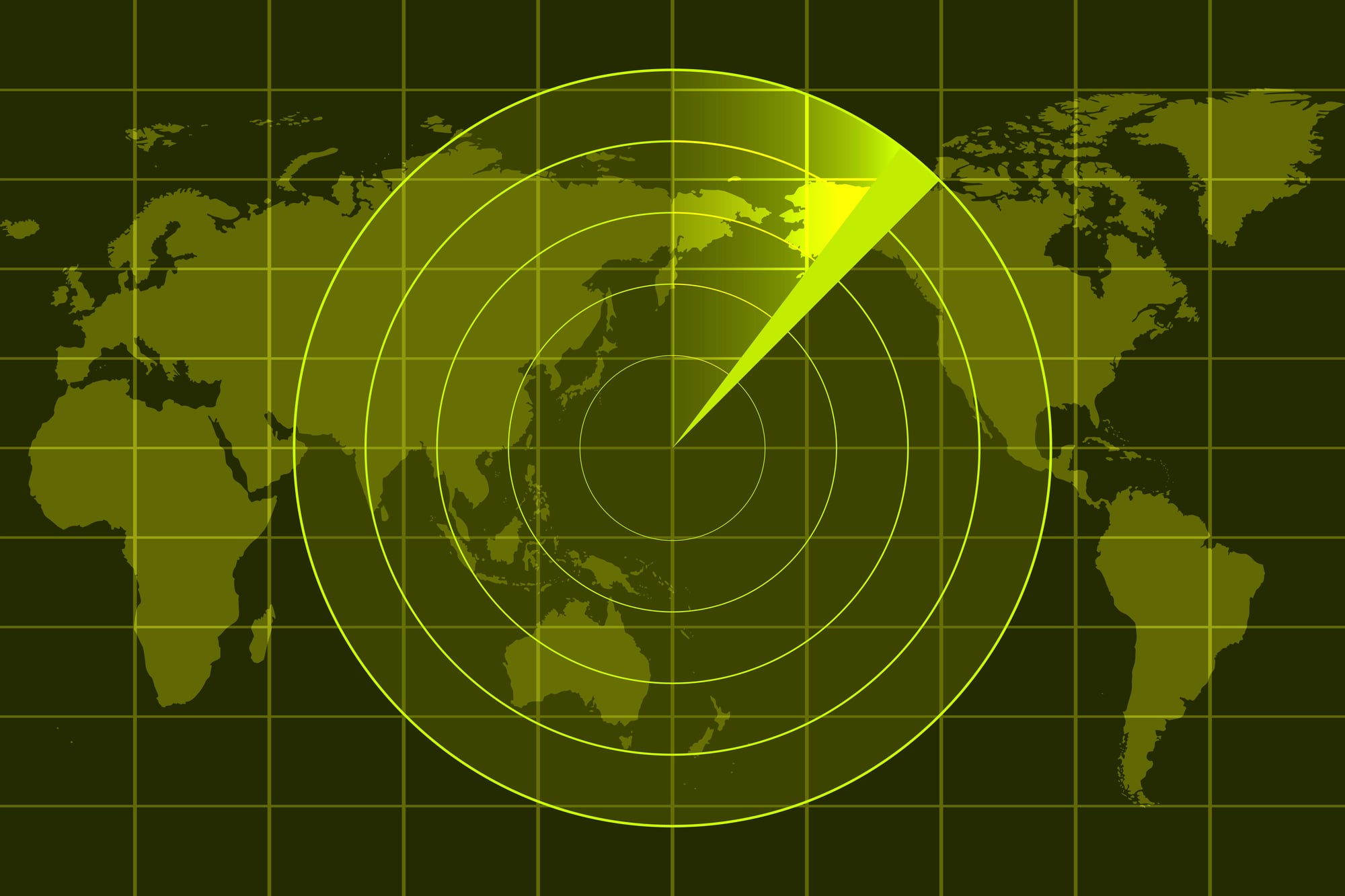
As the first African American woman to earn a meteorology degree, Bacon-Bercey predicted in the 1970s that Doppler radar would revolutionize tornado warning systems when the technology remained experimental. Despite institutional skepticism about both her gender and the technology’s potential, she championed its development.
Her persistence led to the installation of the NEXRAD system across the United States, dramatically improving tornado prediction lead times from minutes to an average of 14 minutes.
Kerry Emanuel
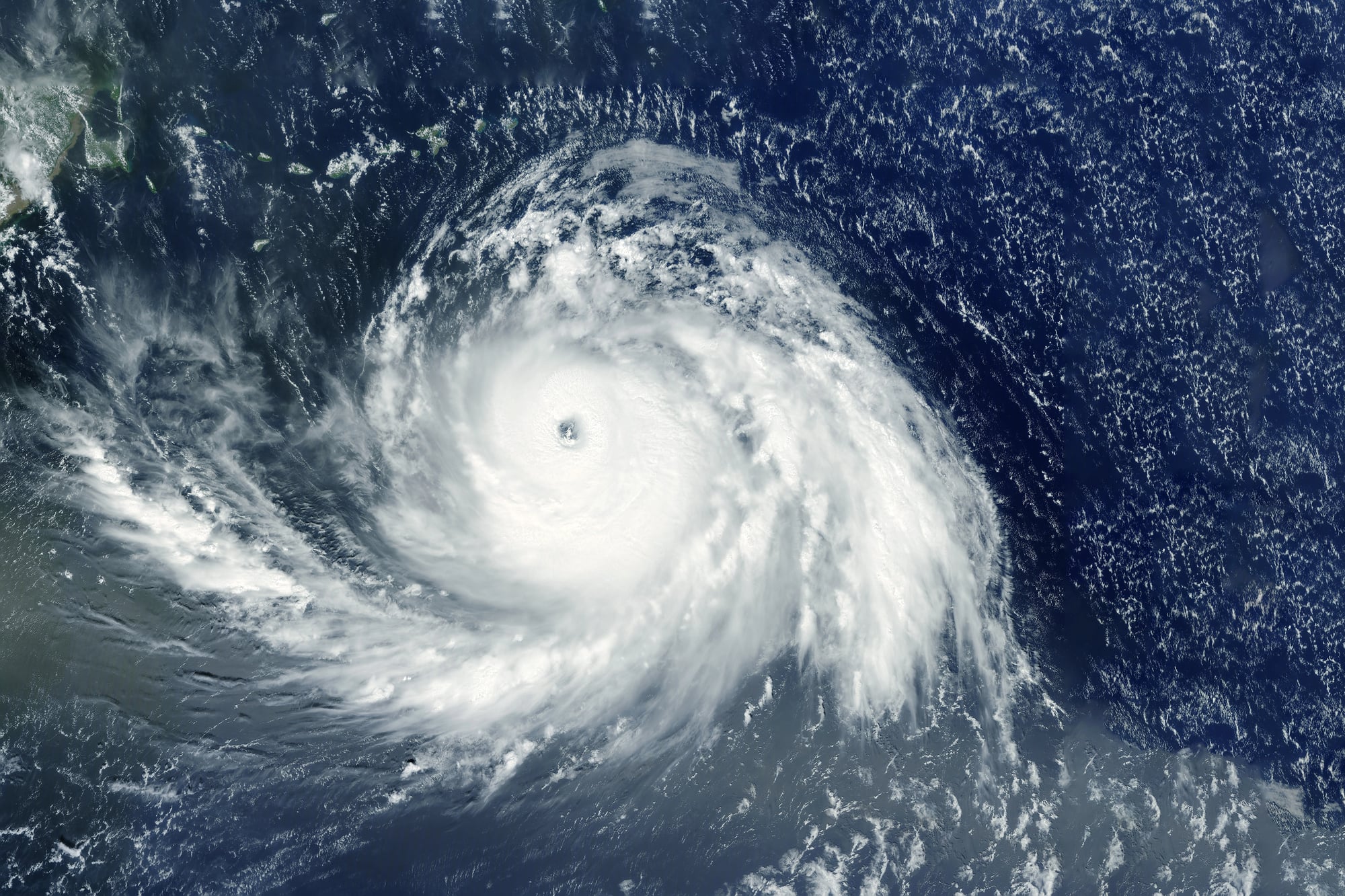
This MIT professor predicted in 1987 that global warming would increase hurricane intensity rather than frequency – a controversial forecast that contradicted prevailing theories. The scientific community largely dismissed his complex thermodynamic arguments until the unprecedented 2005 Atlantic hurricane season demonstrated exactly what Emanuel had forecasted.
His mathematical models now form the foundation of how meteorologists understand the relationship between sea surface temperatures and cyclone intensity.
Like Go2Tutors’s content? Follow us on MSN.
Jack Eddy
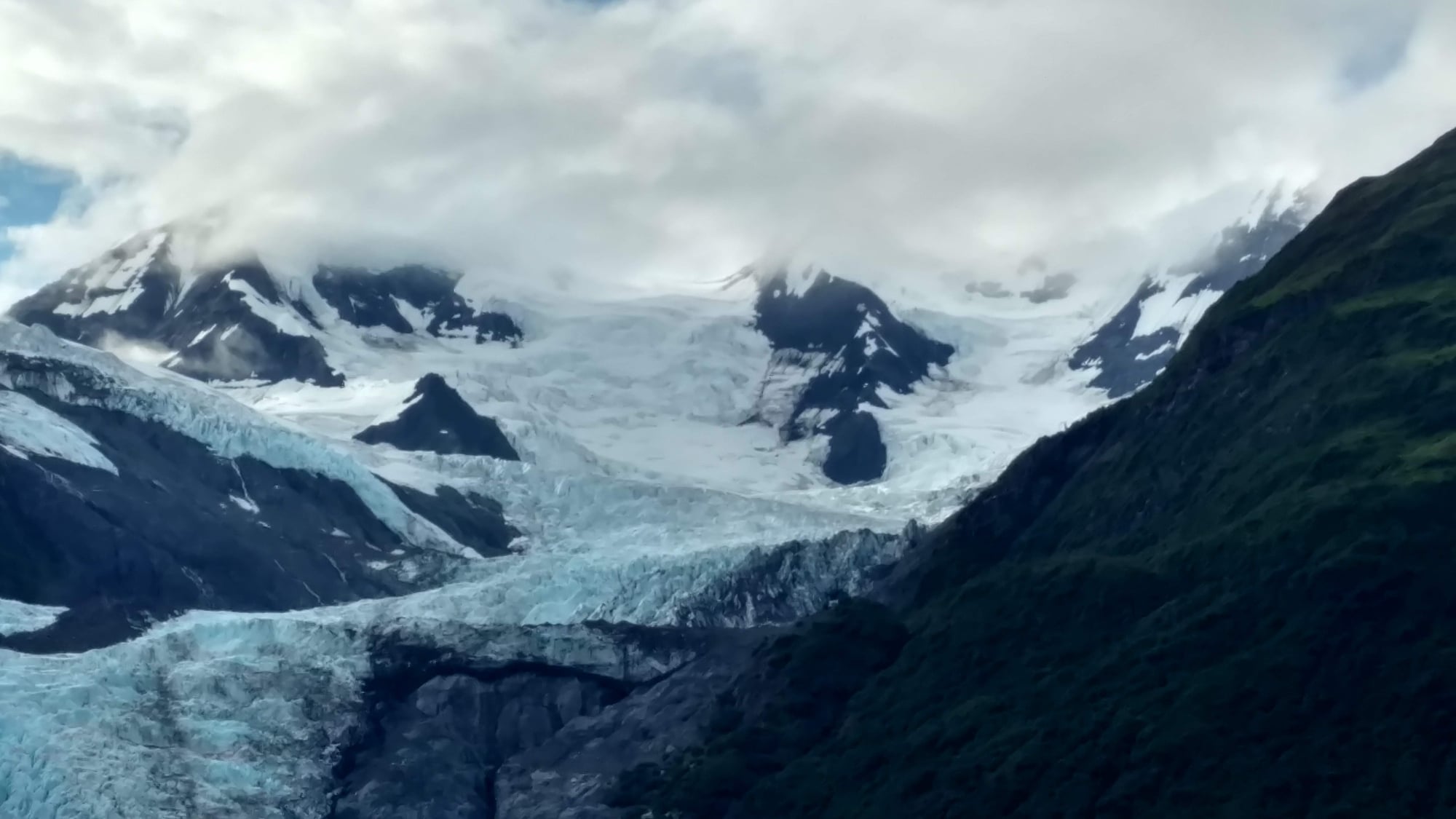
This American astronomer made the seemingly impossible prediction that solar activity affects Earth’s climate through regular cycles – a connection mainstream meteorology rejected for decades. By studying historical records of sunspots and correlating them with climate data, Eddy identified the Maunder Minimum during the Little Ice Age.
His work established crucial connections between solar physics and climate patterns that modern forecasters incorporate into long-range predictions previously considered beyond meteorological capabilities.
Beyond the Horizon

These remarkable individuals remind us that meteorological prediction continues expanding through innovative thinking and scientific courage. Their willingness to challenge conventional wisdom transformed weather forecasting from educated guesswork to sophisticated probability analysis, saving countless lives through improved warning systems.
As climate change introduces new patterns, today’s meteorologists build upon these pioneers’ legacies, using artificial intelligence and global monitoring networks to push prediction horizons further. Tomorrow’s impossible forecasts likely hide within today’s overlooked data, awaiting the next visionary who dares predict what others consider beyond understanding.
More from Go2Tutors!

- 16 Restaurant Chains That Went Too Fast
- 12 Things Sold in the 80s That Are Now Illegal
- 15 Strange Things People Have Tried to Ban (And Failed)
- 16 Collectibles People Tossed Out Too Soon
- 17 Myths from Your Childhood That Were Actually Based on Real Things
Like Go2Tutors’s content? Follow us on MSN.