15 Weirdest Gadgets People Still Collect
There’s a certain type of person who walks into a thrift store and gravitates toward the shelf everyone else ignores. The dusty corner with the broken clock radio, the plastic contraption nobody can identify, and the thing with seventeen buttons and zero instructions.
These are the collectors. And the stuff they chase isn’t always beautiful or valuable — it’s just wonderfully, gloriously strange.
Some gadgets earn their place in history by being useful. Others earn it by being so baffling that people can’t stop talking about them decades later.
Here are 15 of the weirdest gadgets people still collect, search for, and genuinely treasure.
The Bop It

This toy from the mid-1990s was basically a handheld drill sergeant. It barked commands — “Bop it! Twist it! Pull it!” — and punished you with a sad little tune if you were too slow.
There was no story, no goal, no end. Just you, a plastic device, and your own mounting frustration.
Collectors love original models from 1996. The later versions added more commands and complexity, but purists prefer the simplicity of the first run.
Finding one in the original box is considered a genuine score.
Tamagotchis

The tiny egg-shaped screen that made millions of children feel genuine grief when a virtual creature died. Tamagotchis required constant feeding, cleaning, and attention — which is a strange thing to design into a toy.
They beeped at school. They died during tests.
Teachers hated them.
The collecting community around Tamagotchis is large and organized. People pursue rare Japanese exclusives, limited color variants, and first-generation models.
Some collectors own hundreds. The emotional connection people still feel to these little devices is genuinely hard to explain, but it’s real.
ViewMasters

A ViewMaster looks like a toy binocular crossed with a camera. You load a paper disc of tiny film images, hold it up to the light, and click through 3D photographs one at a time.
The technology dates back to the 1939 World’s Fair.
The discs are what collectors really want. There are thousands of different reels covering everything from national parks to obscure television shows to medical training programs.
Finding a reel for a forgotten 1970s cartoon in good condition feels like archaeology.
Lava Lamps
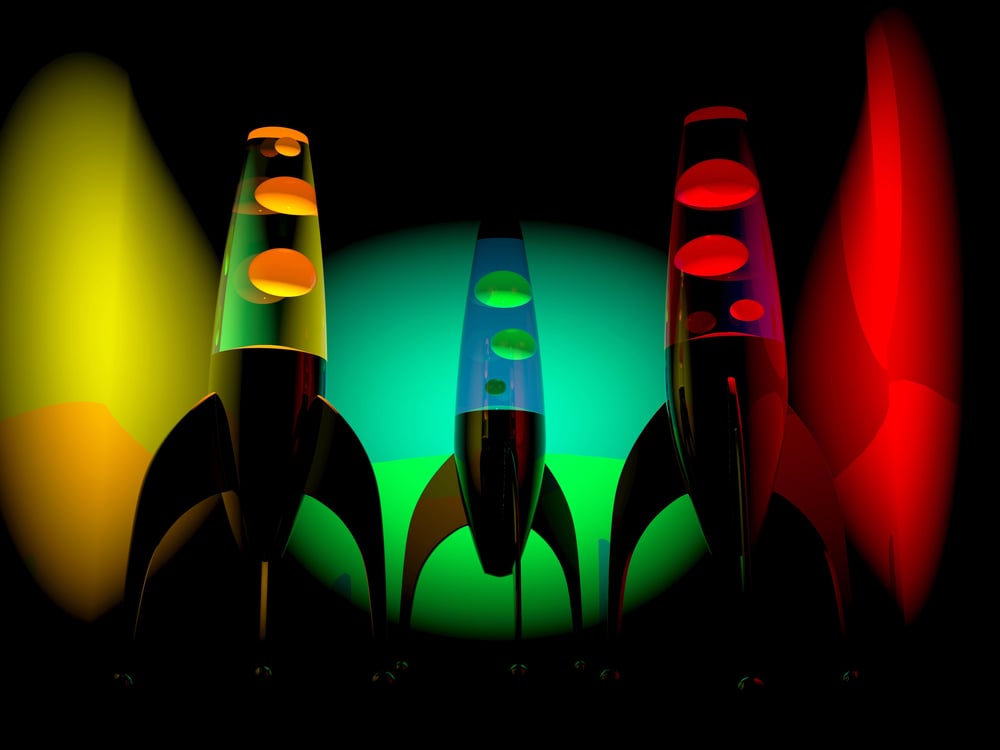
Technically from 1963. Technically never stopped being made.
And yet lava lamps remain one of those objects that feels like a relic every single time you look at one.
Collectors focus on vintage models from the 1960s and 70s, specifically chasing unusual color combinations — orange wax in blue liquid, white in green, purple in yellow.
The original UK-made Mathmos lamps are considered the gold standard. Some people pay surprising amounts of money for a working lamp in a discontinued color.
Electronic Organizers

Before smartphones, there was this: a palm-sized plastic device with a tiny keyboard and a screen that showed maybe three lines of text at once. You could store phone numbers, set alarms, and if you were ambitious, write a short memo.
Sharp, Casio, and Psion all made versions of these. The Psion Organiser II from 1984 is particularly beloved among collectors who appreciate early handheld computing.
These devices weren’t glamorous. But they were the beginning of the idea that you could carry your life in your pocket.
Speak & Spell

Texas Instruments released this in 1978, and it was actually ahead of its time. A child-sized learning device with a keyboard, a synthesized voice, and a library of spelling challenges.
The voice was eerie. The design was orange and chunky.
Children loved it anyway.
The Speak & Spell became a pop culture fixture and later appeared in countless films and music videos. Circuit benders — people who modify electronics to create unusual sounds — especially prize them.
Collectors look for original models, regional variants (versions were made in different languages), and the related Speak & Math and Speak & Read companions.
Digital Watches with Games
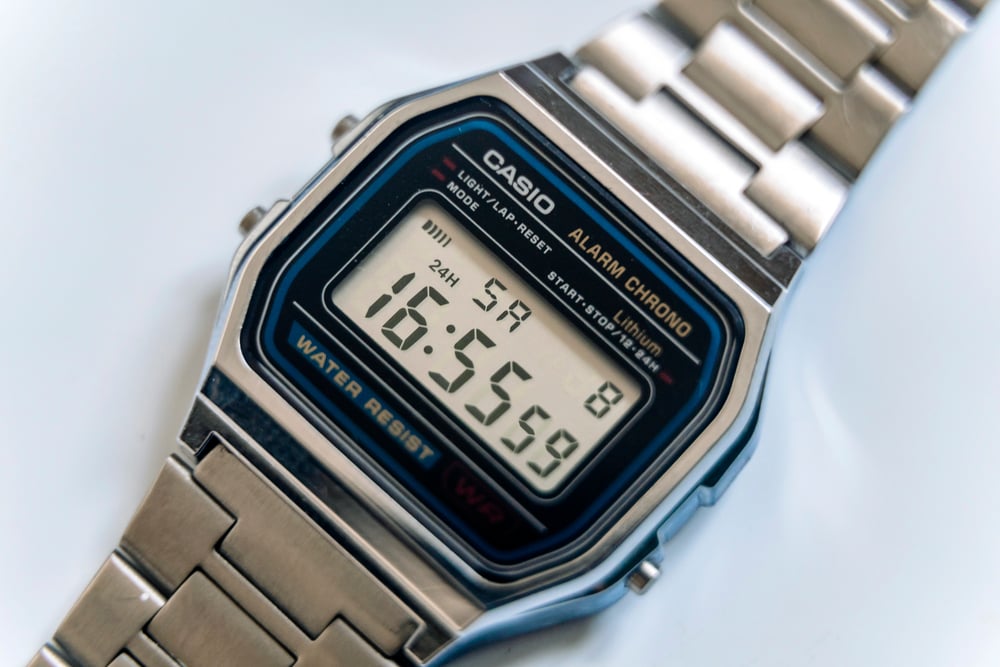
Casio’s game watches from the early 1980s packed tiny playable games into wristwatch form. The screens were barely larger than a postage stamp.
The gameplay was primitive even by the standards of the era. None of that mattered.
The idea that your watch could also be a video game was staggering at the time.
These are expensive now. A working Casio game watch in good condition regularly sells for hundreds of dollars.
Collectors pursue specific models the way others pursue rare coins — methodically, competitively, and with deep attention to condition.
Furbies

Furby launched in 1998 and immediately unsettled everyone. It had big eyes that opened and closed.
It spoke in a language called “Furbish” and supposedly learned English over time. It made sounds in the middle of the night even when you hadn’t touched it.
The US military actually banned them from certain facilities out of concern they might repeat classified conversations.
Collectors prize original 1998 models above all, but special edition Furbies — holiday versions, translucent “angel” editions, rare color combinations — are particularly sought after.
The 2012 reboot and the 2023 Furby revival both created new collector niches. Strange gadget, long legacy.
Pocket Pikachus (Pokémon Pikachu Pedometers)

Nintendo released this in 1998, and it was essentially a Tamagotchi crossed with a pedometer. You carried Pikachu with you throughout the day, your steps generated “watts,” and you used those watts to keep Pikachu happy.
Walk enough, and Pikachu would do little animations. Walk too little, and he’d look annoyed.
It sounds simple because it was. But the charm held.
The second version added infrared connectivity so you could trade watts with a friend. Complete, working versions in original packaging are genuinely hard to find.
Polaroid Cameras
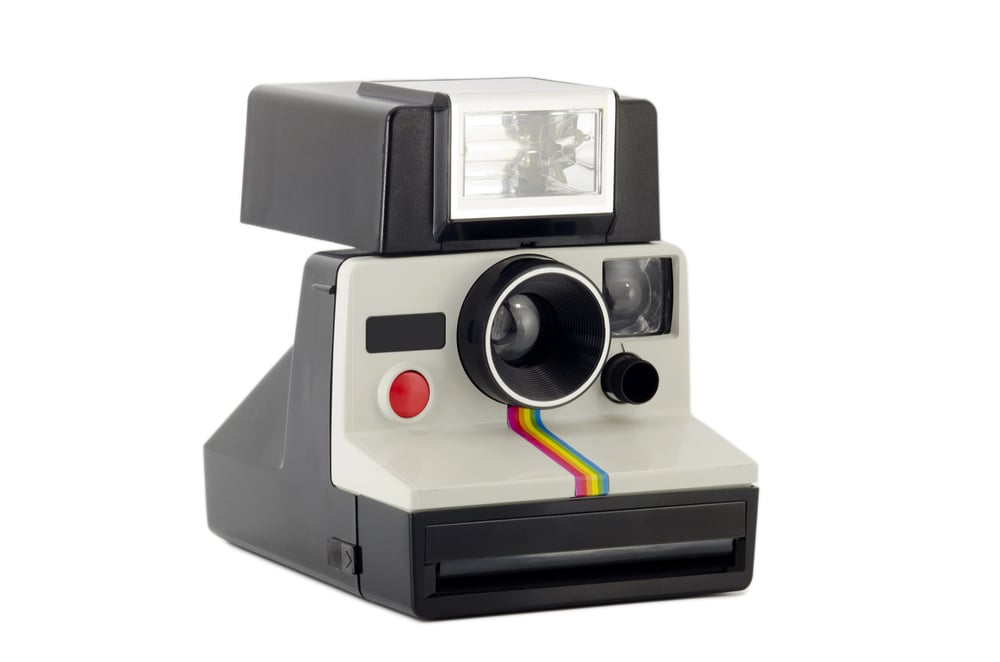
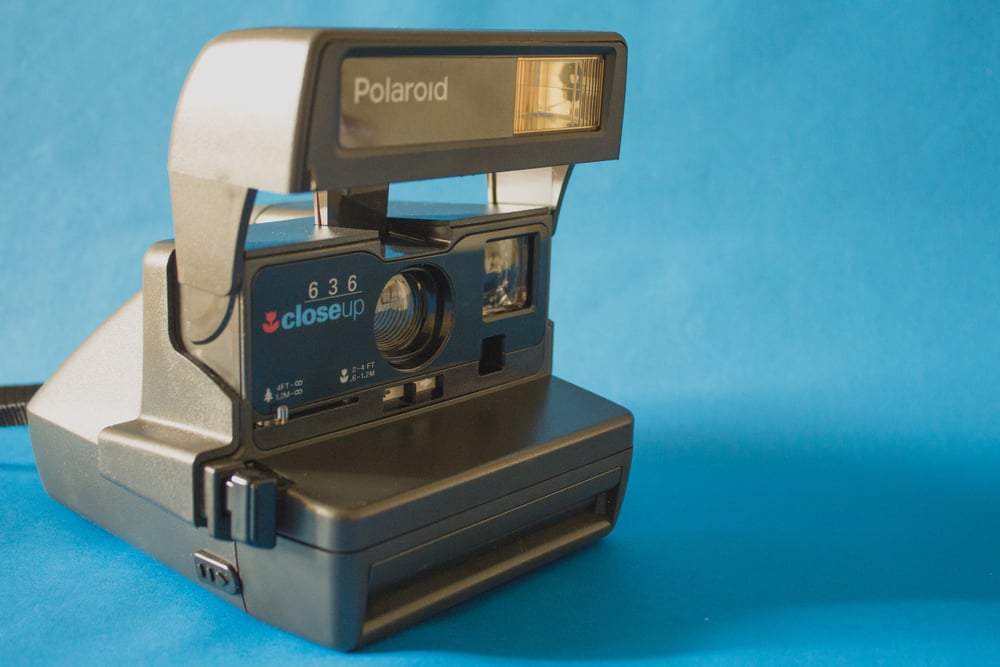
The Polaroid OneStep from 1977 became one of the most iconic consumer devices ever made. You pressed a button, and a photograph slid out of the front, slowly revealing itself over the next few minutes.
The instant result felt like magic.
Polaroid went bankrupt twice. The original film production stopped.
And yet collectors never let go.
The Impossible Project, later rebranded as Polaroid Originals, brought the film back. There are now entire communities built around restoring and using vintage cameras.
The SX-70, folding and elegant by the standards of any era, is the prize many collectors chase.
Simon
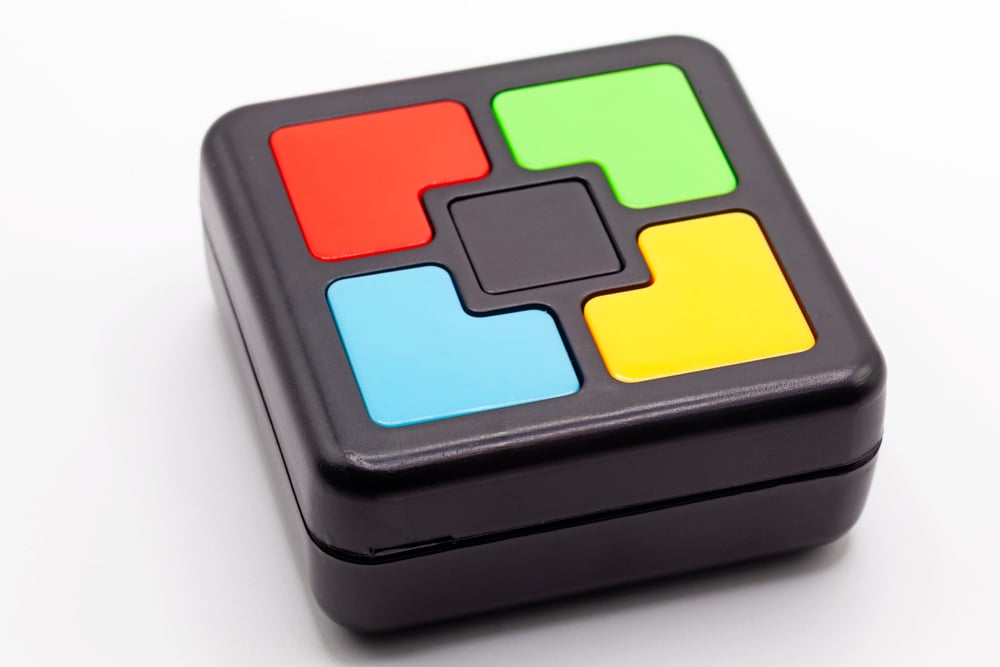
Four colored panels. A sequence of lights and sounds.
Your job was to repeat it back, with the sequence growing longer until you inevitably failed.
Simon came out in 1978 and was one of the first electronic games to become a mainstream hit.
The original Milton Bradley version is what collectors want. Later versions changed the sounds and the physical design, which upset enthusiasts more than you might expect.
A Simon in working condition with the original packaging shows up at auction occasionally, and it sells.
Electric Toothbrush Timers (Braun Oral-B ProfessionalCare)

This one’s more niche than the others. The early Oral-B electric toothbrushes from the 1990s had a separate timer unit — a small standalone device you plugged into the wall that tracked your brushing sessions with a little light display.
It served one purpose. It was for one task.
It was completely unnecessary. And a small group of people collect dental hygiene gadgets from this era with genuine enthusiasm.
Collections like this exist in every category you can imagine. The stranger the original purpose, the more devoted the collectors tend to be.
Casio Calculator Watches

A tiny screen glowing on someone’s wrist – that’s how it began. Casio slipped math machines into timepieces back in 1974.
Come the early Eighties, these gadgets weren’t just tools; they told stories about people wearing them. In films especially, whoever tapped numbers on their arm was seen one way: brilliant or awkward beyond repair.
Often, somehow, a mix of both.
Little keys covered the face. To press them, you needed a pointed tool or just the edge of your nail.
That never kept folks away. Old Casio calculator watches have slipped into style, seen on wrists of those too young to remember their first run.
Among these, the Databank line stands out most.
Electronic Battleship
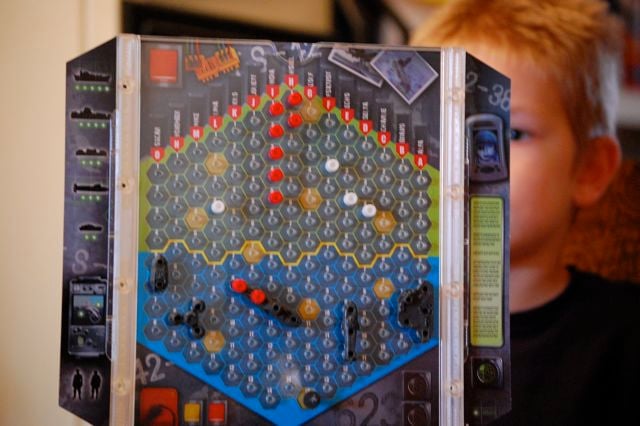
A plastic sea once held wooden ships before electricity showed up. By 1989, flashing panels lit up when shots landed, thanks to built-in circuits humming beneath the surface.
Noise joined the battle – beeps and booms replacing silence. A hidden network kept score automatically, ticking off strikes without pencil marks.
Power came from clunky battery packs tucked inside the base. Games sometimes died halfway through, screens going dark for no reason at all.
Players stared at dead boards, wondering if shaking it would help.
Yet the noise. Hitting a target brought a burst of sound, suddenly making it intense compared to the quiet clack of plastic on board.
Units with intact circuits are rare now – age wears out the inner parts. Owning one that still powers up right is something real among enthusiasts.
Cybiko

Out in 2000, this little gadget called Cybiko popped up, built for teens who liked gadgets. Messaging others nearby – within roughly 300 feet – was its main trick.
Games lived inside it too. A small keyboard clung to the front.
Almost like it dreamed of being today’s smartphone before such things existed.
Wrong. Distance between devices barely reached far, few people ever used one, the gadget felt awkward in hand.
Yet somehow it imagined tomorrow first, believers still gather to honor it. Spotting a Cybiko boxed up, complete, able to send signals through air – that hunt drags on slow, like a quiet obsession.
The Things That Shouldn’t Still Matter
Why do people keep a Furby, or search weeks for a working Cybiko? Not just memory pulling them back, even if that plays a role.
Instead, it’s the weight of an actual thing, one that once meant progress – when folks believed this gadget would change everything, when kids waited hours to own it, when it rested on a desk like it mattered.
Things break down over time. Still, what they mean to people sticks around.
That is precisely when the odd pieces show up – the misfits, the ones history ignored – suddenly mattering more than expected.
More from Go2Tutors!

- The Romanov Crown Jewels and Their Tragic Fate
- 13 Historical Mysteries That Science Still Can’t Solve
- Famous Hoaxes That Fooled the World for Years
- 15 Child Stars with Tragic Adult Lives
- 16 Famous Jewelry Pieces in History
Like Go2Tutors’s content? Follow us on MSN.



