17 World Records Only Professionals Could Break
Most world records feel achievable if you squint hard enough at them. Running fast, jumping high, eating hot dogs — these things exist on a spectrum where regular humans can at least imagine the possibility, even if the reality involves decades of training and genetic luck.
But some records live in a different universe entirely. They require not just exceptional ability, but years of specialized training, access to equipment worth more than most houses, and knowledge so specific that only a handful of people on Earth even understand what’s being attempted.
These aren’t the records you daydream about breaking during lunch. They’re the ones that make you realize how deep human expertise can go.
Speed Solving a Rubik’s Cube Blindfolded
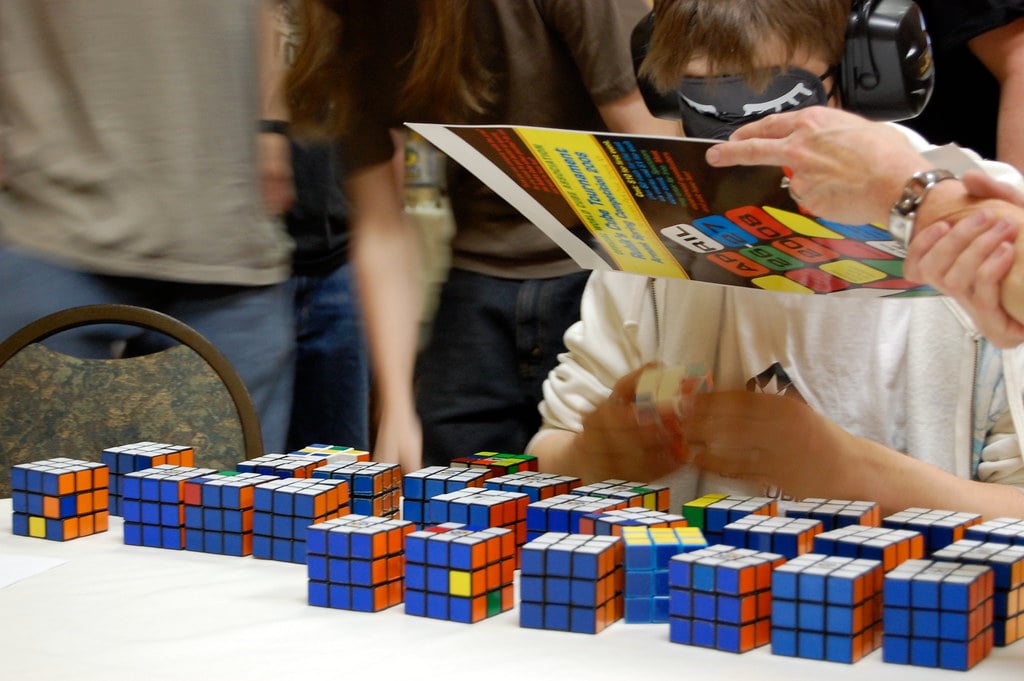
The current record sits at 15.50 seconds. That includes memorization time.
Most people can’t solve a Rubik’s cube with their eyes open and unlimited time. The algorithms, the finger dexterity, the spatial reasoning — it’s already a specialized skill.
Add blindfolding to the equation and you’re asking someone to memorize the entire state of the cube, plan every move in advance, then execute perfectly without visual feedback.
Fastest Piano Playing

The record for fastest piano playing involves hitting 765 keys per minute with perfect accuracy. Your fingers need to move independently at speeds that would make a hummingbird jealous.
Classical pianists spend decades building the muscle memory and finger strength required for complex pieces. This record strips away melody and harmony — it’s pure mechanical precision.
The kind of dexterity that comes from starting at age four and never stopping.
Memorizing Pi to the Most Decimal Places

Rajveer Meena holds the record at 70,000 digits, which took him ten hours to recite.
The preparation time? Years of memorization using techniques most people have never heard of.
Memory palaces, mnemonic systems, visualization methods — these aren’t casual weekend hobbies. They’re cognitive skills that require understanding how memory works at a neurological level, then training your brain like it’s preparing for the Olympics.
And unlike other mental records, there’s no muscle memory to fall back on. Every digit has to be stored, catalogued, and retrieved with perfect accuracy.
Fastest Surgical Knot Tying

The medical world has its own speed records, and surgical knot tying sits at the intersection of dexterity and life-saving precision. The fastest one-handed surgical knot takes 1.38 seconds — but (and this matters more than the speed) it has to be tied correctly enough to hold human tissue together during actual surgery.
This isn’t party trick territory. Surgical knots require specific tension, particular angles, and muscle memory that only comes from thousands of hours in operating rooms.
The difference between fast and fastest is measured in fractions of seconds, but the baseline skill level eliminates 99.9% of the population before they even attempt it.
So the record isn’t just about speed — it’s about speed while maintaining the precision that saves lives.
Most Consecutive Violin Notes Played
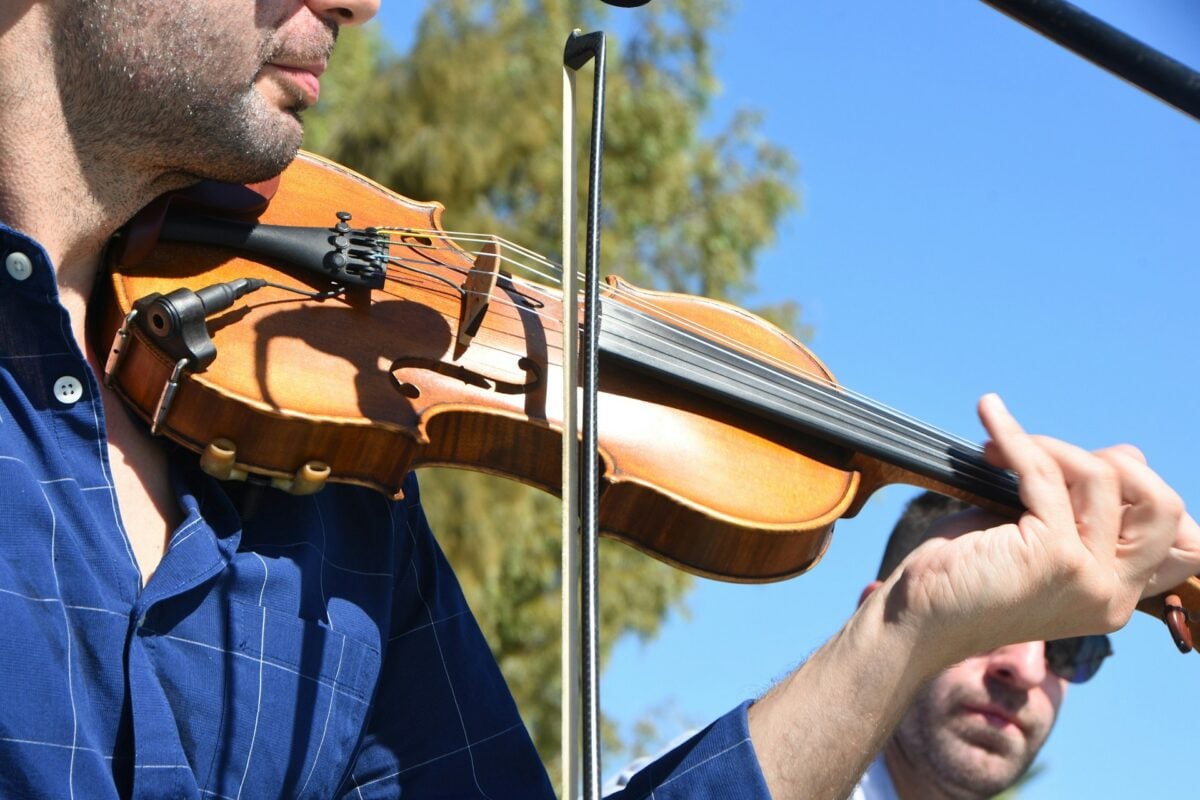
Ben Lee played 50,400 notes in a single performance without stopping — a feat that requires not just finger dexterity, but breath control, posture management, and the kind of endurance that would make marathon runners wince.
Violinists develop calluses on their fingertips and a specific type of shoulder strength that doesn’t exist in other activities. The bow technique alone takes years to master for normal playing speeds.
Sustaining that technique for hours while maintaining pitch accuracy crosses into the realm of physical impossibility for anyone who hasn’t dedicated their life to the instrument. The mental focus required to track thousands of notes without losing place adds another layer of complexity that casual musicians simply can’t access.
Fastest Aircraft Carrier Landing
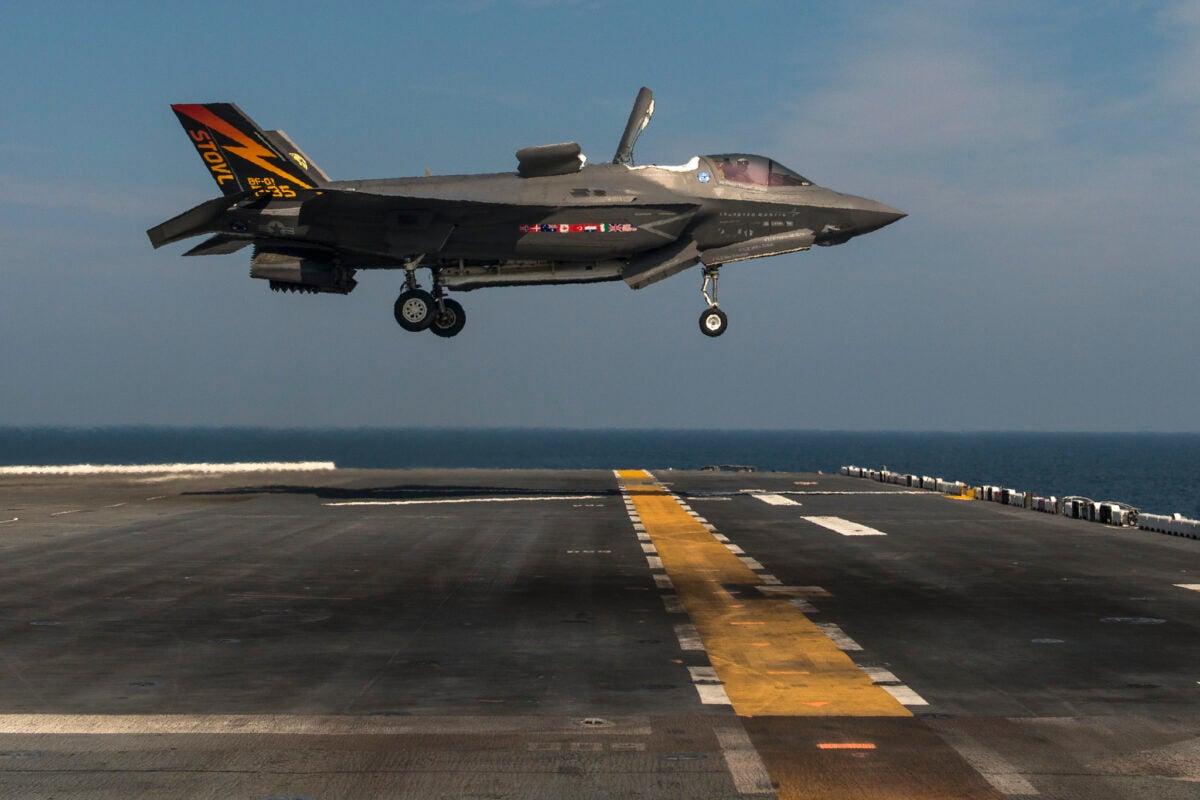
The record for quickest aircraft carrier landing belongs to military test pilots who can touch down, engage the arrestor cables, and come to a complete stop in under three seconds.
Landing on an aircraft carrier isn’t something you practice on weekends. It requires clearance levels, specialized aircraft, and training that costs millions of dollars per pilot.
The margin for error sits at approximately zero — too fast and you crash through the barriers, too slow and you miss the cables entirely and slide into the ocean. The hand-eye coordination needed to hit a moving target while traveling at 150 mph in a machine worth more than most people’s houses eliminates everyone except a few hundred people worldwide.
Deepest Free Dive Without Equipment

Herbert Nitsch descended to 831 feet on a single breath — a depth where the water pressure would crush most people’s lungs even if they could somehow hold their breath long enough to attempt it.
Free diving requires understanding human physiology at levels that border on medical expertise. Divers learn to manipulate their heart rate, blood oxygen levels, and nitrogen absorption through techniques that take years to master safely.
The training involves gradually conditioning the body to function in an environment that humans weren’t designed to survive in. One miscalculation means drowning at depths where rescue is impossible.
Most Accurate Archery Shot at Maximum Distance
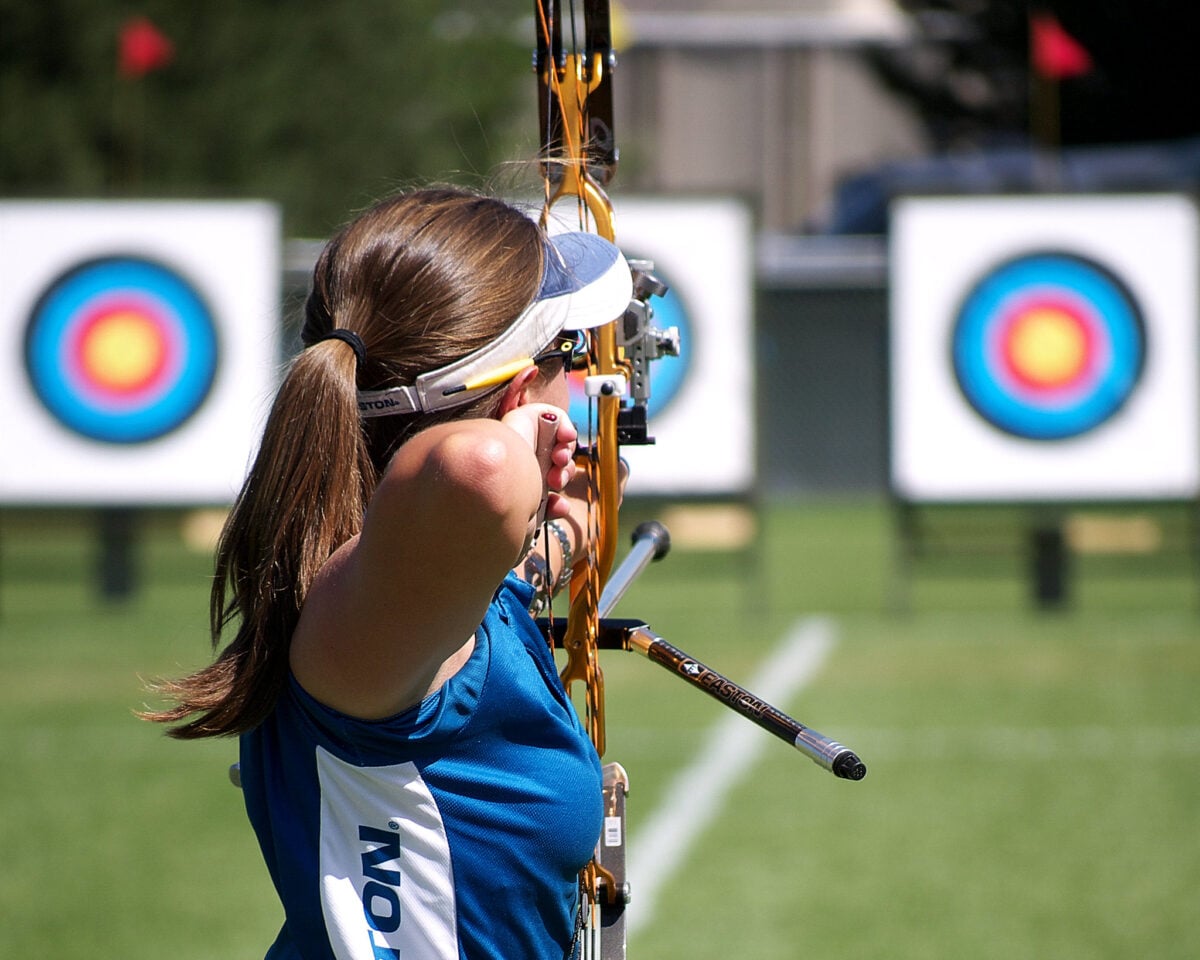
The record for longest accurate bow shot sits at 1,871 yards — more than a mile — achieved by professional archer Matt Stutzman, who happens to be armless and shoots with his feet and mouth.
Archery at that distance requires calculating wind speed, air density, arrow drop, and about a dozen other variables that change constantly during flight time. The arrow is in the air for over 20 seconds, during which the archer has no control over external factors.
Professional archers spend decades learning to read environmental conditions and adjust their technique accordingly. At maximum distances, the target appears smaller than a pinhead, and success requires the kind of muscle control and mathematical precision that exists at the intersection of athletic ability and engineering knowledge.
Fastest Jet Engine Disassembly and Reassembly
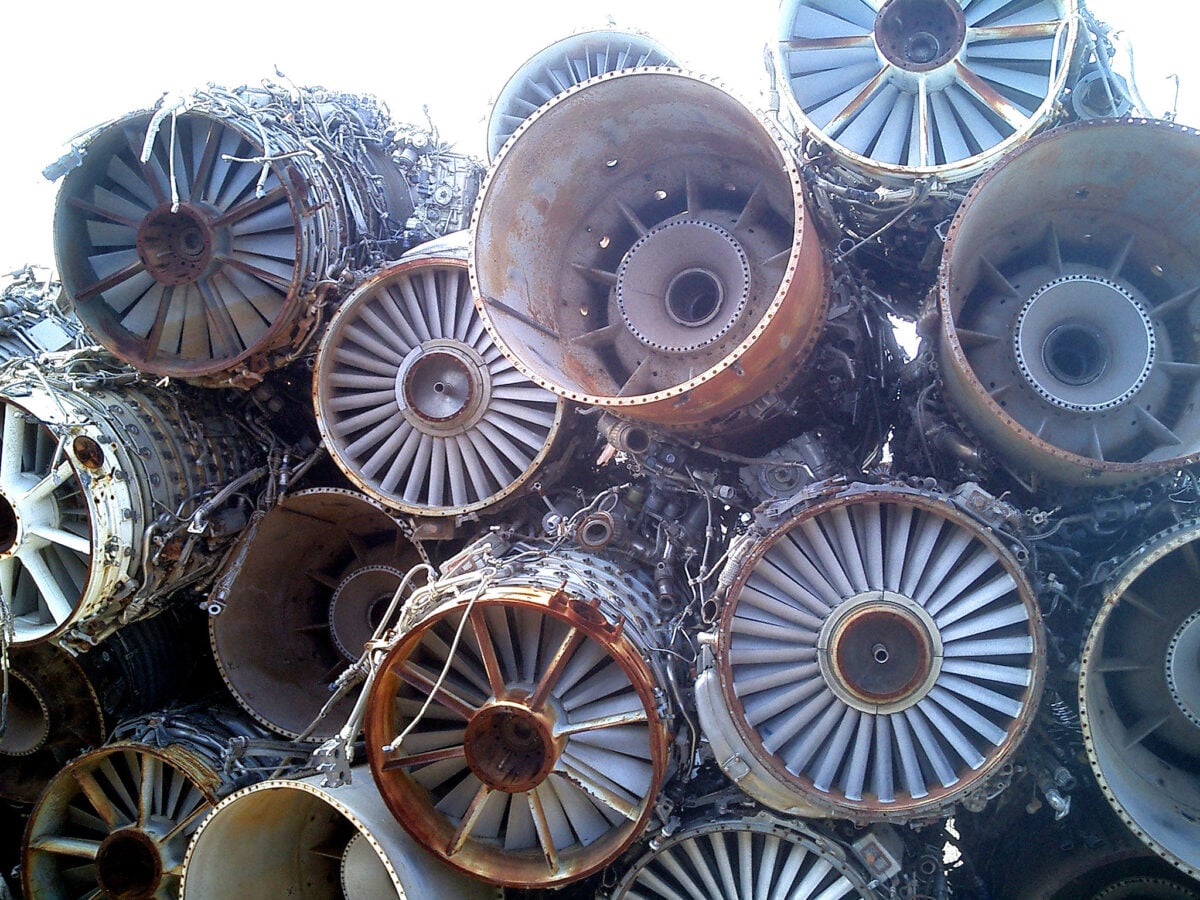
Military aircraft mechanics hold records for disassembling and rebuilding jet engines in under four hours — a process that normally takes teams of specialists several days in controlled environments.
Jet engines contain thousands of precision-manufactured components that must be installed in exact sequences with specific torque specifications. One misplaced gasket or improperly tensioned bolt means catastrophic failure at 30,000 feet.
The mechanics who attempt these records have security clearances, years of specialized training, and access to technical manuals that most people couldn’t understand even with unlimited study time. They’re not just working fast — they’re working fast enough to maintain standards that keep fighter pilots alive.
Most Complex Mathematical Equation Solved Without Assistance
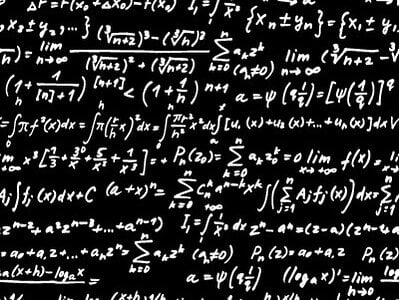
The record involves solving equations that require understanding mathematical concepts most people encounter only in graduate-level coursework, completed entirely through mental calculation.
Mathematical proofs at this level aren’t just about memorizing formulas — they require intuitive understanding of how numbers behave in theoretical spaces. The mental processing power needed to manipulate abstract concepts without writing anything down represents decades of mathematical training.
Most people can’t even understand what problem is being solved, let alone solve it themselves. The cognitive architecture required for this type of thinking develops through years of progressively complex mathematical study that eliminates casual participants at every level.
Fastest Helicopter Autorotation Landing
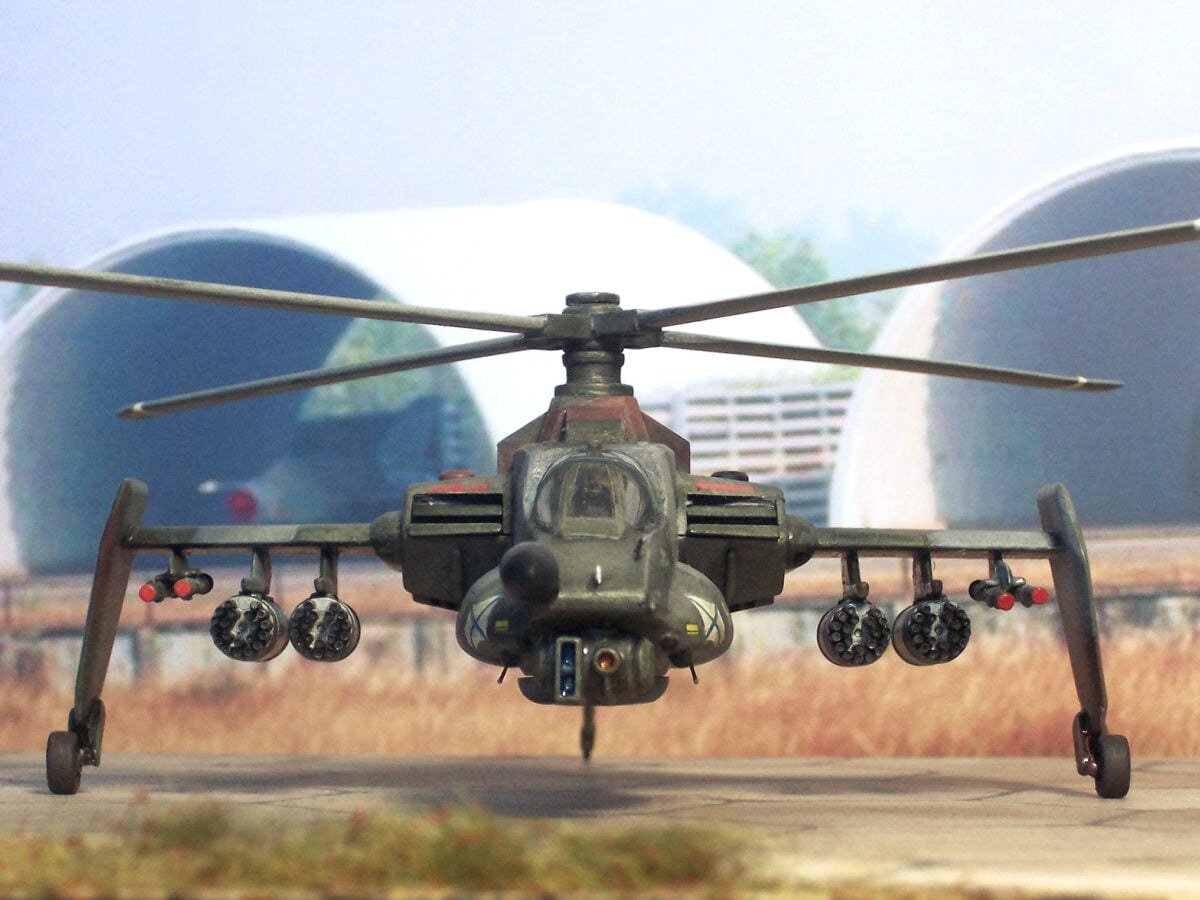
Autorotation involves landing a helicopter safely after complete engine failure, using only the momentum of the rotor blades to control descent — and the record holders can do it in under 90 seconds from engine failure to touchdown.
Helicopter pilots train for engine failure scenarios throughout their careers, but autorotation requires split-second decision making under conditions where most people would panic (namely, falling out of the sky in a machine that’s no longer powered). The physics of rotor momentum, wind resistance, and descent angles have to be calculated instinctively while managing controls that behave differently without engine power.
It’s a skill that requires not just piloting expertise, but the kind of calm precision that only comes from thousands of hours in cockpits.
Most Accurate Sniper Shot at Extreme Distance
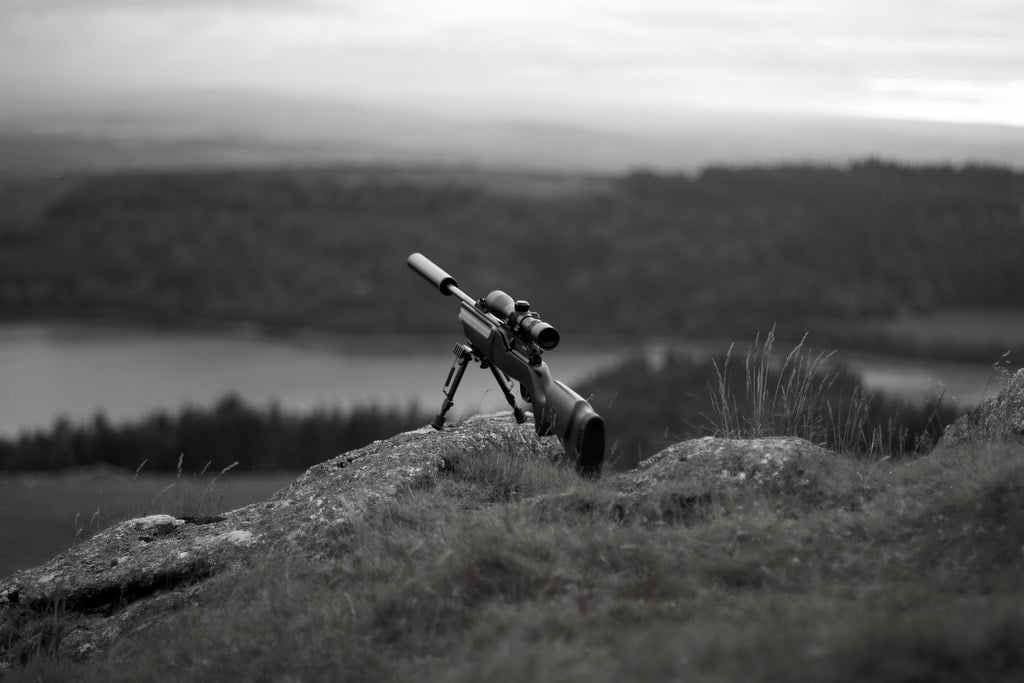
The record for longest confirmed sniper shot sits at 3,540 meters — over two miles — achieved by a Canadian special forces operator using equipment and training that exists only in military contexts.
At that distance, the bullet travels for over six seconds, during which wind patterns, air density, and even the Earth’s rotation affect trajectory (the Coriolis effect becomes measurable at extreme ranges). Snipers use ballistics calculations that would challenge physics students, combined with fieldcraft skills that take years to develop.
The mental pressure of knowing that accuracy means the difference between mission success and failure adds a psychological component that competitive shooters never face. The equipment alone requires security clearances and training programs that eliminate everyone outside specialized military units.
Fastest Surgical Procedure Without Complications
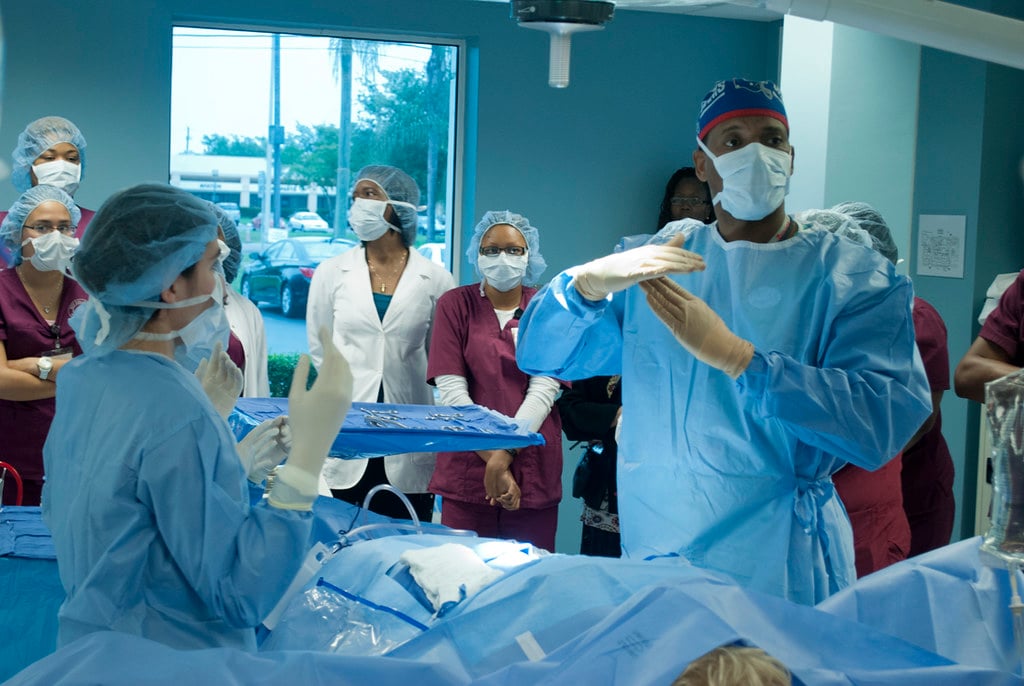
Speed records in surgery mean nothing without perfect outcomes — and the surgeons who hold these records complete procedures in half the normal time while maintaining success rates that exceed industry standards.
Surgical speed develops through understanding human anatomy at a level that allows instant decision making during procedures where hesitation can be fatal. Fast surgeons don’t just move quickly — they eliminate unnecessary steps through experience that comes from thousands of operations.
They’ve seen enough variations and complications to recognize patterns instantly and adjust techniques in real time. The hand steadiness required for precision cuts at high speed represents a combination of natural ability and training that most people couldn’t develop even with unlimited practice time.
Most Consecutive Aircraft Maintenance Tasks Completed Perfectly
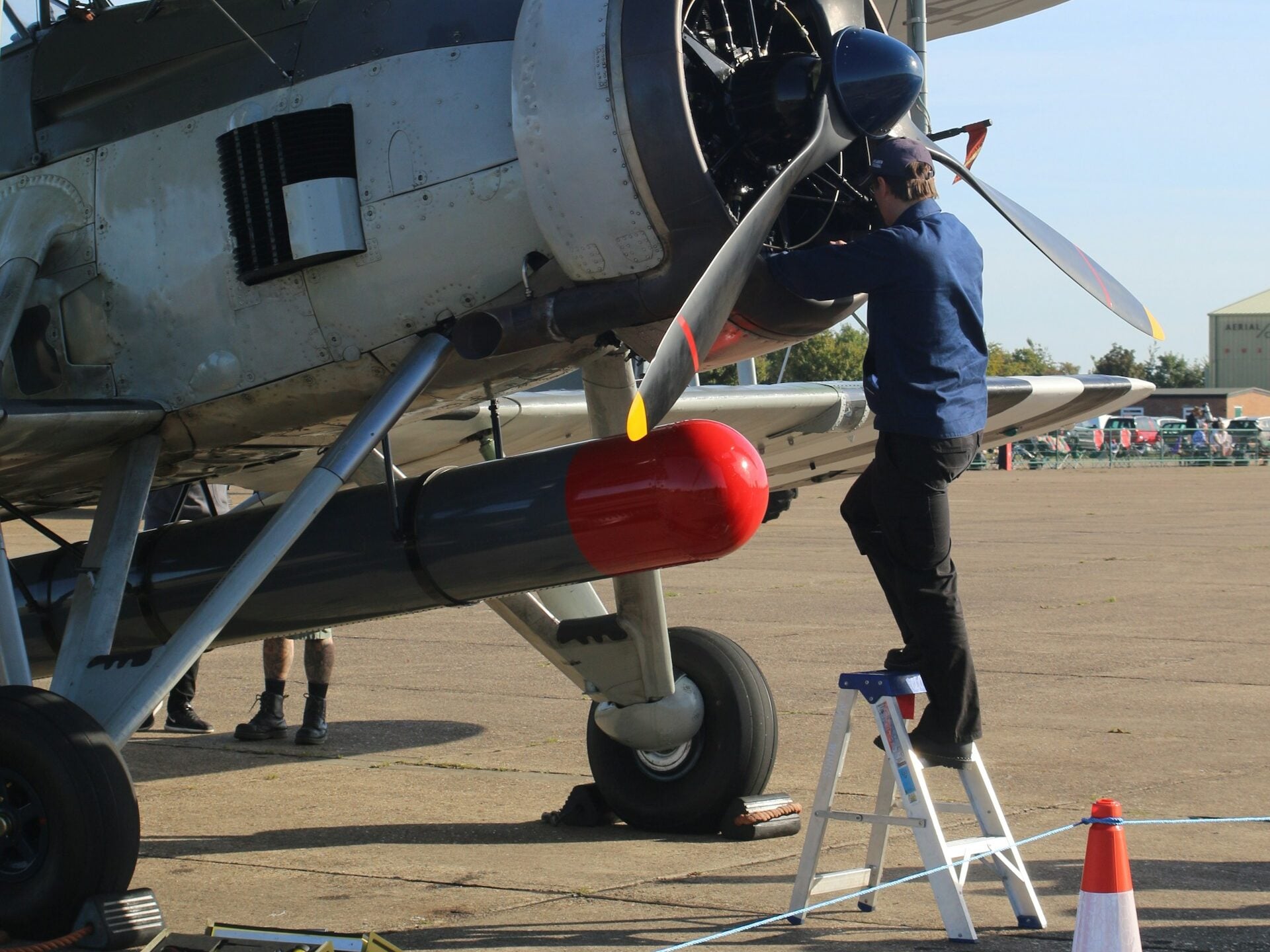
Aircraft maintenance records involve completing hundreds of inspection and repair tasks without a single error — the kind of perfect accuracy that keeps commercial flights in the air.
Aircraft mechanics work with tolerances measured in thousandths of an inch on systems where small mistakes cause crashes that kill hundreds of people. The record holders combine encyclopedic knowledge of aircraft systems with hand skills that allow them to work at professional speed while maintaining perfect accuracy.
They’ve internalized maintenance procedures for multiple aircraft types, understand how different systems interact, and can spot potential problems through subtle signs that inexperienced mechanics would miss entirely.
Fastest Military Parachute Packing
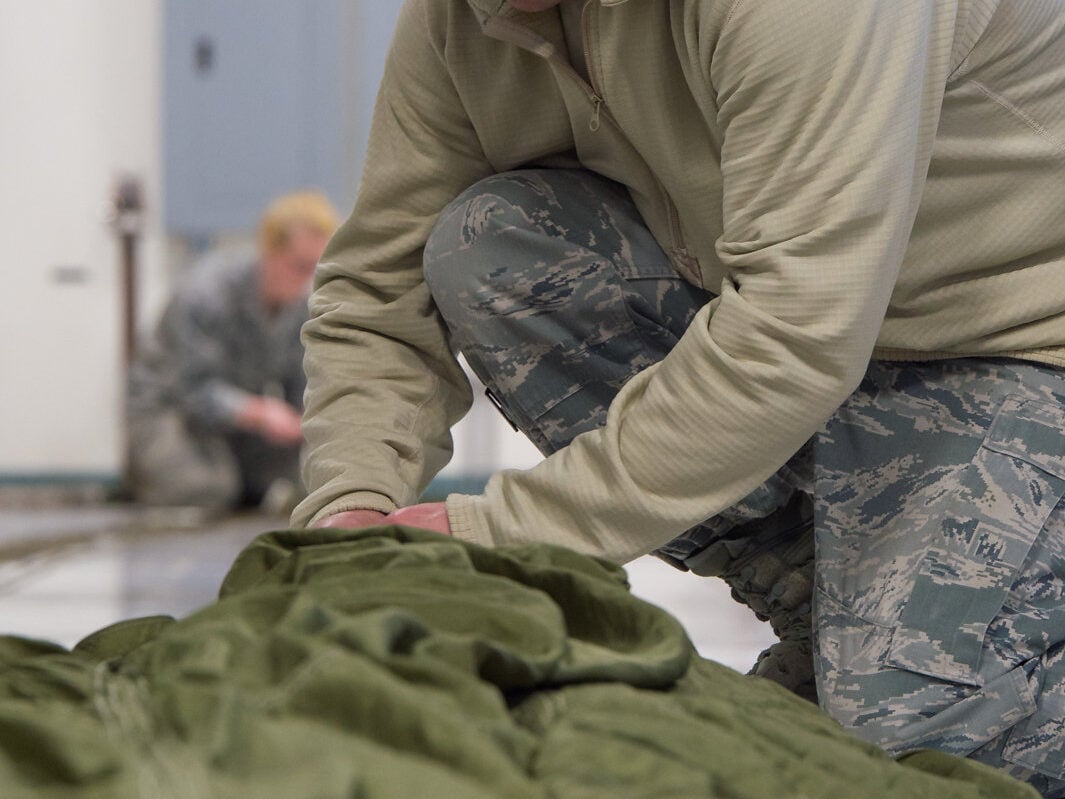
The record for packing a military parachute stands at under 90 seconds — and the parachute has to deploy correctly because the person who packed it has to jump with it.
Parachute packing requires understanding fabric tension, line arrangement, and folding techniques that ensure proper deployment at terminal velocity. Military riggers stake their lives on their own work — every chute they pack might be the one they jump with during training or combat.
The finger dexterity needed to manipulate hundreds of suspension lines into perfect arrangement while working at record speed represents muscle memory that develops through years of repetition under military supervision. One mistake means death, which tends to focus attention in ways that casual hobbies don’t.
Most Accurate Weather Prediction Using Only Observational Data
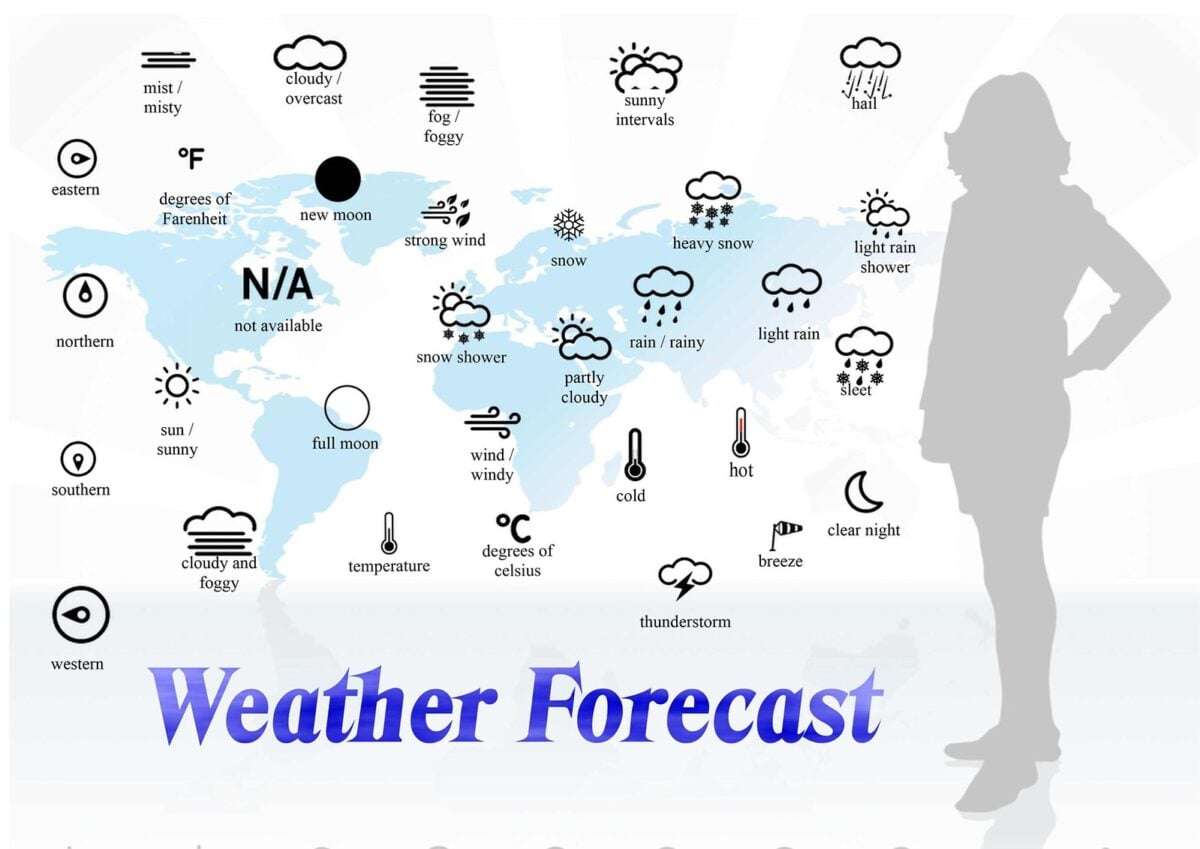
Meteorologists who hold forecasting accuracy records can predict weather patterns days in advance using only visual observation and barometric readings — no satellite data, no computer models.
Traditional weather forecasting requires understanding atmospheric physics at levels that allow reading subtle environmental signals most people don’t notice. Cloud formations, wind patterns, temperature gradients, and humidity changes all provide information about future weather conditions, but interpreting these signs accurately requires decades of study and fieldwork experience.
The record holders combine scientific knowledge with observational skills that border on intuitive — they’ve learned to see patterns in atmospheric behavior that computer models are only beginning to understand.
Fastest Assembly of Complex Electronic Systems
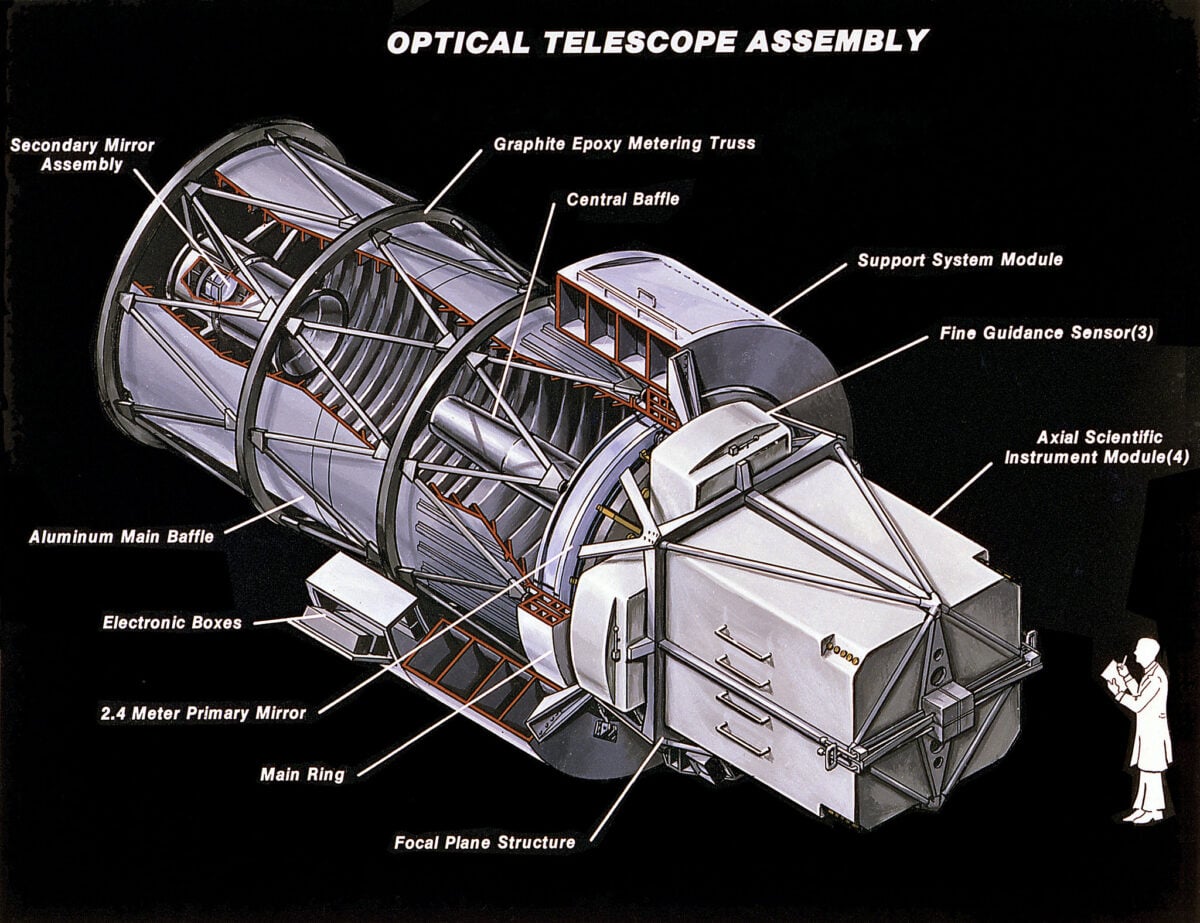
The records for electronic assembly involve building systems with thousands of components in timeframes that professional technicians would consider impossible — and the finished systems have to function perfectly.
Electronic assembly at record speeds requires understanding circuit design, component specifications, and signal pathways well enough to work without referencing schematics or technical manuals. The hand coordination needed to manipulate tiny components at high speed while avoiding electrostatic damage represents specialized dexterity that develops through years of professional electronics work.
Record holders have internalized the relationships between different electronic components so thoroughly that they can troubleshoot and correct problems during assembly without slowing down their overall pace.
Beyond Human Limits
These records exist in spaces where natural ability intersects with specialized knowledge that takes decades to acquire. They represent the outer boundaries of what humans can achieve when training, talent, and professional access align perfectly.
The people who hold these records didn’t stumble into them through casual interest or weekend practice. They dedicated their careers to developing skills that most of us will never need, never access, and never fully understand.
In a world where many achievements feel democratized through technology and information sharing, these records remind us that some forms of human excellence remain gloriously, impossibly specialized.
More from Go2Tutors!

- The Romanov Crown Jewels and Their Tragic Fate
- 13 Historical Mysteries That Science Still Can’t Solve
- Famous Hoaxes That Fooled the World for Years
- 15 Child Stars with Tragic Adult Lives
- 16 Famous Jewelry Pieces in History
Like Go2Tutors’s content? Follow us on MSN.



