Remarkable Skills You Can Learn in Ten Minutes
Most people assume that skills worth having take months to build. And for many things, that’s true.
But there’s a category of knowledge that sits right on the edge — things that take just a few minutes to learn yet genuinely change how you move through daily life. Not tricks.
Not gimmicks. Actual, useful abilities that pay off the moment you pick them up.
Here are some worth your next ten minutes.
Box Breathing
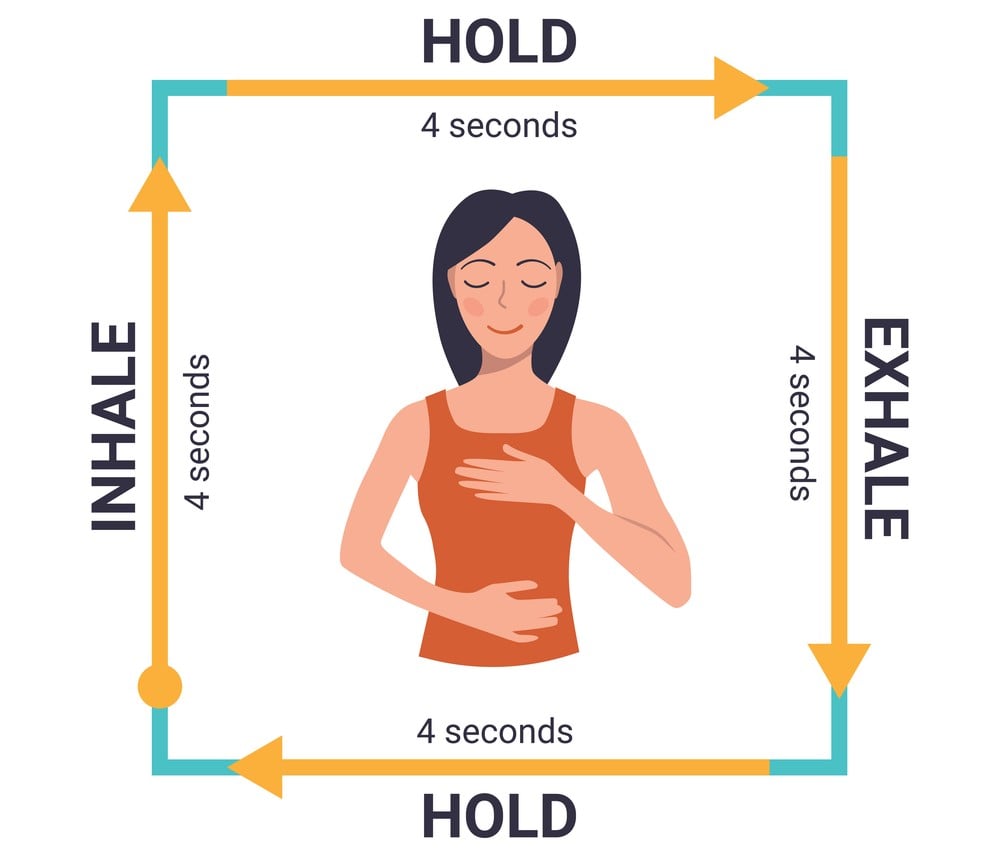
This one comes from military training, but you don’t need to be in any kind of high-pressure profession to benefit from it. The method is simple: breathe in for four counts, hold for four, breathe out for four, hold for four. Repeat.
What it does is slow your nervous system down — fast. Within a few cycles, your heart rate drops, your thinking clears, and the edge of whatever stress you were carrying gets noticeably duller. Athletes use it before competition.
Surgeons use it before operations. You can use it before a difficult conversation or just a bad afternoon.
It takes about two minutes to learn and about thirty seconds to work.
The Home Row Typing Position

If you type with your fingers scattered across the keyboard, placing your hands correctly — left fingers on A, S, D, F and right fingers on J, K, L, and the semicolon key — won’t make you fast immediately. But it sets up every hour of typing after this one to be more efficient. The bump on the F and J keys is there so your fingers find the position without looking.
Spend ten minutes typing slowly and deliberately from this position, and you’ve started something that compounds over time.
How to Read a Nutrition Label

Most people glance at calories and stop there. But the label tells a fuller story if you know where to look.
Serving size comes first because everything else on the label is based on it, and portion sizes on packaging are often unrealistically small. After that, added sugars (not total sugars) and sodium are the two numbers that most people consistently underestimate in their diets.
Ten minutes reading one label carefully, comparing it to a few others, and you’ll have a working vocabulary for the rest of your life.
The Two-Minute Rule

If something will take less than two minutes, do it now. Don’t add it to a list, don’t schedule it, don’t flag it for later. Just do it.
David Allen introduced this in his productivity work, and it’s stuck around because it genuinely works. The mental overhead of tracking a small task often takes more energy than the task itself.
Replying to a short message, putting something back where it belongs, making a quick call — these things pile up into a vague weight when deferred. The rule clears them before they accumulate.
A Bowline Knot
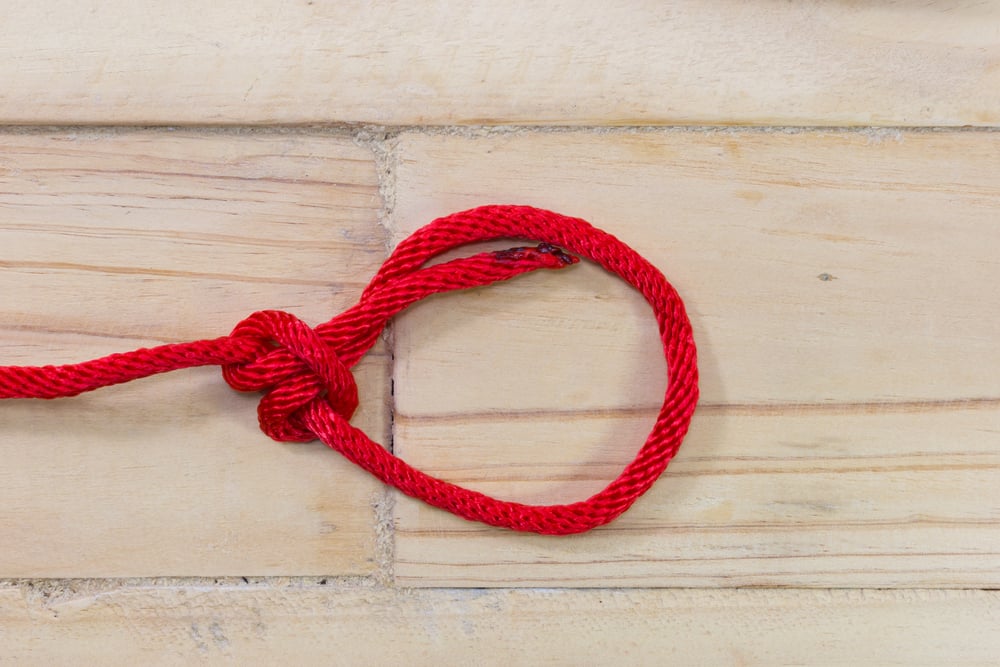
Sailors, climbers, and rescue workers rely on this knot because it creates a fixed loop that won’t tighten under load and won’t slip loose when the tension goes slack. It’s one of the most useful knots a person can know.
The mnemonic: the rabbit comes out of the pit, goes around the tree, and goes back down the pit. That’s it.
Practice it five times on a piece of rope and you’ll have it. Then practice it once more a week later to lock it in.
Remembering Names

The reason most people forget names isn’t poor memory — it’s that they’re not paying attention when the name is said. The moment of introduction is often filled with social noise: what to say next, how to appear confident, whether the handshake was too firm.
The fix is deliberate repetition. When someone tells you their name, say it back in your next sentence.
“Great to meet you, Sarah.” Then use it once more before the conversation ends.
That’s the whole technique. It works because it forces your brain to actively process the name rather than let it slide by.
Keyboard Shortcuts That Actually Matter

Ctrl+Z undoes your last action. Ctrl+Y redoes it. Ctrl+Shift+Z also redoes, depending on the program. Ctrl+F finds text on a page.
Ctrl+L jumps to the address bar in a browser. Alt+Tab switches between open windows.
If you’re on a Mac, replace Ctrl with Command. These aren’t flashy.
But if you spend several hours a day working on a computer, and you currently reach for your mouse to do half of these things, the time savings over a year is real.
The Plank
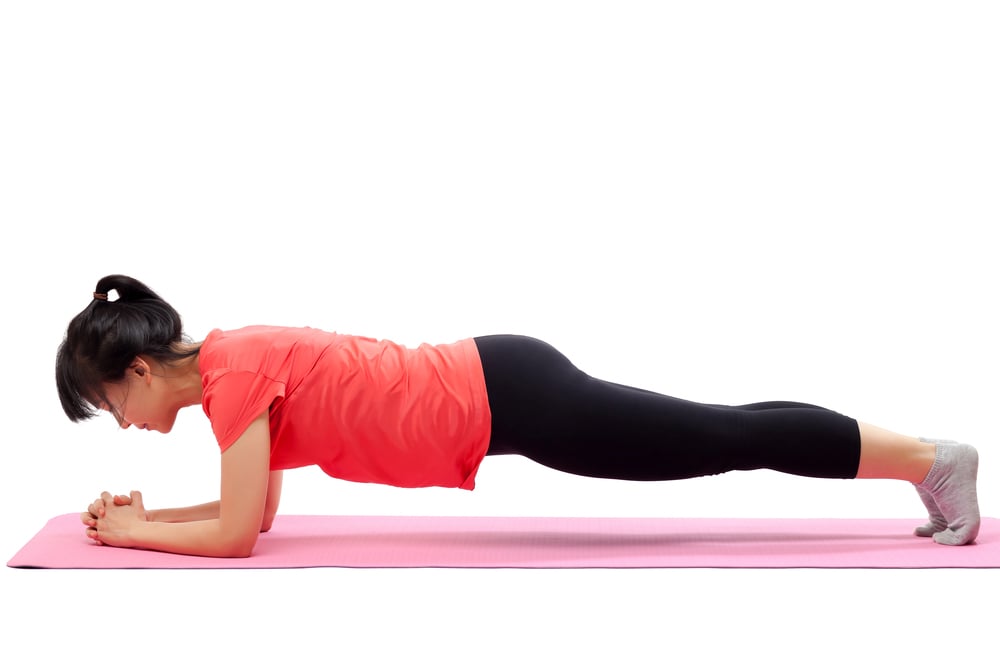
Not because it will build a great physique in ten minutes, but because it’s worth understanding what a correct plank actually feels like — which most people don’t know.
Elbows under shoulders. Hips level, not sagging or raised.
Core tight. Glutes squeezed. Neck neutral, eyes on the floor.
When you hold this position correctly, thirty seconds is genuinely difficult. Most people who say planks are easy are holding them wrong.
Learn what the tension is supposed to feel like and you have the foundation for a simple, equipment-free workout you can do anywhere.
Speed Reading: Chunking

Conventional reading traces each word individually. Chunking is the habit of training your eye to take in clusters of three or four words at a time instead of one.
You can start practicing this on any paragraph right now. Let your eye land in the middle of each line rather than tracking from the left edge. You’ll read faster, and with practice, comprehension holds.
This alone won’t make you a speed reader overnight, but it’s the core technique, and you can feel the difference immediately.
How to Give Useful Feedback

There’s a structure that makes feedback land better: say what you observed, say the effect it had, then say what you’d prefer. Not “that presentation was disorganized,” but “the slides jumped between topics quickly, which made it hard to follow the argument — next time it would help to have a clearer structure at the start.”
This isn’t about being soft. It’s about being specific. Specific feedback actually changes behavior.
Vague feedback mostly just makes people defensive.
A Basic Stretching Sequence

Start by rolling your neck, then shift into shoulders loosening tight spots. Fold forward at the waist, letting arms drop without force.
Twist slowly while sitting, one hand behind you, the other on bent knees. Open up the front of your hips through a long-held lunge lean.
Each move lasts a minute and a half. Every part gets attention that way.
It’s not the moves that take time – each sinks in within half a minute. What uses up those ten minutes is staying put long enough to notice stiffness hiding inside.
Tension shows up where folks least expect it, often deep in the hips or high across the shoulders. That first try reveals how much weight their body has been holding without telling them.
How to Apologize

A true sorry comes in three pieces: owning up to the moment, seeing how it landed, then naming what shifts next. That comment I made – I see now it brushed you aside.
You had every reason to feel let down. Going forward, my words will show more care
That list leaves out phrases like “I’m sorry you felt that way,” or “I’m sorry, but – ,” plus anything else that quietly blames someone else instead.
These words don’t count as real apologies. Many grown-ups struggle to explain what an honest apology truly is, simply because they rarely see one done right.
You’ve got the idea now.
The Eisenhower Box

A box appears when you sketch four equal parts inside a square. One part holds what screams for attention right now plus truly matters.
Another fits things that matter deeply yet wait quietly. A third catches tasks yelling urgency but lacking real weight.
The last corner collects leftovers – no rush, no impact. Each job you must do finds its spot somewhere within these lines.
Here’s what happens: folks run after quick fixes, caught in the rush of now. Yet things like health, bonds with others, thinking ahead – those slip through cracks till they scream for attention.
That framework shows where energy goes, revealing patterns once invisible. Seeing it changes how choices are made.
The Part That Sticks

Most of what you pick up in ten minutes fades fast. These tricks fit together quickly, yet matter only when tried, just one time, by nightfall.
This moment passes. Grab hold.
Choose something here. Not later.
Ten minutes ahead belong to you.
More from Go2Tutors!

- The Romanov Crown Jewels and Their Tragic Fate
- 13 Historical Mysteries That Science Still Can’t Solve
- Famous Hoaxes That Fooled the World for Years
- 15 Child Stars with Tragic Adult Lives
- 16 Famous Jewelry Pieces in History
Like Go2Tutors’s content? Follow us on MSN.