16 Action Movies That Launched Unlikely Careers
Hollywood’s action genre has always been a breeding ground for unexpected stardom. Yet nobody could have predicted just how dramatically some of these films would reshape careers and launch complete unknowns into the spotlight. What started as budget-conscious casting decisions or director’s gut instincts turned into career-defining moments that would echo through decades of cinema.
These weren’t your typical leading man choices. Many had thick accents, zero experience, or came from completely different entertainment backgrounds. Here is a list of 16 action movies that launched unlikely careers and forever changed what we think an action star should look like.
The Terminator
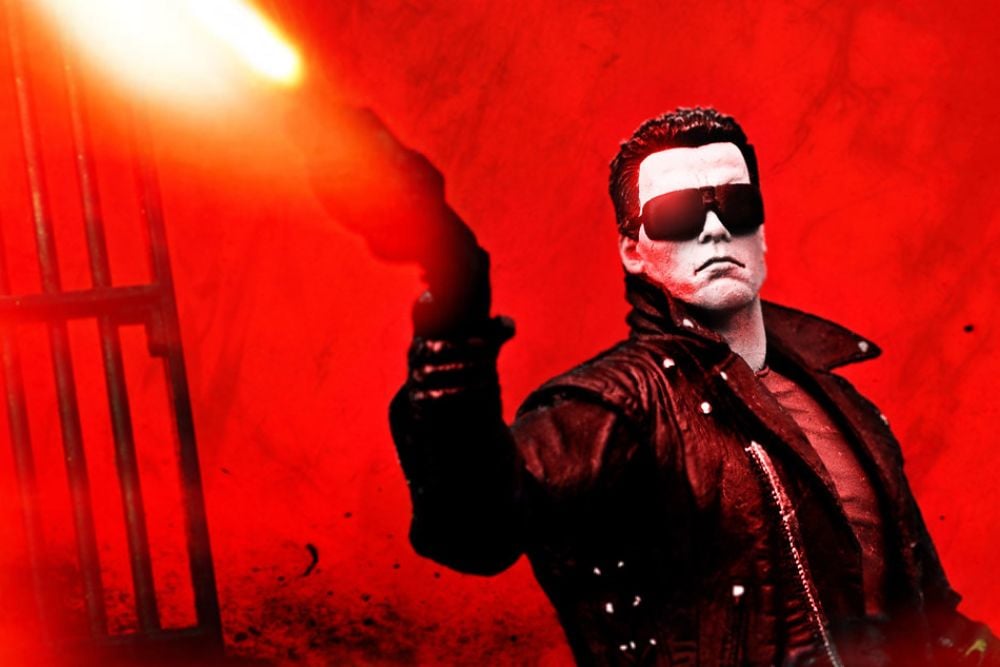
Before 1984, Arnold Schwarzenegger was just a massive Austrian bodybuilder who could barely get through a sentence without mangling the pronunciation. Studio bosses thought audiences would never accept someone whose last name took five seconds to say.
James Cameron saw something different though. The cyborg role perfectly masked Schwarzenegger’s linguistic limitations while showcasing his intimidating physical presence, creating an icon that dominated action cinema for two decades.
Enter the Dragon

Hollywood had no idea what to do with Bruce Lee in the early 1970s. His intensity scared executives, his martial arts background seemed too niche, and his philosophy about fighting didn’t translate to typical Western action formulas.
This 1973 masterpiece proved that authenticity could transcend cultural barriers. Lee’s tragic death before the film’s release only amplified its impact, establishing him as a legend whose influence still shapes action choreography today.
Die Hard

Television comedy was Bruce Willis’s comfort zone when he stepped into John McClane’s shoes. Critics questioned whether the guy from ‘Moonlighting’ could handle serious action sequences or convince audiences he was genuinely tough.
The film’s success wasn’t just about great writing or direction. Willis brought an everyman quality that made him relatable while proving he could deliver both wisecracks and genuine intensity when the situation demanded it.
The Matrix
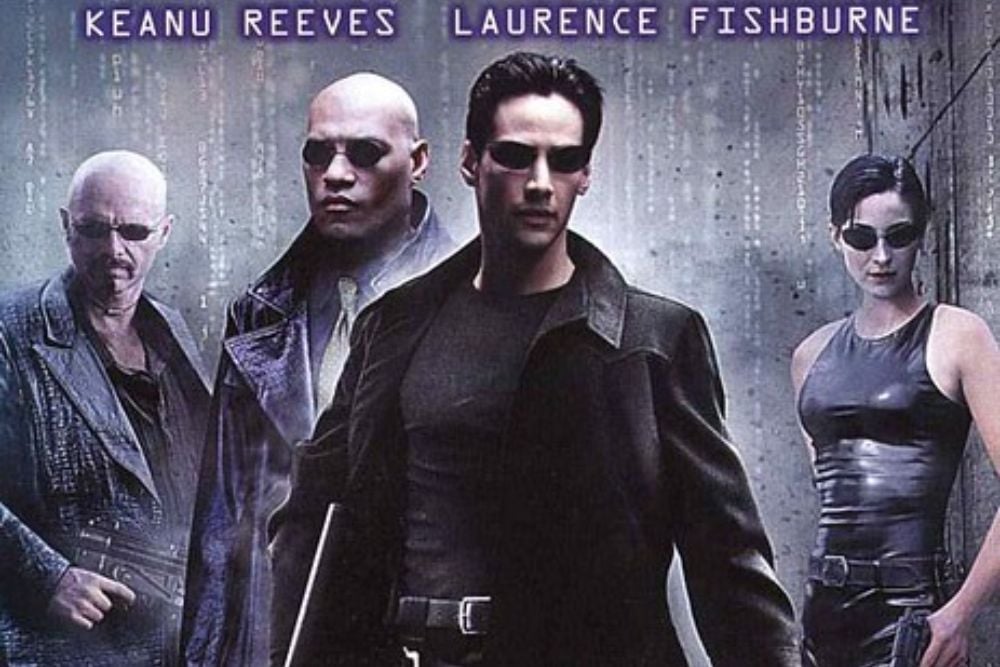
Keanu Reeves seemed destined for romantic comedies and surfer movies until the Wachowski sisters saw something deeper. His previous roles suggested a lightweight performer without the gravitas for complex science fiction concepts.
Yet Reeves’ natural contemplative quality perfectly matched Neo’s journey from confused office worker to digital messiah. The role transformed him from a pretty face into a philosophical action icon whose career spans multiple decades.
First Blood

Sylvester Stallone had already proven himself with Rocky, but war movies represented uncharted territory. Many wondered if the guy who played a boxer from Philadelphia could convincingly portray a traumatized Vietnam veteran.
The physical transformation was just part of the challenge. Stallone had to convey psychological damage and survival instincts that went far beyond anything his previous roles required, ultimately creating one of cinema’s most enduring action franchises.
Lethal Weapon

Danny Glover spent years perfecting his craft in theater and supporting roles before landing his breakthrough at age 40. Hollywood rarely hands action hero status to middle-aged actors, especially those known primarily for dramatic work.
His pairing with Mel Gibson created unexpected chemistry that balanced humor with genuine emotion. The film proved that action heroes didn’t need to be young, muscle-bound, or conventionally intimidating to connect with audiences.
Mad Max

George Miller discovered Mel Gibson in Australian theater, where he was completely unknown to international audiences. Post-apocalyptic films were considered a risky niche market, and Gibson had zero action experience.
The low-budget production couldn’t afford established stars anyway. Gibson’s raw energy and natural charisma transformed what could have been a forgettable B-movie into a genre-defining classic that launched a major Hollywood career.
Big Trouble in Little China
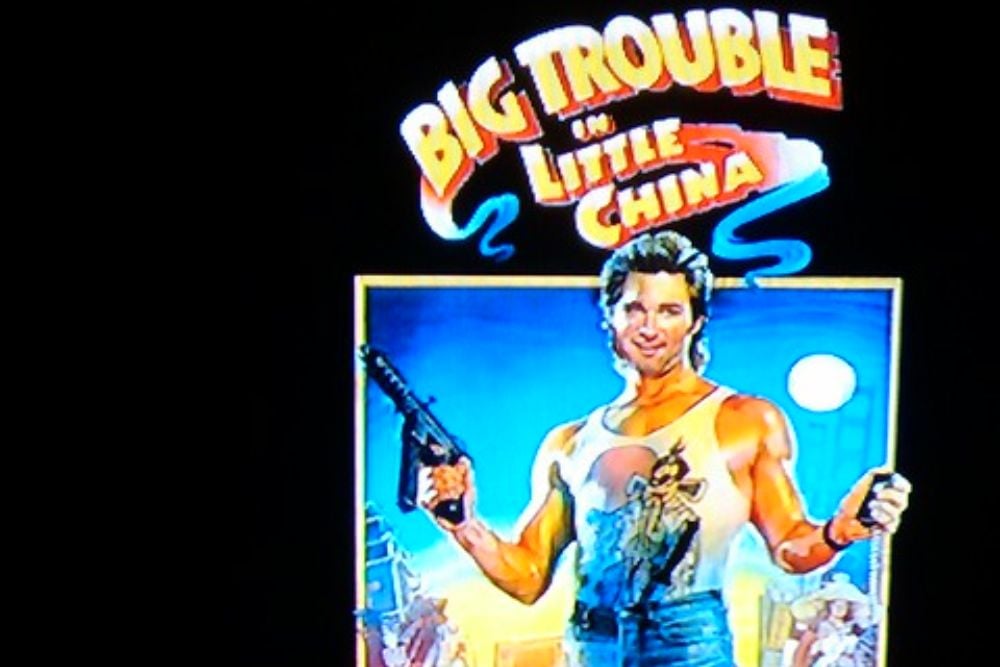
Kurt Russell’s transition from Disney child star to action hero wasn’t guaranteed to work. His clean-cut image and family-friendly background made him an unusual choice for John Carpenter’s supernatural action comedy.
The role required physical comedy skills, martial arts believability, and the ability to play both competent hero and bumbling fool. Russell’s performance demonstrated his range while establishing him as a legitimate action star capable of carrying complex genre films.
Rush Hour

Jackie Chan had been attempting to crack the American market for years with limited success. His physical comedy style seemed too foreign for mainstream audiences, and his English skills were still developing.
Studio executives worried about subtitles and cultural barriers. The buddy cop format with Chris Tucker provided the perfect vehicle for Chan’s unique talents, finally giving American audiences the full Jackie Chan experience they’d been missing.
Speed

Keanu Reeves was still primarily associated with ‘Bill & Ted’ when he strapped on a police uniform for this high-octane thriller. Sandra Bullock had never carried an action film and was known mainly for romantic comedies.
The simple premise of a bus that couldn’t slow down required both actors to convey genuine terror and determination. Their chemistry and commitment to the material transformed a potentially ridiculous concept into a white-knuckle experience that established both as action stars.
Taken

At 56, Liam Neeson seemed an unlikely candidate for action stardom. His distinguished career in dramatic films like ‘Schindler’s List’ had established him as a serious actor, but not a physical performer.
The film’s success created an entirely new archetype: the older, wiser action hero whose life experience and paternal instincts drive the violence. Neeson’s particular set of skills became a cultural phenomenon and proved that action heroes could have gray hair and gravitas.
John Wick

Keanu Reeves’ action career seemed finished by 2014. He was 50 years old, hadn’t had a major hit in years, and many considered him past his prime.
The stylish revenge thriller required intense physical preparation and a commitment to realistic gun-fu choreography that would challenge actors half his age. The film’s success didn’t just revitalize Reeves’ career, it created a new standard for action choreography and spawned one of the most successful franchises of the 2010s.
The Fast and the Furious

Vin Diesel had appeared in exactly one independent film before becoming Dominic Toretto. Paul Walker was trapped in teen movie purgatory with no action experience.
The street racing subculture was unfamiliar territory for most audiences, and the film’s success wasn’t guaranteed. Both actors brought genuine enthusiasm for car culture and developed an on-screen brotherhood that would sustain a franchise for over two decades and billions in box office revenue.
Crank
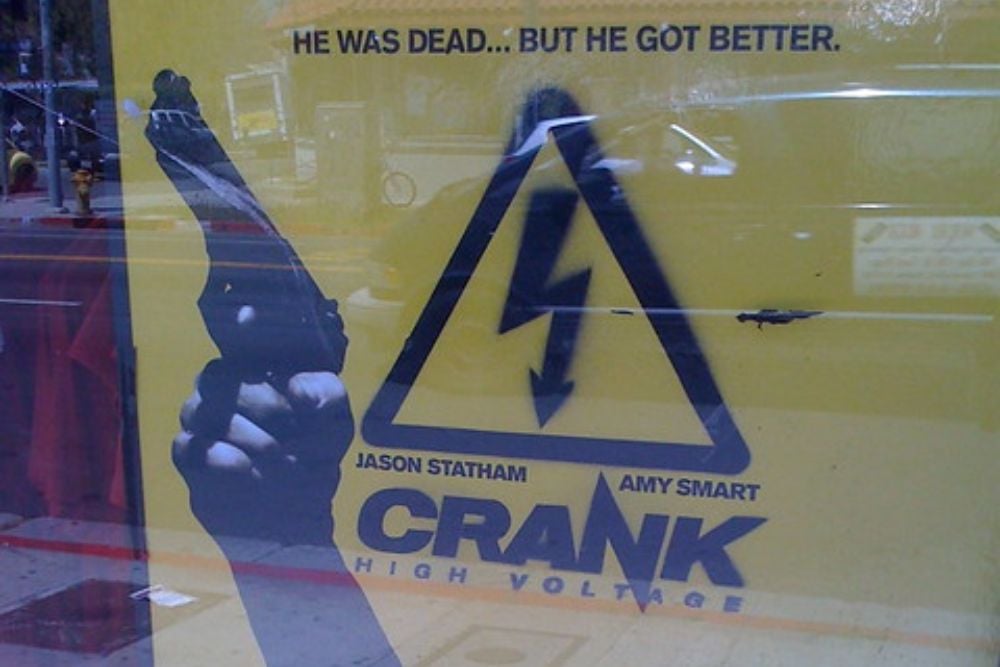
Jason Statham’s background as a competitive diver and model didn’t exactly scream action hero material. His British accent and unconventional looks made him an unusual choice for American action films.
The film’s hyperkinetic style and absurd premise required an actor who could commit completely to the insanity while maintaining physical credibility. Statham’s performance established him as a reliable action lead who could handle both serious thrillers and completely over-the-top concepts.
District 9

Sharlto Copley had never acted professionally when Neill Blomkamp cast him in this science fiction thriller. His background was entirely behind the camera in advertising and short films. The documentary-style approach required naturalistic acting that couldn’t feel staged or theatrical.
Copley’s performance earned him an Oscar nomination and demonstrated that authentic emotion could be more powerful than traditional acting training when the material demands genuine human connection.
The Raid

Iko Uwais was teaching martial arts when Gareth Evans discovered him for this Indonesian action masterpiece. He had zero acting experience and international audiences had never heard of him.
Foreign action films rarely achieved global success, and the film’s success depended entirely on fight choreography and Uwais’ authentic martial arts abilities. The film’s incredible action sequences made Uwais an overnight sensation and proved that genuine skill could transcend language barriers.
Breaking All the Rules

These career transformations remind us that talent often comes from the most unexpected places. Directors who trusted their instincts over conventional wisdom created some of cinema’s most memorable characters while launching careers that might never have existed otherwise.
The action genre’s willingness to take risks on unconventional casting continues to surprise audiences and prove that authenticity beats formula every time. Sometimes the best action heroes are the ones nobody saw coming.
More from Go2Tutors!

- The Romanov Crown Jewels and Their Tragic Fate
- 13 Historical Mysteries That Science Still Can’t Solve
- Famous Hoaxes That Fooled the World for Years
- 15 Child Stars with Tragic Adult Lives
- 16 Famous Jewelry Pieces in History
Like Go2Tutors’s content? Follow us on MSN.