16 Ancient Inventions we Still Use
We’re surrounded by smartphones, electric cars, and space exploration tech — yet many tools we use daily trace back thousands of years. Ancient civilizations weren’t just constructing pyramids and waging wars; they tackled everyday problems with solutions so brilliant that we haven’t improved on them much.
Consider a typical morning: waking to an alarm, brushing teeth, checking the calendar, maybe reading news on actual paper. Each activity relies on technology invented long before modern science emerged. These aren’t mere historical curiosities but testament to human problem-solving that transcends time periods.
Here is a list of 16 ancient inventions that continue shaping our daily existence.
Paper

Cai Lun, a Chinese court eunuch, perfected papermaking in 105 CE using an ingenious blend of wood pulp, rags, and fish nets pressed into woven cloth. Before this breakthrough — people carved messages into stone or relied on expensive materials like papyrus.
Paper democratized communication by making writing accessible beyond the wealthy elite. Though we live in a digital era, global paper demand keeps rising, proving this nearly 2,000-year-old innovation remains indispensable.
Concrete

Roman concrete wasn’t some primitive stone mixture — it was sophisticated engineering using volcanic ash called pozzolana, lime, and aggregate that could be set underwater. Romans employed this opus caementicium for everything from highways to the Pantheon’s massive dome, which has stood strong for almost two millennia.
Ironically, while some modern concrete crumbles within decades, ancient Roman structures endure. Today’s scientists study these formulations to enhance contemporary construction methods.
Compass

Chinese inventors discovered lodestone’s magnetic properties as early as the 4th century BCE — initially for fortune-telling and feng shui rather than navigation. True compasses emerged during the Han Dynasty around the 2nd century BCE, though seafaring applications didn’t spread until roughly the 11th century CE.
This technology revolutionized maritime travel by providing direction when stars weren’t visible. Magnetic compasses remained primary navigation tools for over a millennium until GPS arrived.
Calendar System

Ancient Egyptians developed one of humanity’s first solar calendars around 3000 BCE — creating a 365-day year with 12 months of 30 days each, plus five festival days. They synchronized this system with Nile flooding patterns and Sirius star observations.
Egyptian timekeeping became the foundation for Julian and eventually Gregorian calendars. Without this innovation, organizing work schedules to holiday celebrations would prove impossible.
Plumbing and Sewage Systems

Egyptians constructed the first known plumbing networks around 2000 BCE — using clay and copper pipes for underground drainage connected to bathrooms and tombs. Romans later perfected this technology through famous aqueducts and the Cloaca Maxima sewer system.
These early innovations included flushing toilets, drainage networks, and fresh water delivery using principles identical to modern urban sanitation.
Locks and Keys
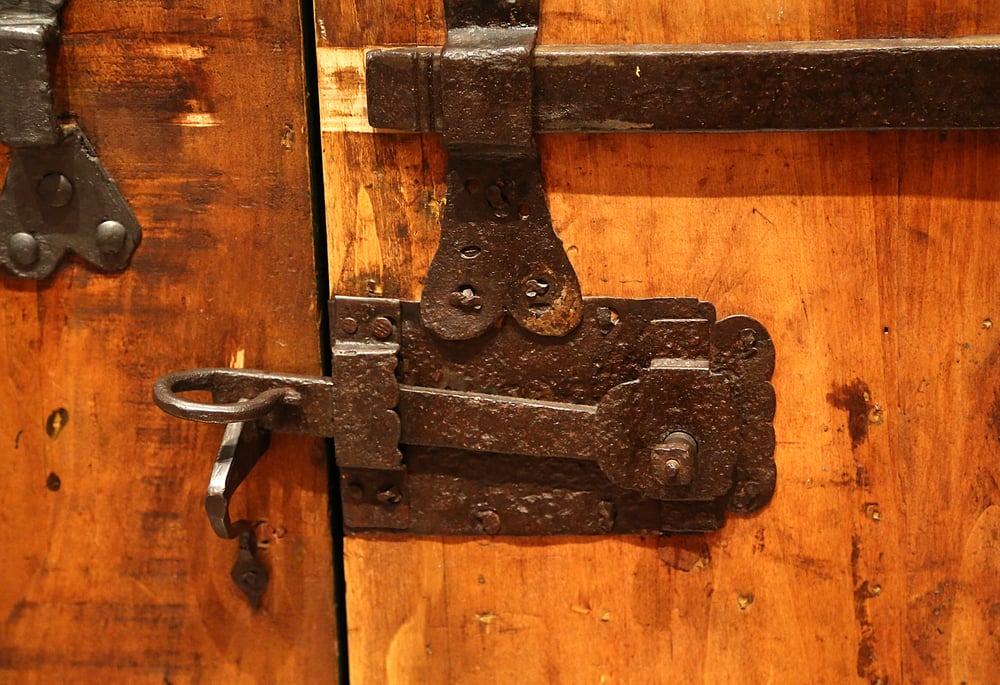
Egyptian craftsmen invented tumbler lock systems around 4000 BCE — creating wooden mechanisms with unique keys for securing doors and containers. Early locks were enormous, some reaching two feet long, yet employed the same pin-and-tumbler principle protecting homes today.
This concept spread globally while remaining virtually unchanged in mechanical locks — proving first solutions sometimes can’t be improved.
Scissors
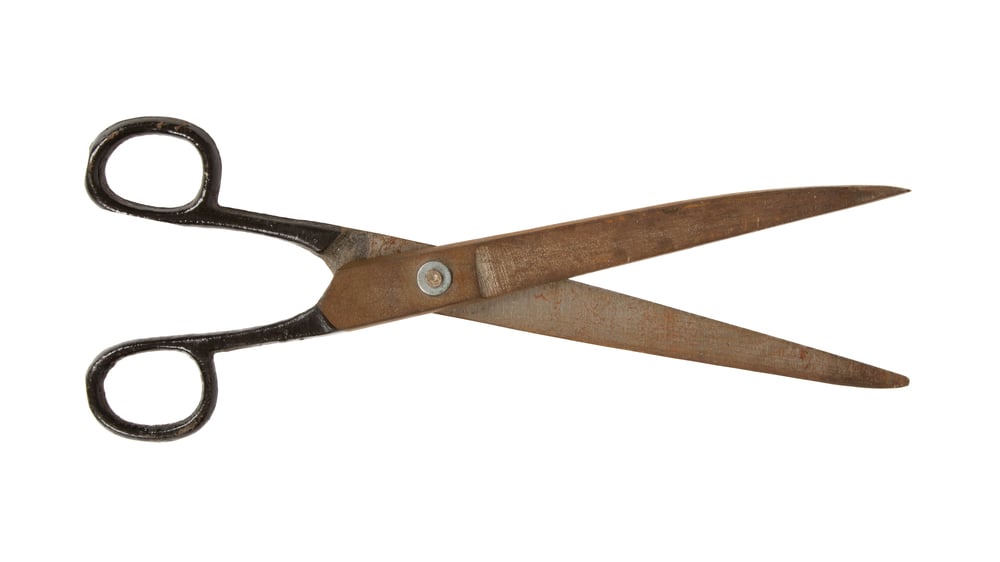
Ancient Egyptians created scissors around 1500 BCE by connecting two bronze blades with metal strips — allowing opening and closing cutting motions. This elegantly simple design solved clean-cutting problems for cloth, papyrus, and hair.
Modern scissors use identical mechanisms: two curved blades pivoting at central points. From school art projects to professional tailoring, this ancient tool remains essential across countless activities.
Alarm Clocks

Greek philosopher Plato owned early alarm clocks around 400 BCE — water-powered devices that triggered water organs or dropped pebbles into drums at preset times. Engineer Ctesibius later designed elaborate versions that could blow trumpets using compressed air through reeds.
While modern alarms use digital displays instead of water mechanisms — the core concept persists: devices making noise at specific times to wake people.
Roads

Roman engineers perfected road construction techniques still followed today — building highways on clay, chalk, and gravel foundations topped with fitted stones. These roads featured crowned surfaces sloping toward drainage ditches, identical to modern design principles.
Many current British roads, including major A-roads — still follow exact routes Roman engineers laid over 2,000 years ago.
Hot Tubs and Baths
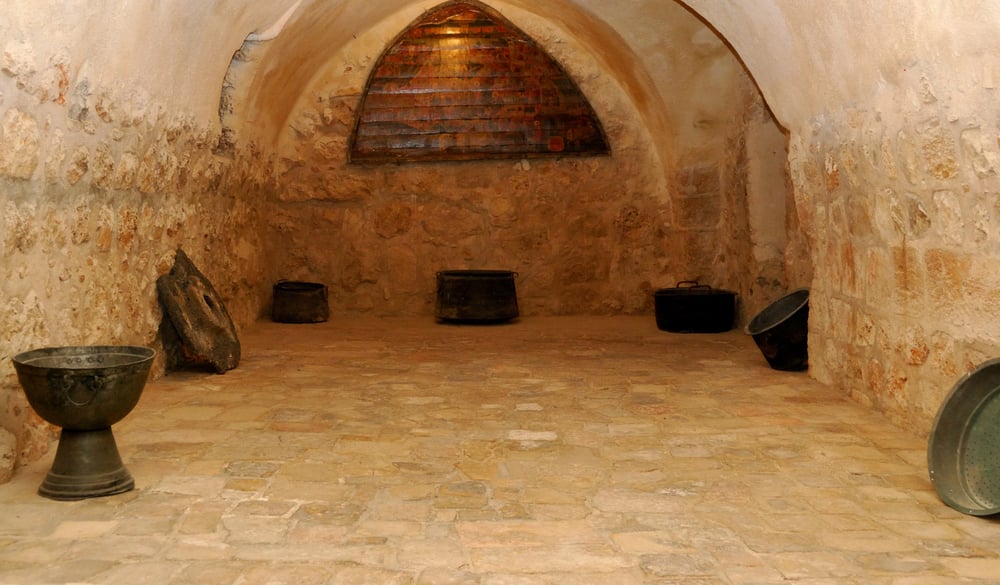
Ancient Egyptians pioneered heated bathing around 2000 BCE, while Minoans and Romans developed large-scale public bath systems that became cultural centerpieces. Romans perfected elaborate bath houses around natural hot springs — creating sophisticated heating and social gathering spaces.
These ancient systems included heated water, aromatic additions, and communal areas, essentially matching modern spa features. Roman bath house models influenced European bathing culture and continue inspiring contemporary spa design.
Breath Mints

Egyptian society considered bad breath such a serious social issue that they invented breath mints around 2000 BCE. They boiled myrrh, cinnamon, honey, and frankincense together to create pellet-shaped fresheners that quickly solved unpleasant breath problems.
While modern mints use different ingredients and manufacturing, they serve identical social functions: ensuring pleasant breath for close conversations and interactions.
Wine
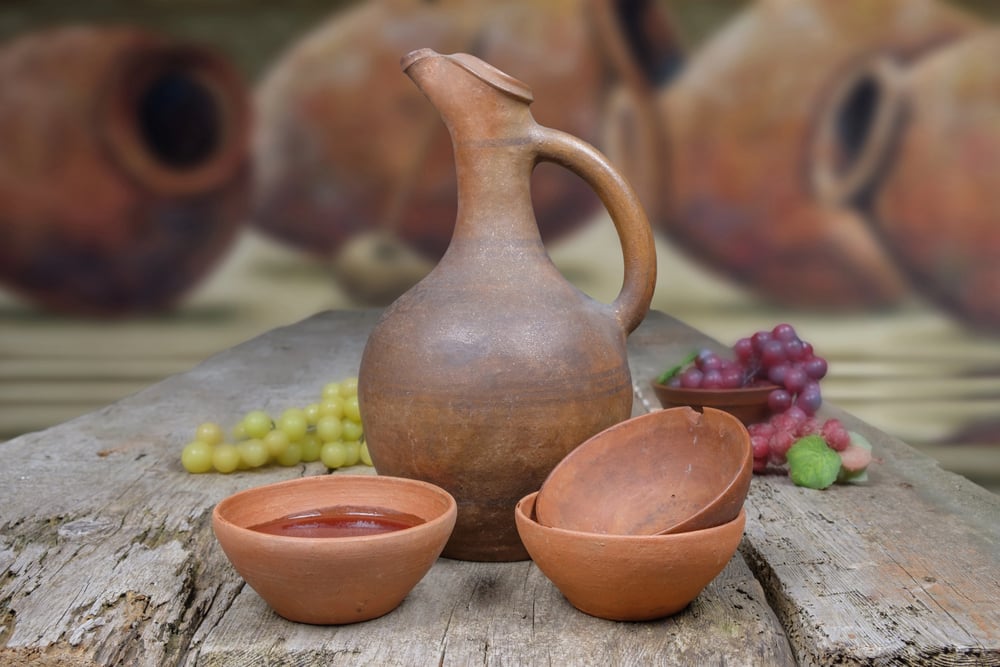
Archaeological evidence reveals wine production beginning in Georgia around 6000 BCE, with Chinese civilizations developing fermented grape beverages simultaneously. Ancient winemakers discovered that crushing grapes and allowing natural fermentation created alcoholic drinks that were both enjoyable and safer than water in many regions.
Wine became history’s most popular traded products, maintaining that status today.
Windmills

The earliest windmills appeared in Persia between 500-900 CE, where engineers created vertical-axis devices harnessing wind energy for grain grinding and water pumping. These innovations provided renewable energy sources independent of water or animals, particularly valuable in arid regions.
Technology spread westward to Europe and eastward to China, evolving into horizontal-axis designs we recognize. Modern wind turbines employ identical principles of capturing wind energy with rotating blades, though generating electricity rather than grinding grain.
Surgical Instruments
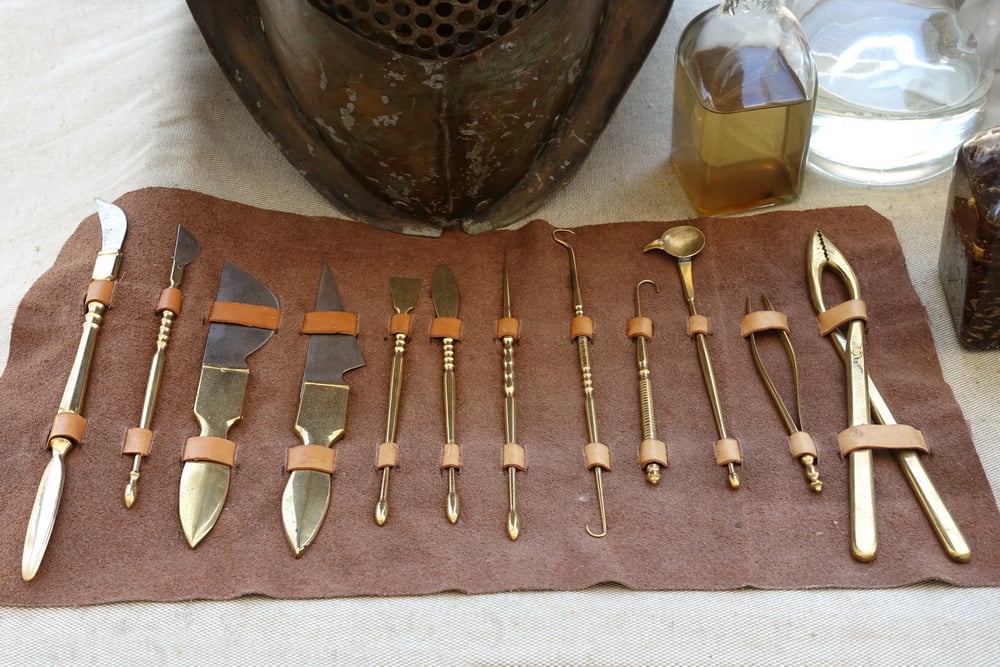
Ancient civilizations including Greece, India, and Rome developed sophisticated surgical tools, with Romans refining designs around 625 BCE using brass and steel construction. These instruments included scalpels, forceps, and bone saws remarkably similar to modern surgical tools in design and function.
Early surgical innovations appeared across multiple cultures, each contributing medical practice improvements. Basic surgical procedures and tool designs from ancient physicians remained standard practice for centuries, continuing to influence modern instrument design.
The Wheel

Though exact origins remain unclear, wheels emerged independently across multiple civilizations around 3500 BCE, becoming humanity’s most transformative invention. Originally used for pottery making, wheels quickly revolutionized transportation, agriculture, and manufacturing.
Every modern vehicle from bicycles to spacecraft depends on this fundamental ancient innovation that literally keeps our world turning.
Zero as a Number

Indian mathematicians, particularly Brahmagupta around the 5th century CE, developed zero as an actual number rather than just a placeholder for empty positions. While earlier civilizations like Babylonians and Mayans used placeholder symbols, Indians created zero as a mathematical entity usable in calculations.
This breakthrough enabled advanced mathematical operations, decimal systems, and algebraic thinking. The concept spread through Islamic regions to Europe, becoming the foundation for modern mathematics, computer programming, and virtually every technological calculation performed today.
Ancient Wisdom for Modern Living

These remarkable inventions demonstrate that human ingenuity isn’t confined to particular eras but represents a continuous thread throughout history. Ancient peoples faced challenges remarkably similar to ours: maintaining cleanliness, tracking time, transportation, security, and comfort enhancement.
Their solutions proved so effective that after millennia of technological advancement, we’re still using refined versions of original concepts. From book paper to skyscraper concrete, from roadways to calendars organizing our lives, we’re surrounded by brilliant ancient innovations that continue serving modern needs exceptionally well.
More from Go2Tutors!

- The Romanov Crown Jewels and Their Tragic Fate
- 13 Historical Mysteries That Science Still Can’t Solve
- Famous Hoaxes That Fooled the World for Years
- 15 Child Stars with Tragic Adult Lives
- 16 Famous Jewelry Pieces in History
Like Go2Tutors’s content? Follow us on MSN.



