16 Battlefields Turned Into Forests
Throughout history, countless battlefields have witnessed the clash of armies and the fall of soldiers. As time passed and memories faded, nature reclaimed these blood-soaked grounds. The forests that now stand on former battlefields serve as living monuments, silently preserving fragments of history beneath their roots and canopies.
Here is a list of 16 forests that have grown over abandoned battlefields and now conceal historical relics from the conflicts that once raged there.
Belleau Wood
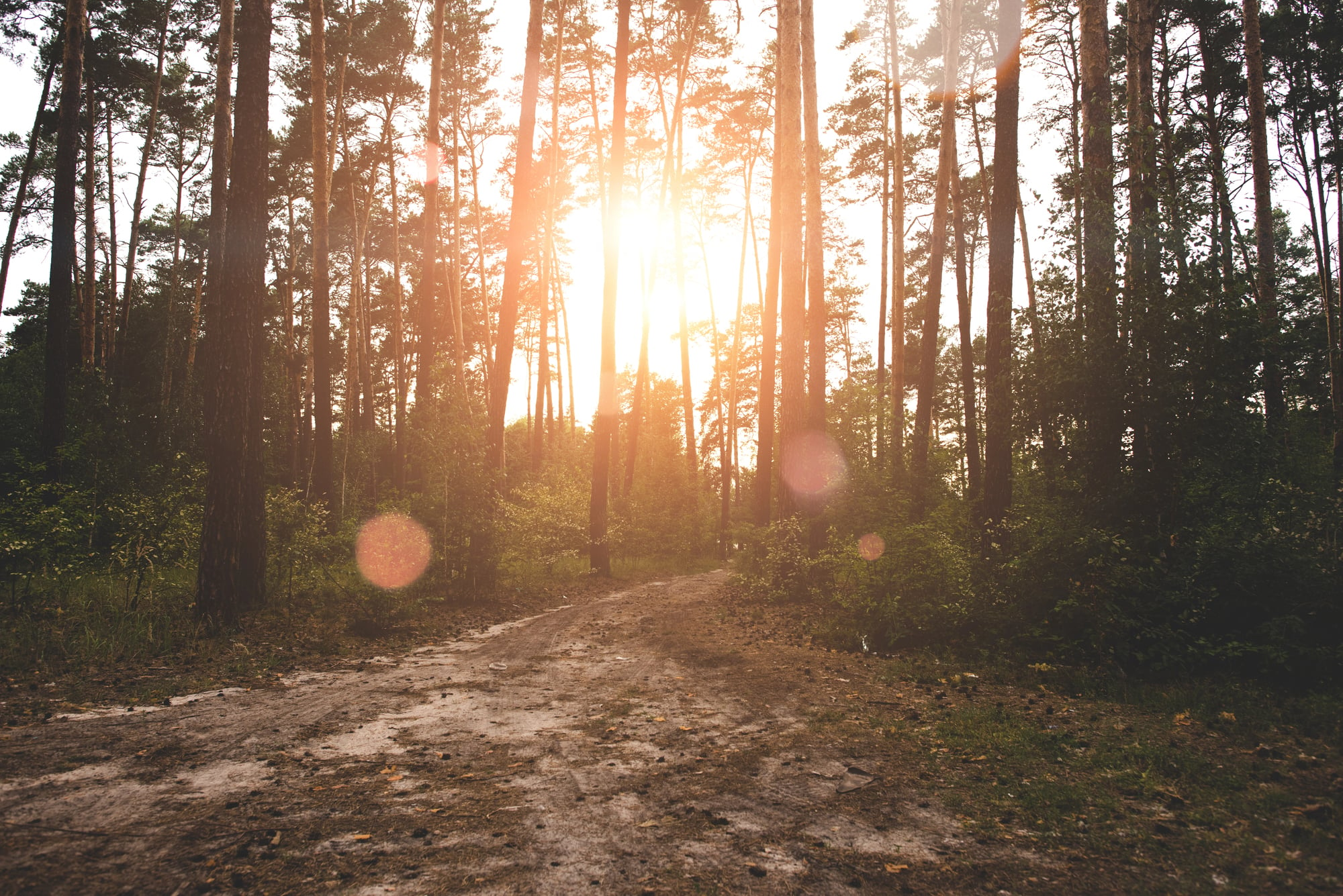
The dense forest of Belleau Wood in northeastern France was the site of a brutal World War I battle where U.S. Marines fought German forces in June 1918. Visitors today find rifle pits, shell craters, and occasional metal fragments emerging from the forest floor after heavy rains.
The trees, many less than 100 years old, grow around unexploded ordnance that forestry workers occasionally discover when maintaining the grounds.
Hürtgen Forest
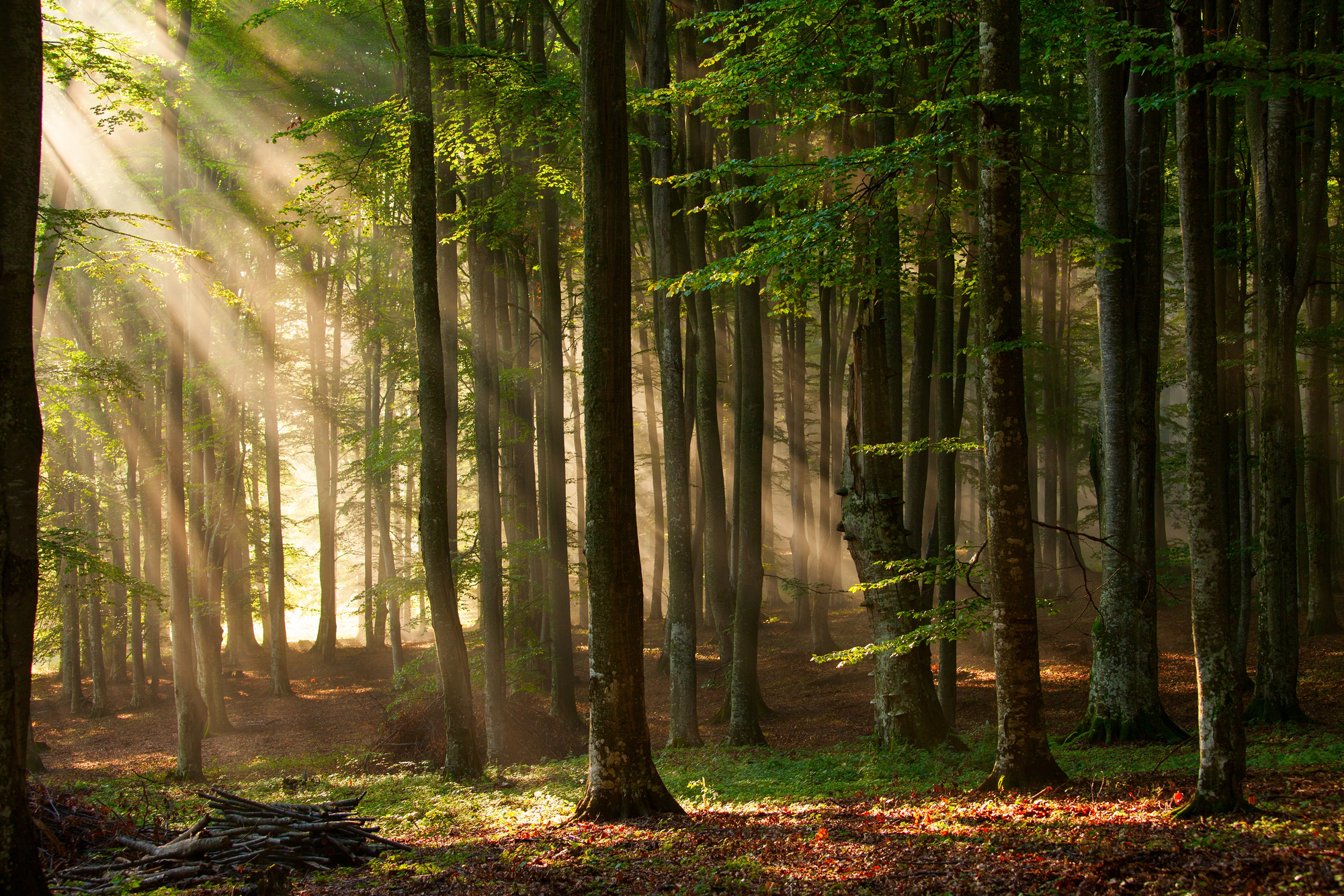
Germany’s Hürtgen Forest was the setting for one of the longest battles fought by American forces during World War II, lasting from September 1944 to February 1945. The thick woodland still contains bunkers, foxholes, and even vehicles partially reclaimed by tree roots and undergrowth.
Local authorities regularly close sections of the forest when hikers discover unexploded mines or artillery shells that have risen to the surface through frost heave.
Like Go2Tutors’s content? Follow us on MSN.
Verdun Forest

The forests around Verdun, France, grew over one of WWI’s most devastating battlefields, where an estimated 700,000 soldiers perished. The ghostly woods now contain entire villages abandoned after being destroyed in the fighting, with trees growing through foundations and along former streets.
Some areas remain off-limits due to the high concentration of unexploded shells, with experts estimating it may take 700 years to clear all munitions from the soil.
Aokigahara Forest
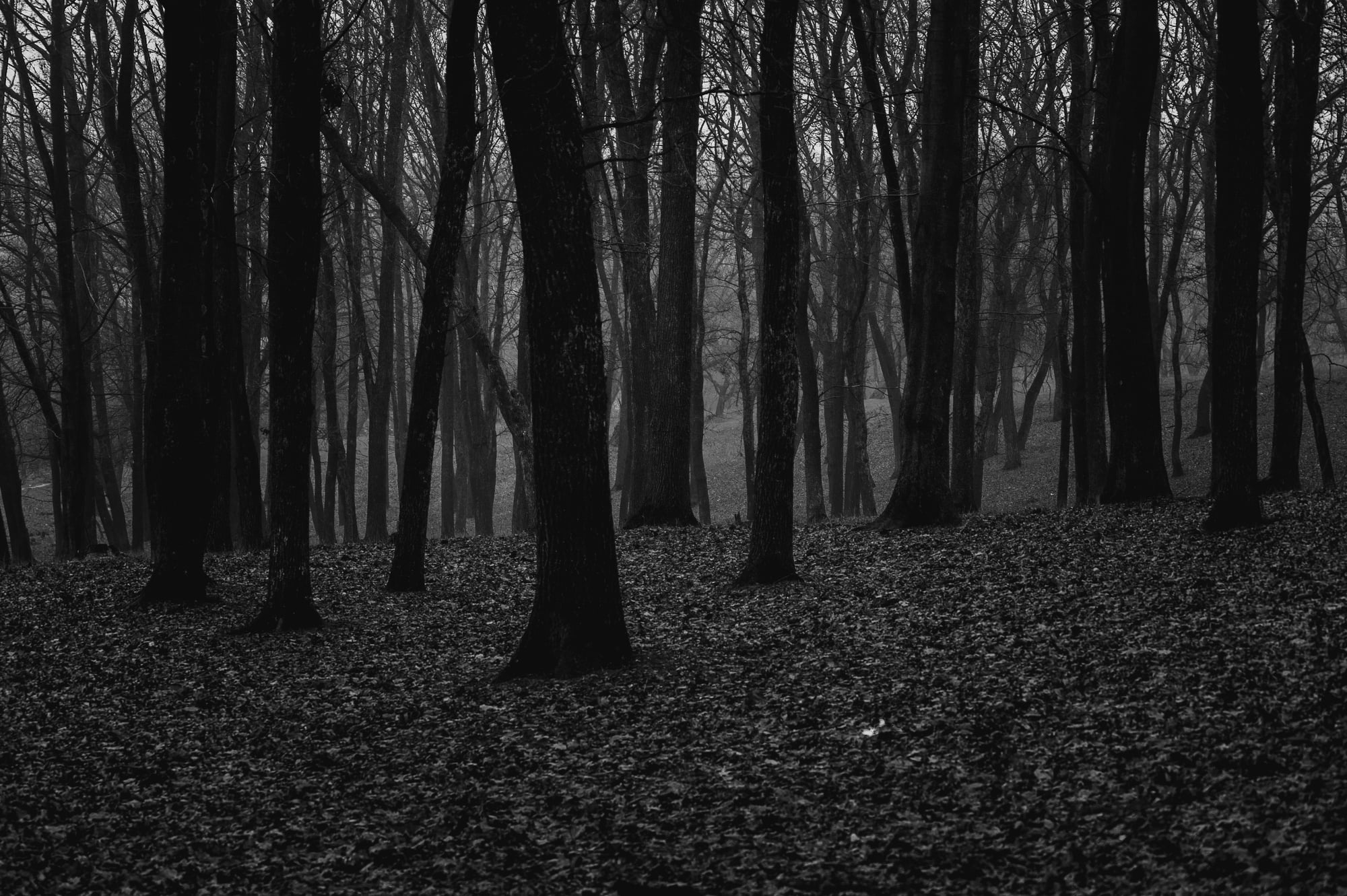
Japan’s Aokigahara Forest at the base of Mount Fuji covers land where a significant battle took place during the 1180s civil war between the Taira and Minamoto clans. Occasional discoveries of ancient weapons, armor fragments, and burial sites occur within its notoriously dense vegetation.
The volcanic soil has preserved metal artifacts surprisingly well, allowing archaeologists to identify items nearly a millennium old.
Wilderness Battlefield Forest
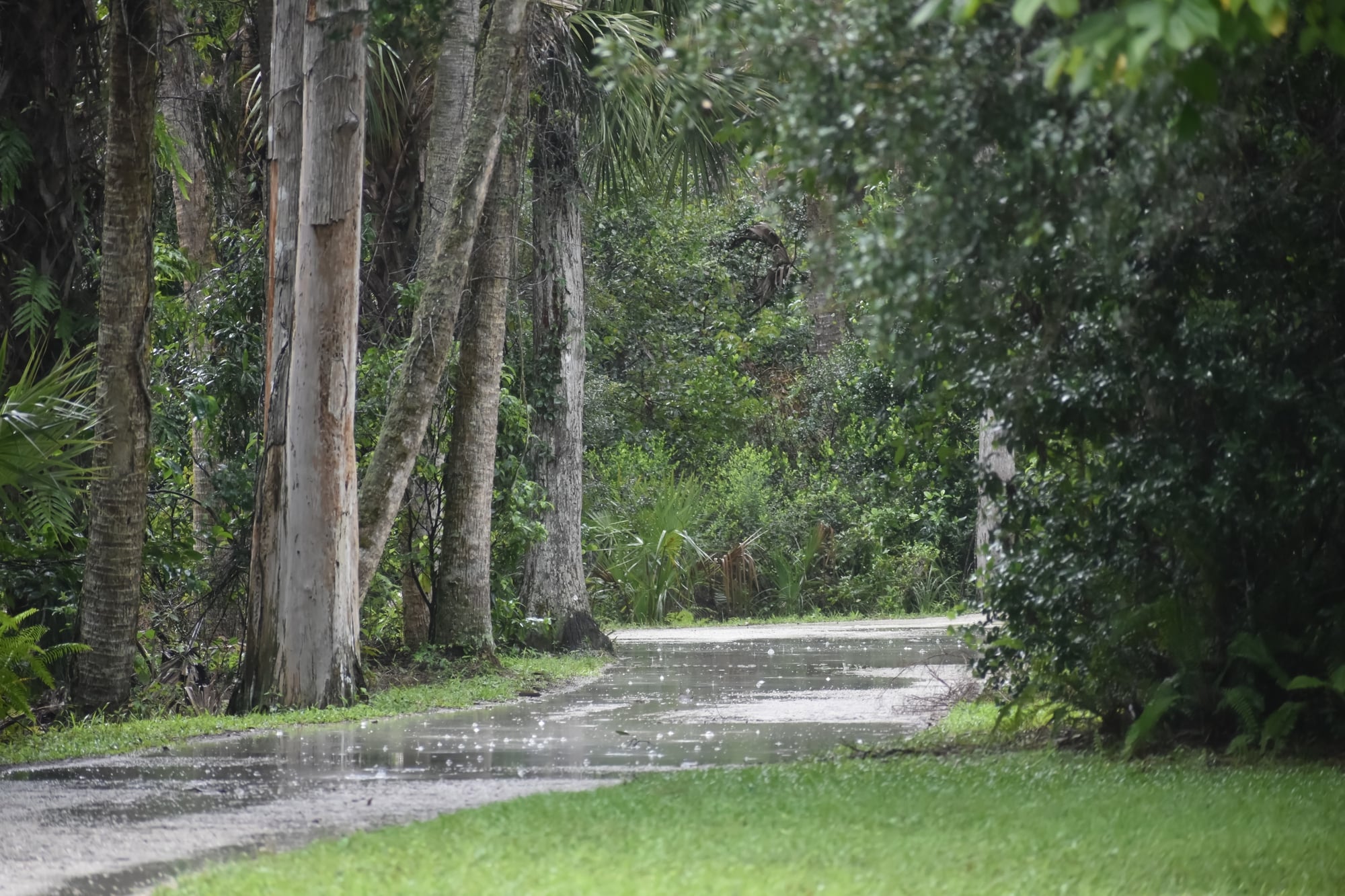
Virginia’s Wilderness Battlefield, now largely forested, was the site of a major Civil War engagement in May 1864 between Union and Confederate forces. The second-growth forest has reclaimed former clearings where fierce fighting occurred, and metal detectorists have recovered thousands of bullets, buttons, and equipment fragments.
Rangers occasionally find artifacts naturally unearthed by tree falls, especially after storms, when root systems overturn sections of the battlefield soil.
Like Go2Tutors’s content? Follow us on MSN.
Teutoburg Forest
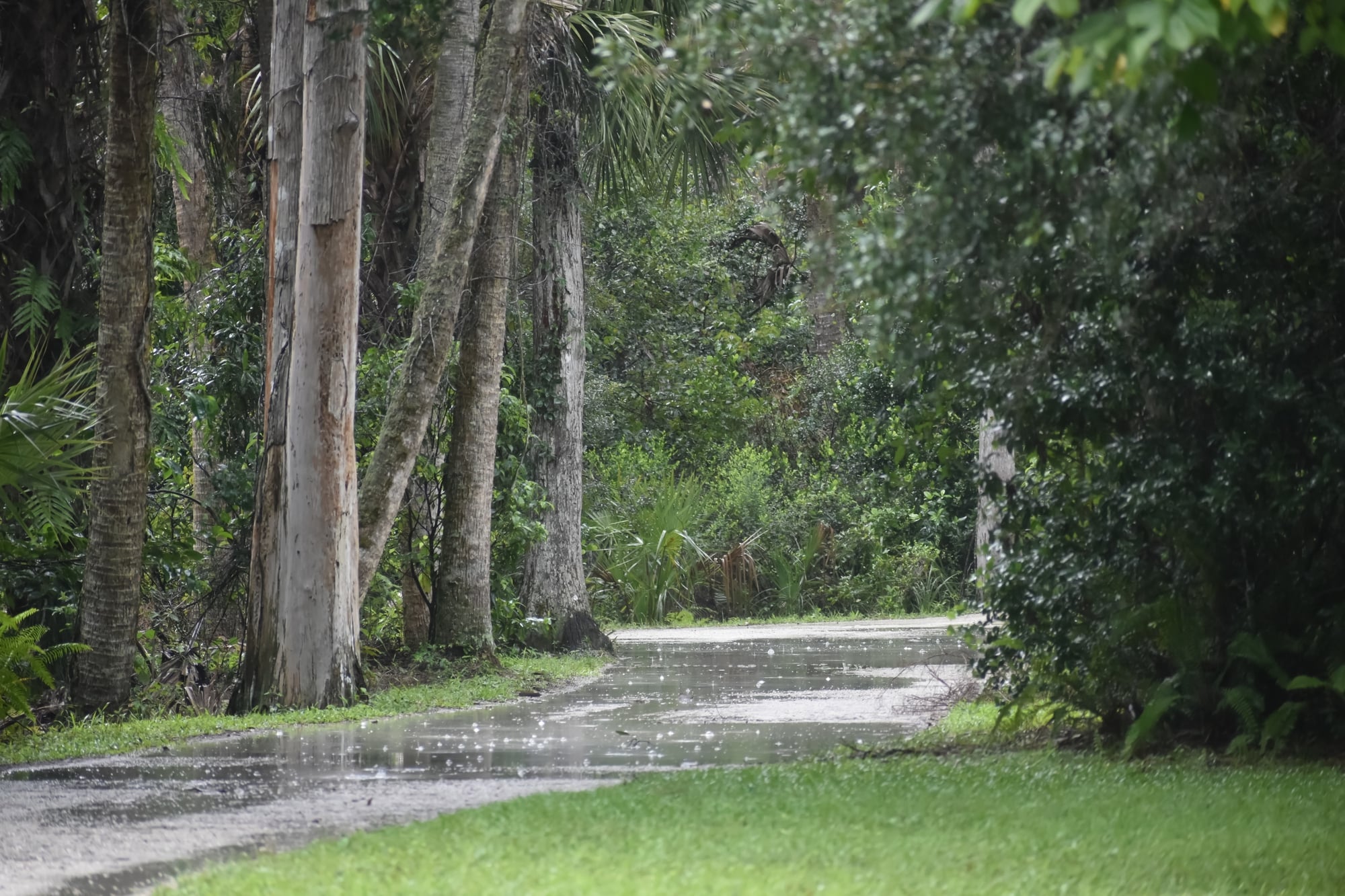
Germany’s Teutoburg Forest conceals remnants of one of Rome’s most devastating defeats, where Germanic tribes annihilated three Roman legions in 9 CE. Archaeological work continues to find weapons, coins, and equipment along the battle route through the ancient woodland.
Modern trees grow among artifacts nearly 2,000 years old, with acidic forest soil preserving metal objects that would otherwise have completely deteriorated in more exposed conditions.
Ardennes Forest
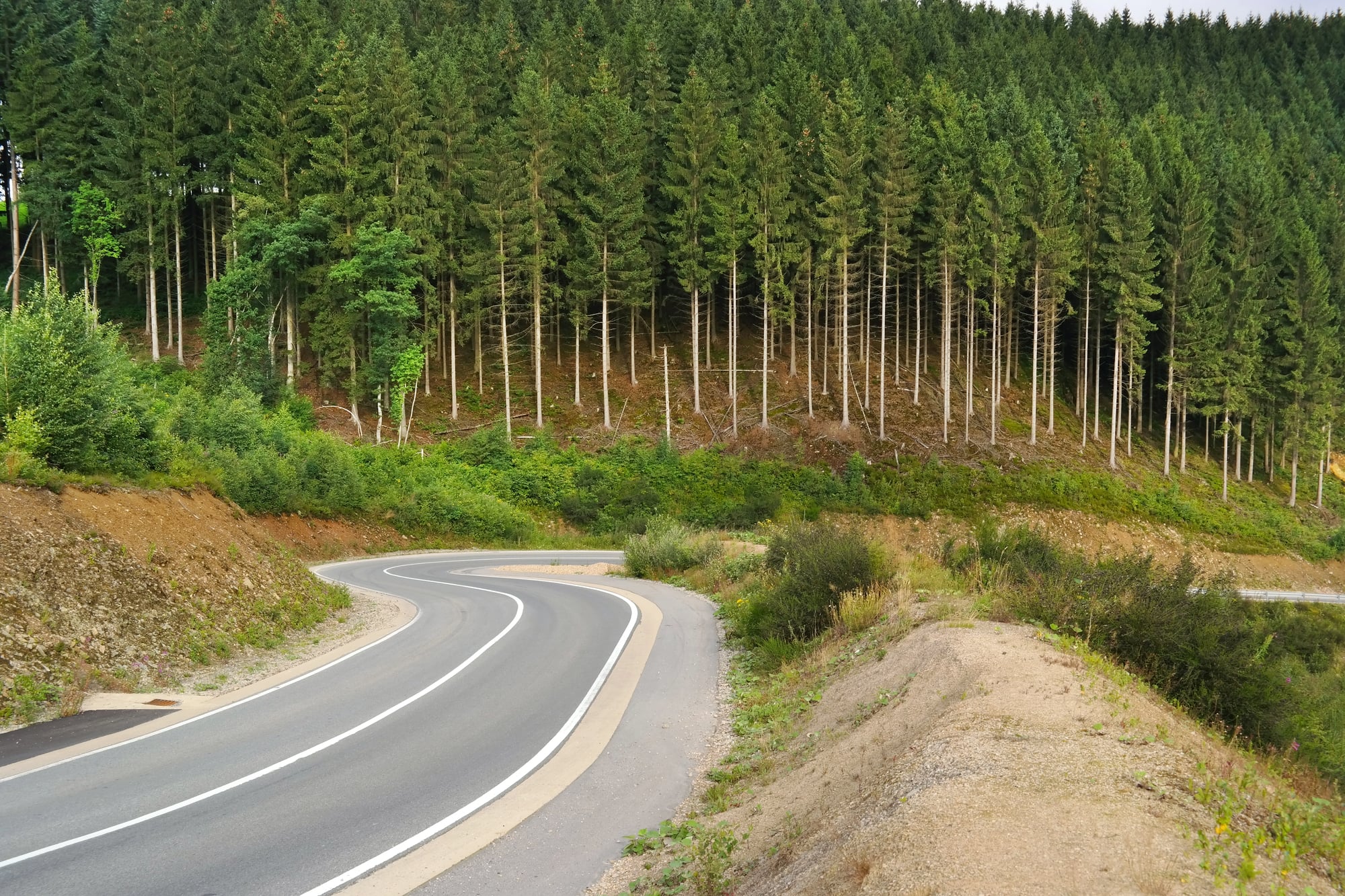
The thick Ardennes Forest spanning Belgium, Luxembourg, and France witnessed fierce fighting during both World Wars, most famously during the Battle of the Bulge in 1944-45. Local residents regularly discover military equipment, vehicle parts, and personal items from fallen soldiers when digging in their gardens or clearing land.
The forest floor contains so many metal fragments that specialized equipment is needed for archaeological surveys to filter out the overwhelming number of signals.
Saipan Jungle
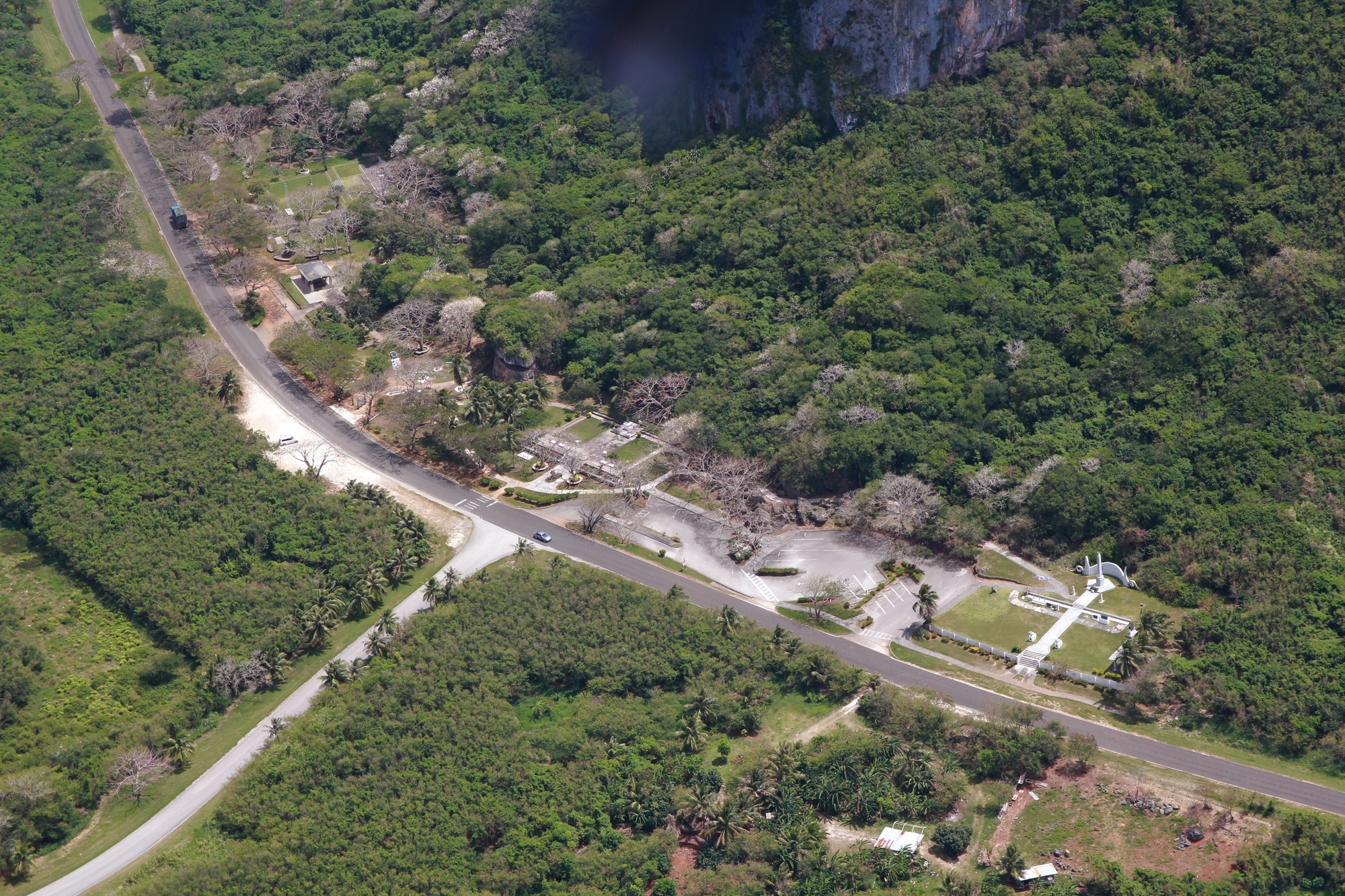
The jungles of Saipan in the Northern Mariana Islands have reclaimed battlefields from one of the Pacific Theater’s bloodiest World War II engagements. Thick tropical vegetation now covers tanks, artillery pieces, and bunkers from the 1944 battle between American and Japanese forces.
The rapid growth rate of the jungle means that large items can become completely hidden within a few decades, only to be rediscovered when storms or development projects clear sections of the forest.
Like Go2Tutors’s content? Follow us on MSN.
Choeung Ek Forest
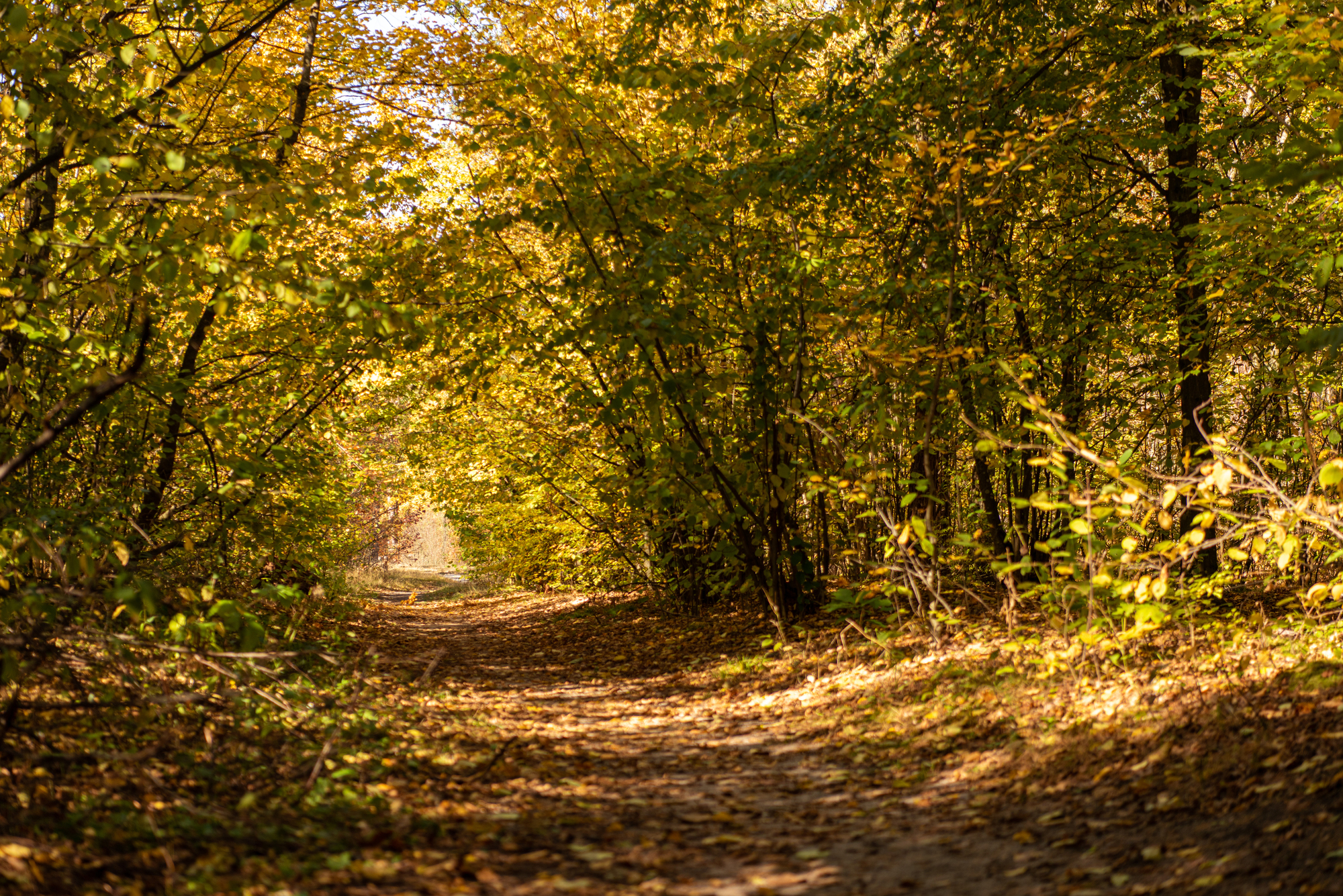
The quiet forest at Choeung Ek near Phnom Penh, Cambodia, covers killing fields where thousands were executed during the Khmer Rouge regime of 1975-1979. During rainy seasons, bone fragments and clothing remnants still emerge from the soil around the roots of trees that have grown since the atrocities.
The forest has transformed from a place of horror to a site of remembrance, with trees that germinated in soil disturbed by mass graves now standing as living markers of history.
Polygon Wood
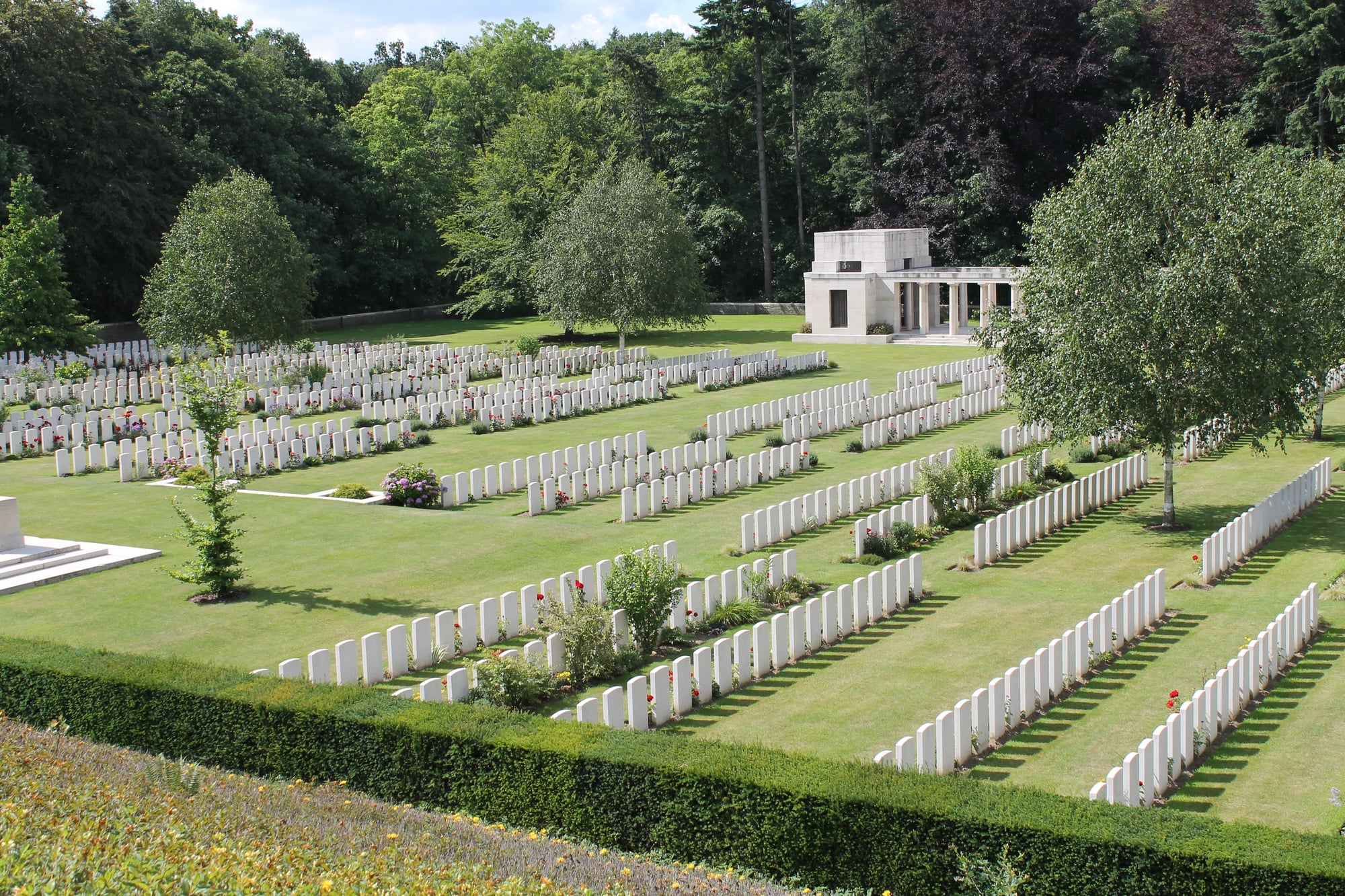
Belgium’s Polygon Wood was completely destroyed during World War I’s Third Battle of Ypres, then carefully replanted in geometric sections afterward. The regimented forest now contains an Australian memorial and countless unexploded munitions beneath its orderly rows of trees.
Forestry workers must check with specialized equipment before removing any trees, as their roots have often grown around buried explosives and delicate archaeological remains.
Argonne Forest
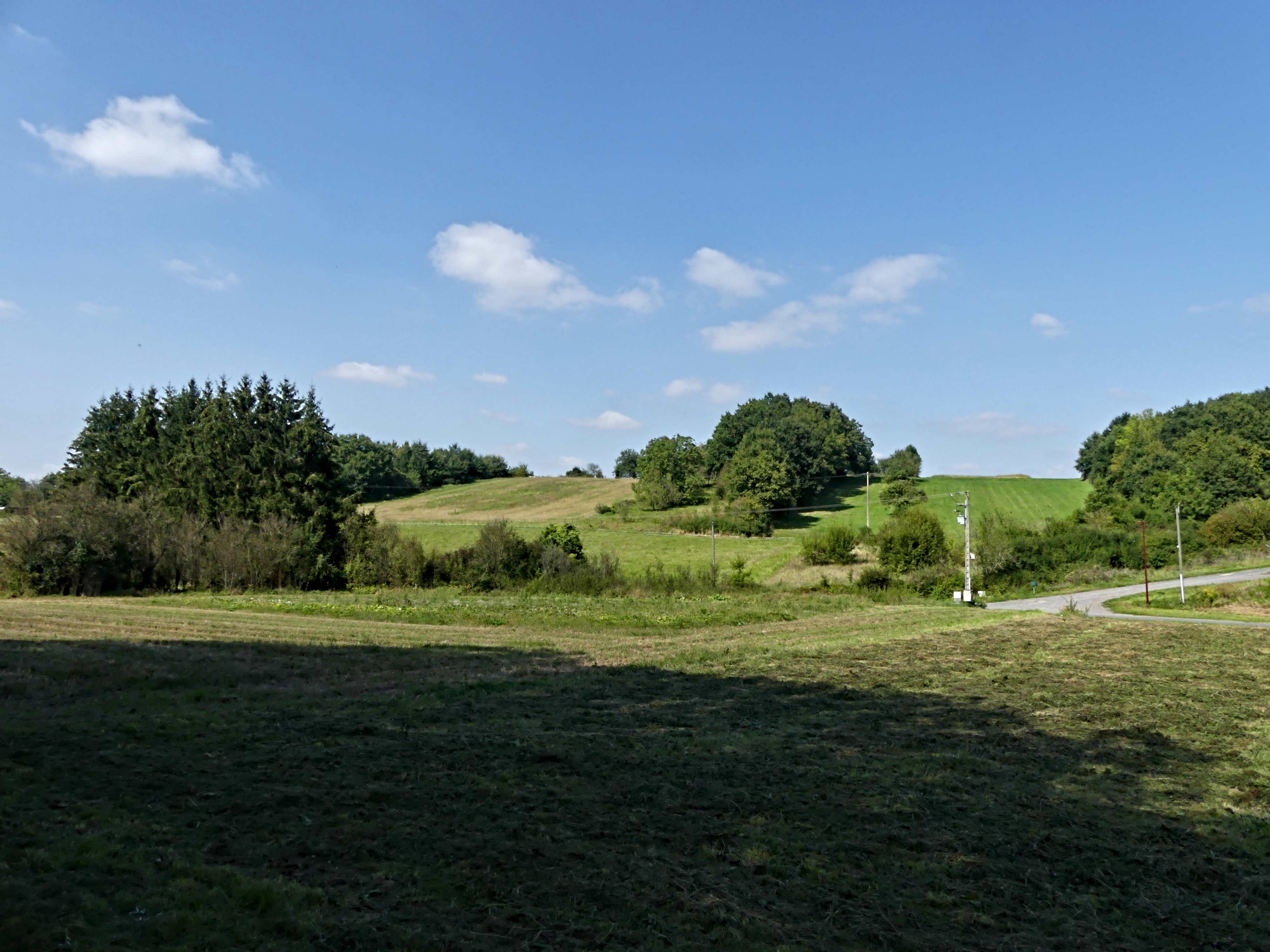
The Argonne Forest in northeastern France was the scene of major American operations during the final weeks of World War I. Modern hikers encounter concrete bunkers, rusted barbed wire, and the occasional emergence of personal items from the forest floor.
The rich, iron-filled soil has preserved metal objects remarkably well, with farmers in adjacent fields still collecting a yearly ‘iron harvest’ of shells and weapons pushed upward by natural soil processes.
Like Go2Tutors’s content? Follow us on MSN.
Pripyat Forest
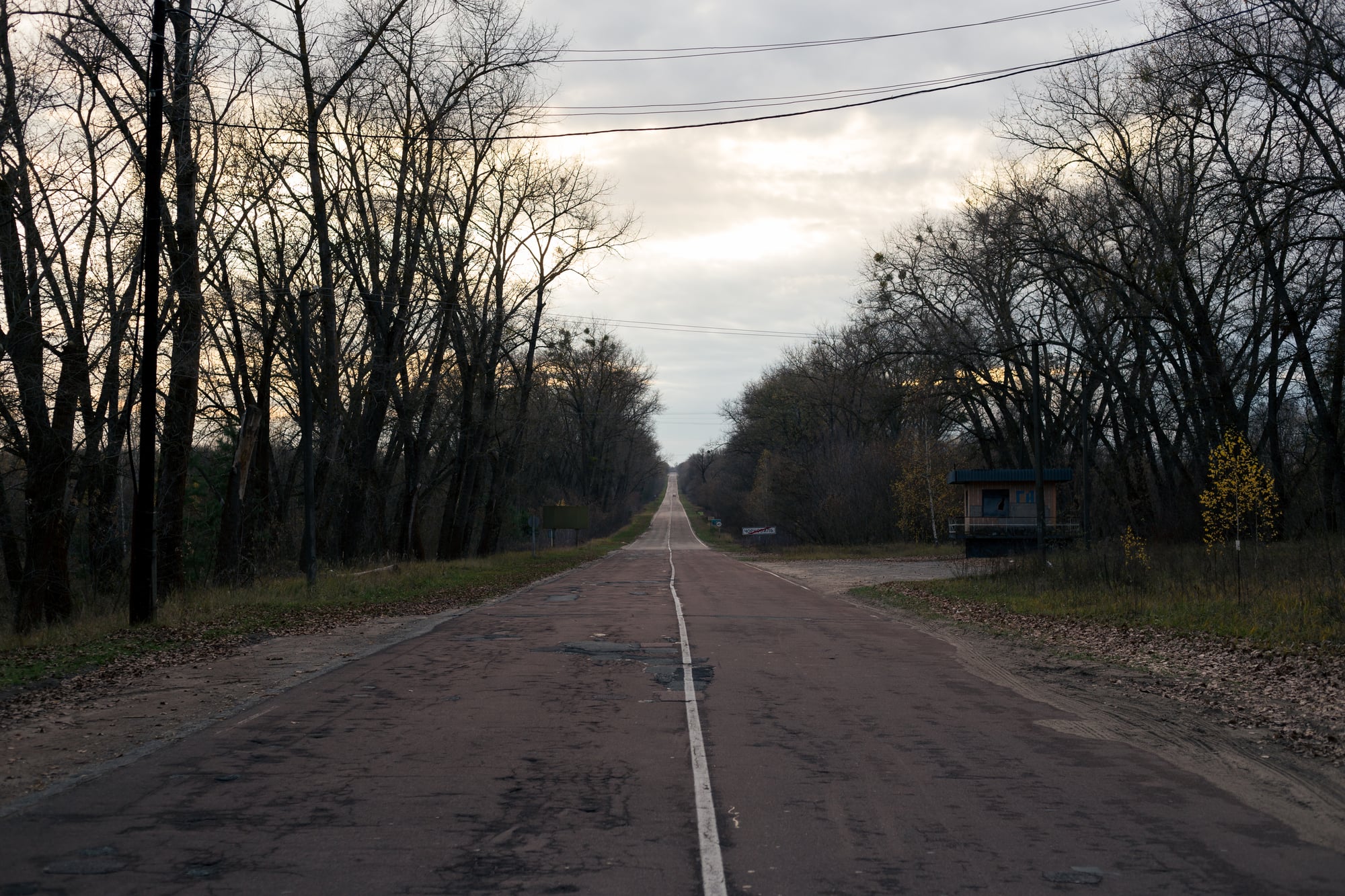
The forests around Pripyat, Ukraine, near Chernobyl, cover former battle sites from World War II that were abandoned after the 1986 nuclear disaster. With minimal human intervention for over three decades, these woods have swallowed Soviet and German equipment while radiation keeps most researchers at bay.
Wildlife cameras occasionally capture images of military relics emerging from the undergrowth as animals disturb the forest floor during seasonal activities.
Gettysburg Woods
Several wooded areas of Gettysburg National Military Park in Pennsylvania preserve sections of the 1863 battlefield in conditions similar to those experienced by soldiers. Recent conservation efforts have cleared modern tree growth to restore historic woodlots like McPherson’s Woods, where period artifacts continue to emerge from the soil.
Archaeologists have mapped concentrations of bullets and equipment fragments to precisely track troop movements through these historic stands of trees.
Okinawa Jungle
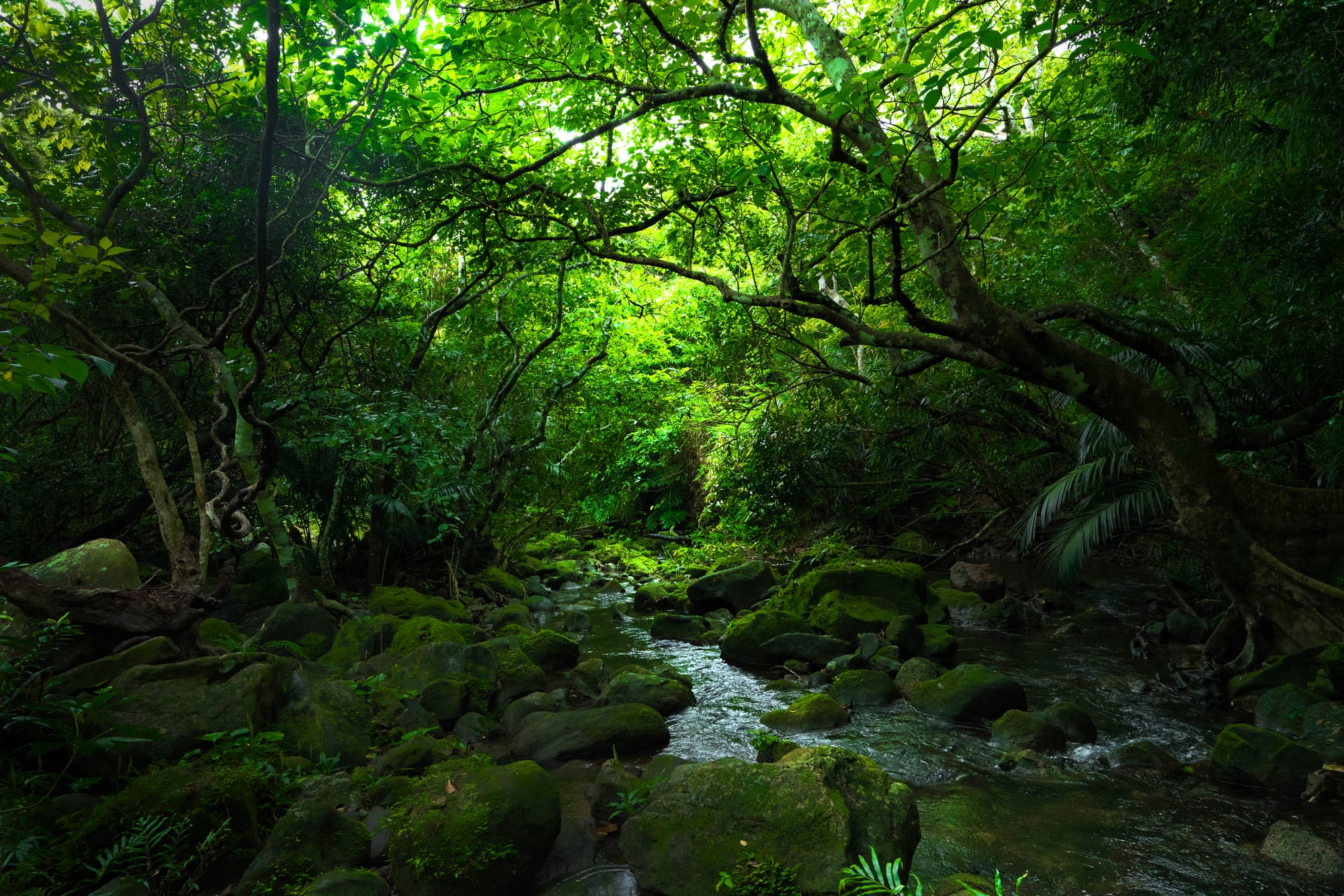
The dense jungles of Okinawa, Japan, have engulfed countless remnants from the massive 1945 battle that claimed over 200,000 lives. Cave systems used as Japanese defensive positions disappear behind vegetation each summer, only to be rediscovered during winter months.
Teams specializing in recovering war dead still find remains and personal effects in the thick forest, which has grown rapidly over abandoned military equipment due to the island’s tropical climate.
Like Go2Tutors’s content? Follow us on MSN.
Bastogne Woods
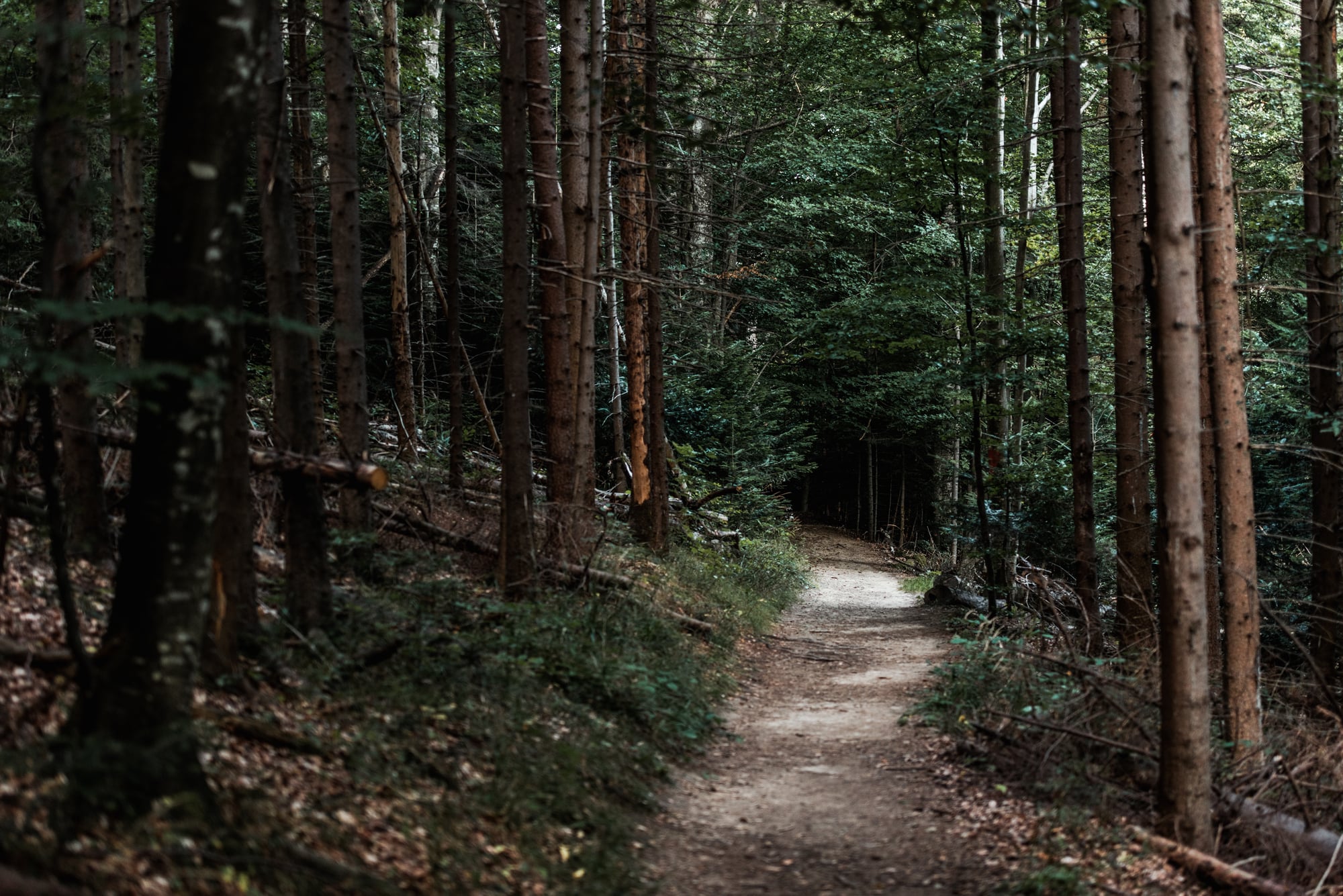
The forests surrounding Bastogne, Belgium, witnessed desperate fighting during the winter of 1944-45 as American forces held the critical crossroads town during the Battle of the Bulge. Foxholes dug by members of the 101st Airborne Division remain visible under the forest canopy, preserved by subsequent conservation efforts.
Local collectors have recovered thousands of artifacts from these woods, from ammunition casings to soldiers’ personal items frozen in the soil during that brutal winter.
Manassas Forest Lines
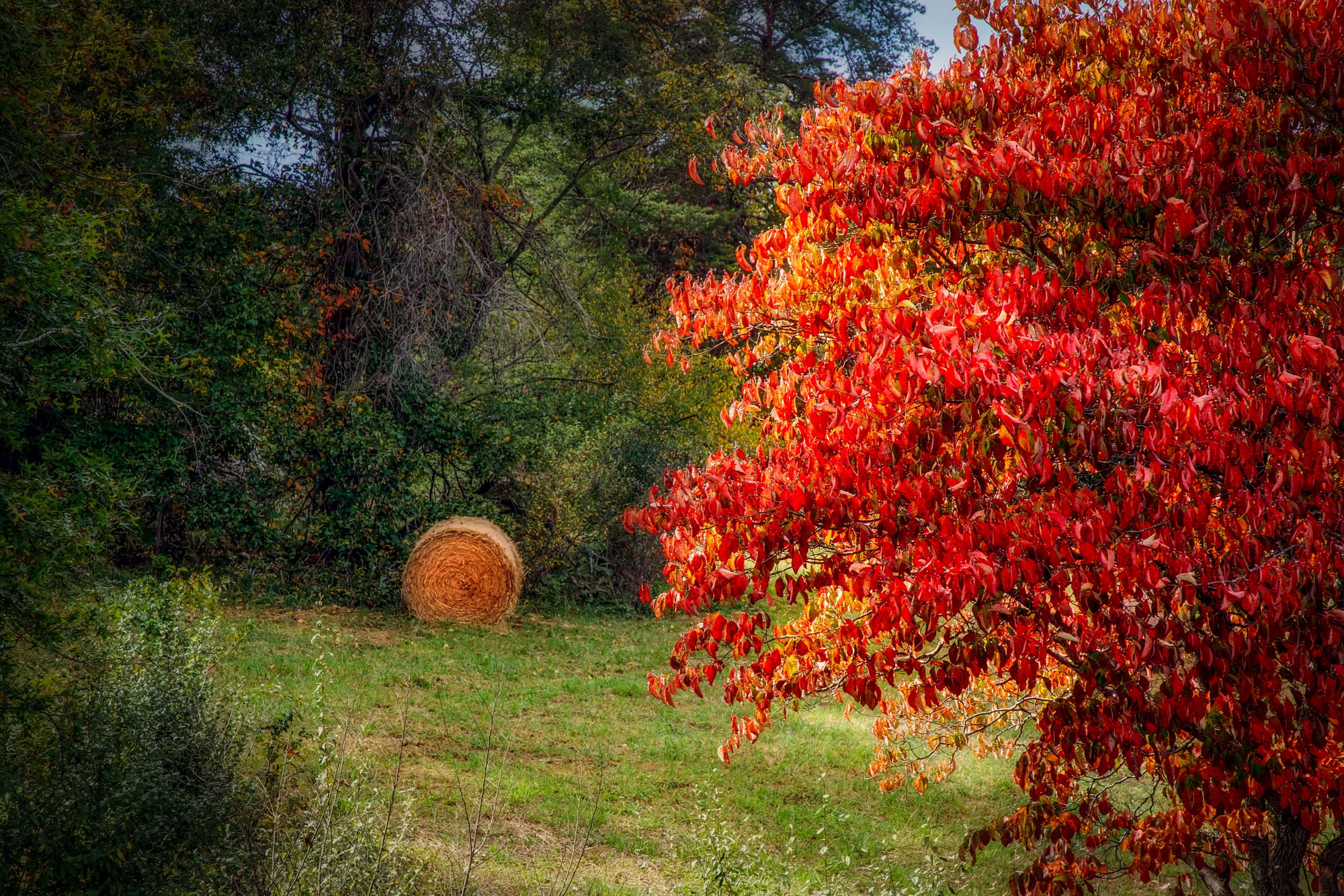
The second-growth forests of Manassas National Battlefield Park in Virginia have reclaimed farmland where two significant Civil War battles occurred in 1861 and 1862. Trees now grow along former fence lines that served as defensive positions, creating distinct forest patterns visible from aerial surveys.
Periodic controlled burns reveal metal artifacts in the soil that would otherwise remain hidden beneath decades of accumulated forest debris and vegetation.
Nature’s Silent Guardians

These battlefield forests stand as nature’s archives, preserving artifacts and memories that might otherwise be lost to time. As trees push roots through the remnants of humanity’s conflicts, they create an unusual partnership between natural and military history.
The peaceful canopies that now shadow these once-violent landscapes remind us that while wars may define moments in human history, nature ultimately reclaims all battlefields, transforming sites of destruction into places of solemn beauty and remembrance.
More from Go2Tutors!

- 18 Unexpectedly Valuable Collectibles You Might Have Lying Around
- 20 Little-Known Historical Battles That Had Huge Consequences
- 20 Historical Artifacts That Scientists Can’t Explain
- 15 Inventions That Were Immediately Banned After Being Created
- 20 Actors Who Were Almost Cast in Iconic Roles
Like Go2Tutors’s content? Follow us on MSN.



