24 Wartime Rules Civilians Lived Under at Home
War does not stay confined to the battlefield for the people who fund and supply it. Governments on every side of the twentieth century’s major conflicts reached deep into daily domestic life, regulating what families could eat, how brightly they could light their homes, and how freely they could move, all in the name of a war effort fought mostly somewhere else.
Food Rationing

Governments across nearly every combatant nation in both World Wars issued ration books limiting how much sugar, meat, butter, and other staples a household could buy each week, forcing families to plan meals around a fixed allotment of coupons rather than available money. In Britain, rationing of some goods continued for years after the Second World War ended, with sugar rationing not lifting until 1953.
Black markets for rationed goods emerged in nearly every country that implemented the system.
Fuel Rationing
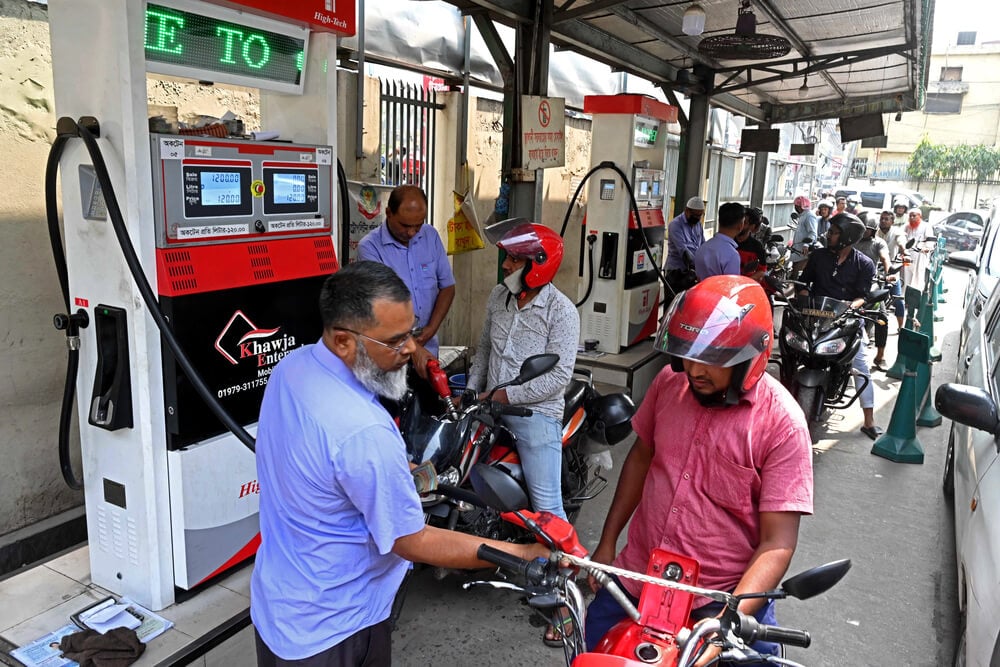
Gasoline and heating fuel were tightly rationed for civilians in the United States, Britain, and elsewhere during the Second World War, with American drivers issued windshield stickers designating how many gallons they were permitted to purchase weekly based on their assessed need. Pleasure driving was actively discouraged and, in some periods, effectively banned through enforcement of these fuel allotments.
The restrictions shaped everything from vacation patterns to commuting habits for the duration of the war.
Blackout Regulations
Civilians in Britain, Germany, Japan, and other combatant nations were required to cover windows completely after dark to prevent light from guiding enemy bombers to populated areas, with wardens patrolling neighborhoods to enforce compliance and issue fines for visible light. Streetlights were dimmed or switched off entirely, and even car headlights had to be shielded.
Violations could result in prosecution, and the blackout rules remained strictly enforced throughout the height of aerial bombing campaigns.
Reduced Speed Limits
The United States imposed a nationwide “Victory Speed” limit of 35 miles per hour in 1942, aimed at conserving fuel and rubber for tires, both of which were in short supply due to wartime demand and disrupted import routes. Enforcement varied by state, but the reduced limit remained federal policy until it was lifted after the war ended.
Similar fuel-conservation speed restrictions were adopted in other combatant nations facing their own shortages.
Rubber and Scrap Metal Drives
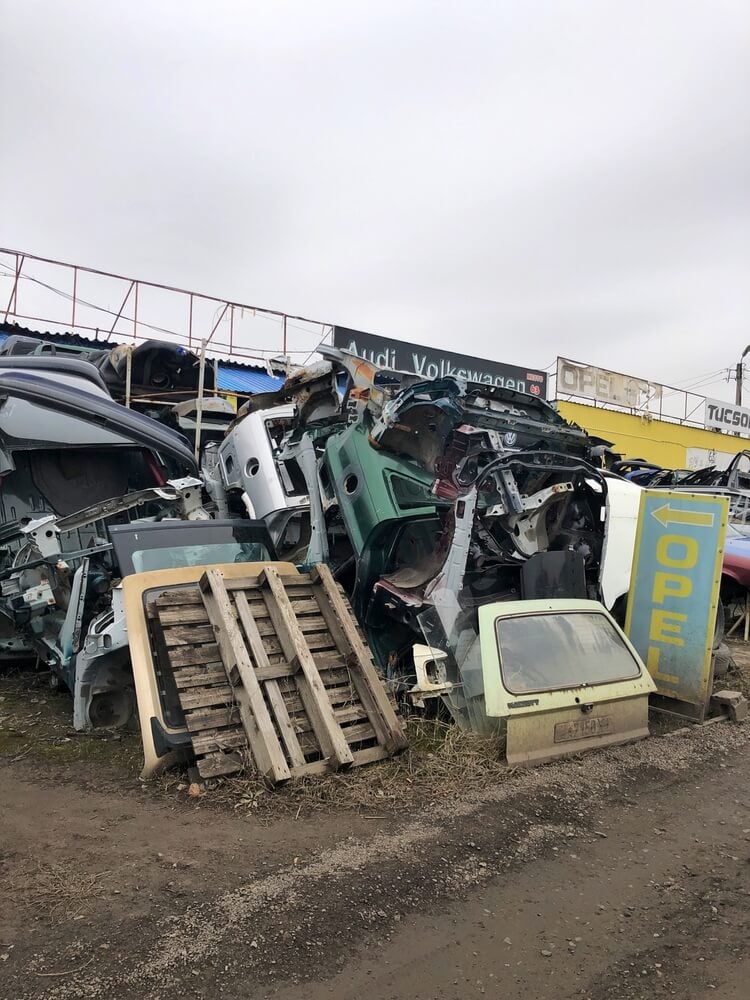
Civilians in the United States and Britain were asked, and in some cases required, to donate scrap metal, rubber, and other materials for wartime manufacturing, leading to organized neighborhood collection drives for everything from old pots and pans to decorative iron fences. Some cities removed public ironwork, including park railings, to be melted down for the war effort.
The scale of voluntary and mandated donation varied significantly, but the campaigns became a visible feature of homefront wartime life.
Victory Gardens

Governments in the United States, Britain, Canada, and Germany actively encouraged, and in some contexts required through local ordinances, civilians to convert lawns, parks, and vacant lots into vegetable gardens to reduce pressure on the commercial food supply. At their peak, American victory gardens are estimated to have produced a substantial share of the country’s fresh vegetables during the war years.
The campaign combined genuine agricultural necessity with a deliberate public morale and unity effort.
Identity Card Requirements
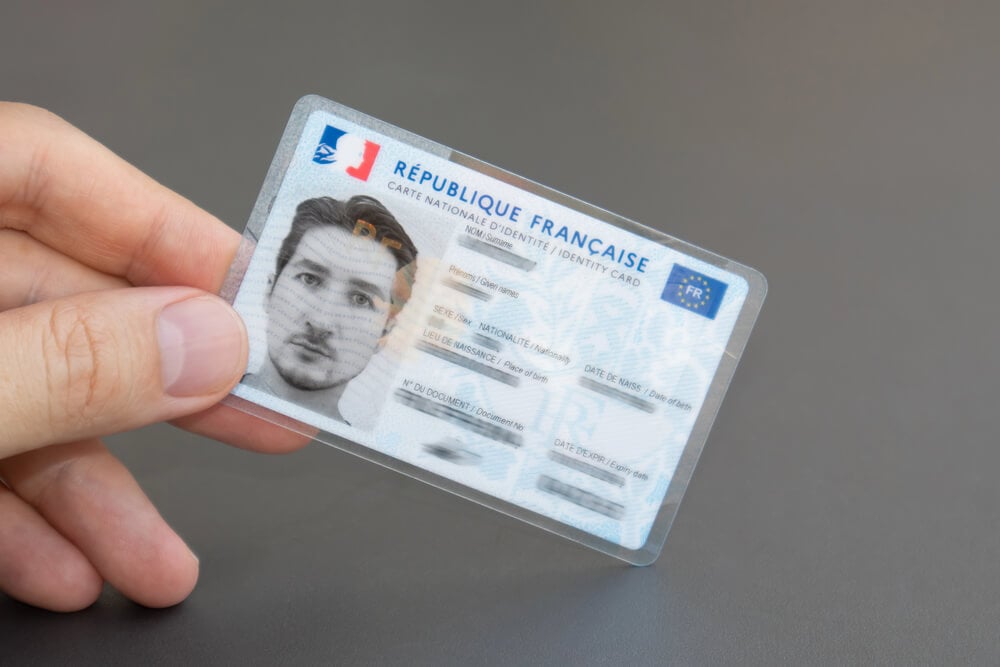
Britain introduced mandatory national identity cards in 1939, requiring civilians to carry documentation and register their household composition with the government, a measure that remained in place for over a decade before being abolished in 1952 following public and legal pushback. Other combatant nations implemented similar identification and registration systems for both security and rationing administration purposes.
The British identity card requirement became a notable point of postwar civil liberties debate.
Curfews
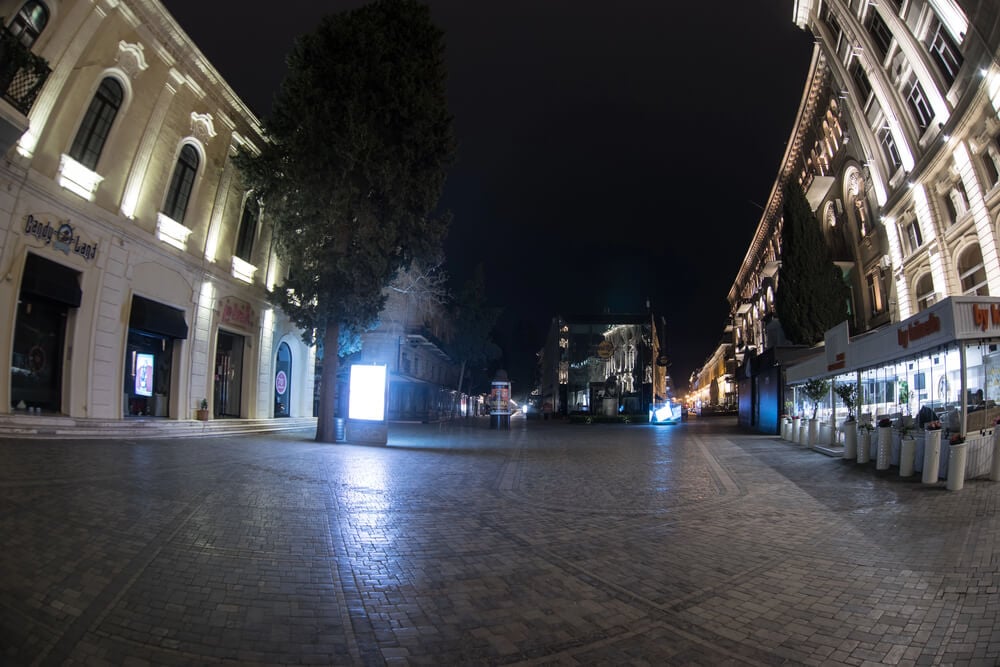
Many cities in combatant nations imposed civilian curfews restricting movement after dark, both to reduce vulnerability to bombing raids and to manage wartime security concerns more broadly. Enforcement varied by region and by the immediate threat level, tightening considerably during periods of active bombing campaigns.
Curfew violations could result in detention, particularly in areas under heightened wartime security measures.
Evacuation of Children
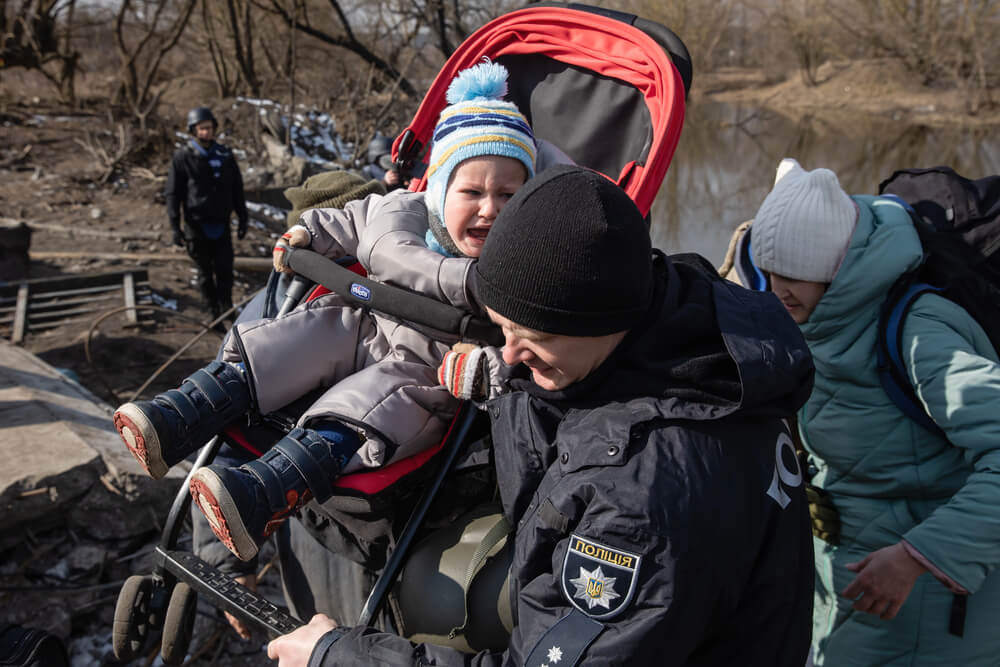
Britain organized the mass evacuation of over a million children from major cities to rural areas beginning in 1939, under a program known as Operation Pied Piper, requiring families to send children to live with unfamiliar host families for extended periods without local schools or parents present. Similar evacuation programs, though smaller in scale, were implemented in other European combatant nations facing bombing campaigns.
The psychological and social effects of these evacuations have been studied extensively by historians in the decades since.
Internment of Enemy Nationals
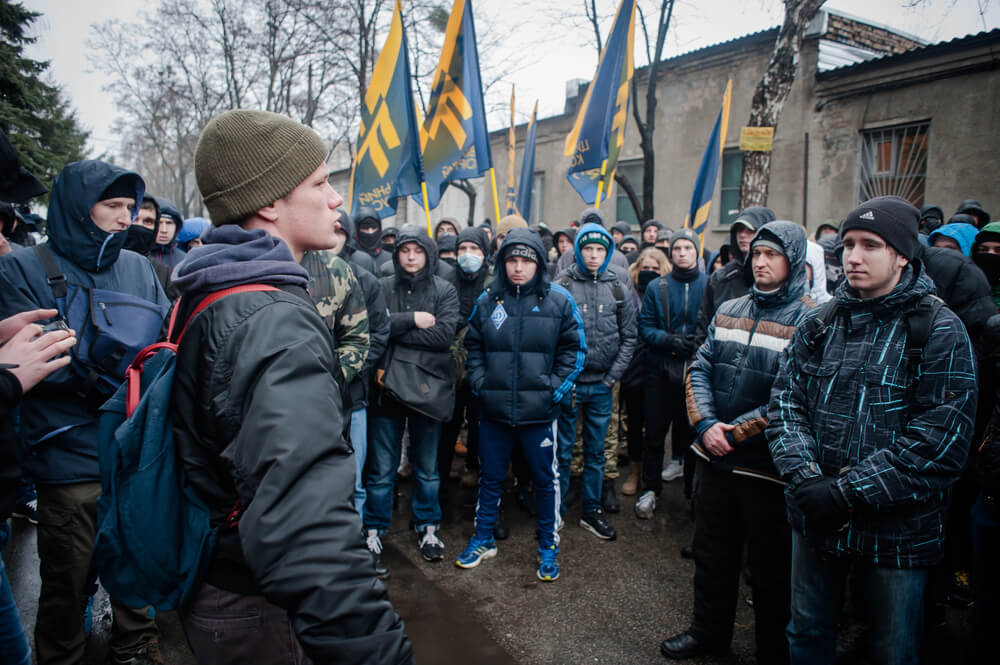
The United States, Canada, Britain, and other Allied nations forcibly relocated and detained civilians of Japanese, German, or Italian descent during the Second World War, treating entire communities as security risks regardless of individual circumstances or citizenship status. The internment of Japanese Americans, authorized under Executive Order 9066 in 1942, forced roughly 120,000 people from their homes into detention camps for the duration of the war.
The United States government formally apologized and provided reparations to survivors decades later, in 1988.
Price Controls

The United States established the Office of Price Administration in 1941 to set maximum legal prices on a wide range of consumer goods, aiming to prevent wartime shortages from driving inflation that could destabilize the broader economy. Violating price ceilings could result in fines or other legal penalties for merchants.
Similar price control measures were adopted by other combatant governments managing wartime economies under significant strain.
Mail Censorship

Governments on multiple sides of both World Wars routinely opened and censored civilian mail, particularly correspondence crossing international borders or addressed to or from military personnel, removing or blacking out information deemed useful to the enemy. Dedicated censorship offices employed thousands of civilian staff to review the volume of correspondence generated by mobilized populations.
The practice extended to telegrams and, in some countries, monitored telephone communications as well.
Shoe and Textile Rationing

Beyond food, many wartime governments rationed shoes, clothing, and textiles, with the United States limiting civilians to a small number of shoe pairs annually starting in 1943 due to leather shortages driven by military demand. Britain implemented a broader clothes rationing scheme using a points system that required careful budgeting for even basic wardrobe replacement.
These restrictions remained in place for years, with some clothing rationing in Britain not ending until 1949.
Restricted Radio Listening

Several governments during the Second World War made it illegal for civilians to listen to foreign radio broadcasts, particularly enemy propaganda stations, with Nazi Germany imposing severe criminal penalties, including in some cases execution, for listening to broadcasts from Allied nations. Britain similarly discouraged, though generally did not criminalize as harshly, listening to certain foreign broadcasts.
The restrictions reflected how central radio had become to wartime information control on both sides.
Halted Civilian Manufacturing
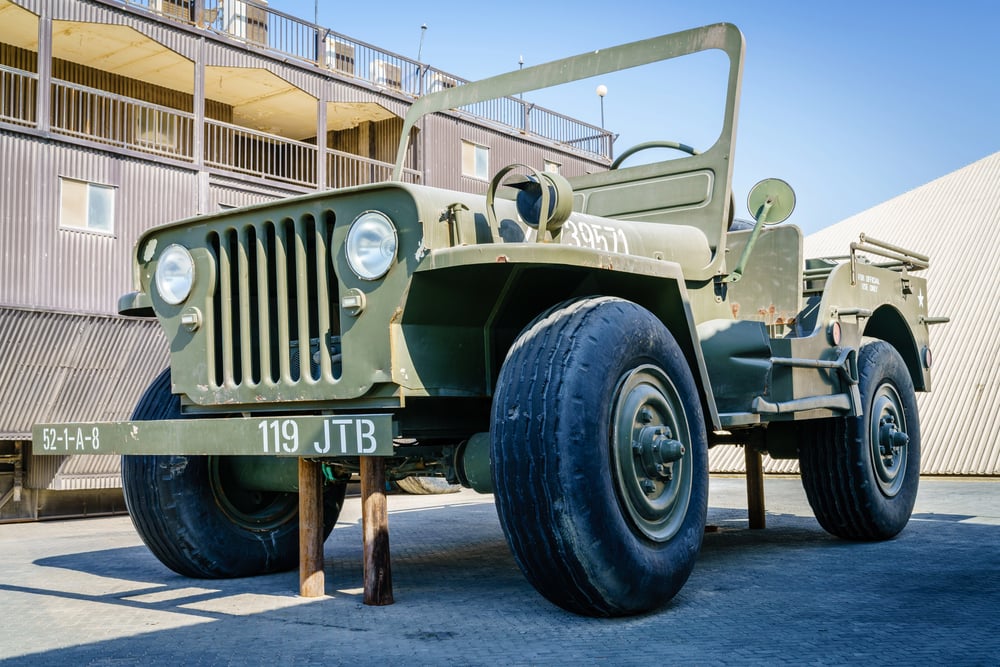
Automobile manufacturers in the United States were ordered to halt civilian car production entirely in early 1942, converting factory lines to military vehicle and equipment manufacturing for the duration of the war, meaning no new cars were sold to American civilians for several years. Similar conversions of civilian manufacturing capacity occurred across other combatant economies.
The pause created a notable gap in automotive model years that collectors still reference today.
Aluminum and Tin Collection

Households in the United States and Britain were asked to save and donate aluminum foil, tin cans, and other metal containers for wartime manufacturing, with organized collection drives becoming a routine feature of civilian participation in the war effort. Local governments and civic organizations often ran competitions between neighborhoods to encourage higher donation totals.
The practical manufacturing value of some of these campaigns has been debated by historians, though their morale and mobilization effects were significant.
Sunday Driving Bans
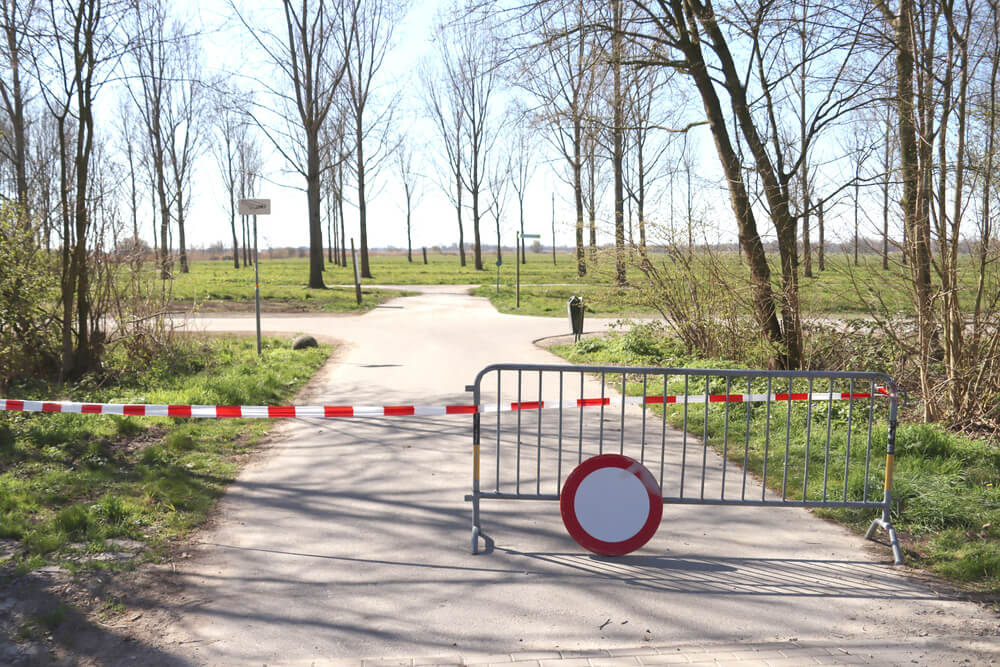
The United States briefly banned nonessential pleasure driving entirely in several regions during 1942 and 1943 as part of broader fuel conservation efforts, with some states enforcing outright prohibitions on Sunday driving specifically. Enforcement relied heavily on gas ration coupon tracking to identify violators.
The restrictions eased as the immediate fuel supply crisis stabilized later in the war.
Coastal Dimout Regulations

American coastal cities, particularly along the Atlantic seaboard, were required to dim or extinguish lights visible from the ocean starting in 1942, after German submarines were found to be using the glow of coastal cities to silhouette and target Allied shipping just offshore. The regulations were less strict than full blackout rules but still required significant changes to street lighting, neon signage, and building illumination in affected cities.
Coastal tourism and nightlife industries were notably affected by the restrictions for the duration of the war.
Conscription and National Service Registration

Most combatant nations required civilian men, and in some countries women, to register for potential military or labor service, with registration itself mandatory even for those who would ultimately be exempted from actual service. Britain extended conscription requirements to unmarried women for essential war work starting in 1941, a significant expansion of the state’s claim on civilian labor.
Failure to register carried legal penalties in most jurisdictions that implemented the system.
Billeting of Evacuees and Troops
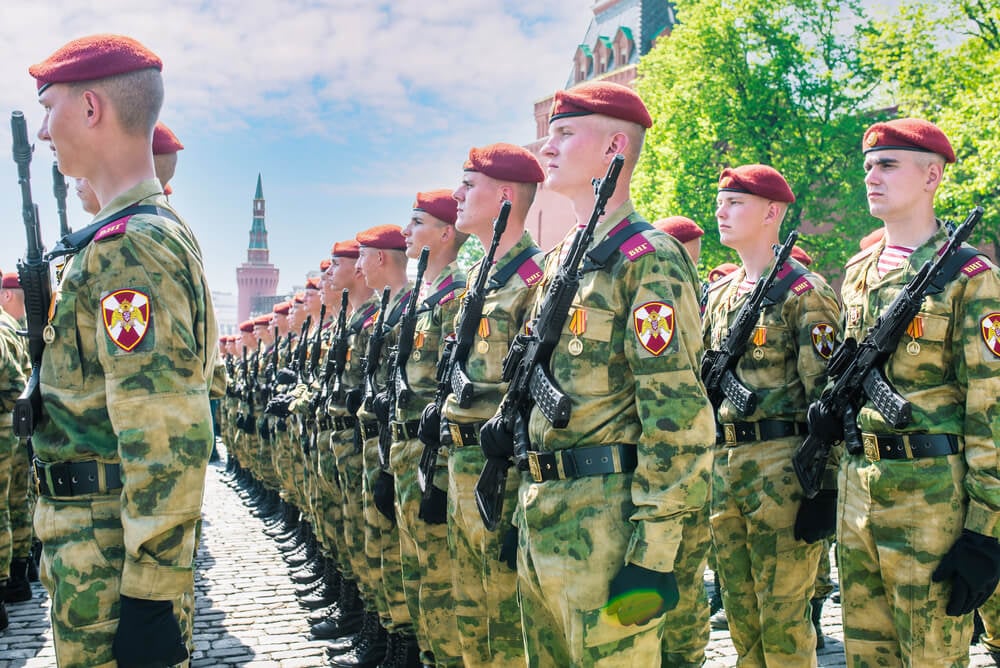
British households were required by law to accept evacuated children or, in some cases, military personnel into their homes when directed by local billeting officers, with limited ability to refuse absent specific circumstances. Compensation was provided to host families, though it often did not cover the full cost of housing additional people.
The practice created significant, sometimes strained, mixing of social classes as urban children were placed with unfamiliar rural families.
Meatless and Wheatless Days
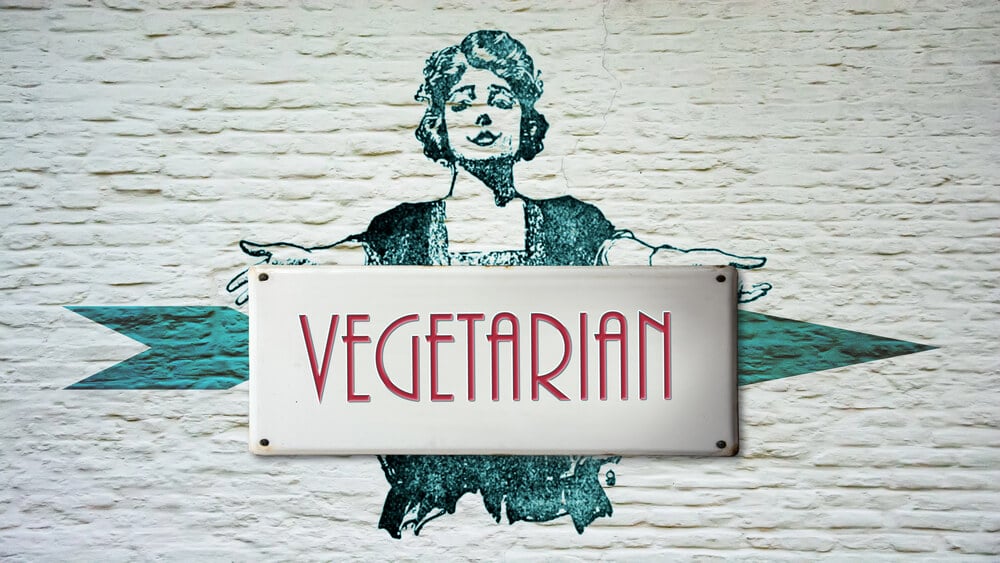
The United States government promoted, and in some periods more formally encouraged through local ordinances, designated meatless and wheatless days each week during the First World War, aiming to conserve food supplies for troops and allied nations overseas. The campaign relied heavily on voluntary compliance backed by public morale messaging rather than strict legal enforcement.
Similar food conservation campaigns were revived, with more formal rationing structures, during the Second World War.
Restricted Travel Zones
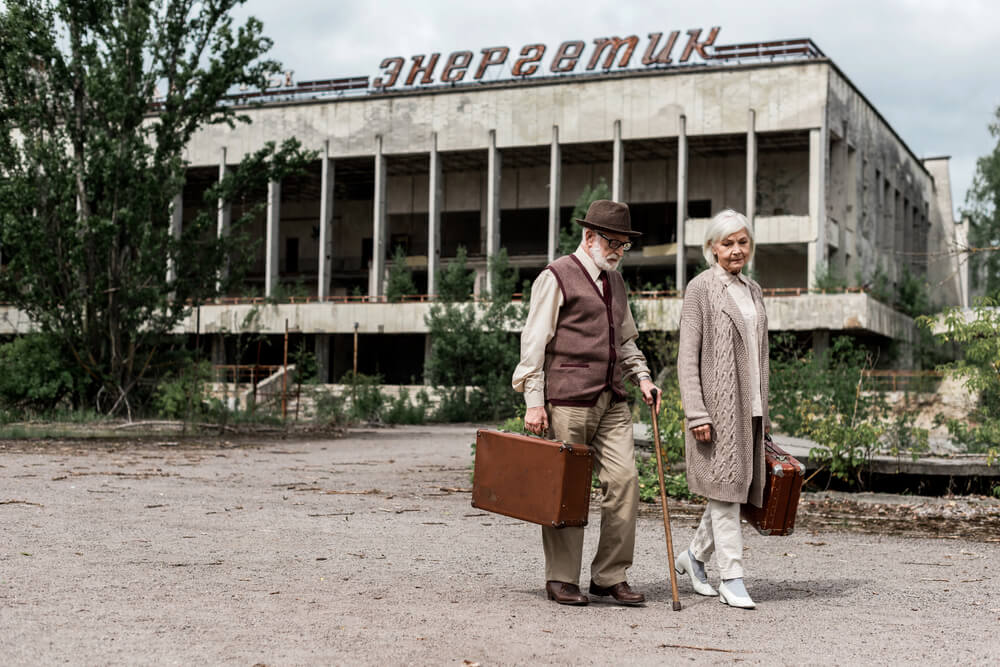
Several combatant nations designated military zones and coastal areas where civilian travel required special permits, particularly in regions considered vulnerable to invasion or espionage. The United States restricted civilian access to certain West Coast areas following the outbreak of war with Japan, citing security concerns.
Enforcement of these restricted zones intersected significantly with the broader internment policies applied to Japanese American communities during the same period.
Compulsory Air Raid Drills
Civilians in cities across combatant nations were required to participate in regular air raid drills, learning to reach designated shelters within a set time and to respond to warning sirens correctly, with wardens authorized to enforce compliance and issue penalties for noncompliance. Schools incorporated drills into the regular day, and workplaces designated shelter areas and evacuation procedures.
The drills became such a routine feature of daily life in heavily targeted cities that memoirs from the period frequently describe them as background noise to ordinary life.
Salvage of Household Fat and Grease
British and American households were asked to save cooking fats and grease, which were needed for the production of glycerin used in explosives manufacturing, with organized collection points established at butcher shops and grocery stores. Government messaging campaigns specifically explained the connection between household grease and munitions production to encourage compliance.
The campaign is frequently cited by historians as an example of how thoroughly wartime governments connected ordinary domestic tasks to the broader war effort.
The War That Moved Into the Kitchen

None of these restrictions required a single shot to be fired to reshape daily life for millions of people who never left home. Governments discovered, often within months of a war’s outbreak, that total mobilization meant reaching into the pantry, the driveway, and the bedroom closet as thoroughly as it reached into the factory floor.
Most of these rules disappeared quickly once the immediate crisis passed, leaving behind mainly ration books and family stories rather than lasting legal structures. What lingered longer was the underlying premise behind all of them, that a government at war has a legitimate claim on the smallest details of civilian life, an idea that has resurfaced in various forms every time a nation has mobilized since.
More from Go2Tutors!

- The Romanov Crown Jewels and Their Tragic Fate
- 13 Historical Mysteries That Science Still Can’t Solve
- Famous Hoaxes That Fooled the World for Years
- 15 Child Stars with Tragic Adult Lives
- 16 Famous Jewelry Pieces in History
Like Go2Tutors’s content? Follow us on MSN.