16 Book-to-Film Changes Fans Hated
Book adaptations are tough. Some work brilliantly – others make you wonder if anyone actually read the source material.
You know that feeling when your favorite story gets butchered on screen? It stings, especially when studios mess with the core elements that made you fall in love with the book originally. Fans get legitimately angry about these changes, and honestly, they have every right to be.
Here is a list of 16 book-to-film changes that left fans absolutely livid.
Percy Jackson’s age jump
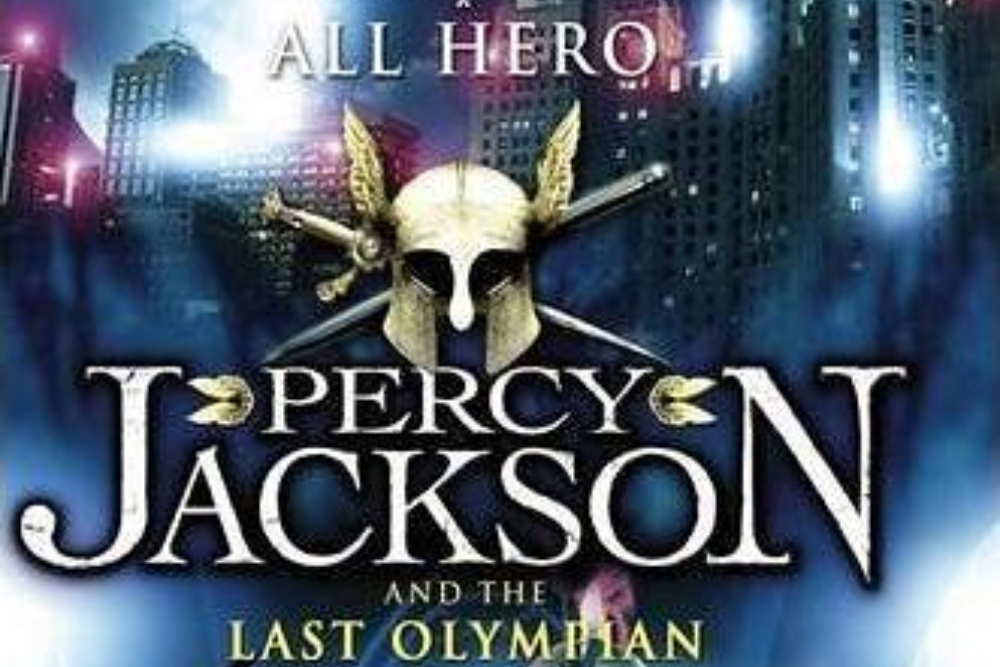
The Percy Jackson movies took 12-year-old kids and turned them into teenagers. Big mistake.
The whole point of Rick Riordan’s books was watching actual children discover they’re demigods and somehow survive this crazy mythological world. When you age them up, you lose that incredible contrast between their youth and the massive responsibilities thrust upon them.
Dumbledore’s angry outburst
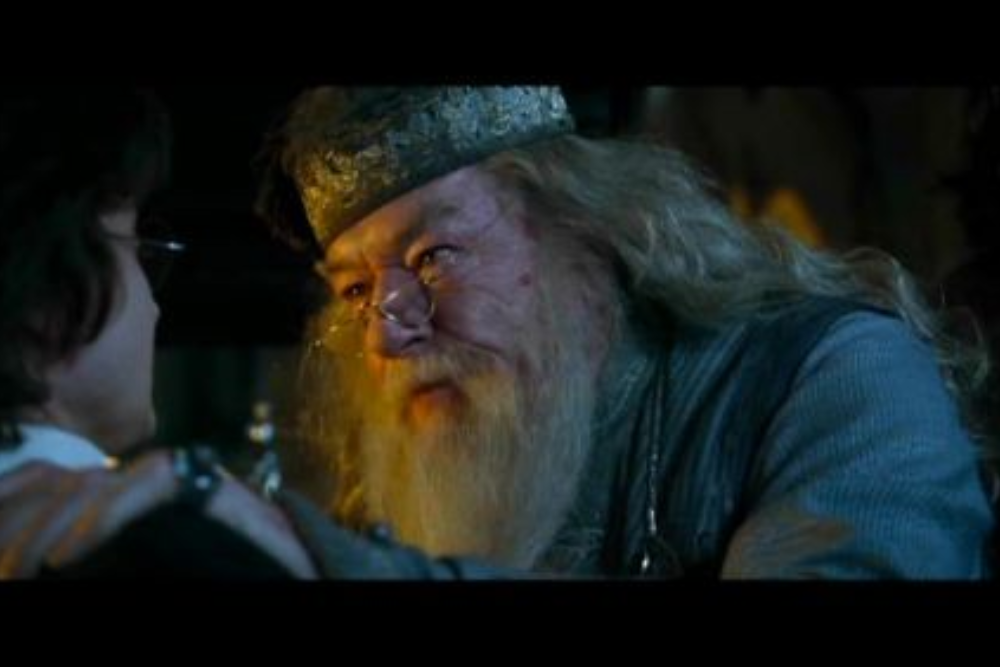
Remember when Dumbledore calmly asked Harry if he put his name in the Goblet of Fire? Well, the movie had Michael Gambon grabbing Harry and practically shouting at him instead. Book Dumbledore was this wise, serene figure who rarely lost his composure.
Movie Dumbledore? A completely different character who apparently never learned anger management.
Like Go2Tutors’s content? Follow us on MSN.
The Dark Tower’s plot overhaul
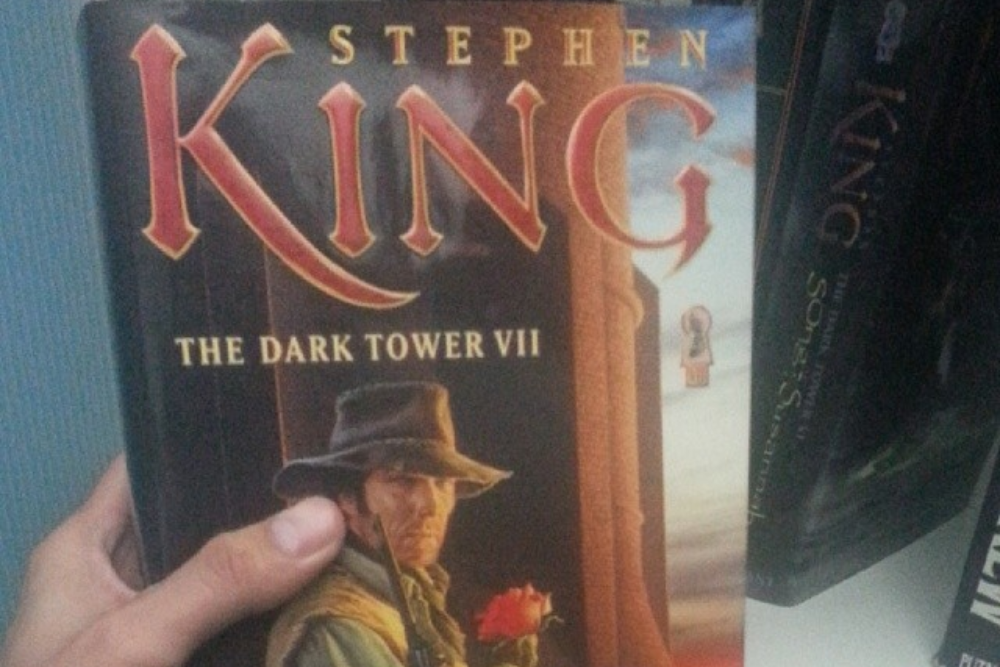
Stephen King spent decades building this massive eight-book universe, and the movie tried cramming it all into 95 minutes. Impossible task. What came out barely resembled King’s work – just borrowed some names and called it a day.
Fans who’d invested years following Roland’s journey felt completely betrayed by this hollow shell of their beloved series.
Artemis Fowl’s unrecognizable adaptation
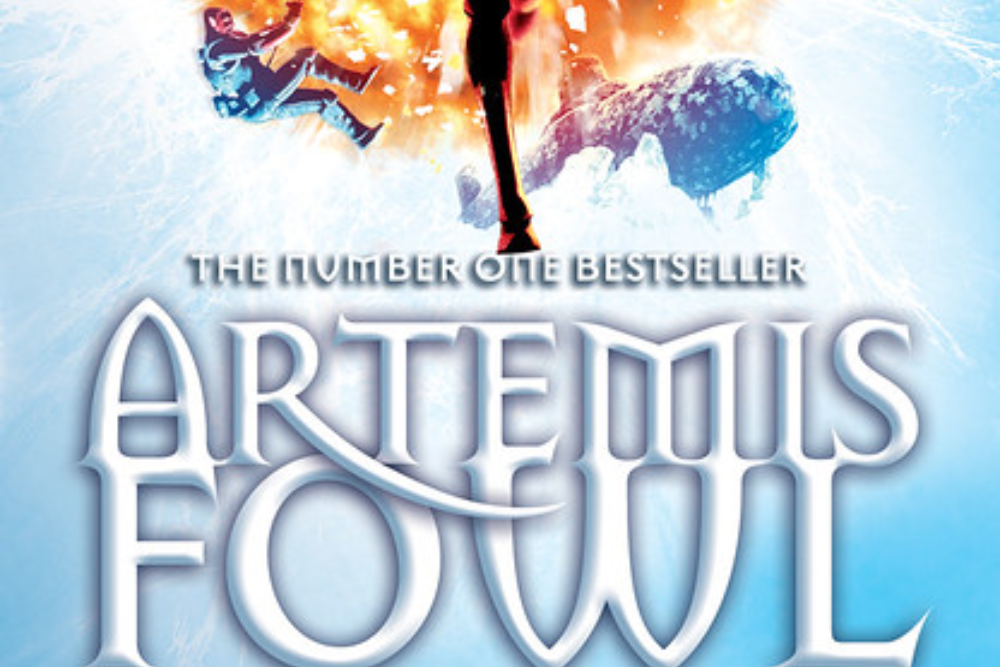
Disney took Eoin Colfer’s brilliant criminal mastermind and turned him into… a regular good guy? That’s like taking Hannibal Lecter and making him a vegetarian chef. Artemis was fascinating because he operated in moral gray areas – calculating, manipulative, yet oddly sympathetic.
The movie stripped away everything that made him unique and left us with Generic Fantasy Hero #47.
V for Vendetta’s missing themes
Alan Moore was so disgusted with the film that he demanded his name be removed from it entirely. The comic explored deep political themes about fascism and anarchy, but the movie turned it into a standard action flick.
Moore spent years crafting this complex examination of power and resistance, only to watch Hollywood turn it into “guy in mask blows stuff up.”
Like Go2Tutors’s content? Follow us on MSN.
The NeverEnding Story’s misunderstanding
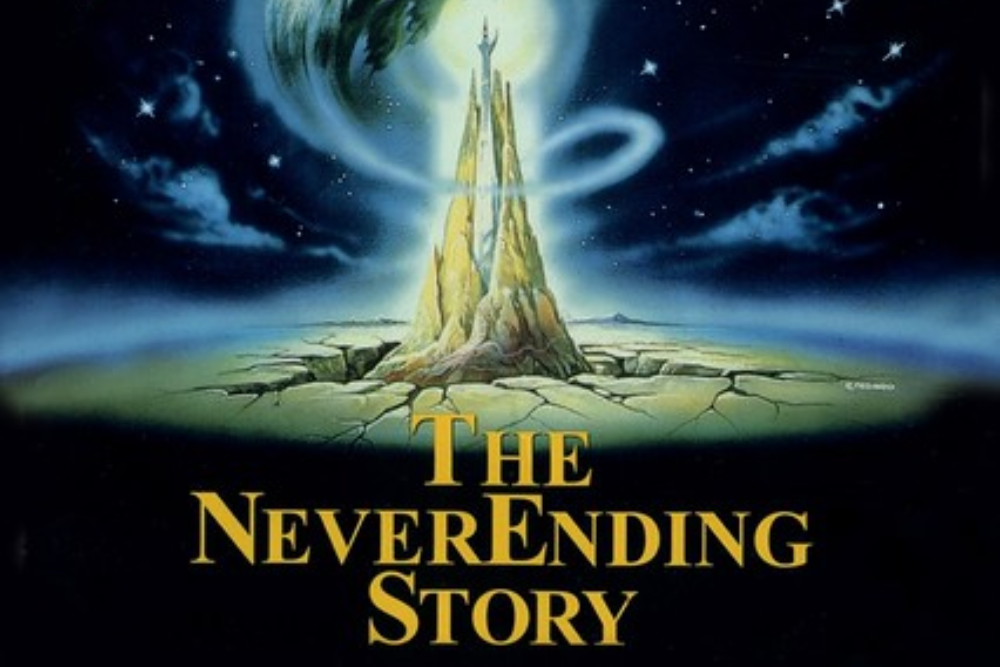
Michael Ende absolutely hated what they did to his book. Called it ‘revolting’ and accused the filmmakers of caring only about money.
Ende had collaborated on the script initially, but they changed everything without telling him. His philosophical tale about imagination and storytelling became just another kids’ fantasy adventure with flashy special effects.
Willy Wonka’s softened edge
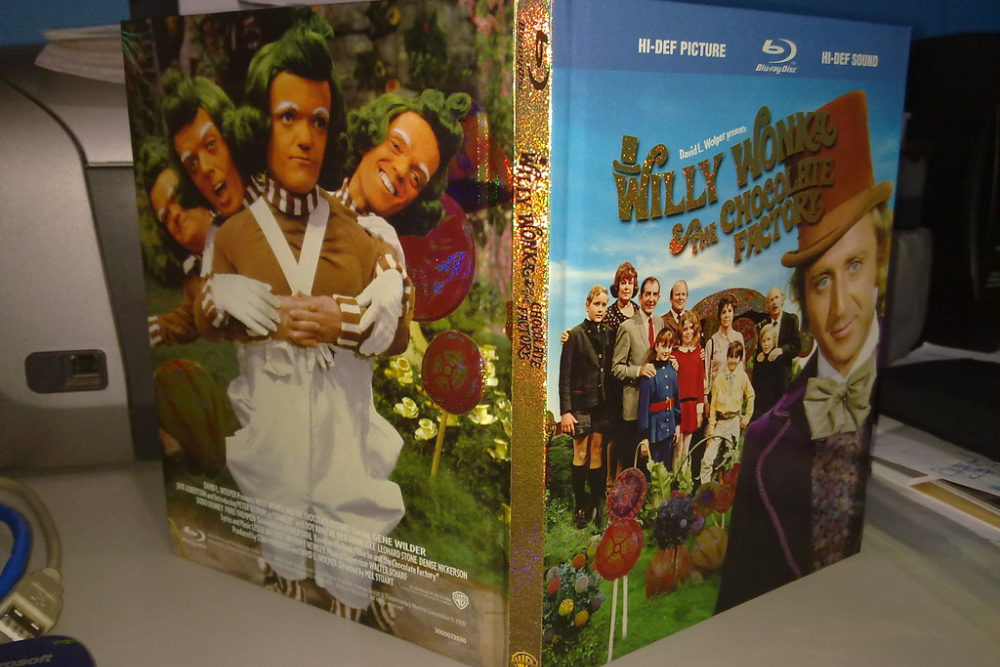
Roald Dahl wasn’t thrilled with Gene Wilder’s casting, feeling he was too gentle for the role. Dahl wrote Wonka as this mysterious, slightly dangerous figure – someone who could be wonderful or terrifying depending on his mood.
Wilder was charming, sure, but he lacked that unpredictable edge that made book Wonka so compelling and slightly frightening.
American Psycho’s unnecessary adaptation
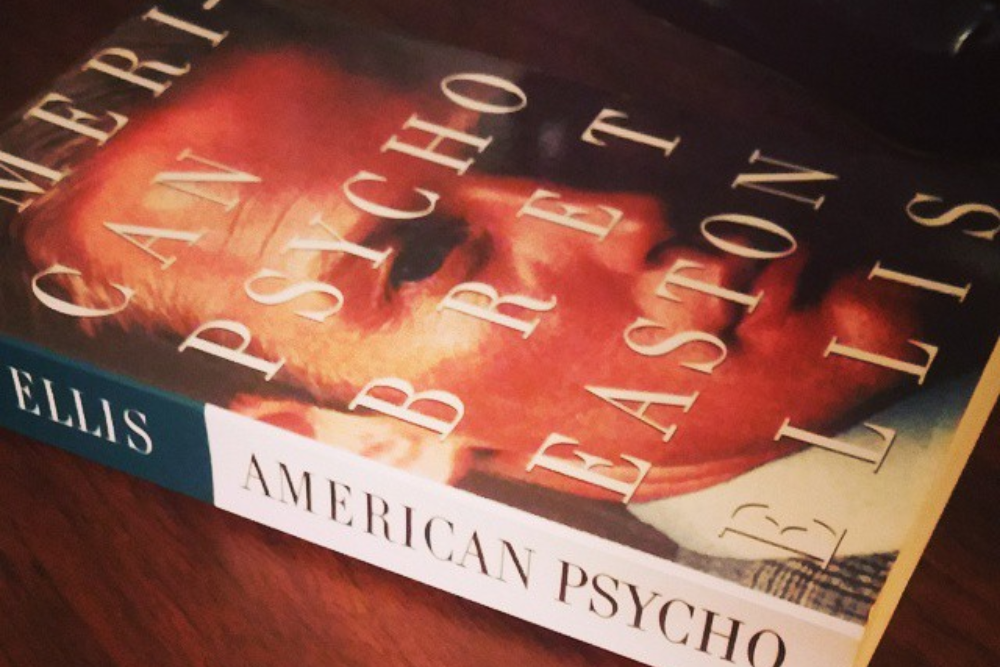
Bret Easton Ellis thought his novel should never have been adapted, period. The book’s power came from Patrick Bateman’s internal monologue – his twisted thoughts and rationalizations.
Movies can’t really capture that psychological horror effectively. Plus, they had to tone down the violence significantly, which Ellis argued was essential for understanding just how disturbed this character really was.
Like Go2Tutors’s content? Follow us on MSN.
My Foolish Heart’s happy ending
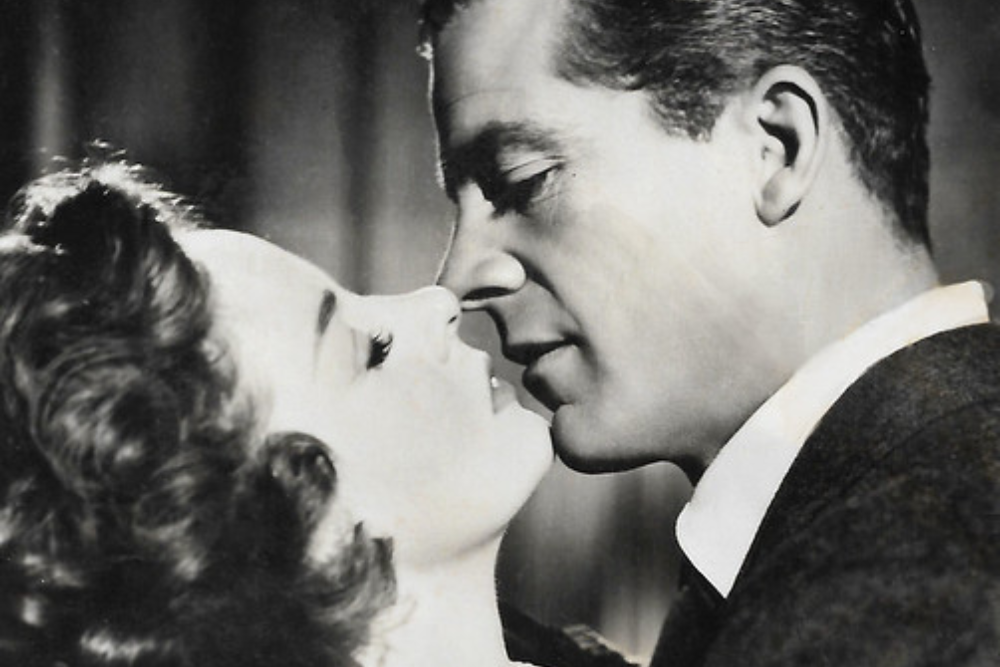
J.D. Salinger watched MGM transform his dark social commentary into a feel-good romance with a neat, happy ending. His story was supposed to criticize middle-class society, not celebrate it with romantic music and sunset kisses.
This experience was so awful that Salinger refused to sell film rights to any of his other works – including The Catcher in the Rye.
The Giver’s action movie transformation
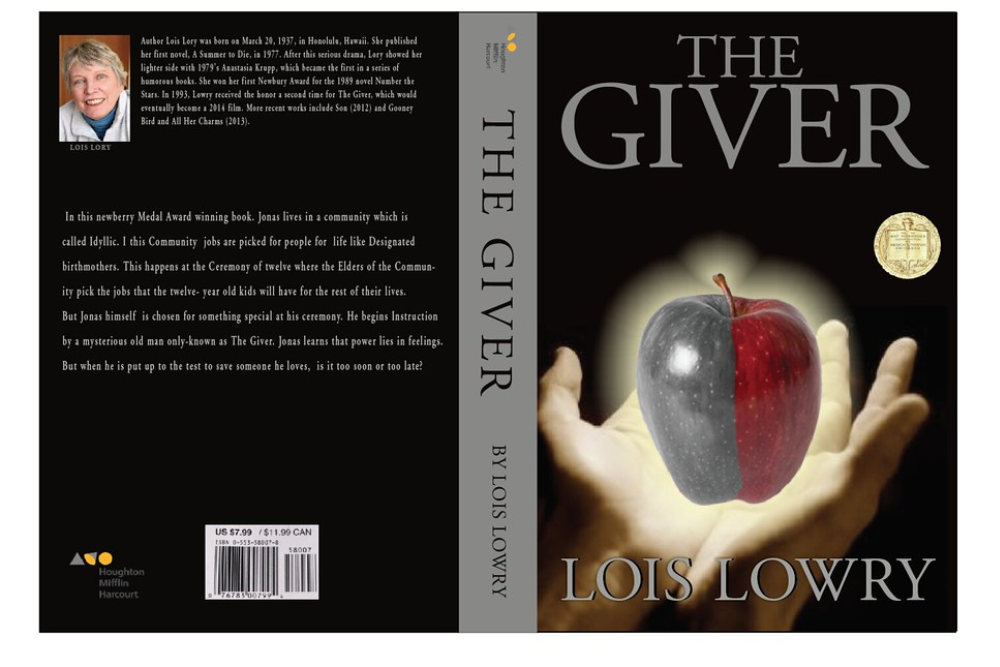
Lois Lowry wrote this quiet, thoughtful book about memory, emotion, and conformity. The movie added car chases, romance, and explosions.
Why? The book’s power came from its stillness – from making readers think about what we sacrifice for safety and comfort. Hollywood decided contemplation doesn’t sell tickets, so they turned it into another YA action franchise.
World War Z’s zombie type switch
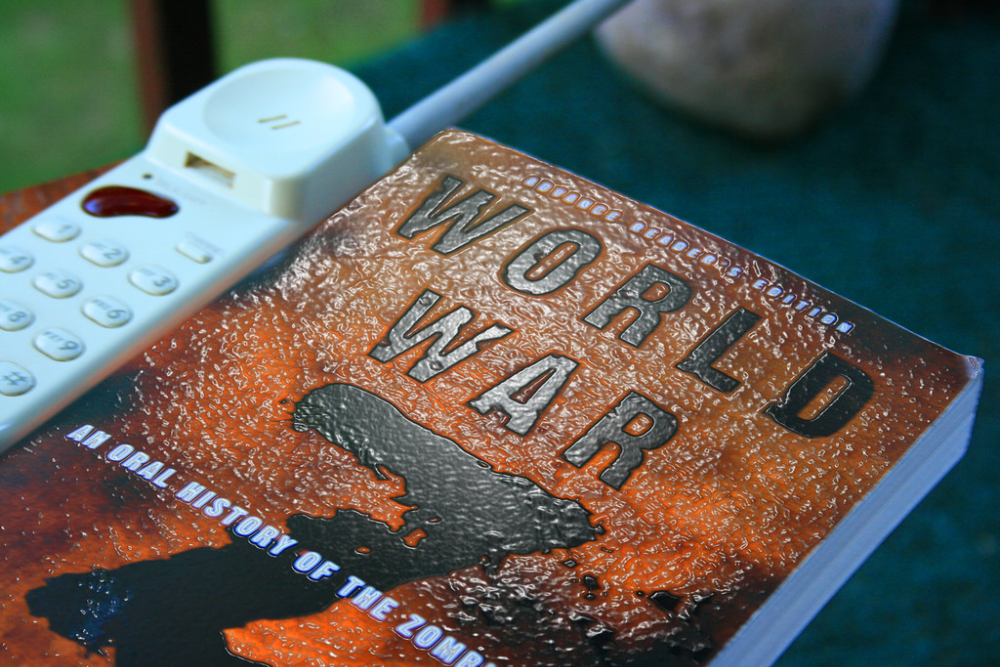
Max Brooks created these slow, relentless zombies that represented unstoppable dread. The movie said “nah” and gave us super-fast infected people who climbed walls like Spider-Man.
Brooks structured his book as oral history – interviews with survivors discussing how society collapsed and rebuilt. The film threw all that away for a generic Brad Pitt action vehicle.
Like Go2Tutors’s content? Follow us on MSN.
I Am Legend’s ending reversal
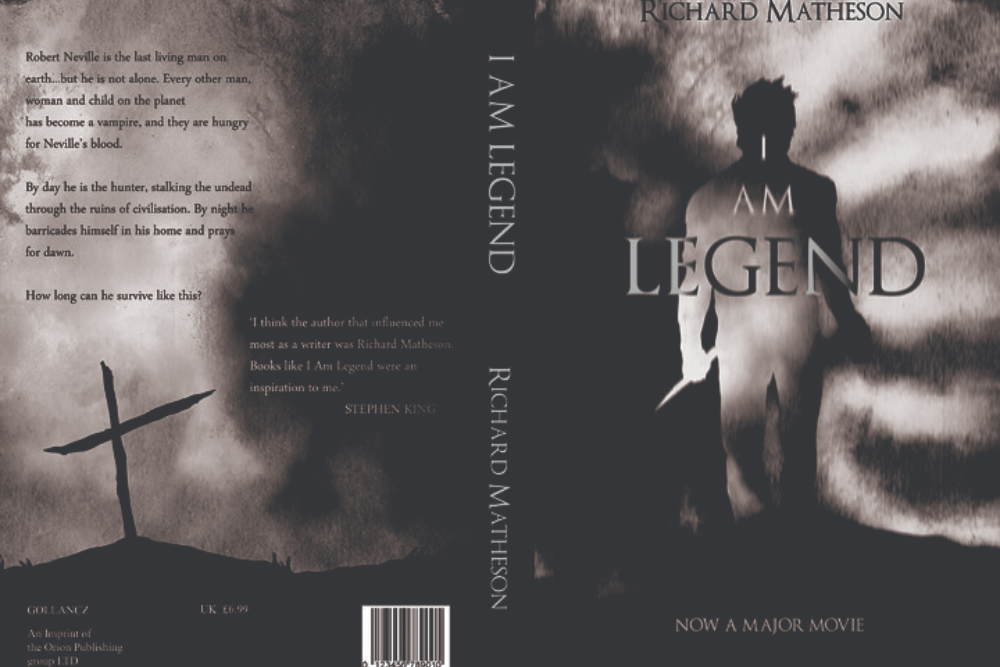
This one really hurt. Richard Matheson’s book has this incredible twist where the protagonist realizes he’s become the monster to the evolved vampires. He’s their boogeyman – their legend. The title makes perfect sense once you understand this role reversal. The movie? The generic hero saves the day by sacrificing himself. Completely missed the point and eliminated what made the story brilliant.
The Golden Compass’s religious censorship
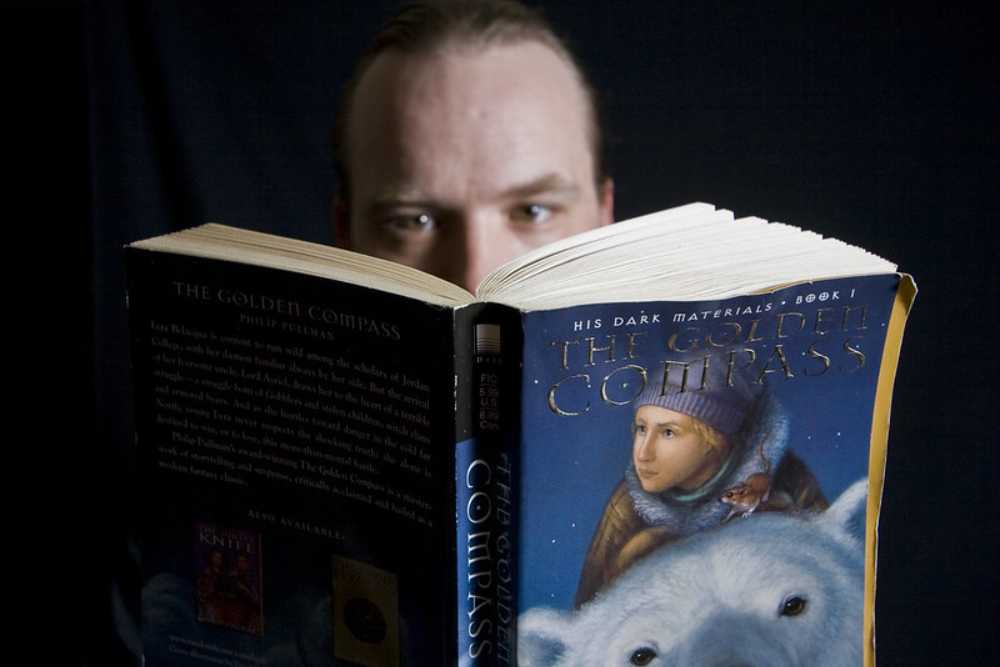
Philip Pullman wrote a sharp critique of organized religion and authority, but the movie chickened out completely. They removed almost every reference to the Church or God, trying not to offend anyone.
This sanitization gutted the story’s philosophical core – Pullman’s examination of free will versus blind obedience. What remained was a pretty but pointless fantasy with talking bears.
Eragon’s rushed storytelling
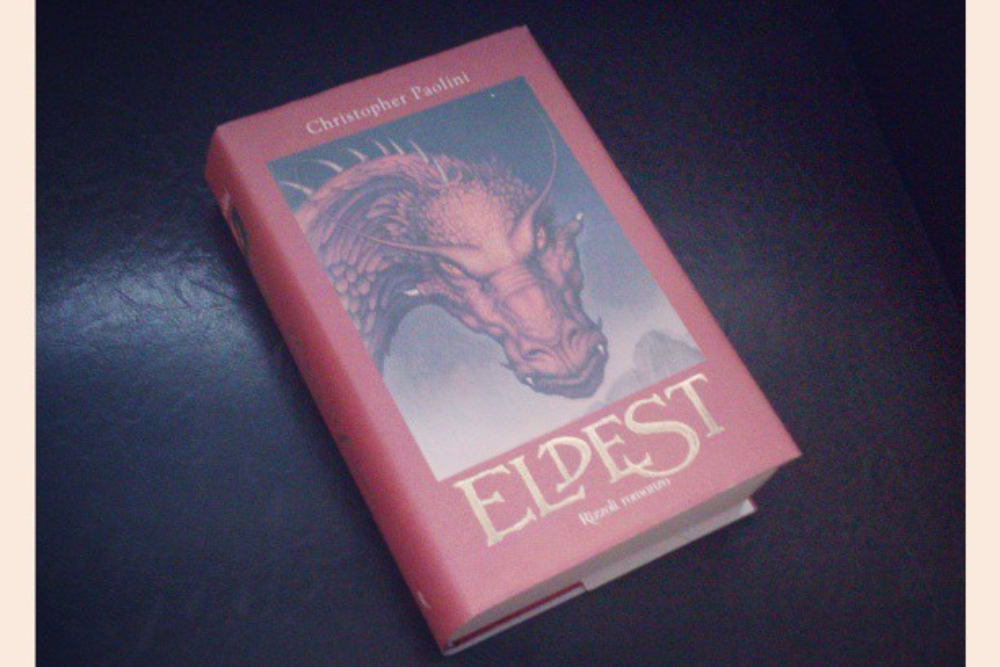
Christopher Paolini spent considerable time developing the relationship between Eragon and Saphira in his book. Their bond was central to everything – this deep connection between boy and dragon that grew stronger throughout their journey.
The movie rushed through their relationship like it was checking items off a list. No emotional investment, no character development, just “here’s a dragon, now they’re friends.”
Like Go2Tutors’s content? Follow us on MSN.
The Hitchhiker’s Guide’s Earth focus
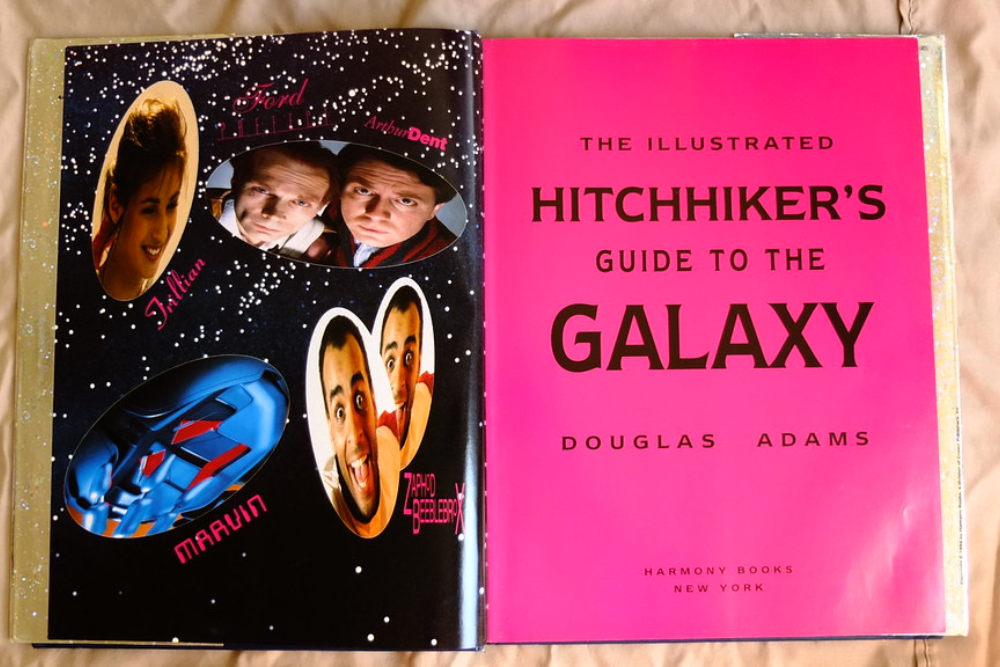
Douglas Adams wrote about the absurdity of existence on a cosmic scale. Earth gets destroyed in chapter one, and that’s just the beginning of this wild journey through space.
The movie kept coming back to Earth and focused heavily on Arthur and Trillian’s romance. Adams was making fun of humanity’s self-importance, not celebrating conventional love stories.
Queen of the Damned’s character massacre
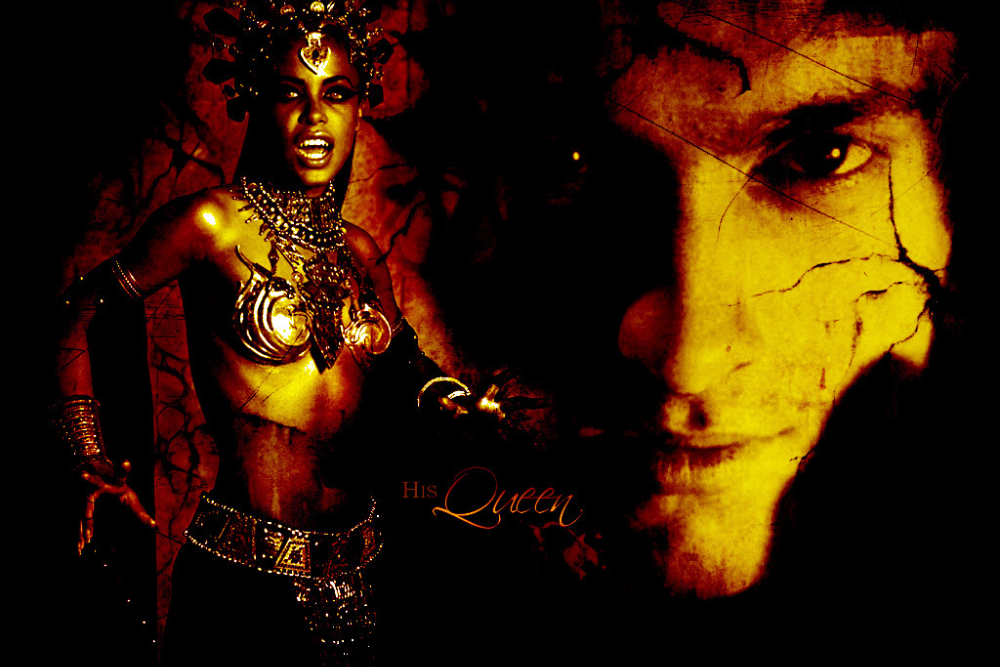
Anne Rice fans watched in horror as the movie killed off major characters off-screen and completely rewrote vampire mythology. Rice had spent books carefully establishing how her vampires worked, their history, their relationships.
The film mashed two books together carelessly and eliminated fan-favorite characters without explanation. Stuart Townsend’s Lestat bore no resemblance to Rice’s charismatic, complex antihero.
The pattern keeps repeating
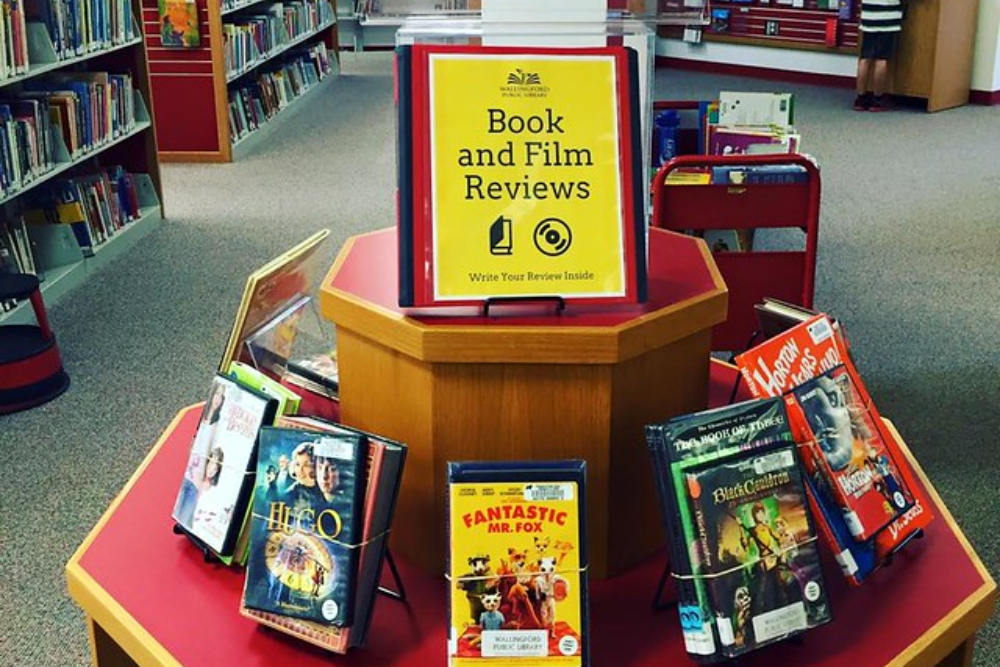
Studios keep making the same mistakes with beloved books. They prioritize mass appeal over the specific elements that made fans passionate about these stories originally.
Authors object, fans complain, but the pattern continues. Sometimes studios get it right – they respect the source material while making necessary changes for film.
Those adaptations become classics that both honor the original work and create something new worth celebrating. But too often, executives seem to think they know better than the authors who created these beloved worlds.
The results speak for themselves, and angry fans are usually right to be upset when their favorite stories get mangled beyond recognition.
Like Go2Tutors’s content? Follow us on MSN.
More from Go2Tutors!

- 16 Historical Figures Who Were Nothing Like You Think
- 12 Things Sold in the 80s That Are Now Illegal
- 15 VHS Tapes That Could Be Worth Thousands
- 17 Historical “What Ifs” That Would Have Changed Everything
- 18 TV Shows That Vanished Without a Finale
Like Go2Tutors’s content? Follow us on MSN.