16 Camping Traditions That Are Disappearing
There’s something special about camping that connects us to simpler times. The crackle of a campfire, the scent of pine trees, and the satisfaction of building something with your own hands used to be central to the outdoor experience. Yet as technology advances and our lifestyles change, many of the traditions that defined camping for generations are quietly fading away.
From the art of reading paper maps to the ritual of gathering around a single campfire for entertainment, these practices are becoming increasingly rare. Here is a list of 16 camping traditions that are slowly disappearing from our outdoor adventures.
Map Reading and Navigation

Paper maps were once as essential to camping as a sleeping bag. Campers would spend hours before a trip studying topographical maps, plotting routes, learning to read contour lines like a secret language.
The ability to navigate using a compass and map was considered a fundamental outdoor skill — passed down from experienced campers to newcomers with the seriousness of a family recipe. GPS devices and smartphone apps have largely replaced this hands-on approach to navigation though.
Building Fires Without Modern Aids
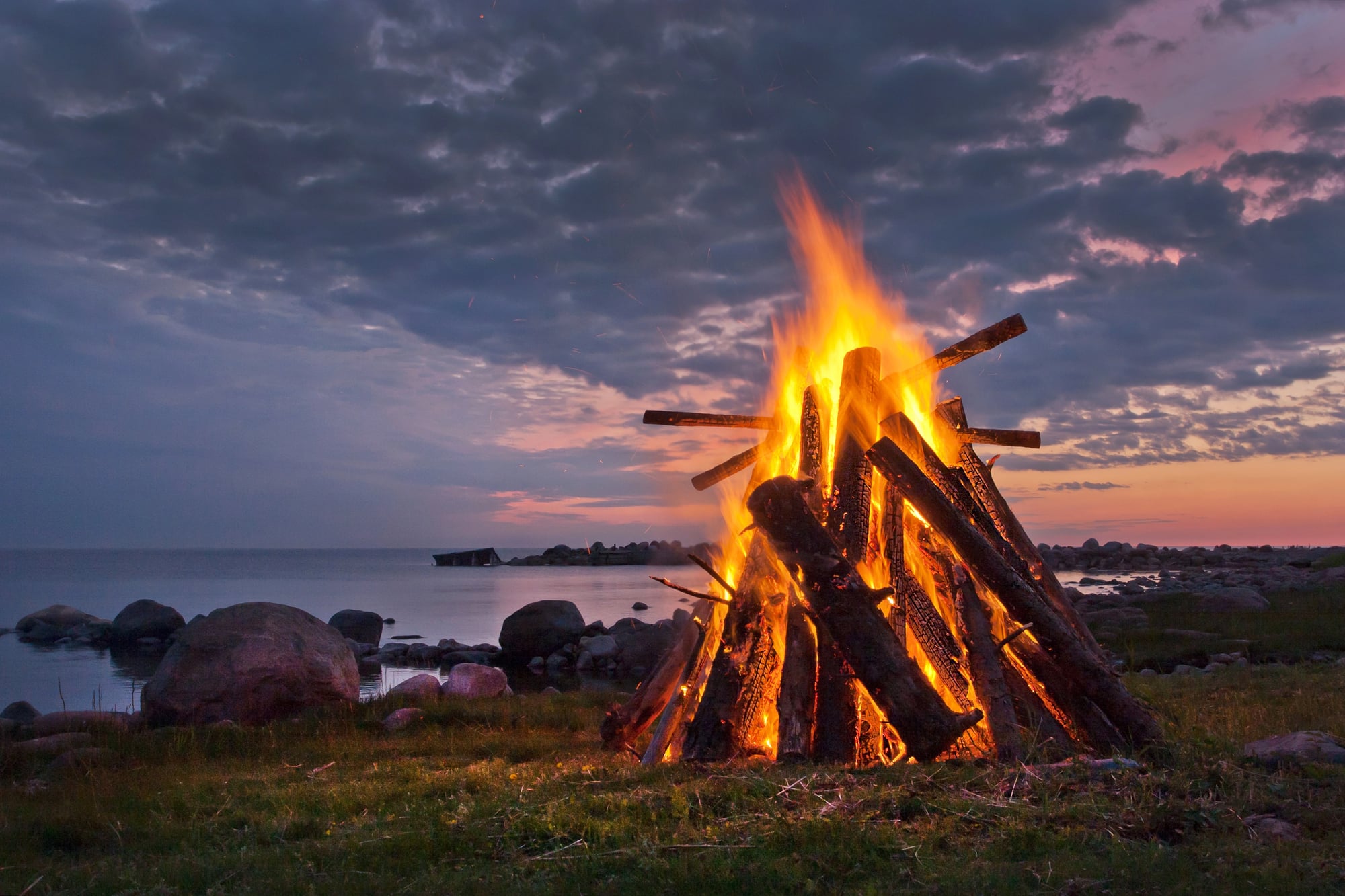
Starting a fire used to be an art form requiring patience, skill, and a deep understanding of different wood types. Campers would gather tinder, kindling, and fuel wood in specific sizes.
Then they’d use matches or flint to create a flame from scratch — a process that taught valuable lessons about preparation and working with natural materials. Modern fire starters and pre-made logs have made the process much simpler, though they’ve also eliminated the satisfaction that comes from mastering this fundamental skill.
Cooking Over Open Flames

Camp cooking once meant suspending pots over an open fire or wrapping food in foil to bury in coals. Meals took longer to prepare — yet the process was part of the camping experience itself.
Campers learned to manage heat by adjusting the height of their cooking surface, moving coals around like chess pieces on a board. Today’s portable stoves provide instant and precise heat control, removing much of the skill that open-fire cooking required.
Reading the Sky for Weather

Before weather apps and satellite forecasts, campers developed a keen ability to read natural signs. They watched cloud formations, noticed how animals behaved, felt changes in air pressure to predict upcoming weather — knowledge that was practical and often life-saving.
This skill connected campers more deeply to their environment while making them more self-reliant. Detailed weather forecasts are now available at the touch of a screen, making this traditional knowledge seem unnecessary to many modern campers.
Communal Storytelling
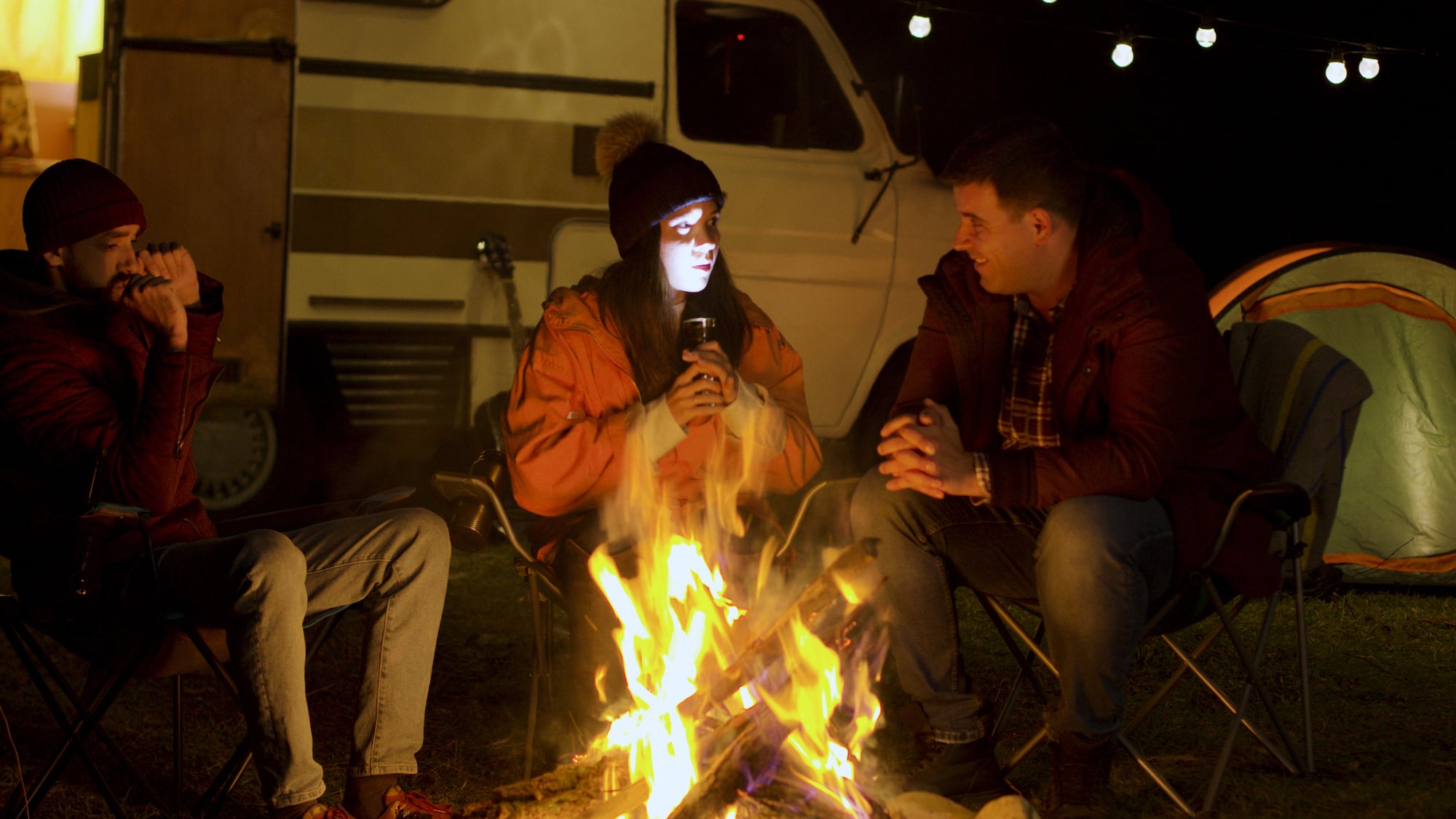
Evenings around the campfire were once filled with ghost stories, tall tales, and shared experiences from the day’s adventures. Without televisions or personal devices, campers naturally turned to each other for entertainment — creating bonds that lasted long after the embers died down.
These storytelling sessions also served as a way to pass down outdoor wisdom and local legends. Today, individual entertainment devices often replace this communal activity.
Whittling and Wood Carving

Evenings at camp often included whittling simple objects from found wood using a pocket knife. This quiet activity kept hands busy while sitting around the fire — creating useful items like tent stakes or simple toys from materials freely available in nature.
The practice taught patience alongside basic woodworking skills. Many campers also carved their initials into walking sticks as mementos of their adventures.
Handwritten Camp Journals

Keeping a detailed journal of camping experiences was once a common practice among serious outdoors enthusiasts. Campers would write about the weather, wildlife sightings, fellow campers they met — documenting memorable moments from each day with careful attention to detail.
These journals often included sketches of plants or landscapes encountered on the trip. The practice encouraged reflection while helping campers remember details that might otherwise be forgotten.
Traditional Tent Setup

Setting up camp once required real knowledge of tent mechanics, guy-line adjustment, site selection. Campers learned to read the ground for proper drainage — orienting their tent to prevailing winds while creating a comfortable sleeping area using natural materials.
The process was methodical, requiring understanding of how different tent designs worked in various conditions. Modern tents with color-coded poles and instant setup mechanisms have simplified this process considerably.
Foraging and Wild Food Identification

Many traditional campers possessed knowledge of edible plants, berries, mushrooms that could supplement their camp meals. This knowledge was passed down through generations — requiring careful study of plant identification and seasonal availability.
The practice connected campers more intimately with their environment while providing emergency food knowledge. Concerns about environmental impact, legal restrictions, and safety have made foraging much less common today.
Rope Work and Knot Tying

Camping once required mastery of various knots and rope techniques for securing tarps, hanging food, and creating camp furniture. The bowline, clove hitch, and trucker’s hitch were as essential as any piece of gear — skills that separated experienced campers from weekend warriors.
Campers learned to splice rope, create pulley systems, fashion everything from clotheslines to bear hangs using only rope and knowledge. Modern camping gear with built-in attachment points and quick-release mechanisms has reduced the need for these traditional rope skills.
Shared Meal Preparation

Camp cooking was traditionally a group activity where everyone contributed to meal preparation, cleanup, and planning. Large groups would coordinate their efforts, with some gathering wood while others prepared ingredients or managed the fire.
This cooperation was essential for efficiency and created a sense of community among campers. Individual camping stoves, pre-packaged meals, and smaller camping groups have shifted the focus toward personal meal preparation.
Manual Water Purification

Before portable water filters became common, campers relied on boiling water or using purification tablets to make natural water sources safe to drink. This process required planning, time, and fuel, yet it also taught campers about water safety and different purification methods.
Some traditional campers even learned to identify clean water sources and understand how natural filtration worked. Modern water filtration systems and bottled water have made this knowledge less critical.
Reading Animal Signs

Experienced campers once developed sophisticated abilities to read animal tracks, scat, and other signs to understand wildlife activity in their camping area. This knowledge helped them avoid dangerous encounters, find good fishing spots, and appreciate the ecosystem around them.
The skill required patience and observation, often learned through mentorship from more experienced outdoors people. Today’s campers are more likely to rely on park information and wildlife apps.
Campfire Cooking Techniques

Traditional camp cooking involved specific techniques like reflector oven baking, ash cooking, and using different types of coals for various cooking methods. Campers learned which woods burned hottest, how to create cooking coals, and how to manage multiple cooking tasks over a single fire.
These methods required timing, patience, and understanding of how fire behaves in different conditions. Modern camping stoves and pre-made fire logs have eliminated the need for these specialized cooking skills.
Shelter Building from Natural Materials

Many traditional campers could construct emergency shelters or improve their camping comfort using materials found in nature. They built lean-tos, debris huts, and wind breaks using branches, leaves, and rocks.
This knowledge was both practical for emergencies and satisfying as a way to work with natural materials. The skills required understanding of structural principles, insulation, and weather protection.
Outdoor Photography with Film

Camp photography once required careful consideration of each shot due to limited film and the inability to immediately see results. Campers learned to compose shots thoughtfully, understand lighting conditions, and make each photograph count.
The anticipation of developing film added excitement to the post-trip experience. Film photography also required understanding of camera mechanics and manual settings.
The Enduring Value of Old Ways

These disappearing traditions represent more than just outdated methods—they embodied a deeper connection to nature and self-reliance that many modern campers are missing. While technology has undoubtedly made camping more accessible and safer, it has also created a layer of separation between campers and their environment.
The skills and practices that are fading away taught patience, observation, and problem-solving abilities that extended far beyond the campsite. Perhaps the greatest loss isn’t the individual traditions themselves, but the mindset they fostered: one of curiosity, self-sufficiency, and genuine engagement with the natural world.
More from Go2Tutors!

- The Romanov Crown Jewels and Their Tragic Fate
- 13 Historical Mysteries That Science Still Can’t Solve
- Famous Hoaxes That Fooled the World for Years
- 15 Child Stars with Tragic Adult Lives
- 16 Famous Jewelry Pieces in History
Like Go2Tutors’s content? Follow us on MSN.



