16 Celebrities Who Appeared In Video Games
The line between Hollywood and the gaming industry has become increasingly blurred over the past few decades. What started as simple voice work has evolved into full motion capture performances, complete with facial mapping and complex character development.
Celebrities have discovered that video games offer a unique storytelling medium where they can explore different types of characters and reach entirely new audiences.
From A-list actors lending their voices to animated characters to musicians creating entire virtual concerts, the presence of celebrities in gaming has transformed how we think about interactive entertainment.
These collaborations often produce some of the most memorable moments in gaming history.
Keanu Reeves
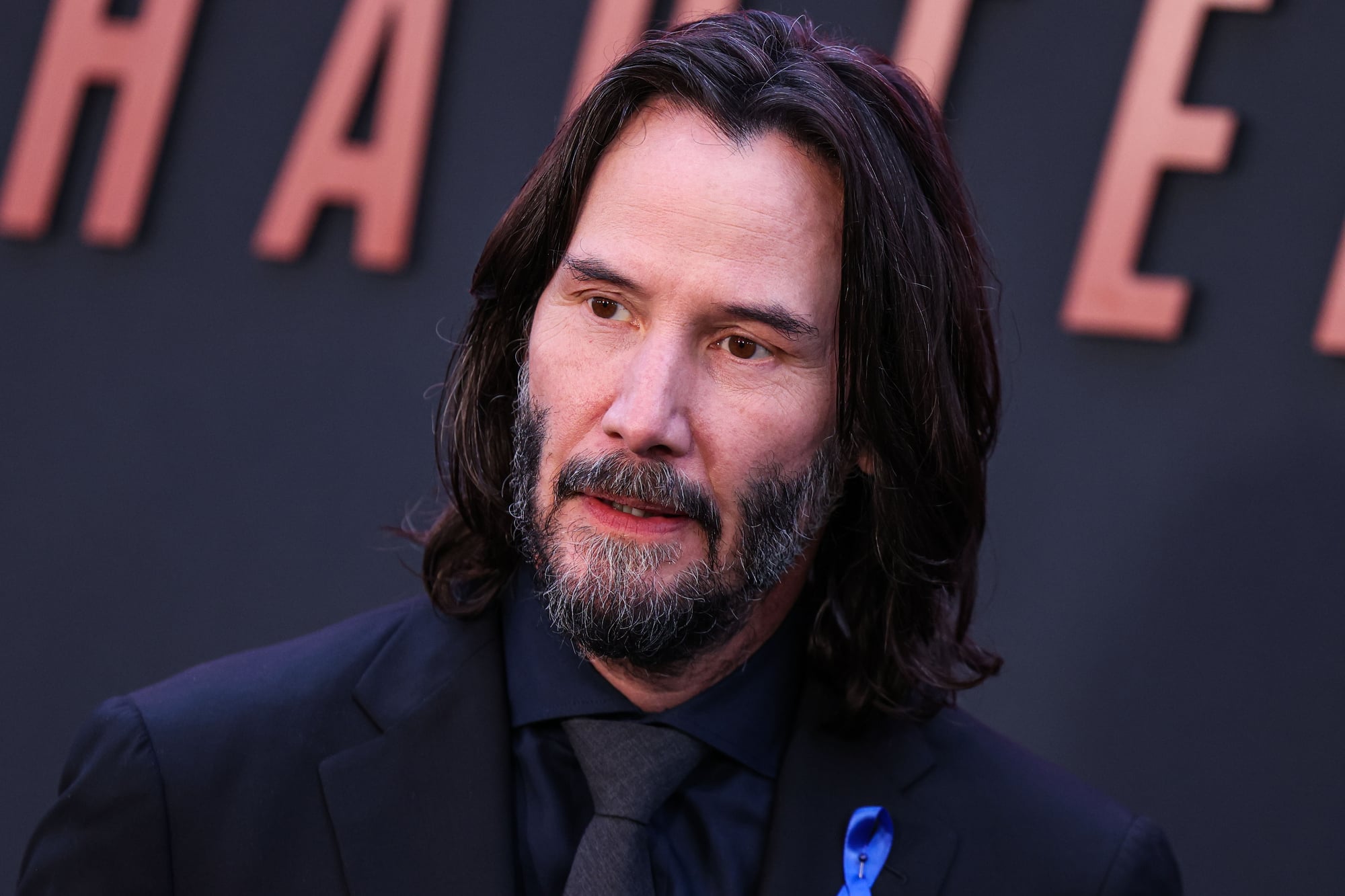
Reeves appeared in Cyberpunk 2077 as Johnny Silverhand, a rockerboy rebel who exists as a digital ghost in the protagonist’s mind. The casting was perfect.
His natural gravitas and slightly world-weary delivery matched the character’s cynical worldview exactly.
The role required extensive motion capture work and voice acting.
Reeves brought the same intensity he’s known for in films like The Matrix to this digital performance.
Norman Reedus

When Hideo Kojima needed a leading man for Death Stranding, he chose Norman Reedus (and honestly, looking at the game’s surreal, post-apocalyptic premise, you start to wonder if Kojima specifically wrote something that would appeal to someone who’d spent years perfecting the art of looking haunted while trudging through dangerous terrain).
The Walking Dead actor became Sam Porter Bridges, a courier navigating a world where the living and dead exist in constant tension — which, given his television background, probably felt like familiar territory, except this time the zombies were invisible and the landscape looked like Iceland having an existential crisis.
And yet the performance works, largely because Reedus has spent so much time embodying characters who carry emotional weight across hostile environments that stepping into Kojima’s bizarre meditation on connection and isolation seemed less like a creative leap and more like a natural evolution.
But here’s the thing that makes it genuinely interesting: the game uses his actual face, his actual expressions, his actual way of moving through space, so you’re not watching Norman Reedus play a character so much as watching a character emerge from Norman Reedus being himself in impossible circumstances.
The game’s unique blend of exploration and existential dread suited Reedus perfectly.
His character spends most of the game walking across desolate landscapes, carrying cargo and connecting isolated communities.
Ellen Page (Elliot Page)
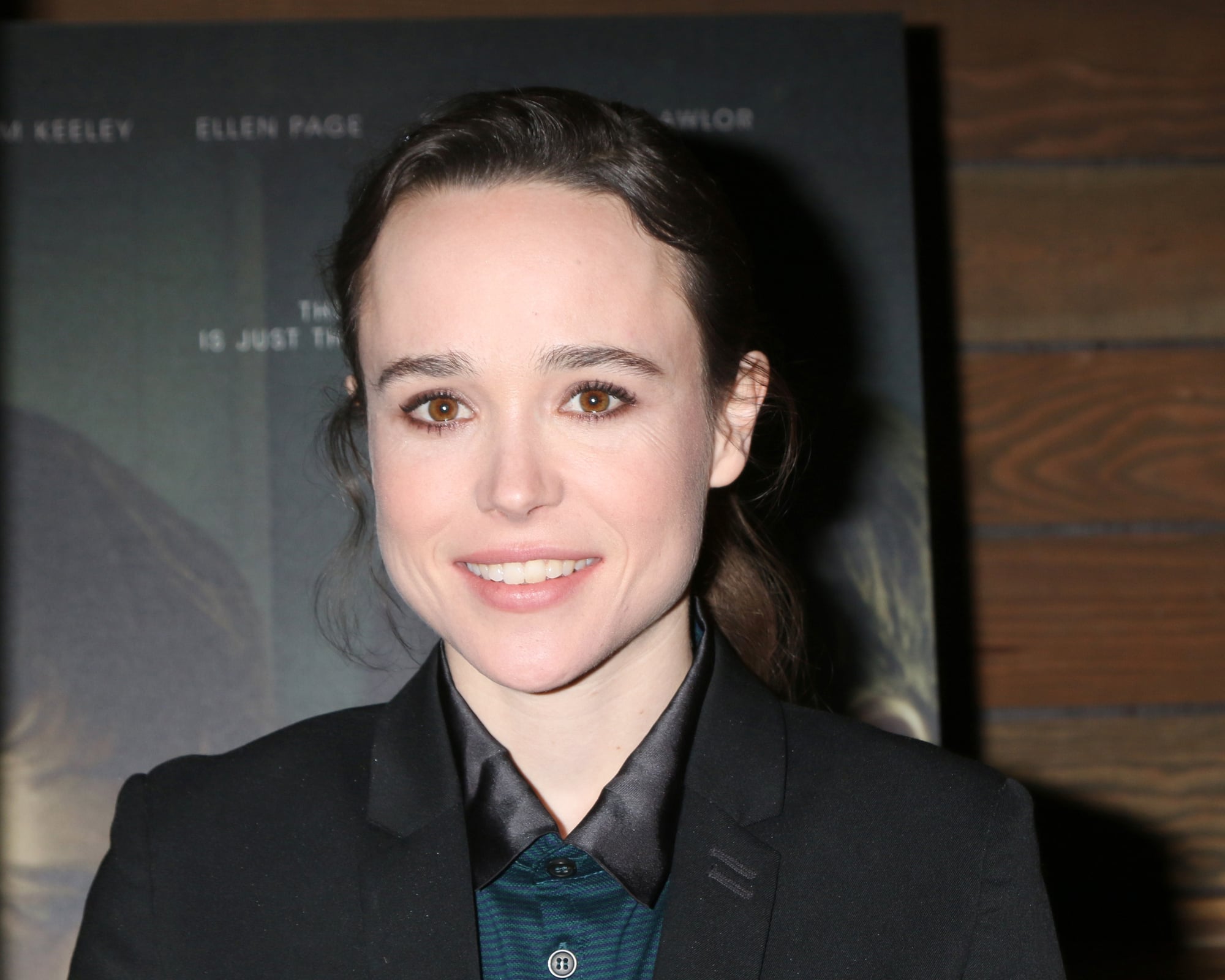
Page starred in Beyond: Two Souls as Jodie Holmes, a character connected to a supernatural entity. The performance spanned the character’s entire life, from childhood to adulthood.
The game used advanced motion capture technology to create a remarkably lifelike digital version of Page.
Every facial expression and gesture was captured and translated into the game.
Samuel L. Jackson
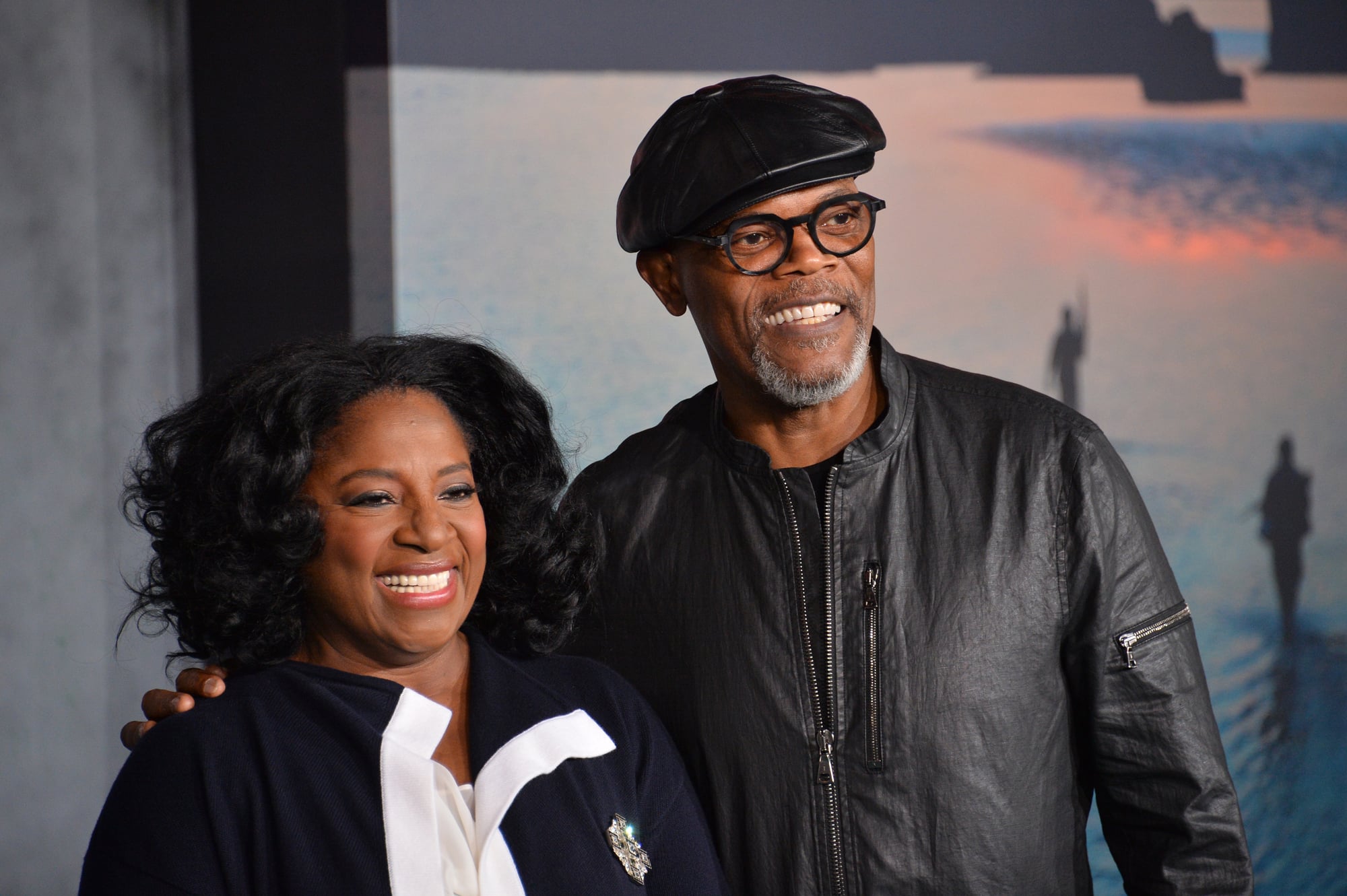
Grand Theft Auto: San Andreas featured Jackson as the voice of Officer Frank Tenpenny. The corrupt police officer served as one of the game’s primary antagonists.
Jackson brought his trademark intensity to the role, creating one of the most memorable villains in gaming.
His performance added gravitas to what could have been a standard corrupt cop character.
The voice work elevated the entire narrative.
Patrick Stewart
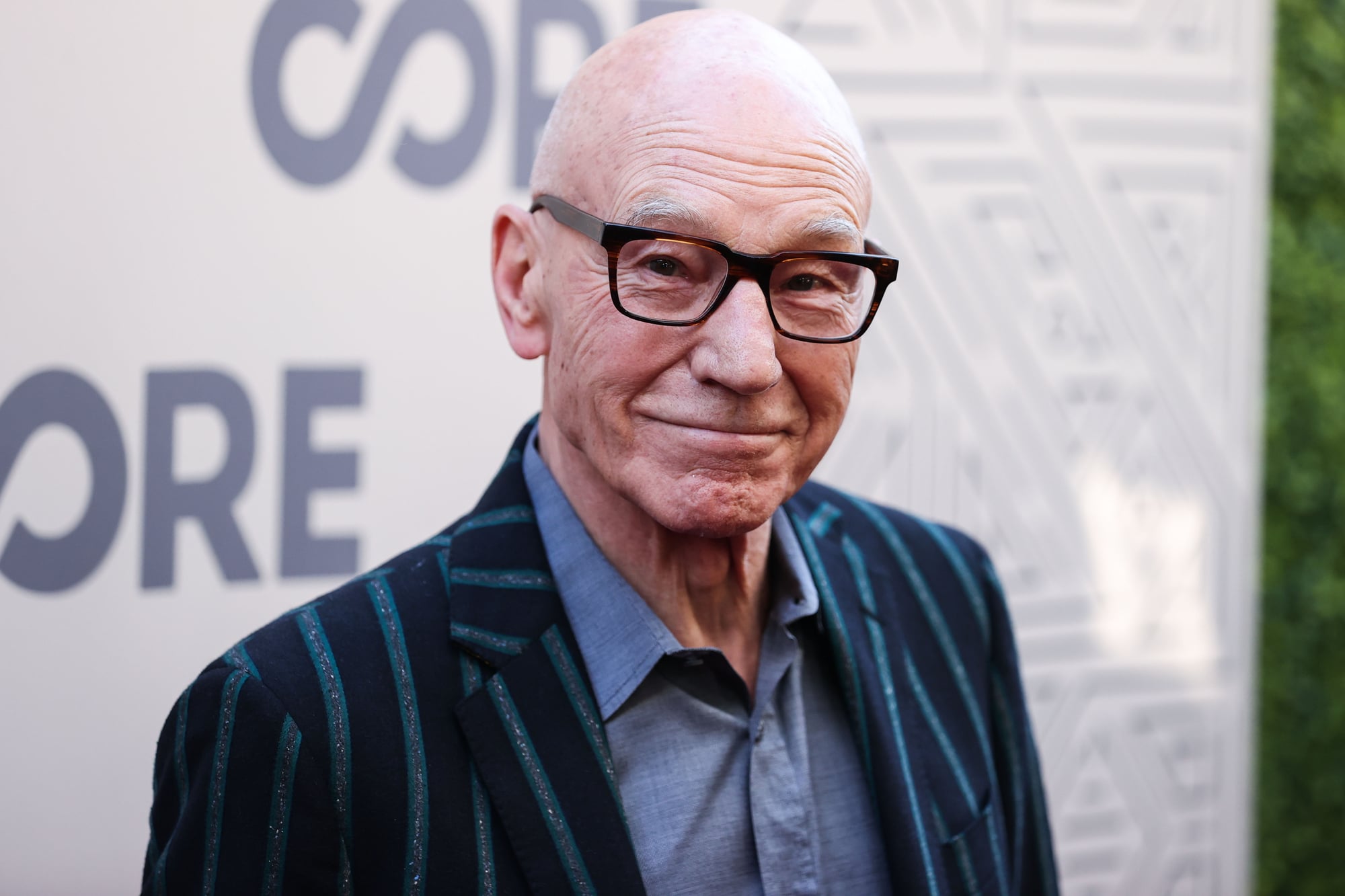
There’s something quietly radical about watching Captain Picard navigate the moral complexities of a fantasy RPG, though that’s not quite how to think about Patrick Stewart’s role as Emperor Uriel Septim VII in The Elder Scrolls IV: Oblivion.
It’s more like watching someone who’s spent decades embodying thoughtful leadership translate that presence into a medium where the player, not the actor, ultimately drives the story forward.
Stewart appears primarily in the game’s opening sequence, but his voice carries such natural authority that it establishes the entire world’s political landscape in a matter of minutes.
The performance doesn’t announce itself the way some celebrity game appearances do — it simply exists, solid and convincing, the way good foundation work should.
Sean Bean
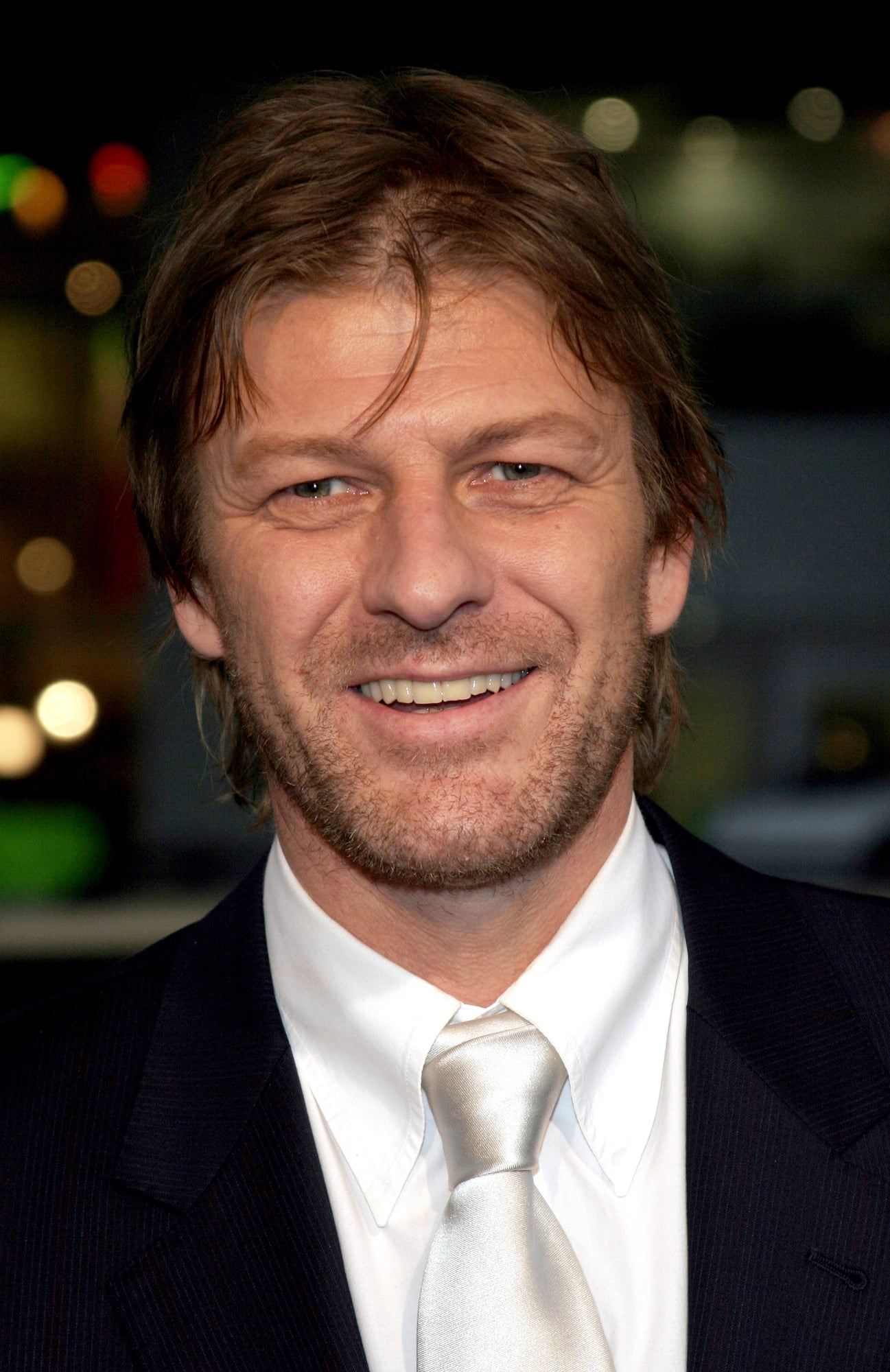
Bean voiced Martin Septim in The Elder Scrolls IV: Oblivion, playing the illegitimate heir to the throne.
The character follows Bean’s unfortunate pattern of meeting tragic ends, though in this case, the sacrifice serves a greater purpose.
His distinctive voice brought depth to what could have been a straightforward heroic character.
Bean’s natural gravitas made the character’s ultimate sacrifice feel genuinely meaningful.
Liam Neeson

Fallout 3 cast Neeson as James, the protagonist’s father and a key figure in the game’s main storyline.
The relationship between father and child drives much of the emotional weight of the game.
Neeson’s performance grounded the game’s post-apocalyptic setting with genuine emotional stakes.
His voice work created a believable paternal relationship that motivated the player’s journey throughout the wasteland.
Gary Oldman
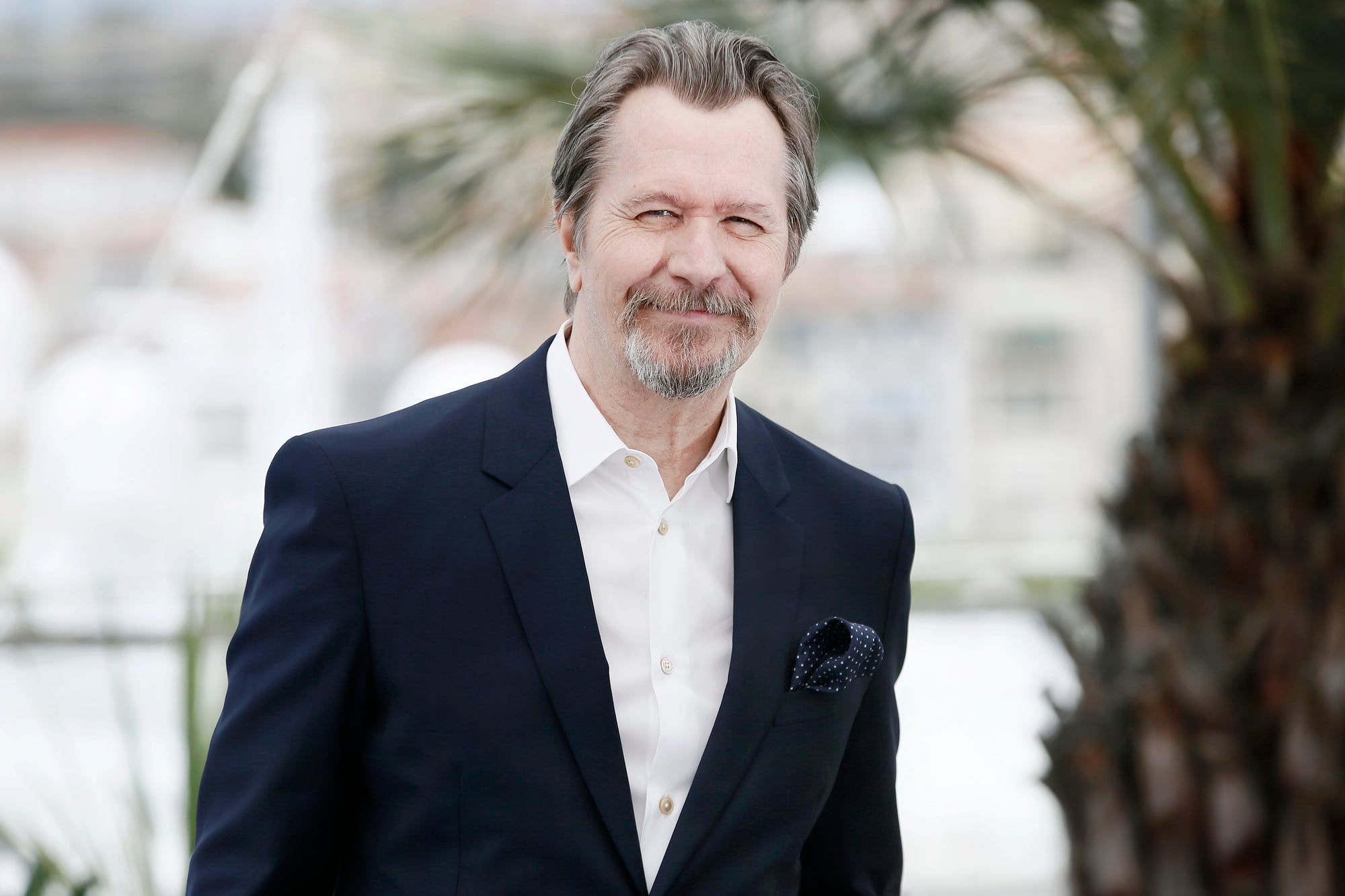
Call of Duty games have featured Oldman multiple times, most notably as Viktor Reznov in World at War and Black Ops.
The Russian sergeant became a fan favorite character across multiple games.
Oldman’s ability to disappear into roles translated perfectly to voice acting.
His accent work and emotional range brought complexity to what could have been a simple war hero archetype.
Reznov became one of the most beloved characters in the franchise.
Kiefer Sutherland
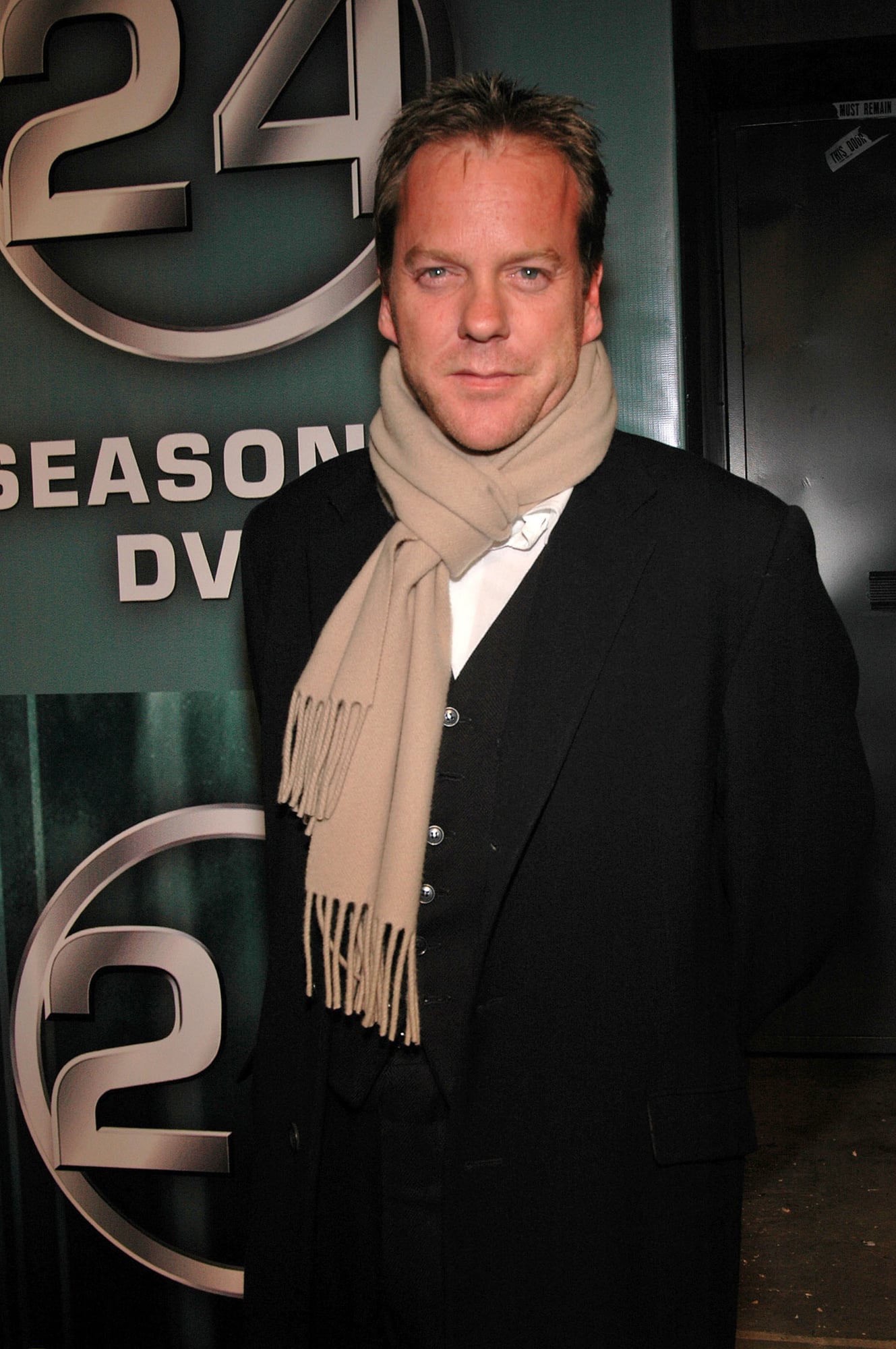
Metal Gear Solid V marked a significant casting change when Sutherland replaced longtime series voice actor David Hayter as Snake.
The decision was controversial among fans but Sutherland brought a different energy to the character.
His more restrained, gravelly delivery matched the game’s darker tone.
The performance worked within the context of the story, even if some fans missed Hayter’s more theatrical approach.
Kristen Bell

Assassin’s Creed featured Bell as Lucy Stillman, a character who appears throughout the modern-day portions of the early games.
She served as both ally and eventual antagonist to the protagonist Desmond Miles.
Bell’s performance balanced warmth and deception as the character’s true motivations were gradually revealed.
Her natural charm made the character’s betrayal more impactful.
Peter Dinklage
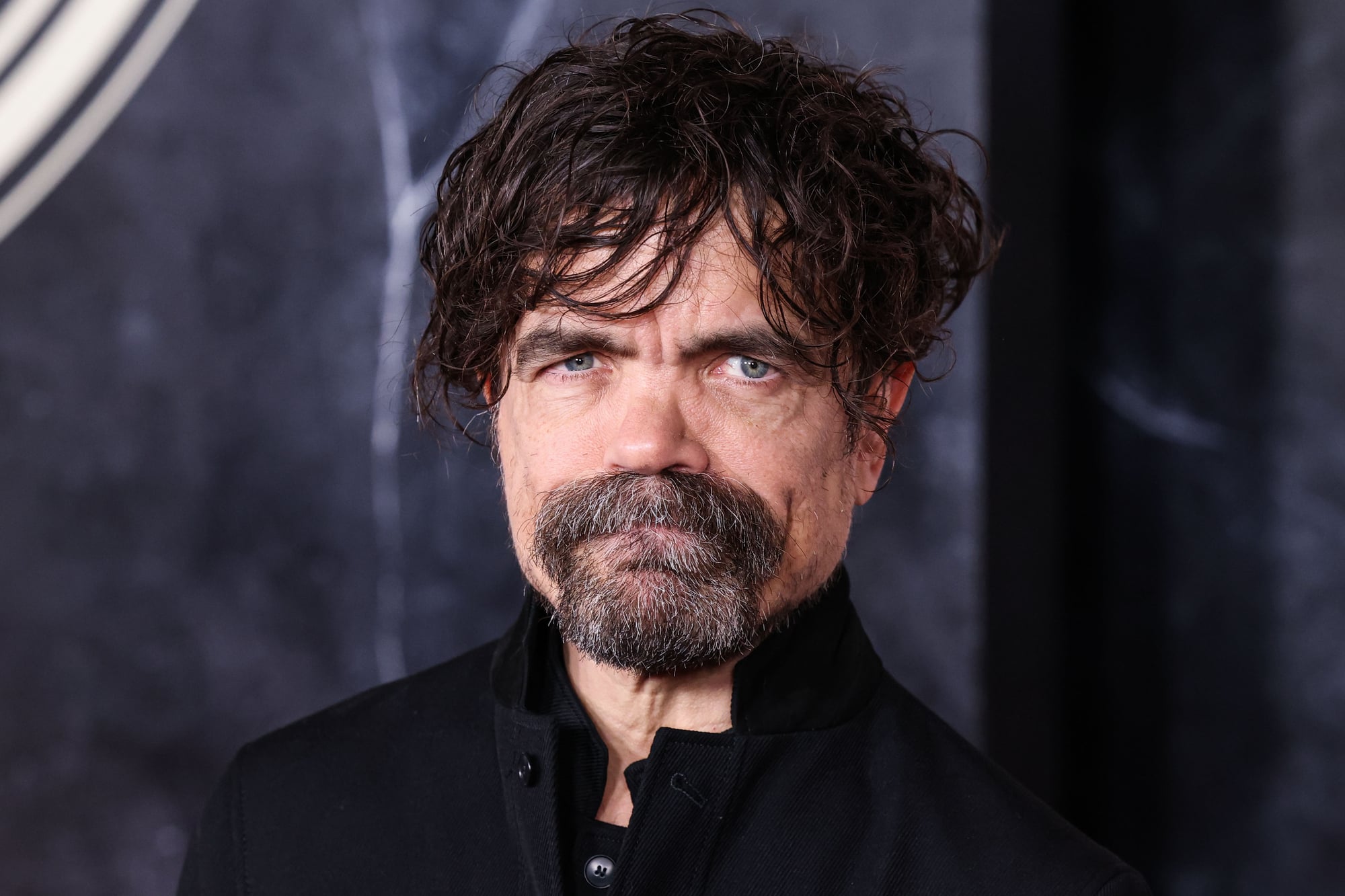
Destiny originally featured Dinklage as the voice of Ghost, the player’s AI companion (though here’s where things get complicated, because while Dinklage brought his considerable acting talent to the role, something about the direction or the script or maybe just the inherent challenge of making exposition feel conversational resulted in performances that felt oddly flat — which says nothing about Dinklage’s abilities and everything about how difficult it can be to make video game dialogue, especially the kind that exists primarily to explain gameplay mechanics, sound natural when it’s coming from one of television’s most compelling actors).
The character was meant to provide guidance and commentary throughout the game, but fan reaction was mixed, leading to the character being re-recorded with a different actor in later updates.
So you have this interesting case study in how celebrity casting doesn’t automatically solve the fundamental challenges of video game writing, and how even great actors can struggle when the material doesn’t give them emotional terrain to work with.
But the original performance is still worth examining because it shows how the transition from traditional acting to video game voice work requires a completely different set of skills.
The Ghost character required delivering large amounts of exposition and technical information.
Voice acting for video games presents unique challenges that don’t exist in traditional acting roles.
Michael Madsen
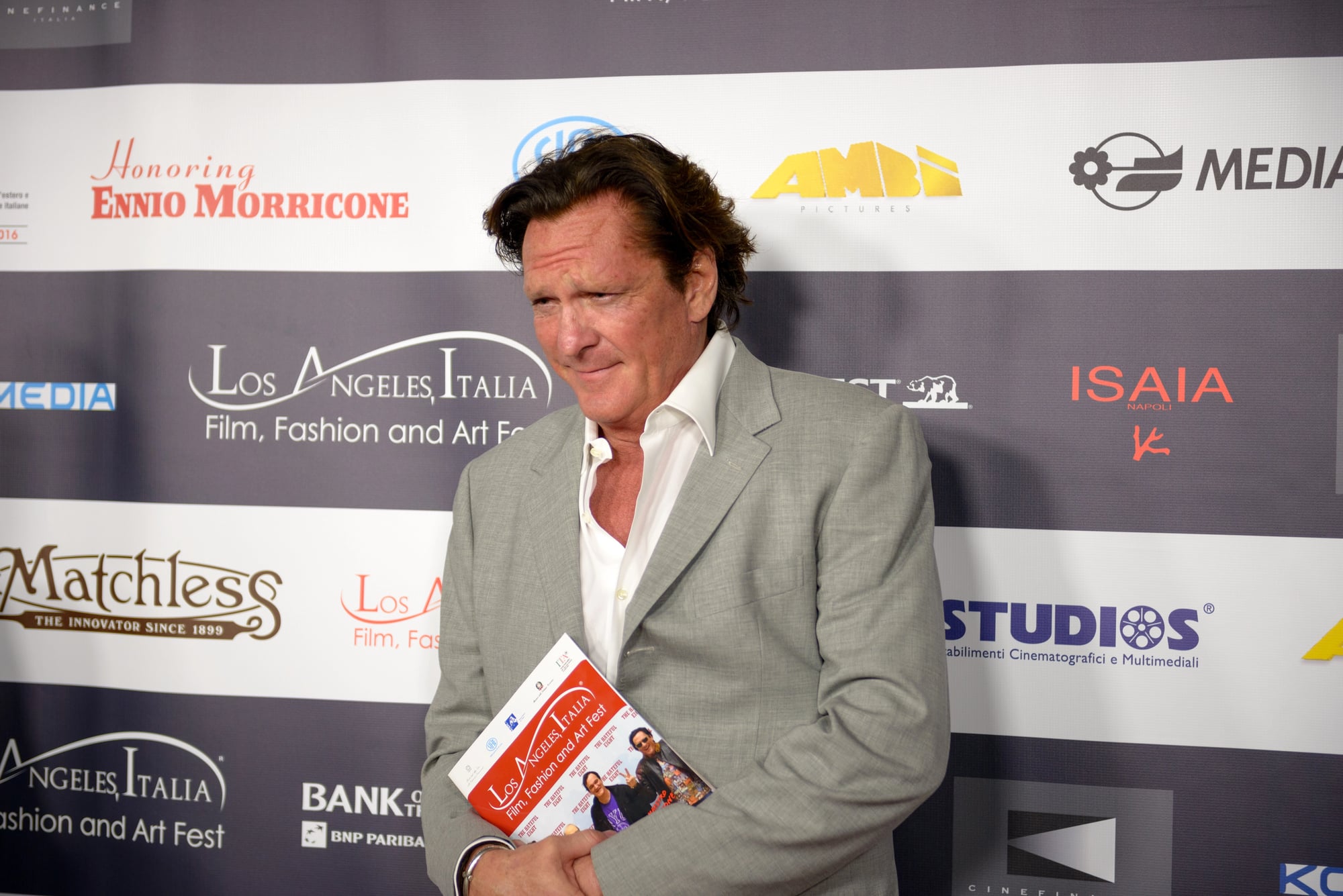
Grand Theft Auto: Vice City featured Michael Madsen as the voice of Sonny Forelli, a supporting character who serves as a connection to the protagonist’s criminal past.
Madsen’s distinctive voice and delivery fit the game’s 1980s crime aesthetic.
He brought the same menacing presence he’s known for in films to his video game role.
Ray Romano
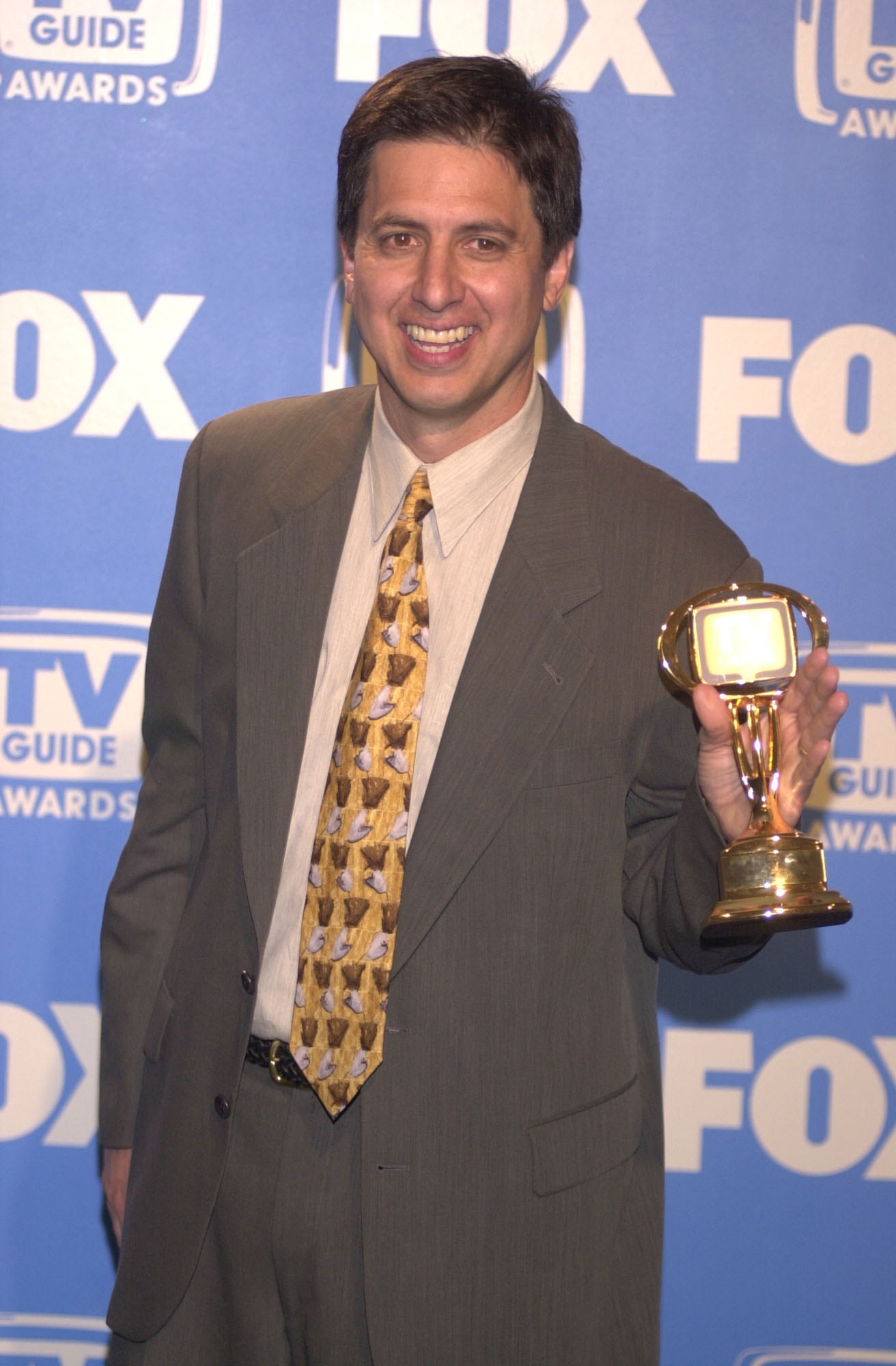
The actor provided voice work for Ice Age-themed video games, reprising his role as Manny the mammoth.
These family-friendly games allowed Romano to reach younger audiences through gaming.
His distinctive voice made the transition from animated films to interactive entertainment seamlessly.
The games maintained the humor and character dynamics from the movie series.
Elijah Wood
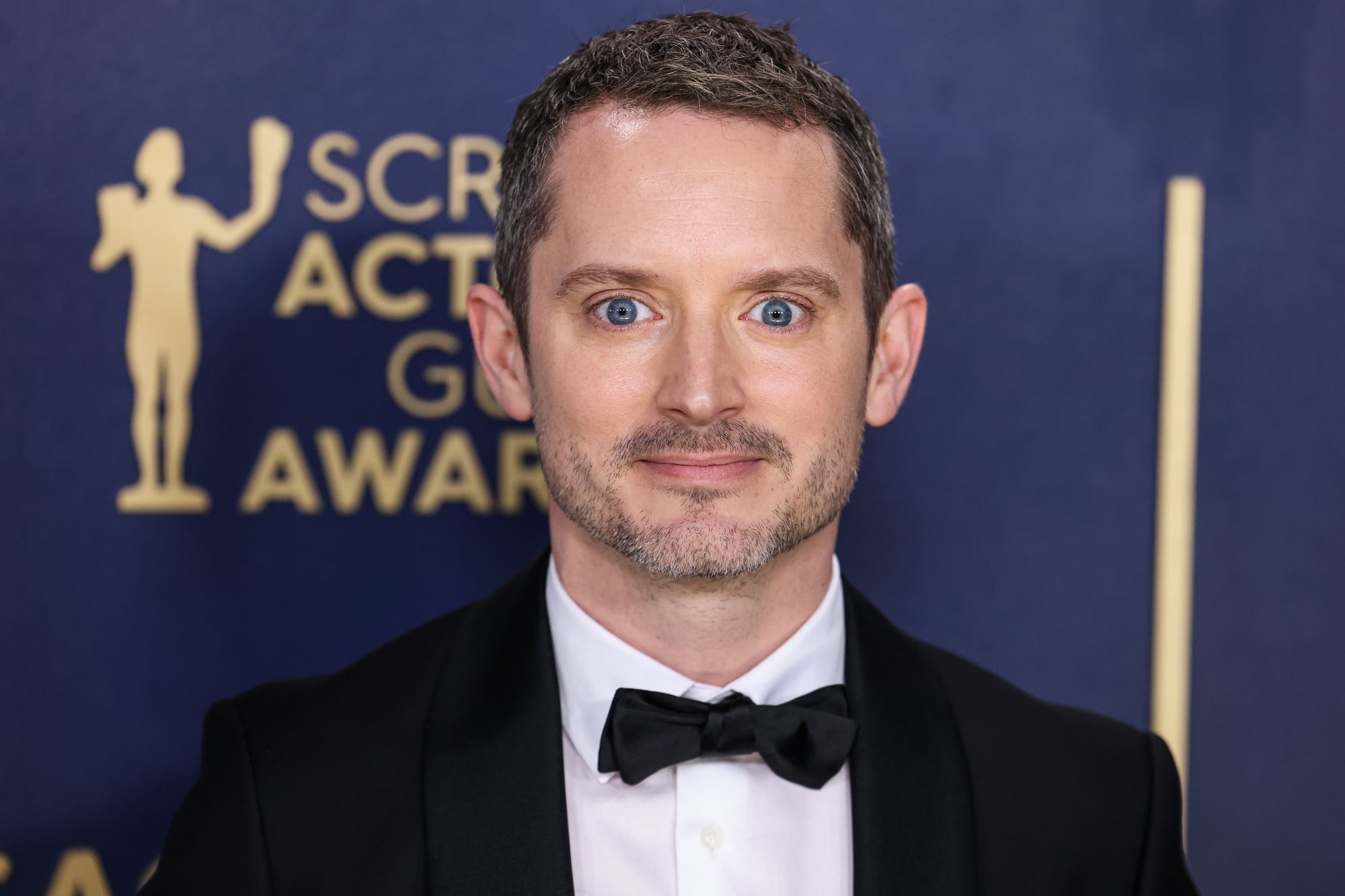
Wood has lent his voice to several video game projects, including Spyro: A Hero’s Tail and various Lord of the Rings games where he reprised his role as Frodo Baggins.
His experience with fantasy storytelling translated well to gaming.
Wood’s voice work maintained the character consistency that fans expected from the film adaptations.
Michelle Rodriguez
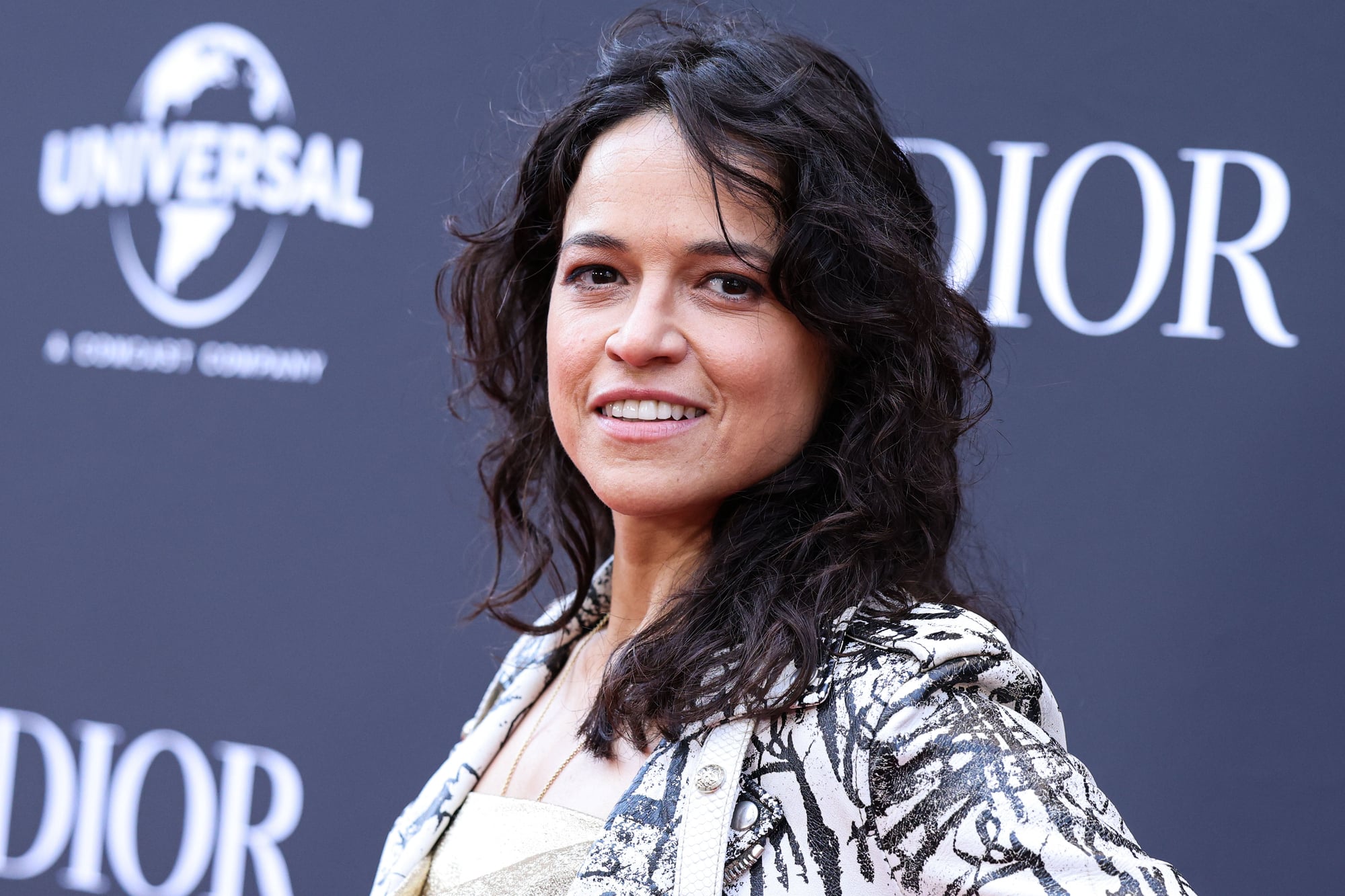
Rodriguez appeared in several video game projects, including Call of Duty games and Driver 3.
Her tough, no-nonsense persona translated well to action-oriented gaming roles.
She brought the same intensity from her film work to voice acting.
Her natural delivery style suited the military and crime themes of the games she appeared in.
Rodriguez proved equally effective in both live-action and voice-only performances.
Christopher Walken
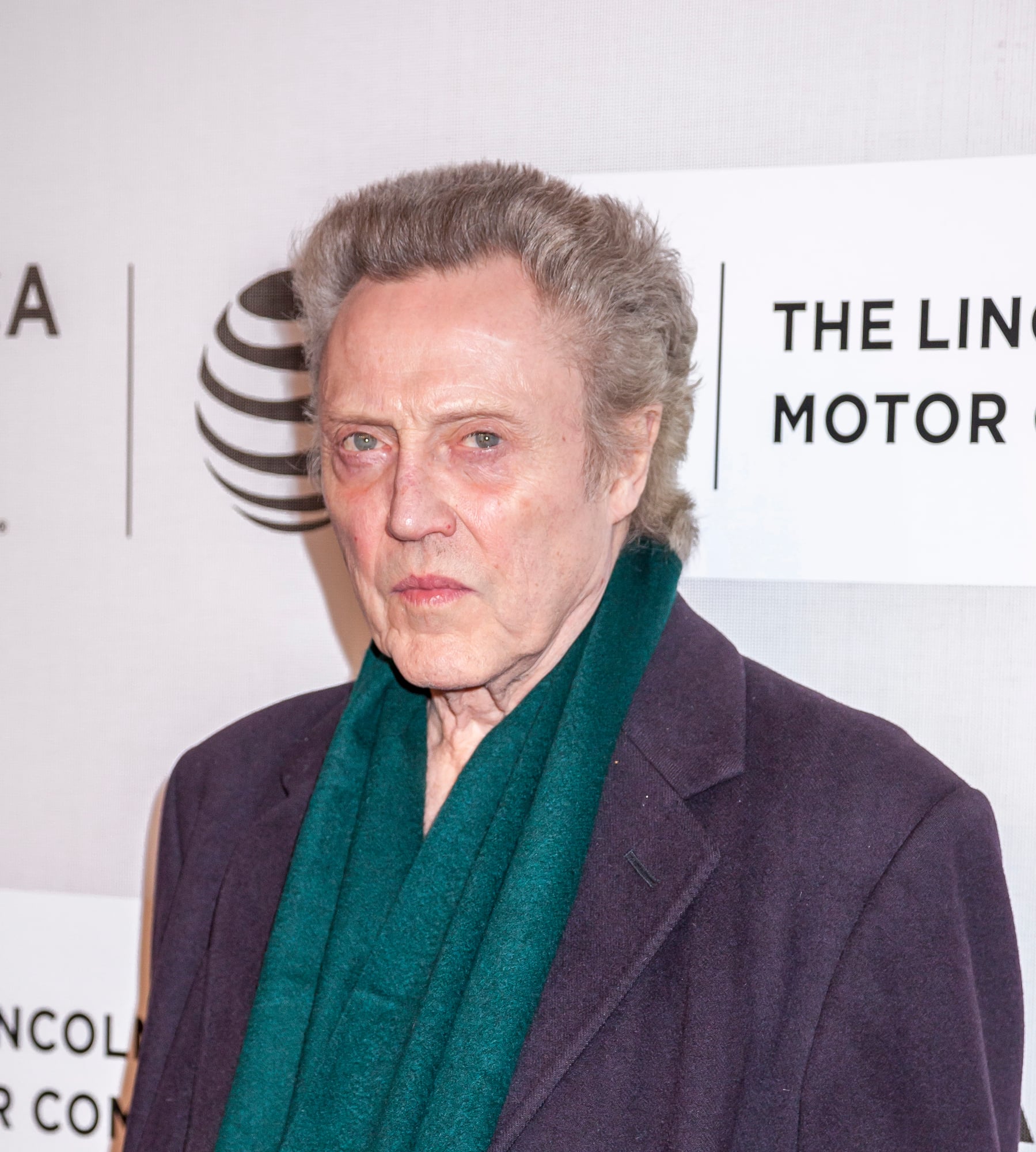
Walken provided voice work for Batman: Arkham City, though his most notable gaming-related appearance was in a series of promotional videos for various gaming projects rather than in-game performances.
His distinctive speaking style and unpredictable delivery made him a memorable presence even in limited gaming appearances.
Walken’s unique vocal patterns are instantly recognizable regardless of the medium.
When Hollywood Meets Silicon Valley

The relationship between celebrities and video games has matured far beyond simple novelty casting.
These collaborations now represent genuine artistic partnerships where actors can explore different aspects of their craft while game developers gain access to proven talent and built-in audiences.
The best celebrity gaming appearances feel organic rather than forced, where the performer’s natural abilities align with the character’s needs.
Gaming has become another legitimate venue for storytelling, one that offers unique possibilities that traditional media cannot match.
Interactive narratives allow for different types of emotional engagement, and savvy celebrities have recognized the creative potential that exists within this medium.
More from Go2Tutors!

- The Romanov Crown Jewels and Their Tragic Fate
- 13 Historical Mysteries That Science Still Can’t Solve
- Famous Hoaxes That Fooled the World for Years
- 15 Child Stars with Tragic Adult Lives
- 16 Famous Jewelry Pieces in History
Like Go2Tutors’s content? Follow us on MSN.



