16 Coffee Traditions That Seem Totally Bizarre
Coffee tastes different everywhere you go. Not just the flavor — the whole experience changes based on where you are.
Some places have rituals that go back centuries. Others mix things you’d never imagine putting in your cup. What passes for normal in one country can shock visitors from another.
Take the basics: cream, sugar, maybe a flavor shot. Now imagine adding raw eggs or animal fat.
Here is a list of 16 coffee traditions that seem totally bizarre to most people, but locals swear by them.
Kopi Luwak

Picture this: a small, cat-like animal eats coffee berries. Hours later, farmers collect what comes out.
That’s kopi luwak from Indonesia. The civets pick only the ripest fruit, and something in their digestive process makes the coffee less bitter.
You’ll pay $50 or more for a cup. Expensive?
Sure. But people who’ve tried it say there’s nothing else like it.
Café de Olla
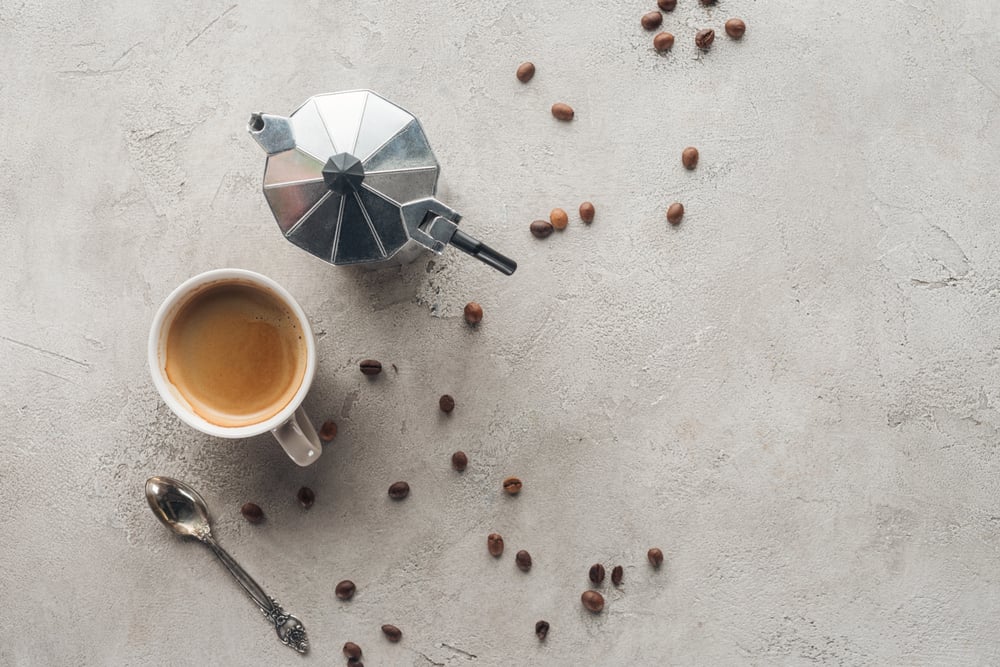
Mexican grandmothers know something about clay pots that modern coffee makers missed. They’ve been brewing coffee this way forever, adding cinnamon sticks and raw brown sugar called piloncillo.
The clay does something to the taste — gives it an earthy quality you can’t get from metal or glass. Regular coffee tastes flat afterward.
Ethiopian Coffee Ceremony
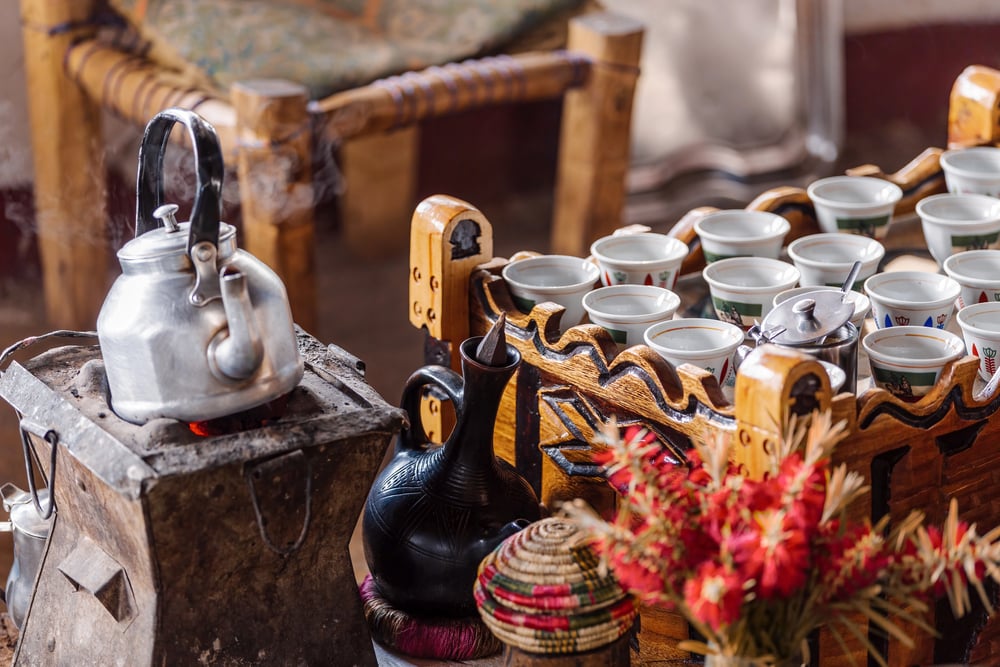
Ethiopia takes coffee seriously. Really seriously. They’ll spend three hours on one coffee session.
First, they wash green beans by hand. Then roast them over an open fire while burning frankincense.
The grinding happens with a mortar and pestle. Three rounds of coffee follow: abol, tona, and baraka.
Each gets weaker, but nobody’s in a hurry. It’s about the time together, not the caffeine.
Turkish Coffee Fortune Telling
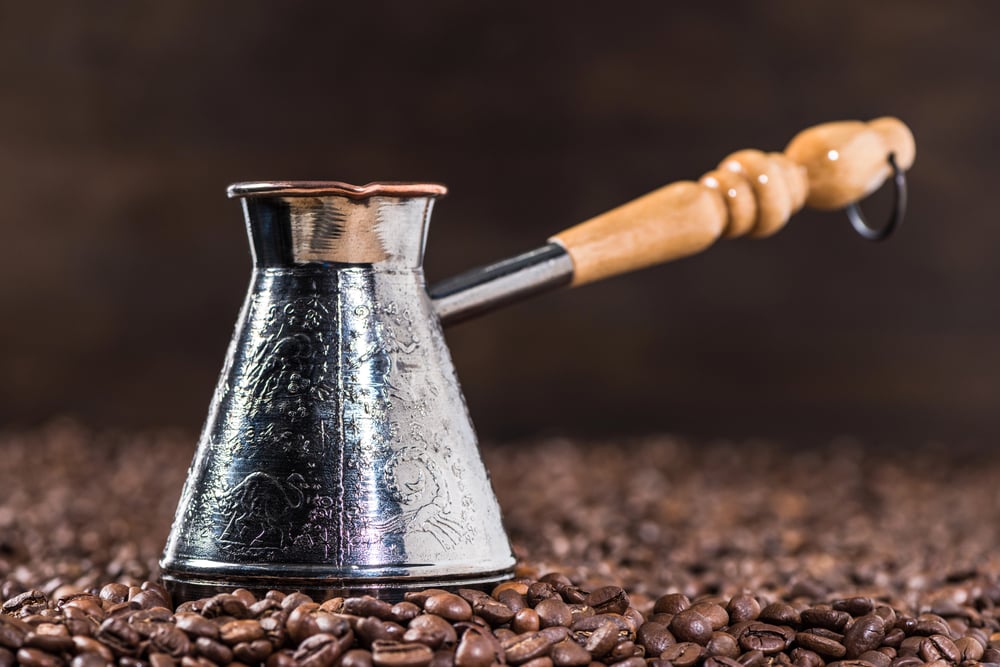
Finish your Turkish coffee, flip the cup upside down, and wait. The grounds that stick to the sides form patterns.
Fortune tellers read these like tea leaves, predicting everything from romance to career changes. Your morning coffee doubles as a psychic reading.
Skeptical? Maybe. But it’s been happening for generations.
Bulletproof Coffee
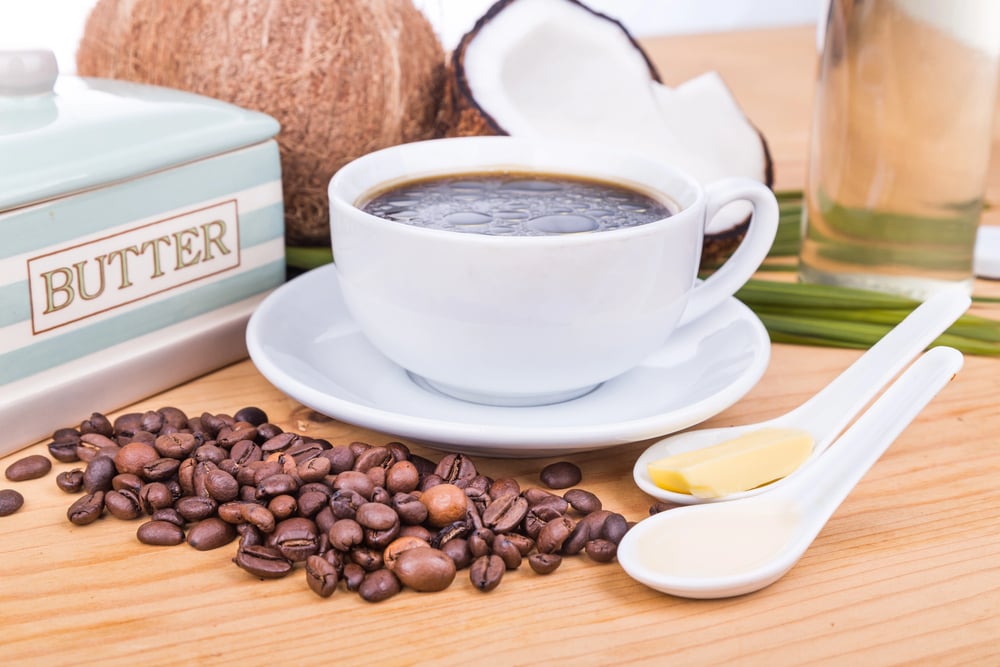
Silicon Valley types started this trend. Take your regular coffee, add a chunk of grass-fed butter, then blend in MCT oil.
The result looks like a latte but tastes completely different. Fans claim it keeps their energy steady all morning and helps them think clearer.
Critics say it’s just expensive calories in a cup.
Café Bombón

Spanish coffee shops serve this in clear glasses for good reason. Dark espresso sits on the bottom. Sweetened condensed milk floats on top.
Two distinct layers that look almost too pretty to stir. When you finally mix them, the sweetness hits hard.
Regular coffee with cream seems watery by comparison.
Café Cubano
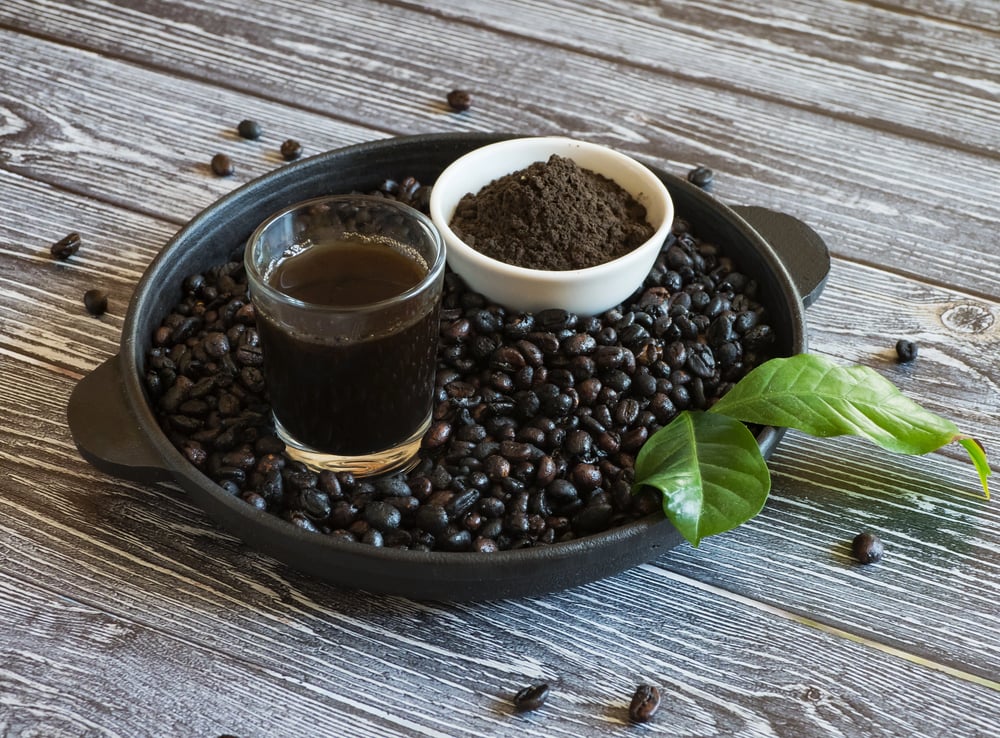
Cuban coffee isn’t just strong — it’s intense. They mix demerara sugar right into the brewing process, creating a thick foam called espuma on top.
These aren’t large cups you sip slowly. Think tiny shots of concentrated sweetness and caffeine.
Cubans drink several throughout the day like other people drink water.
Butter Tea

Tibet’s high altitude changes everything, including what people drink. Yak butter, salt, and tea blend into something that tastes more like soup than a beverage.
The fat content helps bodies cope with the cold and thin air. First-time visitors usually struggle with the greasy, salty taste.
Locals can’t imagine starting their day without it.
Café Zukker

Germans perfected the art of slow coffee drinking with this method. Sugar cubes balance on special spoons above the cup.
Hot coffee drips through the sugar, dissolving it gradually. Each sip tastes different — sweeter at first, then progressively less so. It turns coffee into a meditation exercise.
Vietnamese Egg Coffee

Hanoi’s cafés whip raw egg yolks with condensed milk until they’re foamy and light. This creamy mixture sits on top of strong Vietnamese coffee like a dessert.
The combination sounds awful but tastes surprisingly good. Rich, sweet, and caffeinated all at once. Just don’t think too hard about the raw eggs.
Scandinavian Egg Coffee
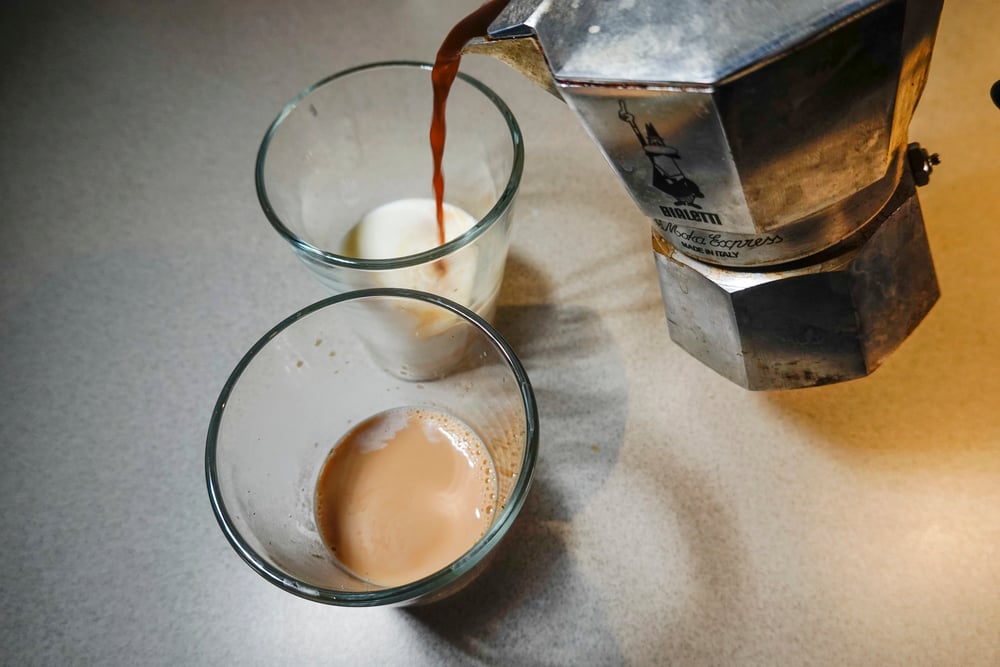
Norway and Sweden take the egg thing even further. Whole raw eggs, shells and all, go directly into the coffee grounds before brewing.
The egg whites grab onto bitter compounds, making the coffee smoother. Calcium from the shells cuts the acidity.
You’ll need to strain out shell fragments, but the result is remarkably clean-tasting coffee.
Café Romano

Italian espresso gets a twist of lemon peel that releases oils when squeezed over the surface. The citrus cuts through any bitterness and adds a bright note to the dark coffee.
Most people expect it to taste terrible. Instead, it’s refreshing in a way that’s hard to explain. Simple addition, big difference.
Black Ivory Coffee

If civet coffee seems extreme, consider elephant-processed coffee from Thailand. Elephants eat the coffee cherries, and their longer digestive process creates different flavors than smaller animals produce.
Limited supply and the unusual processing method drive prices above $70 per cup. The novelty factor probably adds to the cost too.
Café con Leche Preparation
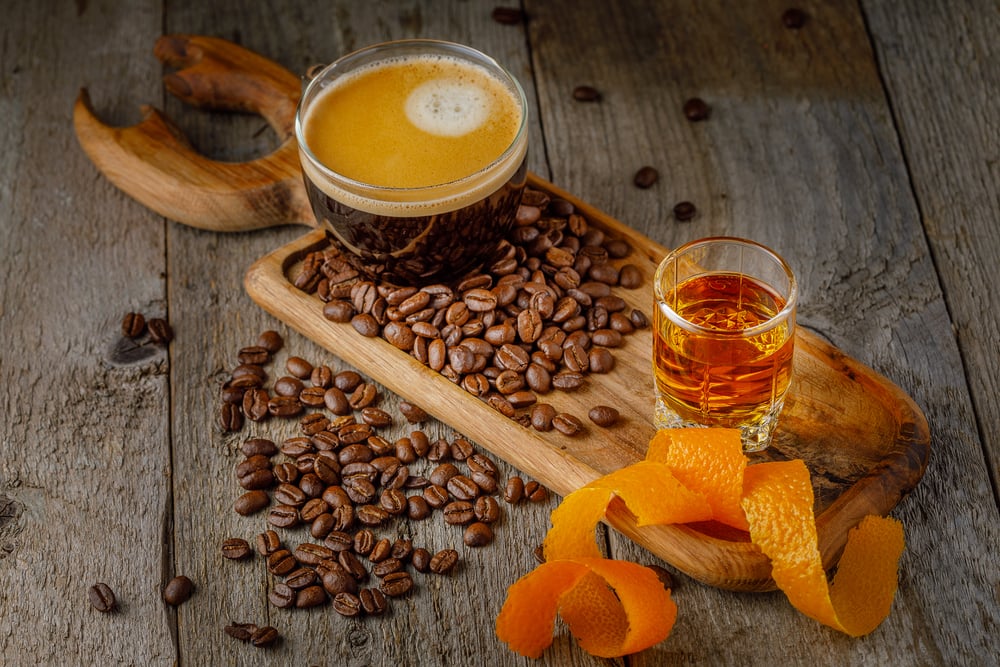
Spanish homes heat milk and coffee separately, then combine them at exactly the same temperature. This prevents curdling and creates perfect balance. Sounds simple, but the timing takes practice.
Get it right, and the result is noticeably smoother than just adding cold milk to hot coffee. Small detail, big payoff.
Malaysian Kopi Tarik
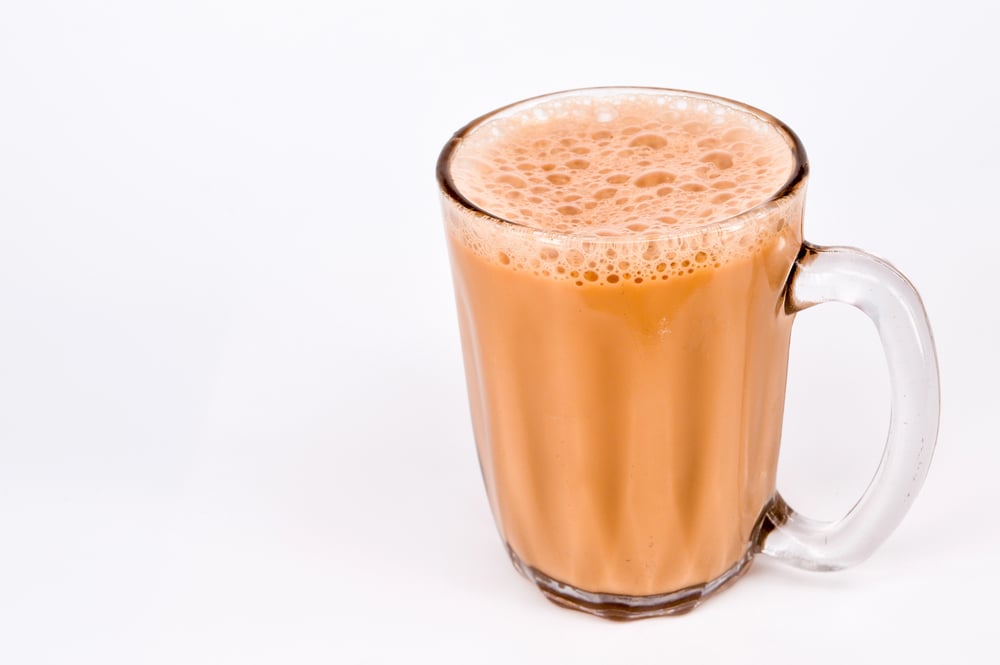
Malaysian coffee vendors put on a show with every order. They pour coffee and milk back and forth between containers, raising the height with each pour.
This ‘pulling’ technique cools the drink, creates foam, and entertains customers. The acrobatic pouring has become performance art. Takes years to master, but the coffee tastes better too.
Café Affogato Ritual
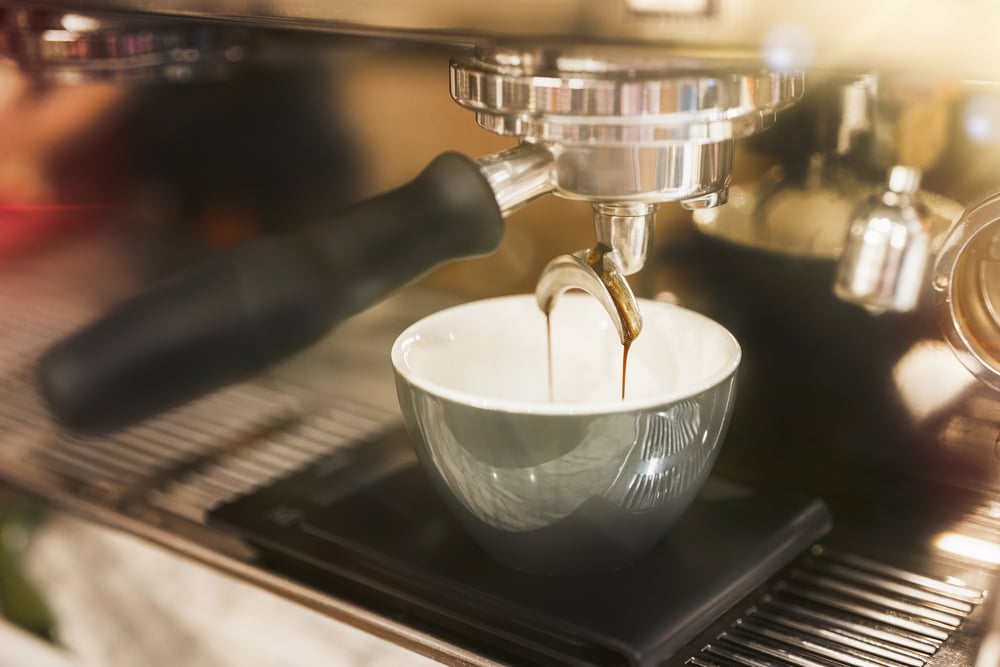
Italian gelato shops pour hot espresso directly over vanilla ice cream. You have to eat it immediately before everything melts into soup.
The temperature contrast creates a unique experience — hot coffee meeting cold cream in your mouth. Timing is everything. Wait too long and you’ve got sweet coffee soup instead of dessert.
Why Coffee Gets So Complicated
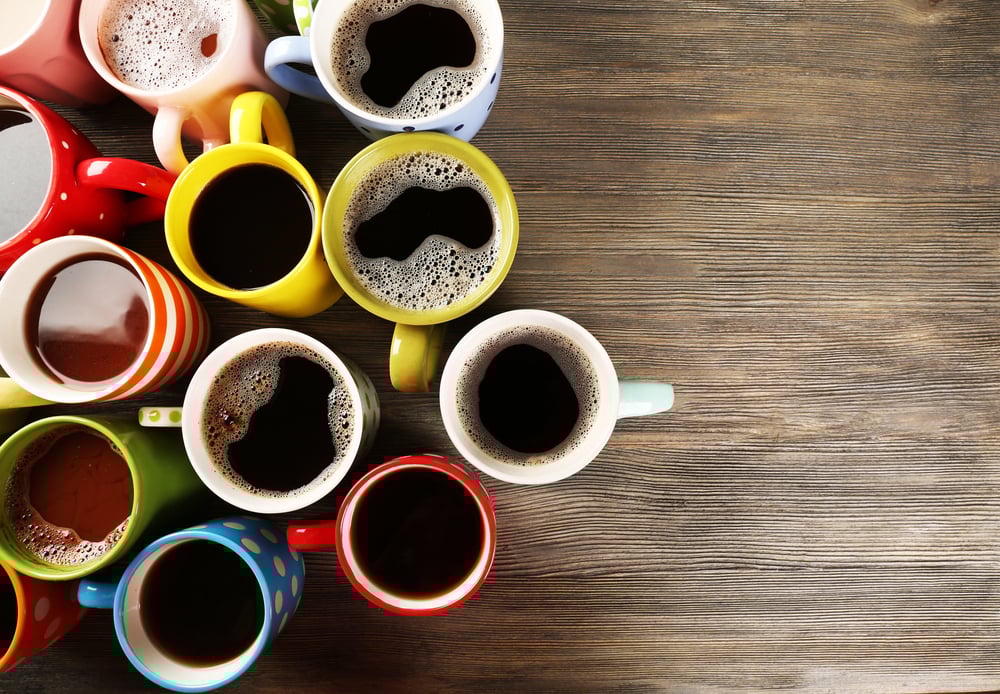
People go to incredible lengths for the perfect cup of coffee. Animal processing, raw ingredients, complicated brewing methods — it all seems excessive until you taste the results.
These traditions developed over generations, shaped by local ingredients and climate conditions. What seems bizarre to outsiders makes perfect sense to the people who grew up with these methods.
Your simple morning cup might seem just as strange to someone from another culture. Coffee connects us all, even when we prepare it in completely different ways.
More from Go2Tutors!

- The Romanov Crown Jewels and Their Tragic Fate
- 13 Historical Mysteries That Science Still Can’t Solve
- Famous Hoaxes That Fooled the World for Years
- 15 Child Stars with Tragic Adult Lives
- 16 Famous Jewelry Pieces in History
Like Go2Tutors’s content? Follow us on MSN.