Forgotten Olympic Events That No Longer Exist
The Olympics have always been about pushing human limits and celebrating athletic achievement. But not every event that made it to the Games had lasting power.
Some competitions were too strange, too dangerous, or just didn’t capture enough interest to survive. Over the years, organizers experimented with events that ranged from genuinely impressive feats of strength to activities that seemed better suited for a county fair.
Here is a list of Olympic events that have been discontinued and are now largely forgotten.
Live Pigeon Shooting
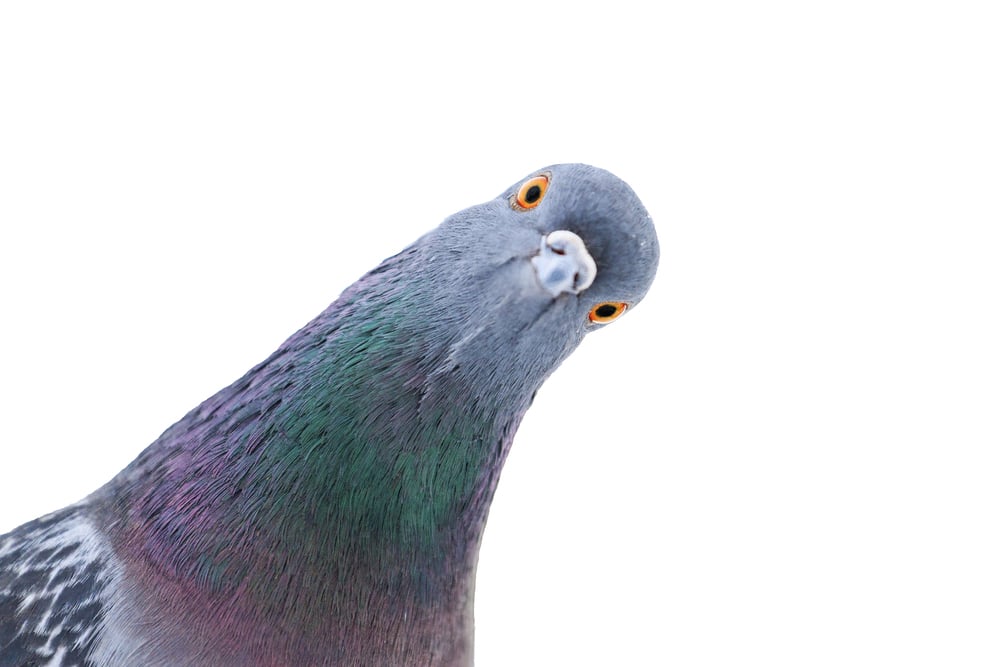
The 1900 Paris Olympics featured live pigeon shooting, where competitors fired at birds released into the air. Around 300 pigeons were killed during the competition, with blood and feathers covering the field by the end.
Belgian shooter Leon de Lunden won by killing 21 birds. The event caused immediate backlash and remains the only Olympic competition where animals were deliberately killed for sport. It was replaced with clay pigeon shooting, which continues today.
Plunge for Distance
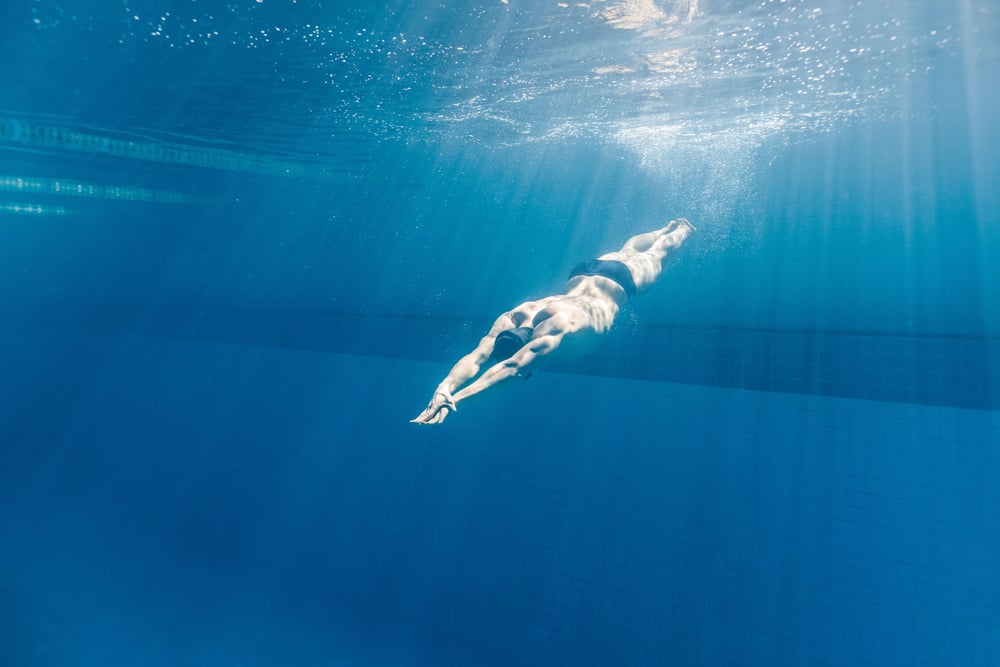
Athletes dove into water and floated face down for up to 60 seconds without moving their arms or legs, competing to see who could glide the farthest. American William Dickey won the gold medal at the 1904 St. Louis Games with a distance of 62 feet 6 inches.
The event was criticized by the swimming community and never appeared at another Olympics. Watching someone float motionless underwater for a minute wasn’t exactly thrilling entertainment, and the sport faded from collegiate competitions by 1925.
Underwater Swimming
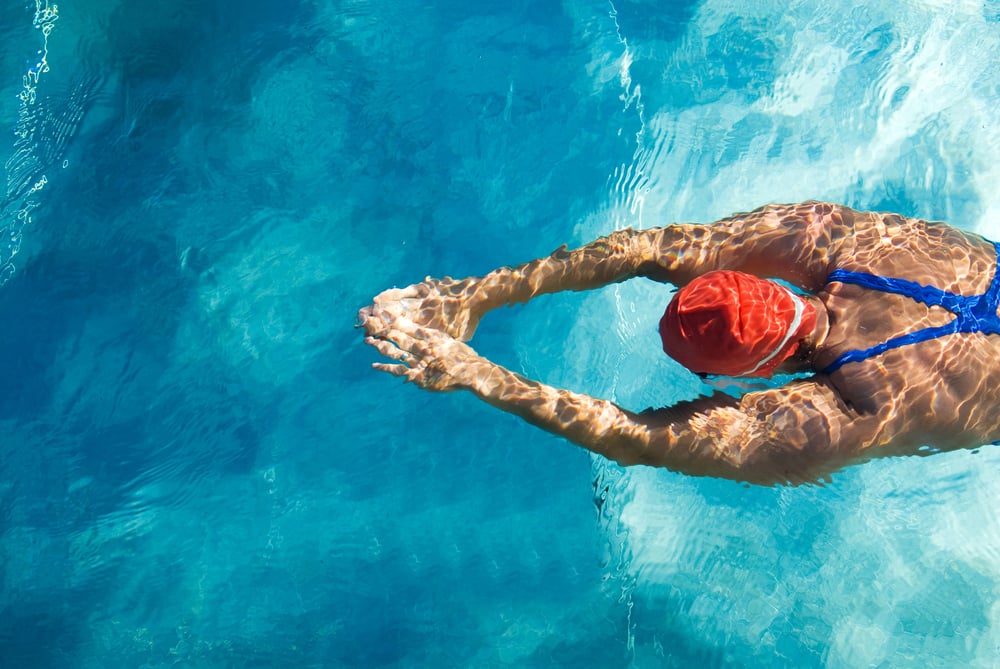
The 1900 Paris Olympics featured underwater swimming, where competitors earned two points for each meter swim and one point for every second they stayed submerged, up to a maximum distance of 60 meters. Charles Devendeville of France won by swimming the entire 60 meters in 68.4 seconds.
The third-place finisher actually swam in a circle and covered much more distance, but only the straight-line measurement counted. The event disappeared after one appearance because spectators couldn’t actually see what was happening beneath the water’s surface.
200-Meter Obstacle Race
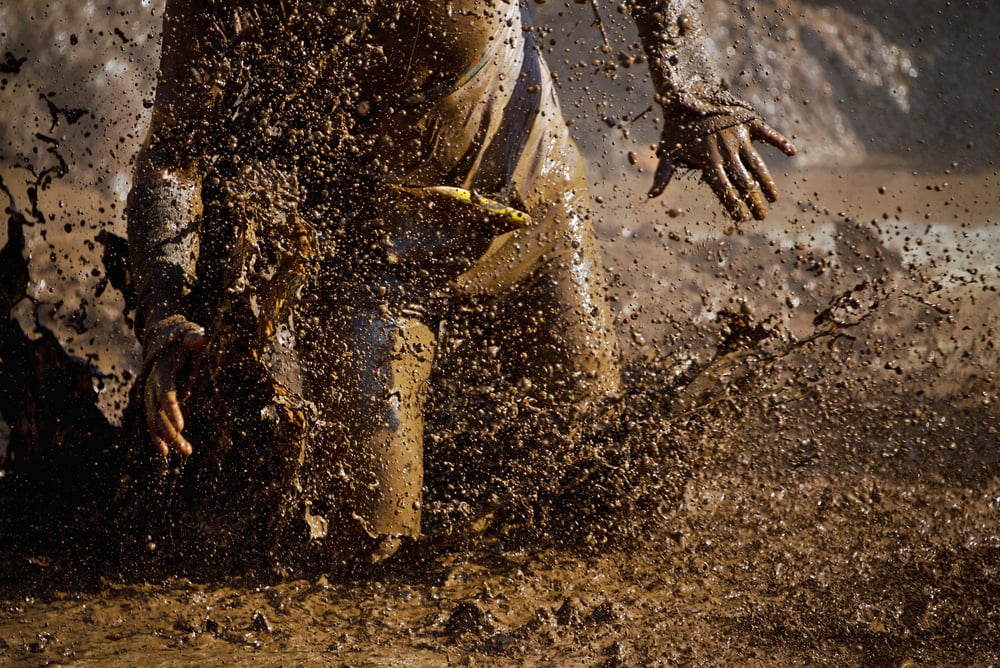
Swimmers had to navigate a 200-meter course in the Seine River while climbing over a pole, scrambling over a row of boats, and swimming under another row of boats. Australian Frederick Lane won the 1900 event, cleverly realizing that approaching the stern made it easier to climb over the boats.
The combination of unpredictable river currents and awkward obstacles made the whole affair chaotic. This swimming experiment never returned, and aquatic competitions stuck to straightforward racing afterward.
Rope Climbing
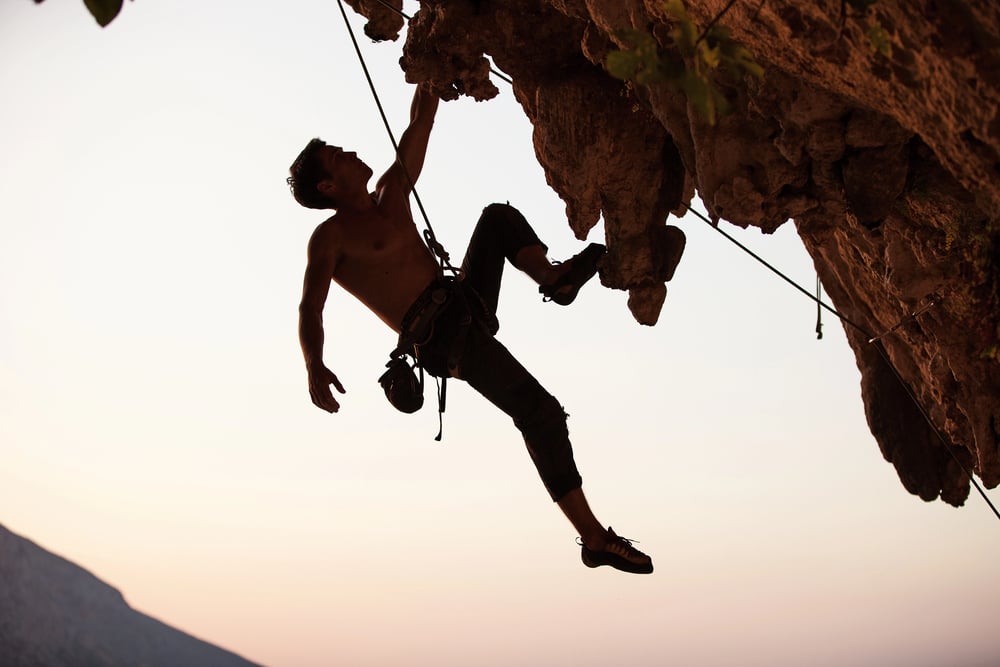
Rope climbing appeared at five Olympic Games between 1896 and 1932, with competitors racing to the top of a suspended vertical rope using only their hands and arms. The 1896 Olympics featured a 14-meter rope, though later Games reduced the height to about 25 feet.
The final Olympic rope climbing event in 1932 saw just five competitors, three Americans and two Hungarians. The event was dropped after 1932 when gymnastics competitions standardized around six specific apparatus events that didn’t include ropes.
Standing High Jump
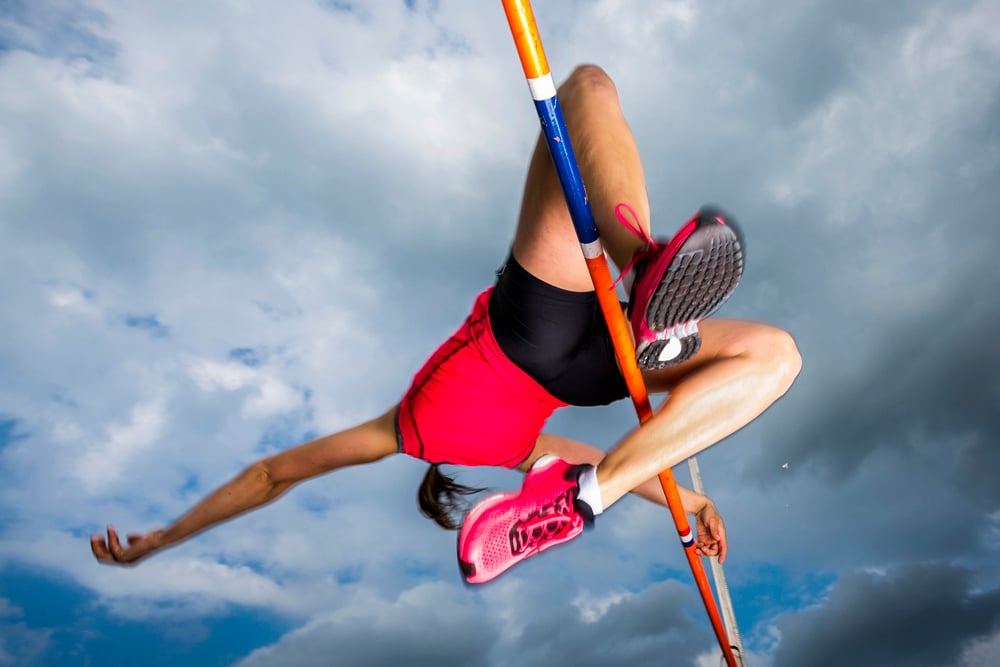
The standing high jump required athletes to jump vertically without any running start, standing still and jumping with both feet together. Ray Ewry dominated the event, setting a world record of 1.65 meters on July 16, 1900.
The event appeared at five Olympic Games from 1900 to 1912. Standing jump events gradually fell out of favor as running approaches proved far more exciting and allowed for greater heights. The regular high jump, with its dramatic runway and acrobatic techniques, simply overshadowed its stationary cousin.
Standing Long Jump
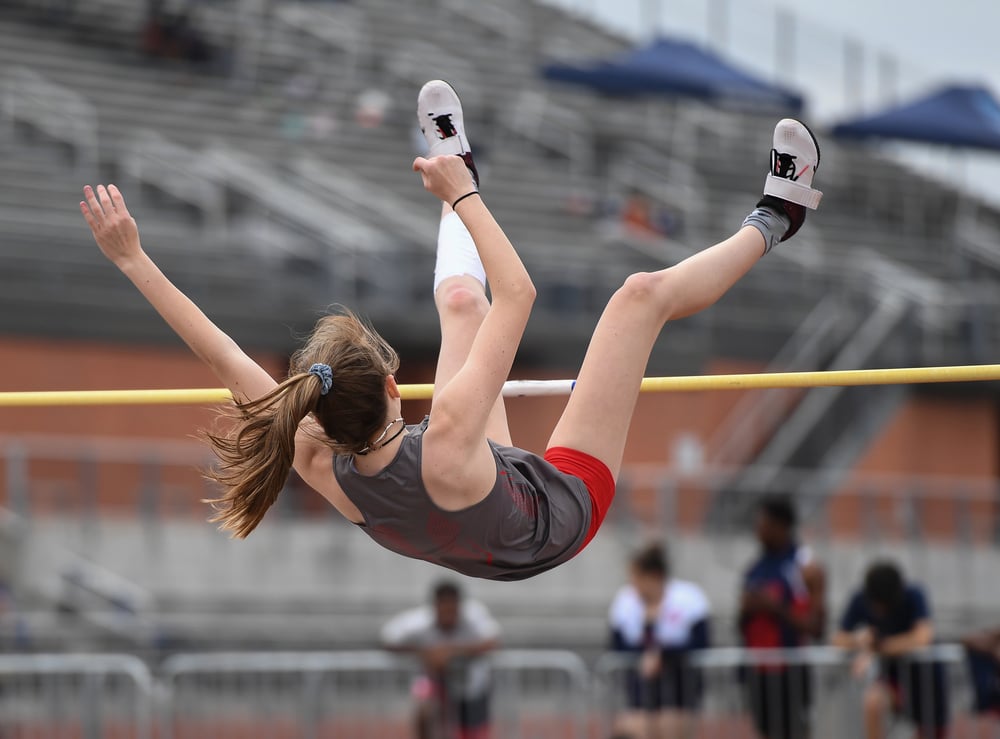
Athletes stood at a marked line with feet slightly apart, then took off and landed on both feet by swinging their arms and bending their knees to generate forward momentum. Ray Ewry won this event in 1900, 1904, 1906, and 1908, setting a world record of 3.47 meters in 1904.
Ewry’s achievements were particularly impressive given that he had spent his childhood in a wheelchair, partially paralyzed with polio. The standing version disappeared after 1912 as the running long jump provided far more spectacular distances and athletic displays.
Standing Triple Jump

The standing triple jump appeared only twice, in 1900 and 1904, requiring three jumping phases without any run-up. Ray Ewry won both times, with his 10.58-meter performance in 1900 remaining the Olympic record when the event was discontinued.
Unlike the other standing jumps, this one vanished especially quickly. The event proved less popular than its counterparts and never gained traction beyond American competitions, making it one of the shortest-lived Olympic events.
Tug of War
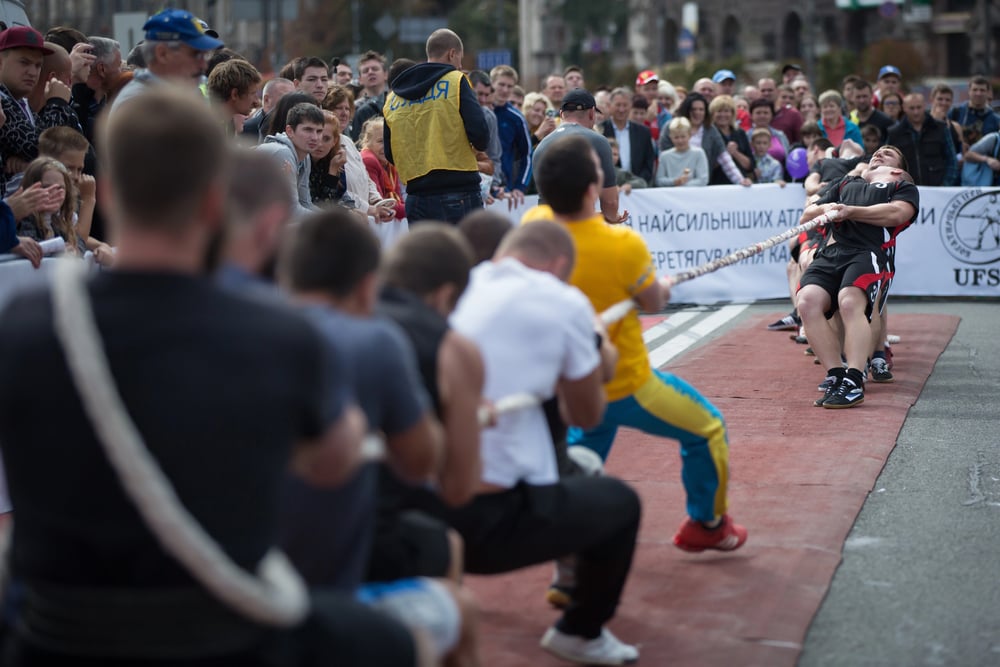
Teams of five athletes competed to pull their opponents forward by six feet within five minutes. The event appeared at five Olympics from 1900 to 1920, with Sweden, Great Britain, and combined country teams claiming the most victories.
At the 1908 London Olympics, American competitors accused Liverpool police officers of wearing excessively heavy boots for an unfair advantage. Tug of war was discontinued after 1920 as organizers streamlined the athletics program, though enthusiasts still campaign for its return today.
Pistol Dueling
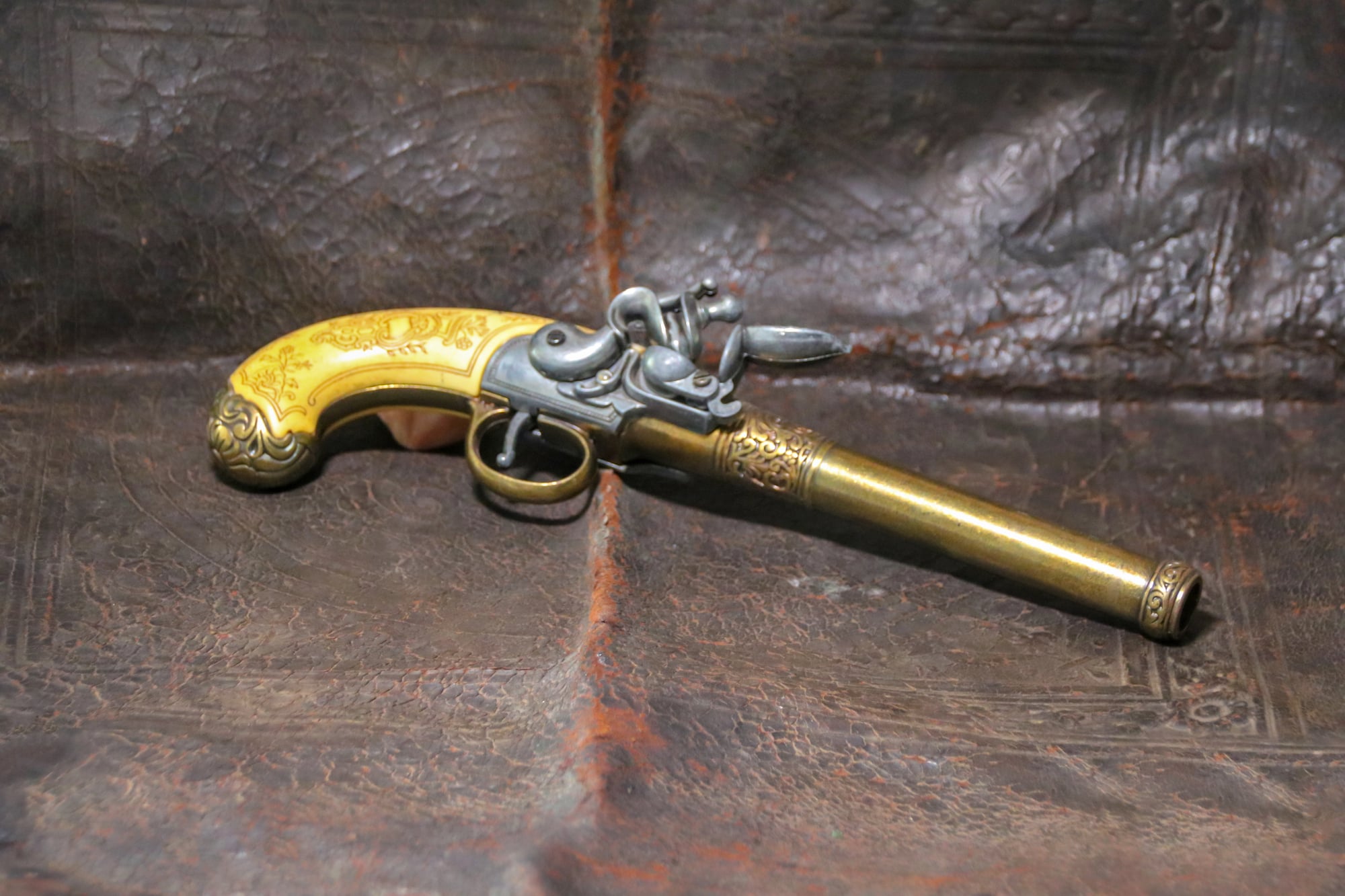
At the 1906 Intercalated Games, competitors fired at plaster dummies dressed as people from distances of 20 and 30 meters. In 1908, the sport evolved into actual dueling where competitors shot at each other with wax bullets while wearing protective gear covering the torso, face, and hands.
Walter Winans, a prominent shooter, warned that spectators could be struck by stray or ricocheting bullets, and the wax bullets looked so similar to real ones that fatal mix-ups were a constant concern. The outbreak of World War I essentially ended the sport, as simulated combat lost its appeal during a real war.
Motor Boating
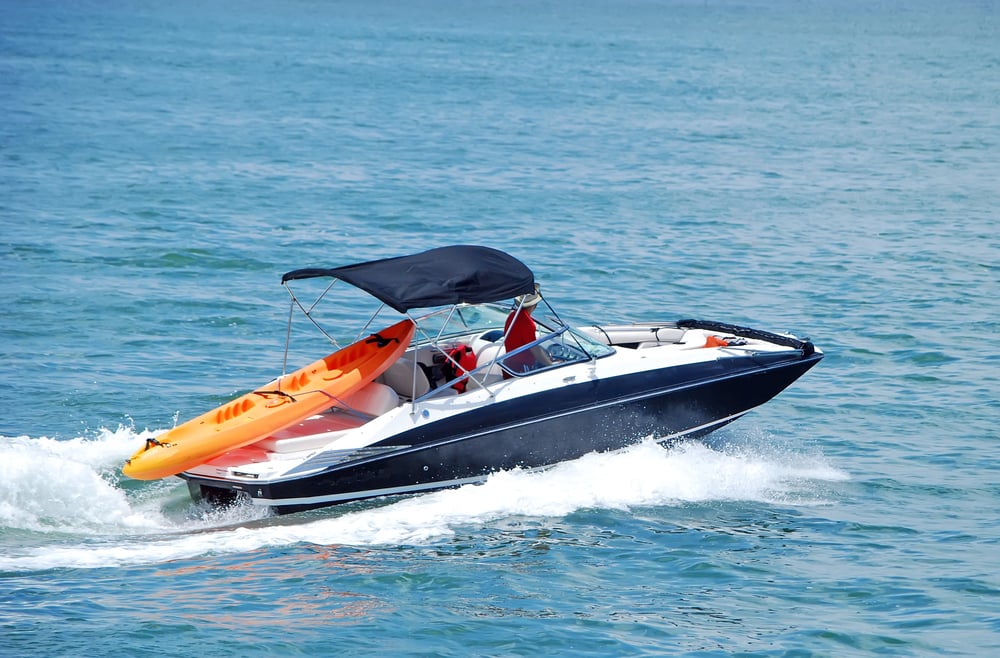
The 1908 London Olympics featured three motorboat races across different distances and engine classes. Terrible weather with rough water and rain made the competitions dangerous, and only one race actually finished, with several boats breaking down or capsizing.
The gold medal went to a British team in the eight-meter class. As motorized vehicles became commonplace, the novelty wore off, and the event didn’t fit with the emphasis on human athletic achievement that defined Olympic competition.
Croquet
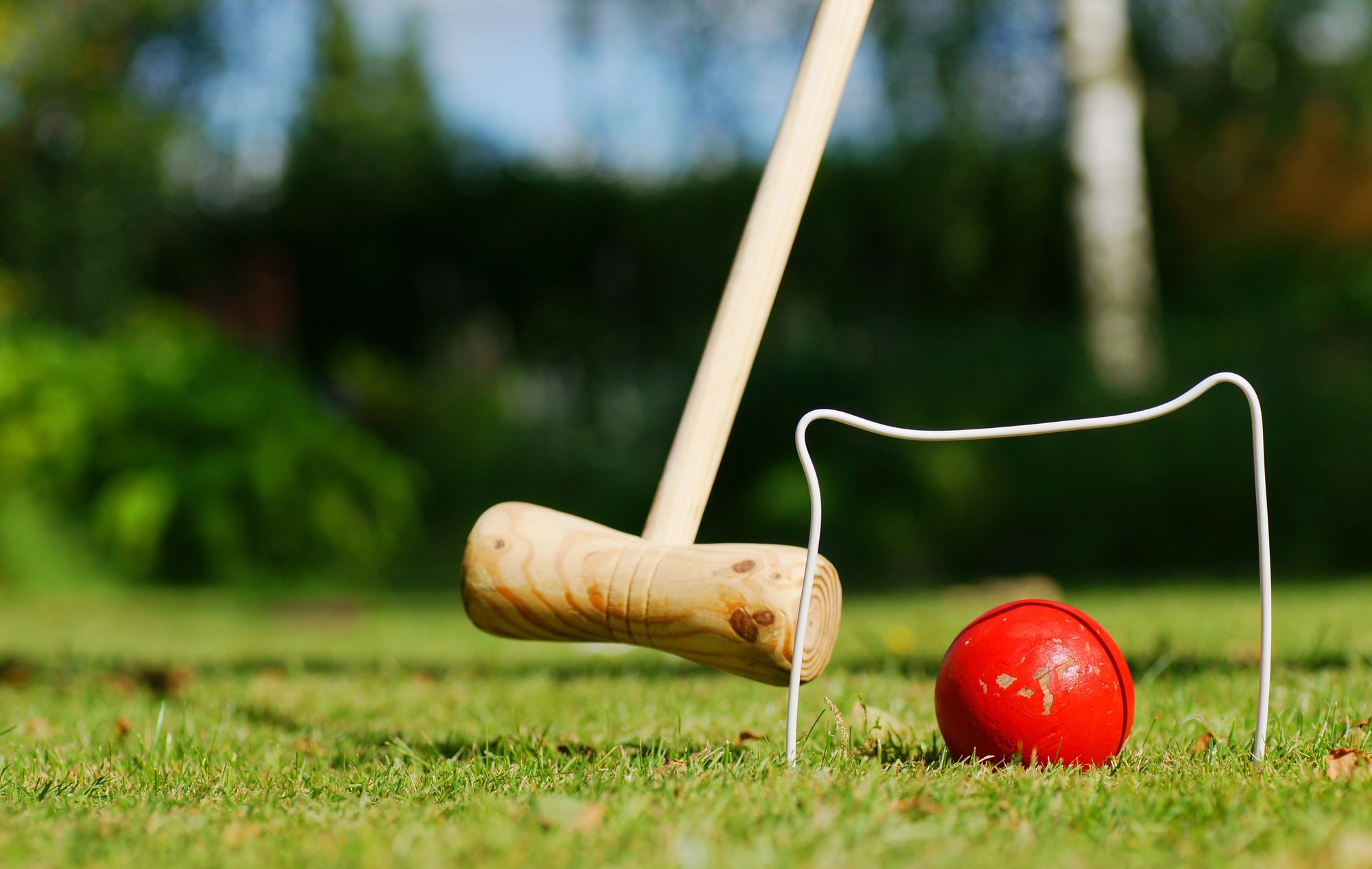
Croquet appeared at the 1900 Paris Olympics with three different events. The sport is notable because three women competed, making them among the first official female Olympians.
The backyard lawn game never returned after its single Olympic appearance. Its slow pace and limited international following made it poorly suited for the grand stage of the Olympics, despite its historical significance for women’s participation.
Roque
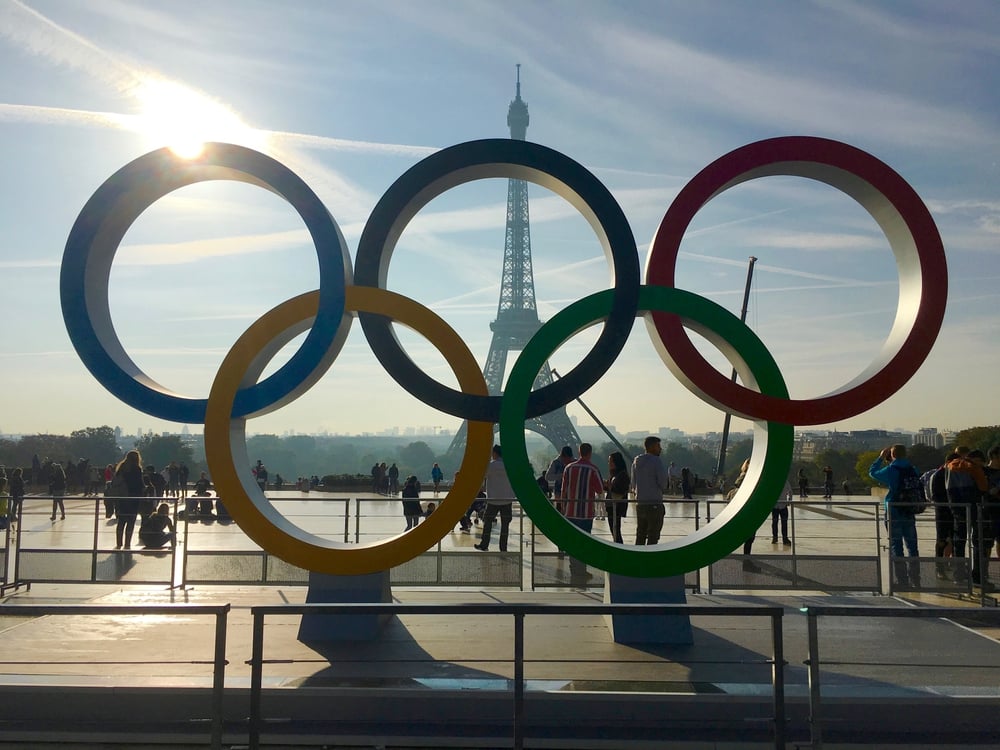
Roque, an American variant of croquet played on a hard surface with specific rules, appeared only at the 1904 St. Louis Olympics. The sport had niche appeal and limited international following, which led to its immediate removal.
Think of it as croquet on concrete with elements borrowed from billiards, allowing players to apply spin to the orb and bounce shots off a boundary wall. The event was primarily popular in the United States, which doomed its chances at becoming a permanent Olympic fixture.
Jeu de Paume
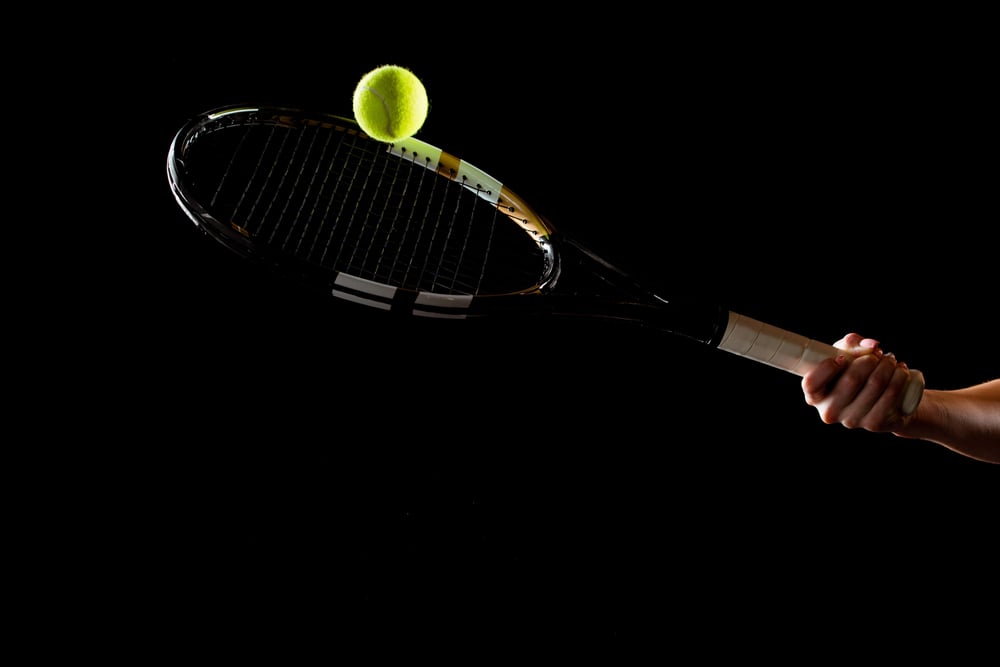
Jeu de Paume, a French precursor to modern tennis, featured a net with players hitting an orb back and forth, originally using their hands before small racquets were introduced in the 16th century. The sport appeared only once at the 1908 London Olympics, with American Jay Gould winning the only gold medal ever awarded.
Players could hit the orb when it bounced off the walls in the indoor court. Modern tennis had already taken over by this point, making the older version seem obsolete and overly complicated.
Solo Synchronized Swimming
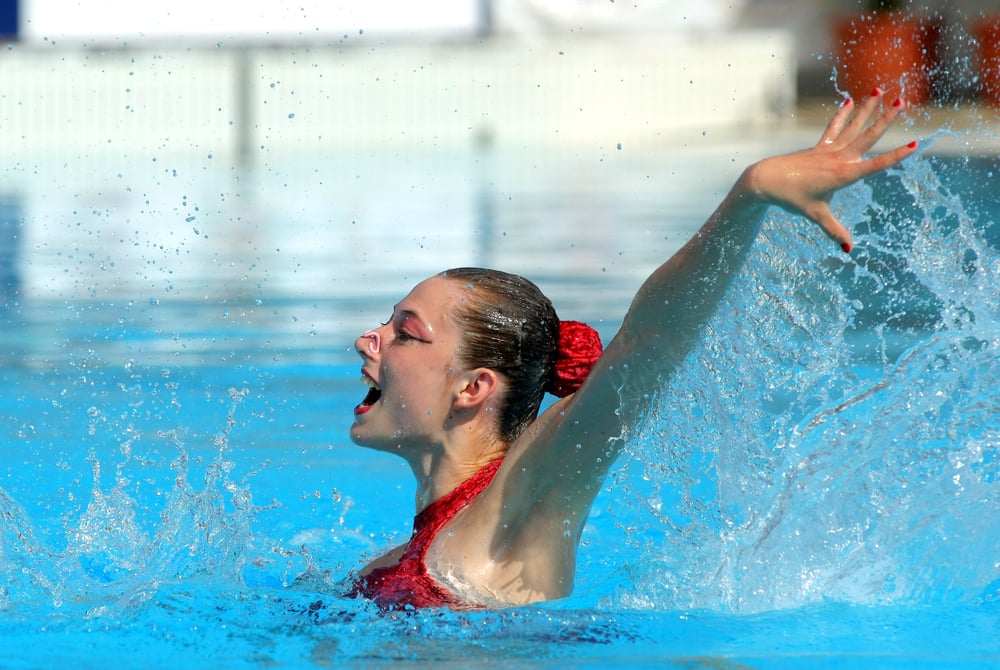
Solo synchronized swimming became an official Olympic event in 1984 and was discontinued in 1992. Competitors performed an entire routine alone, combining dance, gymnastics, and breath control in the water.
The inherent contradiction in the name eventually caught up with the event. Synchronized swimming requires synchronization with other people, making the solo version seem like it missed the entire point of the discipline. Regular synchronized swimming with duets and teams continues today.
Hot Air Ballooning
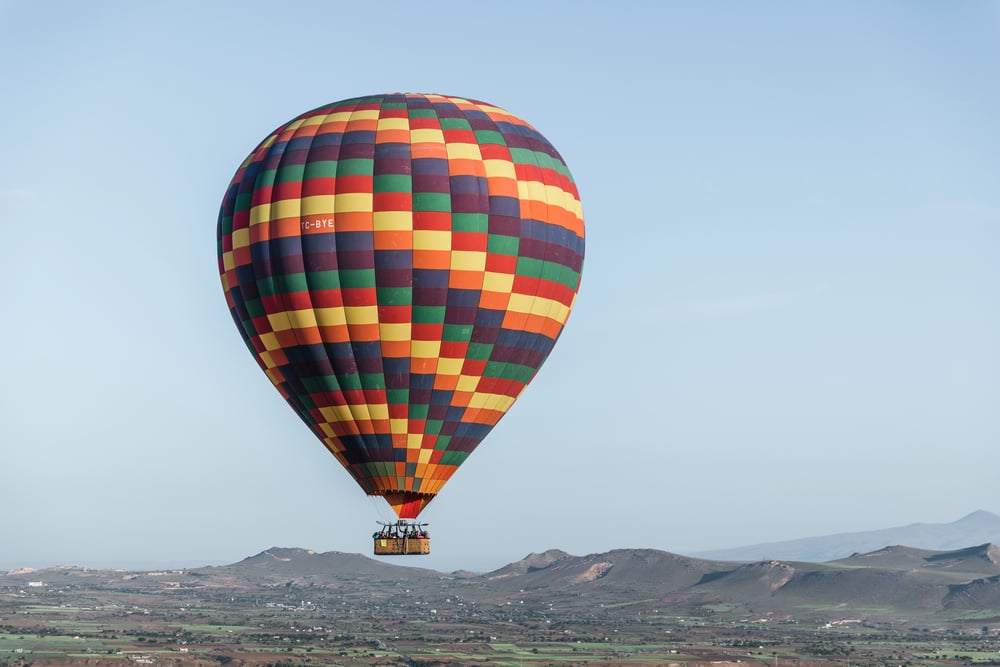
The 1900 Olympics included hot air balloon contests where drivers competed based on distance traveled, altitude reached, and best photograph taken from the balloon. French balloonist Henry de La Vaulx won a distance race by flying 768 miles from Paris to Poland, though he was briefly detained by Russian police for not filing proper passport requests.
When questioned about his time in jail, he reportedly joked about Russian officers opening so many bottles of French champagne that he was in great distress. The event appeared just once and was never seriously considered for future games.
Where They Went
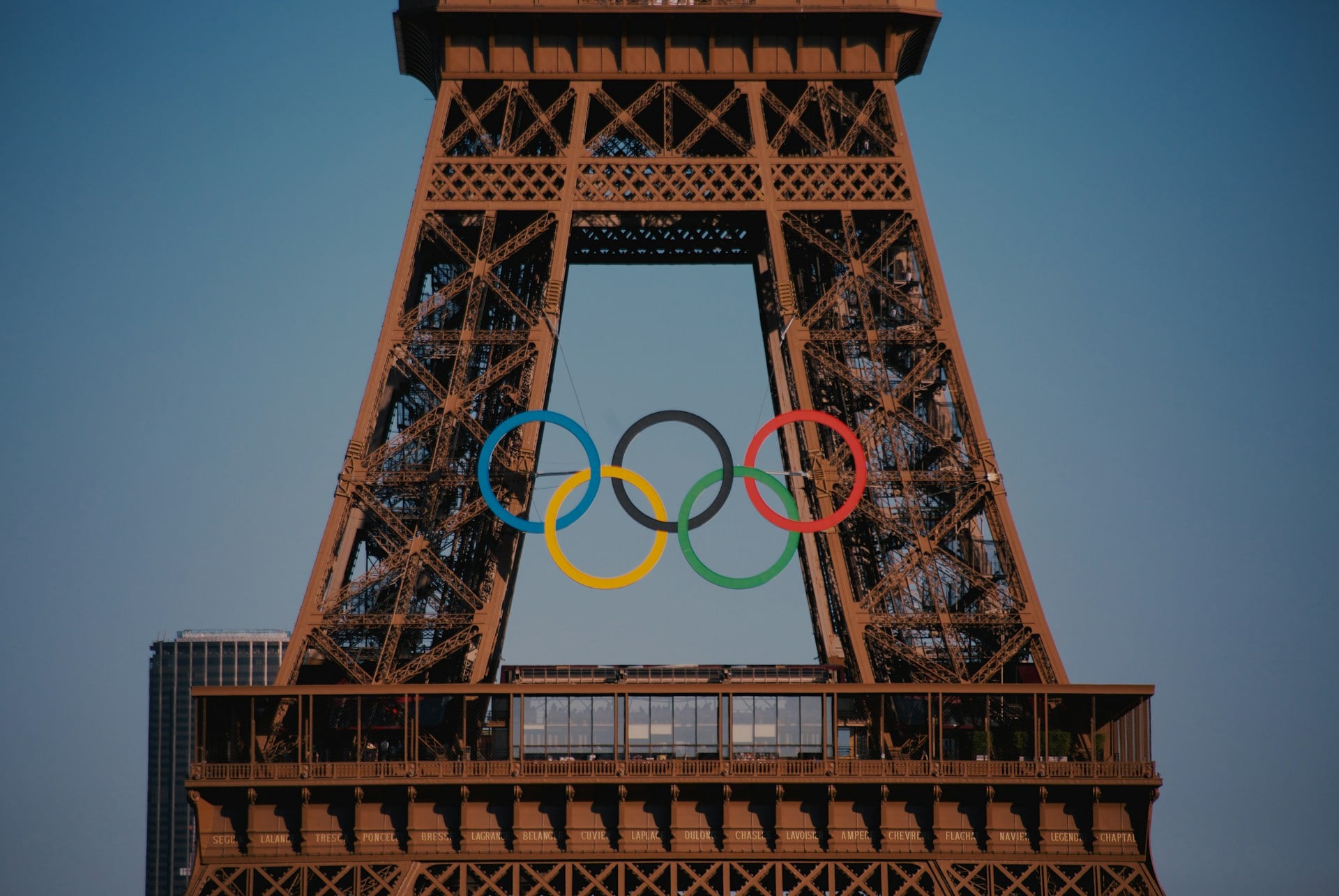
The early Olympics served as experimental grounds where organizers tried almost anything to see what worked. Eight sports were discontinued before World War II due to lack of interest or the absence of appropriate governing bodies.
Many of these forgotten events reflected their era, when the Olympics were still finding their identity and technology like motor boats seemed cutting-edge rather than out of place. Today’s Olympic program has become far more selective, with new sports requiring years of international competition and widespread popularity before earning consideration. The bizarre experiments of the past remind us that even the world’s greatest sporting event had to learn through trial and error what truly belongs on the grandest athletic stage.
More from Go2Tutors!

- The Romanov Crown Jewels and Their Tragic Fate
- 13 Historical Mysteries That Science Still Can’t Solve
- Famous Hoaxes That Fooled the World for Years
- 15 Child Stars with Tragic Adult Lives
- 16 Famous Jewelry Pieces in History
Like Go2Tutors’s content? Follow us on MSN.