16 Colors That Mean Different Things Worldwide
Colors speak a universal language, yet their meanings shift dramatically across cultures and continents. What represents joy in one country might symbolize mourning in another—and what brings good fortune to some cultures could spell disaster elsewhere.
Here’s a list of 16 colors that carry vastly different meanings around the world, revealing how our perception of hues is deeply rooted in cultural traditions and historical experiences.
White

Though white might seem universally pure and innocent, its cultural meanings couldn’t be more different. Western societies link white with weddings, cleanliness, and new beginnings.
Many Asian cultures, conversely, view white as the color of mourning and death. In India and China, white clothing appears at funerals rather than celebrations—a difference that can create serious cultural misunderstandings during important ceremonies.
Black

The Western world has long connected black with formality, elegance, and unfortunately, death and evil. Black suits dominate business meetings while black clothing remains standard funeral attire.
Ancient Egypt, however, saw black differently—representing fertility and rebirth because of the rich, dark soil left by Nile floods. Many African cultures still maintain positive associations, linking black with masculinity, maturity, and wisdom.
Yellow

Yellow carries golden meanings of happiness and optimism across many Western countries—just consider smiley faces and sunny days. In China, yellow holds imperial significance and was historically reserved for emperors, representing power and nobility.
Germany and some European regions, though, connect yellow with jealousy and betrayal—while Egypt links it to mourning and the afterlife.
Green

Green universally connects to nature, yet its cultural interpretations branch out extensively. Ireland embraces green as national pride and good luck—earning the country its ‘Emerald Isle’ nickname.
Islamic cultures consider green sacred, believing it was the Prophet Muhammad’s favorite color. Some parts of Asia, however, view green as indicating infidelity or bringing bad luck to certain ceremonies.
Blue
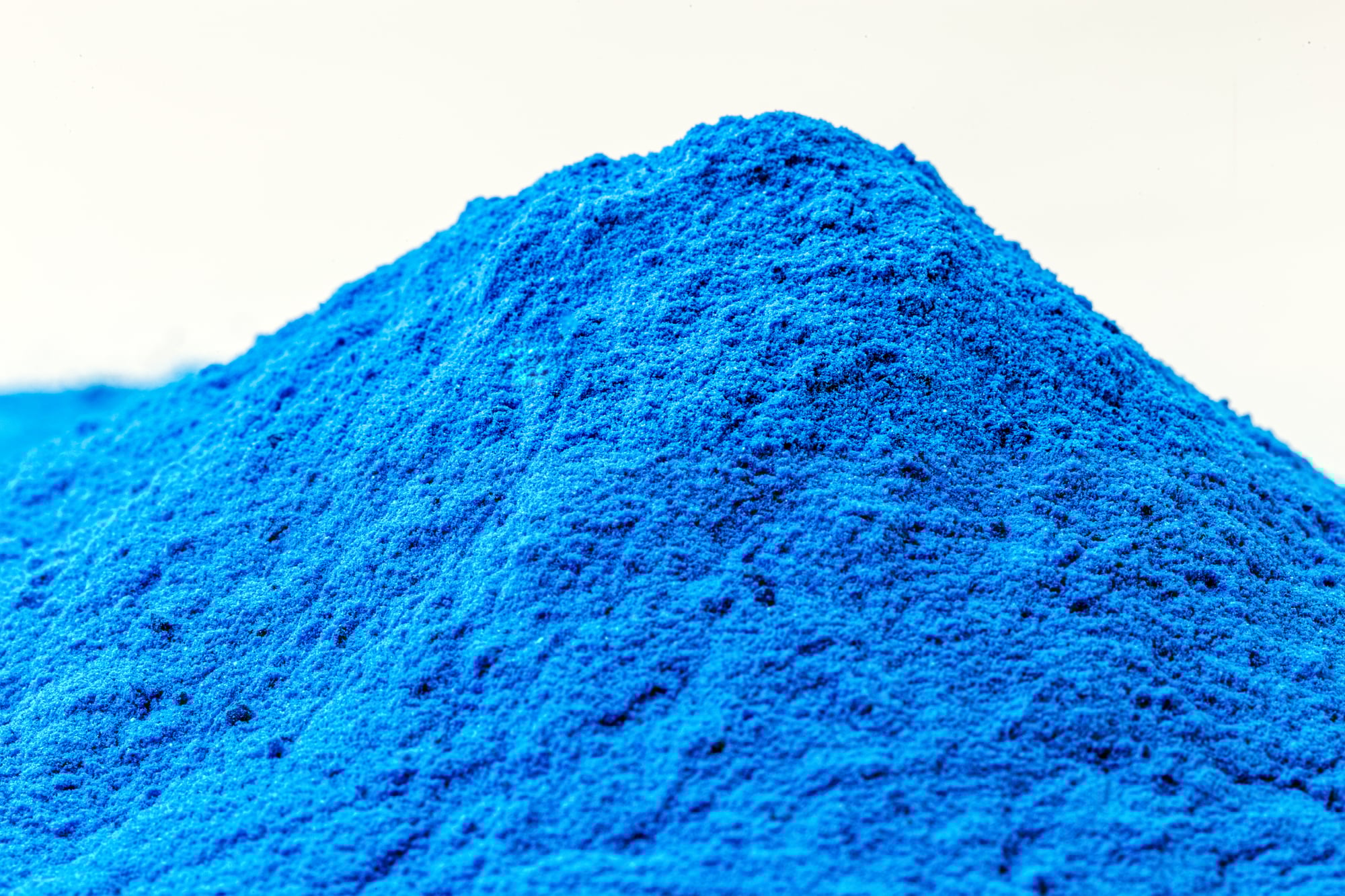
Blue flows through cultures with meanings as varied as ocean currents. Americans and Europeans often associate blue with trust, stability, and sadness—hence ‘feeling blue.’
Middle Eastern cultures use blue to ward off evil spirits and protect against the ‘evil eye.’ Korea traditionally connected blue with mourning—though Western influence has shifted this perception in recent decades.
Purple

Purple’s regal reputation spans many cultures—from ancient Rome where only emperors could wear it, to modern times where it still suggests luxury and nobility. Thailand specifically uses purple for widows in mourning—while some Latin American countries associate it with death and religious solemnity.
Japan traditionally connected purple with privilege and wealth, reserving it for the highest social classes.
Orange

Orange bursts with different meanings depending on location. Western cultures often represent enthusiasm, creativity, and autumn harvests through orange—while Hindu and Buddhist traditions revere it as sacred and spiritual.
Think of monks’ robes and religious ceremonies. Northern Ireland, however, gives orange political weight as the color of Protestant unionists—making it a symbol of cultural identity and sometimes division.
Pink
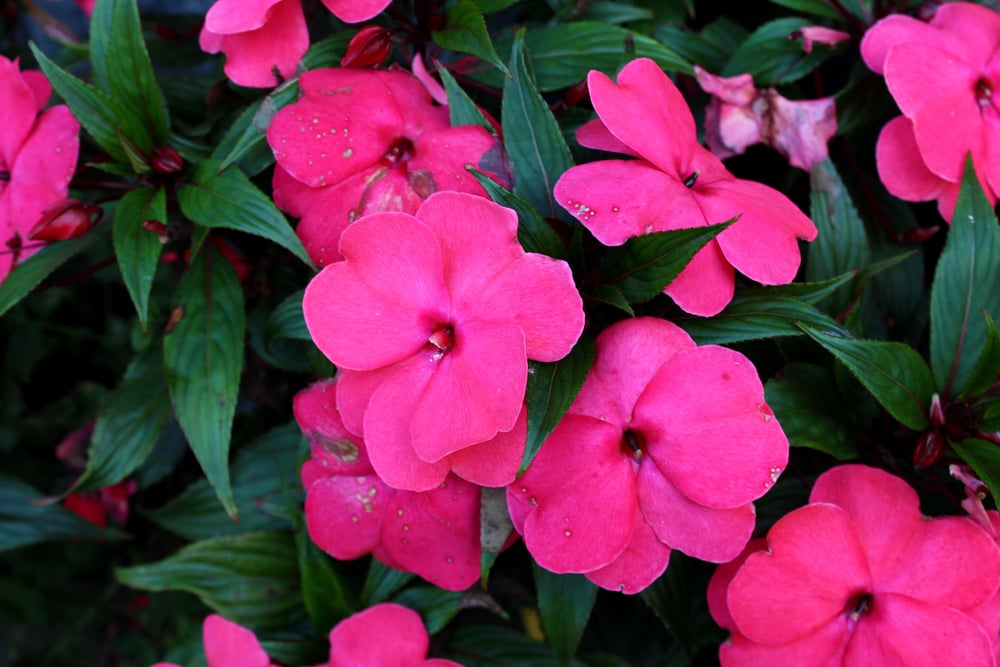
Pink’s cultural journey reveals fascinating gender and social dynamics. Western societies strongly associate pink with femininity and romance—though this connection only developed during the 20th century.
Japan represents the transient nature of life through pink—particularly via cherry blossoms. Some Native American tribes incorporate pink into healing ceremonies—believing it brings emotional balance and heart-centered energy.
Brown

Brown’s earthy nature translates differently across various cultures and contexts. Western societies often link brown to reliability, warmth, and natural beauty—consider chocolate and autumn leaves.
Some Asian cultures represent earth elements and stability through brown in feng shui practices—though certain Western contexts have unfortunately used brown in discriminatory ways. Many cultures celebrate it as representing connection to land and ancestors.
Gold

Gold gleams with significance across virtually every culture, though its specific meanings vary considerably. Western societies equate gold with wealth, success, and premium quality.
Gold medals, gold cards, and golden opportunities exemplify this connection. Chinese culture represents prosperity and imperial power through gold, often incorporating it into important celebrations and decorations. Ancient Egyptian culture connected gold to divine flesh and eternal life, making it essential for burial ceremonies and religious artifacts.
Silver

Silver reflects different values depending on cultural perspective. Western cultures often view silver as sophisticated, modern, and second-best to gold. Silver medals and silver screen stars demonstrate this hierarchy.
Some Native American traditions represent clarity, vision, and lunar energy through silver. Mexican culture particularly embraces silver through traditional jewelry and craftsmanship, where it symbolizes purity and protection against negative energy.
Turquoise

Turquoise carries deeply spiritual meanings across many cultures, particularly among indigenous peoples. Native American tribes consider turquoise sacred, using it for protection, healing, and communication with spirits.
Ancient Egyptians buried turquoise with mummies, believing it would guide souls in the afterlife. Persian culture views turquoise as representing heaven and immortality, while Turkish culture uses it as protection against the evil eye.
Magenta

Magenta stands out as a relatively modern color name, yet its cultural significance has grown rapidly. Color psychology associates magenta with non-conformity and free-thinking, making it popular among artistic communities worldwide.
Some cultures connect magenta with spiritual transformation and higher consciousness. Marketing often employs magenta to signal innovation and bold thinking, which explains why many tech companies adopt it in their branding.
Ivory

Ivory’s cultural meanings have evolved significantly due to conservation awareness. Historically, ivory represented luxury, purity, and status across many cultures. Asian carved artifacts and Western piano keys exemplified this status.
Ancient Chinese culture particularly prized ivory for religious sculptures and imperial decorations. Modern ethical considerations have shifted ivory’s symbolism toward conservation and respect for wildlife, making synthetic alternatives more culturally acceptable.
Coral

Coral brings together meanings from both its natural origins and its vibrant appearance. Mediterranean cultures traditionally view coral as protective, often creating jewelry to ward off evil spirits.
Some Pacific Island cultures represent life force and ocean connection through coral, incorporating it into spiritual ceremonies. Western interior design has embraced coral as representing warmth, optimism, and natural beauty, making it popular for creating welcoming spaces.
The Spectrum of Cultural Understanding

These color variations demonstrate that human perception extends far beyond the visible spectrum into cultural memory and shared meaning. Understanding these differences becomes increasingly vital as our world grows more connected, helping facilitate more effective and respectful cross-cultural communication.
When choosing colors for important occasions or international communications, consider that audiences might interpret entirely different messages than intended ones.
More from Go2Tutors!

- The Romanov Crown Jewels and Their Tragic Fate
- 13 Historical Mysteries That Science Still Can’t Solve
- Famous Hoaxes That Fooled the World for Years
- 15 Child Stars with Tragic Adult Lives
- 16 Famous Jewelry Pieces in History
Like Go2Tutors’s content? Follow us on MSN.