15 Bizarre Mass Animal Migrations Nobody Can Explain
Every year, something extraordinary happens across the natural world that leaves scientists scratching their heads. Animals pack up and move in numbers that defy logic, following routes that make no sense, or suddenly abandoning migration patterns their species has followed for centuries.
These aren’t your typical seasonal migrations with neat explanations about food sources or breeding grounds. These are the outliers — the movements so strange, so inexplicable, that researchers can only watch and wonder what drives millions of creatures to behave in ways that seem to contradict everything we know about animal behavior.
Christmas Island Red Crabs
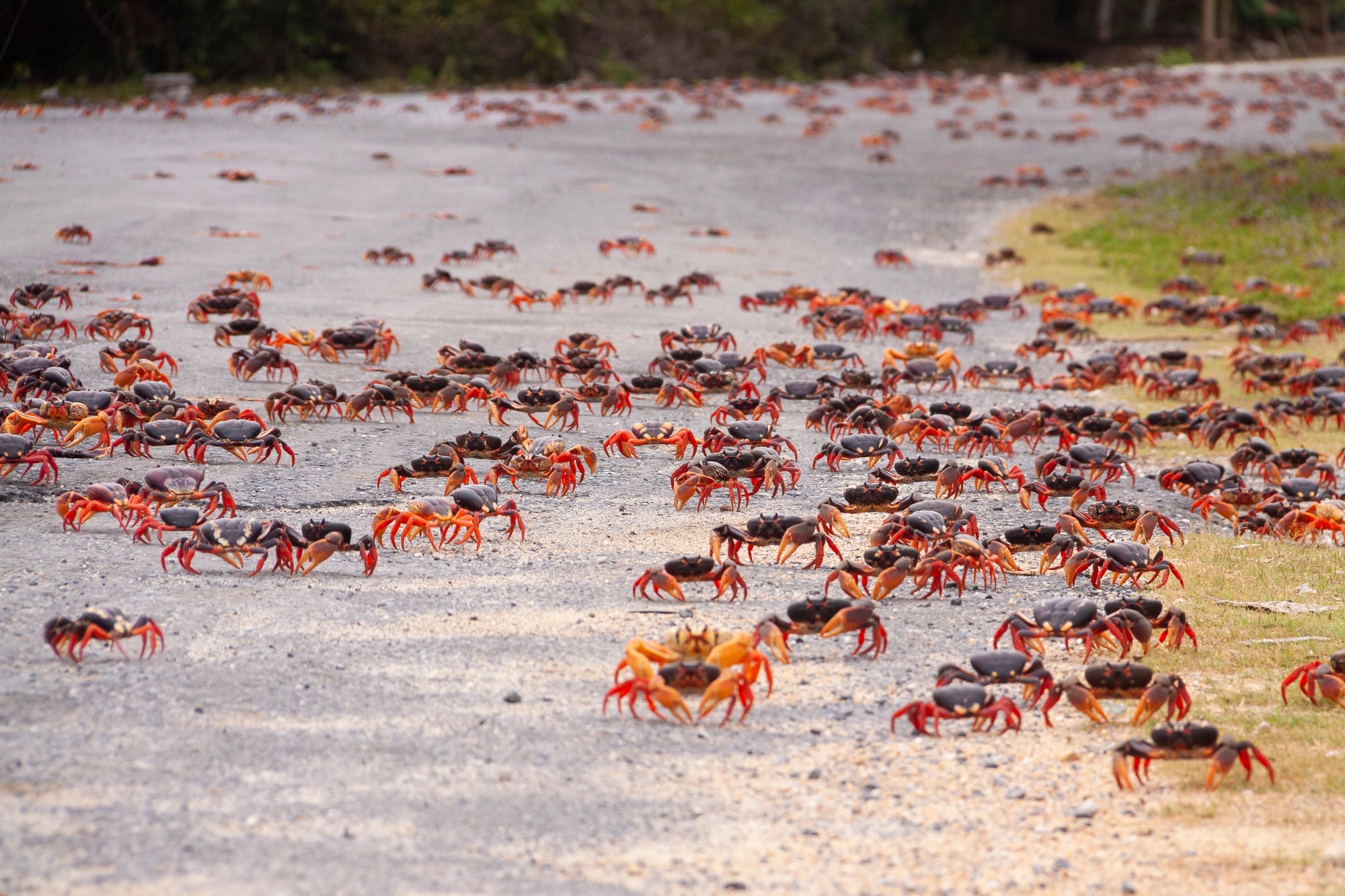
Forty million red crabs live their entire lives on a tiny island in the Indian Ocean, and once a year they all decide to walk to the beach at exactly the same time. No gradual buildup. No stragglers.
The entire population emerges from the forest floor like a red carpet unrolling across the landscape.
The timing defies every conventional explanation. These crabs don’t migrate based on temperature, rainfall, or food availability.
They wait for a specific phase of the moon during the wet season, but not consistently the same phase each year. Sometimes it’s the new moon, sometimes the third quarter.
Scientists have tracked this migration for decades and still can’t predict when it will begin.
European Eels’ Impossible Journey
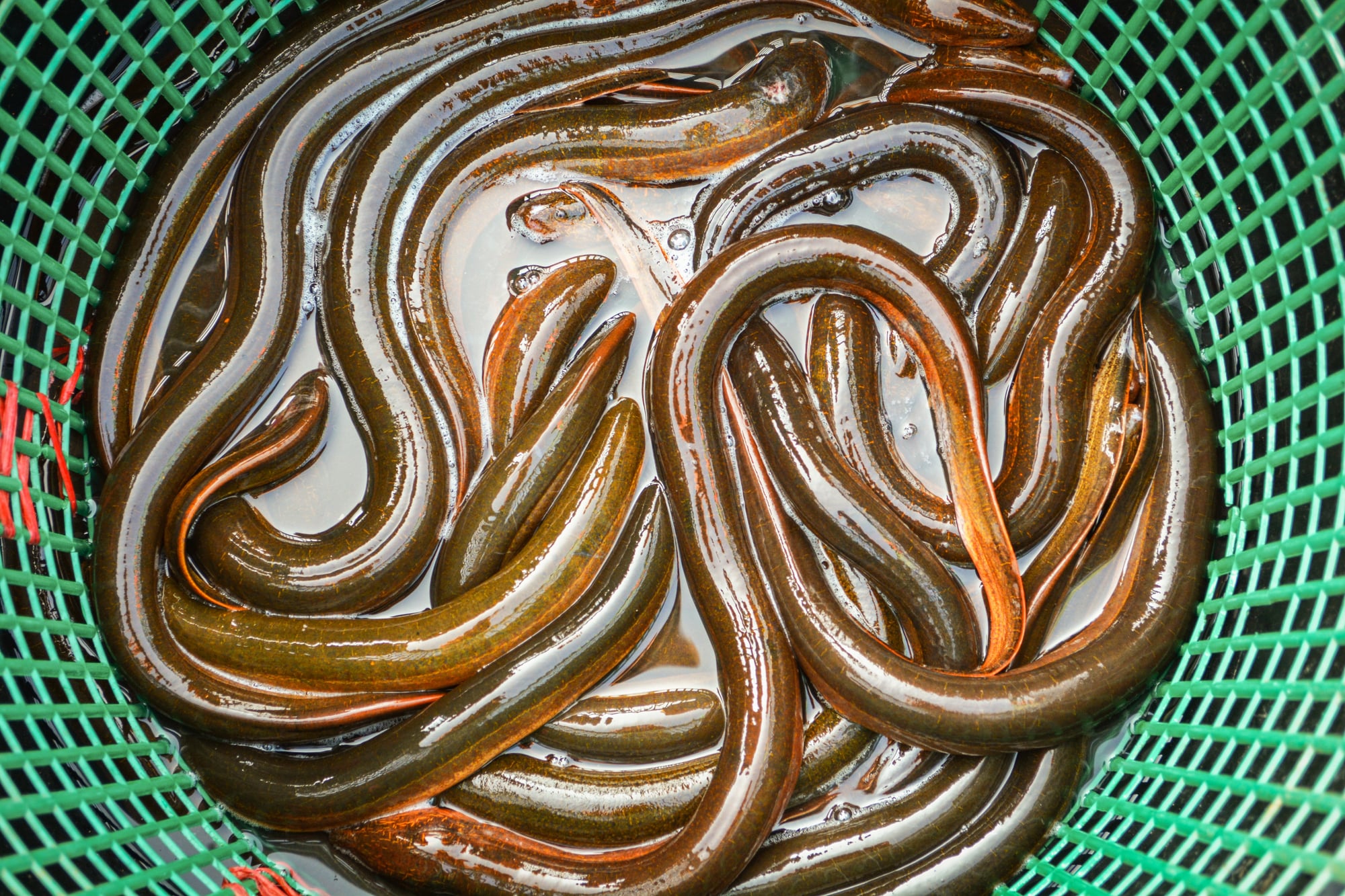
Every European eel begins its life in the Sargasso Sea — a patch of ocean near Bermuda — then somehow finds its way to the exact river where its parents lived, sometimes thousands of miles away. These larvae drift in ocean currents for up to three years before transforming into glass eels, yet they still navigate to precisely the right freshwater system.
The return journey has become increasingly understood through modern satellite tagging studies conducted in the 2010s and 2020s. Tagged eels have been successfully tracked migrating across the Atlantic toward spawning grounds in the Sargasso Sea, documenting migration routes and behavioral patterns that were previously unknown.
While additional details about their navigation mechanisms continue to emerge, researchers have moved beyond complete mystery to documented tracking data that reveals how these eels accomplish their remarkable return journey.
Arctic Tern Navigation Paradox
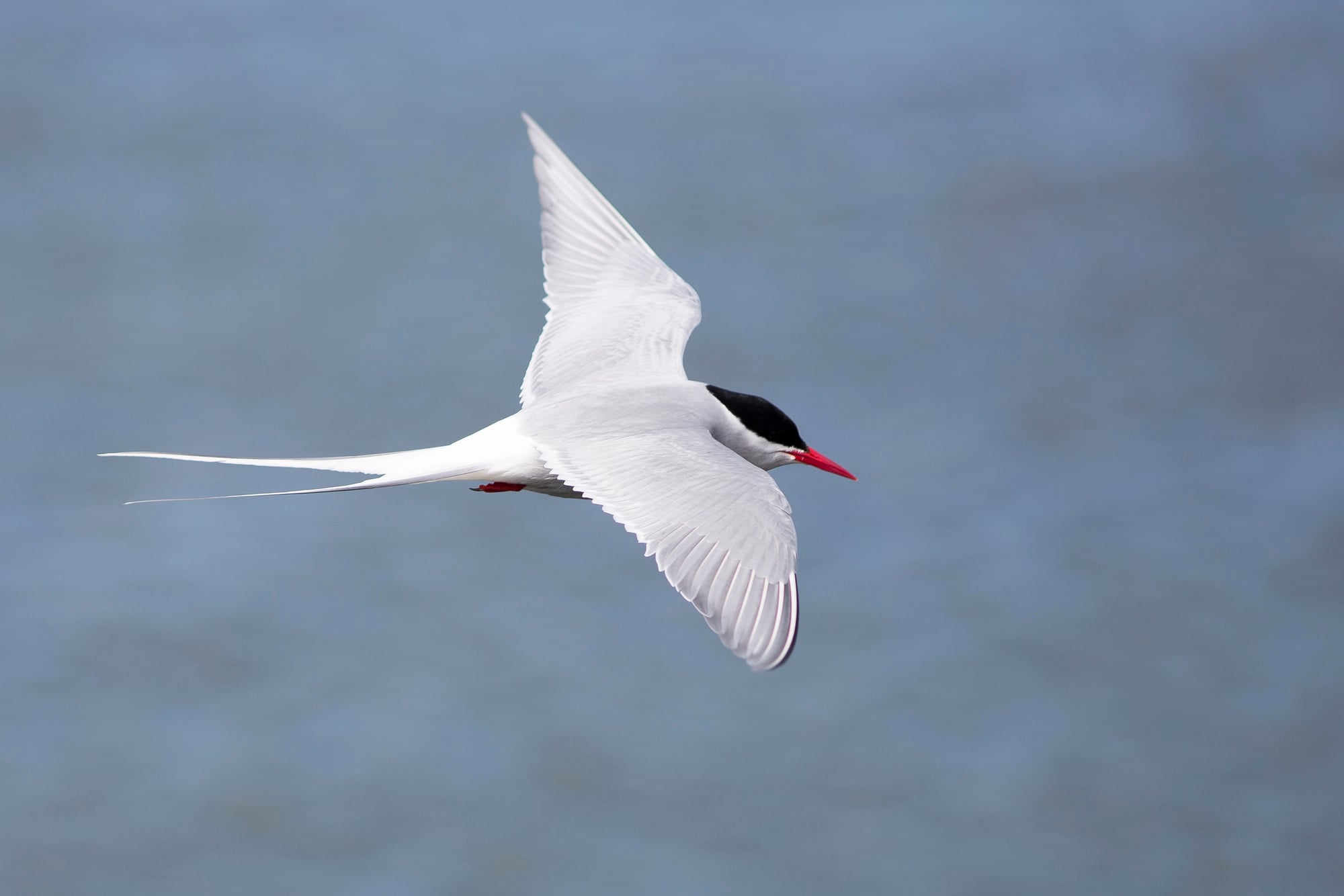
Arctic terns fly from Arctic to Antarctic and back every year, covering roughly 44,000 miles — the longest migration on Earth. That part makes sense: they’re chasing endless summer.
What doesn’t make sense is their route.
These birds don’t fly in straight lines or even efficient curves. They zigzag across oceans, make seemingly random detours that add thousands of miles to their journey, and sometimes fly directly into weather systems that should ground them for days.
Tagged terns have been tracked making sharp 90-degree turns in the middle of empty ocean for no apparent reason. Food sources don’t explain it.
Wind patterns don’t explain it. It’s as if they’re following waypoints on a map no human has ever seen.
Monarch Butterfly Multi-Generation Mystery

The monarch butterfly migration breaks every rule of animal navigation because no single butterfly completes the full cycle. It takes four generations to make the round trip from Mexico to Canada and back — meaning the butterflies that return to the exact same trees in Mexico have never been there before.
Their great-great-grandparents made the journey.
But here’s the twist that stumps researchers: only the fourth generation (the one born in late summer) has the biological capability to make the 2,000-mile return journey to Mexico.
The previous three generations live about a month; this generation lives eight months and develops fat reserves the others lack. How does a butterfly that’s never migrated before know to prepare for a journey its predecessors couldn’t make?
And how does it find roosting sites it’s never seen?
Sardine Run Timing Chaos
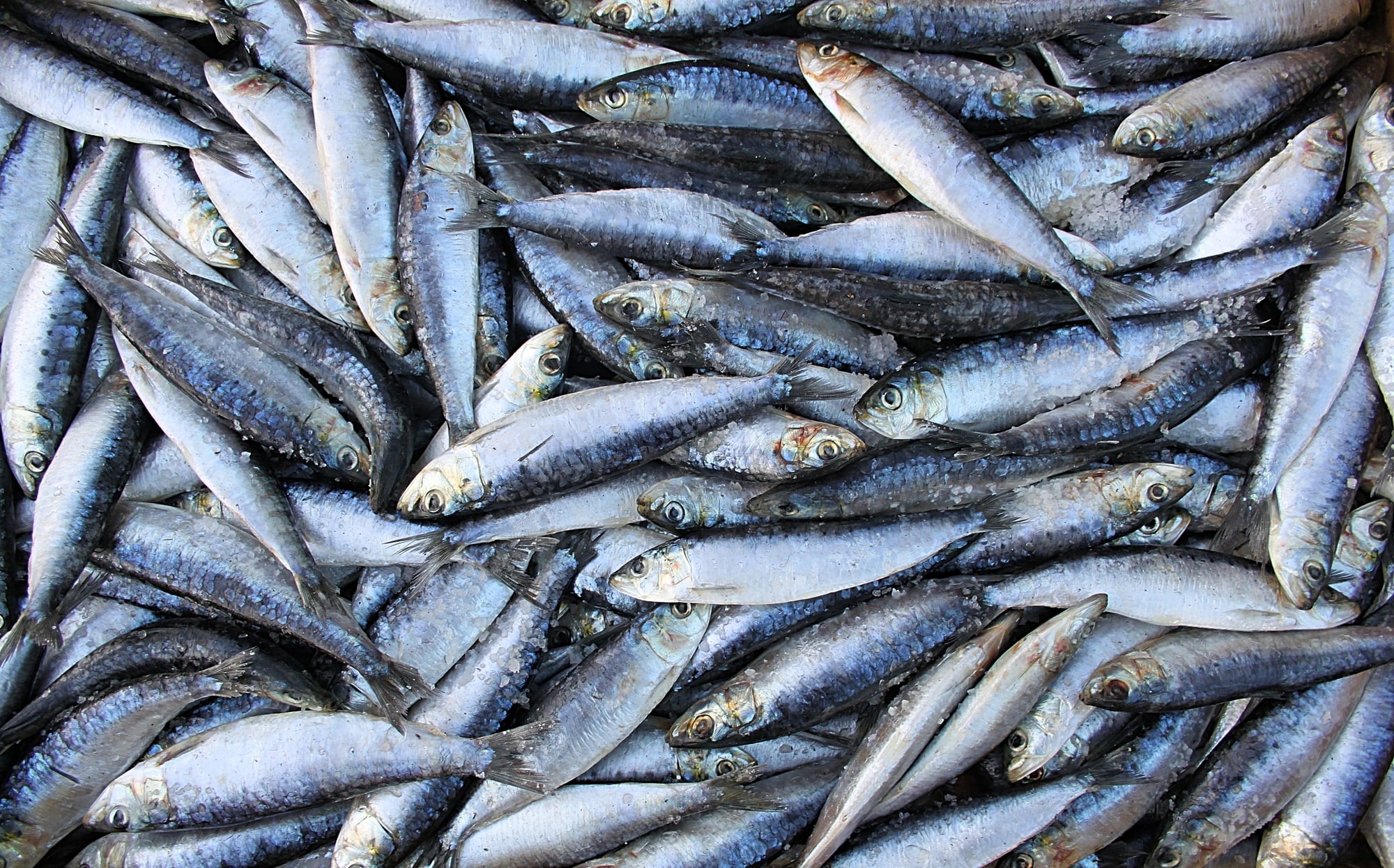
Every year along South Africa’s coast, billions of sardines suddenly move northward in a feeding frenzy that attracts sharks, dolphins, whales, and seabirds. Marine biologists call it the greatest shoal on Earth.
The problem: nobody can predict when it will happen.
The sardine run used to occur like clockwork between May and July. Now it might start in April, or August, or skip a year entirely.
Water temperature doesn’t correlate. Plankton blooms don’t correlate.
Ocean currents don’t correlate. The sardines seem to operate on their own calendar that bears no relationship to any environmental factor scientists can measure.
Some years, research teams wait for months with all their equipment ready, and the sardines never show up.
Wildebeest Circular Logic
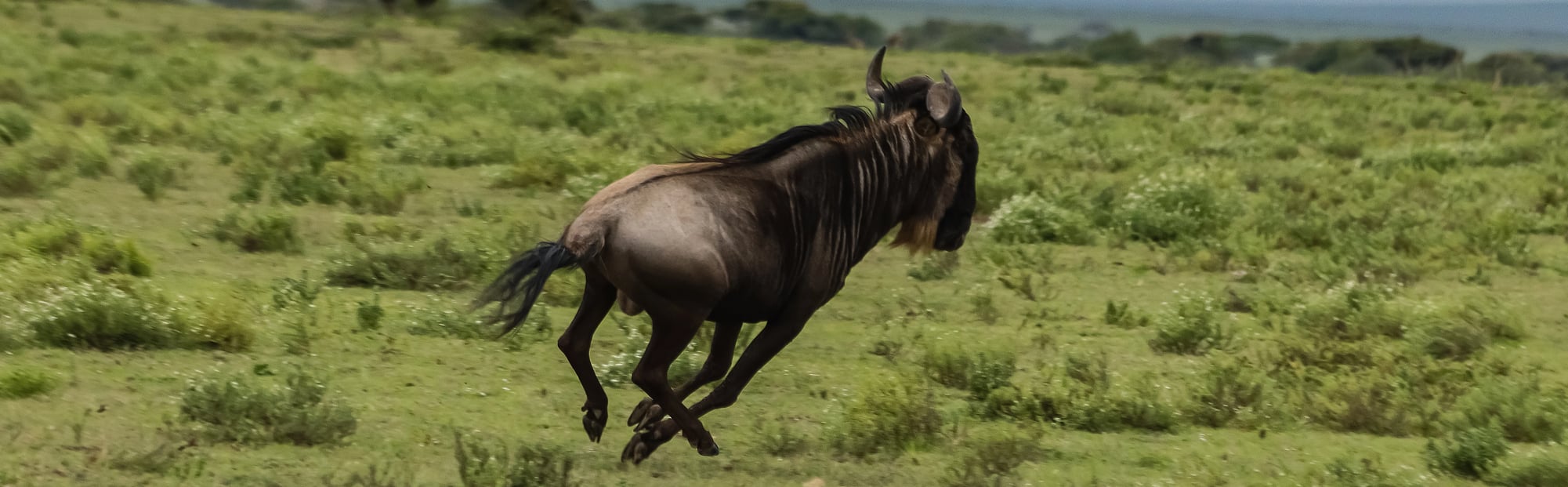
The Great Migration in East Africa follows a roughly circular route through the Serengeti and Masai Mara, with two million wildebeest moving in what appears to be an endless loop. Most migration patterns have clear start and end points — animals move from Point A to Point B for specific reasons.
This migration never stops and never really begins.
At any given moment, some portion of the herd is moving, but there’s no single signal that triggers the mass movement. Rain patterns influence the timing, but wildebeest have been observed moving toward areas before the rains arrive and sometimes moving away from fresh grass toward barren ground.
They seem to anticipate conditions rather than respond to them, which raises uncomfortable questions about how a grazing animal could possess forecasting abilities that meteorologists would envy.
Lemming Population Eruptions
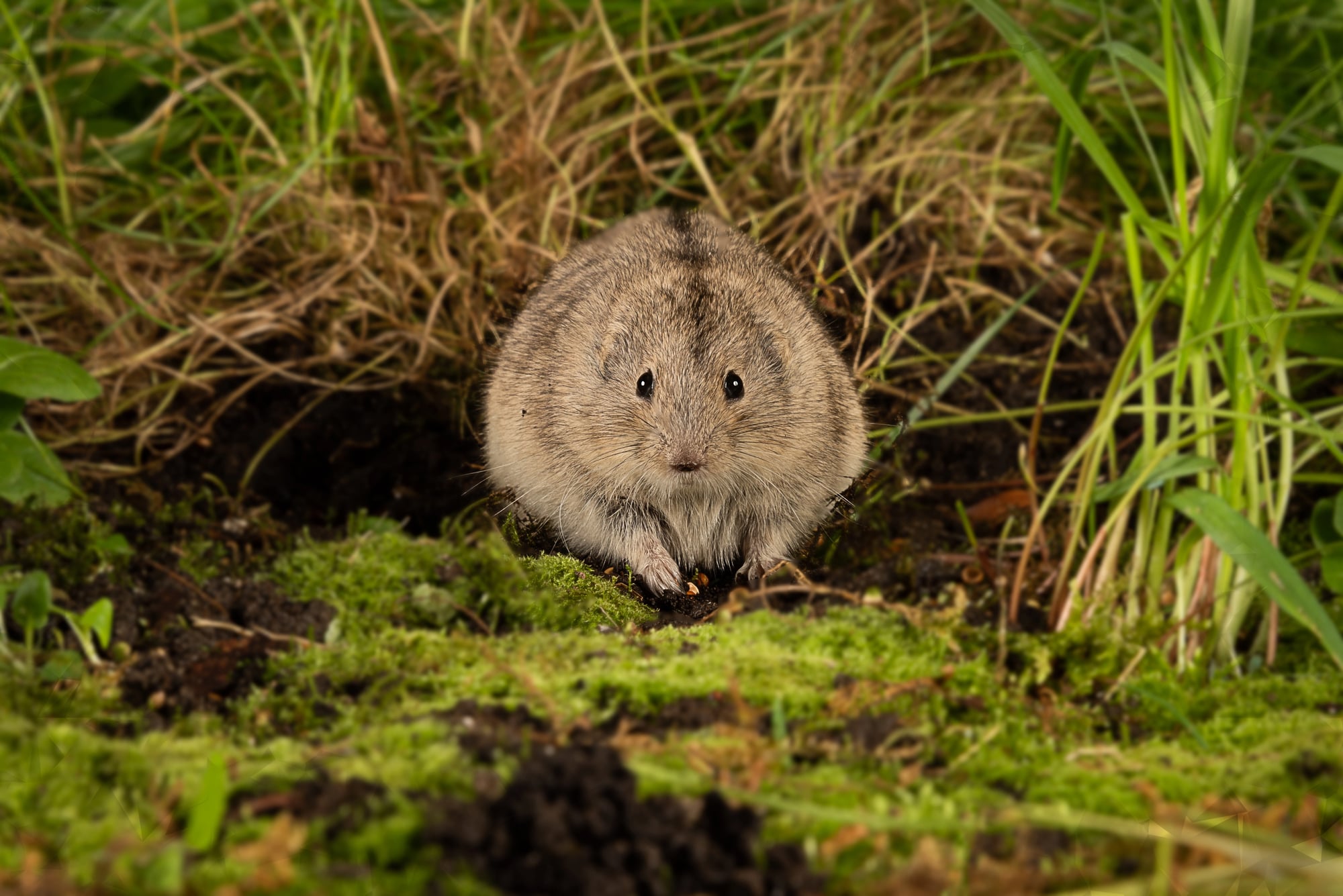
Lemmings don’t actually jump off cliffs in mass killings, but their population cycles are equally mystifying and far more disturbing from an ecological perspective. Every three to four years, lemming populations explode to unsustainable levels, then crash so dramatically that finding a single lemming becomes difficult across vast stretches of tundra where millions existed months before.
The crashes aren’t gradual die-offs from starvation or disease (though these factors play a role). Lemming populations seem to hit an invisible threshold and then collectively… stop reproducing.
Healthy adults in prime habitat simply cease breeding behaviors. It’s as if the species possesses some kind of built-in population control mechanism that activates based on criteria nobody understands.
Predator-prey cycles don’t explain the timing. Food availability doesn’t explain the timing.
The lemmings themselves appear to be responding to a signal that exists only in their collective behavior.
Salmon’s Magnetic Sensitivity Breakdown
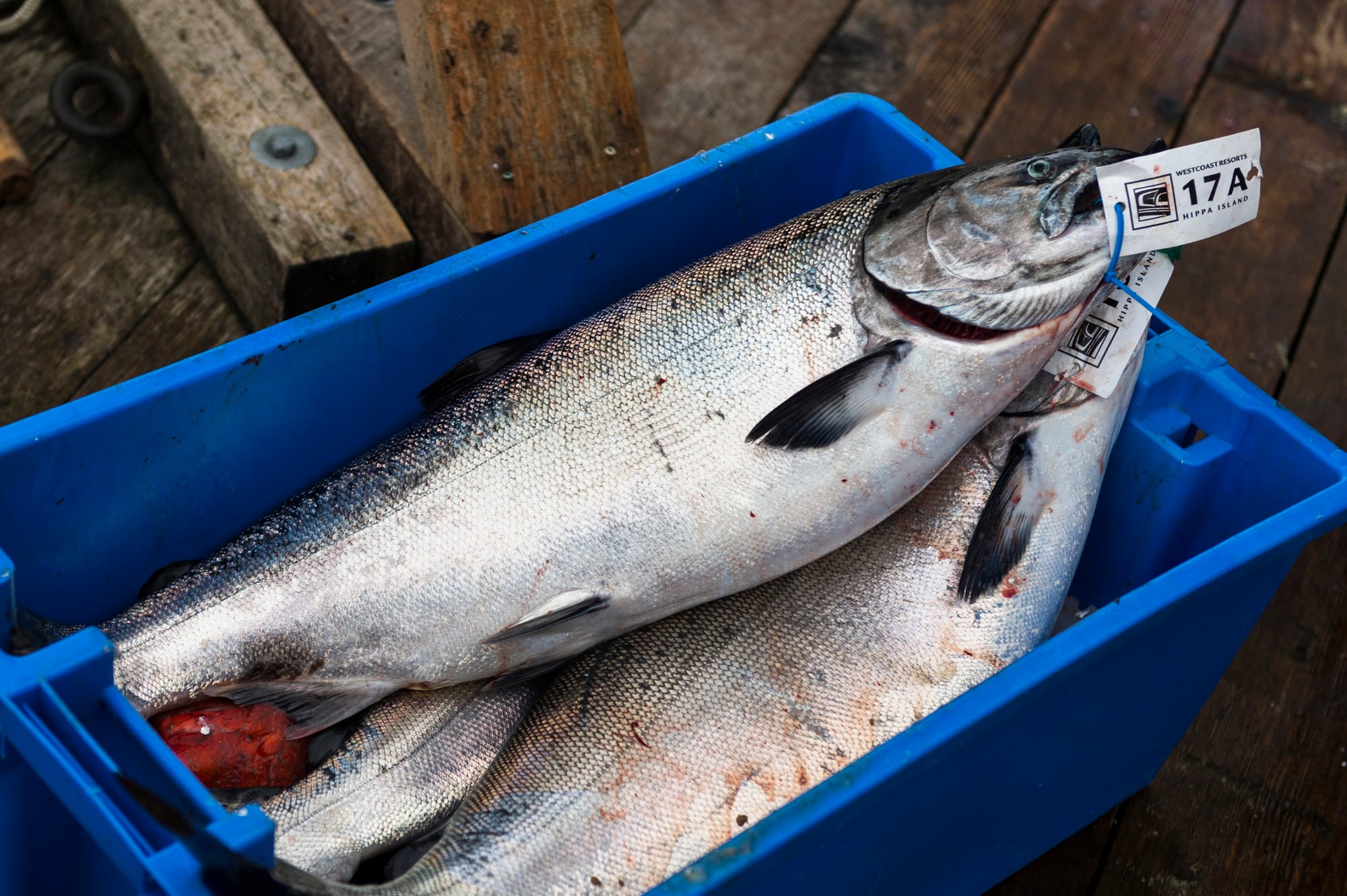
Pacific salmon return to their natal streams with legendary precision, using their sense of smell to identify the exact gravel beds where they hatched years earlier. This part of their migration makes biological sense.
What doesn’t make sense is how frequently they get it wrong in certain locations, and always in the same way.
In areas with high magnetic field variations — near iron ore deposits or geological fault lines — salmon consistently make identical navigation errors, ending up in the wrong tributaries by predictable distances.
It suggests they’re using magnetic navigation as a backup system to their chemical navigation, but magnetic navigation should be more reliable, not less.
Instead, these fish seem to be receiving conflicting signals from their own navigation systems, and they consistently choose the wrong one.
Locust Swarm Phase Switching
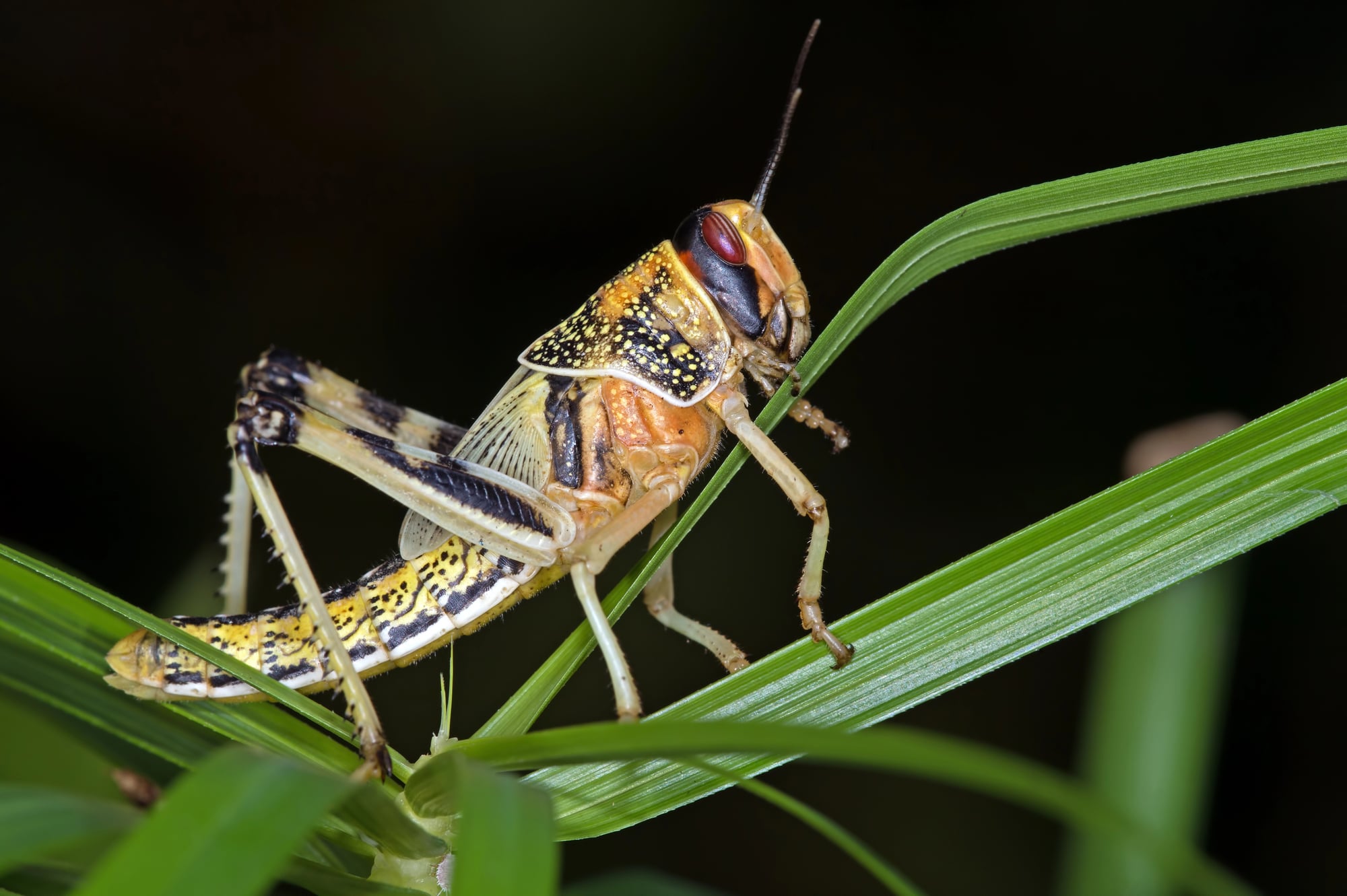
Locusts exist in two completely different forms: a solitary phase where they avoid each other, and a gregarious phase where they form swarms that can cover hundreds of square miles. The transformation from one phase to the other happens within hours and affects every locust in a region simultaneously.
Scientists have identified the primary environmental trigger that causes phase switching: increased population density and physical contact between individual locusts.
When crowding occurs, physical contact releases hormones that change everything from body color to brain chemistry. In the wild, this crowding-based mechanism operates reliably, with locust swarms forming in response to increased population density in specific regions.
The phase switching is dependent on these density-driven triggers rather than operating through mechanisms independent of locust-to-locust contact.
Humpback Whale Song Migration
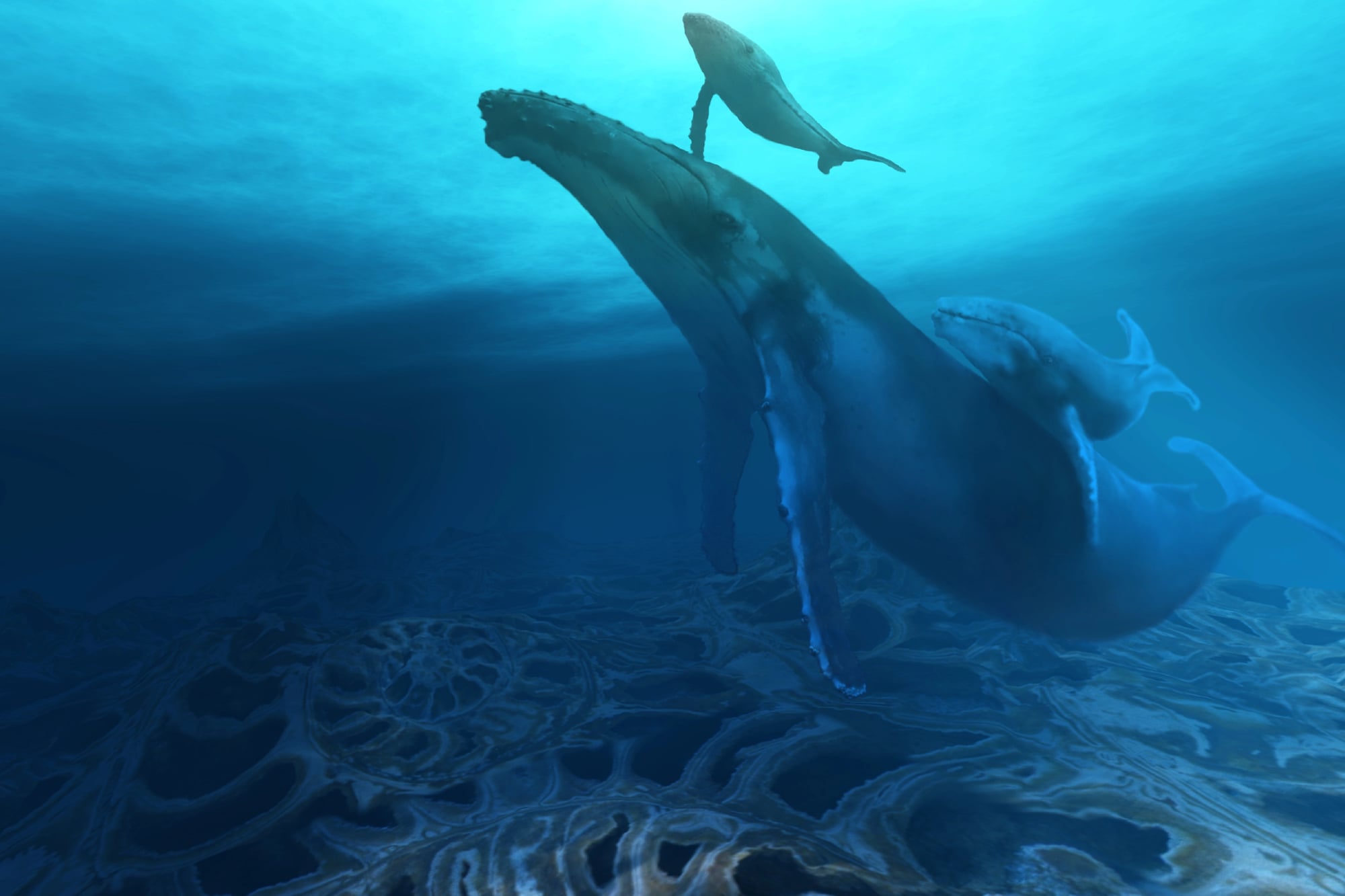
Humpback whales learn new songs from each other, and these songs spread across entire ocean basins within a few years. A song that originates off the coast of Australia will eventually be sung by humpback populations near Hawaii, Alaska, and Mexico.
The songs don’t spread randomly — they follow the whales’ migration routes, passing from one population to the next like a slow-motion game of telephone.
Here’s what researchers cannot figure out: the songs change faster than the whales migrate.
A humpback whale that learns a song off Australia and then swims to Hawaii over several months will arrive singing a version that’s already outdated.
Meanwhile, the whales already in Hawaii are somehow singing the latest version of the song before any Australia-to-Hawaii migrants could have taught it to them.
The songs are spreading through mechanisms that don’t depend on physical whale-to-whale contact.
Desert Locust Swarm Synchronization
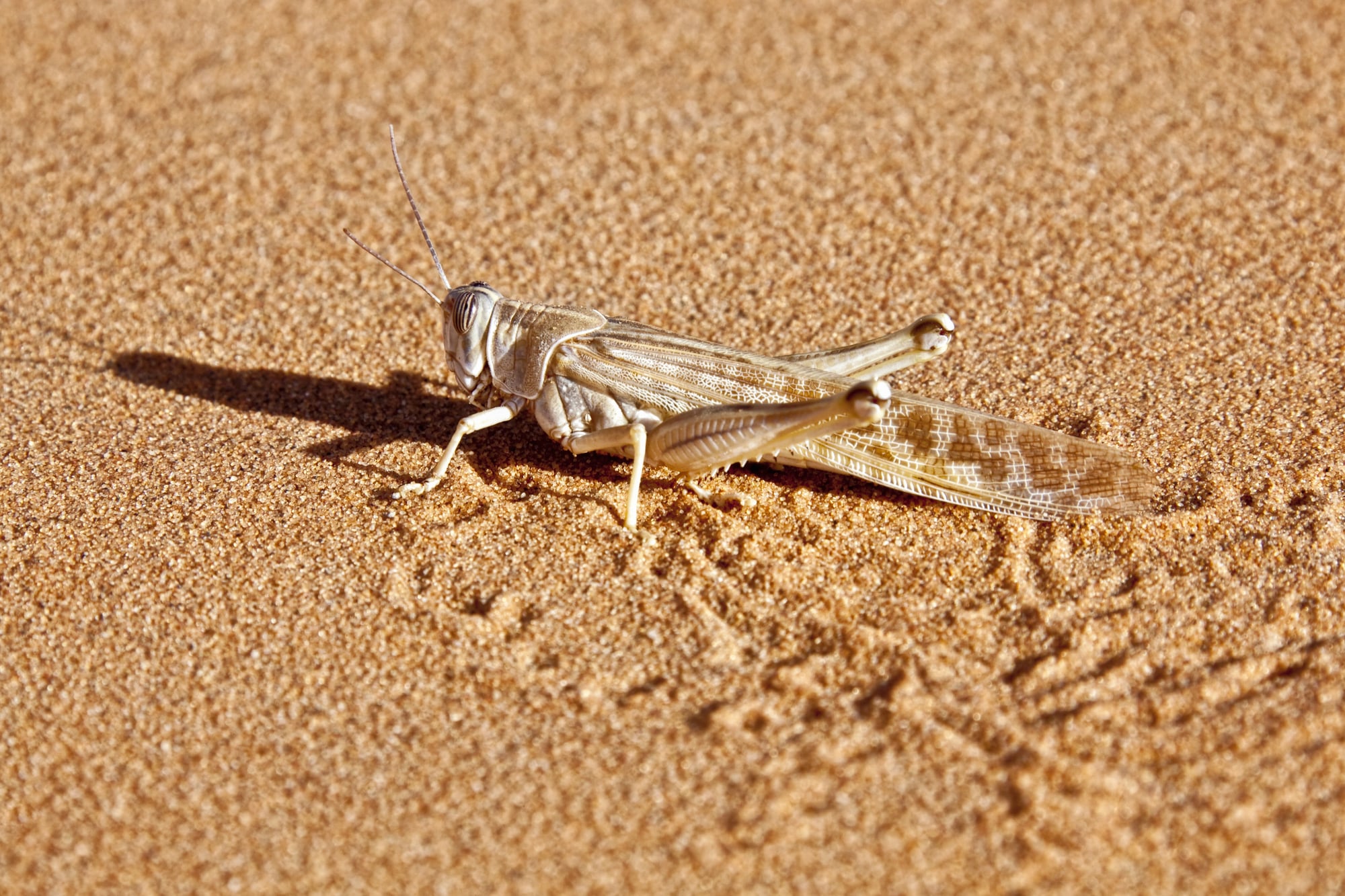
Desert locusts form swarms that can contain billions of individuals moving as a single coordinated unit across distances of hundreds of miles. Each locust in the swarm responds to the movement of its immediate neighbors, which should create chaos — millions of individual decisions creating random motion.
Instead, the swarms move with purpose and coordination that resembles flocking behavior, but at a scale where individual locusts at opposite ends of the swarm couldn’t possibly be aware of each other.
The swarms make collective decisions: changing direction, splitting around obstacles, or converging from multiple directions toward food sources.
These decisions happen too quickly and too precisely to be explained by information passing from locust to locust across the swarm.
It’s as if the swarm possesses a group intelligence that emerges from but operates independently of the individual locusts that comprise it.
Caribou Weather Prediction
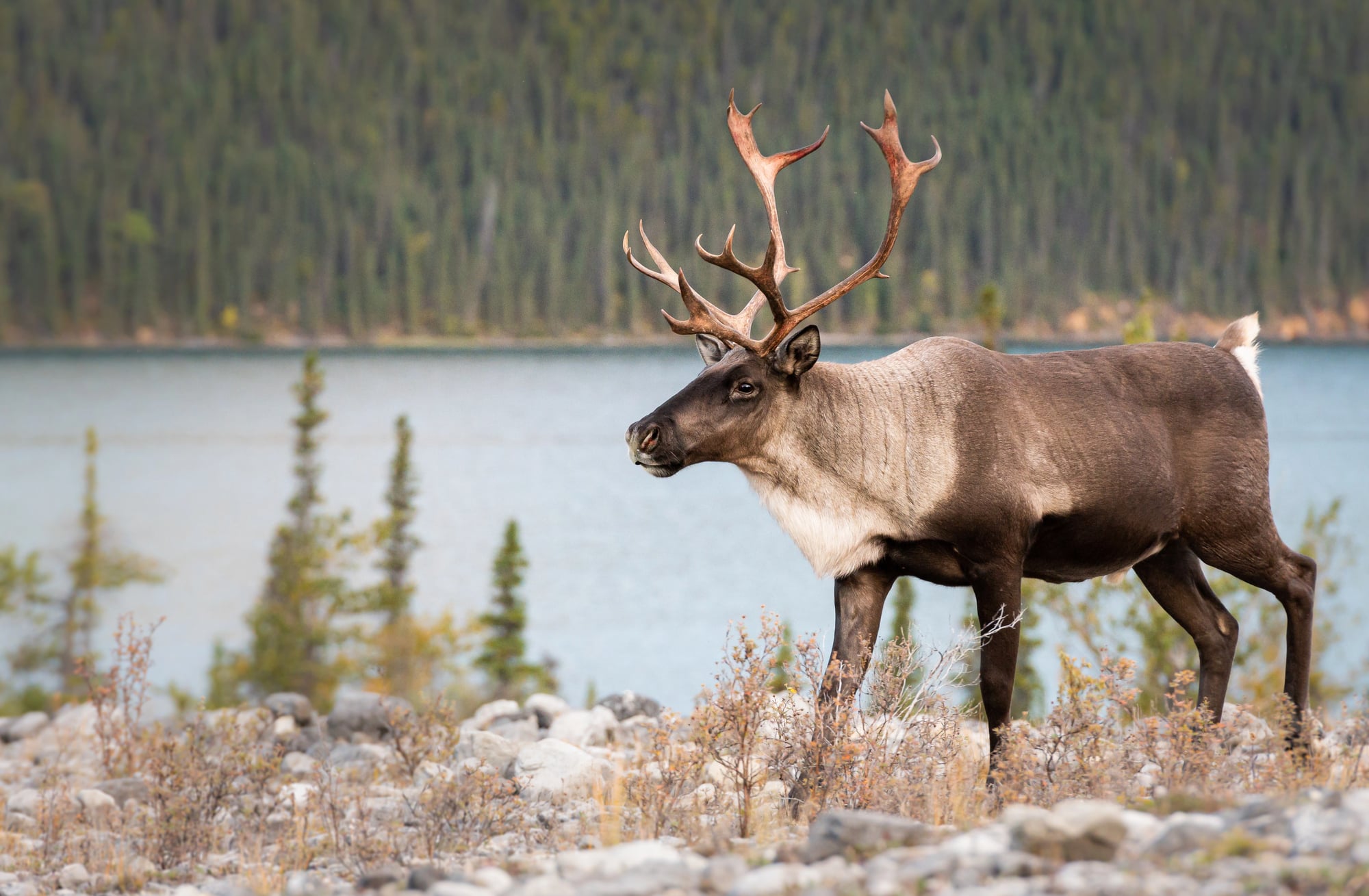
Caribou herds in the Arctic begin their migrations weeks before weather patterns change, but not in response to current weather conditions. They start moving toward areas that will have favorable conditions three to four weeks in the future — areas that may currently be experiencing blizzards or extreme cold.
Meteorologists can’t predict Arctic weather patterns three weeks in advance with the accuracy that caribou herds demonstrate through their migration timing.
The herds aren’t responding to barometric pressure, wind patterns, or temperature changes that precede the weather systems they’re anticipating.
They’re responding to something else entirely, and that something allows them to predict weather changes across distances of hundreds of miles with greater accuracy than human forecasting models.
Jellyfish Bloom Coordination

Jellyfish blooms — sudden population explosions that can stretch across hundreds of miles of ocean — occur with timing precision that marine biologists cannot explain. Different jellyfish species in different parts of the same ocean basin will begin blooming simultaneously, despite having no apparent method of communication or coordination.
The blooms don’t correlate with water temperature, food availability, or ocean currents in any predictable way.
They seem to respond to triggers that operate on ocean-wide scales, yet jellyfish lack the sensory apparatus to detect changes across such vast distances.
Some marine biologists suspect the jellyfish are responding to factors — electromagnetic fields, subtle chemical gradients, or underwater sound waves — that oceanography hasn’t yet learned to measure accurately.
Mayfly Emergence Synchronization

Mayflies spend years as nymphs living underwater, then emerge as adults within a single 24-hour period across entire river systems. This synchronization happens despite the nymphs being spread across hundreds of miles of waterways with different temperatures, flow rates, and environmental conditions.
The emergence is triggered by well-understood environmental factors: temperature accumulation (measured in degree-days) and photoperiod (day length changes).
These are the primary mechanisms that coordinate mayfly emergence across river systems.
Mayfly nymphs developing at different rates for years are synchronized by these temperature and light-based signals, allowing their final transformation to occur within narrow timeframes despite geographic separation.
The synchronization is explainable through these established environmental triggers rather than through unknown communication methods.
Swallow Navigation Precision
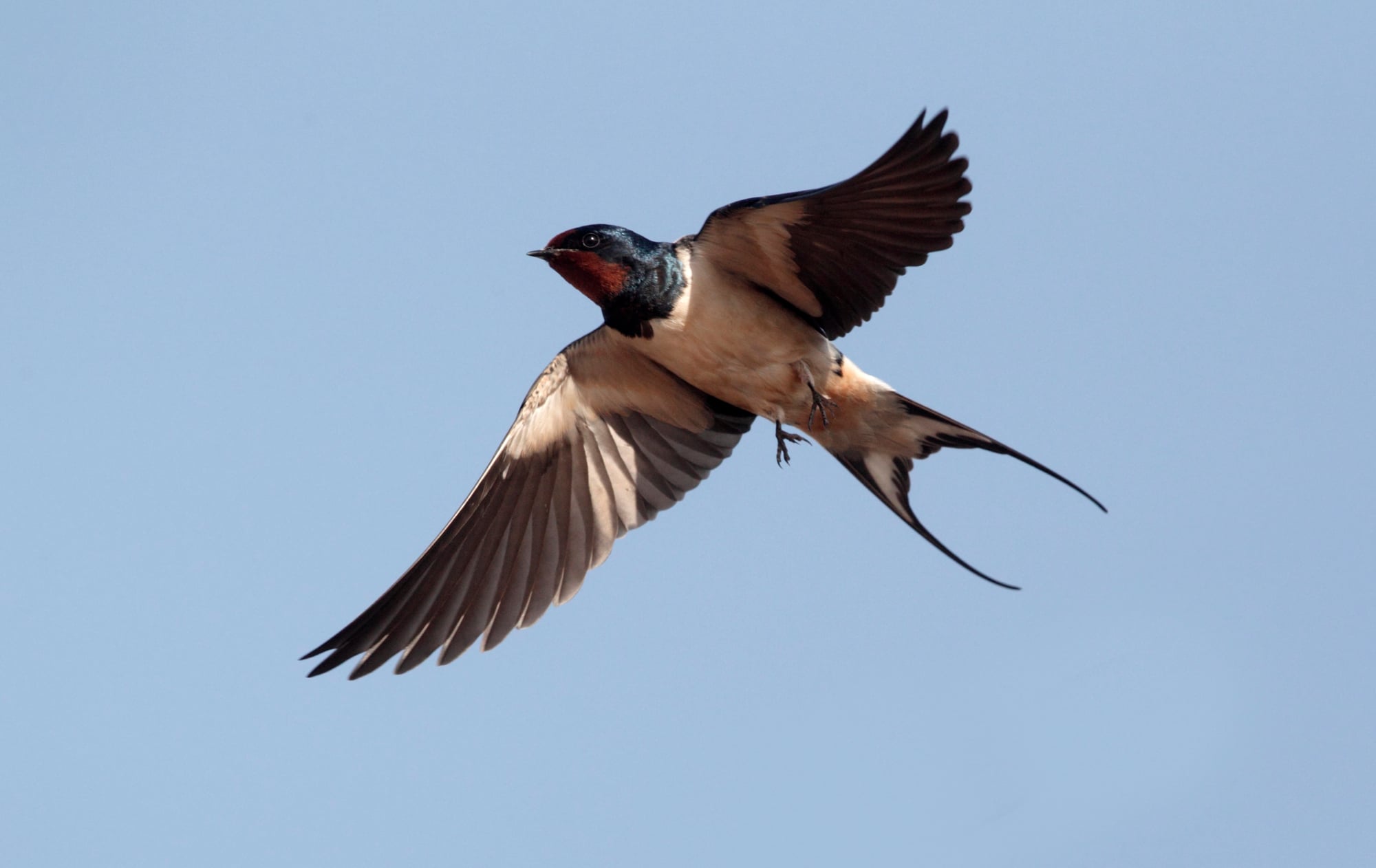
Barn swallows return to the exact same nesting sites year after year, often reusing nests they built the previous season. The precision isn’t unusual for migratory birds, but swallows demonstrate navigation abilities that work in reverse: they can find their way to wintering sites they’ve never visited before.
Young swallows on their first migration somehow navigate to traditional wintering areas used by their population for generations, despite having no guide and no previous knowledge of the route.
They don’t follow experienced birds — young swallows often migrate weeks after the adults have already left.
Yet they arrive at precisely the right locations thousands of miles away.
It suggests inherited navigation information that operates at a level of detail no other migratory species demonstrates.
When Maps Don’t Match The Territory
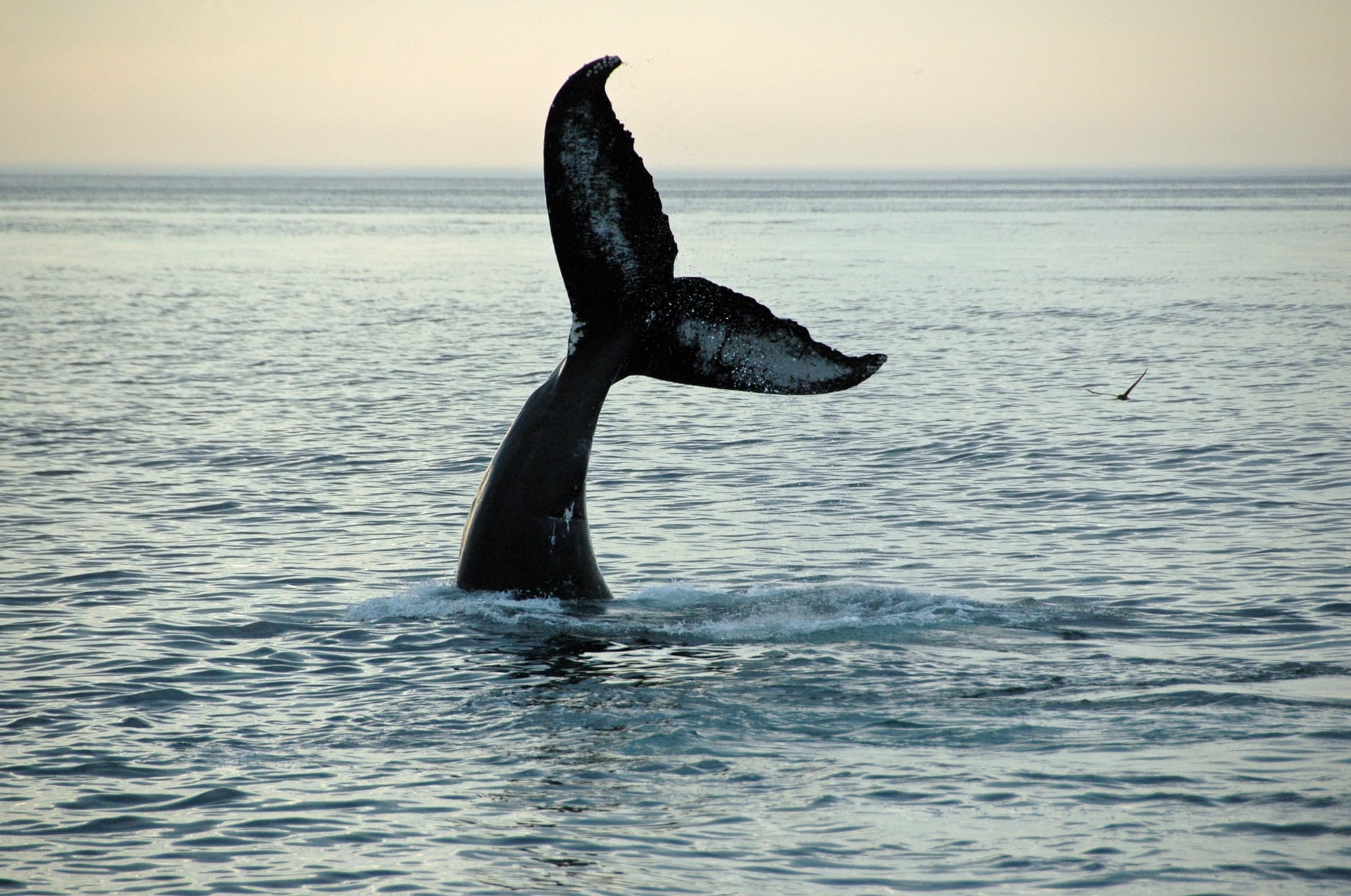
These migrations reveal something unsettling about the natural world: animals are responding to information humans cannot detect or measure. Whether it’s magnetic fields we don’t understand, chemical signals we can’t identify, or communication methods we haven’t discovered, there are clearly layers of environmental information that remain invisible to our instruments but obvious to the species that depend on them for survival.
The most disturbing possibility isn’t that these migrations are mysterious — it’s that they might not be mysterious at all.
The animals might be following perfectly logical patterns based on environmental cues so fundamental that science hasn’t learned to look for them yet.
Which raises the question: what else are we missing?
More from Go2Tutors!

- The Romanov Crown Jewels and Their Tragic Fate
- 13 Historical Mysteries That Science Still Can’t Solve
- Famous Hoaxes That Fooled the World for Years
- 15 Child Stars with Tragic Adult Lives
- 16 Famous Jewelry Pieces in History
Like Go2Tutors’s content? Follow us on MSN.