Ancient Rituals That Inspired Modern Traditions
You probably don’t think much about why you blow out birthday candles or throw rice at weddings. These things just happen because that’s what people do.
But behind each gesture sits centuries of human history, beliefs about gods and luck and death, and the kind of wisdom that survives because it resonates across generations. The rituals your ancestors performed weren’t arbitrary.
They meant something to the people who created them, and that meaning proved durable enough to travel through time, changing shape but never quite disappearing.
Circles of Gold Around Your Finger

Ancient Egyptians started the tradition of wearing rings on the fourth finger of the left hand. They believed a vein ran directly from that finger to the heart. The Romans called it “vena amoris”—the vein of love. Neither culture got the anatomy right, but the symbolism stuck.
The circular shape mattered too. No beginning, no end.
Ancient cultures saw circles as symbols of eternity, which made them perfect for representing promises meant to last forever. Gold became the preferred metal because it doesn’t tarnish or corrode.
Your ancestors wanted symbols that would outlast them.
Fire and Wishes on Your Special Day
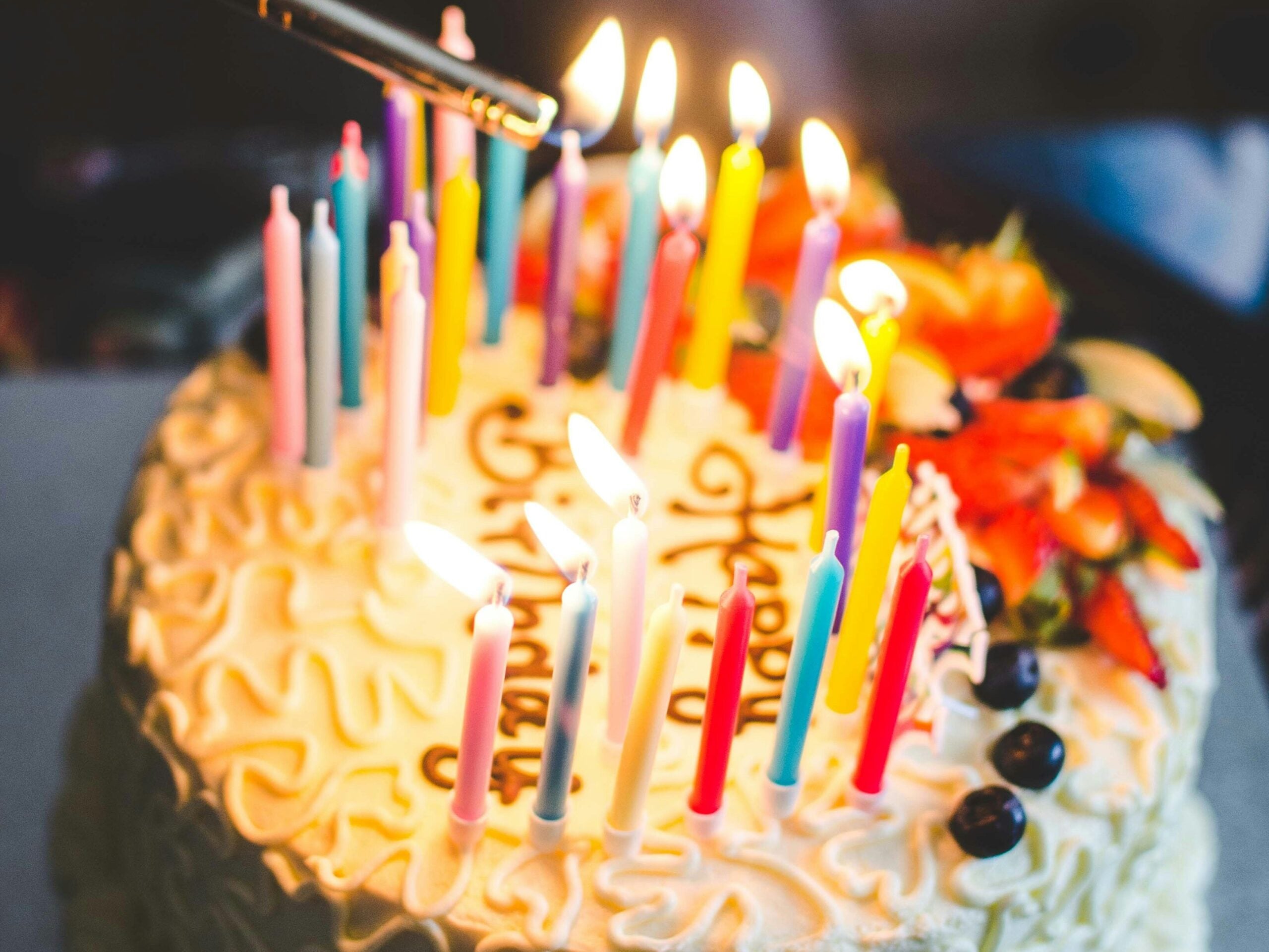
Birthday candles trace back to ancient Greece. People baked round cakes to honor Artemis, goddess of the moon, and topped them with candles to make them glow like her celestial domain.
The smoke from blown-out candles was thought to carry prayers directly to the gods. Germans formalized this practice in the Middle Ages with “Kinderfest,” birthday celebrations where children received cakes with one candle for each year of life, plus one extra for the hope of living another year.
That tradition of making a wish as you blow out candles? That’s the prayer aspect surviving in secular form.
The ancient belief that smoke connects earth to heaven shows up across cultures. Whether you’re religious or not, you still close your eyes and make a wish before extinguishing those flames.
Grains Thrown for Fertility

Rice throwing at weddings comes from ancient Hindu ceremonies where guests tossed grains over couples to promote fertility and prosperity. Rice was a symbol of abundance, and the act represented showering the newlyweds with blessings for a fruitful marriage.
The Chinese, Romans, and Celts all had similar practices. The Romans threw wheat.
The Celts used oats. The specific grain changed based on what people grew, but the underlying symbolism remained constant: may your union be as plentiful as a successful harvest.
Modern couples often skip rice now for environmental reasons, opting for birdseed or flower petals. The gesture survives even as the material changes.
Masks That Hide and Reveal
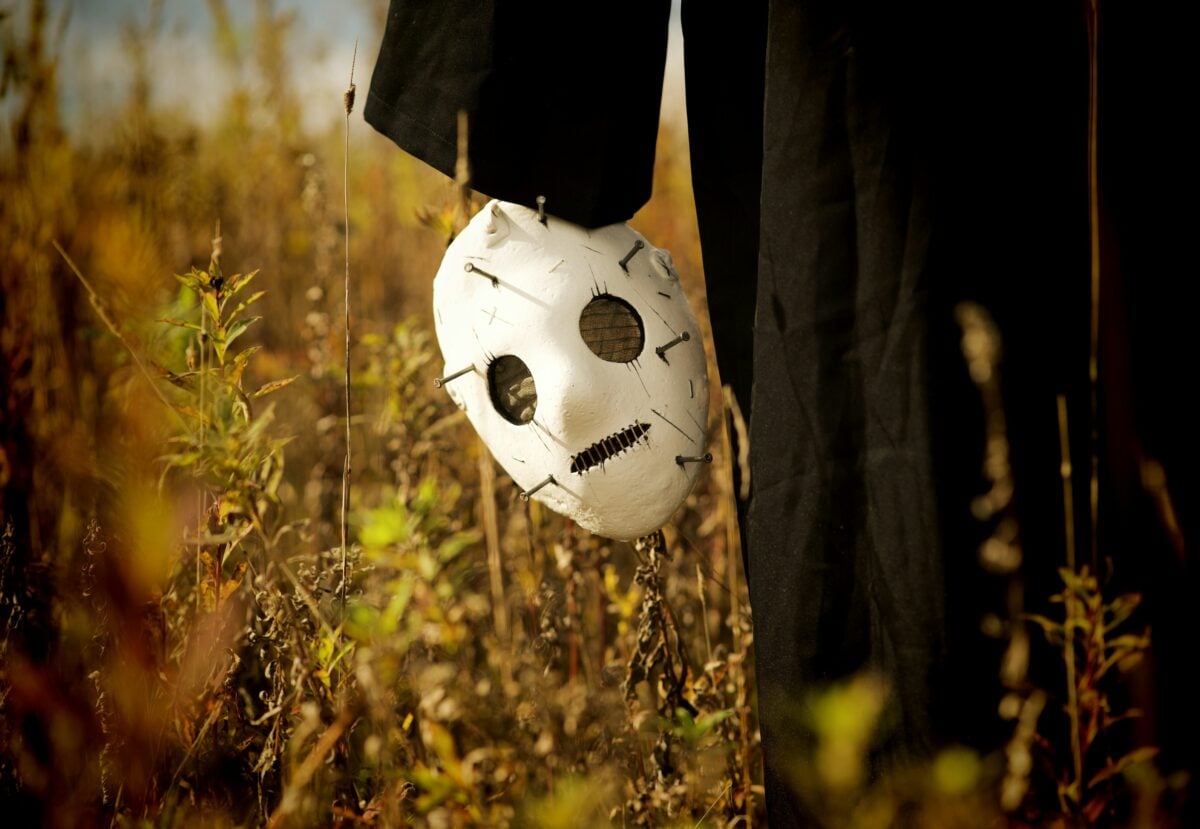
Halloween masks connect to ancient Celtic Samhain celebrations. The Celts believed the boundary between the living and dead dissolved on October 31st.
People wore costumes and masks to confuse malevolent spirits or, in some traditions, to honor deceased ancestors by representing them. The practice of disguising yourself to interact with supernatural forces appears in cultures worldwide.
Japanese Noh theater, African tribal ceremonies, and Venetian carnival traditions all use masks to transform the wearer into something other than themselves. When children put on costumes today, they’re participating in humanity’s oldest form of theater—the ritual transformation of self through disguise.
Water That Cleanses More Than Skin

Baptism by water immersion predates Christianity by millennia. Ancient Egyptians bathed in the Nile as a purification rite. Jews practiced ritual immersion in mikvahs.
Greek mystery religions used water to symbolize spiritual rebirth. The symbolism made intuitive sense to ancient people.
Water physically cleans. Why wouldn’t it clean spiritually too?
Immersion represented death and emergence represented rebirth—going under the surface of one life and rising into another. Modern baptisms preserve this ancient logic.
The Christian tradition absorbed existing water purification rituals and gave them new theological meaning, but the fundamental symbolism remained unchanged.
Bells That Drive Away Darkness

Church bells descend from ancient practices of using loud noises to ward off evil spirits. Romans rang bells during eclipses to scare away whatever was eating the sun.
Chinese New Year celebrations include fireworks and gongs for the same reason—to frighten away malicious forces as the year turns. The tradition of ringing bells at weddings, funerals, and important occasions comes from this belief that sound creates boundaries between the sacred and profane.
Bells announced transitions: from life to death, from single to married, from one year to the next. You might not believe in evil spirits, but you still recognize the power of a tolling bell to mark a moment as significant.
Breaking Bread Together

Sharing food as a bonding ritual appears in every human culture because it works. Ancient Romans sealed business deals with shared meals.
Indigenous American tribes used feast ceremonies to strengthen alliances. Biblical traditions made breaking bread together a sacred act.
The Last Supper didn’t invent communion—it drew on existing Jewish Passover traditions, which themselves evolved from earlier harvest festivals. The act of eating together creates trust and intimacy because you’re literally taking something into your body in the presence of others.
Modern dinner parties, business lunches, and family gatherings all operate on this ancient logic. Food shared is community created.
Candles That Remember the Dead

Lighting candles to honor deceased loved ones dates back to ancient Egypt, where people placed oil lamps in tombs to light the way for souls traveling to the afterlife. Romans kept eternal flames burning at burial sites. Jewish tradition includes yahrzeit candles.
The Catholic practice of lighting votive candles continues this tradition, as does the modern secular custom of placing candles at memorials and vigils. Fire represented the soul in many ancient cultures—a light that burns bright, then flickers out.
When you light a candle to remember someone, you’re performing one of humanity’s oldest acts of commemoration.
Dancing in Circles to Change the World
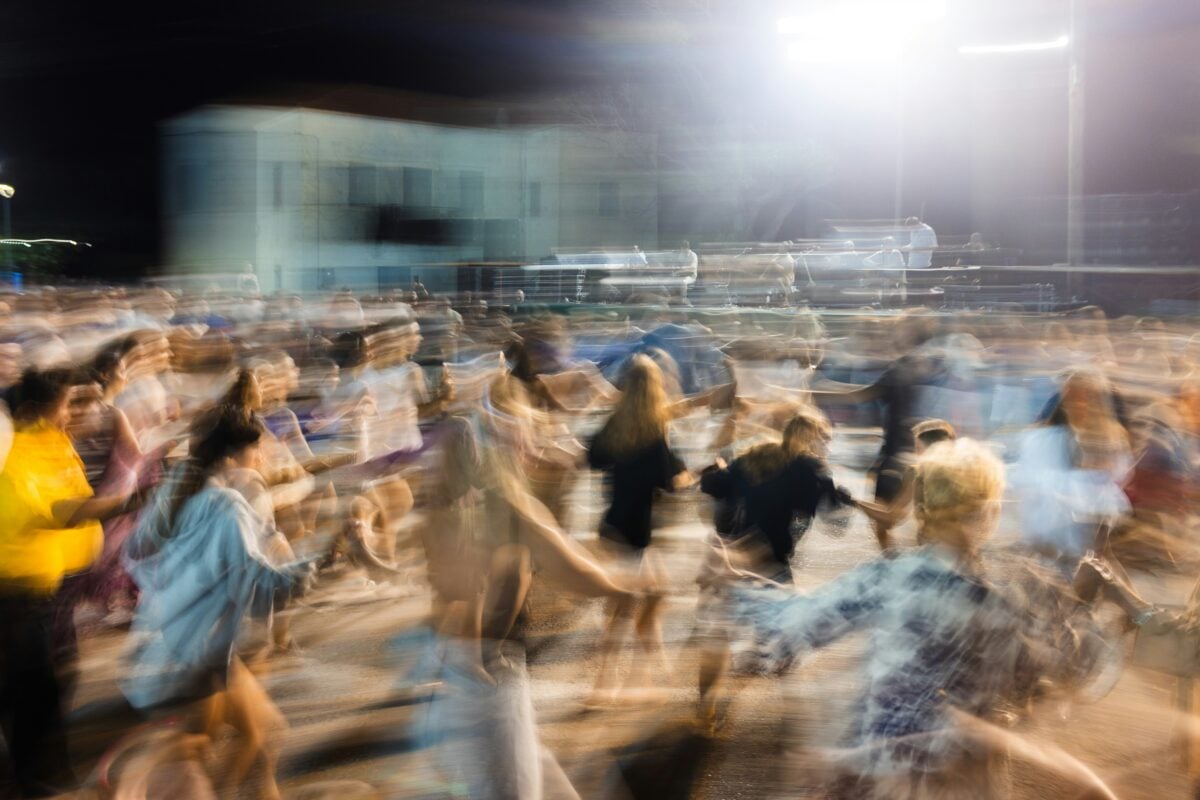
Circle dances appear in religious and cultural ceremonies worldwide. Ancient Greeks danced in circles to honor Dionysus. Jewish tradition includes the hora.
Celtic festivals featured circular folk dances. Indigenous American tribes danced in rings during ceremonial gatherings.
The circle represented unity and equality—no beginning, no end, everyone facing everyone else. Dancing in formation wasn’t just celebration but ritual action meant to create harmony or invoke divine favor.
Modern circle dances at weddings and cultural festivals preserve this ancient form. The geometry of the dance still communicates what words cannot: we are together in this.
New Year, New Fire

New Year’s celebrations consistently involve fire, from Times Square’s illuminated orb drop to fireworks displays worldwide. Ancient Persians celebrated Nowruz with bonfires symbolizing the triumph of light over darkness.
Celtic Beltane fires marked the beginning of summer. Romans made offerings to Janus, god of beginnings, with flame.
Fire symbolized purification and renewal. Old year out, new year in, marked by the most elemental human tool.
The practice of staying up until midnight to witness the transition is itself a vigil—a night watch that ancient people understood as a liminal moment requiring attention. You count down to midnight and watch fireworks explode because humans have always marked transitions with controlled fire.
Jumping Over Obstacles for Luck

The tradition of grooms carrying brides over thresholds comes from ancient Roman wedding customs. Romans believed evil spirits lurked at doorways, and a bride stumbling while entering her new home brought bad luck.
Carrying her across eliminated the risk. Doorways and thresholds held special significance across cultures as boundary spaces between worlds.
Japanese culture emphasizes proper shoe removal at entrances. Irish folklore warns about fairies at doorsteps.
The physical threshold represented a spiritual boundary requiring respectful navigation. The modern version has lost its supernatural justification but retains the gesture—a husband protecting his wife from invisible threats as they begin their shared life.
Fasting Before the Feast

Religious fasting periods like Lent, Ramadan, and Yom Kippur all draw on ancient beliefs that temporary self-denial purifies the spirit and demonstrates devotion. Ancient Greeks fasted before consulting oracles.
Hindu traditions include various fasting practices. Buddhist monks observe periodic fasts.
The logic made sense to ancient people: if you want to approach something sacred, you should prepare yourself. Denying the body elevated the spirit.
The discomfort itself had meaning—a sacrifice that demonstrated seriousness. Modern secular versions of this impulse appear in detox diets and cleanses.
The language changes from spiritual to health-focused, but the underlying pattern remains: temporary deprivation followed by restoration.
Names Given in Ceremony

Name-giving ceremonies appear across cultures because names matter. Ancient Romans held a naming ceremony called Dies Lustricus nine days after birth for boys, eight for girls. Jewish tradition includes the Brit Milah for boys and Simchat Bat for girls.
Many African cultures conduct elaborate naming ceremonies. Names weren’t just labels but essential components of identity.
The ceremony itself transformed a biological birth into a social and spiritual one. The child became a recognized member of the community through the ritual act of naming.
Modern baby naming ceremonies, whether religious or secular, continue this tradition. The form changes but the function remains: a community gathering to acknowledge and welcome a new life.
Seeds Planted in Hope

Spring planting festivals, tied to fresh beginnings, show up in all farming cultures. The ancient Mesopotamians paid tribute to Tammuz.
Greeks rejoiced when Persephone came back from the underworld. Romans threw Floralia in honor of Flora, their flower goddess. Celts observed Ostara at the spring equinox.
Easter egg customs come from old spring fertility rites. Eggs stood for new life, while coloring them marked nature’s comeback.
Christianity took earlier spring festivals, reshaping their meaning; yet the core idea stayed – the end leading into fresh beginnings. While coloring Easter eggs, you join a custom way older than Christianity – a practice pointing to spring as humankind’s steady signal that conclusions aren’t always the end.
Echoes That Outlast Understanding
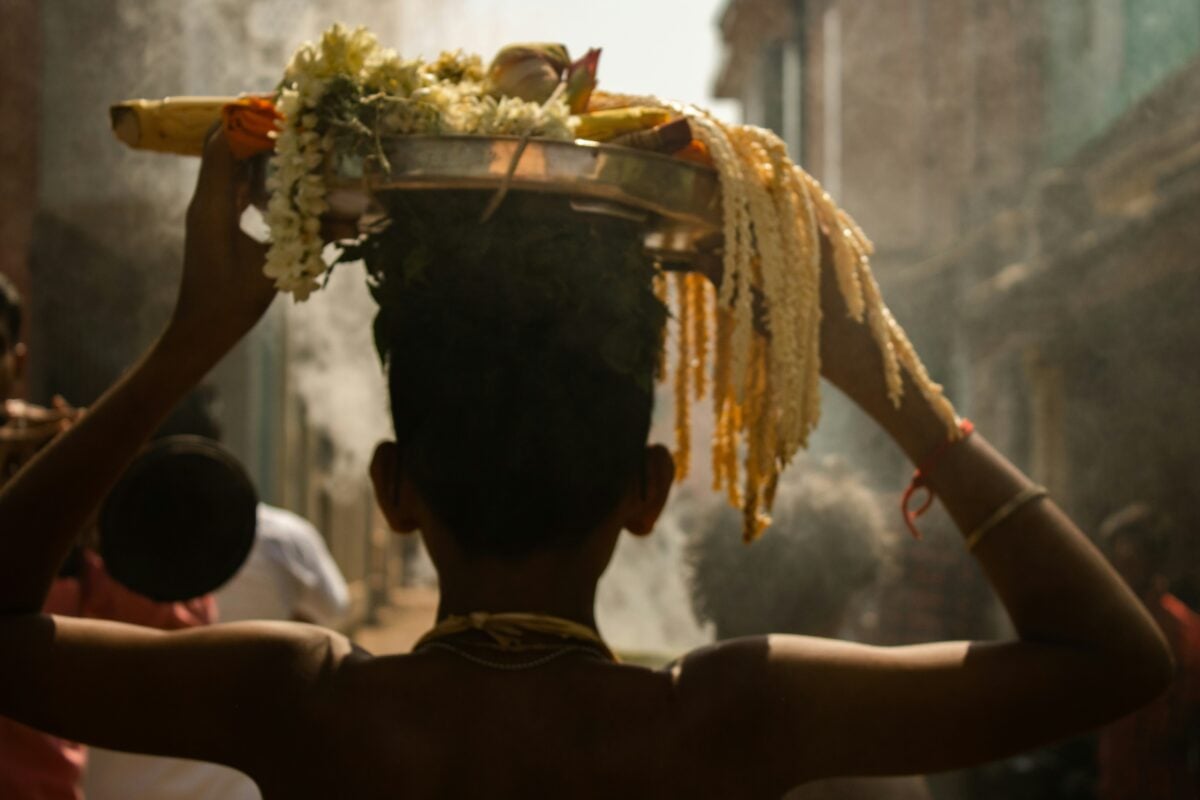
These customs stick around – not due to rules, yet because they tap into deep parts of how we live. Maybe you don’t buy that dark forces hide by doorways, still – you get what it means to move from one chapter of life to the next.
Perhaps smoke sending messages to deities sounds off, even so – there’s weight in wishing together when everyone’s focus aligns. The way we do things shifts over time. Instead of rice, we now use birdseed, tweaking what old signs mean.
We go through motions without knowing where they started. Yet the reasons stay much the same – rituals highlight big moments, glue people together, recognize powers beyond us, honor folks from the past.
Your ancestors shaped these customs by watching life unfold, holding on to faith, stumbling through mistakes, because people naturally try to find sense in what happens. The fact you keep doing them – usually without asking why – shows they figured out a real piece of being alive.
More from Go2Tutors!

- 16 Historical Figures Who Were Nothing Like You Think
- 12 Things Sold in the 80s That Are Now Illegal
- 15 VHS Tapes That Could Be Worth Thousands
- 17 Historical “What Ifs” That Would Have Changed Everything
- 18 TV Shows That Vanished Without a Finale
Like Go2Tutors’s content? Follow us on MSN.