Countries With the Most Greenery in the World
What makes a nation truly green? It isn’t only about trees covering hillsides.
Some places burst with thick jungle alive with unseen creatures, others hold open meadows soaked in morning light, while marshes teem beneath gray skies. A country earns that label when wild spaces aren’t tucked away – they lead the way.
Life unfolds alongside rivers, mountains, and woods instead of pushing them aside. Built on vast forested tracts, certain nations draw attention simply by holding so much green space – carbon captured, animals protected.
In contrast, places where life seems packed into every patch of ground thrive under steady rain, rich earth, deep soils, and months-long growing cycles. The reasons behind such lushness?
A mix of natural patterns like weather and terrain, along with how people manage land over time. Take a walk through nations blanketed in lush growth, where trees shape daily life without needing fanfare.
Forests stretch far across some lands simply because time and care allowed roots to deepen. What grows above ground tells stories of choices made long ago beneath the soil.
These places stay green not by accident but through quiet habits passed down season after season.
Brazil

Brazil is often the first country that comes to mind when discussing global greenery, and for good reason. It is home to the largest share of the Amazon rainforest, which alone represents the most extensive tropical forest system on Earth.
The Amazon spans millions of square miles, supporting countless plant species and regulating weather patterns far beyond Brazil’s borders. This forest isn’t just dense.
It’s layered, complex, and constantly regenerating, creating an environment where greenery dominates every visible horizon. Beyond the rainforest, Brazil also features wetlands like the Pantanal and vast savannah regions, making greenery a defining feature across much of the country rather than a single region.
Canada

Canada’s greenery is defined by scale and variety. Stretching across multiple climate zones, it contains some of the largest boreal forests in the world, covering huge portions of the country.
These forests are dominated by evergreen trees that remain green year-round, giving the landscape a persistent sense of life even in colder months. Lakes, rivers, and wetlands weave through these forests, enhancing the sense of natural abundance.
While much of Canada is sparsely populated, that emptiness allows ecosystems to remain largely intact, preserving greenery on a continental scale.
Russia

Russia holds the largest forest area of any country on Earth, largely due to the vast taiga that stretches across Siberia. This immense belt of coniferous forest forms one of the planet’s most important carbon sinks.
The greenery here isn’t tropical or lush in the conventional sense. Instead, it’s resilient and expansive, shaped by long winters and short but productive growing seasons.
Despite its harsh reputation, Russia’s forested regions play a crucial role in maintaining global ecological balance, making it one of the greenest countries by sheer coverage.
Indonesia

Indonesia’s greenery feels immediate and immersive. Its rainforests thrive in warm, humid conditions, creating dense vegetation that grows rapidly and continuously throughout the year.
Spread across thousands of islands, Indonesia hosts an extraordinary range of plant life. Jungle-covered mountains, mangrove forests, and fertile volcanic soils all contribute to its green character.
This richness supports some of the highest biodiversity levels on the planet, where greenery isn’t just widespread, but deeply interconnected with animal life and human culture.
Colombia
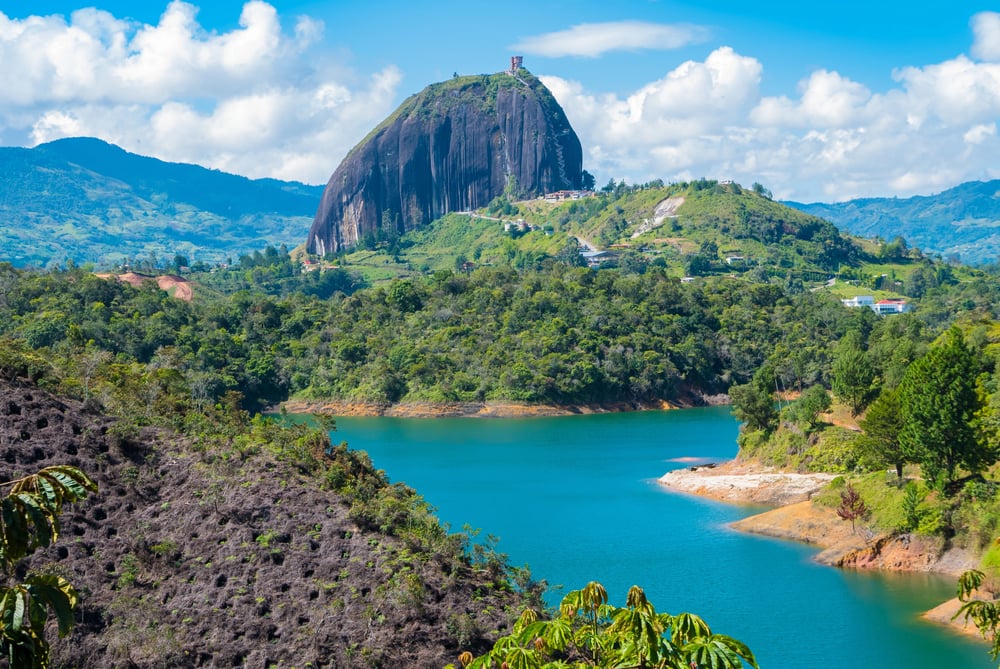
Colombia stands out for its remarkable ecological diversity within a relatively compact area. Rainforests, cloud forests, grasslands, and wetlands coexist thanks to dramatic changes in elevation and climate.
Large portions of the country remain covered in vegetation, particularly in the Amazon basin and along the Pacific coast. Even mountainous regions support lush plant life due to consistent rainfall.
Colombia’s greenery feels layered rather than uniform, shifting in texture and density as the landscape rises and falls.
Finland

Finland is often described as one of the most forested countries in Europe, with trees covering the majority of its land. Forests, lakes, and wetlands are deeply integrated into everyday life.
What makes Finland unique is accessibility. Green spaces aren’t distant or remote; they exist alongside cities and towns, shaping how people move, relax, and connect with nature.
The greenery here feels calm and ordered, reflecting a long-standing cultural emphasis on conservation and coexistence with the natural environment.
Sweden
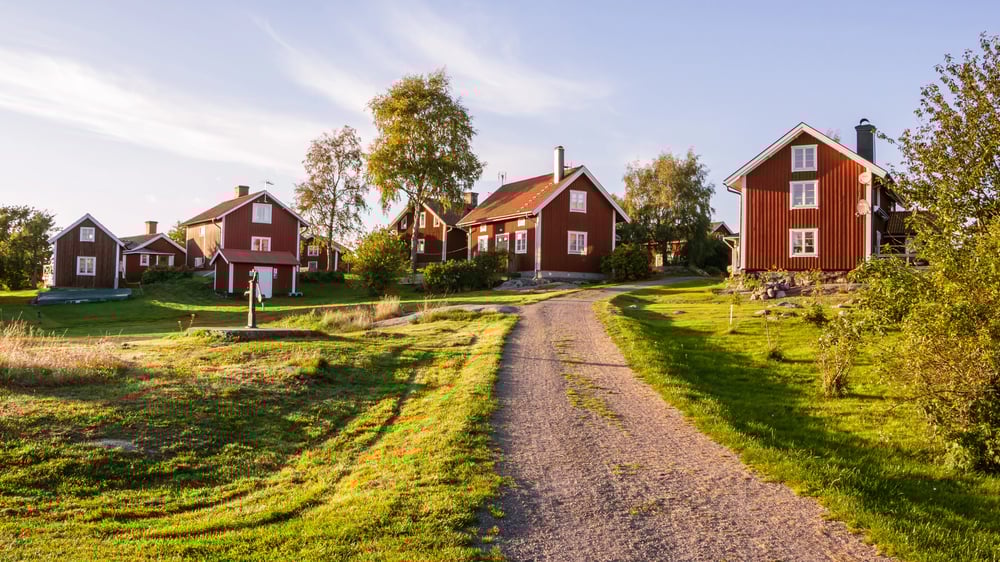
Like its neighbor Finland, Sweden is heavily forested, with greenery stretching across much of the country. Pine and spruce forests dominate, interspersed with lakes and open meadows.
Sweden’s greenery is supported by strong environmental protections that balance forestry with sustainability. Large natural areas remain intact, even as the country modernized.
The result is a landscape where human activity and vegetation coexist without overwhelming one another, preserving a strong sense of natural continuity.
Peru

Peru’s greenery is shaped by contrast. While parts of the country are arid, the eastern regions open into the Amazon rainforest, where vegetation is dense and thriving.
Cloud forests along the Andes add another layer of green, often shrouded in mist and rich with plant species found nowhere else. These transitional zones are among the most visually striking in the world.
Peru’s green spaces are deeply tied to geography, rising and falling with the land in ways that create dramatic ecological variety.
New Zealand

New Zealand’s greenery feels almost curated, though it’s largely natural. Rainforests, rolling hills, and fern-covered valleys dominate much of the landscape.
High rainfall and mild temperatures allow vegetation to grow vigorously. Native plants thrive, creating ecosystems that feel distinct from anywhere else on Earth.
What sets New Zealand apart is how quickly greenery appears. Even short drives reveal dense vegetation, making nature feel ever-present rather than confined to reserves.
Democratic Republic of the Congo

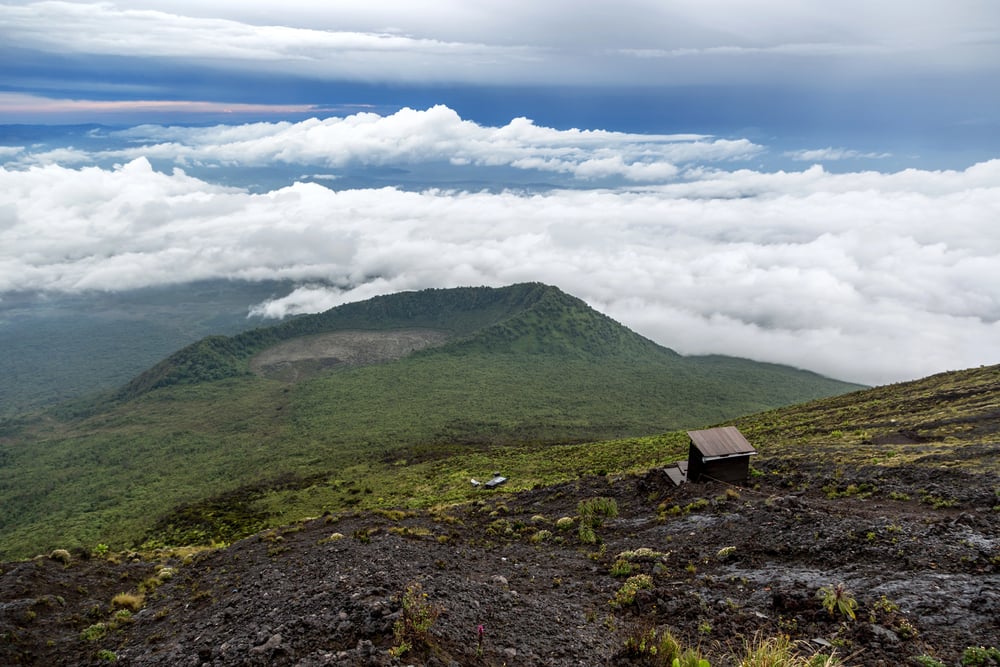
The Democratic Republic of the Congo contains one of the largest remaining tropical rainforests on the planet, second only to the Amazon in size.
This forest supports immense biodiversity and plays a vital role in regional climate regulation. Vegetation here is thick, fast-growing, and constantly renewing.
Despite economic and political challenges, the country’s greenery remains one of its most defining features, shaping both ecology and human livelihoods.
What Makes a Country Truly Green
Greenery isn’t just about how much land is covered in plants. It’s also about how connected those ecosystems are and whether they’re healthy enough to sustain themselves.
Countries with the most greenery tend to combine favorable climates with large undeveloped areas or strong conservation traditions. In many cases, it’s the absence of overdevelopment that allows greenery to dominate.
Forests that stretch uninterrupted for hundreds or thousands of miles create a sense of scale that smaller green spaces simply can’t replicate.
Why Green Countries Matter Globally
The greenest countries on Earth do more than offer beautiful landscapes. They regulate climate, absorb carbon, protect water systems, and support biodiversity on a planetary level.
Forests influence rainfall patterns across continents, while wetlands filter water and reduce flooding. These benefits extend far beyond national borders.
In this sense, greenery isn’t a luxury. It’s infrastructure for the planet.
The Human Connection to Green Landscapes

People living in greener countries often report stronger connections to nature, whether through daily routines or cultural traditions. Forests, rivers, and open land shape how communities form and how people spend their time.
Even urban areas in green countries tend to incorporate parks and tree-lined spaces, reflecting an understanding that nature supports well-being.
That connection reinforces conservation efforts, creating a cycle where greenery is both protected and valued.
Why Greenery Still Captivates Us

Few things anchor the mind like wide stretches of green. Where plants fill every part of sight, there’s a quiet strength.
These spaces hum with growth, steady despite shifts elsewhere. Life shows up clearly when roots hold firm.
When urban areas grow, alongside faster digital rhythms, nations full of trees quietly highlight a different path. These places reveal how Earth appears once wild spaces are allowed space again.
Some nations stand out because of their lush landscapes. These places show strength through balance – ways people might live alongside nature without wearing it down.
More from Go2Tutors!

- The Romanov Crown Jewels and Their Tragic Fate
- 13 Historical Mysteries That Science Still Can’t Solve
- Famous Hoaxes That Fooled the World for Years
- 15 Child Stars with Tragic Adult Lives
- 16 Famous Jewelry Pieces in History
Like Go2Tutors’s content? Follow us on MSN.