16 Engineering Disasters That Led to Breakthroughs
Engineering history is filled with spectacular failures that, while devastating at the time, ultimately pushed the field forward in ways that careful planning never could. These disasters forced engineers to rethink fundamental assumptions, develop new safety standards, and create innovations that continue to protect lives today.
Sometimes the greatest lessons come from the most painful mistakes. Here is a list of 16 engineering disasters that transformed failures into the foundation for modern safety practices and technological breakthroughs.
The Tacoma Narrows Bridge Collapse
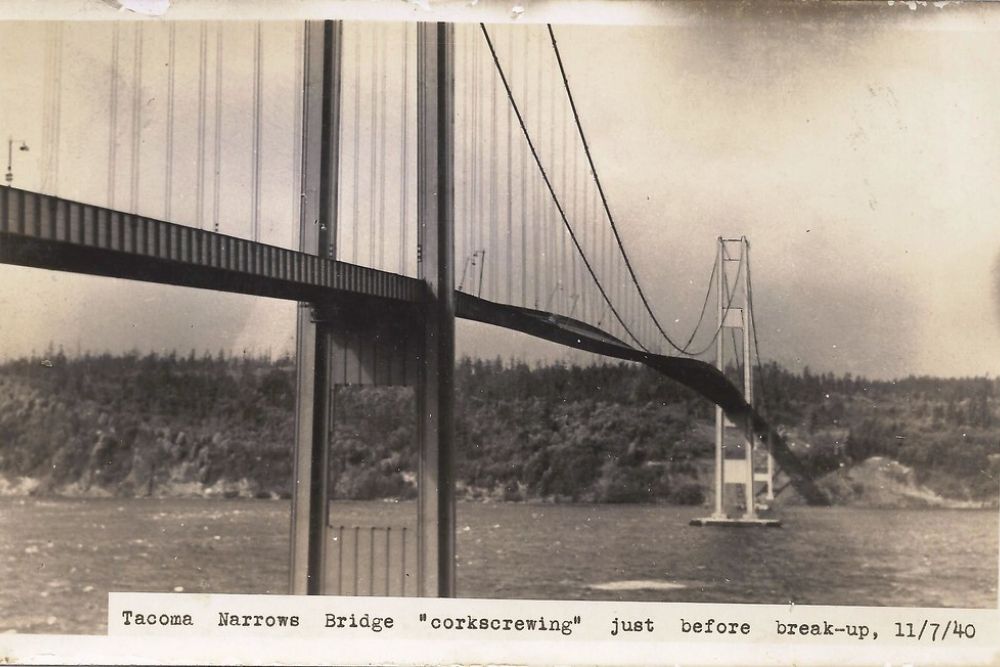
The Tacoma Narrows Bridge in Washington earned the nickname ‘Galloping Gertie’ for its tendency to sway dramatically in the wind before collapsing spectacularly in 1940. The disaster revealed a critical gap in understanding aerodynamic forces on suspension bridges.
This failure led to the development of wind tunnel testing for all major bridge projects and fundamentally changed how engineers approach bridge design, ensuring that structures like the Golden Gate Bridge could withstand extreme weather conditions.
The Challenger Space Shuttle Disaster

When Challenger exploded 73 seconds after liftoff in 1986, the investigation revealed that O-ring seals had failed in cold weather. This tragedy forced NASA to completely overhaul its safety culture and decision-making processes.
The disaster led to improved materials science, better communication protocols between engineers and management, and more rigorous testing procedures that continue to guide space exploration today.
The Kansas City Hyatt Regency Walkway Collapse
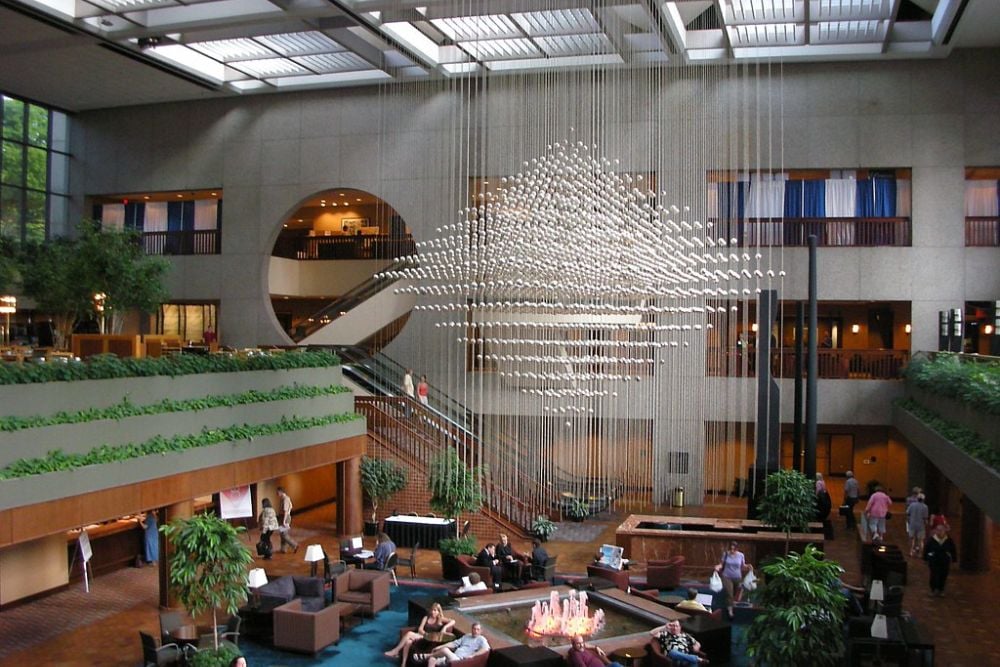
The collapse of two suspended walkways at the Hyatt Regency in 1981 killed 114 people and exposed serious flaws in construction oversight. Engineers discovered that a seemingly minor design change had doubled the load on critical connection points.
This disaster revolutionized structural engineering review processes and established stricter requirements for professional engineer approval of design modifications during construction.
The Teton Dam Failure
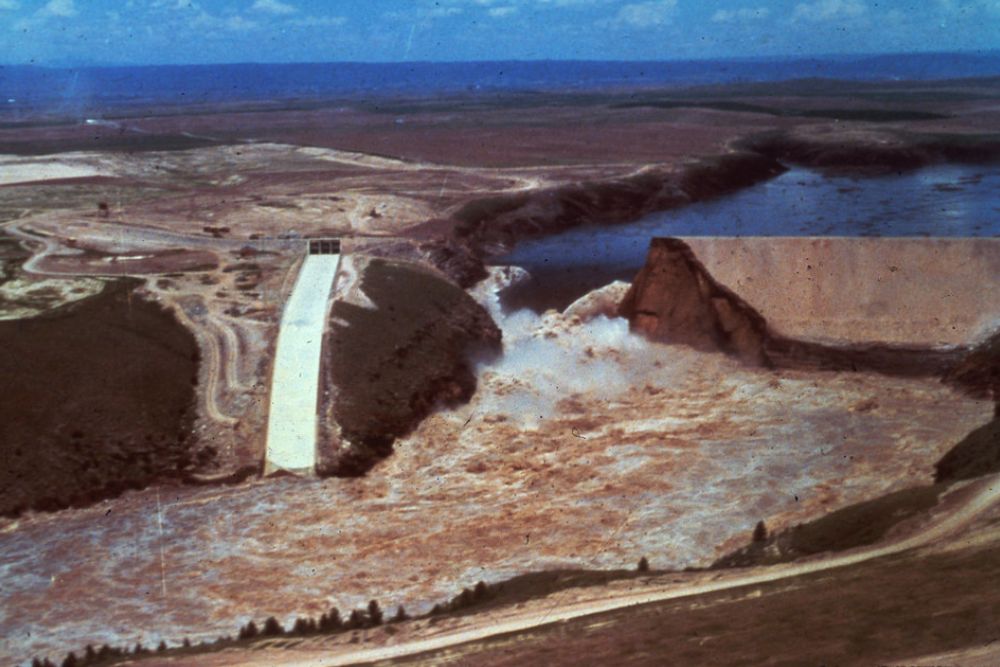
Idaho’s Teton Dam failed catastrophically in 1976, just months after completion, flooding the Snake River valley. The failure was traced to inadequate foundation preparation and poor understanding of soil-structure interaction.
This disaster led to major advances in geotechnical engineering, improved dam safety inspection protocols, and the development of better methods for analyzing foundation conditions before construction begins.
The Hartford Civic Center Roof Collapse
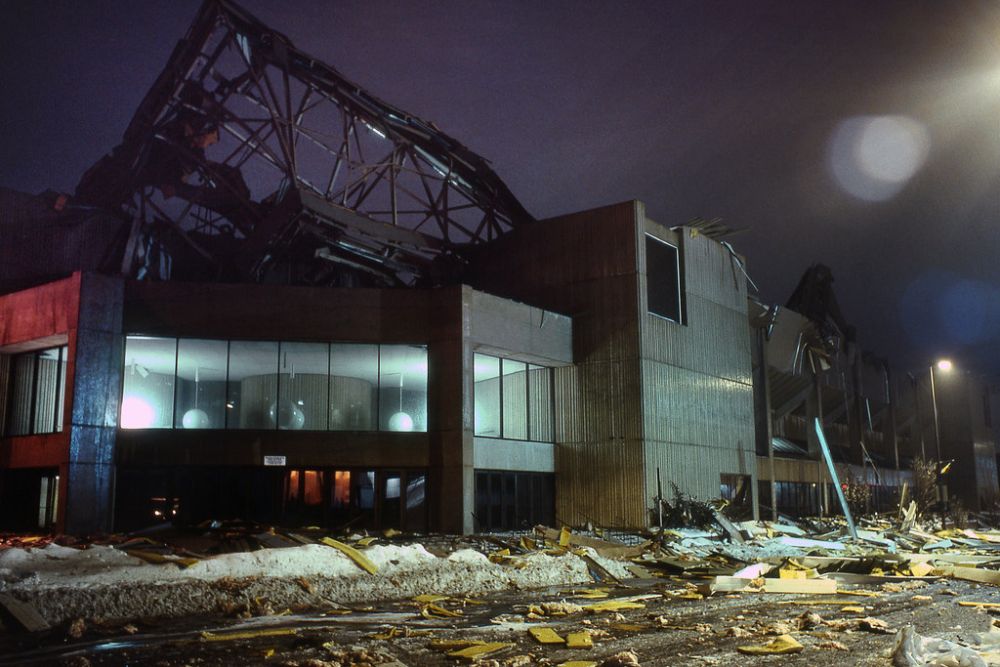
The Hartford Civic Center’s roof collapsed under snow load in 1978, fortunately when the building was empty. Engineers found that computer modeling errors and inadequate understanding of space frame behavior contributed to the failure.
This disaster accelerated the development of more sophisticated structural analysis software and established new standards for checking computer calculations with hand calculations.
The Comet Aircraft Crashes
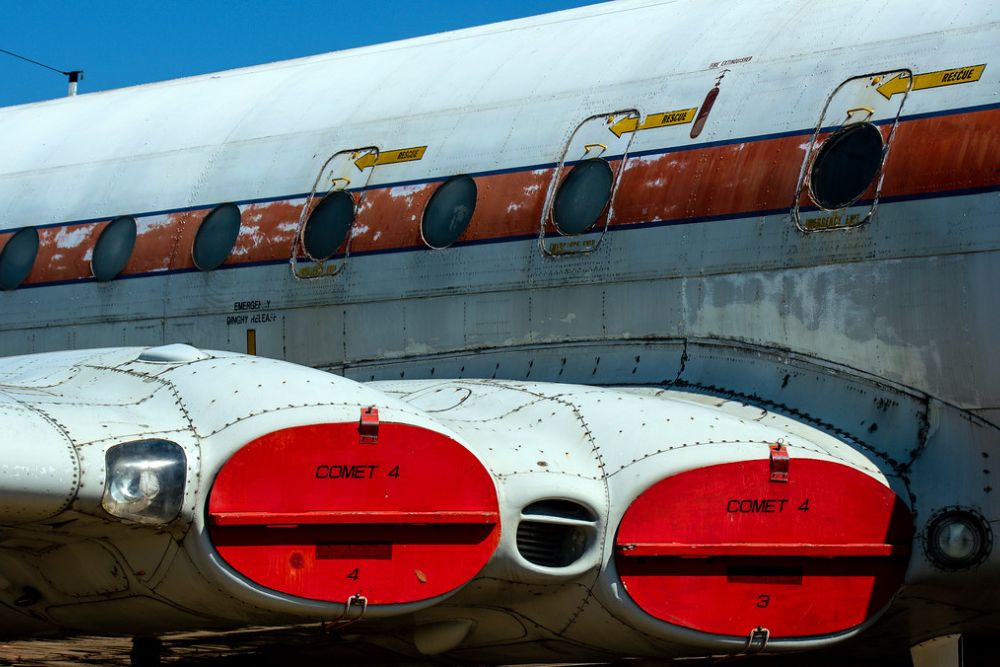
Three de Havilland Comet aircraft broke apart in flight during the 1950s, grounding the world’s first commercial jet airliner. Investigation revealed that repeated pressurization cycles caused metal fatigue around square windows.
These crashes led to breakthrough discoveries in fracture mechanics, the development of fail-safe design principles, and the adoption of round windows in aircraft—innovations that make modern air travel remarkably safe.
The Deepwater Horizon Oil Spill
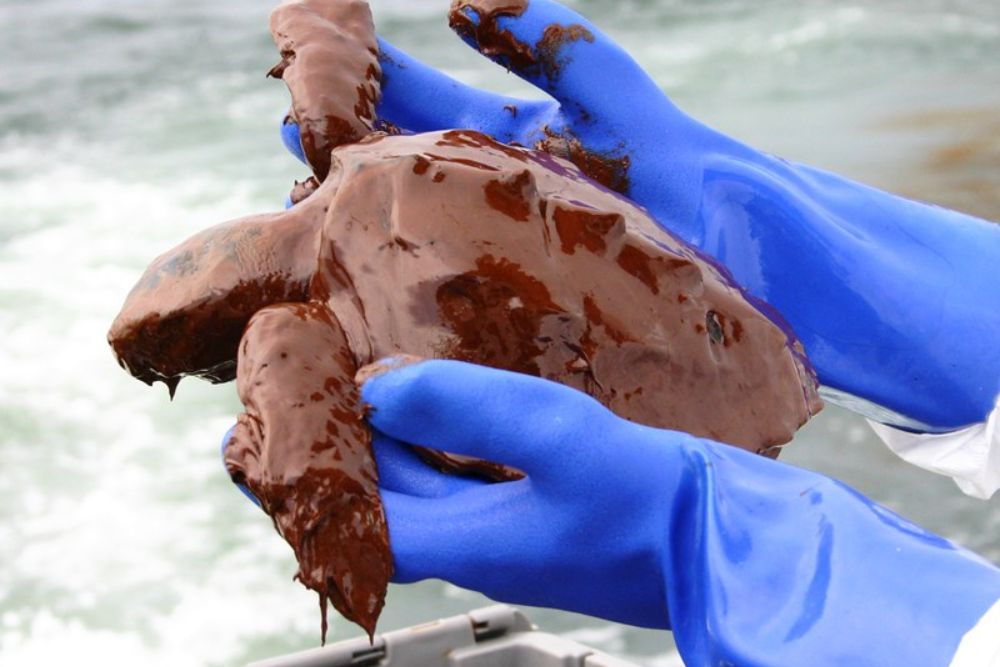
The 2010 Deepwater Horizon disaster killed 11 workers and released millions of barrels of oil into the Gulf of Mexico. The investigation revealed failures in blowout preventer technology and risk assessment procedures.
This catastrophe drove major advances in subsea safety systems, real-time monitoring technology, and environmental response capabilities that now protect offshore drilling operations worldwide.
The Chernobyl Nuclear Accident
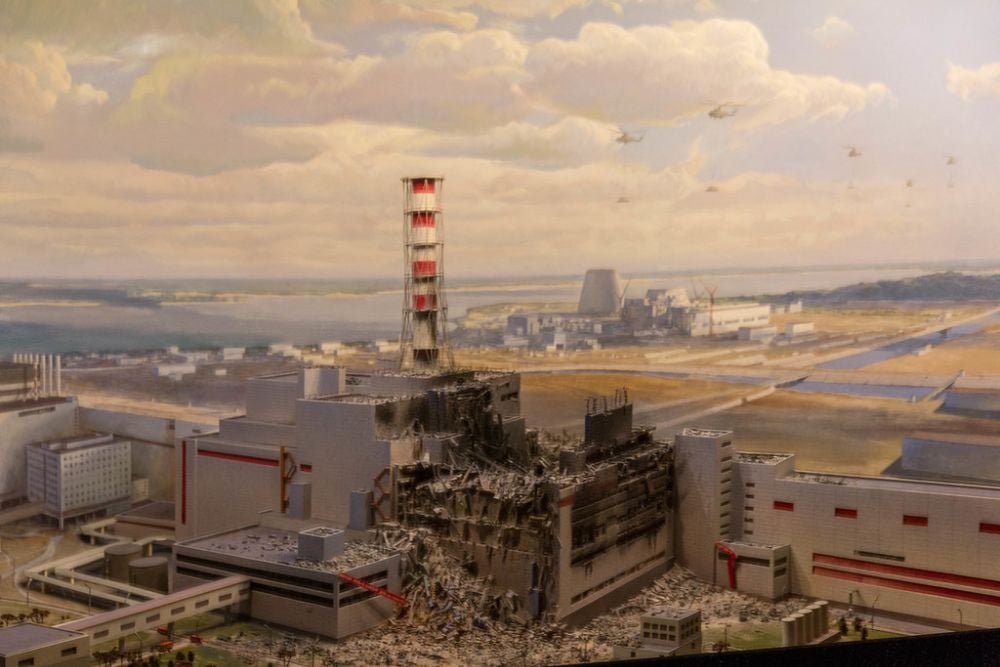
The 1986 Chernobyl disaster exposed fundamental flaws in reactor design and safety culture. While devastating, the accident led to revolutionary improvements in nuclear safety systems, including passive safety features that work without human intervention or electrical power.
Modern reactor designs incorporate lessons learned from Chernobyl, making nuclear power significantly safer through improved containment systems and emergency response procedures.
The Quebec Bridge Collapses
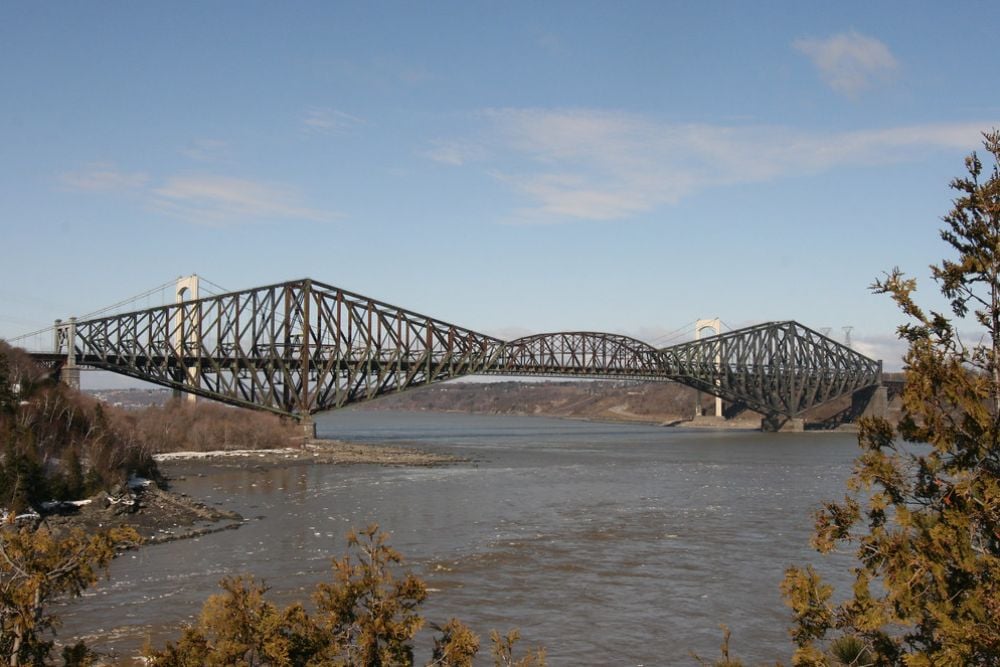
The Quebec Bridge collapsed twice during construction—once in 1907 and again in 1916—killing 88 workers total. These failures revealed critical gaps in understanding compression forces in steel structures.
The disasters led to the development of modern structural analysis methods and established professional engineering licensing requirements that ensure only qualified engineers can approve major structural designs.
The Banqiao Dam Failure
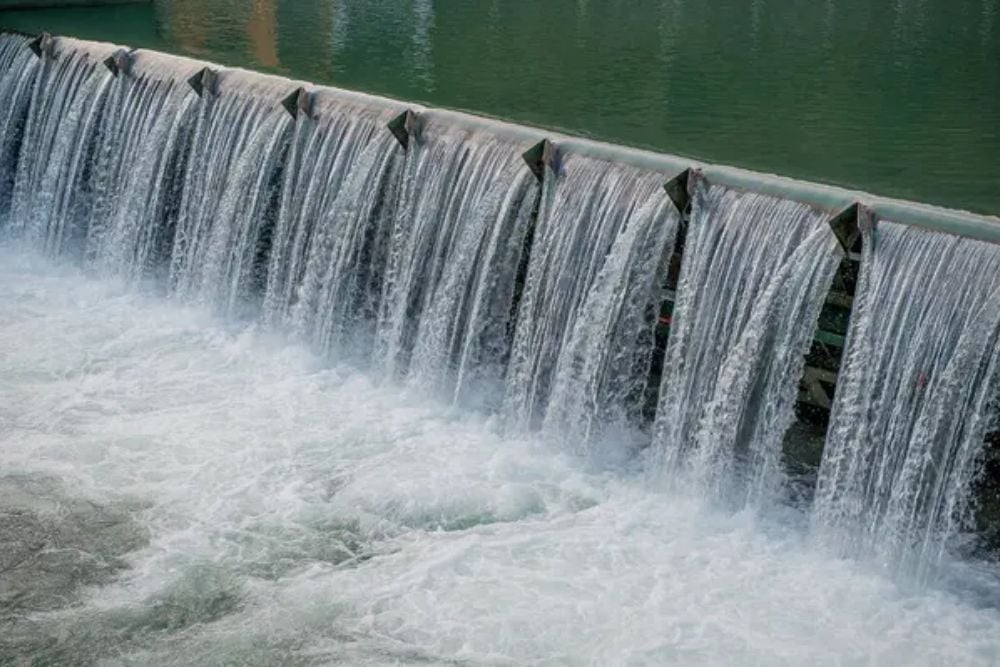
China’s Banqiao Dam failed in 1975 during Typhoon Nina, causing flooding that affected millions of people. The disaster exposed the dangers of over-relying on static design standards without considering extreme weather events.
This failure drove the development of probabilistic design methods, improved weather forecasting integration into dam operations, and better understanding of cascading infrastructure failures.
The SS Titanic Sinking
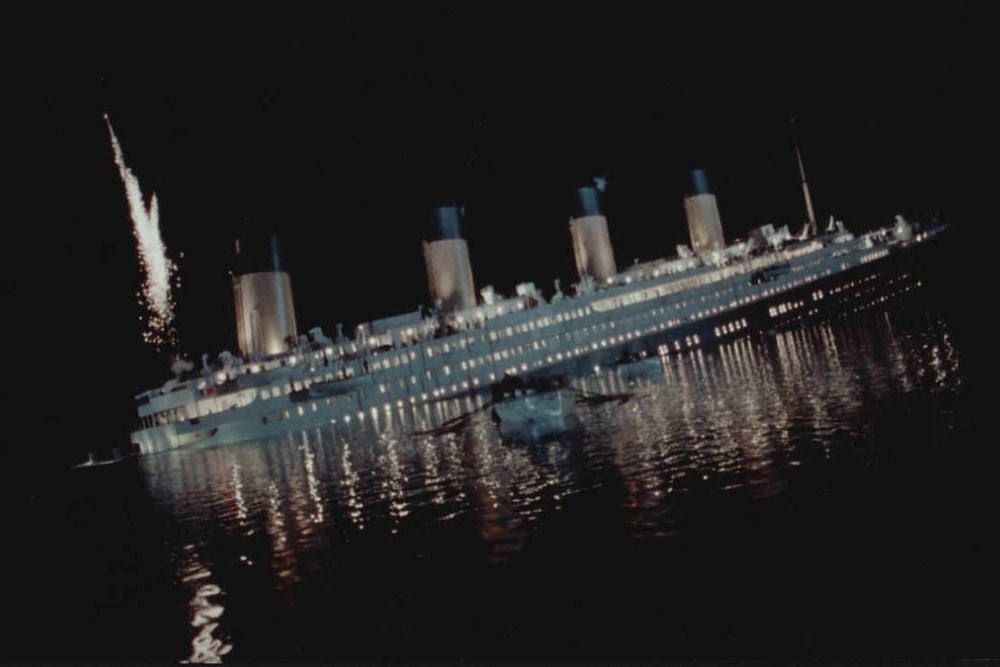
The Titanic’s 1912 sinking revealed critical flaws in ship design and emergency procedures. The disaster led to major improvements in hull compartmentalization, the development of ice patrol services, and the establishment of international safety regulations.
Modern ships now feature advanced radar systems, satellite communication, and improved lifeboat capacity—all direct results of lessons learned from the Titanic tragedy.
The Citicorp Center Crisis

In 1978, engineer William LeMessurier discovered that New York’s Citicorp Center could collapse in quartering winds due to the use of bolted rather than welded joints. Though the building didn’t actually fail, this near-miss led to groundbreaking improvements in structural analysis for wind loads and established new protocols for post-construction safety reviews.
The incident also demonstrated how honest engineering assessment can prevent disasters before they occur.
The Space Shuttle Columbia Disaster

Columbia’s breakup during reentry in 2003 was caused by foam debris damaging the wing during launch. This tragedy led to major advances in thermal protection systems, launch debris mitigation, and in-orbit inspection capabilities.
The disaster also resulted in the development of better risk assessment tools and communication processes that help engineers identify and address potential problems before they become catastrophic.
The Ashtabula Bridge Disaster
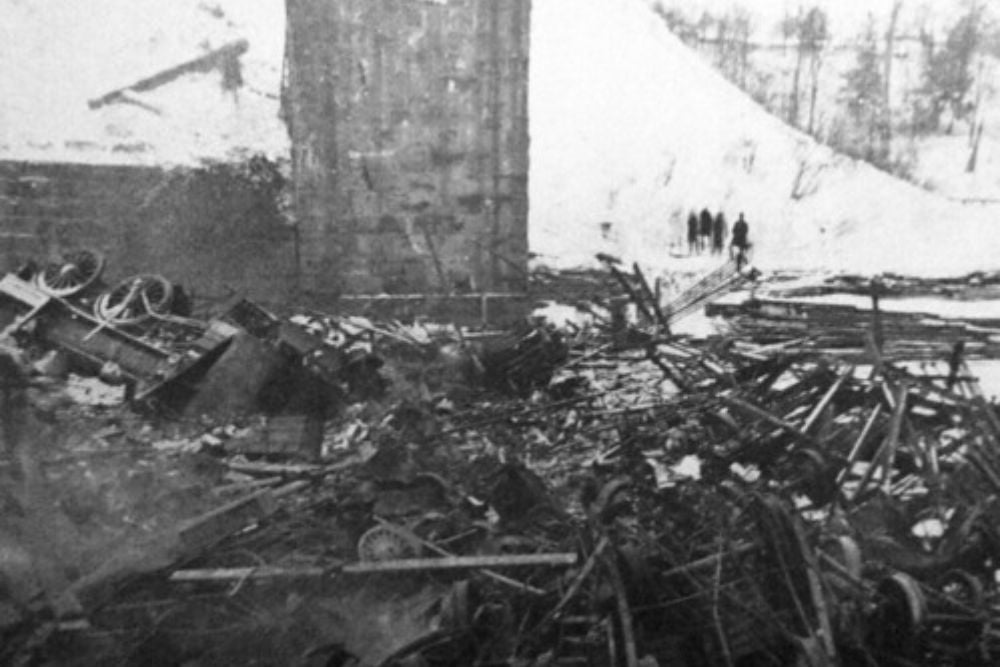
The 1876 collapse of the Ashtabula River railroad bridge during a blizzard killed 92 people and revealed problems with cast iron construction in cold weather. This disaster led to the widespread adoption of steel for railroad bridges and the development of better understanding of material behavior under extreme conditions.
The tragedy also established more rigorous inspection schedules and load testing requirements for critical infrastructure.
The MGM Grand Hotel Fire
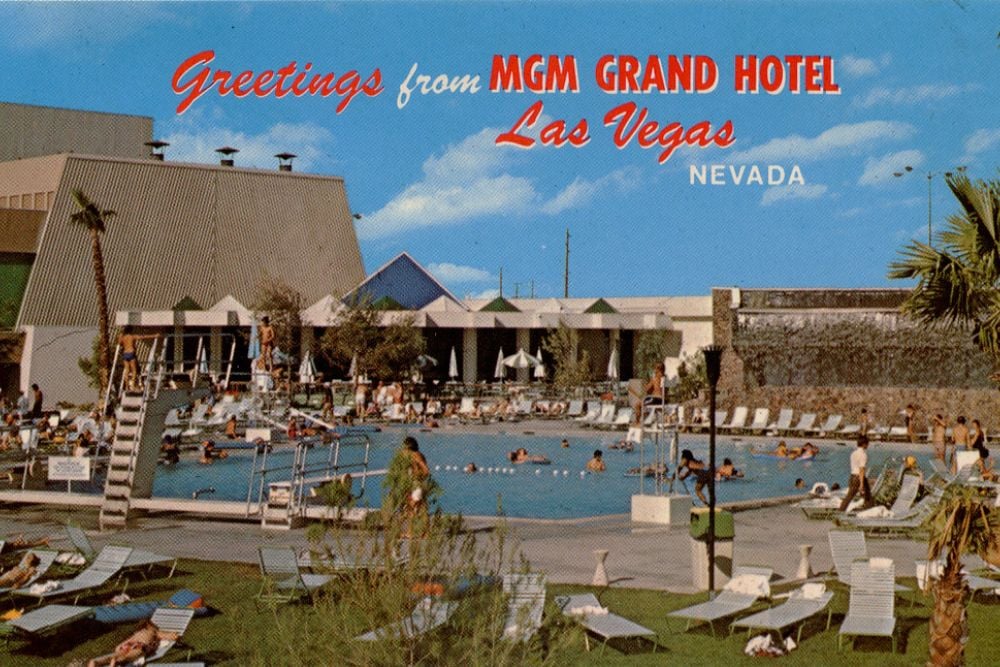
The 1980 MGM Grand fire in Las Vegas killed 85 people and exposed serious flaws in high-rise fire safety design. The disaster led to revolutionary changes in building codes, including requirements for sprinkler systems, smoke evacuation systems, and fire-resistant stairwells.
Modern hotels now feature sophisticated fire detection and suppression systems that can contain fires and safely evacuate guests—innovations directly inspired by this tragedy.
The Johnstown Flood
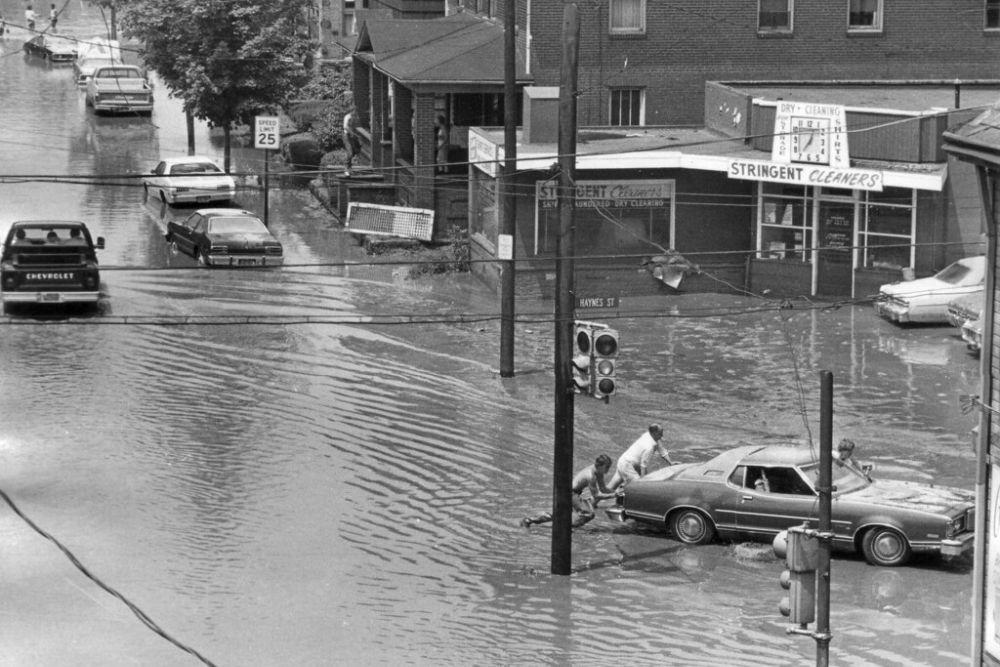
The failure of the South Fork Dam in 1889 caused devastating flooding in Johnstown, Pennsylvania, killing over 2,200 people. Investigation revealed that dam modifications and poor maintenance had compromised the structure’s integrity.
This disaster led to the establishment of modern dam safety regulations, regular inspection requirements, and the development of early warning systems that continue to protect communities downstream from dams today.
When Failure Becomes Foundation

These disasters remind us that engineering progress often comes at a terrible cost, but the lessons learned have prevented countless future tragedies. Each failure forced the engineering community to confront uncomfortable truths about design assumptions, safety cultures, and the limits of existing knowledge.
The safety standards, analysis methods, and design principles developed in response to these disasters now protect millions of people every day. While we mourn the lives lost in these events, we can honor their memory by continuing to learn from failure and never becoming complacent about the awesome responsibility that comes with designing the structures and systems that support modern civilization.
More from Go2Tutors!

- The Romanov Crown Jewels and Their Tragic Fate
- 13 Historical Mysteries That Science Still Can’t Solve
- Famous Hoaxes That Fooled the World for Years
- 15 Child Stars with Tragic Adult Lives
- 16 Famous Jewelry Pieces in History
Like Go2Tutors’s content? Follow us on MSN.



