16 Engineering Projects That Defied All Logic
Throughout history, engineers have pushed the boundaries of what seems possible, often creating structures and systems that appear to mock the laws of physics and common sense. These ambitious projects challenged conventional wisdom, stretching budgets and timelines while producing results that continue to amaze us decades or even centuries later.
From ancient architects who built impossible overhangs to modern engineers who carved through mountains just because they could, human ingenuity has consistently found ways to make the impossible look routine. Here is a list of 16 engineering projects that made experts shake their heads in disbelief before ultimately reshaping our understanding of what’s achievable.
The Leaning Tower of Pisa

This famous Italian tower started tilting almost immediately after construction began in 1173, yet engineers kept building anyway. The soft clay foundation on one side couldn’t support the massive marble structure — creating a lean that increases by about one millimeter each year.
Modern engineers have spent millions stabilizing the tower, essentially playing an endless game of architectural Jenga to keep it from toppling over. The project defied logic by continuing construction despite obvious structural problems, creating one of the world’s most beloved engineering ‘mistakes.’
The Channel Tunnel

Digging a 31-mile tunnel beneath the English Channel seemed like madness when proposed in the 1980s. This was especially true considering previous failed attempts dating back to Napoleon’s era.
Engineers had to bore through chalk marl while dealing with water pressure — not to mention international politics and the constant threat of flooding. The project cost nearly double its original budget and took years longer than planned, though it created an underwater marvel that connects Britain to continental Europe.
This engineering feat proved that sometimes the most illogical solution becomes the most practical one.
Like Go2Tutors’s content? Follow us on MSN.
The Panama Canal

French engineer Ferdinand de Lesseps confidently declared that cutting through Panama would be easier than building the Suez Canal. He ignored the jungle diseases, mountainous terrain, and torrential rains that awaited.
The project killed over 22,000 workers — bankrupting the French company before Americans took over with a completely different approach. Instead of fighting the landscape, they embraced it by creating a series of locks that lift ships 85 feet above sea level.
The canal turned the impossible dream of connecting two oceans into a reality that revolutionized global shipping.
Fallingwater House

Frank Lloyd Wright designed this Pennsylvania home to cantilever dramatically over a waterfall — creating structural challenges that made engineers nervous from day one. The reinforced concrete balconies extend 18 feet beyond their supports without visible pillars, seemingly floating in midair above Bear Run.
Wright ignored conventional wisdom about load-bearing structures, creating a masterpiece that required constant maintenance and eventual structural reinforcement decades later. The house proves that sometimes architectural vision trumps engineering logic, even when it means fighting gravity itself.
The Millau Bridge
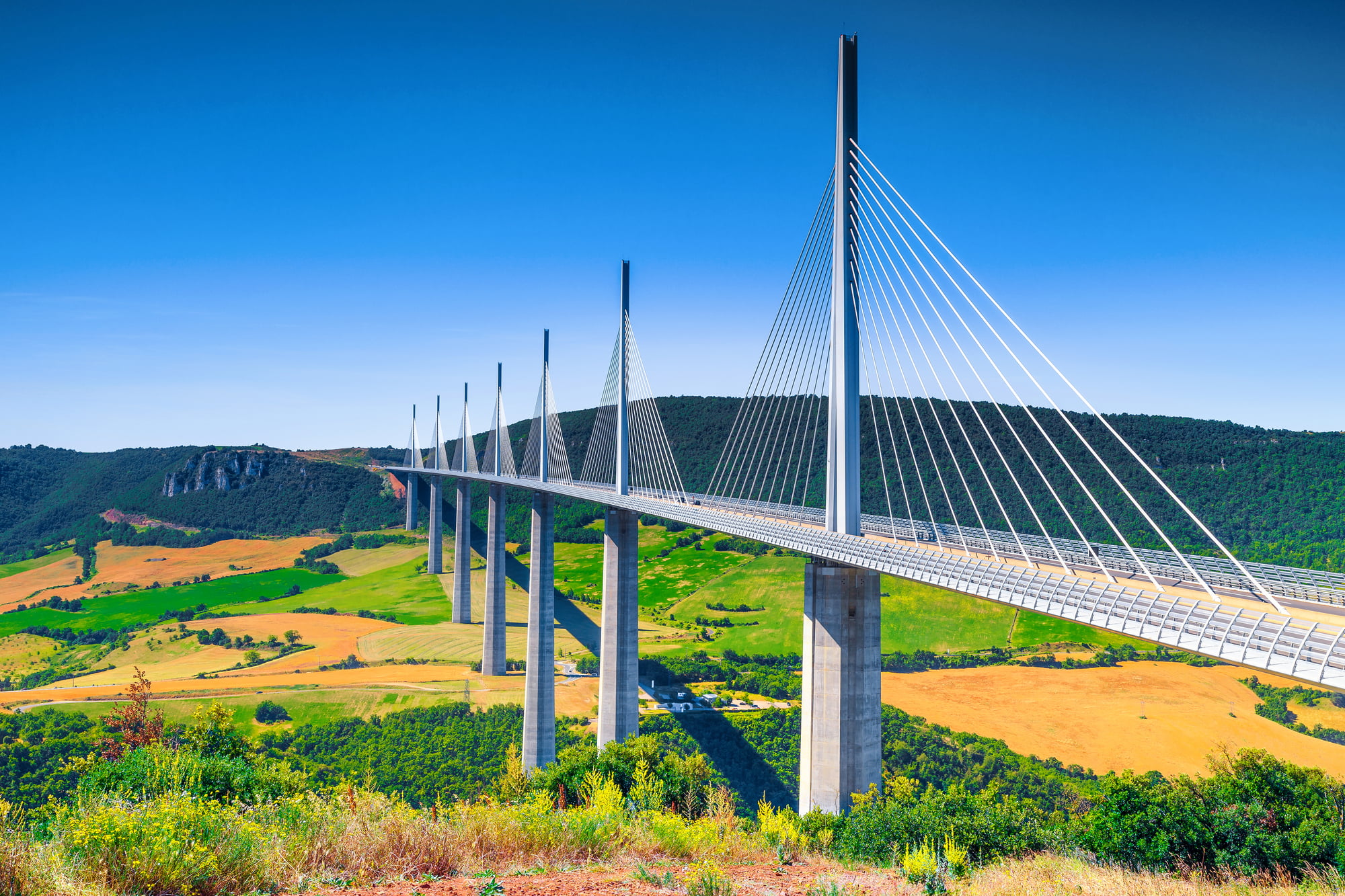
French engineers decided to span the Tarn River valley with the world’s tallest bridge. They created a structure that rises higher than the Eiffel Tower at its peak.
The cable-stayed bridge stretches nearly 1.5 miles across the valley — its highest mast reaching 1,125 feet above the ground below. Building at such heights meant dealing with extreme wind conditions and fog that often made the construction site invisible from the ground.
This project defied logic by choosing the most challenging route possible when simpler alternatives existed nearby.
Like Go2Tutors’s content? Follow us on MSN.
The Sydney Opera House
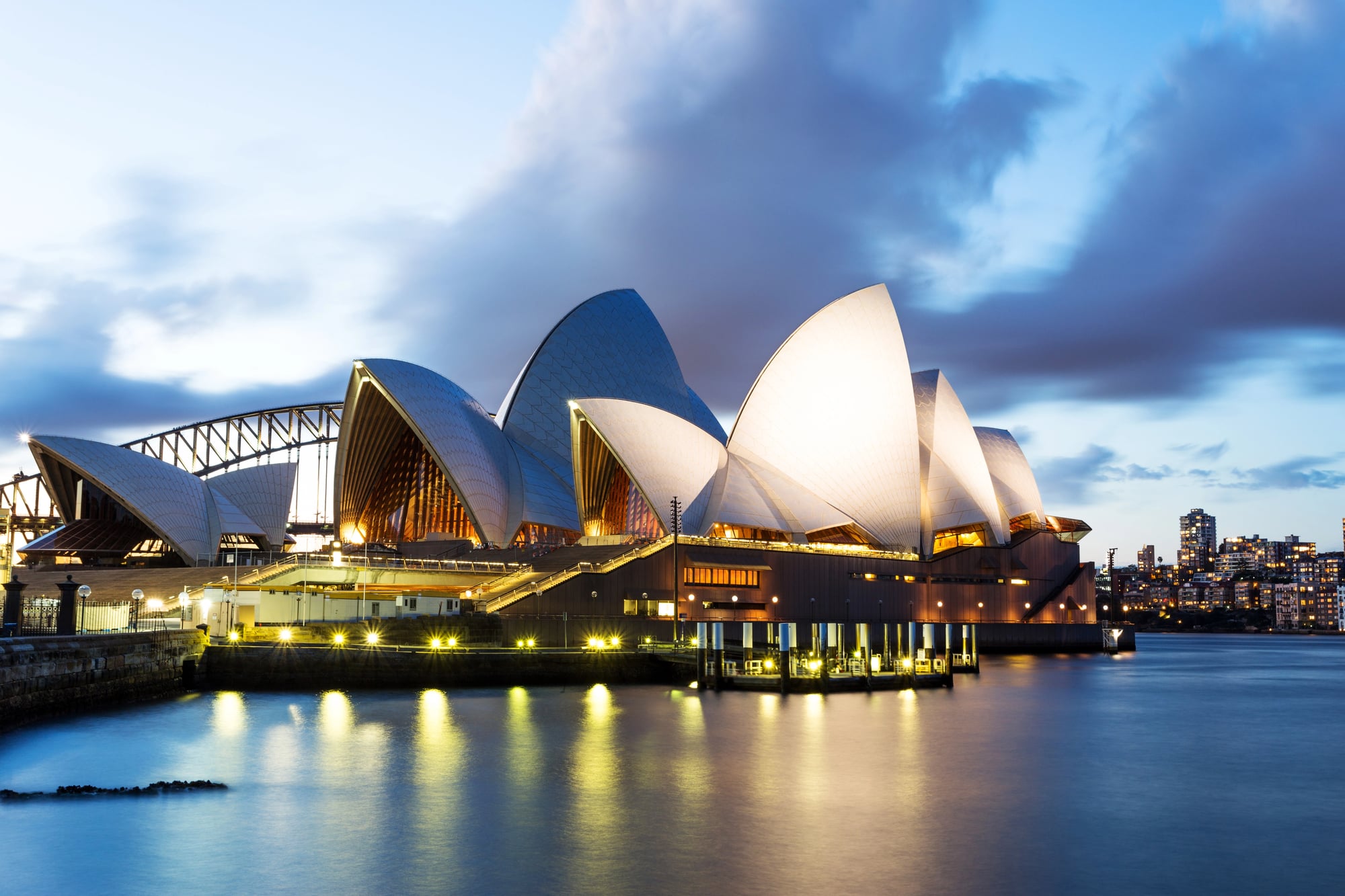
Danish architect Jørn Utzon designed those famous shell-shaped roofs without actually knowing how to build them — leaving engineers to figure out the complex geometry later. The project took 14 years to complete instead of the projected 4 years, with costs spiraling from $7 million to $102 million.
Engineers eventually solved the roof puzzle by using computer modeling technology that didn’t exist when construction began. They essentially built the structure while inventing the techniques needed to complete it.
The Opera House became a symbol of how ambitious architecture can push engineering into uncharted territory.
The Large Hadron Collider

CERN scientists convinced the world to fund a 17-mile underground ring designed to smash particles together at nearly the speed of light. This massive project required superconducting magnets cooled to -456°F — making parts of the facility colder than outer space.
The collider stretches beneath the Swiss-French border, requiring international cooperation on an unprecedented scale for what many considered a purely theoretical pursuit. Building the world’s largest machine to study the universe’s smallest particles seemed like the ultimate example of engineering overkill.
Burj Khalifa
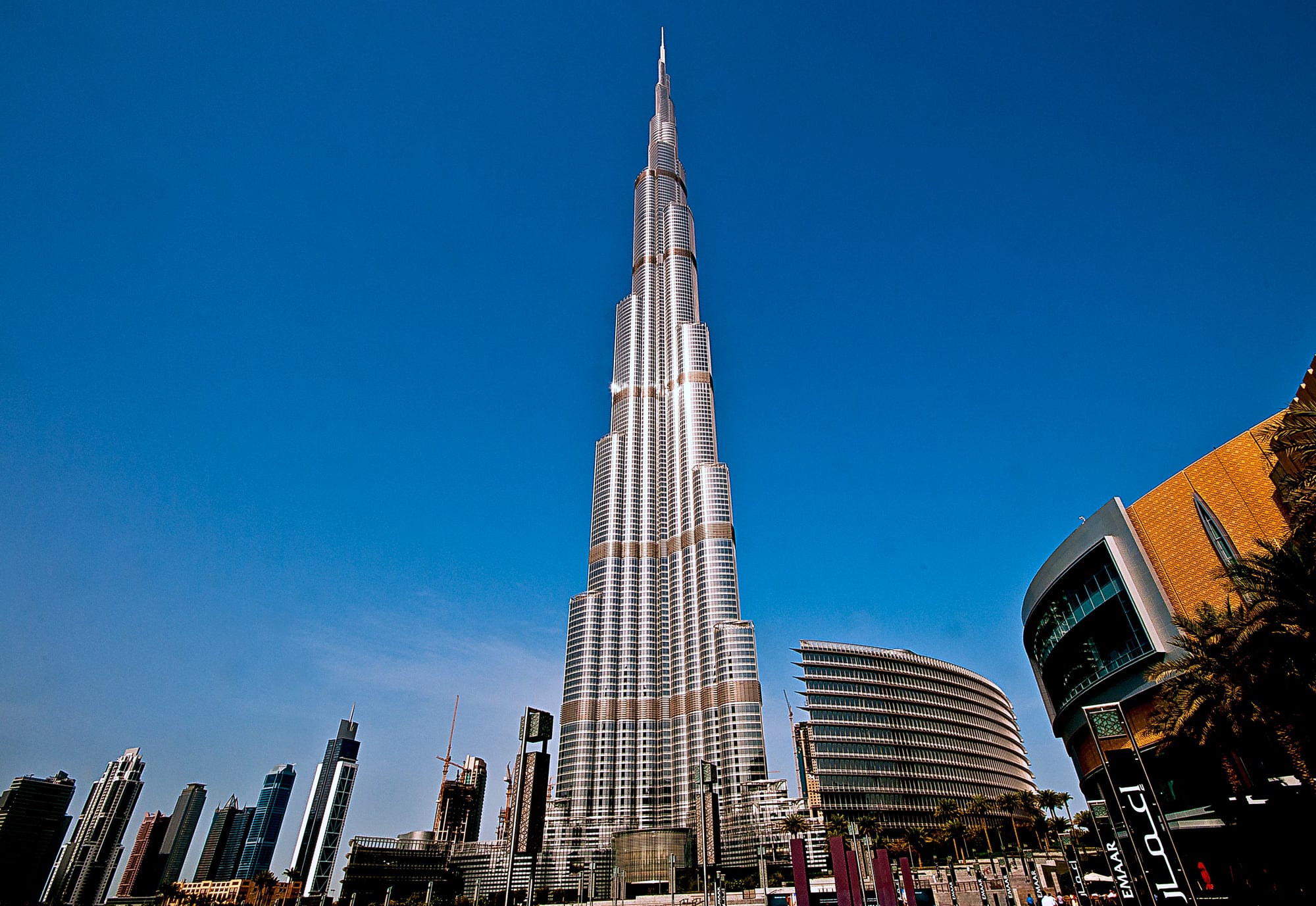
Dubai’s decision to build the world’s tallest skyscraper in a desert presented challenges that pushed structural engineering to its limits. The 2,717-foot tower required a new type of concrete that could withstand extreme heat while supporting unprecedented weight loads.
Engineers had to account for wind loads at altitudes where commercial jets fly — creating a design that literally sways in strong winds. The project defied logic by attempting to build higher than anyone thought possible in one of the world’s most challenging climates.
Like Go2Tutors’s content? Follow us on MSN.
The Gotthard Base Tunnel

Swiss engineers spent 15 years boring through 35 miles of solid Alpine rock to create the world’s longest railway tunnel. The project required removing enough rock to build five Great Pyramids while maintaining millimeter precision to ensure both tunnel sections met in the middle.
Workers dealt with temperatures reaching 115°F underground. They also faced water pressure that could crush conventional tunneling equipment. This tunnel defied logic by choosing the most direct route through mountains instead of the easier path around them.
The Golden Gate Bridge

Building a suspension bridge across the Golden Gate strait meant dealing with powerful ocean currents, frequent fog, and winds that could knock workers off the structure. Engineers designed the iconic Art Deco towers to withstand earthquakes while supporting a roadway that spans 1.7 miles across one of the world’s most treacherous waterways.
The project defied depression-era economics by spending $35 million on what critics called an unnecessary luxury during tough times. The bridge proved that sometimes the most beautiful solution is also the most logically sound.
The International Space Station

Assembling a football field-sized laboratory in orbit required launching hundreds of components and coordinating construction crews floating 250 miles above Earth. The project involved 15 different countries working together despite political tensions, language barriers, and completely different engineering standards.
Building in zero gravity meant reinventing basic construction techniques while ensuring every component could survive launch forces and space radiation. This orbital construction project defied logic by attempting the most complex assembly job ever undertaken in the most hostile environment imaginable.
Like Go2Tutors’s content? Follow us on MSN.
The Trans-Alaska Pipeline
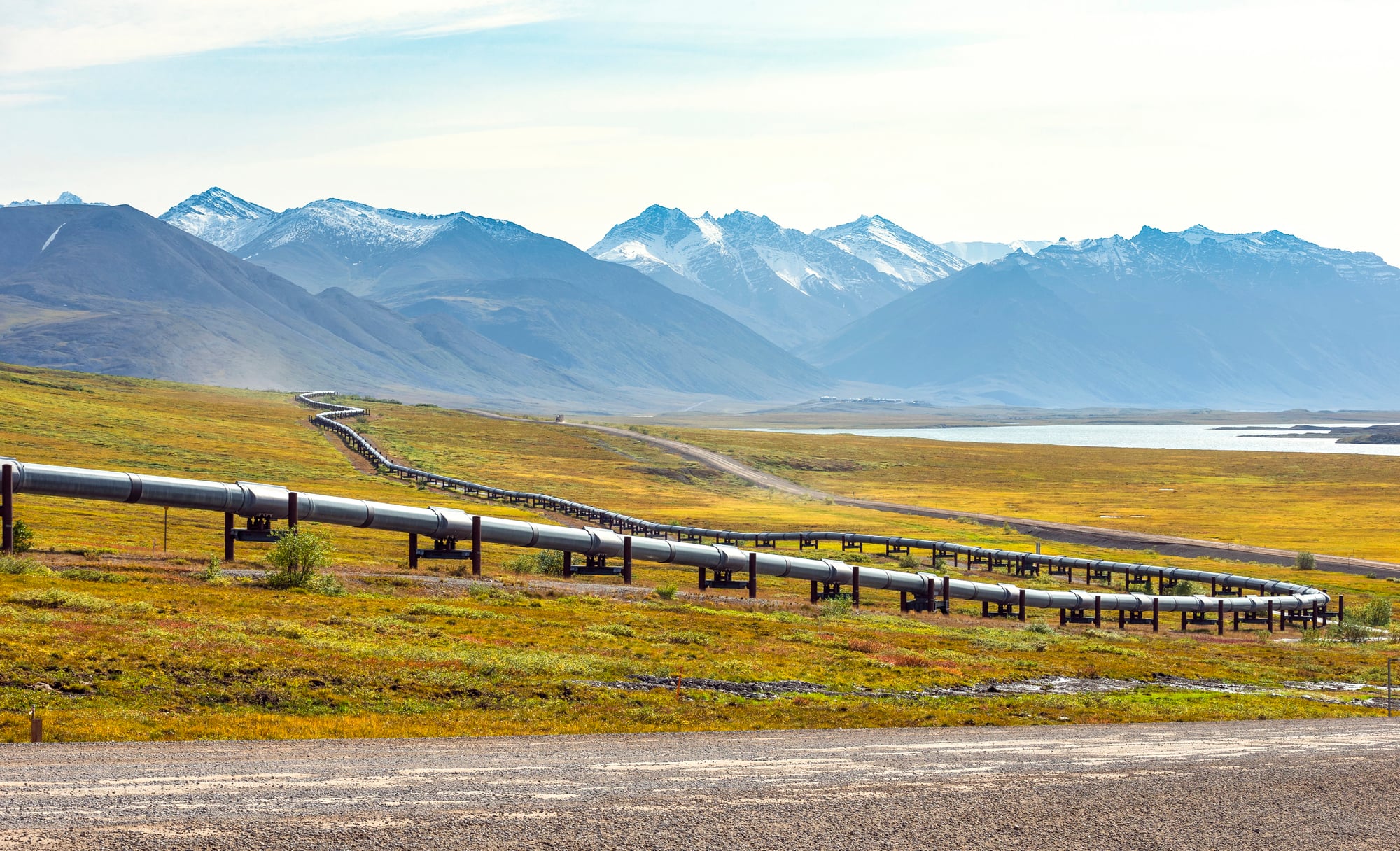
Engineers built an 800-mile pipeline across Alaska’s frozen wilderness, dealing with temperatures as low as -70°F and terrain that ranges from arctic tundra to earthquake zones. The elevated sections snake across the landscape like a giant metal serpent, designed to flex with ground movement and protect the permafrost below.
The project defied environmental logic by pumping hot oil through one of Earth’s most fragile ecosystems while somehow minimizing ecological damage. This pipeline proved that engineering can adapt to any environment, no matter how extreme.
Sagrada Família

Antoni Gaudí began this Barcelona basilica in 1882 without complete architectural plans, relying instead on physical models and his own geometric intuition. The structure features towers that spiral skyward like nature’s own growth patterns, with stonework so complex that modern computers are needed to complete Gaudí’s vision.
Construction has continued for over 140 years using techniques that blend medieval craftsmanship with 21st-century technology. This project defies logic by building a church that may outlast several generations of architects and engineers before reaching completion.
The Big Dig

Boston’s decision to bury its central highway beneath the city while keeping traffic flowing created the most complex urban construction project in American history. Engineers had to tunnel under active subway lines, around building foundations, and through landfill that had been accumulating since colonial times.
The project required freezing groundwater to prevent flooding while using slurry walls to support surrounding structures during excavation. This underground maze defied logic by attempting major surgery on a living city without killing the patient.
Like Go2Tutors’s content? Follow us on MSN.
Hoover Dam

Building a concrete arch dam in one of America’s most remote locations required creating an entire town in the Nevada desert and rerouting the Colorado River around the construction site. Engineers poured enough concrete to build a highway from New York to San Francisco, all while working in temperatures that regularly exceeded 120°F.
The project defied logic by attempting to tame one of the continent’s wildest rivers using 1930s technology and sheer human determination. This massive structure transformed the American Southwest by proving that engineering could conquer even the most challenging natural forces.
Akashi Kaikyo Bridge

Japanese engineers built the world’s longest suspension bridge across a strait known for earthquakes, typhoons, and ship traffic that couldn’t be interrupted during construction. The main span stretches 6,532 feet between towers, long enough that engineers had to account for the curvature of the Earth in their calculations.
The bridge survived the 1995 Kobe earthquake during construction, actually stretching three feet longer due to ground movement while remaining structurally sound. This project defied logic by building in a location where natural disasters are guaranteed rather than merely possible.
Engineering’s Eternal Rebellion
These projects share a common thread of human ambition refusing to accept natural limitations or conventional wisdom. Each structure represents a moment when engineers looked at impossible odds and decided to proceed anyway, often creating solutions that seemed more complex than the original problem.
The legacy of these ambitious undertakings continues to inspire modern engineers who face their own seemingly impossible challenges. Today’s engineering marvels exist because previous generations chose to defy logic, proving that sometimes the most unreasonable approach leads to the most extraordinary results.
Like Go2Tutors’s content? Follow us on MSN.
More from Go2Tutors!

- 18 Unexpectedly Valuable Collectibles You Might Have Lying Around
- 20 Little-Known Historical Battles That Had Huge Consequences
- 20 Historical Artifacts That Scientists Can’t Explain
- 15 Inventions That Were Immediately Banned After Being Created
- 20 Actors Who Were Almost Cast in Iconic Roles
Like Go2Tutors’s content? Follow us on MSN.