Legal Battles Sparked by Popular Video Games
Video games are supposed to be fun. You sit down, pick up a controller, and lose yourself for a while.
But behind the scenes, the industry has been a warzone of courtrooms, settlements, and multi-million dollar judgments for decades. Some of these cases are absurd.
Others are genuinely consequential, reshaping how developers, publishers, and even courts think about intellectual property, consumer protection, and what the law actually owes to the people who play. Here’s a look at some of the most notable legal battles that popular video games have sparked — cases that range from the ridiculous to the landmark.
Universal Studios Picked a Fight With Nintendo — and Lost
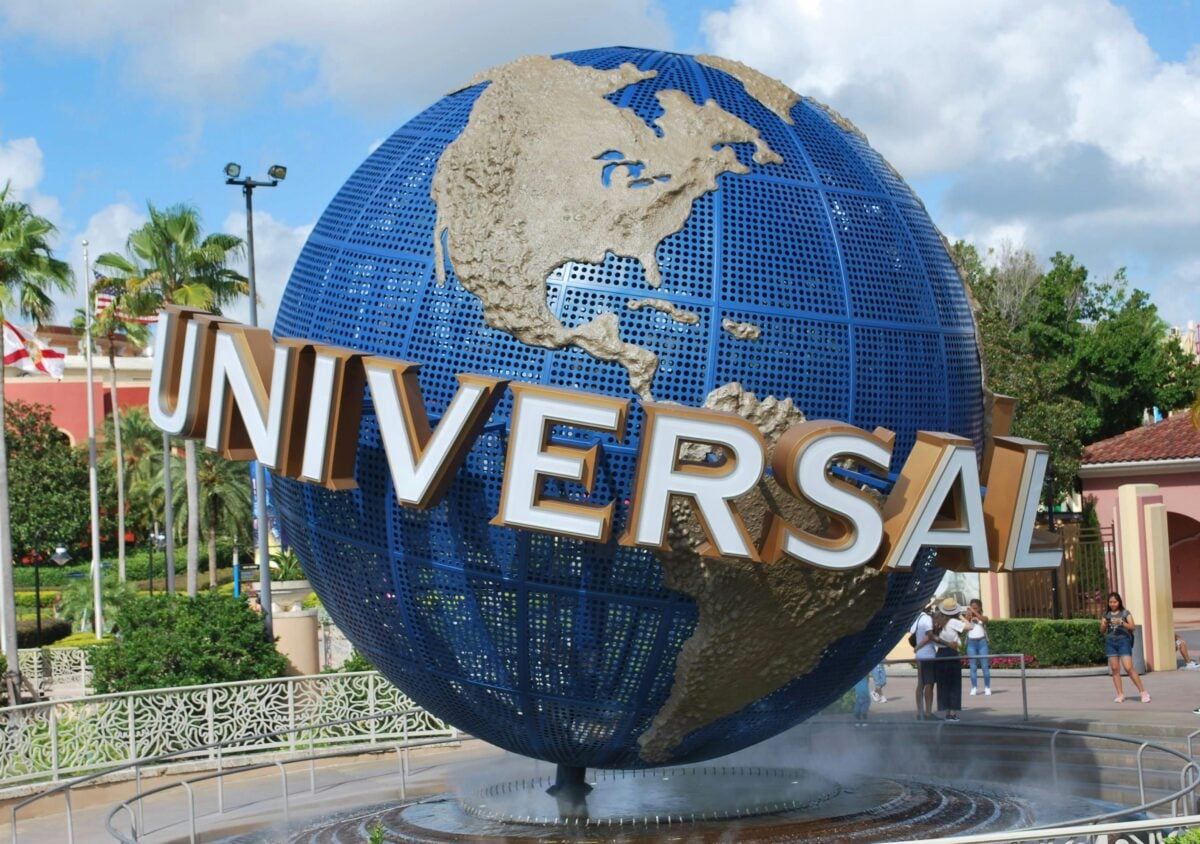
In 1982, Universal Studios sued Nintendo, claiming that the character Donkey Kong was a carbon copy of King Kong from the iconic 1933 film. Universal wanted injunctions and damages, arguing that Shigeru Miyamoto had stolen their creation.
The case dragged on for years before the United States District Court sided firmly with Nintendo. The court ruled that King Kong was in the public domain — a fact Universal had actually already acknowledged years earlier when it made its own King Kong remake in 1976 without worrying about rights.
The twist? Nintendo was awarded $1.8 million from Universal to cover its legal costs. It was a rare and satisfying reversal: the studio that had sued a smaller company ended up footing the bill.
Pong and the Birth of a Patent Dispute

Ralph Baer invented the first home video game console, the Magnavox Odyssey, and with it a digital table tennis concept he was extremely proud of. He demonstrated the game to Atari’s founders.
Months later, Atari released Pong arcade cabinets that looked remarkably similar. Baer sued, and the case became one of the earliest patent disputes in the video game industry.
Atari eventually settled out of court, paying Baer royalties. It was an early signal that the gaming world wasn’t exempt from the same intellectual property battles that plagued every other industry.
GTA San Andreas and the Hot Coffee Scandal

Few controversies in gaming history have had as much reach as the Hot Coffee incident. Grand Theft Auto: San Andreas launched in 2004 with a rating of Mature, but buried deep in the game’s code was an explicit interactive mini-game that had been disabled before release — or so Rockstar claimed.
In June 2005, a modder in the Netherlands discovered the code was still there and released a patch to unlock it. The mod was downloaded over a million times in four weeks.
The fallout was immediate and severe. The ESRB re-rated San Andreas as Adults Only, the highest possible rating, and major retailers pulled it from shelves overnight.
The Federal Trade Commission launched an investigation and found that Rockstar and Take-Two Interactive had failed to disclose the content to consumers. Politicians got involved too — then-Senator Hillary Clinton pushed for federal legislation to enforce game rating systems.
Multiple lawsuits followed, eventually consolidating into a class action. Take-Two settled for over $20 million in 2009.
Anyone who had purchased the original version of the game was entitled to a $35 payout. The scandal led to stricter ESRB policies and fines of up to $1 million for developers who hide undisclosed content in future releases.
Fortnite’s First Wave of Dance Lawsuits

When Fortnite exploded in popularity around 2018, Epic Games made a fortune selling “emotes” — purchasable dance moves that players could use in the game. A handful of those dances looked remarkably familiar.
Alfonso Ribeiro, who made the “Carlton” dance famous on The Fresh Prince of Bel-Air, sued Epic. So did rapper 2 Milly, who claimed the “Milly Rock” had been repackaged as the “Swipe It” emote.
Instagrammer Russell “Backpack Kid” Horning joined in too, claiming the Floss dance had been stolen. All five lawsuits were eventually dropped.
The reason was procedural rather than artistic: none of the plaintiffs had registered their choreography with the U.S. Copyright Office before filing suit. A 2019 Supreme Court decision made registration a prerequisite for bringing a copyright infringement case, and that effectively ended the first round of Fortnite dance disputes before they could really begin.
Kyle Hanagami Changed the Rules on Choreography Copyright

The story didn’t end with those early cases. In 2022, choreographer Kyle Hanagami — who has worked with Jennifer Lopez, Britney Spears, and BTS — sued Epic Games. Unlike his predecessors, Hanagami had actually registered his choreography with the Copyright Office.
He argued that Epic had lifted a specific four-count sequence from a routine he created for a Charlie Puth music video and turned it into the “It’s Complicated” emote. Epic moved to dismiss the case, and a district court initially agreed, ruling that the copied sequence was just a series of unprotected “poses.”
But the Ninth Circuit Court of Appeals reversed that decision in a ruling that many legal observers called historic. The court rejected the idea that choreography could be reduced to individual poses, comparing it to evaluating music by looking at individual notes.
The decision recognized that elements like timing, transitions, energy, and the overall arrangement of movements together form something protectable. The case settled in February 2024 before it went back to trial, but the appellate ruling stands.
It fundamentally changed how courts think about the copyright status of dance.
EA Sports and the College Athlete Controversy
In 2009, former collegiate athletes Ed O’Bannon and Sam Keller filed a lawsuit against Electronic Arts and the Collegiate Licensing Company. Their argument was straightforward: EA had been using the likenesses of real college athletes in the NCAA Football and NCAA Basketball video game series without paying them royalties.
The case sent shockwaves through both EA and the NCAA. Both organizations feared that a win for the plaintiffs would open the floodgates to similar claims from thousands of other athletes whose likenesses had appeared in the games over the years. EA settled out of court with O’Bannon and Keller in 2013 for an undisclosed sum.
More significantly, EA quietly shut down the NCAA Football franchise entirely — the last game in the series was NCAA Football 14. The legal and cultural conversation around college athlete compensation has evolved enormously since then, but this lawsuit was one of the early moments that forced the issue into the open.
Lineage II Made Someone Sue Over Addiction

In 2010, a man in Hawaii named Craig Smallwood filed a lawsuit against NCsoft, the South Korean developer behind the massively multiplayer online game Lineage II. Smallwood claimed the game was so addictive that it had destroyed his life.
According to his legal filing, he had invested over 20,000 hours playing the game between 2004 and 2009, averaging roughly 11 hours a day. He argued that NCsoft had been negligent by failing to include any warning about the potential for addiction.
It was one of the first high-profile attempts to hold a game developer legally responsible for a player’s addiction. The case drew a lot of attention, though it didn’t result in any sweeping legal precedent at the time.
It did, however, plant a seed that would grow into something much larger over the following decade.
Blizzard’s $88 Million Judgment Against a Private Server

World of Warcraft has always had a problem with unauthorized private servers — fan-run replicas of the game that allow people to play without paying Blizzard a dime. In 2009, Blizzard took one of these servers to court.
The operator behind the “Scapegaming” server, a person named Alyson Reeves, didn’t just ignore the lawsuit — they never showed up to court at all. Because Reeves failed to appear or respond, the court issued a default judgment in Blizzard’s favor.
Reeves was ordered to pay $88 million in damages. It’s almost certainly one of the largest judgments ever handed down in a video game case, and it served as a stark warning to anyone running unauthorized servers about what happens when you simply don’t engage with the legal process.
Bethesda vs. Interplay: Who Owns Fallout?
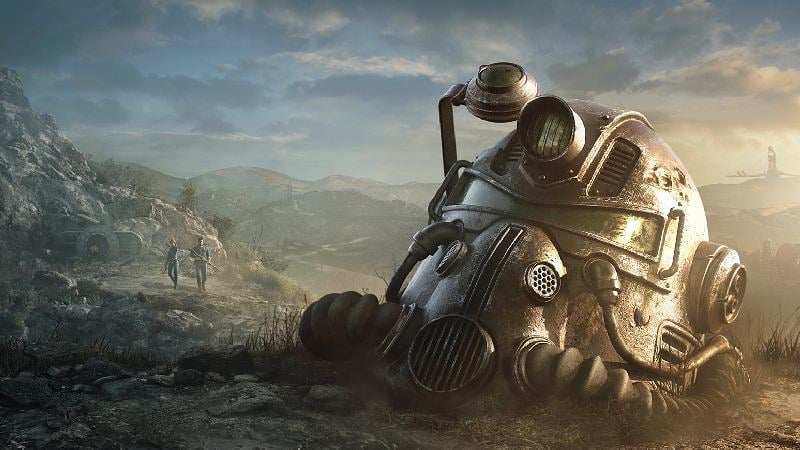
Long before Fallout 76 launched, there was a quieter but consequential battle over who actually owned the Fallout intellectual property. Interplay, the original creators of the franchise, had been developing their own Fallout online game — internally called Project V13.
They had a licensing deal with Bethesda, but the project stalled. Interplay missed key deadlines, and Bethesda took them to court.
The lawsuit settled in 2012, and when the dust cleared, Bethesda held the sole rights to the Fallout franchise. It was a reminder that the ownership of beloved game series isn’t always as straightforward as fans assume, and that contractual disputes can quietly reshape the future of entire franchises.
Nintendo’s Joy-Con Drift and the EULA Shield
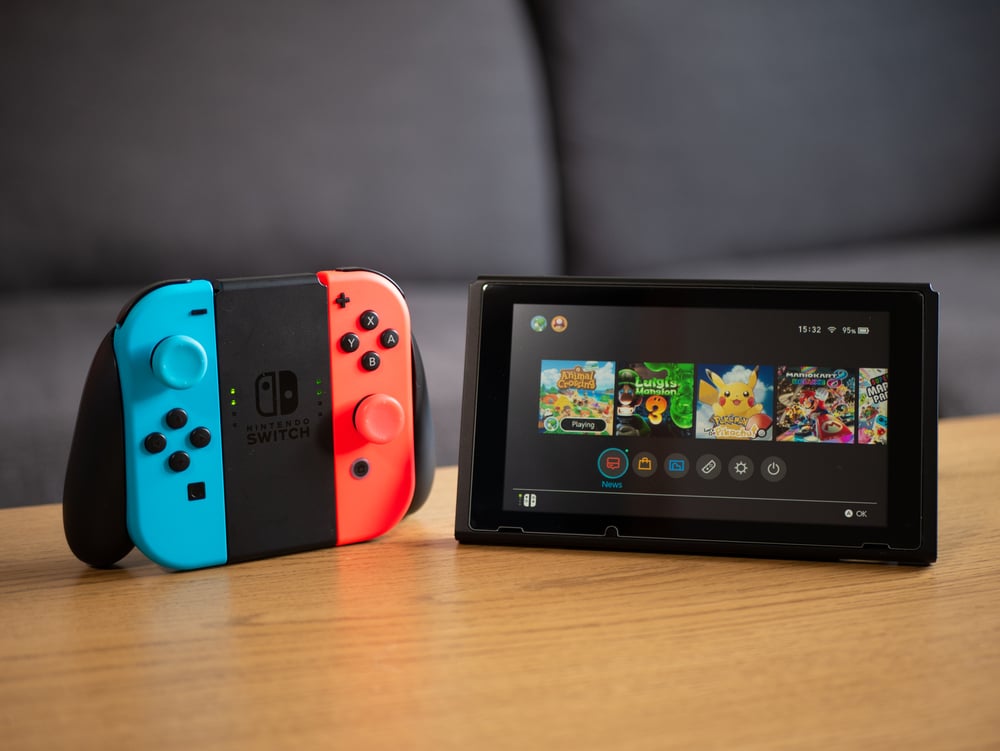
When the Nintendo Switch launched in 2017, it quickly became one of the best-selling consoles in history. It also developed a notorious problem: Joy-Con drift, where the analog sticks would register phantom inputs even when a player wasn’t touching them.
A study by British consumer group Which? found that 40% of Switch owners had experienced the issue at some point.
Multiple class-action lawsuits were filed starting in 2019. Nintendo’s defense was not to deny the problem — Nintendo’s president even publicly apologized for it in 2020.
Instead, the company pointed to the Switch’s End User License Agreement, which required disputes to go through private arbitration rather than public litigation. When parents tried to argue that their children weren’t bound by the agreement because they were minors, the court ruled that it was the parents who had actually purchased the consoles, and therefore the parents who had agreed to the terms.
Nintendo won case after case on these procedural grounds. The company also offered free repairs for drifting Joy-Cons, which further undercut the legal claims.
After five years of litigation, the remaining lawsuits were quietly dismissed in 2024.
Cyberpunk 2077’s Disastrous Launch Hit Investors Hard

CD Projekt Red’s Cyberpunk 2077 was one of the most anticipated games in years. When it finally launched in December 2020, it was a disaster.
The game was riddled with bugs and ran so poorly on last-generation consoles that Sony pulled it from the PlayStation Store within a week and offered full refunds. Four separate class-action lawsuits were filed by investors who claimed CD Projekt Red had misled them about the game’s state, causing the company’s stock to plummet.
The lawsuits were consolidated into one, and CD Projekt Red eventually settled for $1.85 million — a remarkably small figure compared to the game’s reported $316 million development budget and the $563 million it earned in its launch month alone. The settlement did not require CD Projekt Red to admit any wrongdoing.
The company cited the cost and duration of further legal proceedings as the main reason for agreeing to pay. It’s worth noting that the lawsuit was brought entirely by investors, not by the millions of players who were left with a broken product on their consoles.
Nintendo vs. Pocketpair: Can You Patent a Game Mechanic?
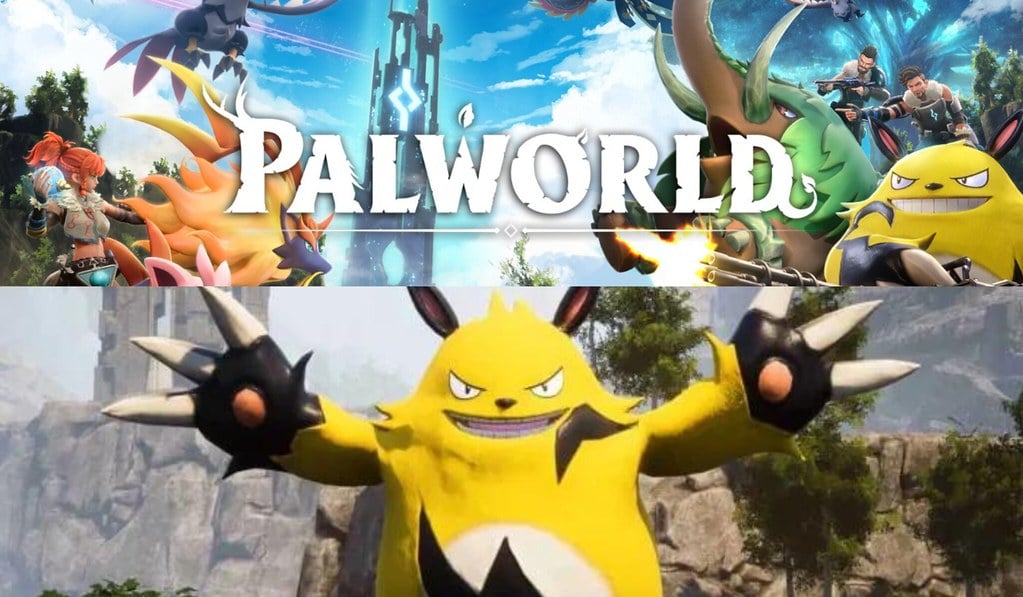
When Palworld launched in January 2024, it was immediately dubbed “Pokémon with guns.” The creature-catching survival game had obvious visual similarities to Nintendo’s iconic franchise, and many of its core mechanics — throwing an orb to capture creatures, riding them through open worlds — felt deeply familiar.
In September 2024, Nintendo and The Pokémon Company filed a patent infringement lawsuit against Pocketpair in the Tokyo District Court. The patents in question covered mechanics like capturing creatures with a thrown object and transitioning between riding different creatures.
All three patents had been filed in Japan between May and July 2024 — after Palworld had already launched. The case has become one of the most closely watched in gaming.
Pocketpair has already made changes to the game to avoid legal risk, removing features like the Pokémon-like “Pal Spheres.” But the broader question the case raises is deeply uncomfortable for the entire industry: if Nintendo can patent the act of throwing an orb to catch a creature, what does that mean for every other developer who has used similar mechanics for decades?
The Japan Patent Office has already rejected one of Nintendo’s related patent applications, citing older games like ARK, Monster Hunter, and even Pokémon GO itself as prior art. The U.S. Patent and Trademark Office ordered a rare re-examination of a related patent in late 2025.
The case is expected to continue well into 2026.
The Growing Wave of Video Game Addiction Lawsuits

The seed that Craig Smallwood planted with his Lineage II lawsuit in 2010 has finally bloomed into something the industry can’t ignore. As of early 2026, over 100 lawsuits have been coordinated in California courts, targeting some of the biggest names in gaming: Epic Games for Fortnite, Roblox Corporation, Microsoft for Minecraft and Call of Duty, and Activision Blizzard for Overwatch.
The core argument across these cases is the same: game developers intentionally designed their products to be addictive, particularly to children and teenagers. Plaintiffs point to specific design features — variable reward systems, loot boxes, time-limited events, social pressure mechanics, and progression loops — and argue these aren’t accidents but deliberate engineering choices meant to maximize engagement and spending.
Several lawsuits allege that companies collect individual player data, including spending habits, and use that information to tailor the experience in ways that encourage compulsive behavior. The cases allege failure to warn, negligent design, and violations of consumer protection laws. Some specifically challenge the enforceability of terms-of-service agreements signed by minors. No settlements have been finalized yet, but legal experts estimate that cases with well-documented harm could result in significant payouts.
The litigation is still in early stages, but if courts ultimately side with the plaintiffs, it could force a fundamental rethinking of how games are designed and marketed to young people.
Loot Boxes Under the Microscope

Closely tied to the addiction lawsuits is a separate but overlapping set of legal challenges targeting loot boxes specifically. Electronic Arts, the publisher behind FIFA, Madden NFL, and The Sims, has faced scrutiny over how its loot box systems work.
A lawsuit accused EA of designing loot boxes to obscure the odds of obtaining valuable items, encouraging players to spend repeatedly in pursuit of rare rewards. EA has pushed back firmly, with its senior vice president of legal affairs calling the allegations “wholly misconceived” and emphasizing that loot box purchases are entirely optional.
Courts have so far dismissed claims that loot boxes constitute gambling, but the legal and regulatory landscape around microtransactions continues to shift. Several countries have already moved to regulate or ban loot boxes outright, and the lawsuits in the U.S. are testing whether the same logic can be applied through consumer protection law.
Privacy Investigations Are Quietly Catching Up

While the addiction and loot box cases grab headlines, a quieter wave of legal action is targeting how game companies handle player data. Attorneys have been investigating whether major titles — including Pokémon GO, World of Warcraft, and several EA games — have been sharing player information with Facebook without consent, potentially violating the federal Video Privacy Protection Act.
The allegations are straightforward: tracking tools embedded in these games may be transmitting details about players’ in-game activities and personal identifiers to Facebook for advertising purposes. Under the VPPA, consumers whose information was shared without consent could have claims worth up to $2,500 each.
These investigations are still in early stages, but they represent a growing recognition that the data collected during gameplay isn’t just an abstract concern — it has real legal weight.
When the Dust Settles
Games were never just playthings. A giant business grew around them, shaping how people connect, while quietly building up fights nobody saw coming. Back when Universal stumbled trying to take down Nintendo, few noticed.
Now courts are filled with cases about obsession, blame, time spent, lives tangled in pixels. Each new hit game drags fresh disputes behind it, changing shape like the levels inside them.
Oddly enough, most of these legal fights have nothing to do with gameplay. Ownership questions come up, alongside issues of permission, personal information, compulsive behavior, and then who answers when something goes wrong.
Rules lag behind an industry that evolves more quickly than nearly all others. With every new wave of gaming tech comes fresh conflicts – slowly bending the boundaries further each time.
More from Go2Tutors!

- The Romanov Crown Jewels and Their Tragic Fate
- 13 Historical Mysteries That Science Still Can’t Solve
- Famous Hoaxes That Fooled the World for Years
- 15 Child Stars with Tragic Adult Lives
- 16 Famous Jewelry Pieces in History
Like Go2Tutors’s content? Follow us on MSN.