Most Influential Pop Stars of Each Decade
Pop music shapes how people dress, talk, and think about the world around them. It’s always been more than just entertainment.
The biggest stars didn’t just make hit songs—they started movements, changed attitudes, and gave entire generations something to believe in. Some broke rules that needed breaking.
Others created sounds nobody had heard before. And a few did both at the same time.
So who actually moved the needle? Let’s look at the stars who didn’t just follow trends but created them.
Elvis Presley (1950s)
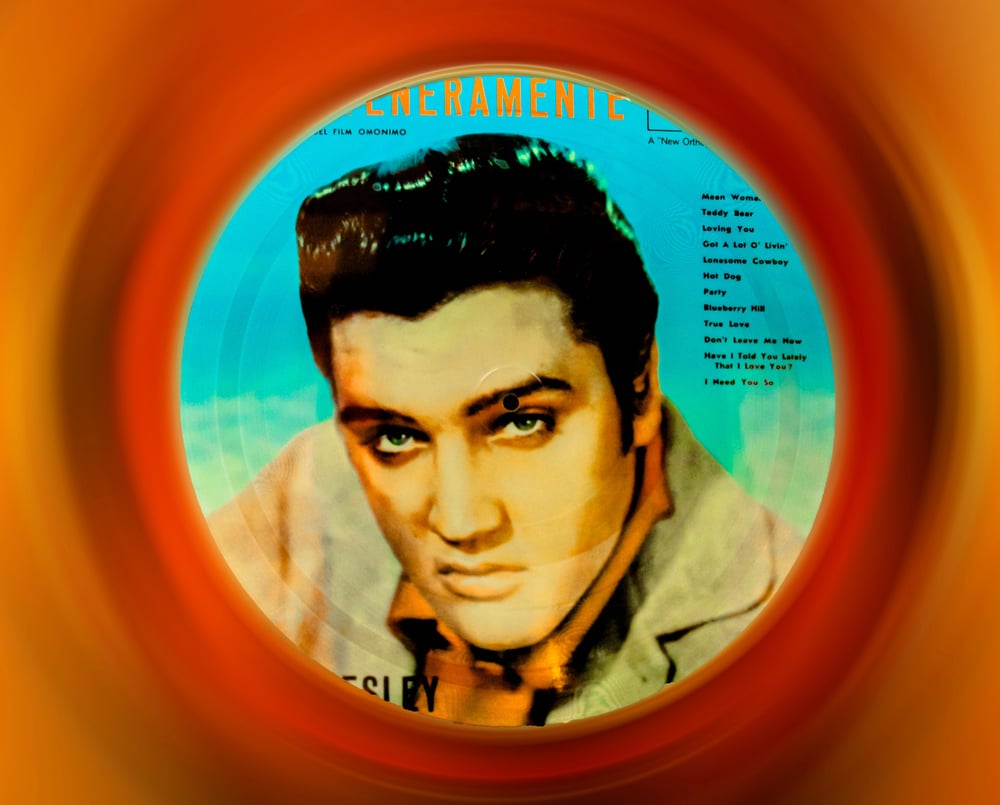
Elvis walked onto the Ed Sullivan Show and changed everything in about three minutes. Parents hated the way he moved his hips, which pretty much guaranteed teenagers would love him even more.
He took Black music styles and brought them to white audiences at a time when radio stations were still mostly segregated. His voice could be smooth or raw depending on the song.
The hair, the sneer, the whole rebel attitude became the blueprint every rock star copied for decades. Elvis didn’t invent rock and roll, but he sure made it impossible to ignore.
Chuck Berry (1950s)
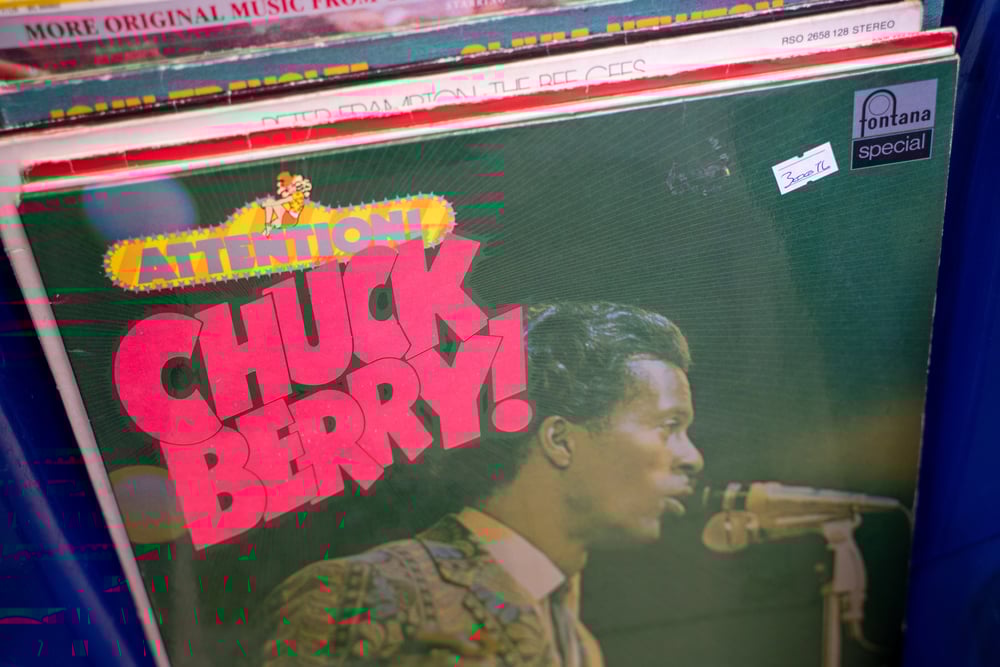
Chuck Berry’s guitar playing showed everyone else how rock music was supposed to sound. That duck walk he did across stages became almost as famous as his actual songs.
Berry wrote lyrics about cars, school, and dating that spoke directly to teenagers in a way adult music never did. ‘Johnny B. Goode’ told a story kids could relate to—someone from nowhere trying to make it big.
Pretty much every rock guitarist since then learned Berry’s riffs note for note. Keith Richards once said the Rolling Stones were basically just copying Chuck Berry, and he meant it as a compliment.
Little Richard (1950s)
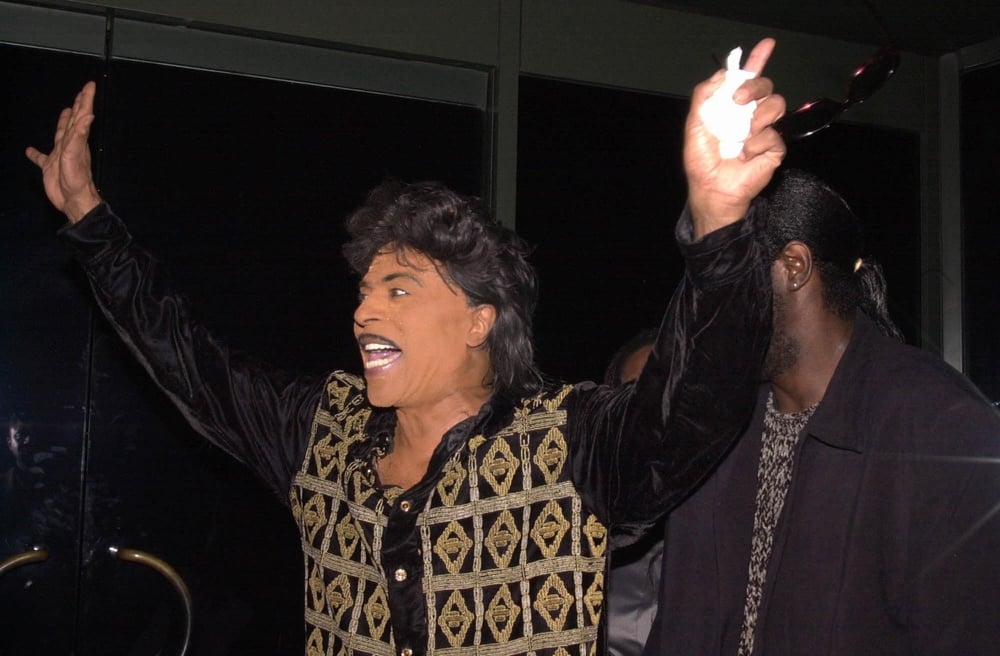
Little Richard screamed into the microphone and pounded piano keys like the instrument owed him money. He wore makeup and flashy clothes when that could get someone in serious trouble.
His energy level made other performers look half asleep by comparison. Songs like ‘Tutti Frutti’ were raw and wild in ways that scared adults and thrilled their kids.
Richard kicked down doors that other artists were too nervous to even knock on. The Beatles and the Stones both admitted they wouldn’t exist without him showing them it was okay to be loud and different.
The Beatles (1960s)
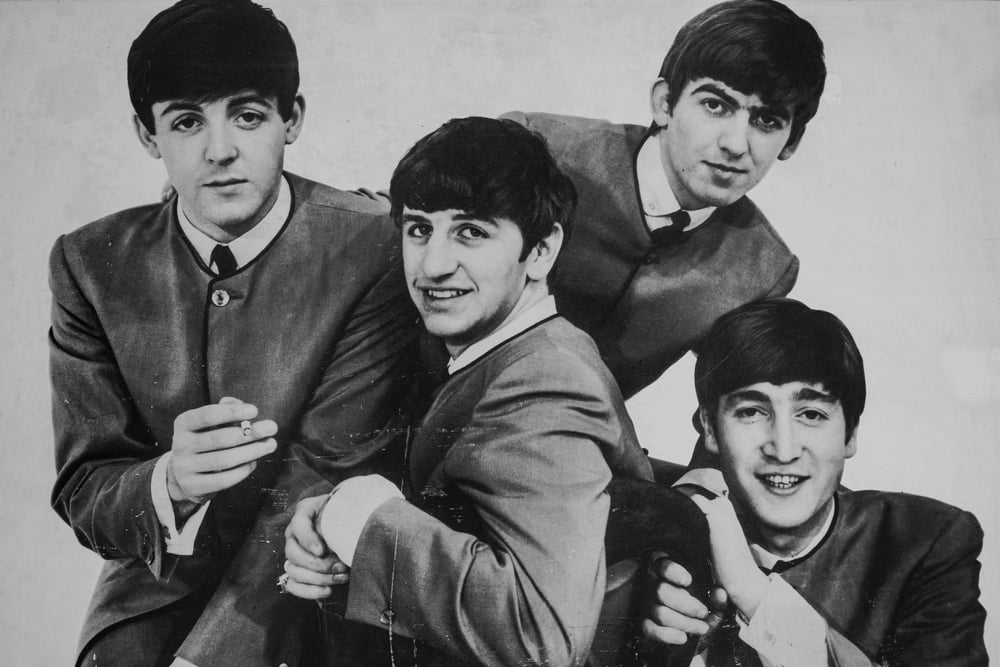
Four guys from Liverpool became the biggest thing in the world almost overnight. The Beatles started out making girls scream with love songs, then grew into something much bigger.
They experimented with sitars, orchestras, and recording tricks nobody had thought of yet. Writing their own songs seems normal now, but back then most pop stars just sang whatever their label gave them.
The band refused to play concerts where Black and white fans had to sit separately. Everything from haircuts to meditation to how albums sounded changed because the Beatles existed.
Bob Dylan (1960s)
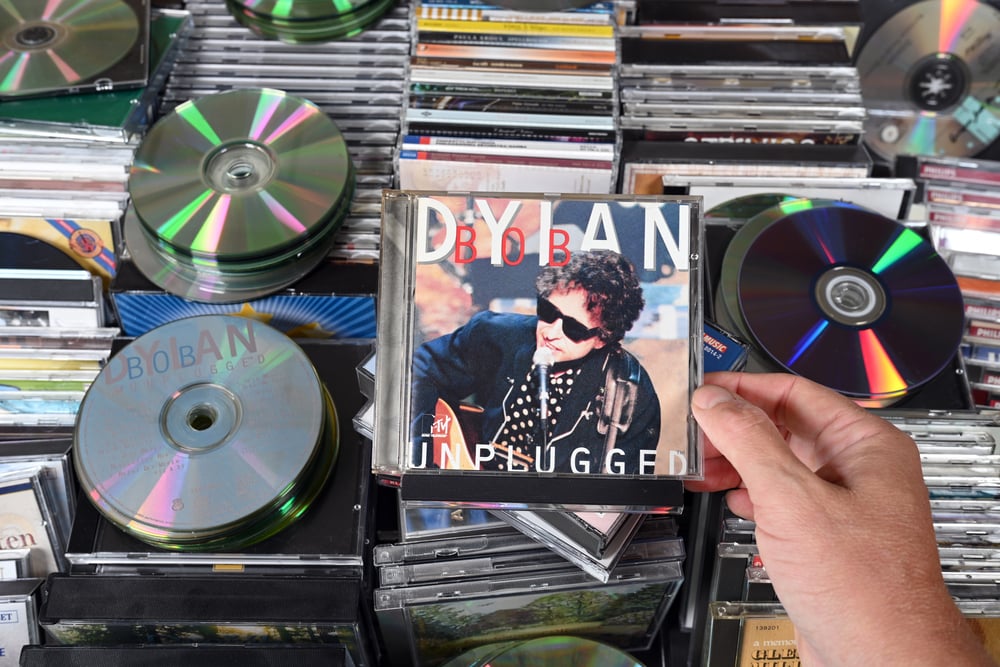
Bob Dylan treated song lyrics like serious poetry when most pop music kept things simple and safe. Folk music fans nearly rioted when he plugged in an electric guitar, but Dylan was already thinking about what came next.
His songs tackled war, justice, and complicated feelings in ways that made listeners actually think. The scratchy voice shouldn’t have worked, but somehow it made everything feel more honest.
Every songwriter who tries to say something important in their lyrics is following a path Dylan cleared. His influence shows up in rap, rock, country, pretty much everywhere.
The Rolling Stones (1960s)
The Rolling Stones were the band parents didn’t want their kids listening to, which made teenagers love them even more. Mick Jagger moved like nobody else on stage, all attitude and confidence.
Keith Richards’ guitar riffs were simpler than Chuck Berry’s but just as effective. The Stones took blues music and made it dangerous and exciting for a new generation.
They built a whole career on being the bad boys of rock. Somehow they’re still touring sixty years later, still acting like they might trash a hotel room at any moment.
Aretha Franklin (1960s)
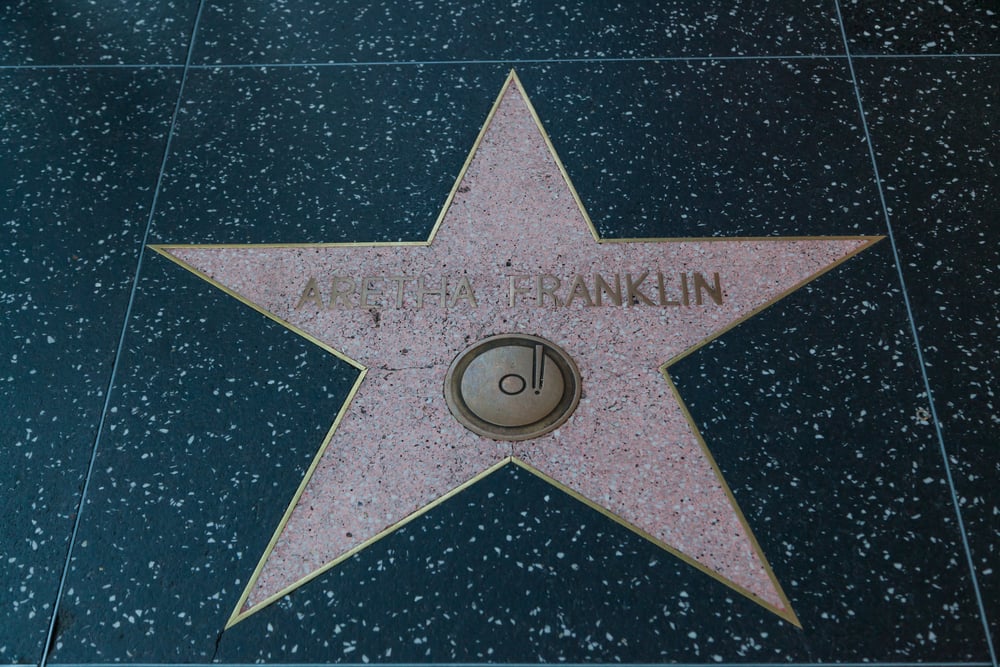
Aretha Franklin’s voice could fill up any room and make people pay attention. When she sang ‘Respect,’ it became an anthem for the civil rights movement and women’s rights all at once.
Franklin brought gospel music from churches into mainstream pop and made it feel completely natural. The emotion in her singing wasn’t just technical skill—it felt real every single time.
She became known as the Queen of Soul, and nobody ever seriously challenged that title. Her music gave Black women a powerful voice at a time when America badly needed to listen.
David Bowie (1970s)
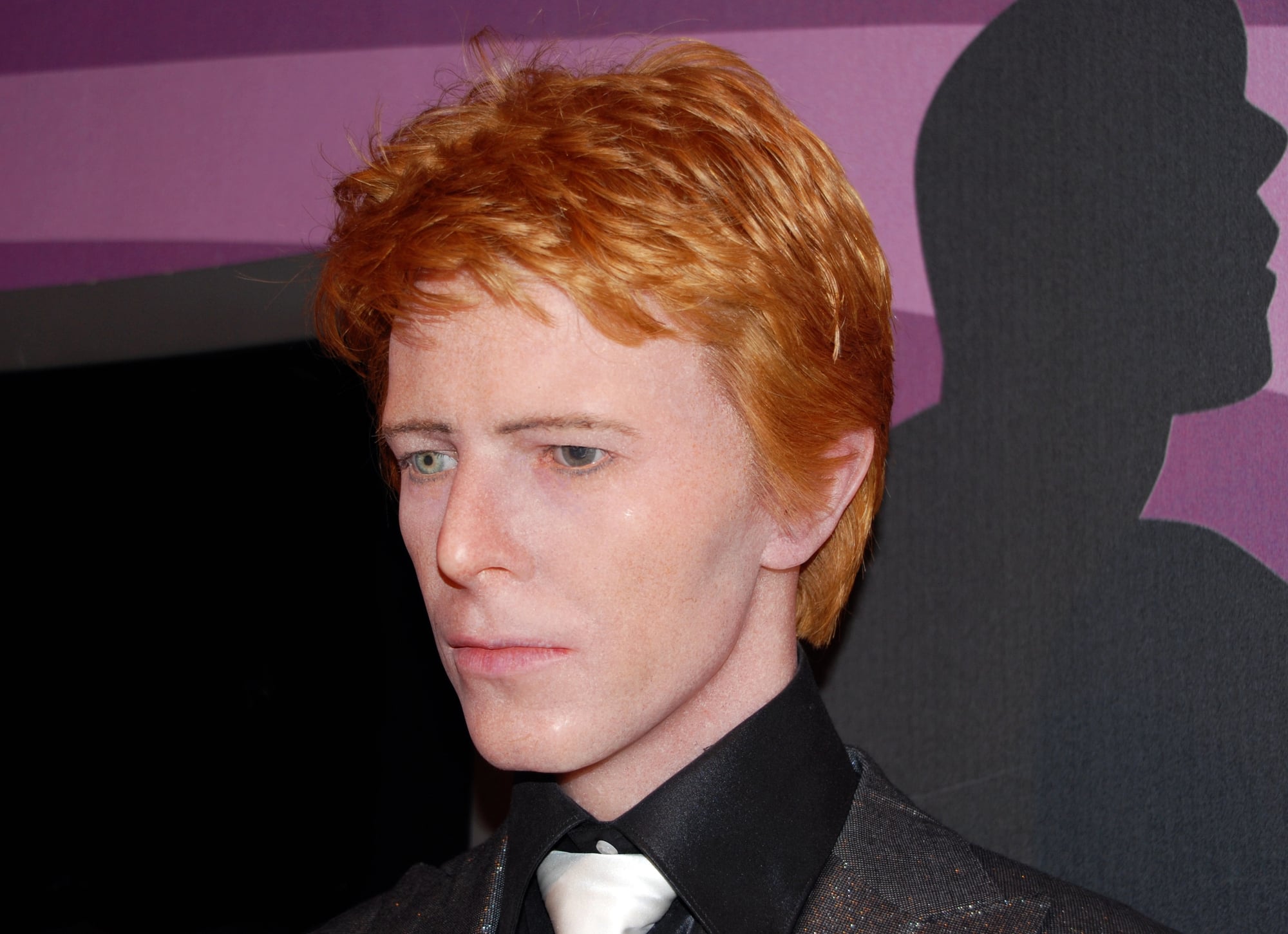
David Bowie refused to be the same person twice. He created characters like Ziggy Stardust, played them for a while, then killed them off and became someone new.
The makeup, the costumes, the androgynous look—all of it challenged what masculinity was supposed to look like. Bowie made it acceptable for artists to be theatrical and weird and constantly changing.
His sound shifted from glam rock to soul to electronic music, influencing each genre along the way. He taught a generation of musicians that staying interesting meant never staying still.
Elton John (1970s)
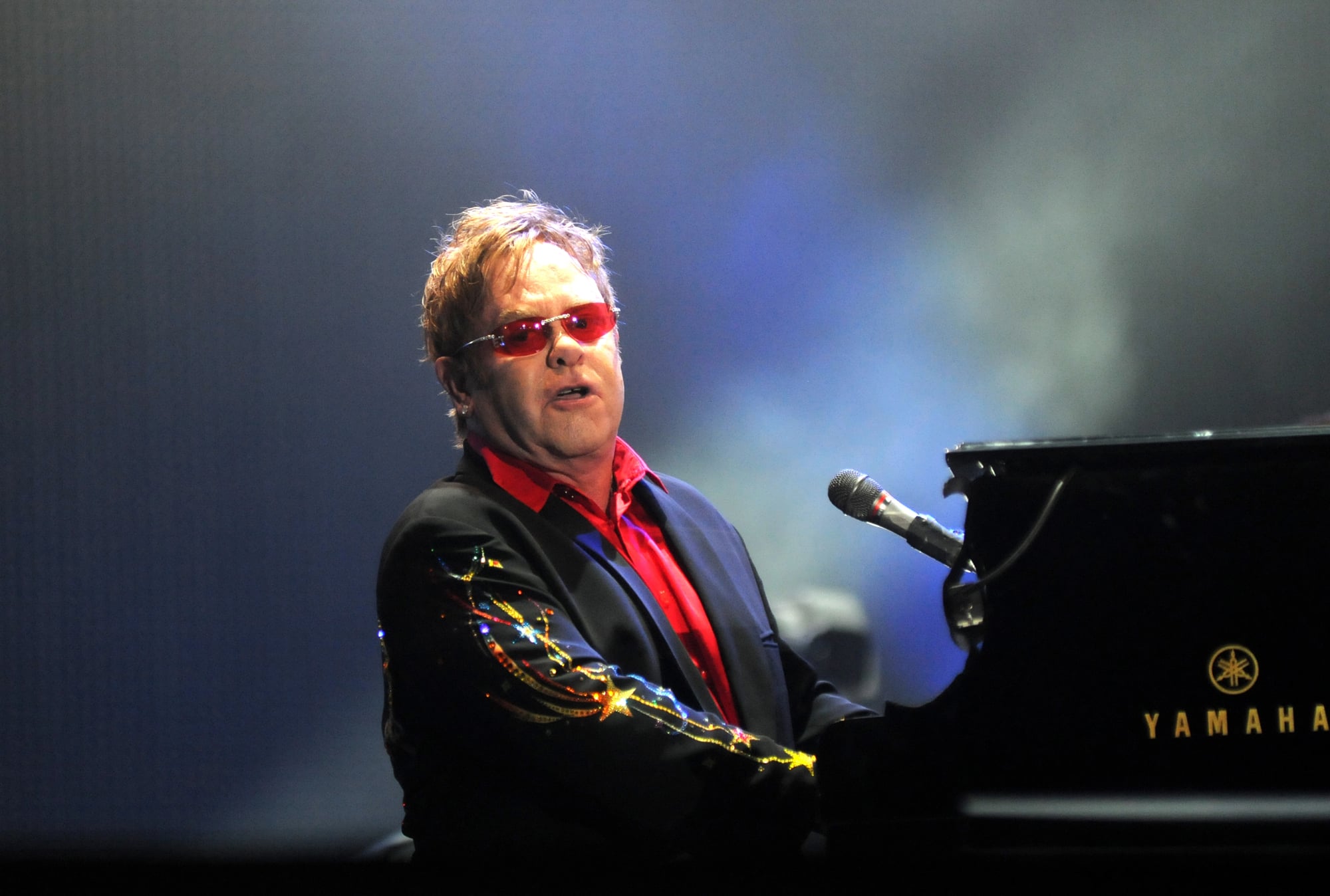
Elton John wore glasses so outrageous they could probably be seen from space. The costumes were ridiculous in the best possible way—feathers, sequins, platform boots that defied physics.
But underneath all that spectacle was a songwriter who understood how to write a melody that stuck in your head for days. His partnership with Bernie Taupin created dozens of hits that ranged from tender ballads to upbeat rockers.
John proved you could be flashy and substantive at the same time. The glasses got the attention, but the songs made people stay.
Stevie Wonder (1970s)
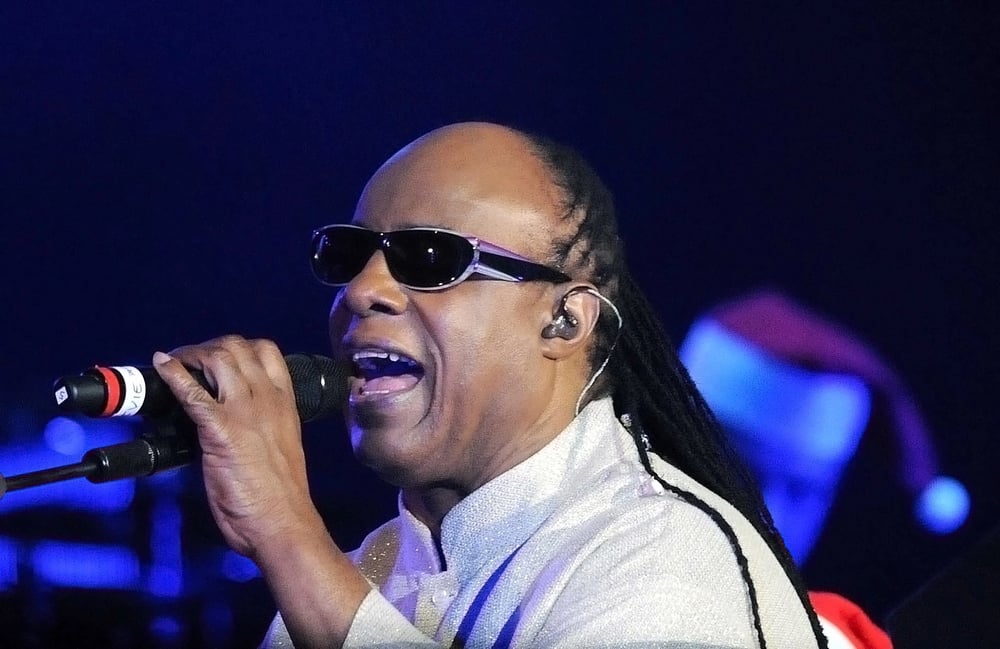
Stevie Wonder was already successful as a kid, but the seventies turned him into something else entirely. He played almost every instrument on his albums and pushed soul and funk music into completely new territory.
Albums like ‘Songs in the Key of Life’ dealt with racism, spirituality, love, and politics without ever feeling preachy. Wonder’s use of synthesizers and electronic sounds helped create the sonic template for modern pop.
Being blind didn’t limit him—he heard musical possibilities other people missed completely. His work showed that pop music could be both commercially successful and artistically ambitious.
Michael Jackson (1980s)
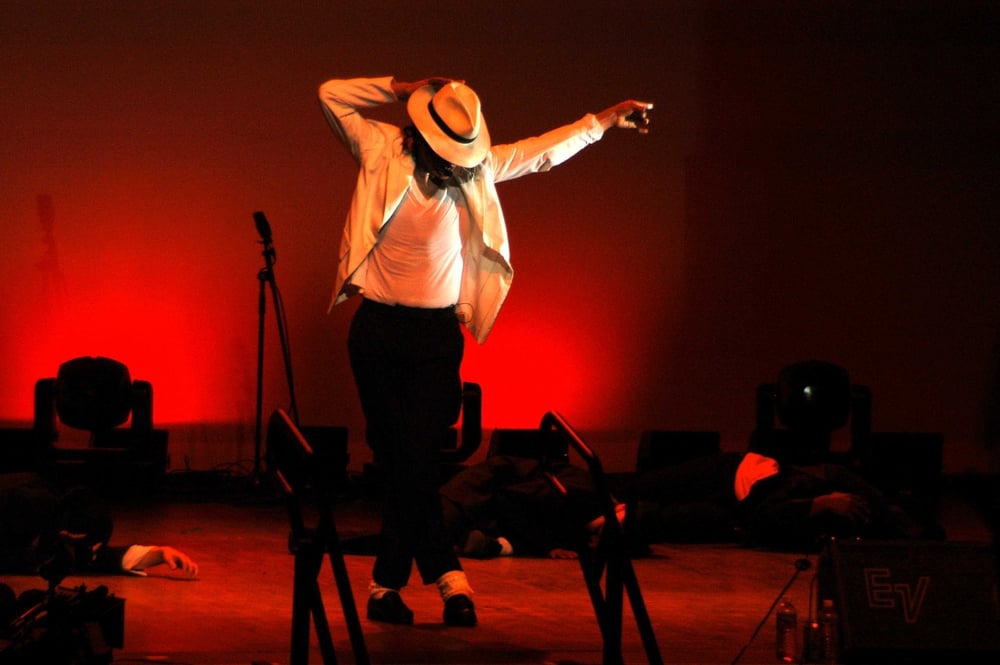
Michael Jackson turned music videos into an art form that mattered as much as the songs themselves. Thriller didn’t just break sales records—it shattered them completely.
The moonwalk became something every kid tried to learn in their living room. Jackson’s dancing was as important as his singing, creating a complete package that set new standards for performers.
He broke down racial barriers at MTV when the network was reluctant to play Black artists. The single white glove, the red jacket, the fedora—all of it became instantly recognizable worldwide.
Madonna (1980s)
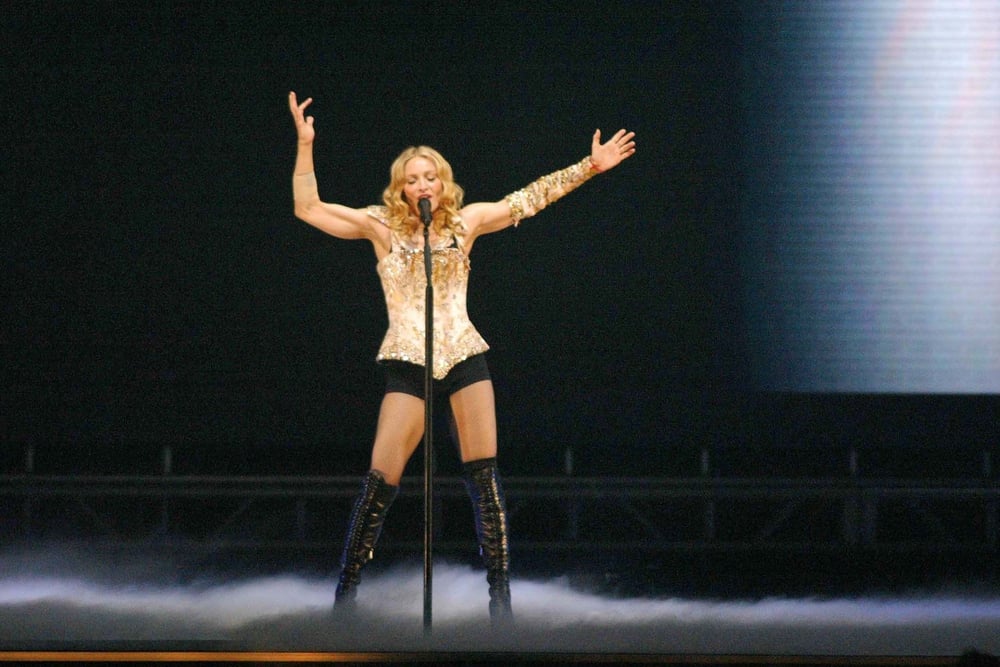
Madonna figured out how to turn controversy into massive success without it feeling calculated. She pushed boundaries around religion, gender, and female desire in ways that made her impossible to ignore.
Every few years she completely reinvented her look and sound, staying ahead of whatever trend was coming next. Madonna took control of her own image and career at a time when female artists were usually told what to do by male executives.
The ‘Like a Virgin’ wedding dress at the VMAs, the cone bra, the constant evolution—it all influenced how pop stars think about image. Every artist who’s ever caused a scandal is working from her playbook.
Prince (1980s)
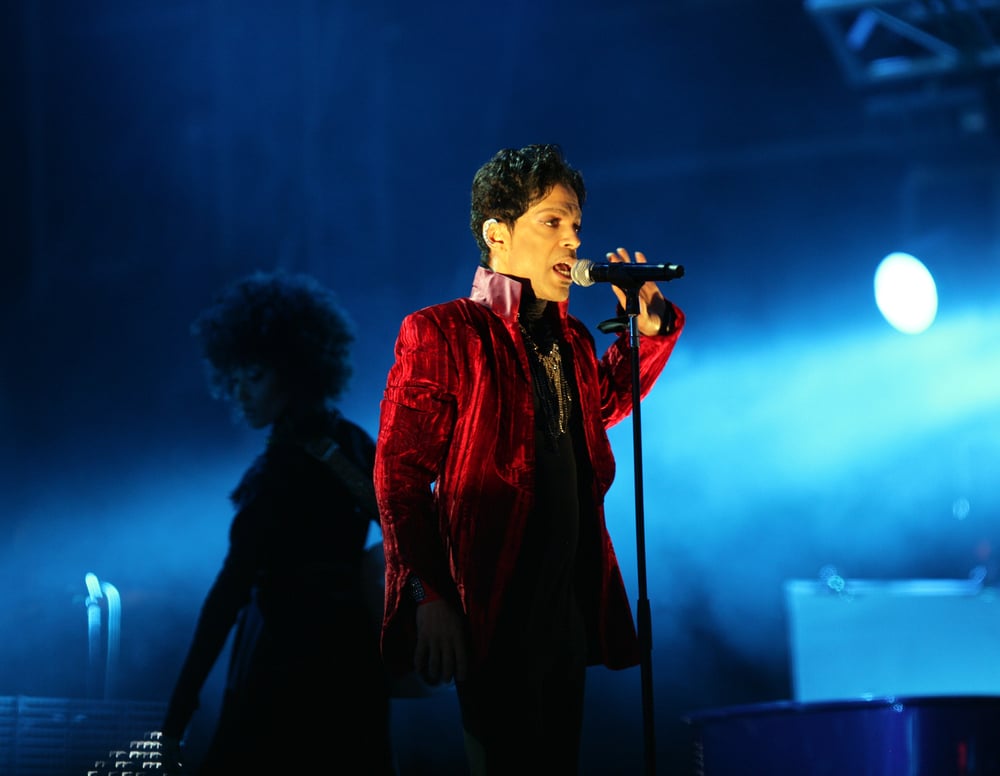
Prince played twenty-seven instruments on his albums and made it look easy. His blend of rock, funk, and soul created a sound that belonged only to him.
The high-pitched vocals, the incredible guitar solos, the purple everything—it was all part of a complete artistic vision. Prince fought his record label years before other artists thought about owning their music.
He wrote hits for other artists while releasing his own at a pace that seemed superhuman. His Minneapolis sound influenced everyone from hip hop producers to rock bands trying to add funk to their music.
Whitney Houston (1980s)

Whitney Houston had the kind of voice that made other singers wonder why they even bothered trying. The power and control were incredible, but it was the emotion that really set her apart.
Her version of ‘I Will Always Love You’ became the standard that every vocalist gets measured against. Houston proved that strong vocals could sell millions even when synthesizers and drum machines dominated the charts.
She crossed over from R&B to pop so smoothly that the genre labels seemed pointless. The voice was a gift, but the way she used it was pure skill.
Nirvana (1990s)
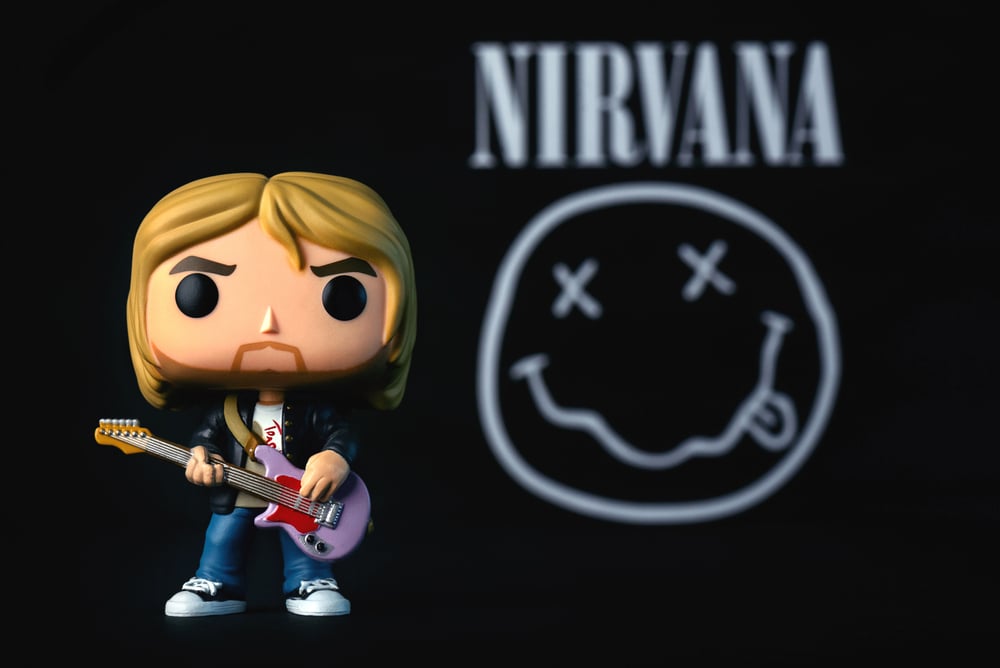
Nirvana made flannel shirts and ripped jeans the uniform of a generation almost by accident. ‘Smells Like Teen Spirit’ hit MTV and suddenly the glossy eighties felt outdated overnight.
Kurt Cobain’s raw vocals and honest lyrics about pain and alienation gave kids permission to feel angry and sad publicly. The band killed off hair metal and made alternative rock the mainstream.
Their success opened doors for every indie and alternative band that came after. Grunge became the sound of the nineties because Nirvana made it impossible for radio to ignore.
Tupac Shakur (1990s)
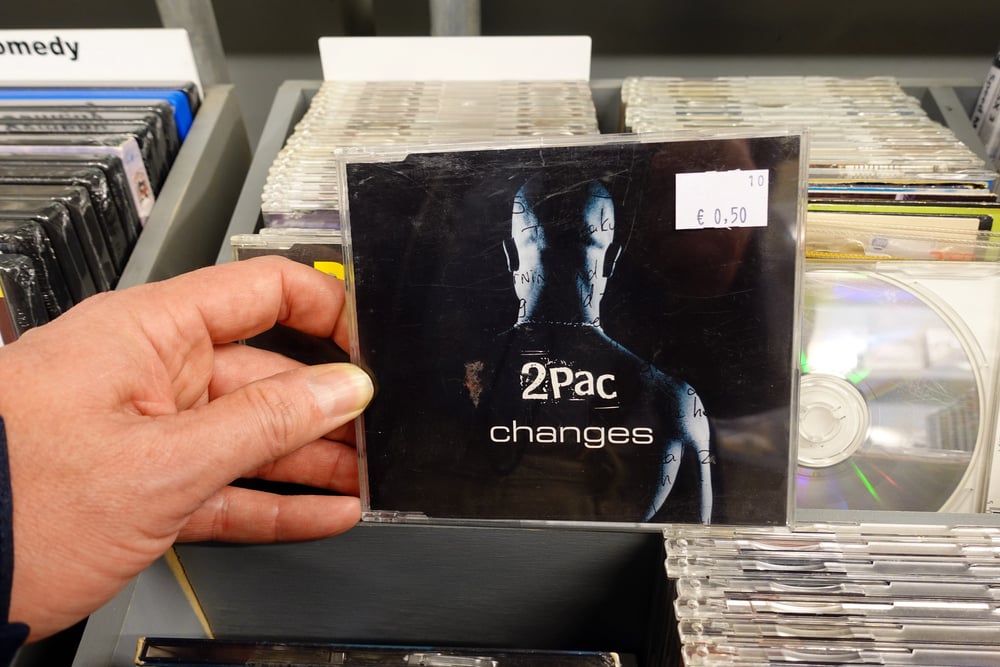
Tupac wrote about poverty, police brutality, and racial injustice with a clarity that made his music feel urgent. His lyrics were poetic but also direct enough that anyone could understand what he meant.
Tupac could make hard-hitting political songs and fun party tracks with equal skill. His charisma and acting ability made him a star beyond just music.
Even his death in 1996 couldn’t stop his influence from growing. Hip hop artists still reference his work constantly, and his impact on the culture remains huge.
The Spice Girls (1990s)
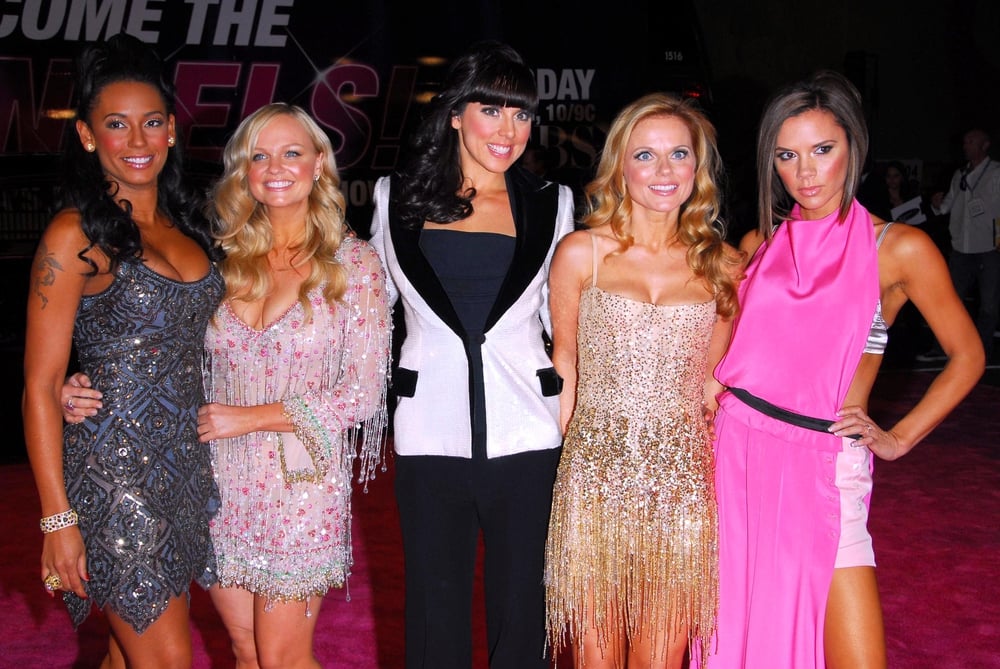
The Spice Girls made girl power a worldwide catchphrase and actually meant it. Each member had a clear personality—Scary, Sporty, Baby, Ginger, Posh—that made it easy for fans to pick their favorite.
The songs were catchy, the choreography was tight, and the message about female friendship resonated with millions of young girls. They proved that manufactured pop groups could still feel genuine and important.
The Spice Girls showed the music industry that girl groups could be huge business. Every female group that formed afterward owed them something.
Britney Spears (1990s-2000s)
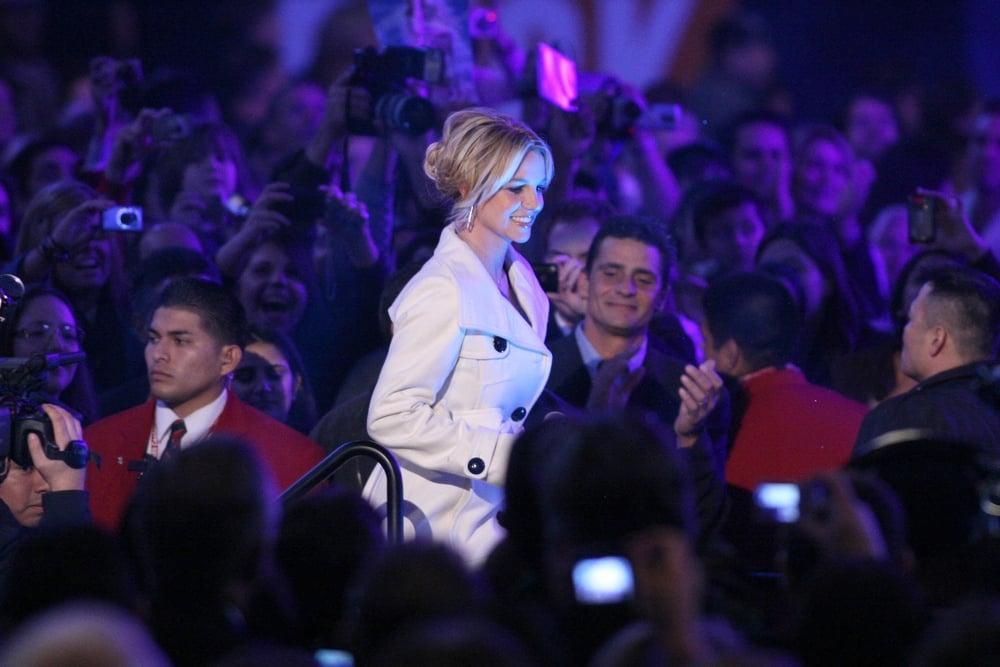
Britney Spears launched the teen pop wave of the late nineties and became a phenomenon almost instantly. The schoolgirl outfit in the ‘Baby One More Day’ video started conversations that are still happening today.
Her videos set new standards for production value and dance choreography that other pop stars had to match. Britney’s later struggles with mental health and media treatment sparked important discussions about how young female celebrities get handled.
Love her music or not, she shaped what being a pop star looked like entering the 2000s. Her influence on pop culture went way beyond just the songs.
Beyoncé (2000s-2010s)
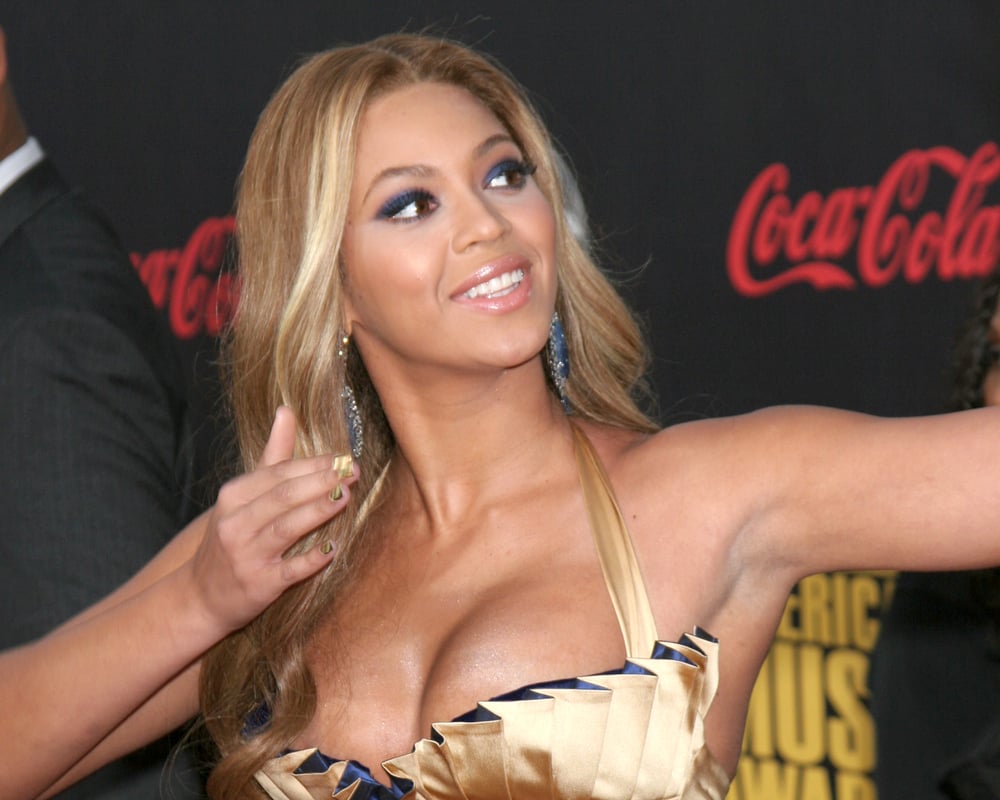
Beyoncé left Destiny’s Child and somehow became even bigger on her own. Every performance gets rehearsed until it’s perfect, every album release becomes a major event.
She’s tackled feminism, race, and social justice in her music while still making songs people want to dance to. The surprise album drops and visual albums changed how artists think about releasing music.
Her Coachella performance was so good it got nicknamed Beychella and became a cultural moment celebrating Black culture. Beyoncé set a standard of excellence that pushes every other pop star to work harder.
Kanye West (2000s-2010s)
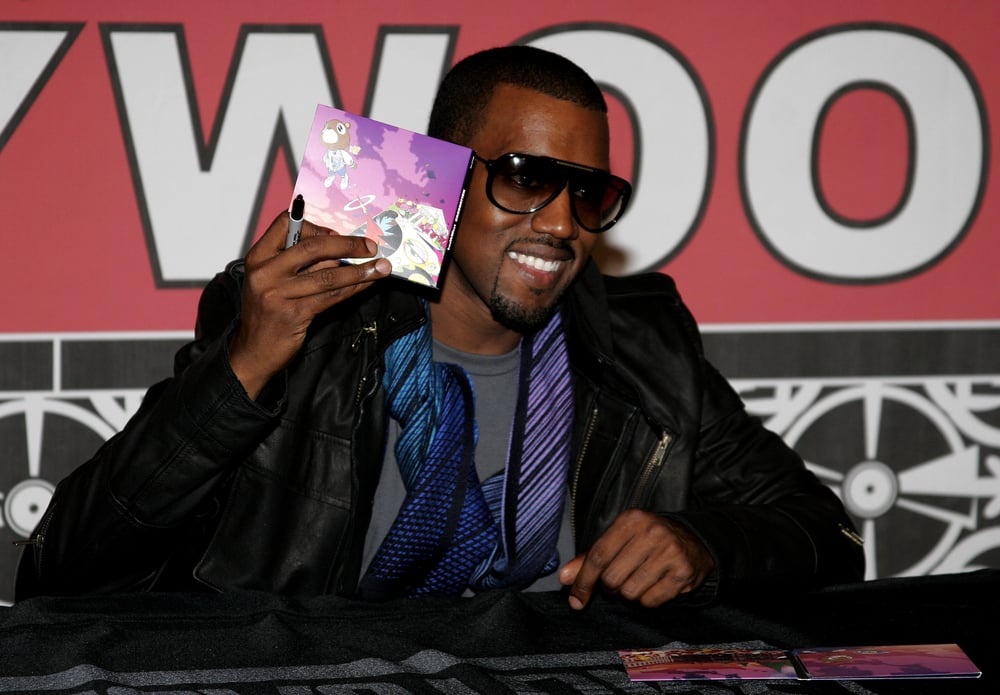
Kanye West changed hip hop production by using soul samples and live orchestras when everyone else was making harder, darker beats. He proved a rapper could be vulnerable and emotional instead of tough and still be successful.
His albums became cultural events where people analyzed every lyric and production choice. West’s willingness to experiment kept hip hop evolving and trying new sounds.
The controversies and ego often overshadowed the music, but the influence on production and artist independence is still there. Nearly every hip hop artist working today borrowed something from his approach to making albums.
Taylor Swift (2010s-2020s)
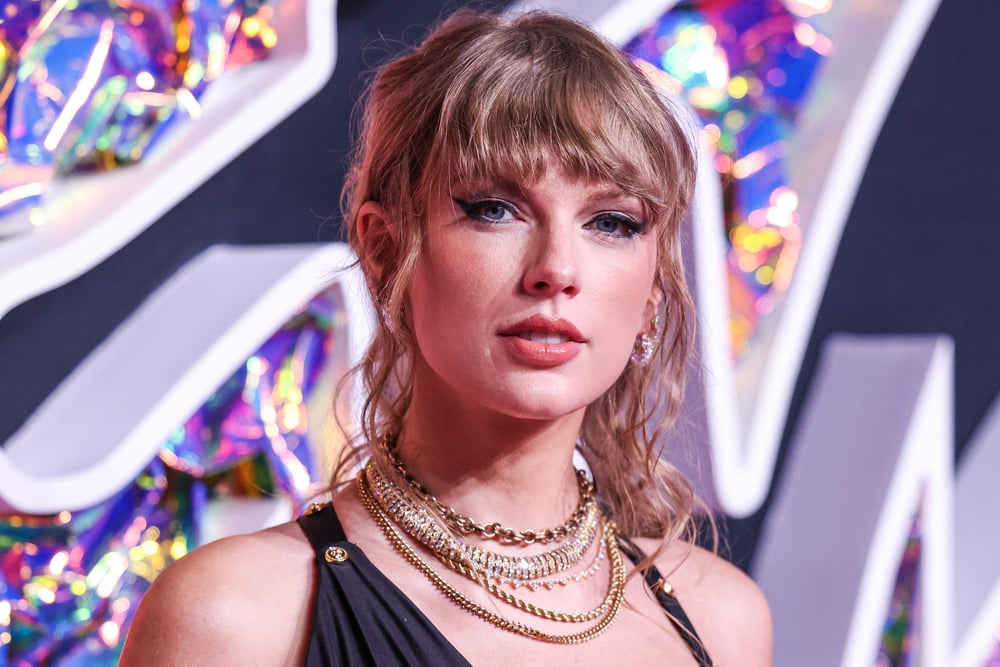
Taylor Swift started writing country songs about high school heartbreak and somehow turned into a pop giant. Her lyrics are so detailed and personal that fans feel like they know exactly who each song is about.
Swift fought with streaming services and her old label about artist rights, then re-recorded her entire catalog to own it herself. She’s mastered social media and fan engagement in ways that feel genuine instead of like marketing.
The constant reinvention from country to pop to indie folk kept her relevant for nearly two decades. Swift proved that being smart about business and being authentic aren’t opposites.
Where the Music Lives Now
These artists created sounds and images that still echo through everything people hear today. Turn on any current pop song and there’s probably a bit of Prince’s production style or Madonna’s approach to image.
The barriers they broke down meant other artists didn’t have to fight the same battles. Their influence didn’t stop when they left the charts—it just got absorbed into the culture and showed up in new forms.
That’s what real impact looks like. The music outlives the moment and keeps shaping what comes next, whether people realize it or not.
More from Go2Tutors!

- The Romanov Crown Jewels and Their Tragic Fate
- 13 Historical Mysteries That Science Still Can’t Solve
- Famous Hoaxes That Fooled the World for Years
- 15 Child Stars with Tragic Adult Lives
- 16 Famous Jewelry Pieces in History
Like Go2Tutors’s content? Follow us on MSN.



