16 Extinct Animals Scientists Are Trying to Bring Back
The boundary between life and death has always felt absolute. An animal goes extinct, and that’s the end of the story — or at least, that’s how things worked until now.
Modern science has opened a door that seemed permanently closed, offering the possibility of resurrection through genetic engineering, cloning, and other cutting-edge techniques. The idea of bringing back species that vanished decades, centuries, or even millennia ago no longer belongs solely to science fiction.
These efforts, known as de-extinction, represent one of the most ambitious and controversial frontiers in conservation biology. Some projects focus on recently extinct species where genetic material remains relatively intact, while others tackle the seemingly impossible challenge of reconstructing ancient genomes from fragments.
The motivations vary too — some aim to restore lost ecosystems, others to correct human-caused extinctions, and still others to push the boundaries of what science can accomplish.
Woolly Mammoth
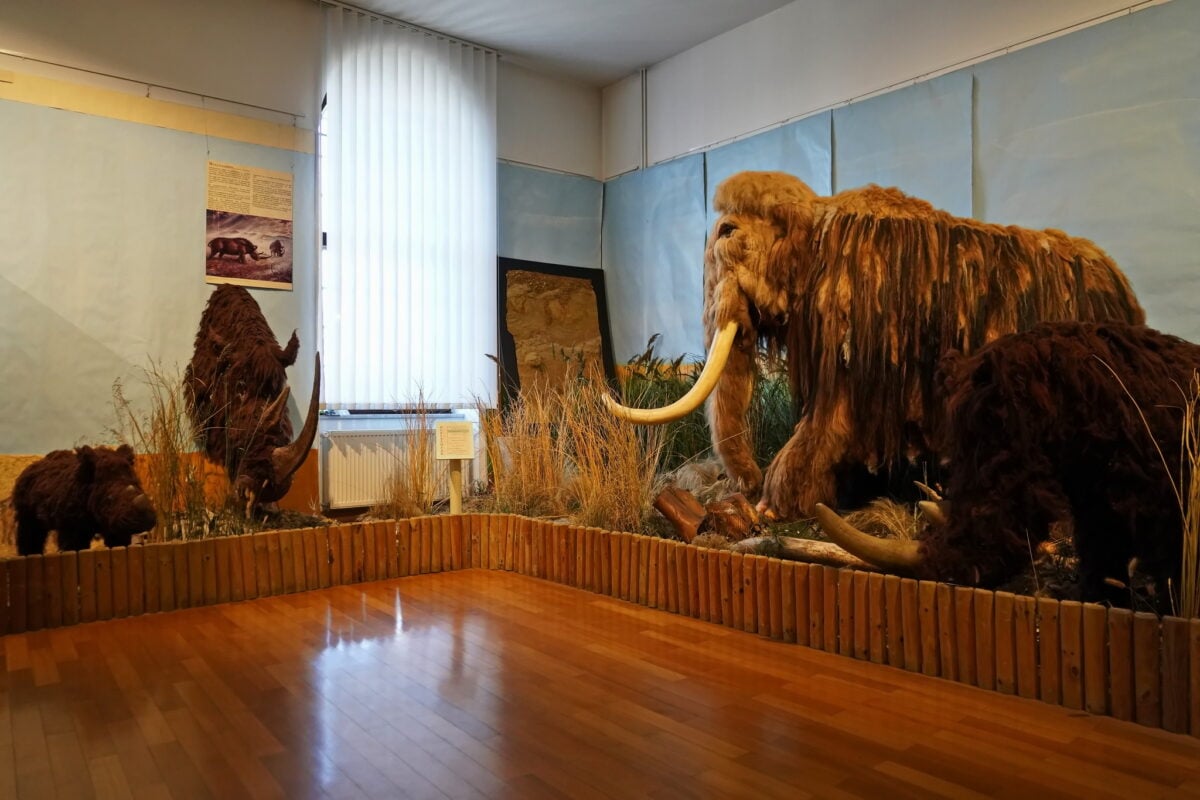
The woolly mammoth stands as the poster child for de-extinction efforts. Multiple research teams are working to bring back this iconic Ice Age giant through different approaches.
Scientists have extracted remarkably well-preserved DNA from mammoth specimens found in Siberian permafrost, some dating back over 40,000 years. The most promising method involves editing Asian elephant DNA to include mammoth traits like cold resistance, smaller ears, and that famous shaggy coat.
The plan isn’t to create a perfect mammoth replica but rather a cold-adapted elephant that could fill the same ecological role in Arctic tundra.
Thylacine
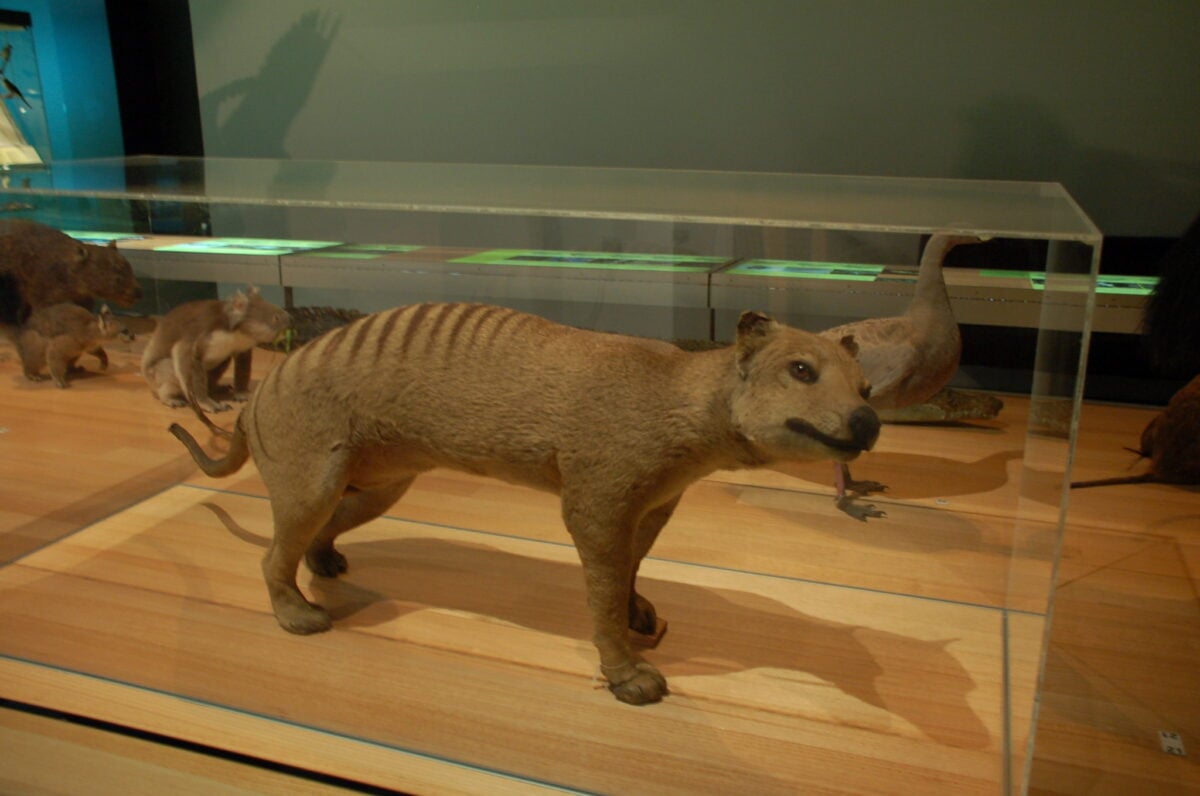
The Tasmanian tiger died out in 1936, but its genetic legacy might not be finished. Unlike truly ancient extinctions, the thylacine vanished recently enough that museum specimens contain usable DNA.
Several research groups are attempting to sequence the complete thylacine genome and potentially clone the species back into existence. This marsupial predator once roamed across Australia and Tasmania until human persecution drove it to extinction.
The last known individual died in captivity at Hobart Zoo, making the thylacine a symbol of human-caused extinction that scientists hope to reverse.
Passenger Pigeon
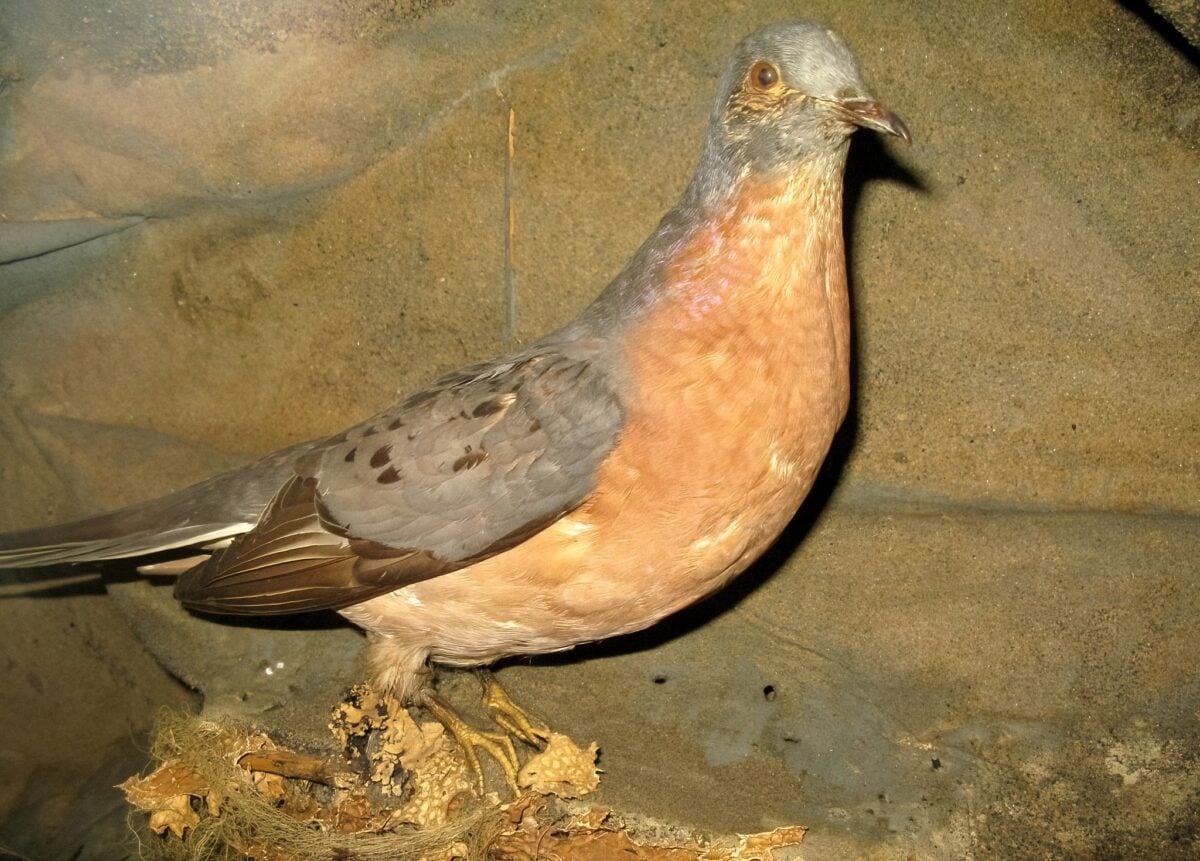
There’s something almost theatrical about the passenger pigeon’s story — a species that once darkened American skies in flocks numbering in the billions, reduced to zero in just a few decades (the hunting was so intensive that commercial operations could kill thousands in a single day, and the birds were shipped by the trainload to markets in eastern cities where they sold for pennies). The last one, Martha, died alone in the Cincinnati Zoo in 1914. And yet this bird, whose extinction seemed so final, so complete, might not stay that way: scientists are working to edit the genome of its closest living relative, the band-tailed pigeon, inserting passenger pigeon genes to create something resembling the original species.
The technical challenges are staggering, of course, because you’re essentially trying to reverse-engineer a bird from museum specimens and scattered genetic fragments. But the emotional appeal is undeniable — there’s something deeply satisfying about the idea of undoing what feels like one of conservation’s greatest failures.
Dodo
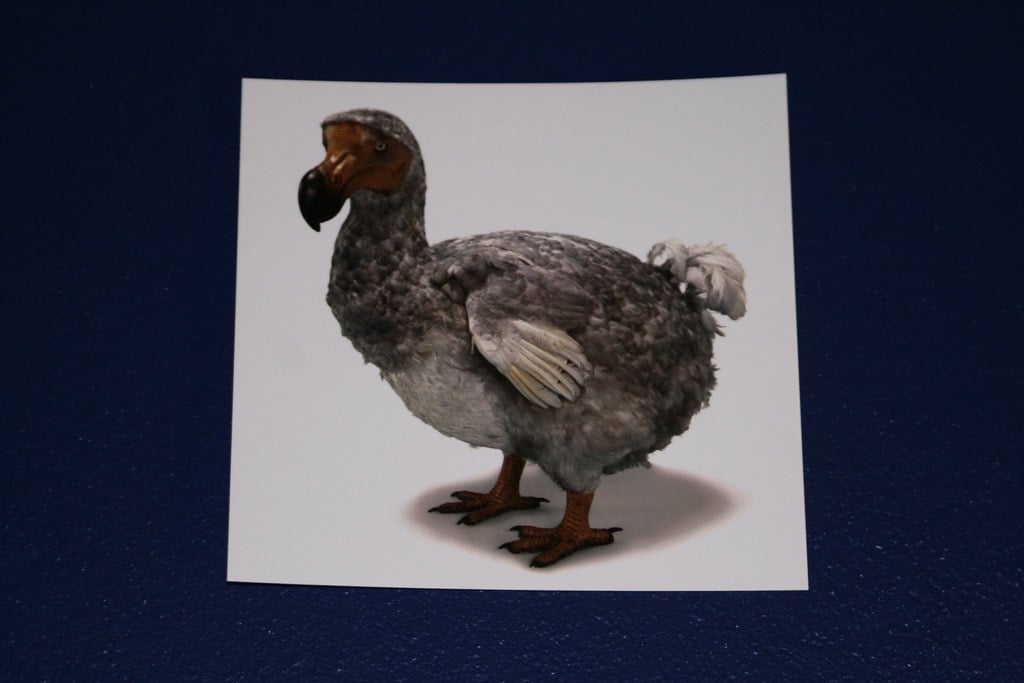
The dodo deserves better than being a punchline about stupidity and extinction. This flightless bird from Mauritius went extinct in the late 1600s, wiped out by human activities and introduced species.
Scientists are examining dodo DNA from museum specimens to understand its relationship to living pigeons and doves. Recent genetic analysis revealed the dodo was essentially a giant, ground-dwelling pigeon that evolved on an island with no natural predators.
Bringing it back would require extensive genetic reconstruction, but the dodo’s relatively recent extinction makes it a more feasible target than species that vanished millions of years ago.
Saber-toothed Cat
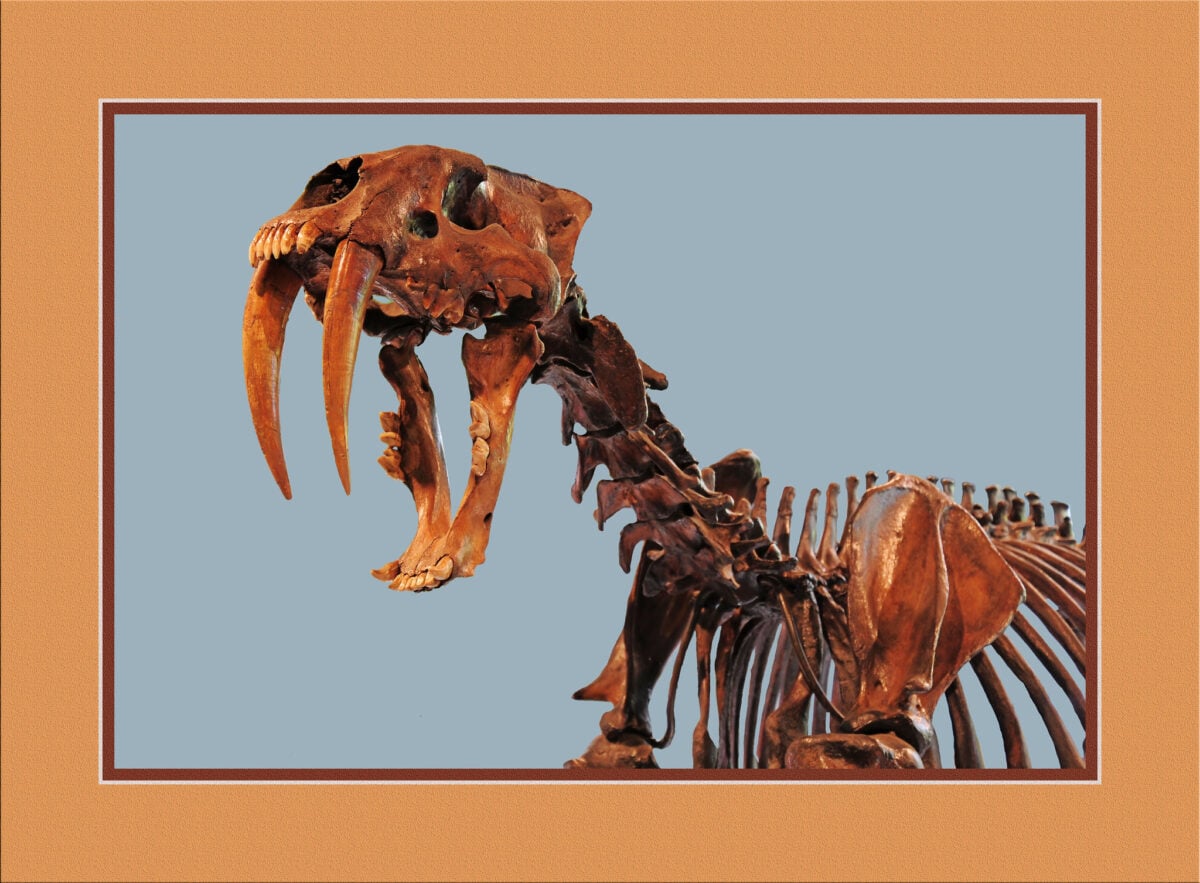
The saber-toothed cat represents one of the most ambitious de-extinction projects currently under consideration. These prehistoric predators went extinct around 10,000 years ago, leaving behind well-preserved specimens in the La Brea Tar Pits and other fossil sites.
Scientists have successfully extracted genetic material from some specimens. The challenge lies in the time gap and the complexity of recreating a large predator.
Researchers would need to use closely related modern cats as surrogate mothers and genetic templates. The ecological implications of reintroducing an apex predator also raise significant questions about where such animals could safely exist.
Auroch
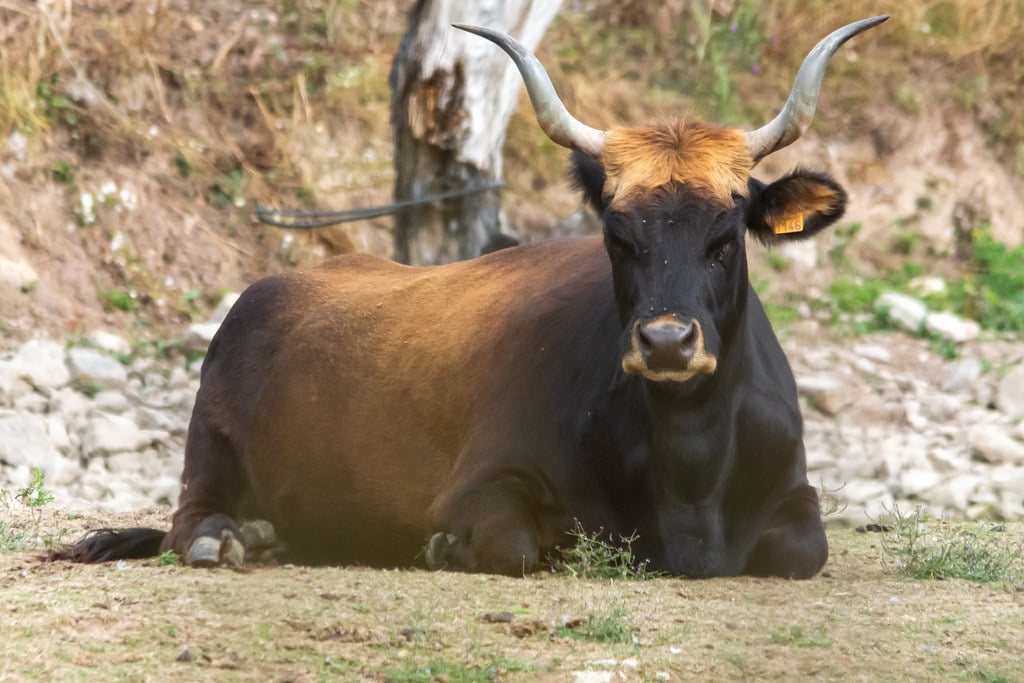
Picture the domestic cow’s wild ancestor — bigger, more aggressive, and roaming European forests until the last one died in Poland in 1627 (though by then, hunting pressure and habitat loss had already reduced the species to a tiny remnant population that never really had a chance). The auroch represents a unique case in de-extinction because multiple “breeding back” projects are already underway, using selective breeding of modern cattle breeds to recreate auroch characteristics.
Some projects have produced animals that look remarkably similar to historical descriptions and cave paintings of aurochs. But whether these animals truly capture the genetic essence of the original species remains a matter of scientific debate.
Quagga
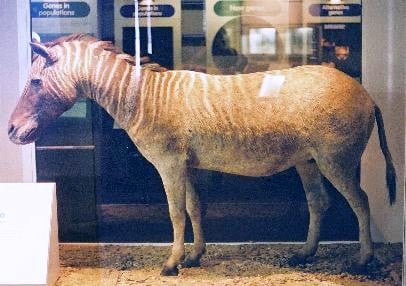
The quagga looked like someone had painted only the front half of a zebra, with brown and white stripes fading to solid brown on the hindquarters. This South African subspecies was hunted to extinction in the late 1800s, but genetic analysis later revealed it was actually a variant of the plains zebra rather than a separate species.
The Quagga Project has been selectively breeding zebras since the 1980s to recreate the quagga’s distinctive appearance. Several generations of breeding have produced animals that closely resemble historical quaggas, though questions remain about whether appearance alone constitutes true de-extinction.
Pyrenean Ibex
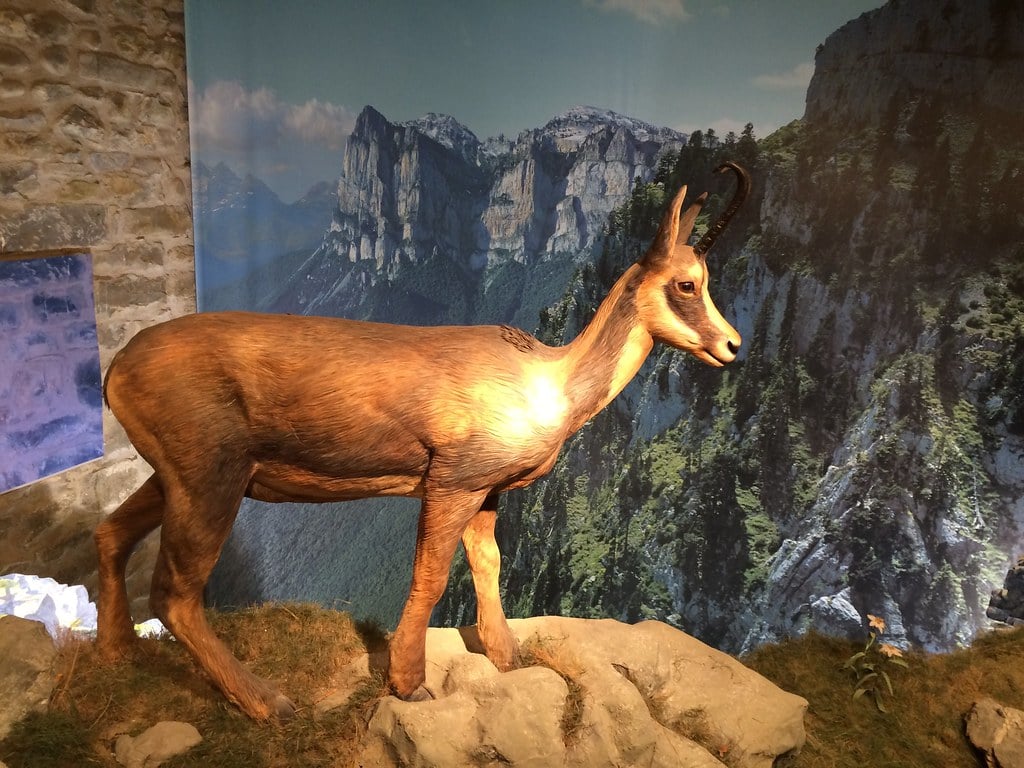
The Pyrenean ibex holds the distinction of being the first extinct animal that scientists actually attempted to clone. This Spanish mountain goat went extinct in 2000, but researchers had preserved tissue samples from the last individual, a female named Celia.
In 2003, scientists successfully implanted cloned embryos into domestic goats. One clone was born alive but died shortly after birth due to lung defects.
The experiment proved that cloning recently extinct species was technically possible, even if the current success rates remain extremely low. Research continues using improved cloning techniques.
Great Auk
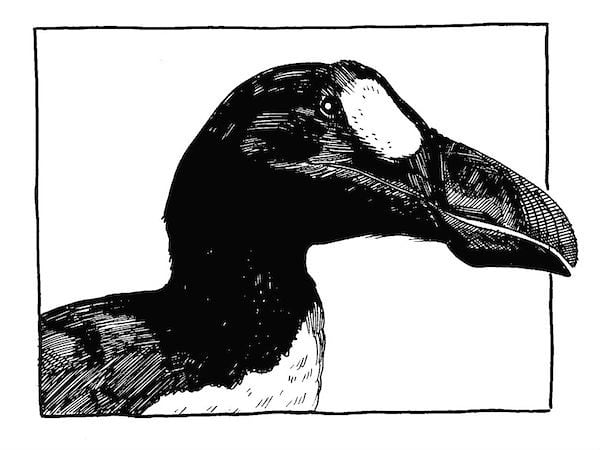
The great auk was essentially a northern penguin — a large, flightless seabird that once nested on rocky islands across the North Atlantic. European colonists and fishermen hunted these birds relentlessly for their meat, eggs, and feathers.
The last confirmed great auks were killed on an Icelandic island in 1844. Scientists are examining great auk DNA from museum specimens and comparing it to closely related seabirds like razorbills and murres.
The genetic gap between great auks and their living relatives presents significant challenges, but their relatively recent extinction makes them a more feasible candidate than species that vanished centuries ago.
Steller’s Sea Cow
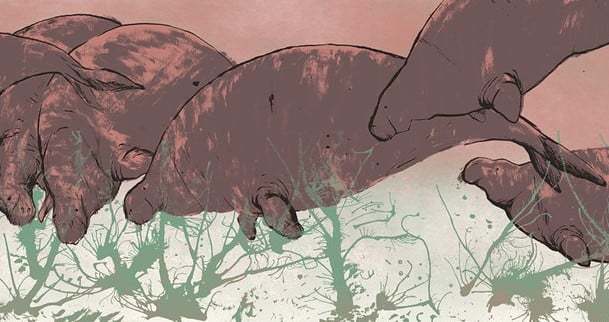
Steller’s sea cow was discovered and extinct within 27 years — which has to be some kind of record for human efficiency at destroying things. This massive marine mammal, related to dugongs and manatees, lived in the Bering Sea until Russian hunters wiped it out in 1768.
The animals were enormous, reaching lengths of up to 30 feet, and apparently had no fear of humans. Scientists are investigating the possibility of using dugong or manatee DNA as a starting point for reconstruction.
The challenge lies in the significant size difference and the substantial time gap since extinction. The cold-water habitat requirements would also complicate any reintroduction efforts.
Gastric-brooding Frog
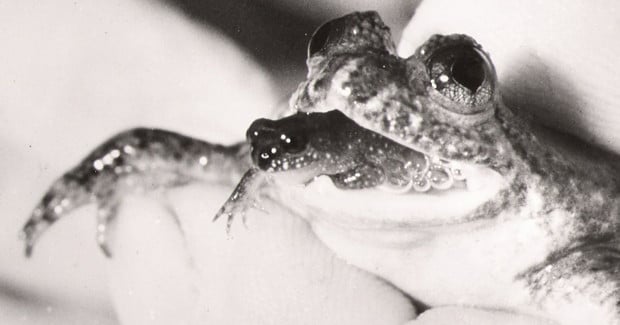
Here’s where extinction gets genuinely weird: a frog that swallowed its own eggs, turned its stomach into a womb, and gave birth by vomiting up fully formed tadpoles (the mother would stop producing stomach acid during pregnancy, essentially converting her digestive system into a nursery, which is either remarkable evolutionary adaptation or nature having a particularly strange sense of humor). Two species of gastric-brooding frogs from Australia went extinct in the 1980s, victims of habitat destruction and disease.
But their unique reproductive method makes them compelling candidates for de-extinction research. Australian scientists have made significant progress extracting DNA from preserved specimens and attempting to clone embryos using closely related frog species as hosts.
So far, they’ve managed to create early-stage embryos, though none have survived to adulthood.
Carolina Parakeet
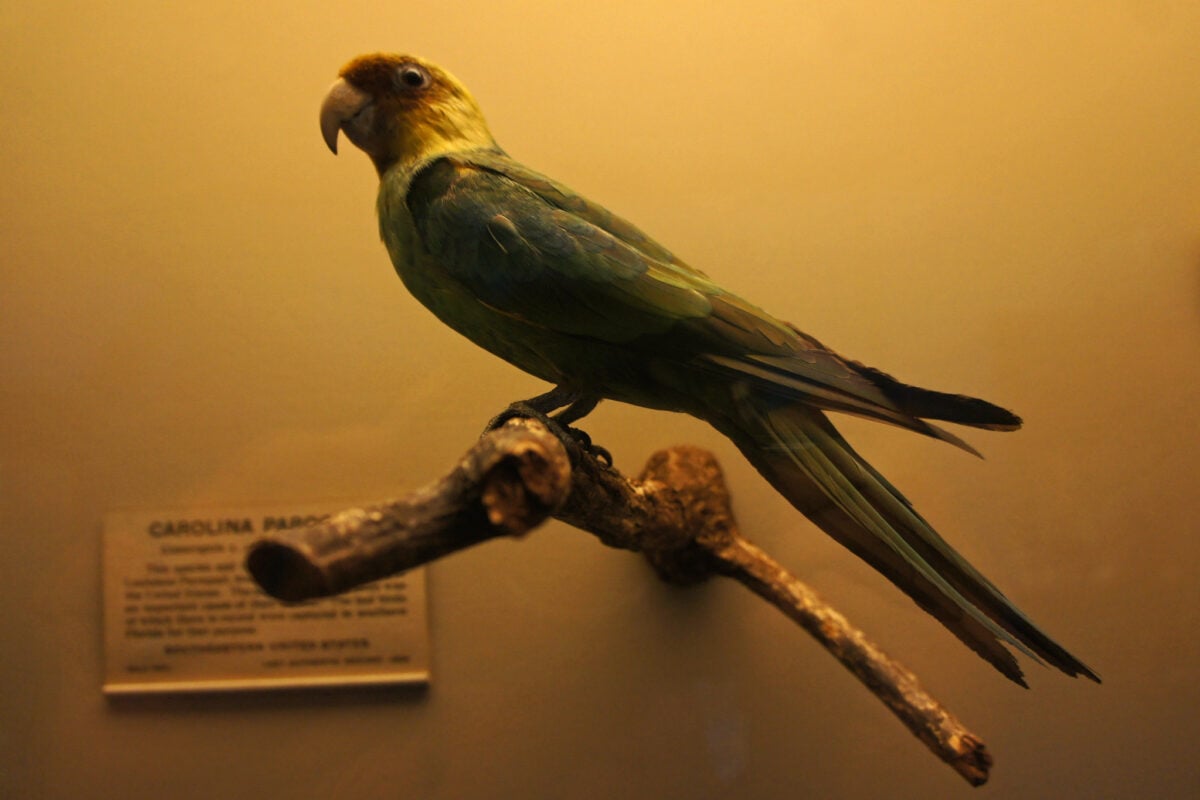
The Carolina parakeet was North America’s only native parrot species, a colorful bird that once flew in large flocks across the eastern United States. Farmers considered them agricultural pests, and their habit of flocking around wounded members made them easy targets for hunters.
The last wild Carolina parakeets disappeared in the early 1900s. Recent genetic analysis has revealed the bird’s relationship to South American parrots, providing a potential roadmap for de-extinction efforts.
The main challenges involve the significant genetic differences between Carolina parakeets and their closest living relatives, as well as questions about suitable habitat for any reintroduced populations.
Caribbean Monk Seal
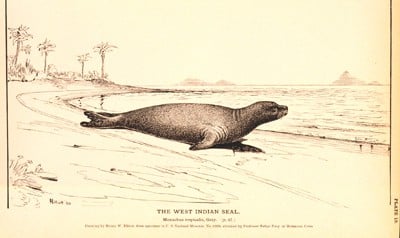
The Caribbean monk seal was declared extinct in 2008, making it one of the most recently extinct marine mammals. These seals once inhabited warm Caribbean waters but fell victim to hunting and habitat disruption.
The last confirmed sighting occurred in the 1950s, though unconfirmed reports persisted for decades. Scientists are examining tissue samples from museum specimens to determine the feasibility of cloning or genetic reconstruction.
The relatively recent extinction means genetic material is in better condition than for species that vanished centuries ago. However, the marine environment presents unique challenges for any reintroduction efforts.
Irish Elk
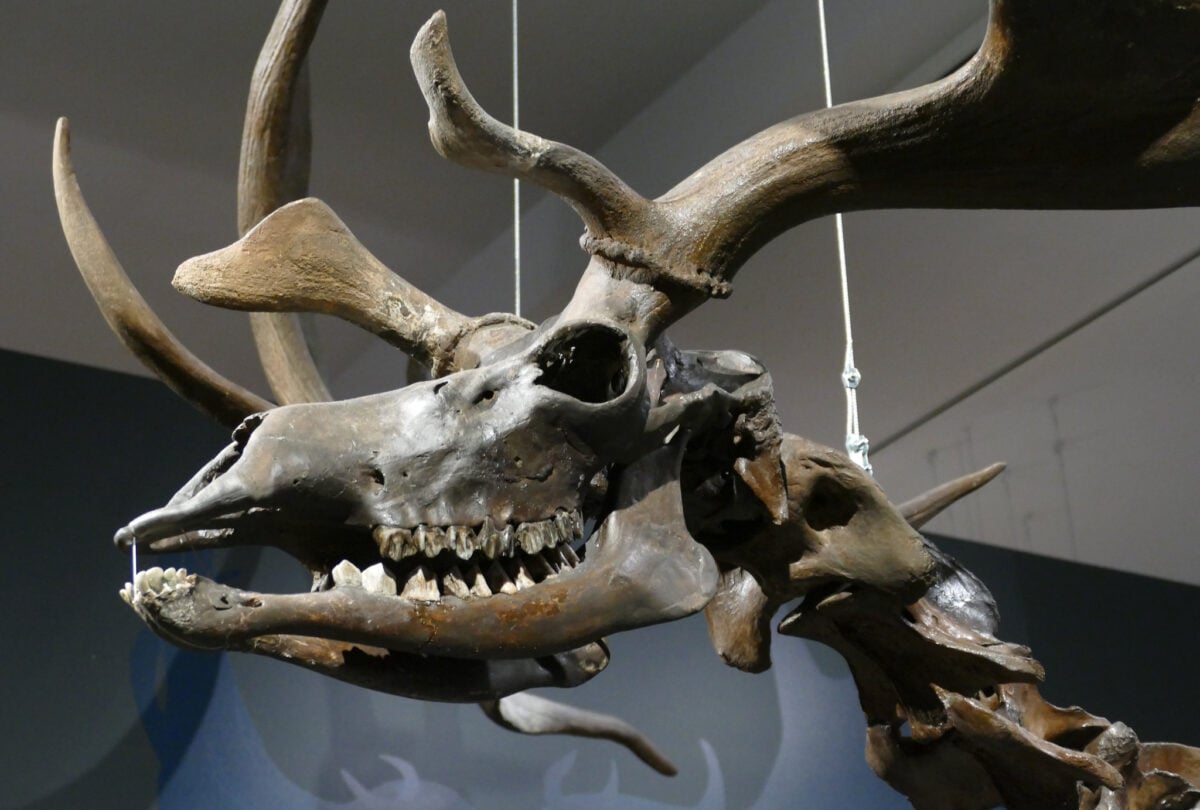
The Irish elk wasn’t actually an elk, and it wasn’t limited to Ireland — but the name stuck, and now we’re dealing with one of the most spectacular deer species that ever existed. These animals sported antlers that could span up to 12 feet across, making them walking examples of evolution taken to theatrical extremes.
They went extinct around 11,000 years ago, likely due to climate change and hunting pressure. Well-preserved specimens in peat bogs have provided scientists with genetic material for analysis.
The closest living relatives appear to be fallow deer, though the size difference presents obvious challenges for any cloning attempts.
Xerces Blue Butterfly
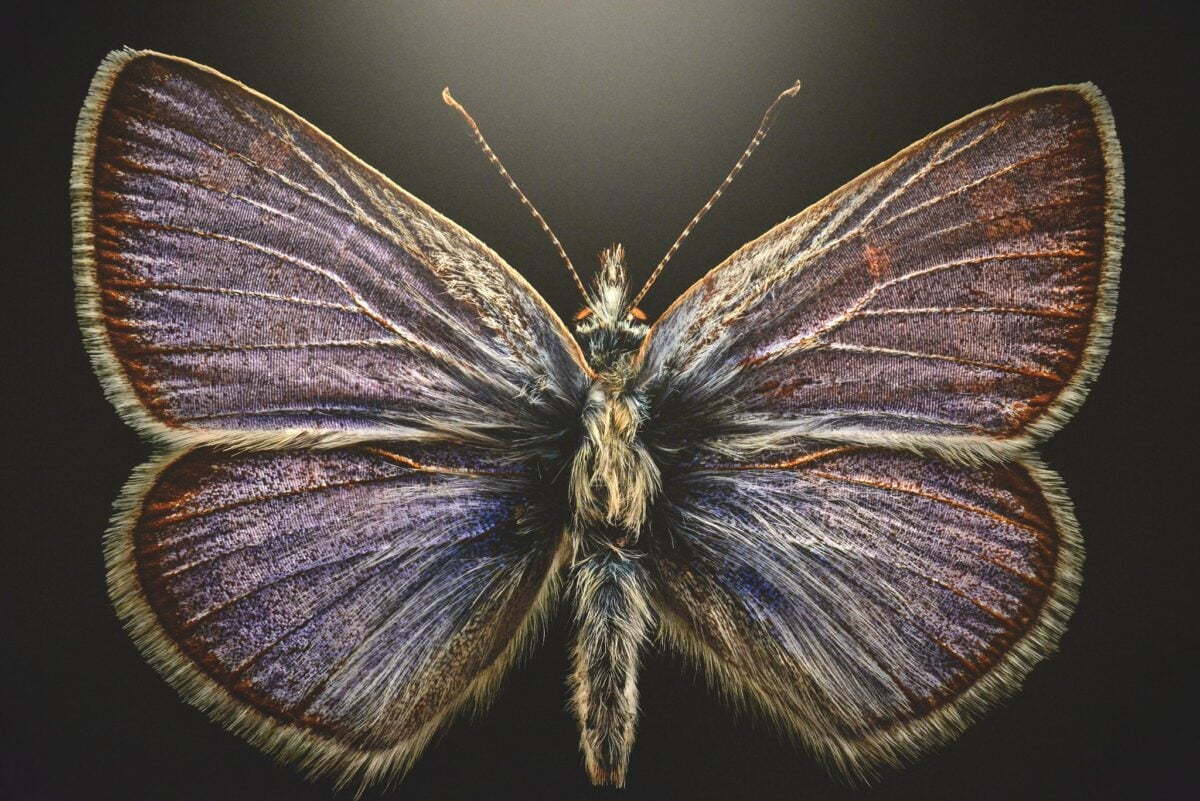
The Xerces blue butterfly holds the unfortunate distinction of being the first documented butterfly extinction in North America. This small blue butterfly lived exclusively in coastal sand dunes around San Francisco until urban development destroyed its habitat in the 1940s.
The last specimens were collected in the early 1940s. Scientists are examining preserved butterfly specimens to extract genetic material, though the small size and age of the samples present significant technical challenges.
The butterfly’s specific habitat requirements would also need to be recreated for any successful reintroduction program.
Baiji
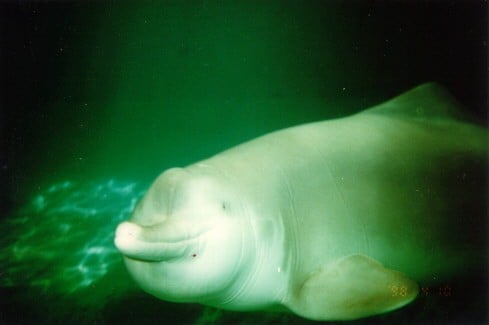
The baiji, or Yangtze River dolphin, was declared functionally extinct in 2006 after an extensive survey failed to find any living individuals. This freshwater dolphin was endemic to China’s Yangtze River but couldn’t survive the combination of pollution, boat traffic, and habitat destruction that transformed the river during China’s industrial development.
Some researchers believe a few baiji might still exist in remote river sections, making this potentially a rescue rather than a resurrection project. Genetic samples from recently deceased individuals could support either conservation of any remaining animals or future de-extinction efforts.
The Future We’re Creating

These projects exist at the intersection of science, ethics, and hope. Some will succeed spectacularly, others will fail quietly, and a few might succeed in ways that create entirely new problems.
The technology keeps improving, the methods keep getting more sophisticated, and the list of potential candidates keeps growing. Whether bringing back extinct species represents humanity’s greatest conservation achievement or its most dangerous hubris remains an open question.
The animals themselves can’t weigh in on the debate, of course — they’re too busy being extinct. For now.
More from Go2Tutors!

- The Romanov Crown Jewels and Their Tragic Fate
- 13 Historical Mysteries That Science Still Can’t Solve
- Famous Hoaxes That Fooled the World for Years
- 15 Child Stars with Tragic Adult Lives
- 16 Famous Jewelry Pieces in History
Like Go2Tutors’s content? Follow us on MSN.