16 Facts About The Indestructible Nokia 3310
There’s something almost mystical about the Nokia 3310. While smartphones shatter from a gentle breeze and need charging twice a day, this brick-shaped relic from 2000 refuses to die.
Your grandmother probably still has one in a kitchen drawer, and it probably still works. The 3310 didn’t just survive the early mobile phone era — it became legendary for all the right reasons.
Built Like A Tank
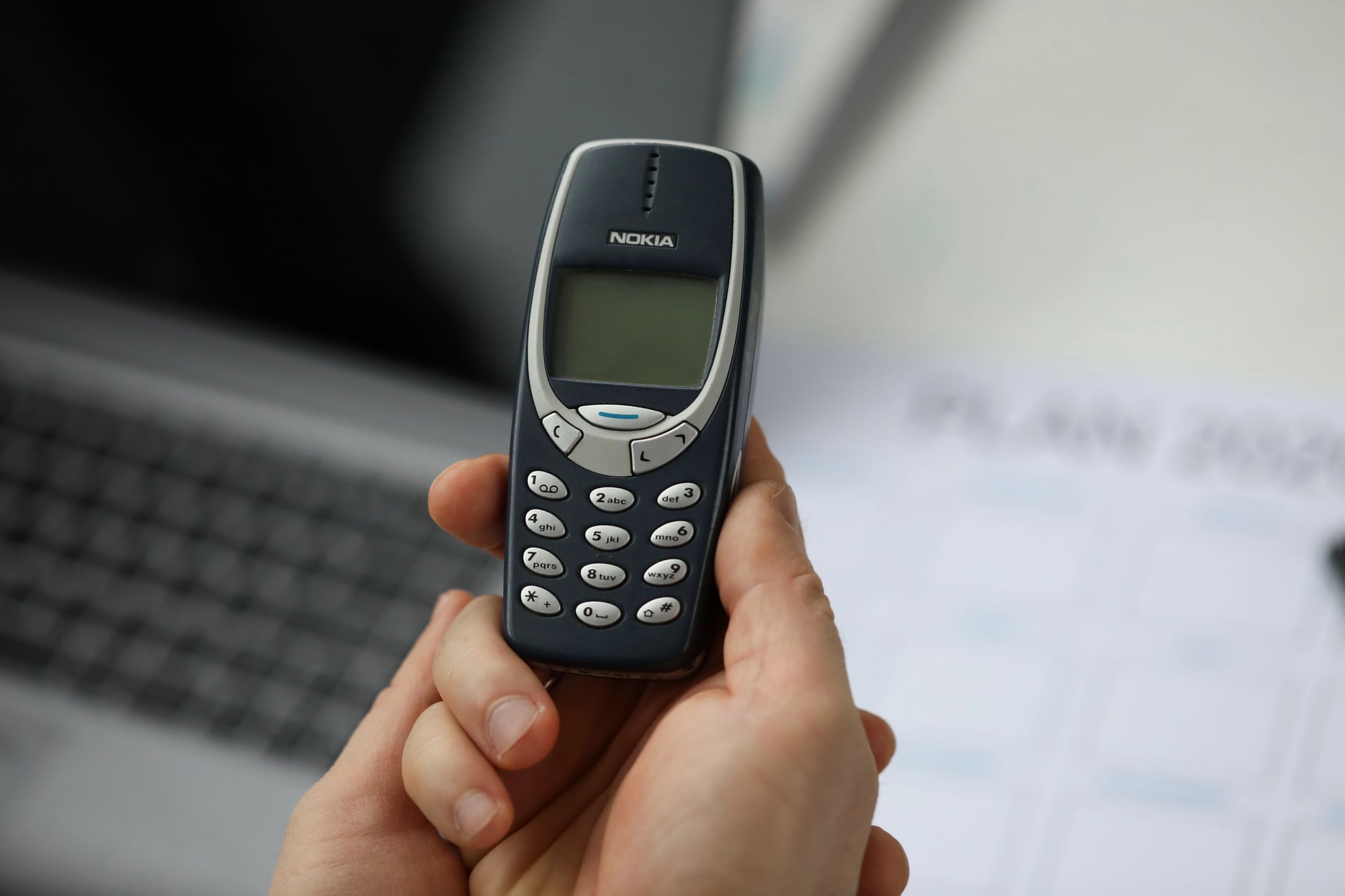
The 3310 weighs 133 grams. That’s heavier than most modern smartphones, but the weight meant something back then. Solid construction. Real buttons that clicked when you pressed them.
A phone that could survive being dropped down stairs, thrown across rooms, or forgotten in washing machine pockets without breaking a sweat.
The Battery That Never Quit
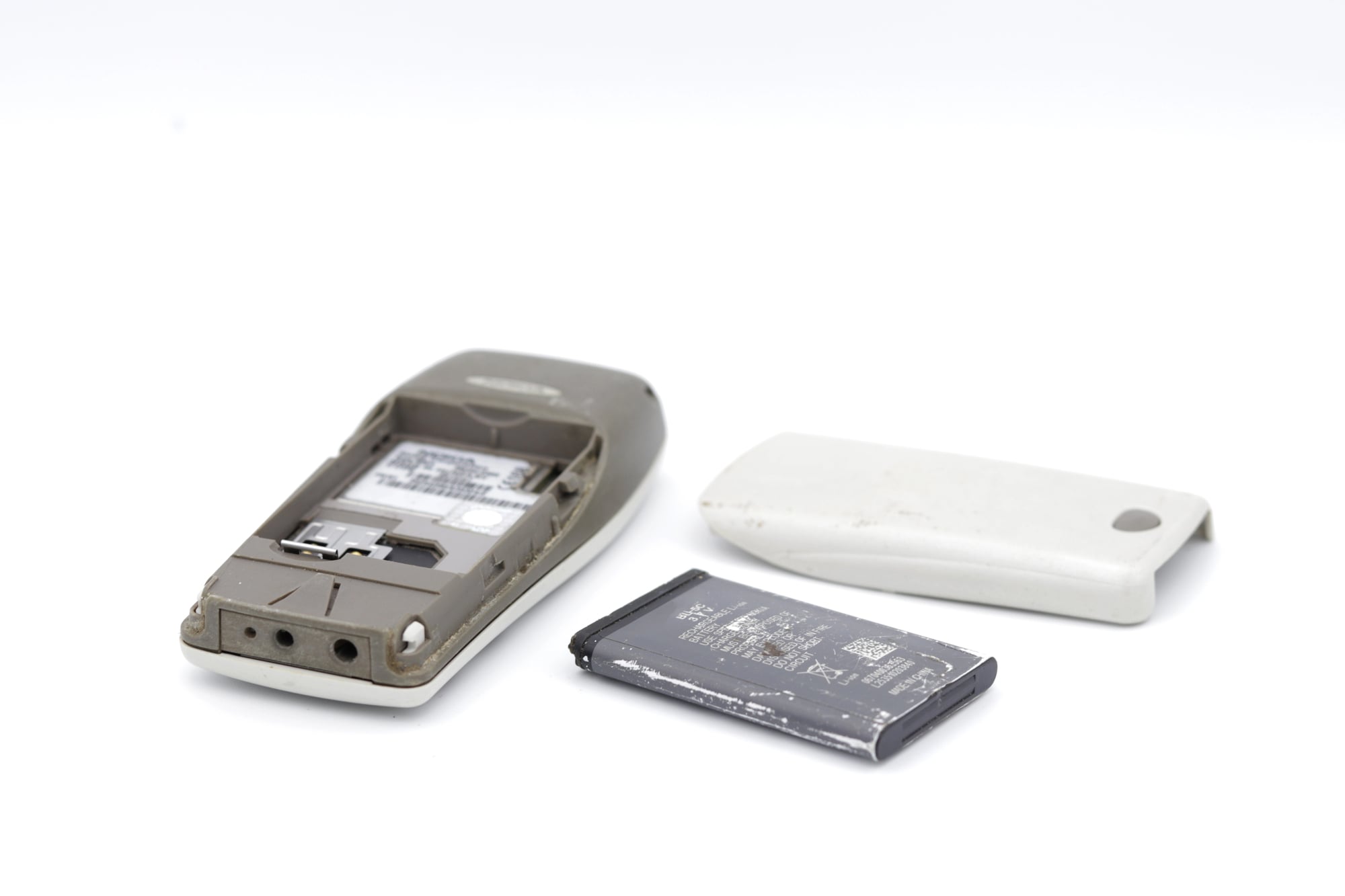
Here’s where things get interesting (and where modern phone manufacturers should probably take notes): the 3310’s battery lasted between 55 to 260 hours on standby, depending on network conditions and usage patterns. Talk time? A solid 2.5 to 4.5 hours of actual conversation — which was remarkable for its time, though admittedly the phone wasn’t trying to run seventeen different apps, stream video, or maintain constant GPS tracking like today’s devices.
But here’s the thing that really sets it apart from contemporary technology: that battery life wasn’t just a marketing promise that worked for the first six months before degrading into something barely functional. No, this was consistent, reliable power that lasted for years without noticeable decline.
And when you finally did need to charge it (which happened so infrequently that people sometimes forgot they owned a phone charger), the process was straightforward — plug it in, wait a bit, unplug it, then forget about power management for the next week or two.
Snake Changed Everything
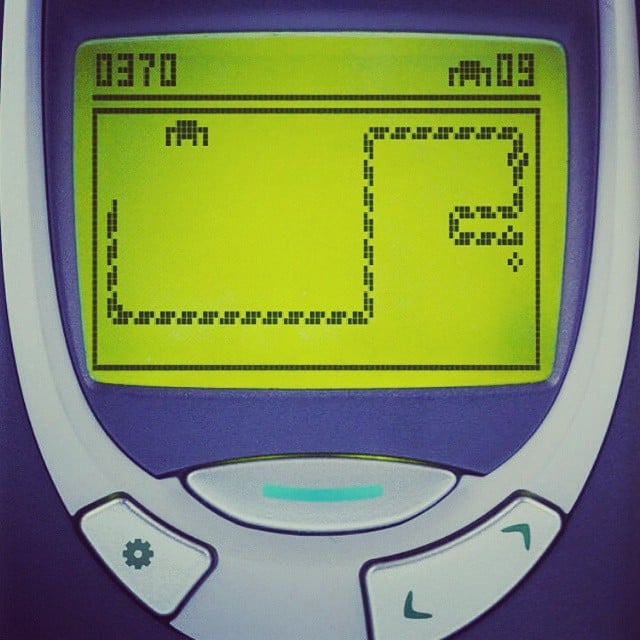
Video games on phones started here. Snake wasn’t just a time-killer — it was proof that a communication device could be something more.
Simple graphics, addictive gameplay, and the kind of high scores people actually remembered. No downloads, no updates, no in-app purchases. Just you, a growing snake, and the challenge of not hitting the walls.
Dropped From Space And Survived
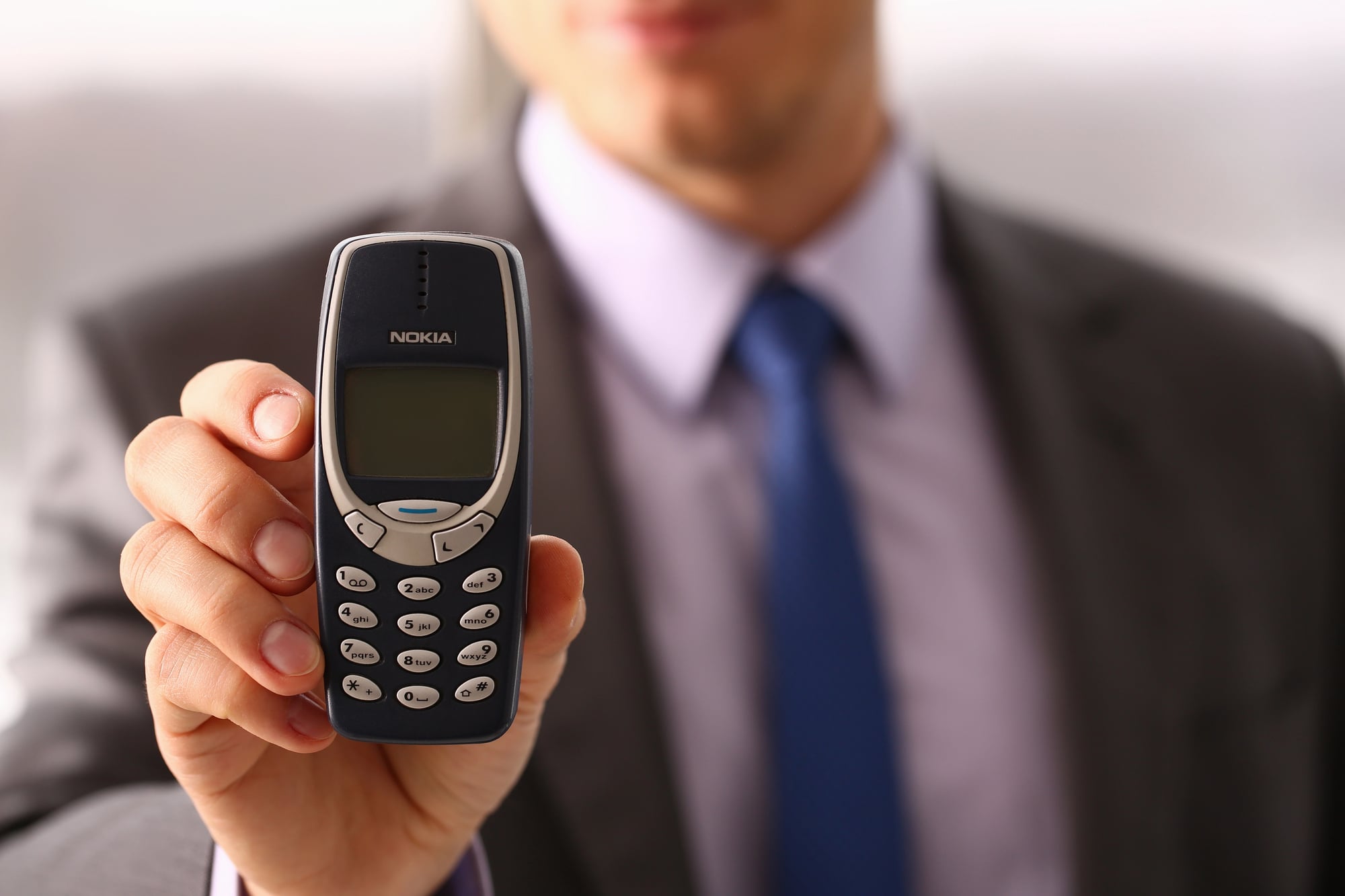
The durability stories aren’t exaggerated. People have documented 3310s surviving drops from multi-story buildings, being run over by cars, and even falling from aircraft.
One particularly famous test involved dropping a 3310 from a hot air balloon. It hit the ground, bounced, and still worked perfectly. Meanwhile, modern phones need protective cases that cost half as much as the 3310’s original retail price.
Text Messaging As An Art Form
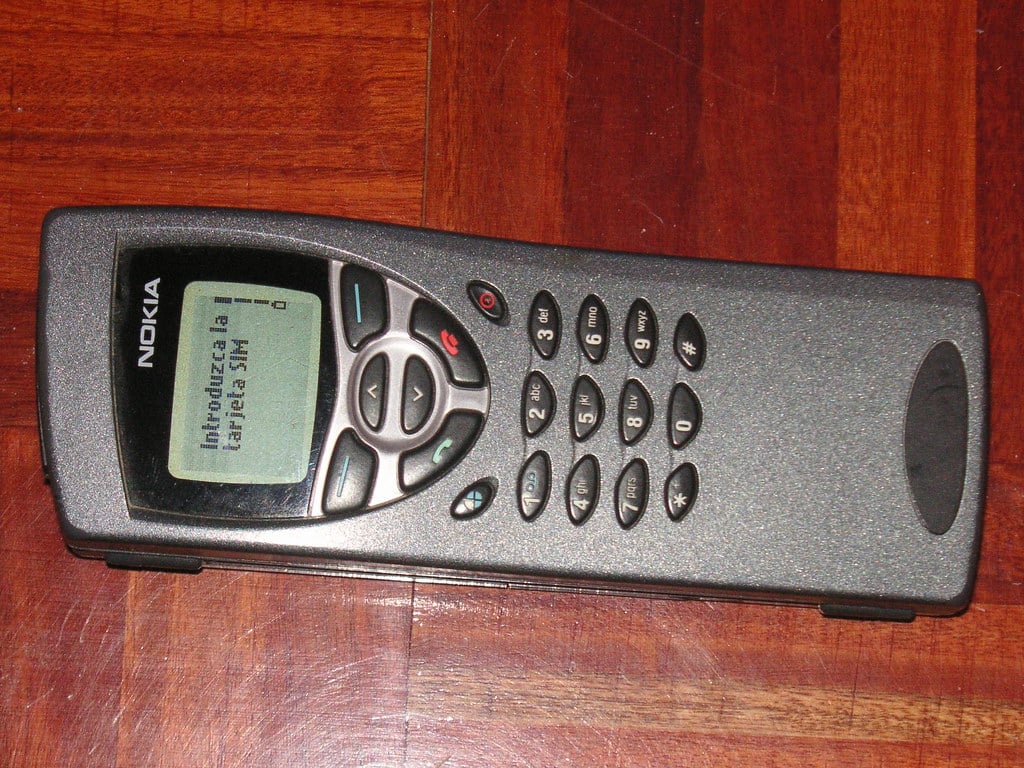
Before autocorrect and full keyboards, there was T9 predictive text and the satisfying challenge of multi-tap typing. Writing a message required intention and skill — like learning to play an instrument where each letter demanded precise finger choreography across the number pad.
And yet, somehow, entire relationships were built through these carefully crafted messages, each one feeling more deliberate and considered than the rapid-fire streams of consciousness we send today. The 3310 turned communication into something that required patience, and perhaps because of that constraint, the messages themselves carried more weight.
You couldn’t fire off thoughtless responses when each word required genuine effort to construct.
Customizable Ringtones Before Smartphones
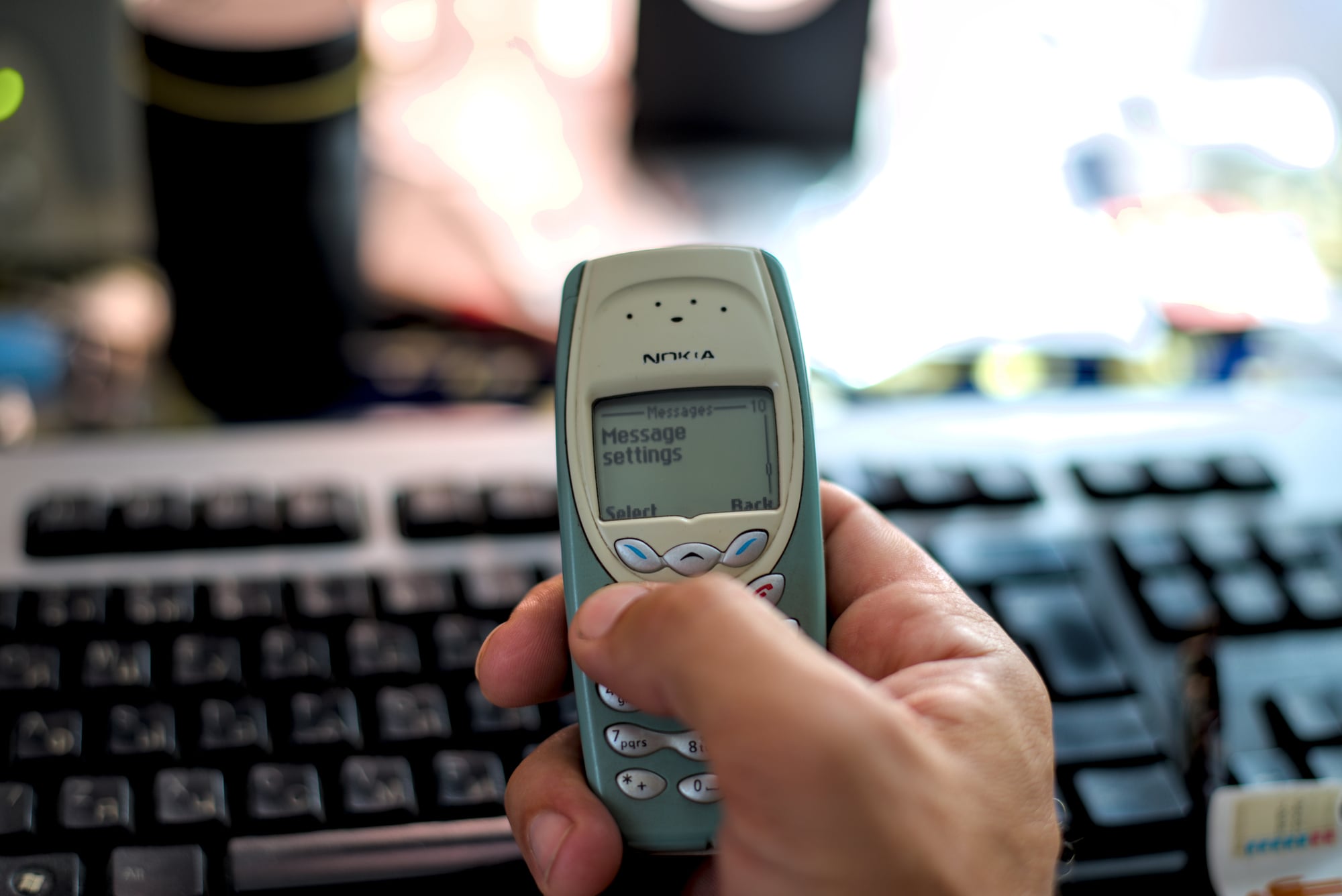
The 3310 let you compose your own ringtones. Not download them, not buy them — create them.
Using basic musical notation, people spent hours crafting the perfect melody to announce incoming calls. Some became neighborhood celebrities for their ringtone composition skills. It was creativity born from limitation, which often produces the most interesting results.
The Monochrome Screen That Worked
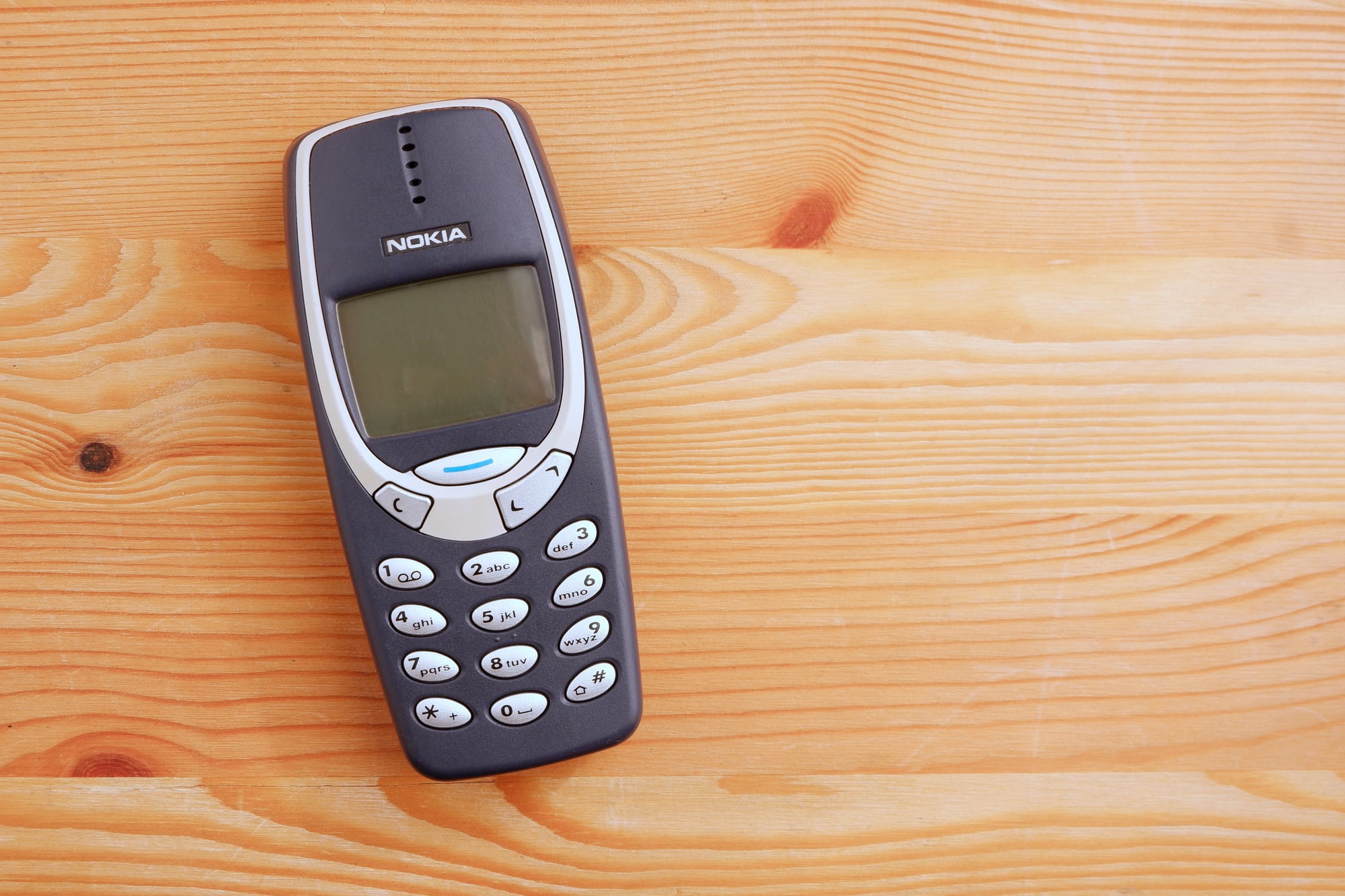
No color, no high resolution, no fancy graphics. Just clear, readable text and simple icons that did exactly what they needed to do.
The screen was visible in direct sunlight and used so little power it barely registered on the battery meter. Function over form, and it worked better than many modern displays in bright conditions.
Survived The Smartphone Revolution
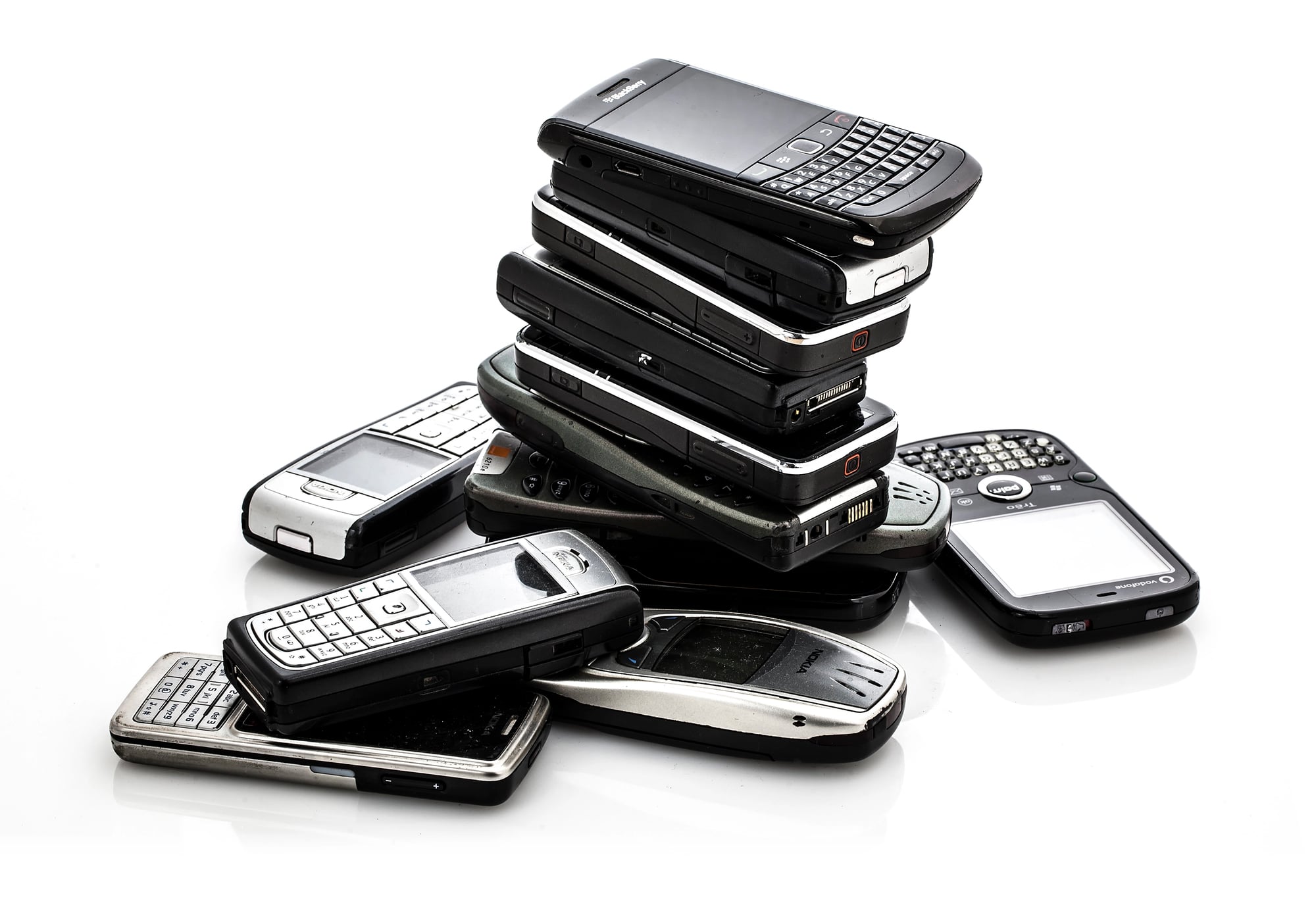
Most phones from 2000 are museum pieces or landfill contents. The 3310 is still being manufactured and sold.
Nokia brought it back in 2017 because people kept asking for it. There’s something deeply satisfying about a product so well-designed that it doesn’t need updating, upgrading, or improving — just occasional reissuing for new generations who want to understand what “reliable” actually means.
The Original Fidget Device
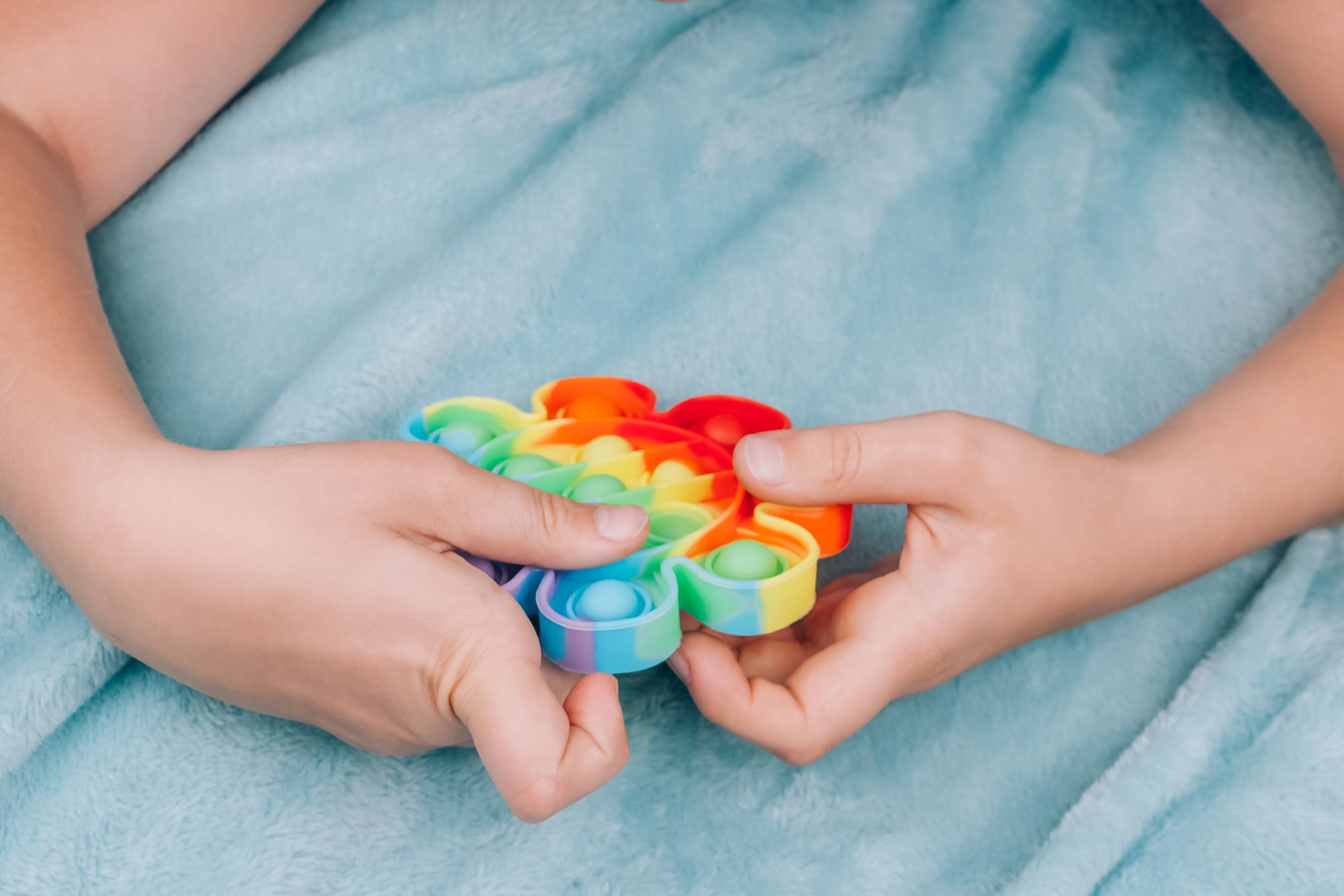
Those physical buttons weren’t just functional — they were therapeutic. People would unconsciously press them while thinking, creating rhythmic clicking patterns that somehow helped with concentration.
The tactile feedback was real and immediate, unlike the hollow tapping on glass screens that replaced it. Your fingers always knew exactly where they were on a 3310 keyboard.
Built-In Flashlight Before Flashlights
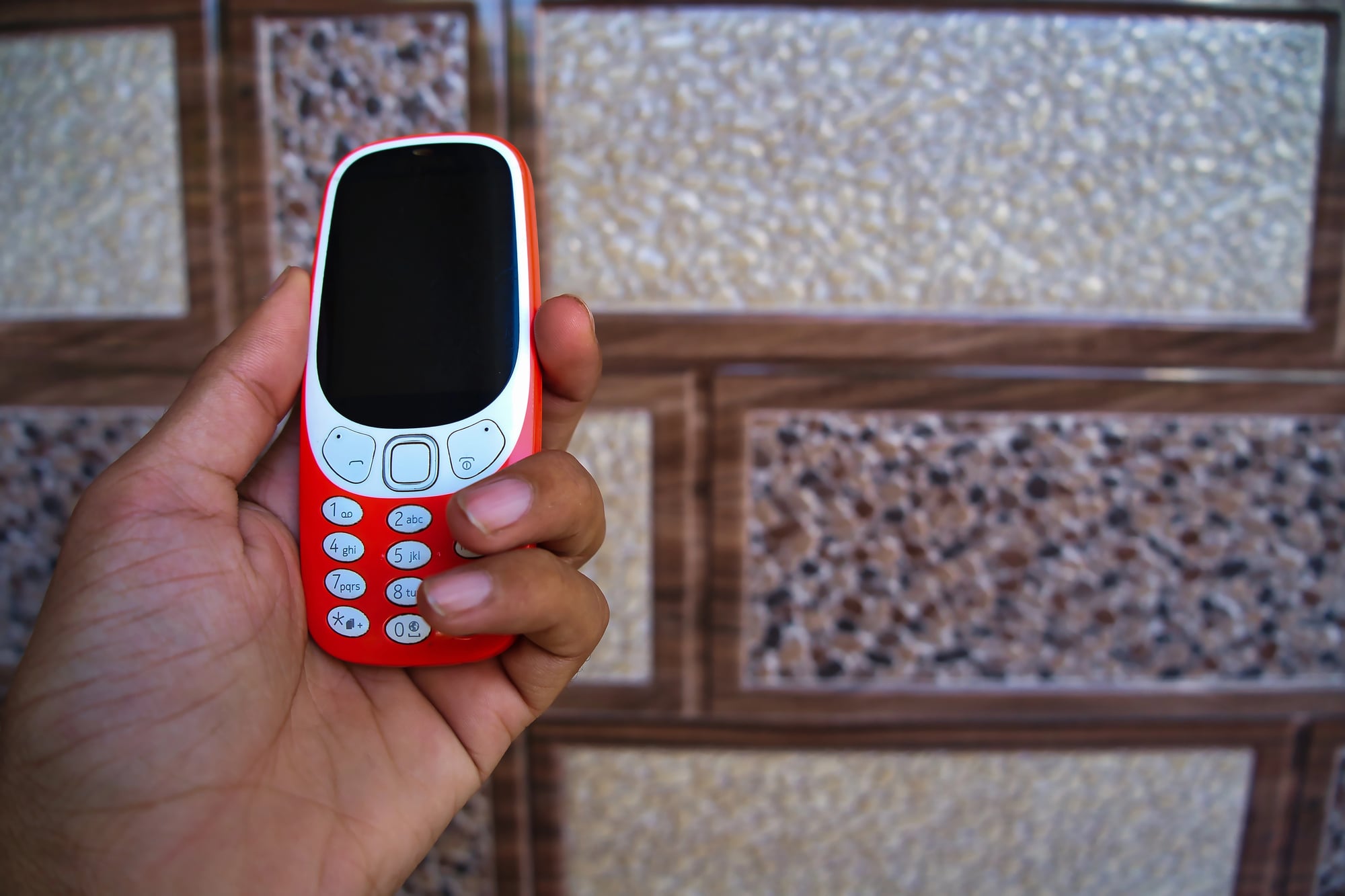
The 3310’s backlight could serve as an emergency flashlight when needed. Hold down the right combination of keys, and the screen would stay illuminated long enough to find your keys, navigate a dark hallway, or check something under a car hood.
It wasn’t bright, but it was there when nothing else was available, and the battery could handle the drain without complaint.
Memory Was Limited But Sufficient
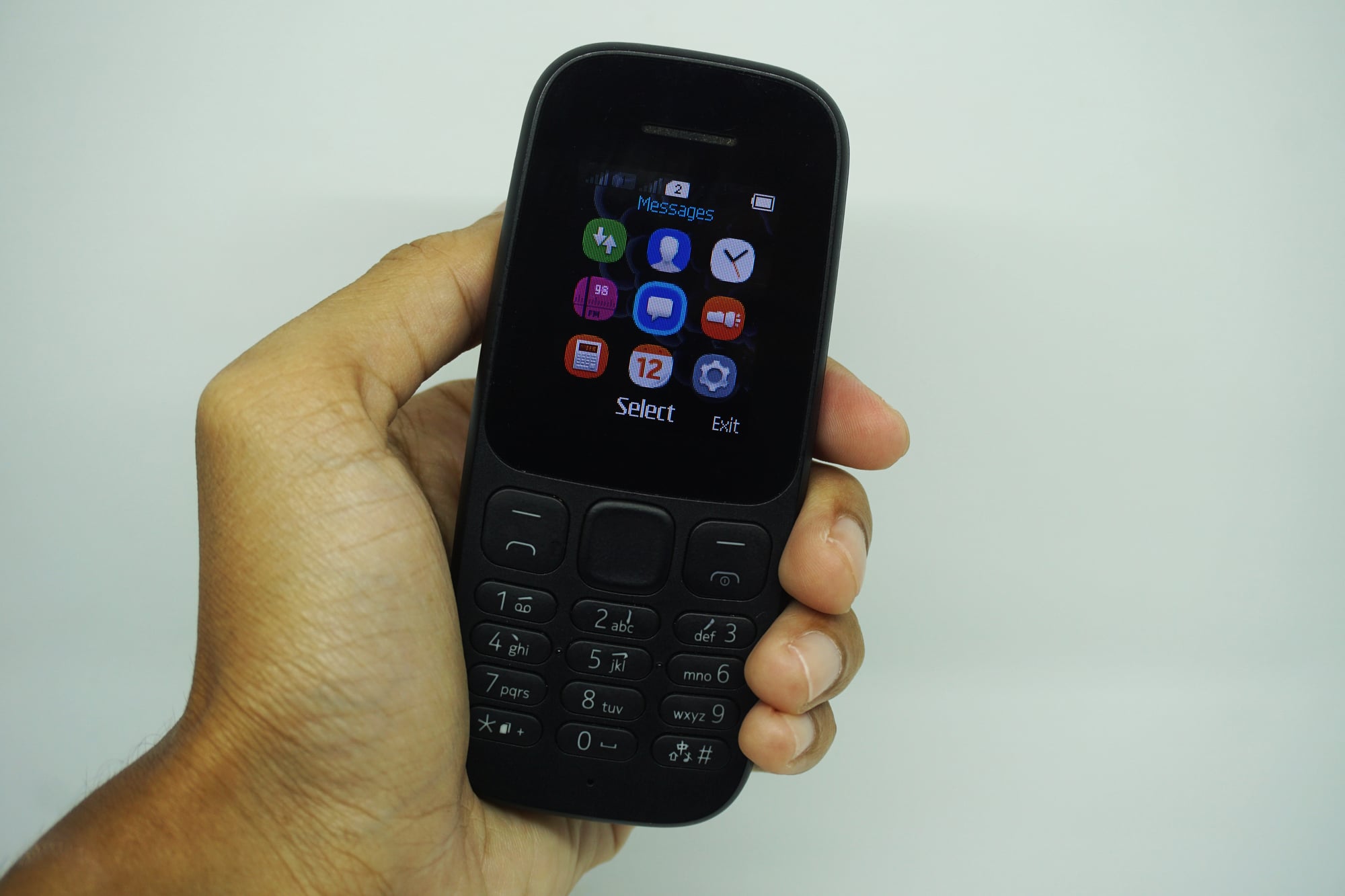
160 KB of user memory sounds laughable now, but it was perfectly adequate for what the phone actually needed to do: store contacts, save text messages, and hold a few personal settings.
There’s something refreshing about technology that knows its purpose and doesn’t try to be everything to everyone. The 3310 was a communication device that happened to play Snake, not a pocket computer pretending to be a phone.
And because the memory limitations were clear from the start, people organized their digital lives accordingly — keeping only what mattered, deleting messages that had served their purpose, maintaining contact lists that contained actual contacts rather than random acquaintances. Constraint, it turns out, can be liberating when it forces you to focus on what actually matters rather than hoarding digital debris just because storage space exists.
The Network Compatibility Champion
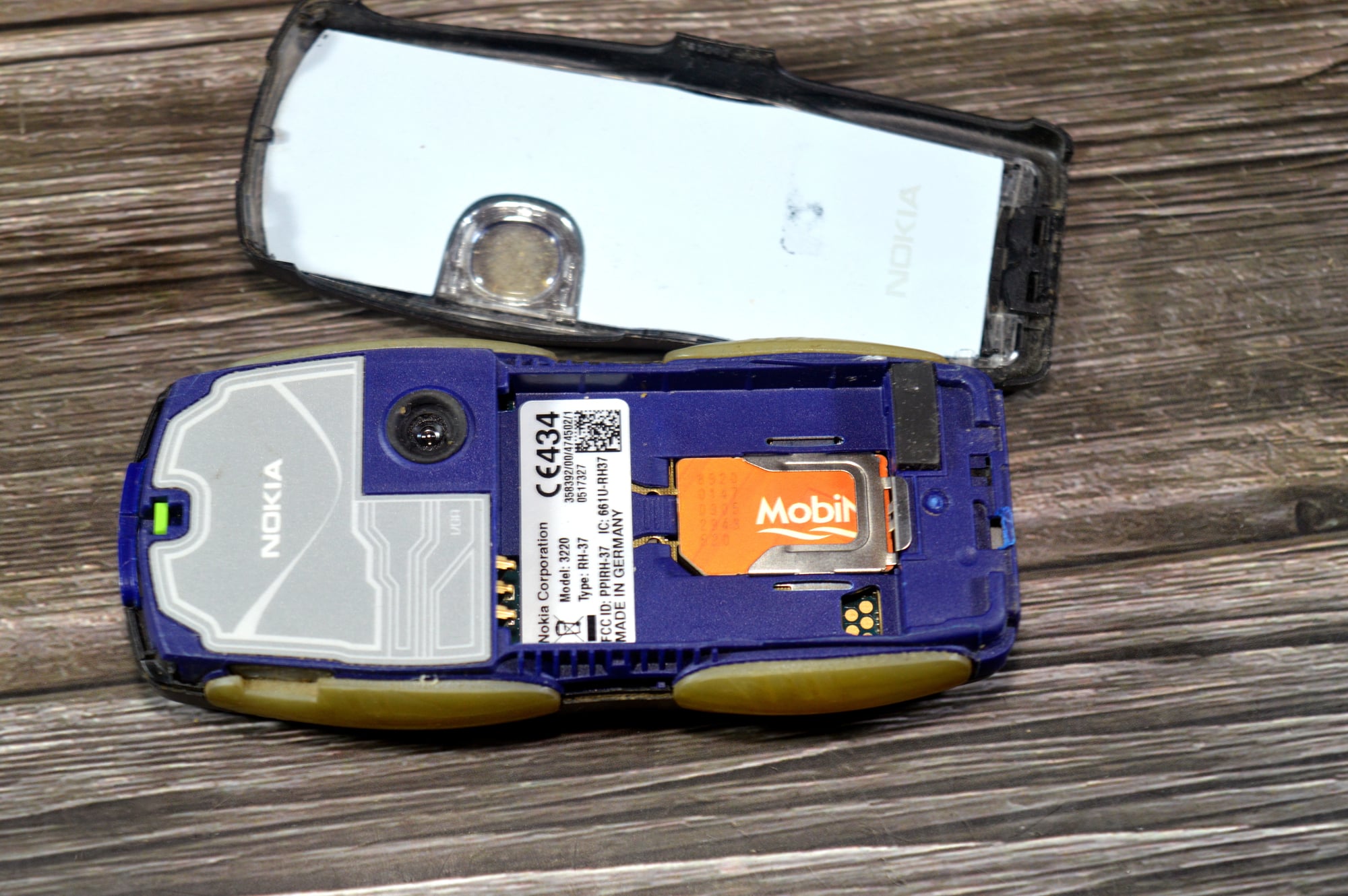
GSM 900/1800 MHz support meant the 3310 worked almost everywhere. No carrier compatibility issues, no network lock problems that couldn’t be solved.
Take it anywhere in Europe, most of Asia, and large portions of Africa, and it would find a signal. Modern phones with their complex antenna arrays and software-defined radios somehow manage to be more finicky about network connections than this simple device from two decades ago.
Repair Was Actually Possible
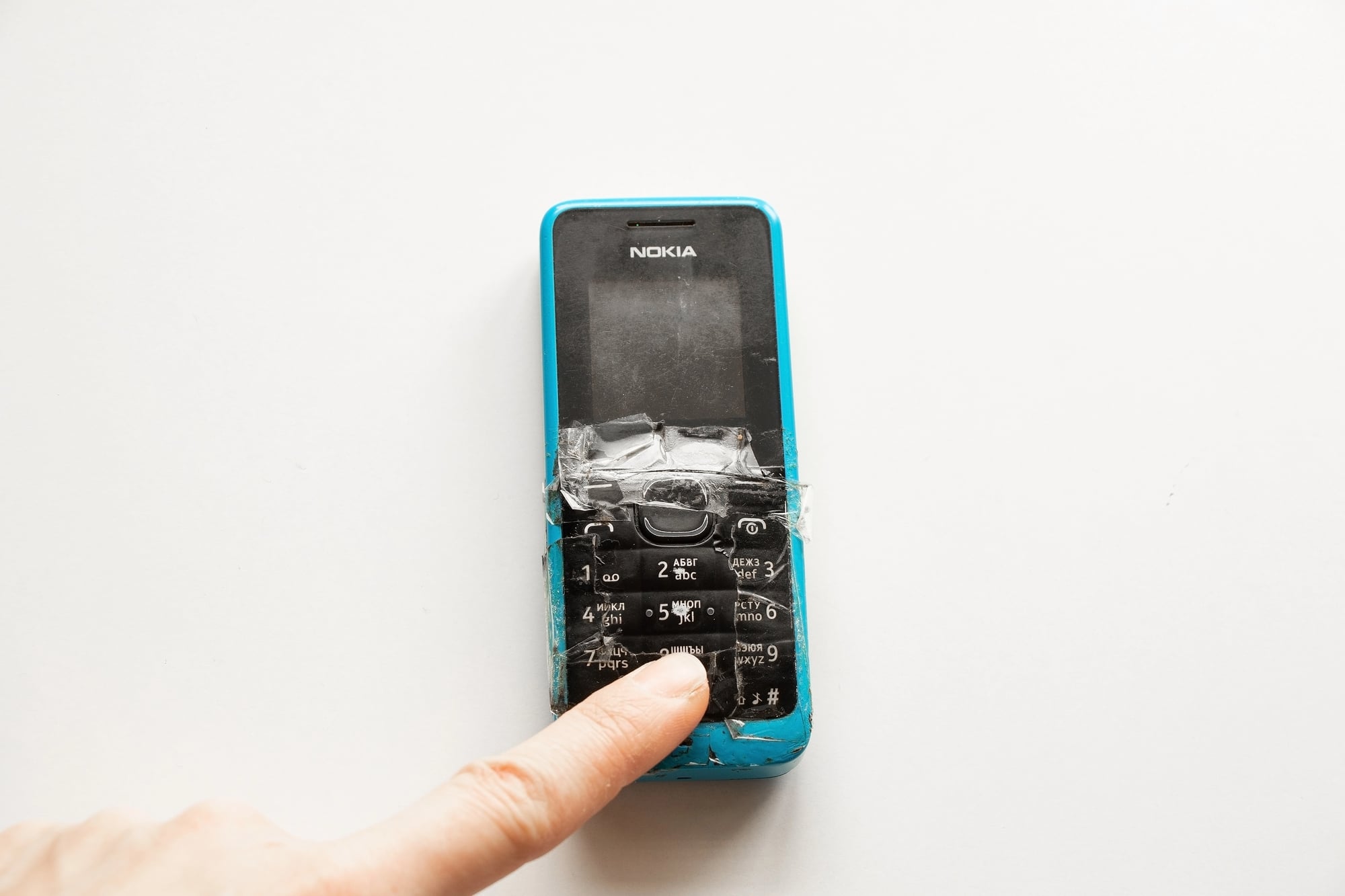
When something went wrong with a 3310, you could fix it. Replace the battery, swap out the housing, fix a broken screen.
Repair shops existed because repair was economically sensible. Parts were available, procedures were straightforward, and fixing a phone cost less than replacing it. Revolutionary concept, apparently.
The Alarm Clock That Never Failed
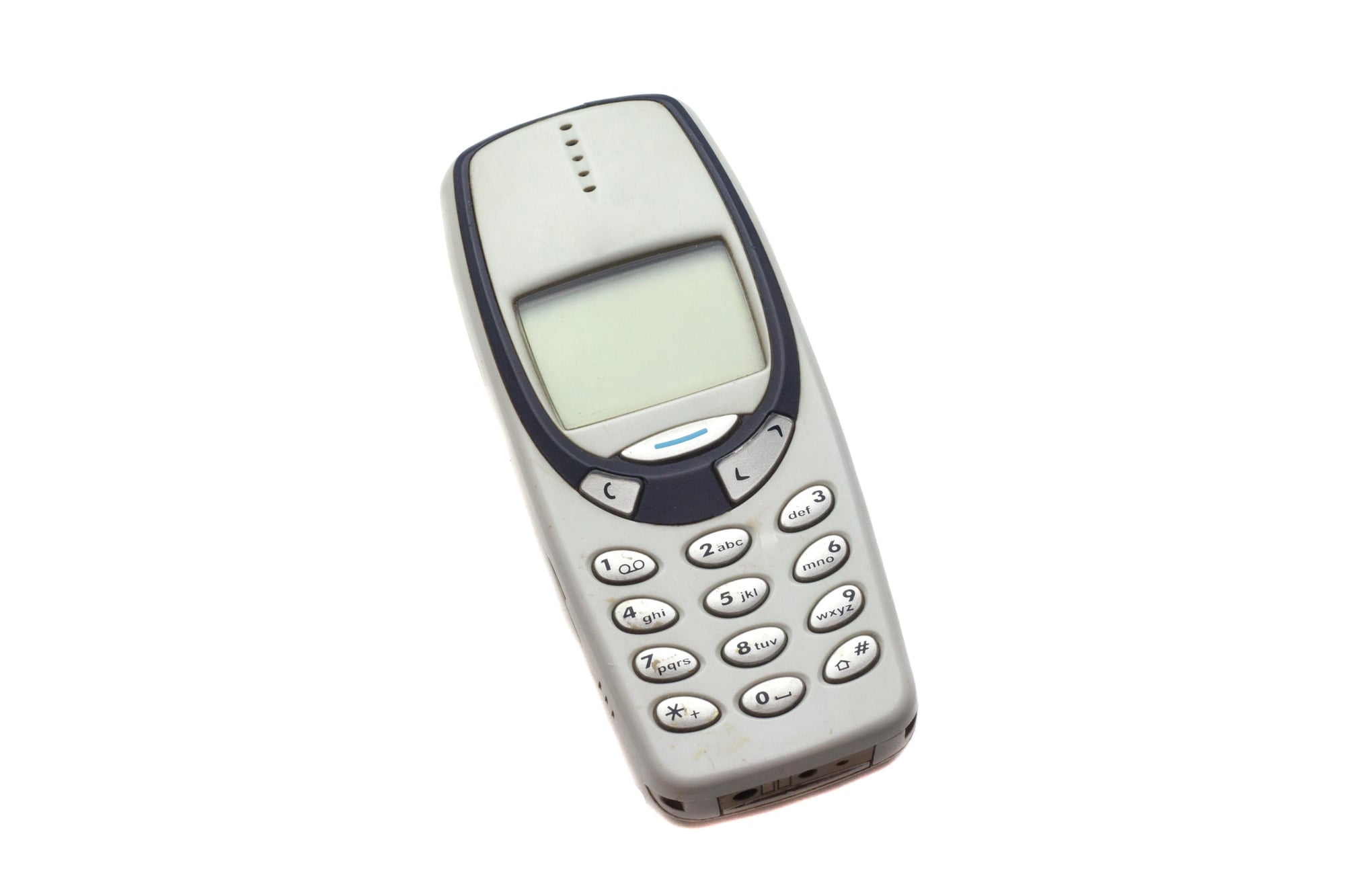
Set an alarm on a 3310, and it would go off. No software glitches, no silent failures, no “the update changed your alarm settings” surprises.
People trusted their 3310 to wake them up for important events, and it delivered consistently. The alarm was loud enough to actually wake you but not sophisticated enough to malfunction at critical moments.
Physical Presence In A Digital World
The 3310 had weight, texture, and physical character that made it feel like an object rather than just a device. You could identify your phone by touch in a dark bag, and it occupied space in your pocket with authority.
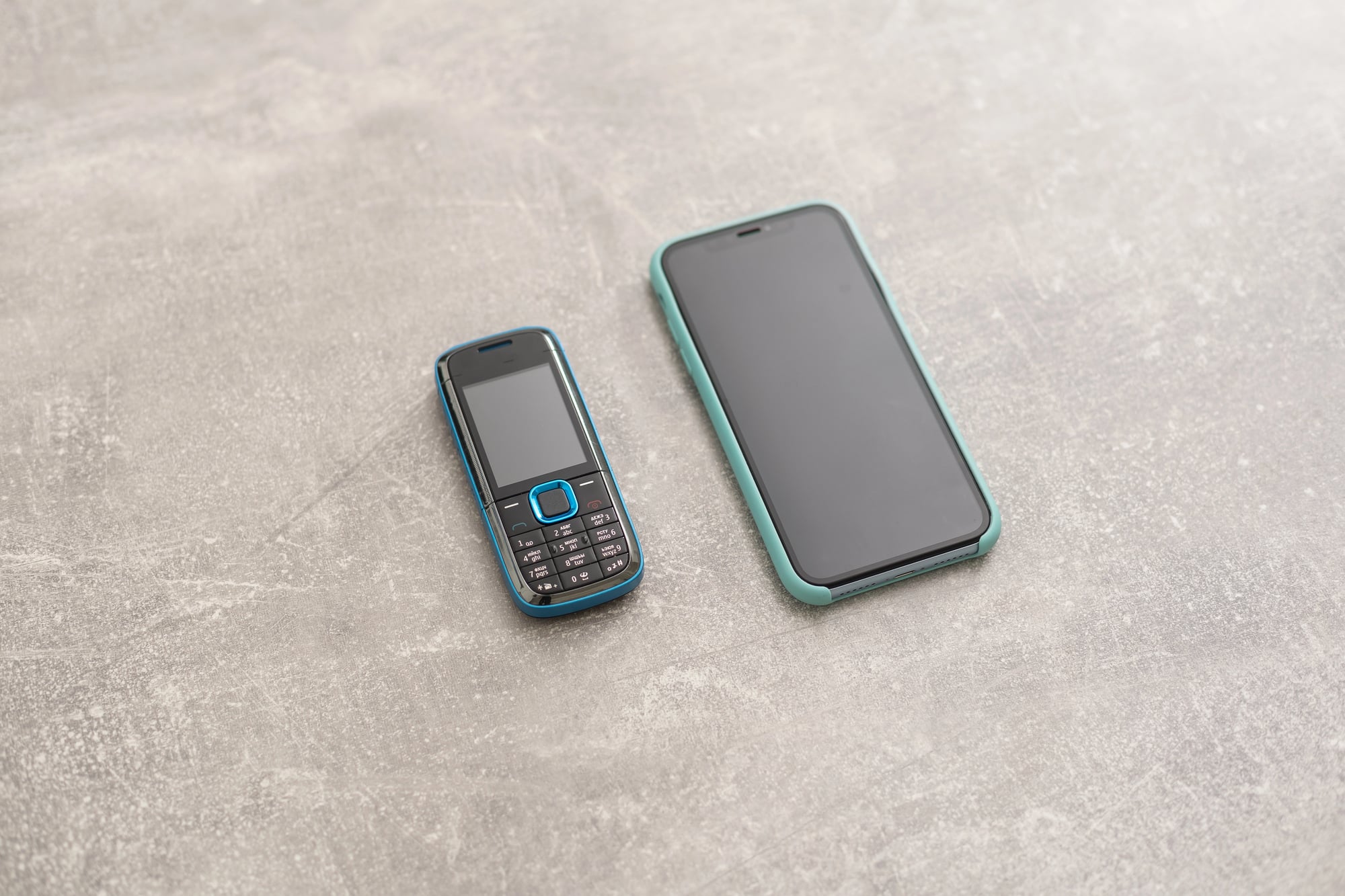
Modern phones are increasingly similar — glass rectangles differentiated mainly by software. But everyone’s 3310 felt personal because of the wear patterns, the specific scratches, and the way the buttons developed their own unique click characteristics over time.
Cultural Staying Power
Twenty-three years later, “Nokia 3310” still means something. It’s shorthand for reliability, durability, and sensible design.
The phone has transcended its original purpose to become a symbol of what technology used to be like when it focused on doing one thing exceptionally well. Not faster, not smarter, not more connected — just better at being what it claimed to be.
When Simple Was Revolutionary
The 3310 reminds us that innovation doesn’t always mean adding features. Sometimes it means perfecting the fundamentals so thoroughly that the result becomes timeless.
In our rush toward complexity, we lost something the 3310 understood perfectly: that reliability beats novelty, that function trumps fashion, and that sometimes the most advanced technology is the one that simply works, day after day, year after year, without drama or disappointment.
More from Go2Tutors!

- The Romanov Crown Jewels and Their Tragic Fate
- 13 Historical Mysteries That Science Still Can’t Solve
- Famous Hoaxes That Fooled the World for Years
- 15 Child Stars with Tragic Adult Lives
- 16 Famous Jewelry Pieces in History
Like Go2Tutors’s content? Follow us on MSN.