16 Facts About the Indestructible Nokia 3310
Remember when phones were just phones? Before smartphones turned us all into pocket-sized computer addicts, there was a device that did one thing exceptionally well: it refused to break. The Nokia 3310, released in 2000, became more than just a mobile phone.
It became a legend, spawning countless memes about its supposed indestructibility and earning a reputation that outlasted most of the people who owned one.
The Phone That Survived Everything

Drop it down stairs. Fine. Throw it against a wall. Still works.
The 3310 earned its reputation through real-world abuse, not marketing claims. People discovered by accident that this little gray brick could withstand treatment that would destroy most electronics.
Battery Life That Modern Phones Can Only Dream Of
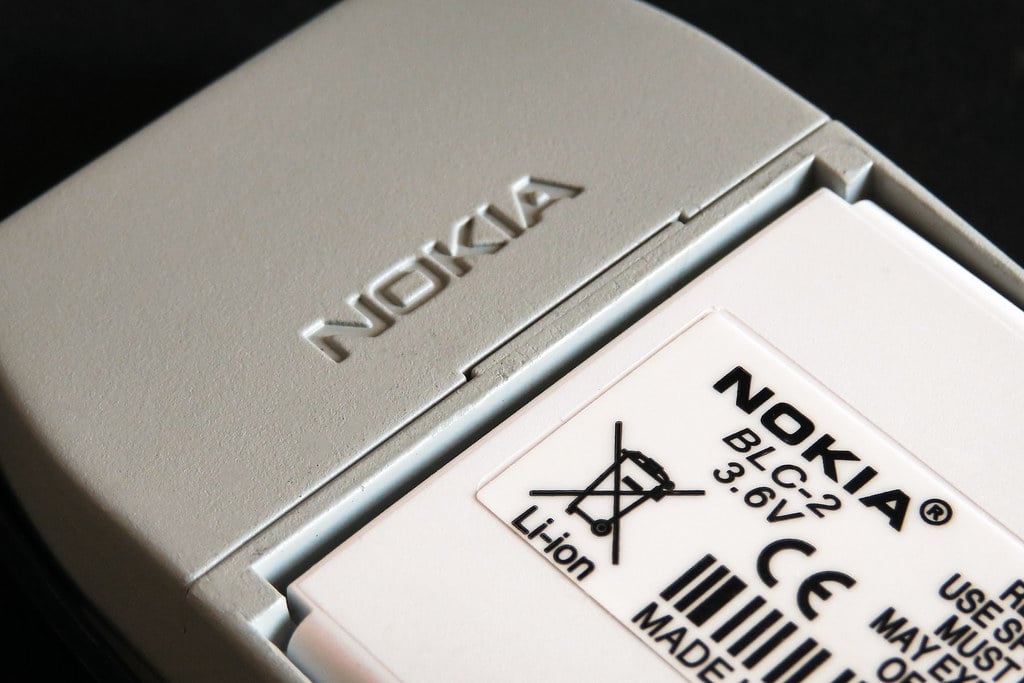
A single charge lasted up to a week (which, considering most people today charge their phones twice daily, feels almost mythical). The 3310’s battery didn’t just last — it maintained that stamina for years, refusing to degrade the way modern lithium-ion batteries do after eighteen months of use.
And when the battery finally did wear out, you could replace it yourself in about thirty seconds, no tools required.
Snake: The Game That Started Mobile Gaming
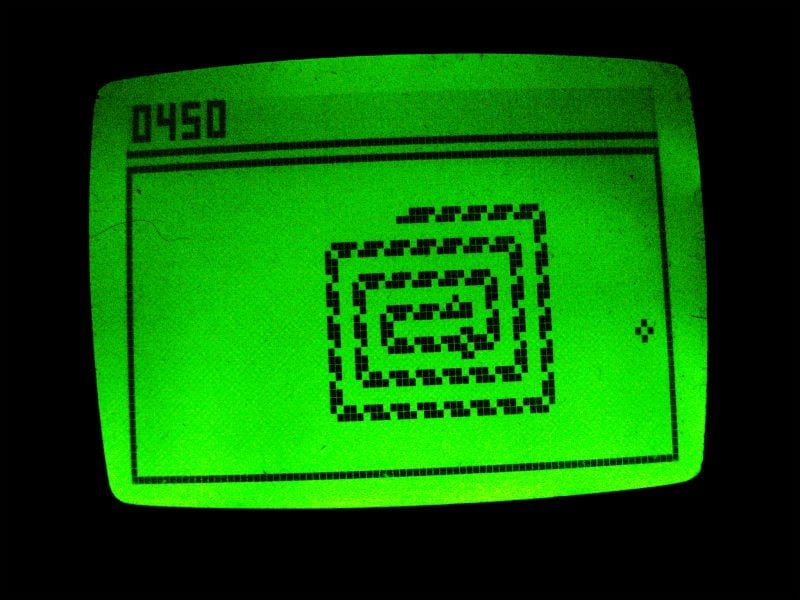
Before Candy Crush, before Angry Birds, before anyone imagined carrying a gaming console in their pocket, there was Snake. The concept couldn’t be simpler: guide a line around the screen, eating dots, growing longer, trying not to crash into yourself.
Yet people spent countless hours hunched over that monochrome screen (and some still do), chasing high scores with the dedication of serious gamers. Snake wasn’t just a game — it was proof that entertainment didn’t need flashy graphics or complex mechanics to be completely absorbing.
Built Like a Tank, Looked Like One Too
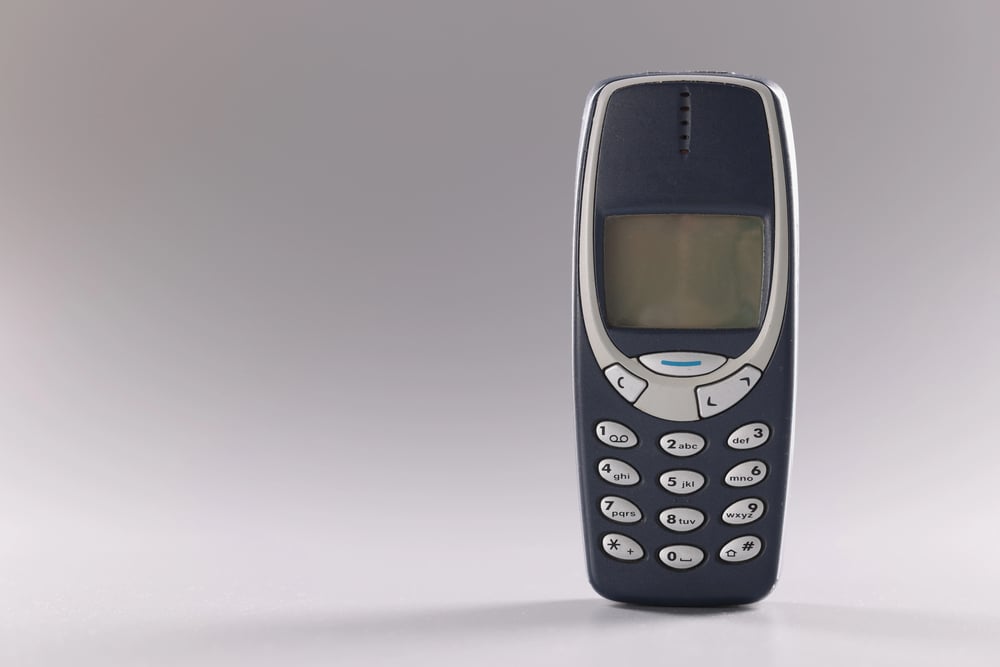
The 3310 didn’t apologize for its appearance. Thick, chunky, and unabashedly utilitarian — this phone looked exactly like what it was: a communication device built to last decades, not to win design awards or slip elegantly into skinny jeans.
The Antenna You Could Actually Use
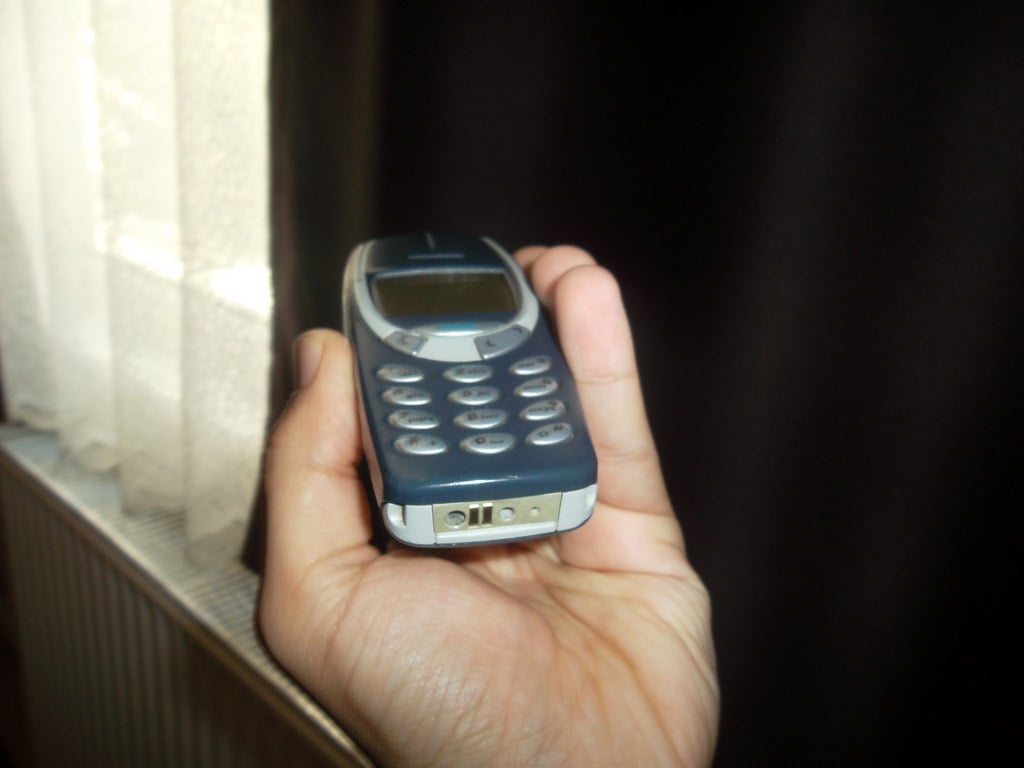
Pull it out, push it back in. That little retractable antenna wasn’t just for show (unlike the decorative stubs on modern phones that we never see or think about).
When signal strength mattered — and it always seemed to matter more back then — you had something you could actually manipulate to improve your connection. There was something deeply satisfying about extending that antenna, like cocking a gun or drawing a sword; you were preparing your phone for serious communication business.
Customizable Covers Before Anyone Called Them Cases
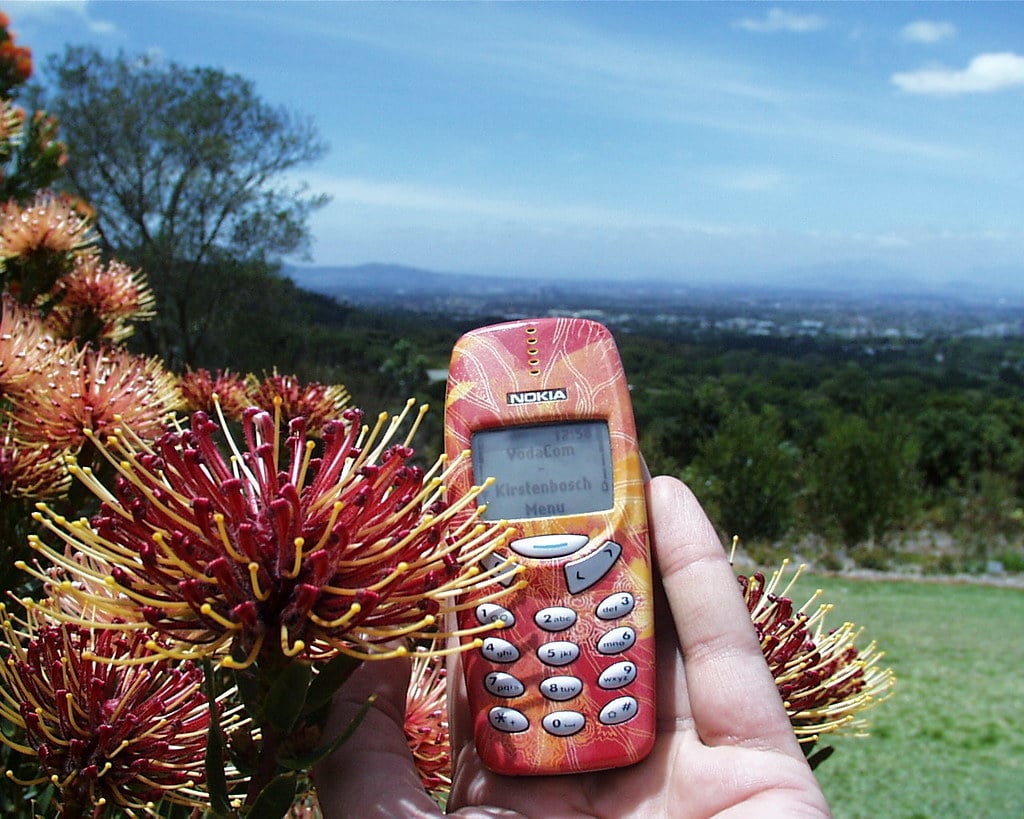
Nokia sold the 3310 with swappable faceplates in colors that ranged from sensible black to eye-searing yellow. This wasn’t protection — the phone needed no protection — this was pure personalization.
You could match your phone to your mood, your outfit, or your complete lack of taste, and changing covers took about as long as changing your mind.
The Ringtones That Defined an Era
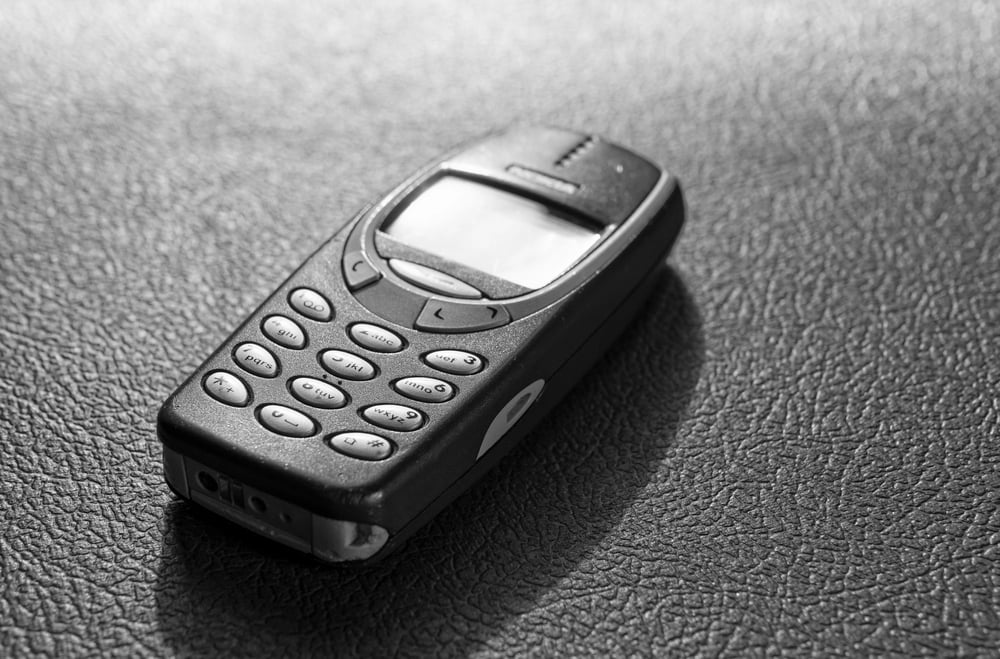
Monophonic beeps and chirps that somehow managed to be both primitive and memorable. The 3310 came with ringtones that people actually recognized across crowded rooms, and you could even compose your own using a system that required the patience of a monk and the musical knowledge of a composer.
Text Messaging on a Number Pad
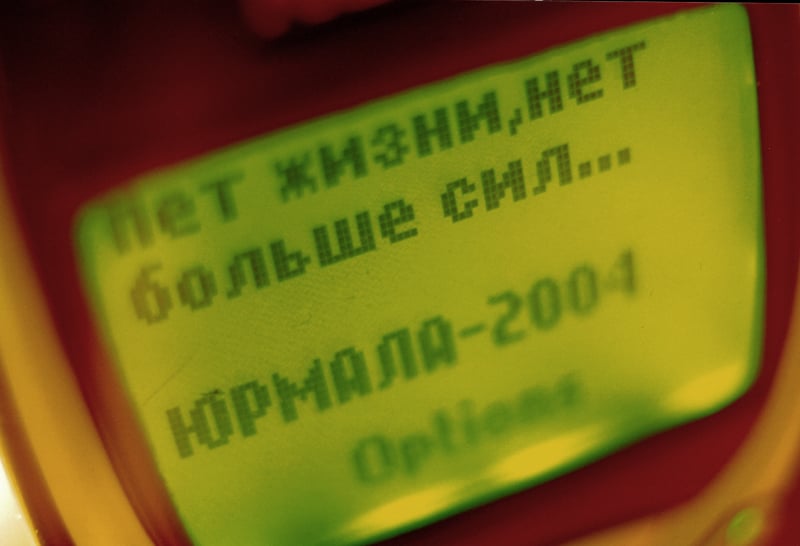
T9 predictive text turned typing into a sort of linguistic puzzle game. Press 2 three times for ‘C’, or let T9 guess what word you meant and hope it got close enough (it usually did, which felt like magic at the time).
Sending a text message required genuine effort and intention — no one fired off casual messages by accident, and every word carried the weight of deliberate choice. So conversations stayed focused, and people actually finished their thoughts before hitting send.
No Internet, No Distractions

The 3310 couldn’t browse the web, check email, or notify you about anything except incoming calls and texts. This wasn’t a limitation — it was a feature that no one fully appreciated until smartphones turned every pocket into a portal to infinite distraction.
Practically Weightless, Practically Indestructible
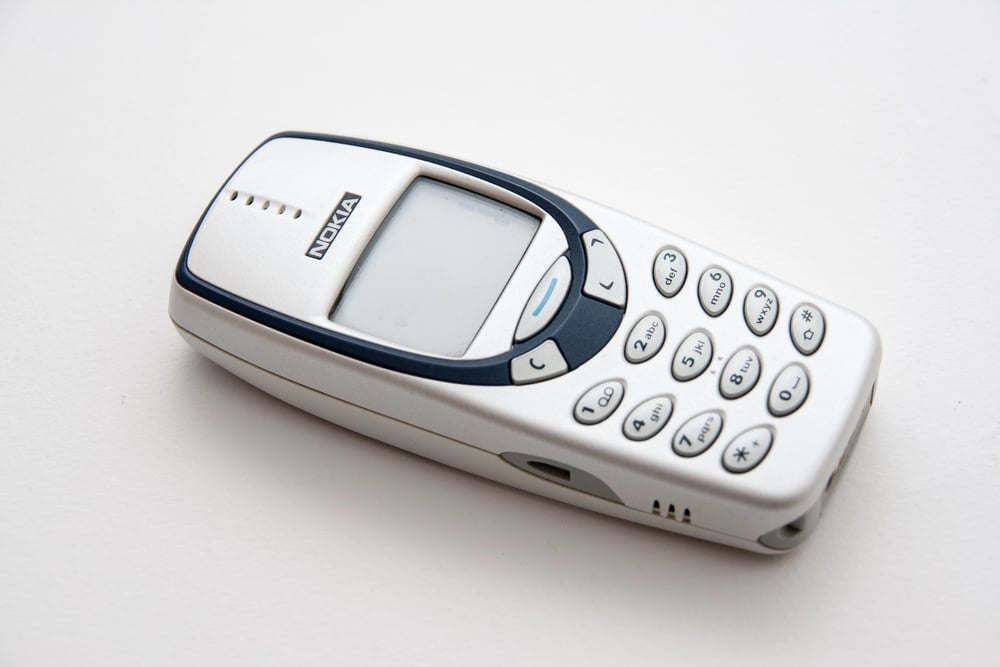
At 133 grams, the 3310 felt substantial without being burdensome. Modern flagship phones weigh nearly twice as much and require protective cases that add even more bulk.
The 3310 needed no protection because it was its own protection.
A Phone That Actually Made Good Phone Calls

Call quality was crystal clear, assuming you had a signal — which the 3310 seemed to find in places where modern smartphones give up entirely. The speaker was loud enough to hear in noisy environments, the microphone picked up voices without background noise, and calls didn’t drop because the phone was working too hard running seventeen apps in the background.
The Flashlight That Saved Countless Situations
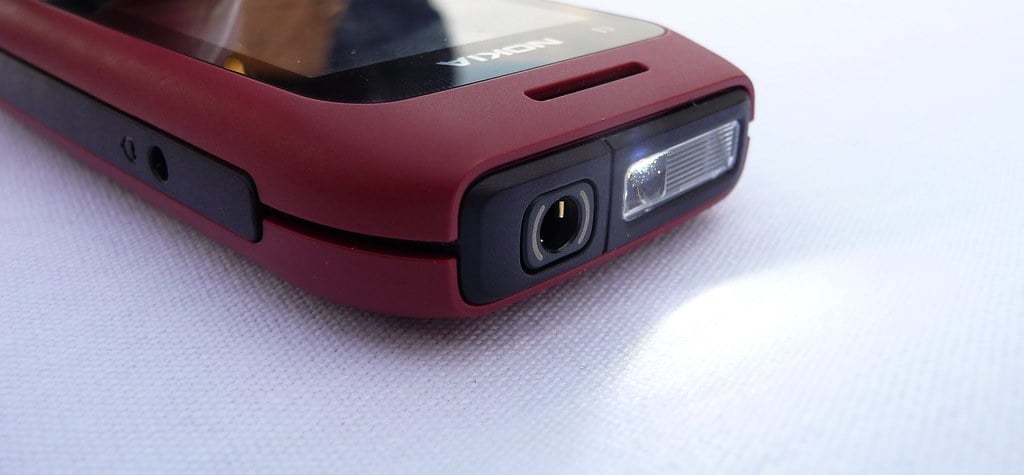
That little screen backlight could illuminate keyholes, lost items, and dark stairwells with surprising effectiveness. It wasn’t bright by modern LED standards, but it was always available, never needed a separate app, and never drained the battery enough to matter.
Memory That Made Every Photo Count
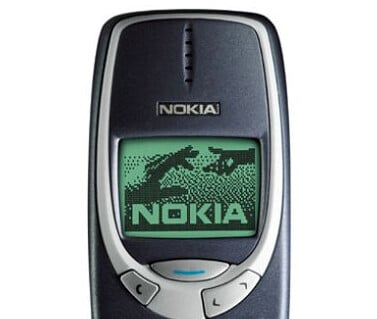
The 3310 had no camera and virtually no storage space for anything beyond contacts and text messages. This forced a kind of digital minimalism that seems almost quaint now — you kept what mattered and deleted what didn’t, because there simply wasn’t room for digital hoarding.
The Sound of Unbreakable Satisfaction
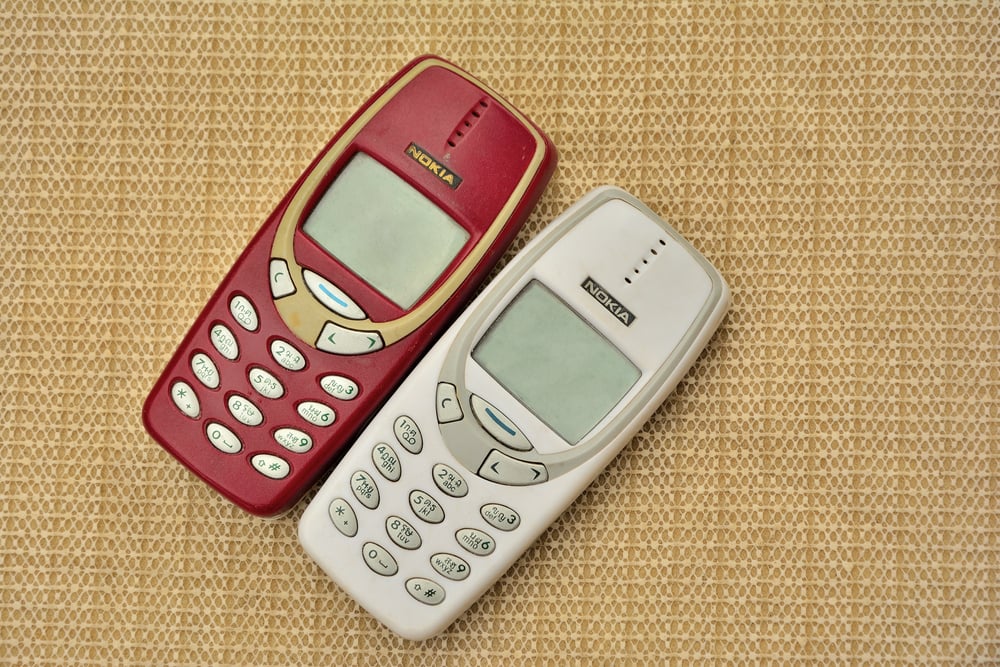
Every button press produced a satisfying mechanical click that confirmed your input. The keypad had real travel, real feedback — pressing a button meant something.
Modern touchscreens can simulate haptic feedback, but they can’t replicate the physical certainty of mechanical switches that actually moved when you pressed them.
Repairs That Anyone Could Handle
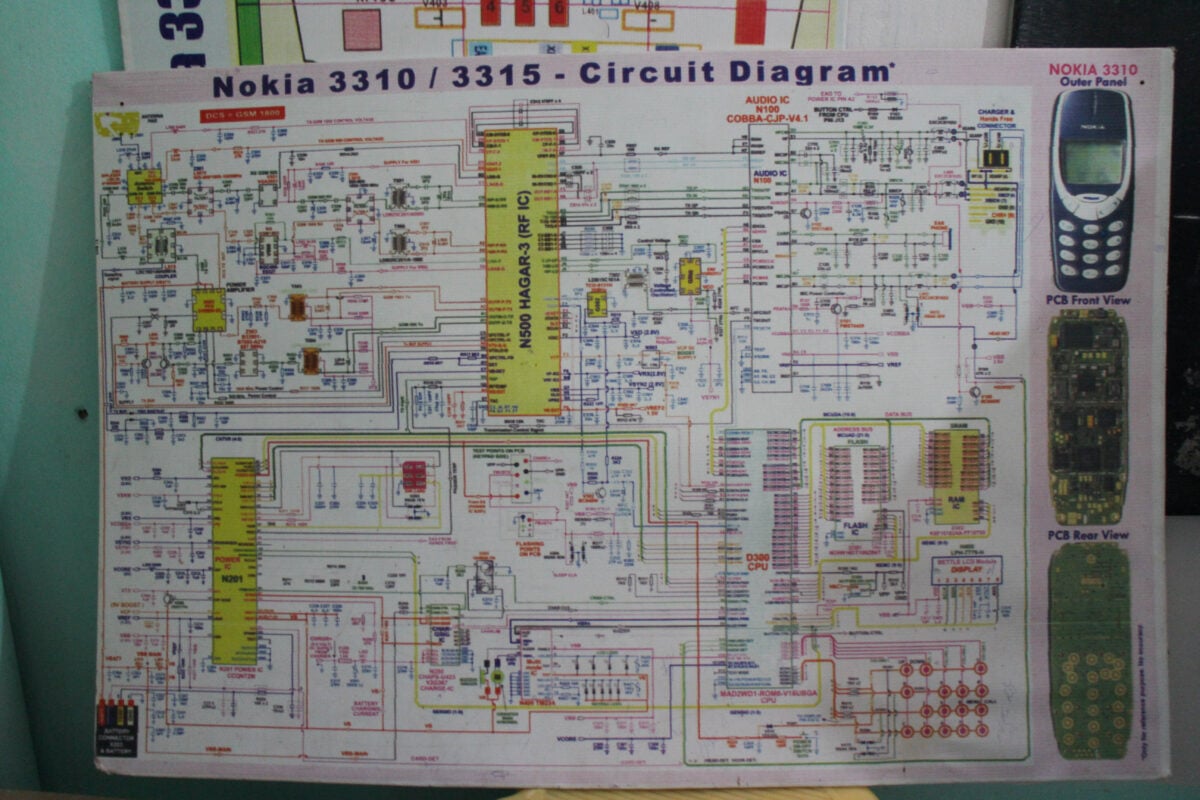
When something went wrong with a 3310 — which was rare — the solution was usually obvious and fixable. Replace the battery, clean the contacts, or snap on a new faceplate.
No special tools, no voided warranties, no genius bars. Just straightforward mechanical problems with straightforward mechanical solutions.
International Roaming Without Drama
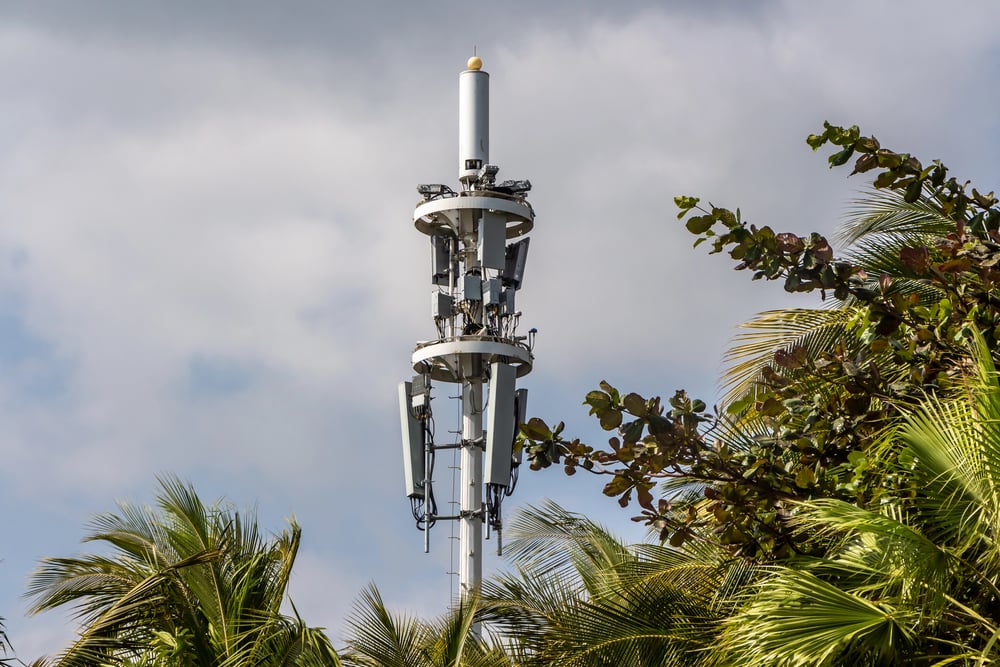
The 3310 worked everywhere GSM networks existed, which was most of the civilized world. Pop in a local SIM card, and you had a working phone with no compatibility issues, no carrier restrictions, and no software conflicts.
Travel meant freedom from your home network, not anxiety about whether your device would function properly in foreign countries.
When Simple Was Actually Better
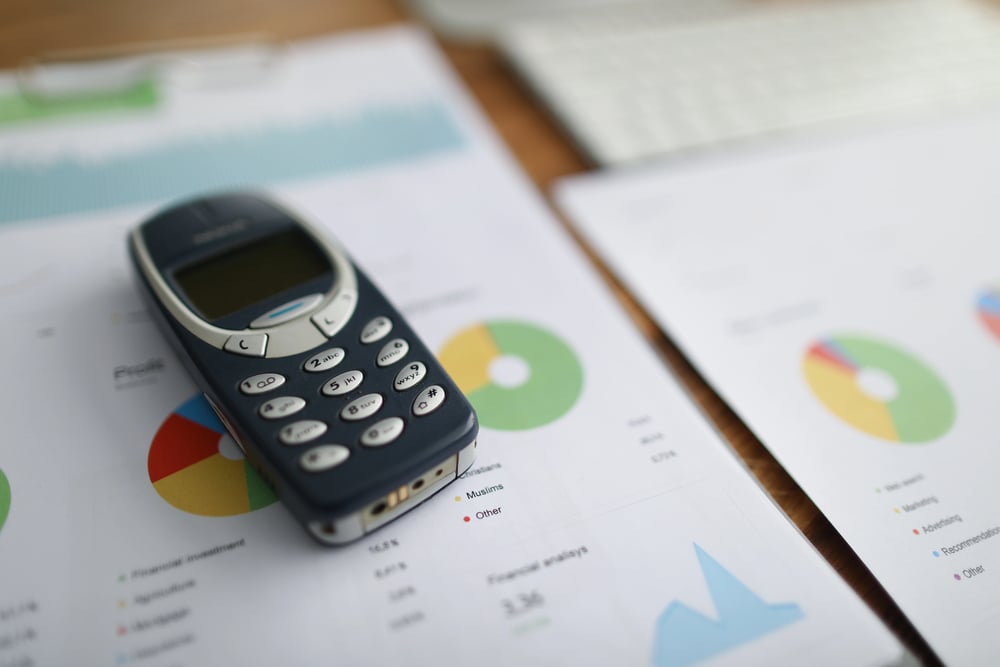
There’s something to be said for a device that did exactly what it promised and nothing more. The Nokia 3310 never crashed, never needed updates, never ran out of storage, and never made you feel like you were falling behind on the latest features.
It was a phone that simply worked, year after year, without demanding attention or maintenance or apologies for not being smart enough. In a world where our devices have become increasingly complex and increasingly fragile, that kind of reliability feels less like nostalgia and more like wisdom.
More from Go2Tutors!

- The Romanov Crown Jewels and Their Tragic Fate
- 13 Historical Mysteries That Science Still Can’t Solve
- Famous Hoaxes That Fooled the World for Years
- 15 Child Stars with Tragic Adult Lives
- 16 Famous Jewelry Pieces in History
Like Go2Tutors’s content? Follow us on MSN.



