15 Events That Started as Jokes but Made History
Sometimes the most significant moments in history begin with someone trying to get a laugh. What starts as a prank, a satirical comment, or a ridiculous bet can spiral into something that changes the world forever.
These accidental historical events prove that comedy and consequence often walk hand in hand. History is full of moments that began with humor but ended up in textbooks.
Here is a list of 15 events that started as jokes but made history.
The Great Emu War

In 1932, Australia literally declared war on birds—and lost. What began as farmers joking about their emu problem became an official military operation when thousands of emus invaded wheat fields in Western Australia.
The government deployed soldiers with machine guns to fight the feathered invaders, but the emus proved surprisingly tactical, splitting into small groups and outmaneuvering the troops. After weeks of embarrassing defeats, the military withdrew, and the emus kept their territory.
Boaty McBoatface

The British public was asked to vote on a name for a new polar research vessel in 2016, expecting dignified suggestions like previous ships. Instead, comedian James Hand jokingly submitted ‘Boaty McBoatface,’ which quickly gained massive online support and won the popular vote by a landslide.
While officials ultimately named the ship after naturalist David Attenborough, they honored the joke by naming a submarine ‘Boaty McBoatface.’ The incident changed how organizations approach public naming contests forever.
Like Go2Tutors’s content? Follow us on MSN.
The War of the Worlds Broadcast

Orson Welles never intended to convince America that Martians were invading when he adapted H.G. Wells’ novel for radio on October 30, 1938.
The Mercury Theatre production was designed as Halloween entertainment, complete with fake news bulletins and dramatic sound effects. However, listeners who tuned in late missed the opening announcement and believed they were hearing real news reports of an alien invasion.
While reports of mass panic were exaggerated, the broadcast demonstrated radio’s power and led to new broadcasting regulations.
Yahoo’s Name Origin

Stanford graduate students J. Yang and D. Filo created a web directory in 1994 and jokingly called themselves ‘yahoos’ after the crude creatures in Jonathan Swift’s ‘Gulliver’s Travels.’ They claimed the name stood for ‘Yet Another Hierarchical Officious Oracle,’ but admitted it was really about embracing their geeky, uncivilized nature.
That playful self-deprecation became one of the internet’s first major brands, eventually worth billions and helping define how we navigate the web.
The Boston Tea Party’s Costume Choice

The colonists who dumped tea into Boston Harbor in 1773 disguised themselves as Native Americans partly as a joke about ‘playing Indian.’ Samuel Adams and his fellow rebels thought the costumes were amusing and would help them avoid identification while making a political statement.
This theatrical touch turned a simple act of defiance into an iconic symbol of American rebellion. The humorous disguise became one of the most recognizable images in American revolutionary history.
Like Go2Tutors’s content? Follow us on MSN.
Monty Python’s Holy Grail Coconuts
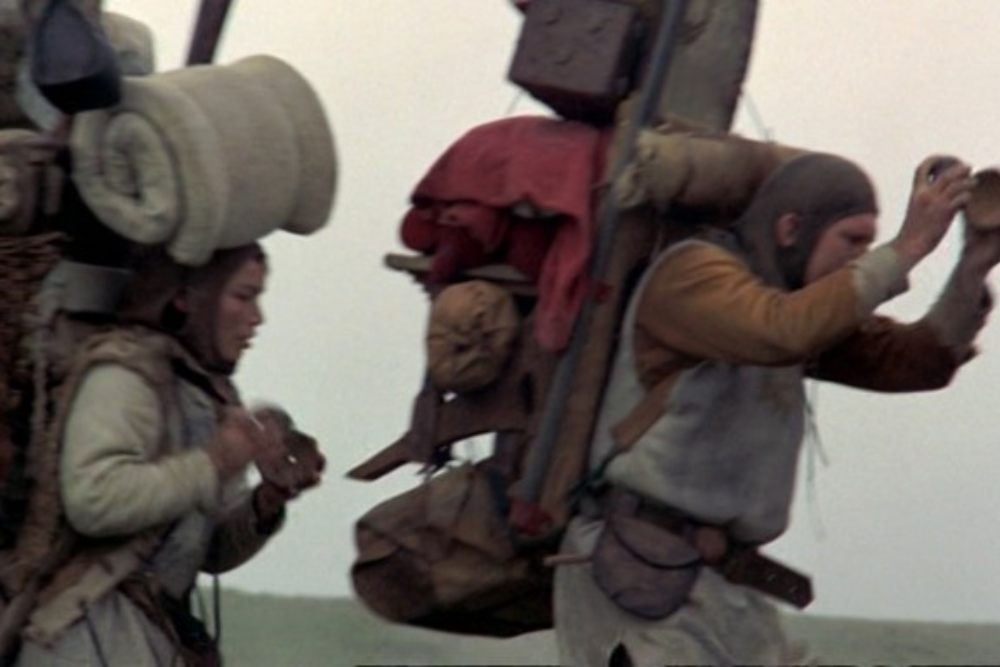
The Monty Python troupe couldn’t afford horses for their 1975 film about King Arthur, so they jokingly decided to have actors gallop around while clapping coconut halves together. What started as a budget constraint and a running gag became one of cinema’s most beloved comedy bits.
The coconut clip-clop sound became so iconic that it influenced countless other comedies and even found its way into the Broadway musical ‘Spamalot.’
The Pet Rock

Gary Dahl overheard friends complaining about their pets in 1975 and jokingly suggested they get rocks instead—no feeding, walking, or cleanup required. He wrote a humorous care manual and packaged ordinary beach stones in cardboard carriers with breathing openings.
The absurd product became a cultural phenomenon, selling over a million units during the 1975 holiday season. Dahl’s throwaway joke created one of history’s most successful novelty items and proved that marketing genius sometimes comes from pure silliness.
Flash Mobs

The first flash mob in 2003 was organized by Bill Wasik as a social experiment and joke about conformity and viral culture. He gathered strangers via email to simultaneously converge on a department store, applaud for 15 seconds, then disperse without explanation.
What began as a satirical commentary on trendy urban behavior became a global phenomenon, influencing everything from marketing campaigns to political protests. Wasik’s playful concept gave birth to an entirely new form of social organization.
Like Go2Tutors’s content? Follow us on MSN.
The Ig Nobel Prizes

Harvard’s Ig Nobel Prizes began in 1991 as a parody of the Nobel Prizes, honoring scientific research that ‘first makes people laugh, then makes them think.’ Marc Abrahams created the awards to highlight absurd-sounding studies while actually celebrating curiosity and unconventional thinking.
The ceremony has become a respected tradition that draws real Nobel laureates as presenters and has helped bridge the gap between serious science and public understanding.
Wikipedia
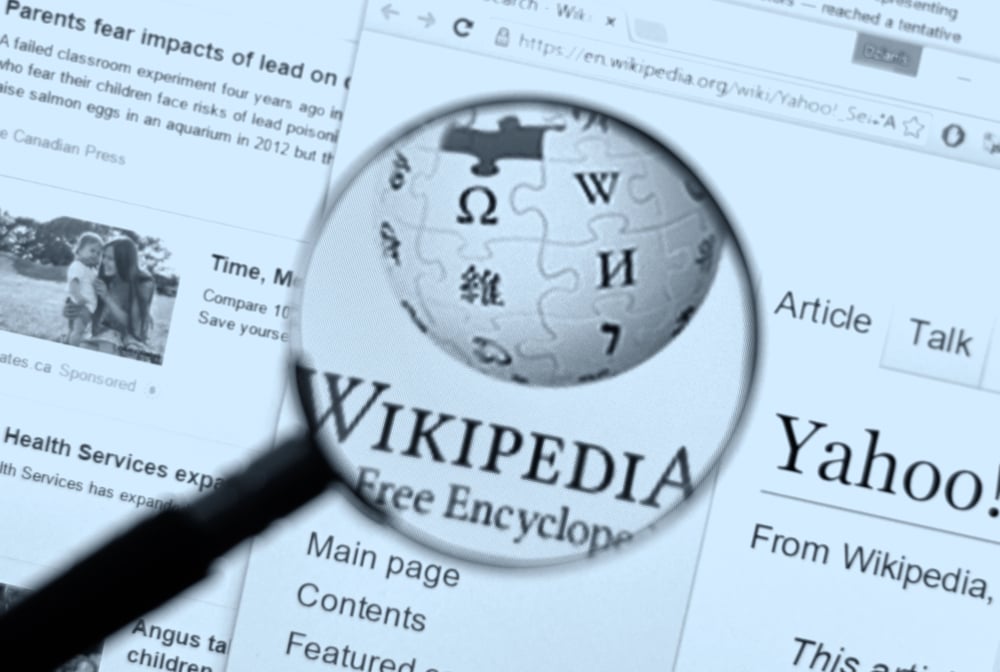
Jimmy Wales and Larry Sanger launched Wikipedia in 2001 as a side project to their serious encyclopedia called Nupedia, partly joking about letting anyone edit articles. They doubted that crowd-sourced knowledge could work but decided to try the wiki format as an experiment.
That playful gamble created the world’s largest reference work and fundamentally changed how humans share and access information. Wales often admitted he never expected the joke about ‘anyone can edit’ to work so spectacularly well.
The Ice Bucket Challenge

The ALS Ice Bucket Challenge started as a silly social media dare in 2014, with people dumping freezing water on themselves and challenging others to do the same. What began as harmless fun on Facebook transformed into the most successful viral fundraising campaign in history, raising over $115 million for ALS research.
The playful challenge format became a template for countless other charitable campaigns and proved that humor and social pressure could drive serious philanthropy.
Like Go2Tutors’s content? Follow us on MSN.
Rickrolling

Rick Astley’s 1987 song ‘Never Gonna Give You Up’ was already considered cheesy when internet pranksters began using it in 2007 to trick people into watching the music video. The joke involved posting links that promised interesting content but instead led to Astley’s earnest performance.
This simple prank evolved into one of the internet’s most enduring memes, eventually bringing Astley back into the spotlight and making him a beloved figure among younger generations who originally mocked his music.
The Dancing Baby

The ‘Dancing Baby’ animation started as a 1996 demonstration of new 3D software capabilities, featuring a diaper-wearing infant doing a cha-cha dance. Software developers shared it as an amusing technical showcase, never intending it to become viral content.
The absurd dancing baby became one of the internet’s first widespread memes and later gained mainstream fame on the TV show ‘Ally McBeal.’ This simple joke animation helped establish the template for viral internet culture.
Punk Rock Movement

Punk rock began partly as a joke about musicianship, with bands like the Ramones deliberately playing simple, fast songs that mocked the complexity of 1970s rock. Malcolm McLaren managed the genre’s evolution as much for the shock value and humor as for artistic expression, particularly with the provocative antics of the Pistols.
What started as rebellious comedy against pretentious rock culture became a legitimate musical movement that influenced decades of music, fashion, and youth culture. The joke about ‘anyone can play three chords’ became a democratic revolution in music.
Like Go2Tutors’s content? Follow us on MSN.
Streaking

The streaking craze of the 1970s began when college students started running unclothed through public spaces as a silly dare and protest against social conventions. What started as isolated pranks on university campuses became a national phenomenon, culminating in a streaker interrupting the 1974 Academy Awards ceremony.
The playful rebellion became a symbol of the decade’s counterculture movement and established a tradition of using nudity for humorous social commentary that continues today.
From Pranks to Permanence

These accidental historical moments reveal something fascinating about human nature—our greatest achievements often emerge from our simplest impulses to laugh and play. What begins as a moment of levity can resonate across cultures and generations, proving that humor has the power to shape society in unexpected ways.
The line between joke and genuine cultural shift is often thinner than we imagine, and today’s silly meme might just be tomorrow’s historical footnote. Sometimes the most profound changes start with someone simply trying to make others smile.
More from Go2Tutors!

- 16 Historical Figures Who Were Nothing Like You Think
- 12 Things Sold in the 80s That Are Now Illegal
- 15 VHS Tapes That Could Be Worth Thousands
- 17 Historical “What Ifs” That Would Have Changed Everything
- 18 TV Shows That Vanished Without a Finale
Like Go2Tutors’s content? Follow us on MSN.